Ghumoopedia — Explore, Discover, Experience
Sign in
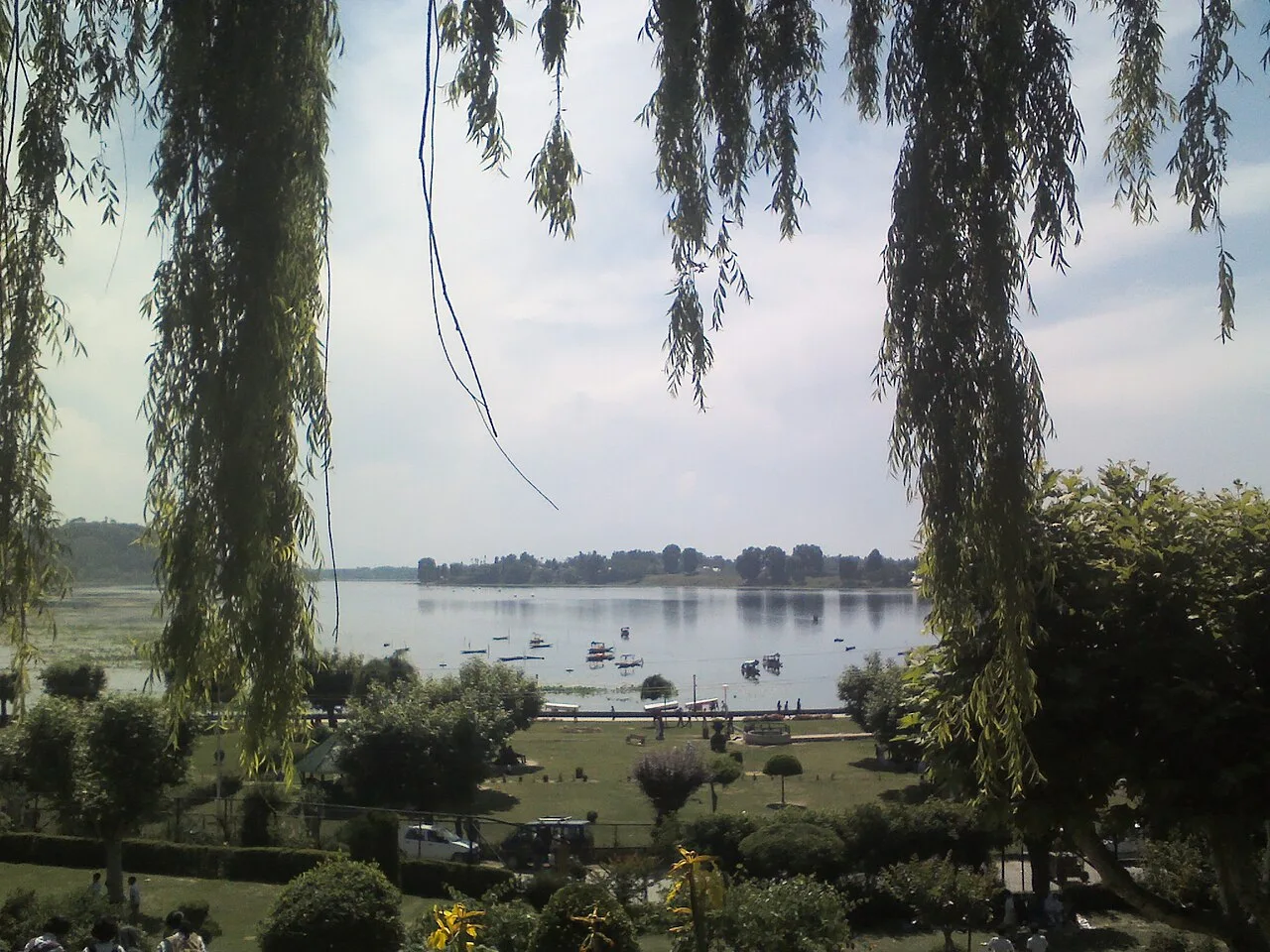
Lolab Valley, near Kopawor

City guide · Jammu and Kashmir

Kopawor

Kopawor, also commonly written Kupwara, is an administrative and trading centre in north Kashmir. Its importance comes from serving the surrounding villages and mountain valleys, as well as from its position in a border district.

Famous for

  • Lolab Valley scenery
  • Bangus Valley landscapes
  • Apple and walnut orchards
  • North Kashmir market town

Why Kopawor matters

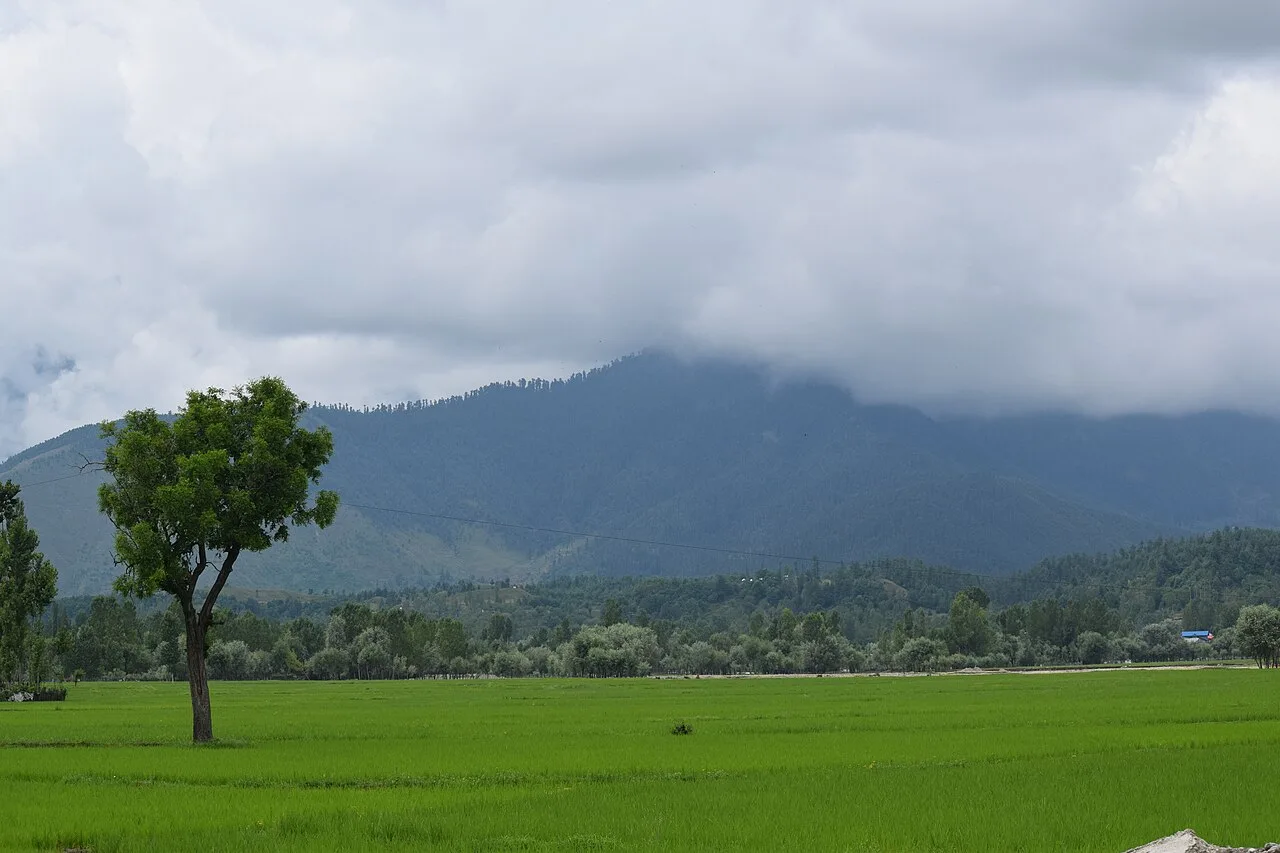
Kopawor, also commonly written Kupwara, is an administrative and trading centre in north Kashmir. Its importance comes from serving the surrounding villages and mountain valleys, as well as from its position in a border district. The town is a practical base for learning about rural life in this part of the Kashmir Valley and for arranging visits to nearby landscapes.

Visitors are drawn chiefly to the green Lolab Valley, with its villages, orchards and forested slopes, and to Bangus Valley, a high meadow area whose access can be subject to local conditions. The town itself is quieter than Kashmir’s main tourist centres; its everyday markets and roadside activity offer a glimpse of regional life. Kupwara’s wider district is associated with apple and walnut cultivation and varied mountain scenery. Because some destinations lie near the Line of Control or involve remote roads, travellers should check current access and travel advice before setting out.
Famous for: crafts, trade & products

Kopawor is not widely known as a centre for a particular textile, signature craft or large-scale manufacturing industry. Its market serves the town and nearby rural communities, with everyday shops and stalls supplying food, clothing and household goods. The wider Kupwara district has orchards and produces apples and walnuts; seasonal produce is most readily encountered through local vendors and markets rather than through a dedicated visitor centre.

Kashmiri handicrafts, including papier-mâché, carved walnut wood, carpets and fine shawls, are associated with the region, but they are more strongly identified with specialist workshops and markets elsewhere in Kashmir, especially Srinagar. Travellers looking for these crafts should ask shops about materials and provenance rather than assume an item was made locally. No particular GI-tagged product or major craft institution is especially associated with Kopawor itself. For an everyday sense of local trade, explore the town bazaar; for a wider selection of established Kashmiri handicrafts, plan to shop in Srinagar.

History

Kopawor’s history is best understood within that of the Kashmir Valley and its northern frontier. The region passed through successive periods of Kashmiri sultanate, Mughal, Afghan and Sikh rule before becoming part of the princely state ruled by the Dogra dynasty in the nineteenth century. During the colonial era, the British exercised paramountcy over the princely state rather than governing Kupwara as a separate British province.

After the 1947 Partition, the district’s position near the Line of Control shaped its administration, movement and development. Kupwara grew as the district headquarters and as a service and market centre for surrounding settlements. Roads, public offices, schools and other services have supported its modern role, while the nearby valleys remain largely rural. The history of the town itself is less widely documented than the broader political history of Kashmir, so specific claims about individual buildings or founding dates should be treated cautiously.

Food, festivals & culture

Daily life reflects the wider culture of Kashmir, with Kashmiri widely spoken alongside Urdu; Pahari, Gujari and Hindi are also heard in the district. Meals may include rice, haakh (leafy greens), nadru (lotus stem), and meat dishes such as rogan josh. Wazwan is served at important gatherings, while kahwa, breads such as girda and local sweets are enjoyed in homes and cafés. Recipes and availability vary between households and seasons.

Eid al-Fitr and Eid al-Adha are major Muslim festivals, with Ramadan observed according to the lunar calendar. Hindu families also mark festivals such as Shivratri, and community celebrations reflect the district’s varied traditions. Rouf, a group dance associated with Kashmiri celebrations, and regional folk and Sufi music form part of the broader cultural landscape. Mosques and shrines are important gathering places in the town and villages; temples and other places of worship serve local communities as well. Visitors should dress and behave respectfully at religious sites.

Visiting the city

Late spring through early autumn is generally the most comfortable period for exploring the area; summers are pleasant compared with the plains, while winter can bring cold weather and snow in higher areas. Srinagar International Airport is the nearest major airport. Sopore railway station is a practical rail access point for Kupwara, though the town has no railway station of its own; onward travel is by road.

Taxis and shared vehicles connect the town with nearby settlements, while local roads are the usual way to reach the valleys. The town bazaar is a useful place to walk around and find everyday food and services. Lolab Valley makes a natural excursion from Kopawor; Bangus Valley requires extra planning because access and road conditions can vary. Check locally before travelling to remote or border-area destinations, and allow flexibility for weather and security restrictions.

Trips from the city

Nearest places to visit from Kopawor

Our closest destination guides, by straight-line distance.

Lolab Valley

14 km away · Kupwara district

Lolab Valley

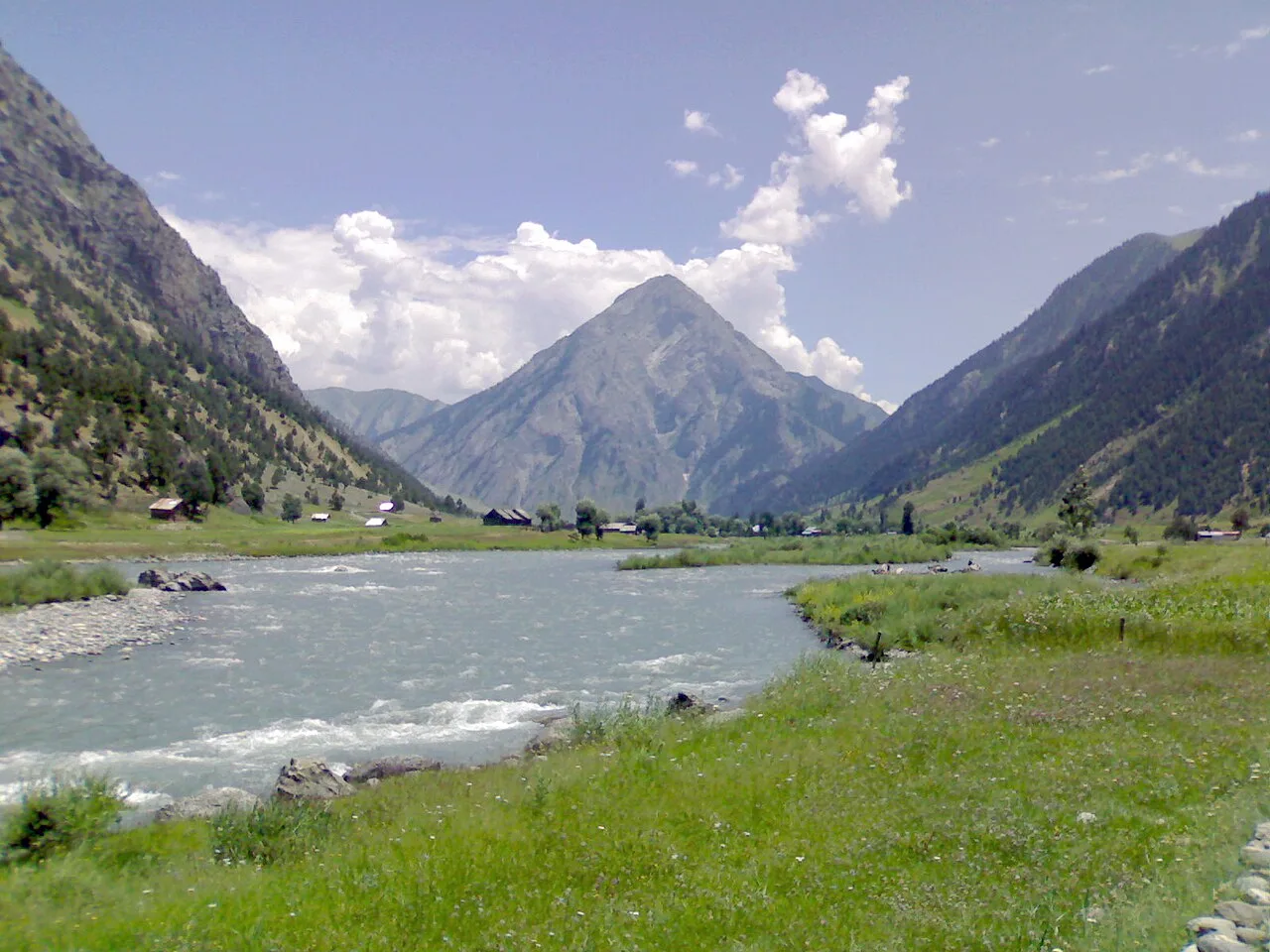
Lolab is a Himalayan valley in Kupwara district, valued for its green fields, forests and scenic landscape. Visitors come to enjoy nature and seek tranquillity.

Bangus Valley

24 km away · Kupwara district

Bangus Valley

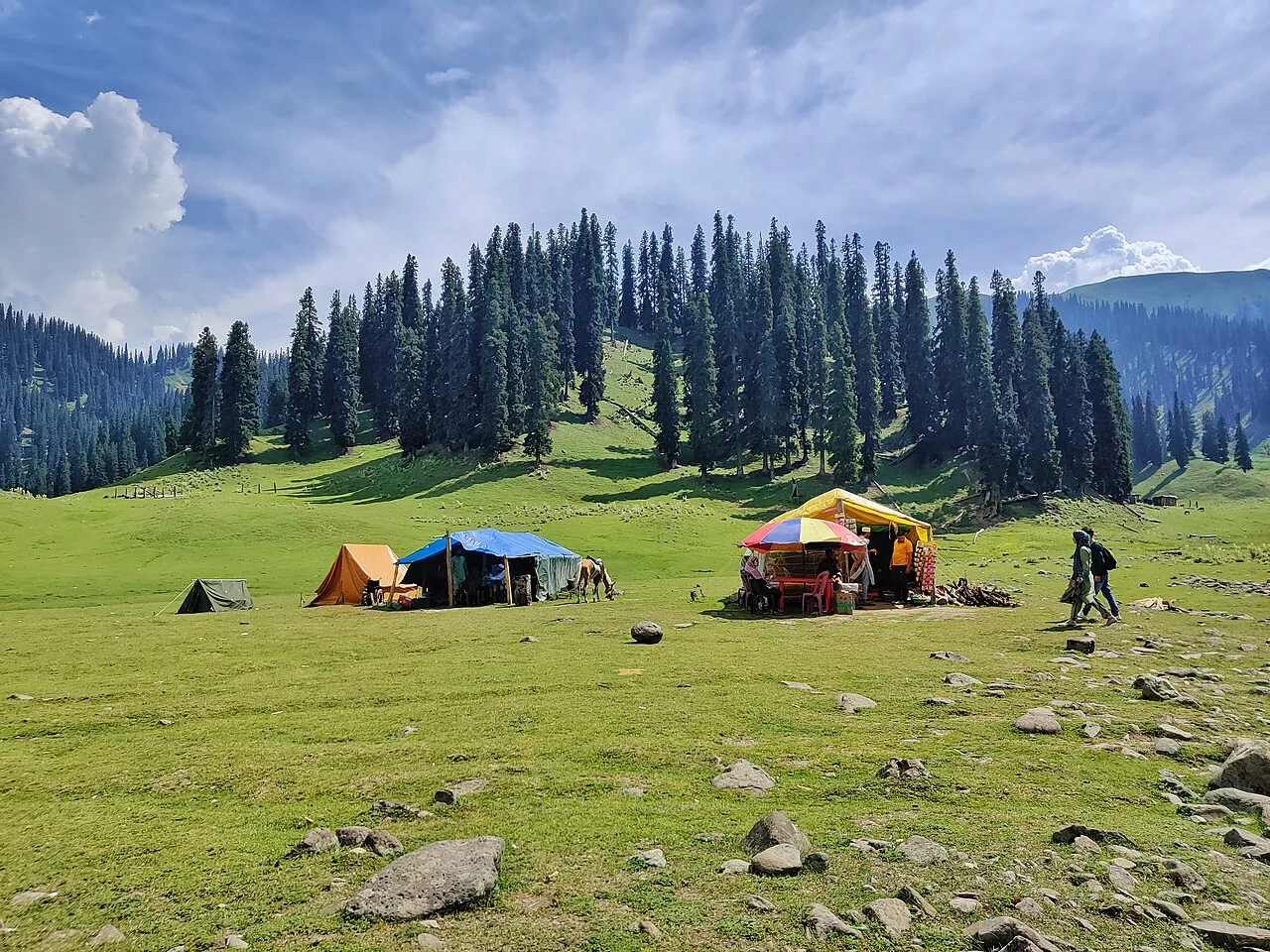
Also known as Bungus Valley, Bangus is a valley in Kupwara district, Jammu and Kashmir. Visitors come for its mountain scenery, woodland and clear streams.

Wular Lake

32 km away · Bandipora district

Wular Lake

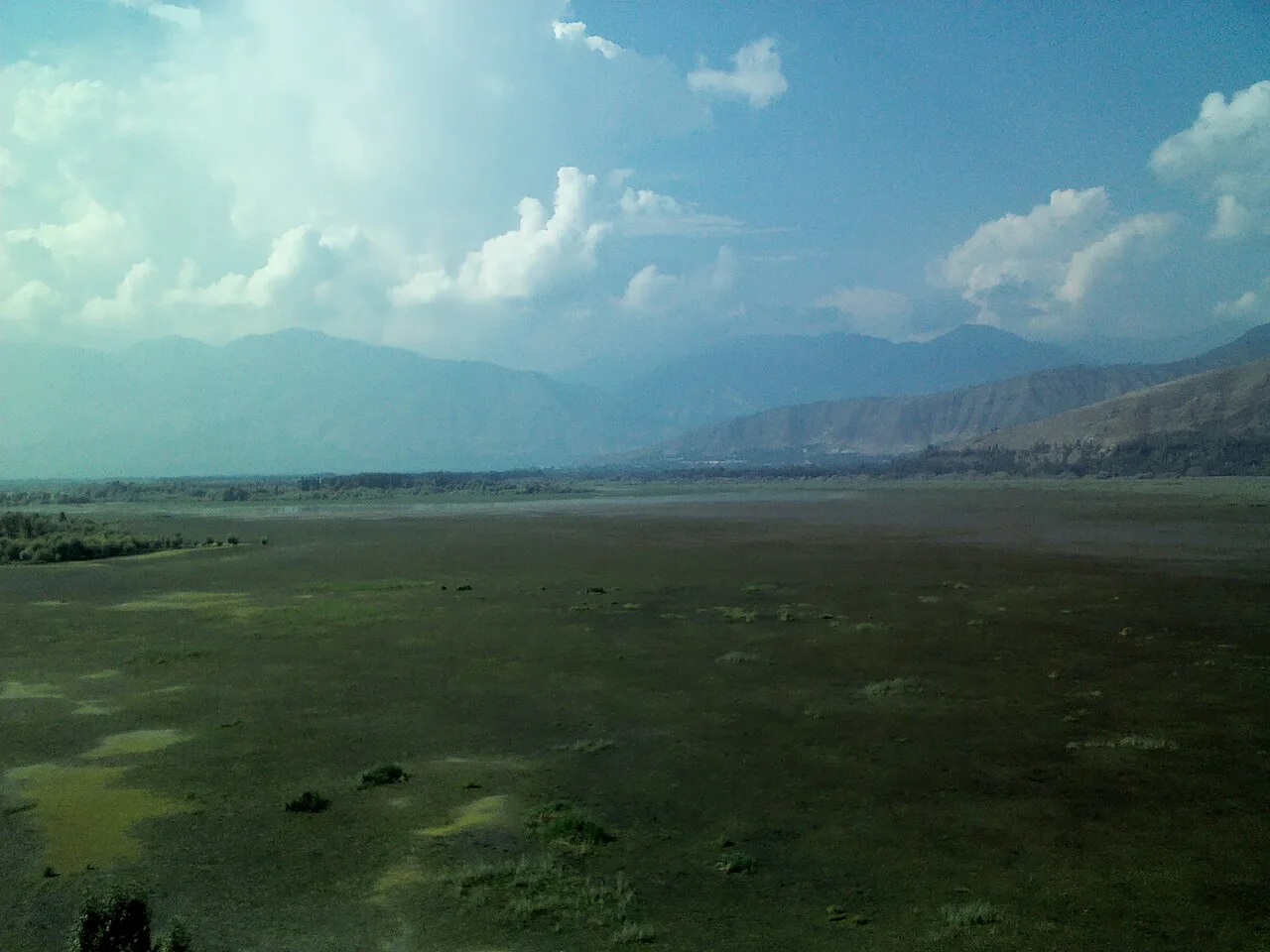
Wular Lake, called Wolar in Kashmiri, is a major freshwater lake in Bandipora district, Jammu and Kashmir. People visit to view its waters and seasonally shifting extent.

Manasbal Lake

48 km away · Ganderbal district

Manasbal Lake

Manasbal Lake is a freshwater lake in Safapora, Ganderbal district, recognised as Kashmir’s deepest. Visitors come for its lotus flowers, the Mughal garden Jaroka Bagh and birdwatching.

Gurez

53 km away · Bandipora district

Gurez

Gurez is a tehsil in Jammu and Kashmir, centred on a high-Himalayan valley. Visitors come for its mountain scenery, the Neelum River and the Shina culture of its communities.

Gulmarg

54 km away · Baramulla district

Gulmarg

Gulmarg is a settlement and notified area committee in Jammu and Kashmir, known for skiing and winter sports. Visitors also come to ride its gondola towards Apharwat Peak.

Tangmarg

54 km away · Baramulla district

Tangmarg

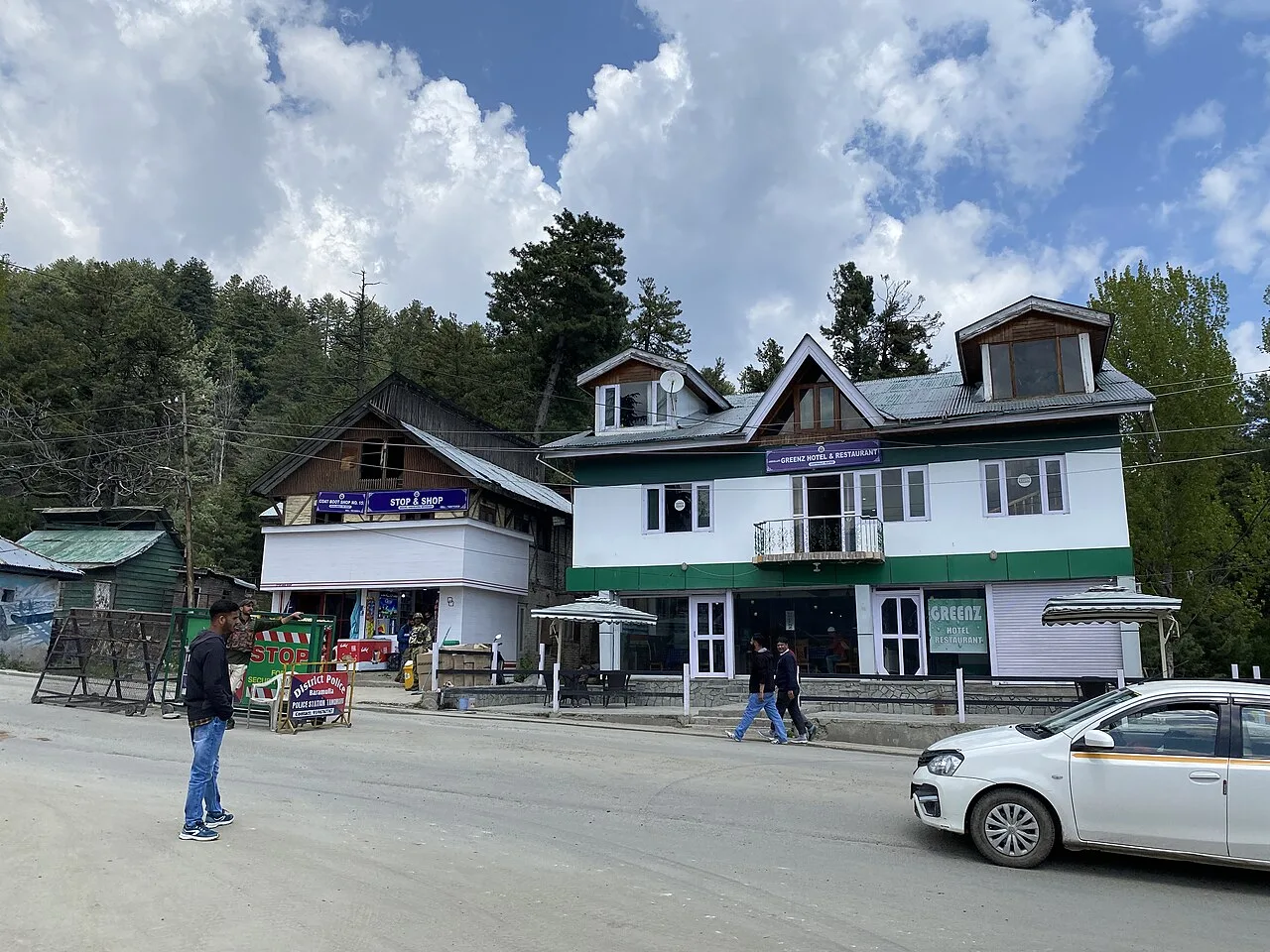
Tangmarg is a town and tehsil in Baramulla district, Jammu and Kashmir, serving nearby villages and providing access to Gulmarg. Visitors come for Drung waterfall, other local sights and trout fish.

Gulmarg Gondola

55 km away · Baramulla district

Gulmarg Gondola

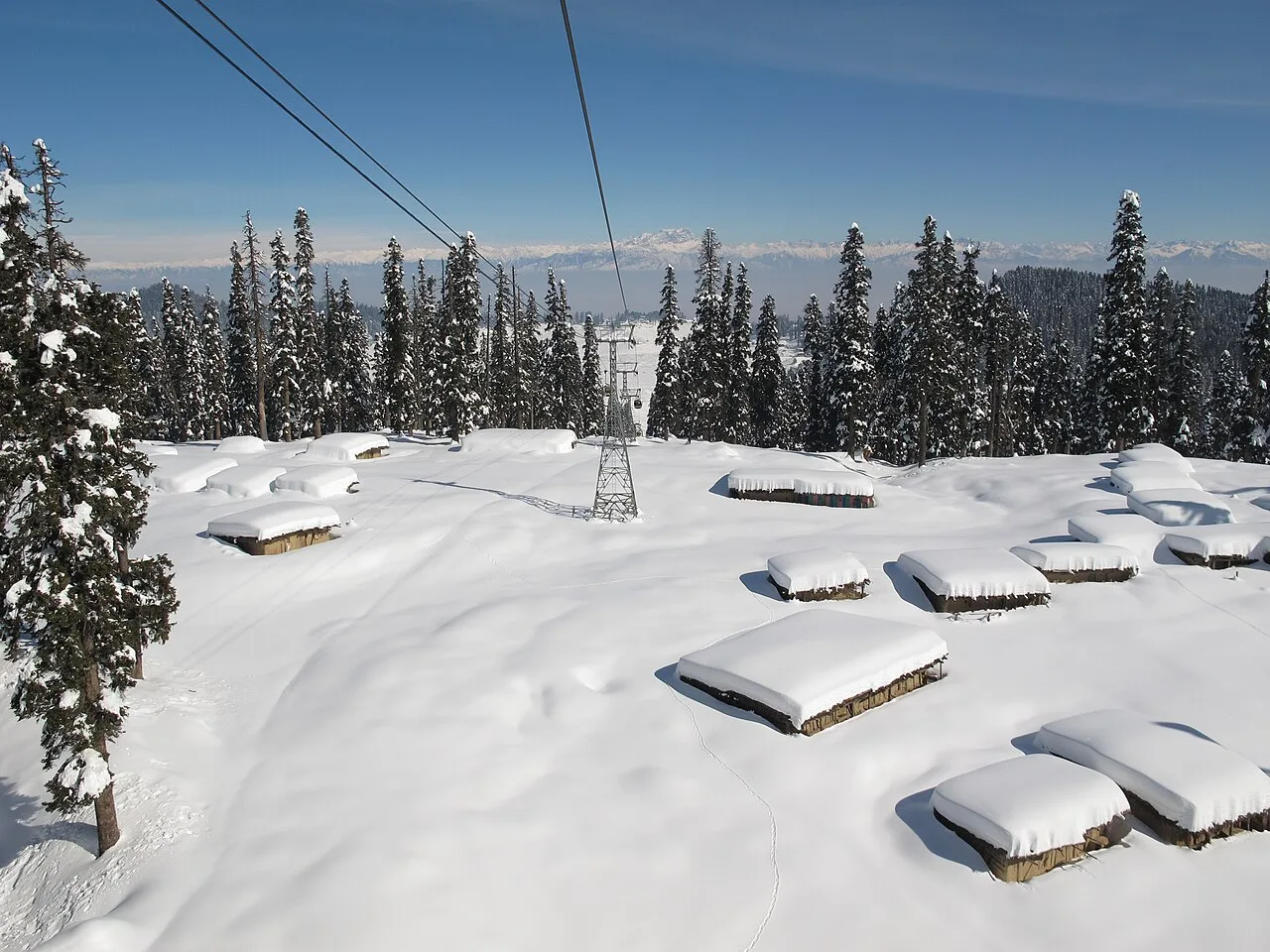
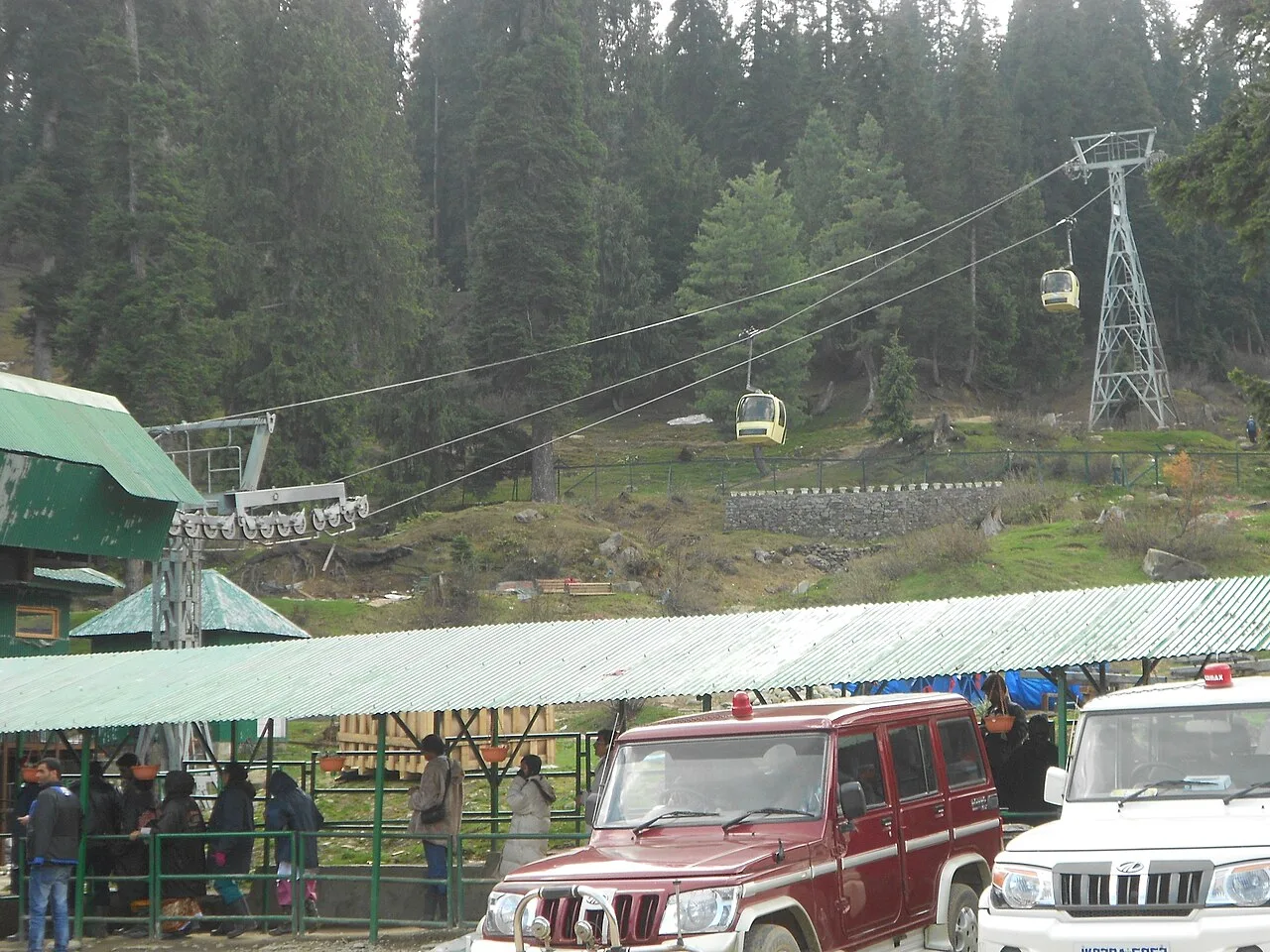
The Gulmarg Gondola is a cable-car system in Gulmarg, Jammu and Kashmir, ranked second worldwide for length and height. Visitors come to travel on the gondola.

Map

Kopawor on the map

  1. 1Lolab Valley
  2. 2Bangus Valley
  3. 3Wular Lake
  4. 4Manasbal Lake
  5. 5Gurez
  6. 6Gulmarg
  7. 7Tangmarg
  8. 8Gulmarg Gondola

Jammu and Kashmir

Other cities to explore