
Ghumoopedia — Explore, Discover, Experience
Sign in
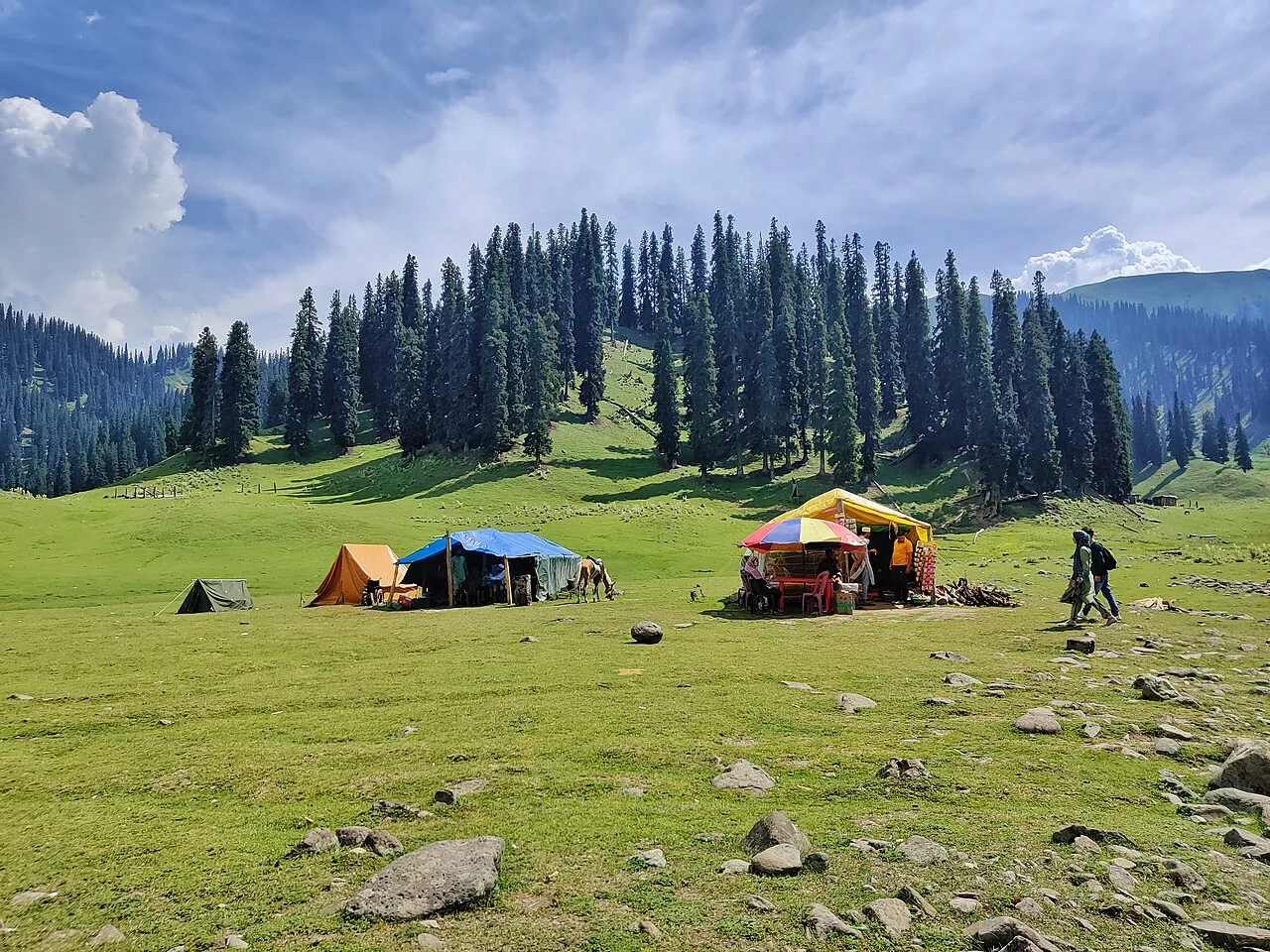
Bangus Valley, near Handwara

City guide · Jammu and Kashmir

Handwara

Handwara is a town in Kupwara district in north Kashmir, serving as a local centre for nearby communities and a stop along the Baramulla–Handwara highway, NH-701. Its location gives it a practical role in regional travel and trade, while the surrounding landscape is a major part of its appeal.

Famous for

  • Pohru River
  • Soyamji volcanic peak
  • North Kashmir scenery
  • Regional market town
In the city
0
Nearby
1
District
Kupwara
Plan a trip

Why Handwara matters

Handwara is a town in Kupwara district in north Kashmir, serving as a local centre for nearby communities and a stop along the Baramulla–Handwara highway, NH-701. Its location gives it a practical role in regional travel and trade, while the surrounding landscape is a major part of its appeal. The Pohru River, known locally as the Talri, flows through the town; it is a tributary of the Jhelum and lends a distinctive natural feature to the urban setting.

Visitors interested in the area’s geography can look towards Soyamji, a striking conical peak near North Machhipura. Also called Paput locally, it is known as a dormant volcanic peak, with a recorded eruption lasting about 13 months in 1934. Handwara is not a large sightseeing centre with a concentration of formal attractions. Rather, it offers a view of everyday life in north Kashmir, access to nearby countryside and river scenery, and a base for exploring the surrounding parts of Kupwara district. Conditions and access to rural areas can vary, so local guidance is useful.

Famous for: crafts, trade & products

Handwara is best understood as a regional market town rather than a centre for a nationally recognised craft, textile, GI-tagged product or large manufacturing industry. Its shops and market area serve residents of the town and nearby villages, with everyday goods, clothing, household supplies and seasonal produce. The town’s position on NH-701 helps connect it with other settlements in the district and with Baramulla.

No particular Handwara-made shawl, carpet, papier-mâché style or other signature handicraft is widely established. Travellers looking for Kashmir’s best-known craft traditions—such as fine shawls, carved woodwork or papier-mâché—will generally find a broader selection in larger shopping centres, especially Srinagar. In and around Handwara, ask locally about seasonal produce from the district, including fruit when in season, rather than assuming there is a dedicated tourist market or fixed specialty outlet. Purchases here are primarily part of ordinary town trade, not a formal craft-tourism circuit.

History

Handwara’s history reflects its position in the contested and changing political landscape of the Kashmir Valley. During Sikh rule, Raja Zabardast Khan, a chieftain of the Bomba tribe, led guerrilla resistance against Sikh forces, targeting their garrisons and posts in the area. This episode connects the town’s past with the wider struggles over authority in the region.

In the nineteenth century, Kashmir came under Dogra rule and was subsequently governed as a princely state under British paramountcy. Handwara’s later development was shaped less by a single royal centre than by its role as a settlement serving surrounding communities. In modern Jammu and Kashmir, it has developed as an administrative and commercial town in Kupwara district. Its municipal committee and location on NH-701 support its present role as a local service centre and road junction. The town’s growth is tied to regional connectivity and public services, while its older identity remains closely linked to the rural communities and landscapes around it.

Food, festivals & culture

Handwara shares the food traditions of the Kashmir Valley. Meals may include rice with dishes such as haakh (collard greens), nadru (lotus stem) and meat preparations; wazwan is associated with formal feasts and celebrations. Kahwa and noon chai are familiar drinks, while local bakeries supply breads such as girda. Availability and household customs vary, and these are regional foods rather than specialties unique to Handwara.

Kashmiri and Urdu are widely used in the area, with language choice varying by setting and speaker. Muslim observances shape much of the town’s public calendar: Ramadan and Eid celebrations follow the Islamic lunar calendar, so their season shifts from year to year. Kashmiri Hindu observances, including Navreh in spring, are part of the wider valley’s cultural calendar. Sufi devotional traditions and forms such as rouf dance belong to the region’s cultural heritage. Mosques and local shrines are important places of worship and community life; visitors should dress respectfully and ask before photographing people or religious spaces.

Visiting the city

Spring through autumn is generally the most comfortable period for exploring Handwara and its surroundings; winters can be cold, and weather may affect road journeys. Srinagar International Airport is the nearest major airport. Sopore railway station, on the Kashmir Valley rail line, is generally the nearest rail stop; onward travel to Handwara is by road. Handwara lies on NH-701, and taxis or other local road transport can be used to reach the town and nearby settlements.

Begin in the central market to get a feel for daily town life, then explore the Pohru river area where access is suitable. North Machhipura is the locality associated with Soyamji peak, but check local conditions before making plans to go beyond town. Handwara is more a practical base and regional stop than a destination with a developed visitor circuit; allow time for road conditions and seek current local advice for countryside visits.

Short trips

Around Handwara

Within about 40 km — easy half-day or day trips from the city.

Map

Handwara on the map

  1. 1Bangus Valley

Jammu and Kashmir

Other cities to explore