
Ghumoopedia — Explore, Discover, Experience
Sign in
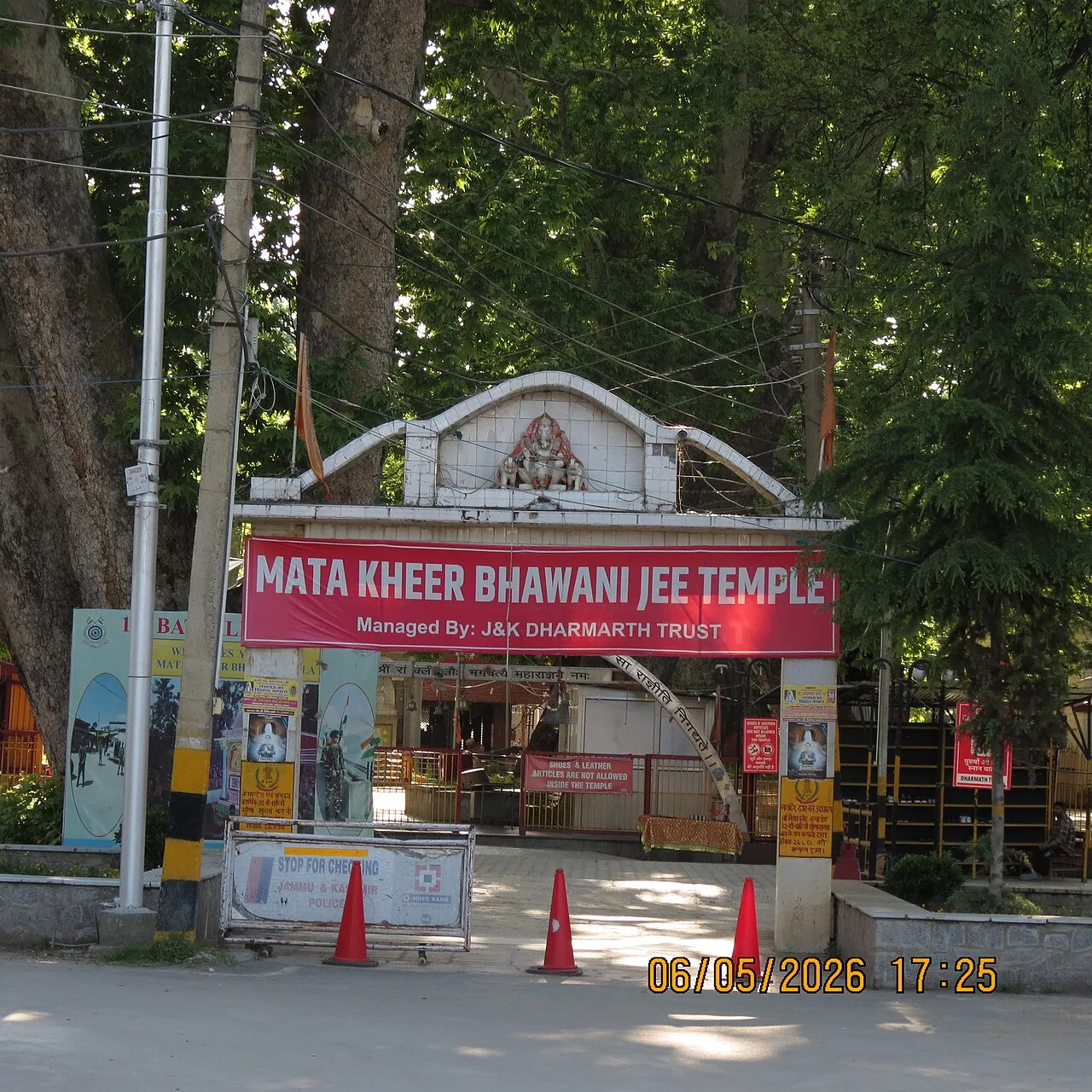
Kheer Bhawani Temple, near Sumbal

City guide · Jammu and Kashmir

Sumbal

Sumbal is a town in Bandipora district, set beside the Jhelum River and close to Manasbal Lake. About 19 kilometres from Srinagar, it lies within the network of towns and villages that connect the Kashmir Valley’s capital with northern districts.

Famous for

  • Jhelum riverside setting
  • Proximity to Manasbal Lake
  • Agriculture and village life
  • Kashmiri literary culture
  • Shia community traditions
In the city
1
District
Ganderbal

Why Sumbal matters

Sumbal is a town in Bandipora district, set beside the Jhelum River and close to Manasbal Lake. About 19 kilometres from Srinagar, it lies within the network of towns and villages that connect the Kashmir Valley’s capital with northern districts. Its position gives it a practical role as a local service and trading centre, as well as a stopping point for travellers exploring the lake and surrounding countryside.

The wider Sumbal area is known for agriculture, a strong literary tradition and a notable Shia community. Nearby villages include Nowgam, Shadipora, Shahtulpora, Shilwat, Shiganpora and Inderkote. Zalpora is among the local settlements associated with routes linking Bandipora and Baramulla districts. Visitors are drawn chiefly by the landscape around the Jhelum and Manasbal, while the town offers a glimpse of everyday life beyond Srinagar. Sumbal is also associated with notable local figures, including Iram Habibi, recognised as Kashmir’s first Muslim woman pilot.

Famous for: crafts, trade & products

Sumbal is better known for its agricultural surroundings and local trade than for a particular textile, craft or GI-tagged product. Farming shapes the nearby landscape and the rhythms of village life. The town serves residents of Sumbal and surrounding settlements, with everyday shops and services concentrated in its local market areas. Travellers looking for a broad selection of Kashmiri handicrafts, carpets or traditional textiles may find more choice in Srinagar; these should not be treated as products uniquely made in Sumbal.

There is no widely established Sumbal-specific craft or branded food product to seek out. For a sense of the area’s economy, notice the agricultural activity and small shops serving local communities, rather than expecting a dedicated craft bazaar. The nearby lake and river are the area’s strongest visitor draw, and local businesses can be useful for basic provisions before exploring surrounding villages. Sumbal’s importance as a market town is regional and practical: it connects settlements and supports daily needs, rather than functioning as a specialist shopping destination.

History

Sumbal’s growth is closely tied to its position beside the Jhelum and to routes connecting settlements in the northern Kashmir Valley. Its riverside setting and fertile agricultural surroundings supported a settled rural economy, while links with nearby villages helped it develop as a local centre for trade and services. The landscape around Manasbal Lake has long been part of the wider pattern of settlement and movement in the region.

The area experienced the successive political changes that shaped Kashmir, including periods under regional rulers and later administration during the princely-state era. In modern administration, Sumbal is a notified area committee town in Bandipora district. Its ward-based local governance and continued links to neighbouring districts reflect its present role as a growing service and transport centre.

Food, festivals & culture

Kashmiri is widely used in everyday conversation, while Urdu is common in public life; Hindi and English may also be understood in some settings. Sumbal’s cultural life reflects the wider traditions of the Kashmir Valley, shaped by village ties, poetry and religious observance. The area has a notable Shia population, and Muharram is an important period of remembrance, with gatherings and observances whose form can vary by community. Eid celebrations and the fasting month of Ramadan are also part of the local calendar.

Meals follow Kashmiri patterns, with rice, vegetables and regional preparations served in homes and local eateries. Visitors may encounter dishes such as haakh, a preparation of leafy greens, or wazwan at larger gatherings; these are regional foods, not specialities exclusive to Sumbal. Tea is a familiar part of hospitality. Poetry and oral expression have a place in local cultural life, while music and dance are more often experienced at family or seasonal occasions than as scheduled performances for visitors. Mosques and local shrines are important community spaces; dress modestly and ask before photographing worshippers.

Visiting the city

Spring through autumn is generally a comfortable time to visit, with milder weather and easier access to the countryside; winters can be cold. Srinagar International Airport is the nearest major airport. Sopore railway station is a rail option for reaching the region, though onward road travel is needed; check current rail connections before setting out. Srinagar is another important rail gateway for the valley.

Sumbal is reached mainly by road from Srinagar and nearby district towns. Local taxis and shared vehicles are practical for moving between the town, surrounding villages and Manasbal Lake; confirm local availability on arrival. Explore the riverside setting and market area, then continue toward Manasbal and villages such as Shadipora or Inderkote. Zalpora is relevant for travellers following routes toward Baramulla district. These are living communities, so be considerate around homes and places of worship.

Attractions

Places to visit in Sumbal

Sights within about 12 km of each other, even when they fall in different districts.

Map

Sumbal on the map

  1. 1Kheer Bhawani Temple

Jammu and Kashmir

Other cities to explore