Ghumoopedia — Explore, Discover, Experience
Sign in
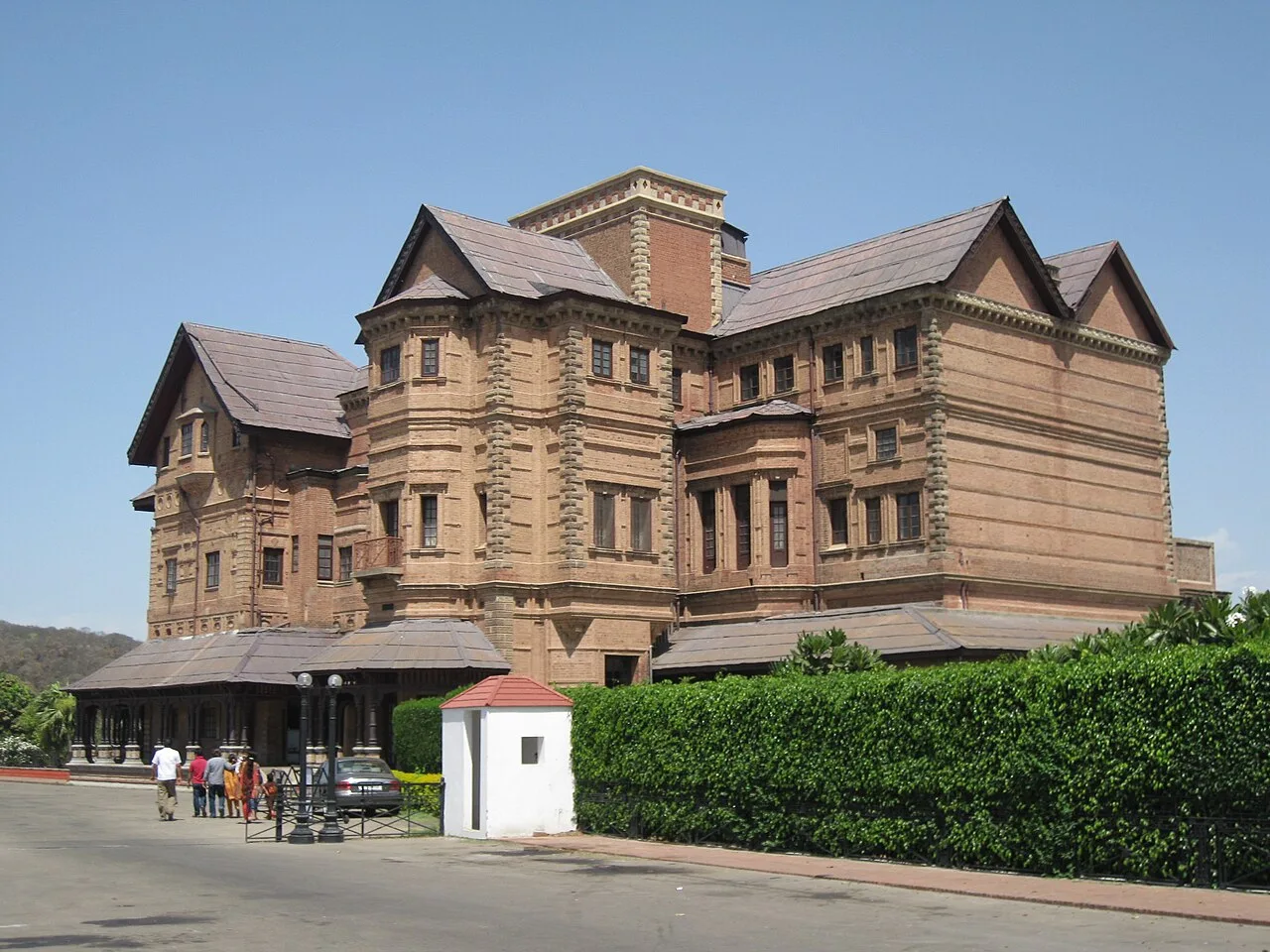
Amar Mahal Palace, near Jammu

City guide · Jammu and Kashmir

Jammu

Jammu is the principal urban centre of the Jammu division and the winter capital of the Union Territory of Jammu and Kashmir. Set along the Tawi River, it connects the plains with the hill districts and the routes leading towards Kashmir.

Famous for

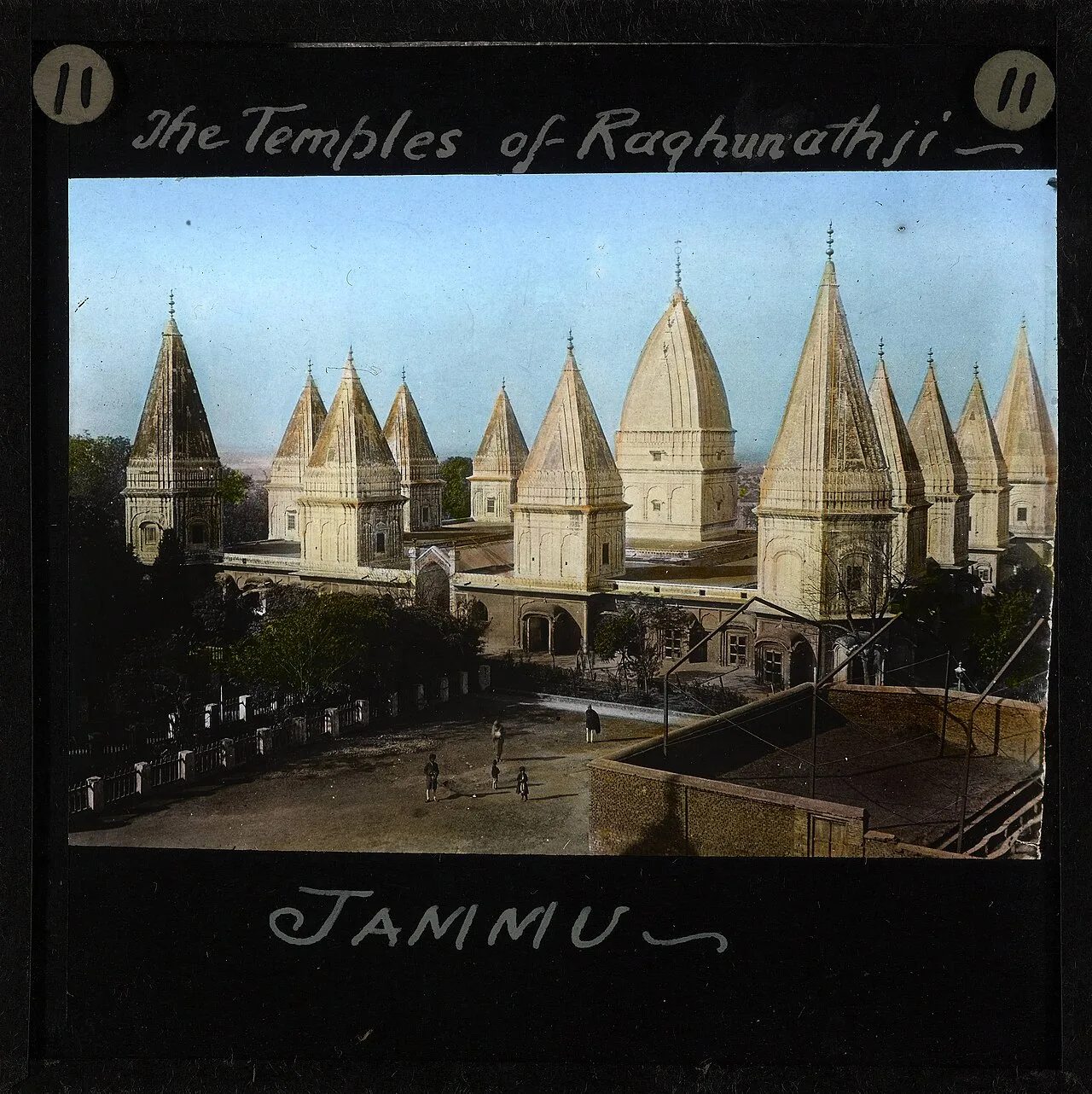
  • Raghunath Temple
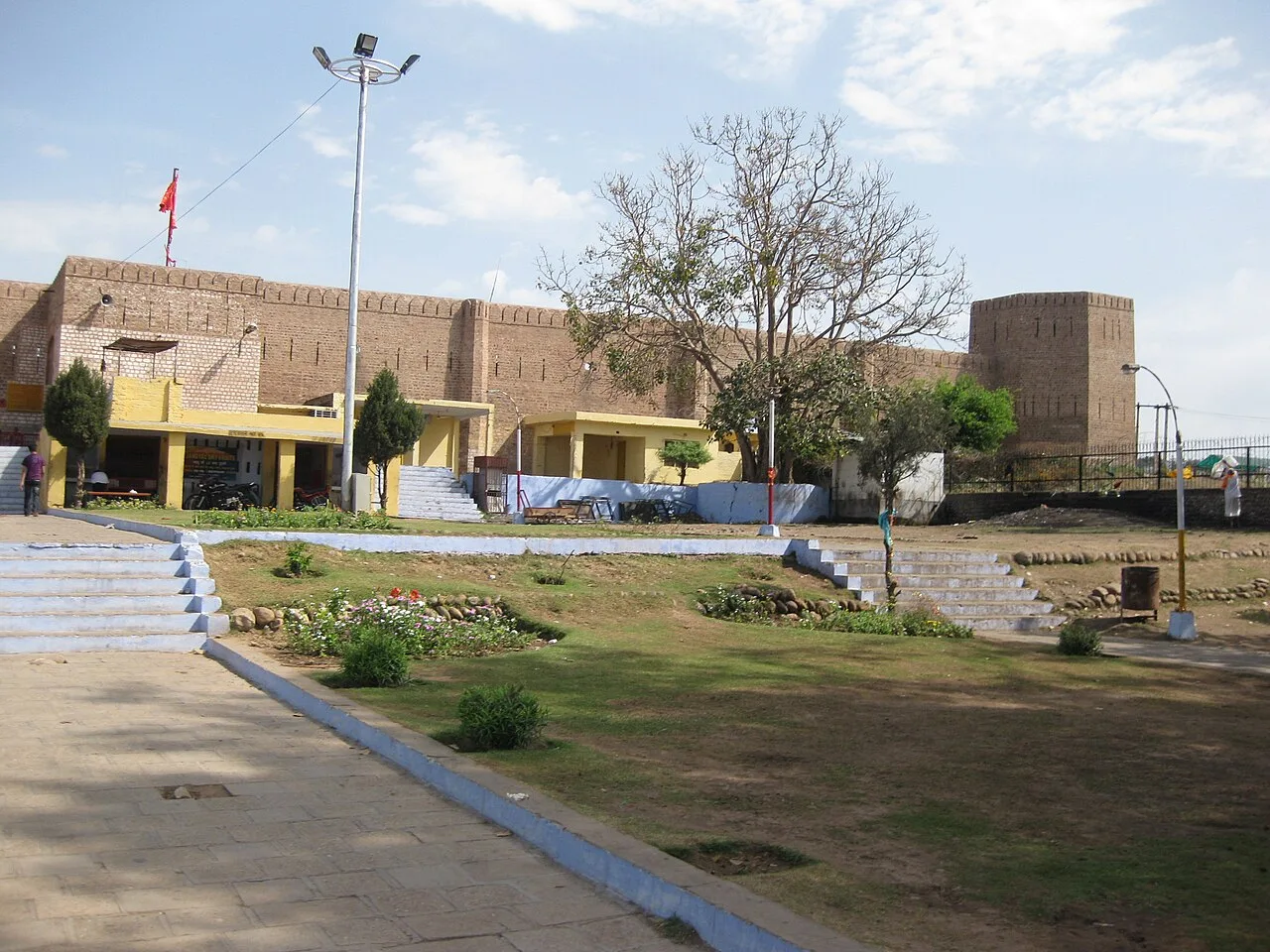
  • Bahu Fort
  • Vaishno Devi gateway
  • Jammu Basmati rice
  • Dogra heritage
In the city
4
District
Jammu

Why Jammu matters

Jammu is the principal urban centre of the Jammu division and the winter capital of the Union Territory of Jammu and Kashmir. Set along the Tawi River, it connects the plains with the hill districts and the routes leading towards Kashmir. Jammu Tawi railway station and the city airport make it a major arrival point for travellers heading to the region, including pilgrims bound for Vaishno Devi shrine at Katra.

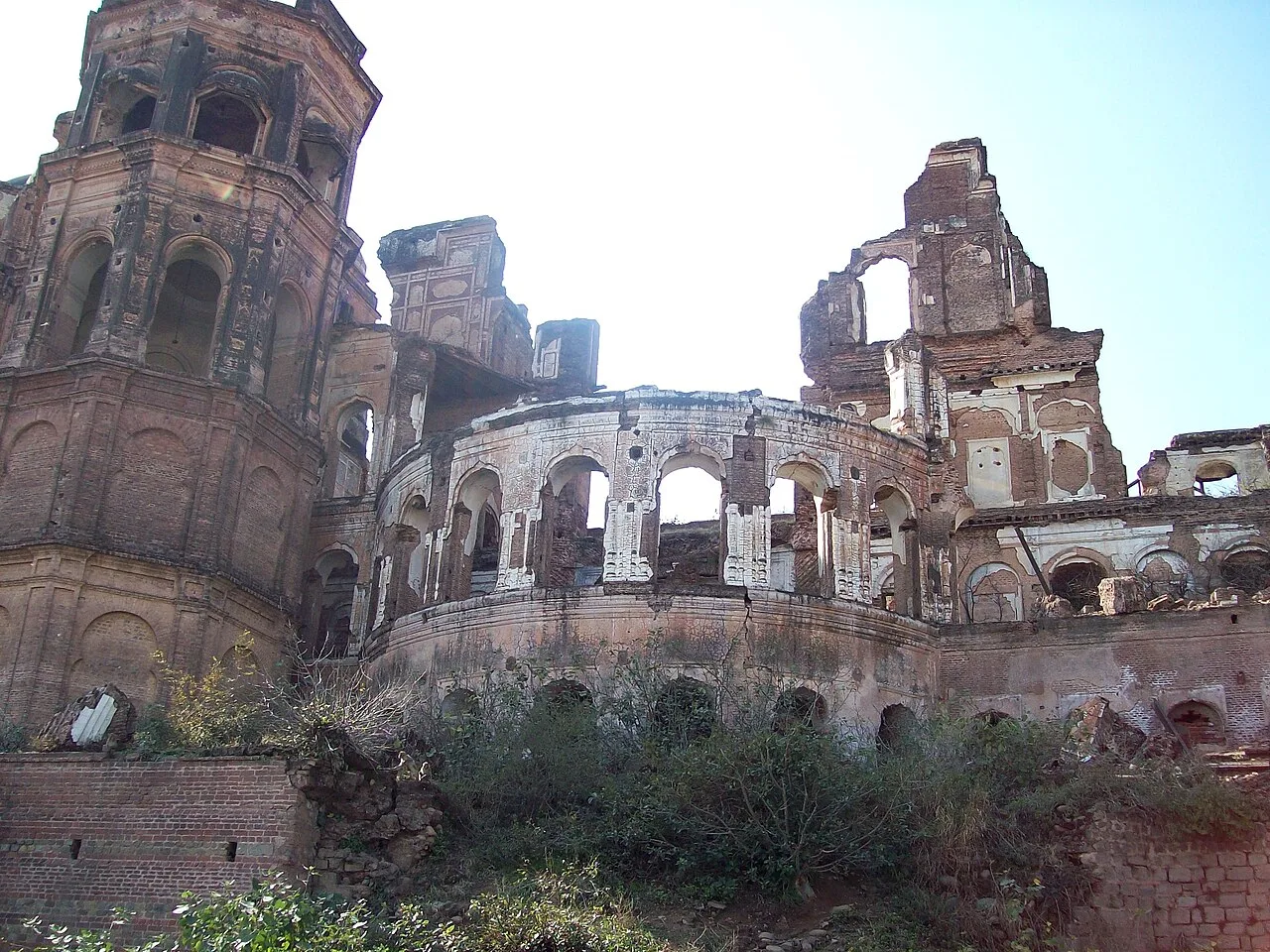
Visitors come for the city’s temples, forts and historic royal buildings. Raghunath Temple is a major place of worship, while Bahu Fort overlooks the Tawi and contains the shrine of Bawe Wali Mata. Mubarak Mandi Palace offers a glimpse of the Dogra court’s architectural legacy. Jammu is also known for Dogra culture and food, and for its role as a practical base before journeys into the surrounding mountains. The city combines pilgrimage, regional administration and commerce, with busy bazaars alongside newer neighbourhoods and transport links.
Famous for: crafts, trade & products

Jammu is associated with Jammu Basmati, a GI-tagged rice grown in the wider region, particularly around RS Pura. Rice mills in and around the city process the harvest, and local shops and markets are places to look for packaged rice and other regional food products. Jammu’s commercial life also serves the surrounding districts, with markets selling everyday goods, clothing, household items and offerings for worship. Raghunath Bazaar and Hari Market are central areas for browsing shops and picking up provisions or souvenirs.

The city is not chiefly known for a single textile or handicraft industry, but Dogra heritage is visible in its historic buildings, temple traditions and local arts. For a sense of the region’s royal past, visit the Mubarak Mandi complex; for contemporary shopping, explore the central bazaars. Bari Brahmana, on the outskirts, is an important industrial area with units making a range of goods, including carpets and electronic products. Local specialities such as Dogra foods and sweets are best sought from established sweet shops and restaurants. Ask sellers about the origin of agricultural products and crafts, as stock and provenance vary.

History

Local tradition links Jammu’s name to Raja Jambulochan, said to have founded the city, though the claimed antiquity of several thousand years is not established by historians. The area appears in historical accounts around the 10th century, when hill states associated with the Durgara or Dogra region were emerging. Jammu is also mentioned in the chronicles of Timur and in Mughal-era records, when local rulers retained influence under imperial suzerainty.

The Jamwal rulers strengthened Jammu’s position in the 18th century. In 1808 the city was annexed by the Sikh Empire; in 1818, Kishore Singh became ruler of Jammu, beginning the rise of the Dogra dynasty. His son Gulab Singh later became the founder of the princely state of Jammu and Kashmir under British paramountcy. Jammu served as a capital of the princely state and later as the winter capital of the region’s government. In modern times it has developed as an administrative, commercial and transport hub, with road and rail links supporting travel and trade.

Food, festivals & culture

Dogra cuisine is central to local food culture. Rajma with rice is a familiar meal, while dishes such as ambal, a sweet-and-sour pumpkin preparation, reflect regional cooking. Kalari, a traditional ripened cheese often cooked until browned, is a popular snack; patisa and other sweets are common in local sweet shops. Food traditions vary across the city’s communities, and restaurants also serve Punjabi and wider North Indian dishes.

Dogri is a key regional language; Hindi, Urdu, Punjabi and other languages are also heard. Lohri, in January, is marked with winter bonfires and community gatherings, while Baisakhi in spring is celebrated with fairs and festive observances. Navratri, usually in autumn and sometimes in spring, brings many pilgrims through Jammu on their way to Vaishno Devi. Dogra folk traditions include music and dances such as Kud. Places of worship are prominent in city life: Raghunath Temple, Ranbireshwar Temple and Bawe Wali Mata shrine at Bahu Fort are among the best-known.

Visiting the city

Autumn and spring are generally comfortable seasons for exploring Jammu. Summers can be intensely hot, while winter brings cooler days and occasional fog; monsoon months can bring heavy rain. Check current local conditions before travelling, especially if continuing into the hills.

Jammu Airport serves the city, and Jammu Tawi is its main railway station. National Highway 44 links Jammu with the Kashmir Valley, while buses and taxis connect it with nearby towns. Within the city, auto-rickshaws, local buses and taxis are useful for getting around. Explore the old city and central bazaars for temples, shops and street life; visit Bahu Fort for its historic setting above the Tawi, and allow time for Mubarak Mandi Palace. Jammu is also a convenient base for onward travel to Katra and other regional destinations.

Attractions

Places to visit in Jammu

Sights within about 12 km of each other, even when they fall in different districts.

Map

Jammu on the map

  1. 1Amar Mahal Palace
  2. 2Bahu Fort
  3. 3Mubarak Mandi Palace
  4. 4Raghunath Temple

Jammu and Kashmir

Other cities to explore