
Ghumoopedia — Explore, Discover, Experience
Sign in
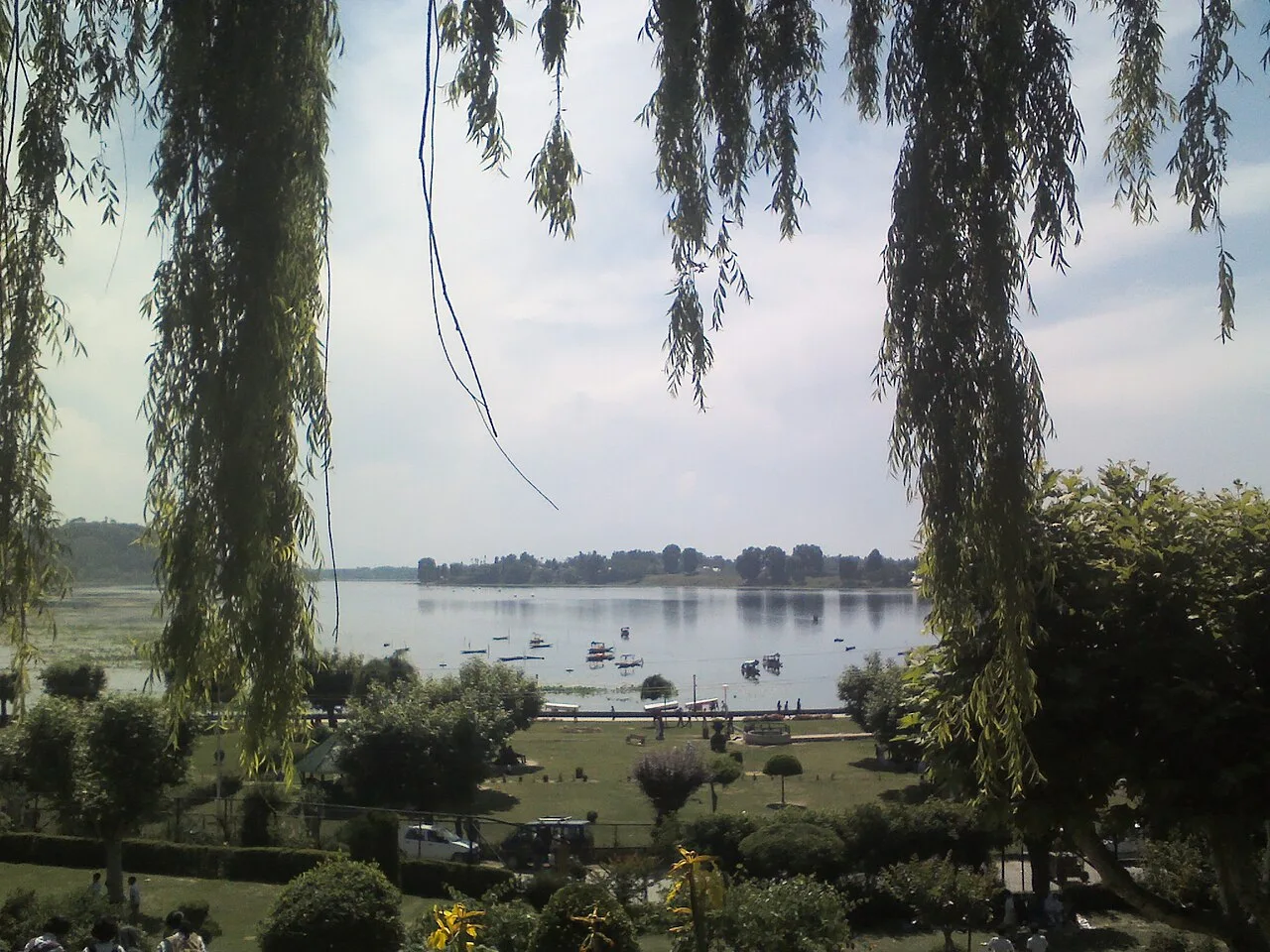
Manasbal Lake, near Hajan

City guide · Jammu and Kashmir

Hajan

Hajan is a small town in Bandipora district, in the Kashmir Valley of Jammu and Kashmir. Its importance is primarily local: it serves residents and nearby villages with everyday services and sits within a settled, cultivated part of the valley.

Famous for

  • Wular Lake region
  • Bandipora district town
  • Kashmiri cultural setting
  • Road connections north of Srinagar
In the city
1
District
Ganderbal

Why Hajan matters

Hajan is a small town in Bandipora district, in the Kashmir Valley of Jammu and Kashmir. Its importance is primarily local: it serves residents and nearby villages with everyday services and sits within a settled, cultivated part of the valley. The town is about 35 kilometres north of Srinagar and lies at an elevation of roughly 1,556 metres, placing it among the valley’s high-altitude communities.

The wider area is associated with Wular Lake, one of Kashmir’s defining landscapes, and with the rural scenery of northern Bandipora. Hajan is not a major monument city or a large-scale tourist centre; visitors are more likely to encounter it as part of a road journey through the district or as a base for exploring nearby countryside. Its appeal is the quieter, everyday side of Kashmir: local markets, community life and views of the valley beyond the busiest Srinagar destinations. Travellers should plan around local conditions and confirm access to lakeside areas before setting out.

Famous for: crafts, trade & products

It is best understood as a local market town, where small shops and businesses serve residents and surrounding settlements. Visitors looking for a particular Kashmiri craft or a broad choice of specialist goods will generally find more options in Srinagar, whose established markets sell items such as pashmina shawls, carpets, papier-mâché and carved woodwork. These are regional products, not products that should be assumed to be made in Hajan.

Everyday provisions and locally available produce are the more realistic finds in town. The wider Bandipora area is associated with farming and the Wular Lake landscape, but Hajan itself is not especially known for a named food product or a major trade fair. Ask locally about seasonal produce and current market activity, as availability varies. For a shopping-focused visit, treat Hajan as a place to see ordinary district-town commerce rather than a destination for specialist workshops, branded craft outlets or large commercial markets.

History

Hajan’s documented history as a distinct town is limited in widely available accounts, so its development is best considered in the context of the Kashmir Valley and northern Bandipora rather than through a detailed local royal chronology. The valley passed through successive periods of Kashmiri rule and, later, Mughal, Afghan, Sikh and Dogra administration before the political changes of the twentieth century. These wider transitions shaped settlement, landholding and routes across the region, although specific events should not be attributed to Hajan without local evidence.

For much of its life, Hajan’s character has been that of a small settlement serving surrounding rural communities. Its growth has been connected to local trade, services and road links with Srinagar and other parts of Bandipora. In modern administration it is a notified area committee within Bandipora district, Jammu and Kashmir. The district framework and improved regional connections have made access to public services and travel easier than in more isolated settlements, while the town remains modest in scale and primarily important to its local catchment.

Food, festivals & culture

Daily life in Hajan reflects the broader culture of the Kashmir Valley. Kashmiri is widely used in community life; Urdu and English may also be encountered, particularly in formal settings and education. Meals commonly follow regional Kashmiri tastes, with rice, seasonal vegetables and dishes such as haakh, a preparation of leafy greens. Wazwan, the elaborate Kashmiri feast served at weddings and important gatherings, is part of the wider food culture, though it is not an everyday meal. Kahwa is a familiar spiced tea. Local menus and home cooking vary, and visitors should ask about ingredients and preparation.

Ramadan and Eid are important occasions for many residents, while religious and family observances shape the annual calendar. The town’s community life is centred on neighbourhood gathering places and local mosques; visitors should dress respectfully and ask before entering religious spaces. Kashmiri folk and devotional music form part of the region’s cultural heritage, but performances are not necessarily scheduled for visitors. There is no need to expect a large, regular tourist festival in Hajan; celebrations are often local and tied to the religious calendar.

Visiting the city

The milder months from spring through autumn are generally the most comfortable for exploring the valley, while winter can bring cold weather and changing road conditions. Srinagar International Airport is the nearest major airport. Srinagar Railway Station, at Nowgam, is the main rail station for the city; confirm onward connections before travel. Hajan is about 35 kilometres north of Srinagar by road, and onward travel is usually arranged by car, taxi or local public transport where available.

Explore the town centre for its everyday shops and street life, then ask locally about suitable routes towards the Wular Lake area and nearby countryside. Lakeside access and road conditions can vary, so avoid assuming every shoreline route is open or easy to reach. Hajan is a modest town rather than a resort, and visitors should arrange accommodation and transport in advance, often using Srinagar as a base.

Attractions

Places to visit in Hajan

Sights within about 12 km of each other, even when they fall in different districts.

Map

Hajan on the map

  1. 1Manasbal Lake

Jammu and Kashmir

Other cities to explore