Ghumoopedia — Explore, Discover, Experience
Sign in
Pahalgam, near Pahalgam

City guide · Jammu and Kashmir

Pahalgam

Pahalgam, also called Pahalgom, is a town in Anantnag district, Jammu and Kashmir. Visitors come for its hill-station setting and as the starting point for the Amarnath Temple pilgrimage.

Famous for

  • Lidder Valley scenery
  • Amarnath pilgrimage route
  • Aru Valley
  • Betaab Valley
  • Pine and fir forests
In the city
2
Nearby
2
District
Anantnag

Why Pahalgam matters

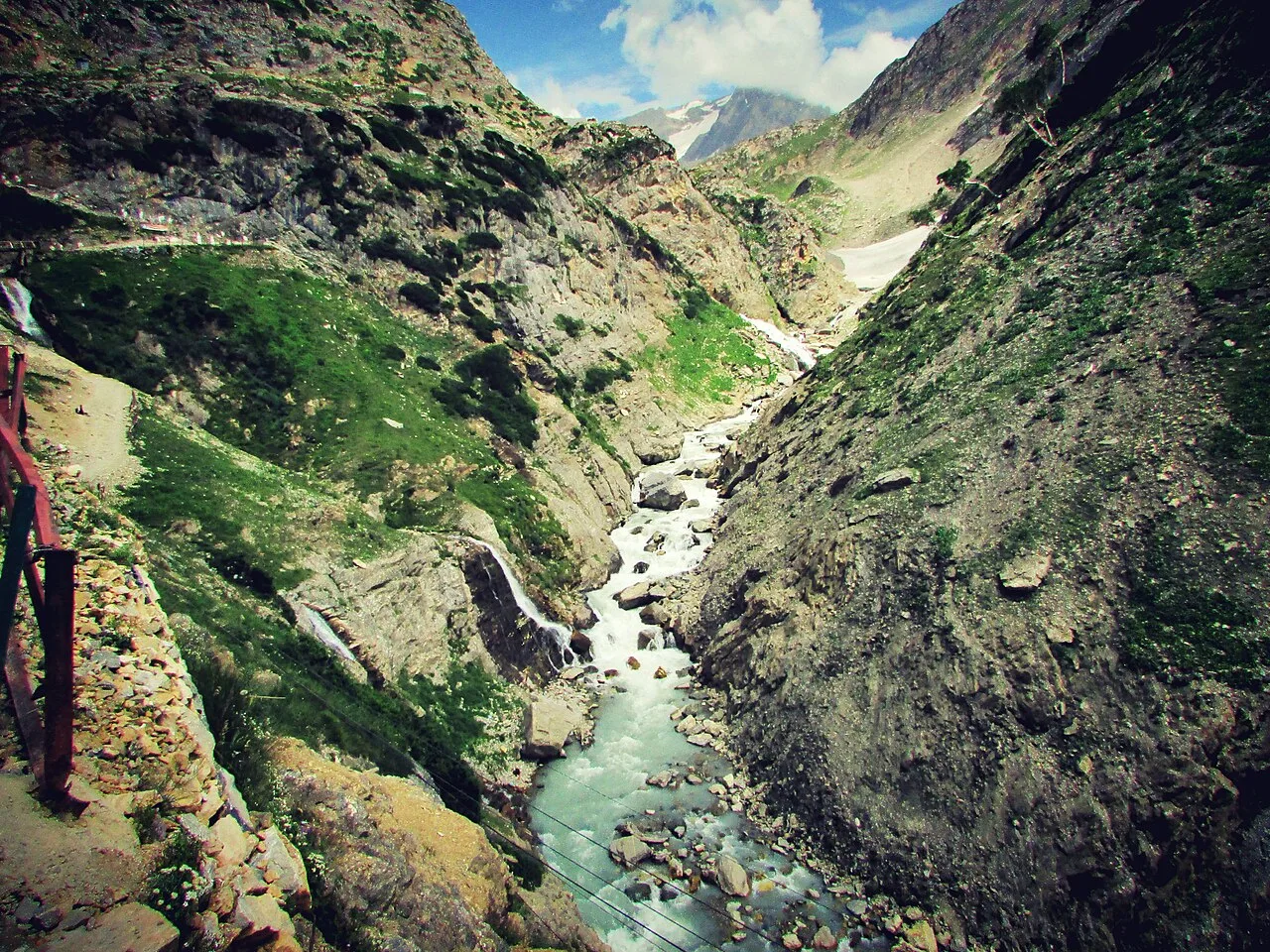
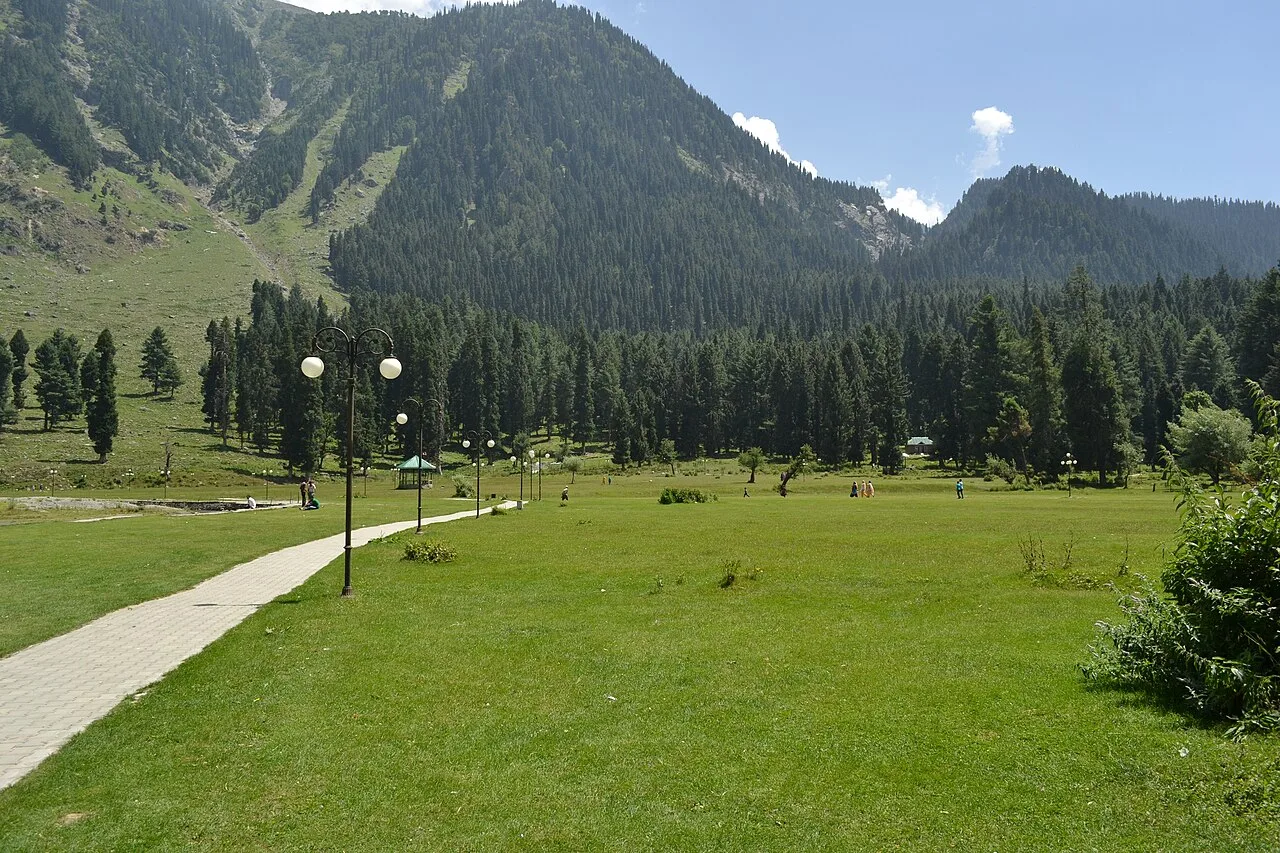
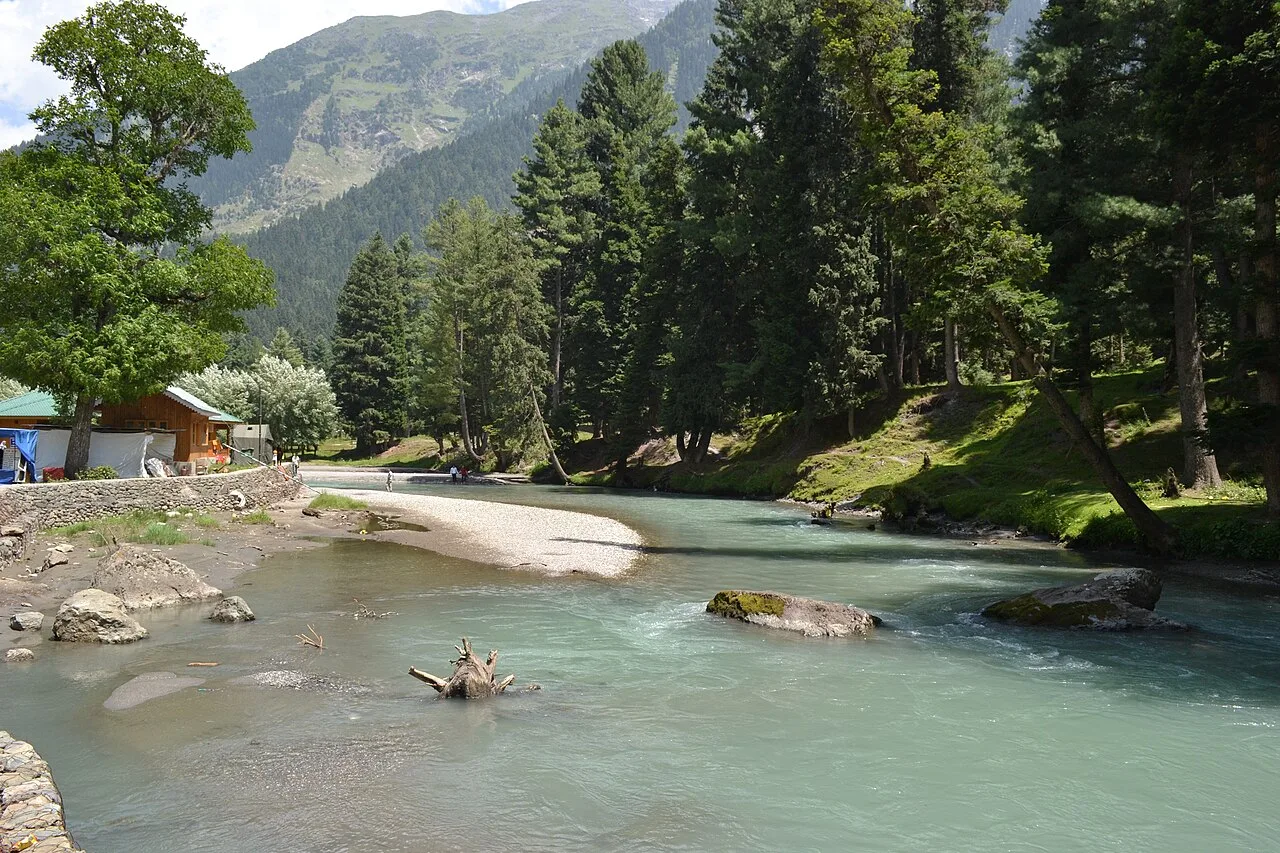
Pahalgam is a hill town in Anantnag district, set beside the Lidder River in the Lidder Valley of Jammu and Kashmir. At about 2,200 metres above sea level, it is valued for its mountain scenery, conifer forests and cool summer climate. The town is also the headquarters of Pahalgam tehsil and a regional base for exploring the surrounding valleys and highland routes.

Visitors come for walks and outdoor excursions around the river, and to reach nearby places such as Aru Valley, Betaab Valley and Chandanwari. Pahalgam is especially prominent as the traditional starting point for the annual Amarnath pilgrimage, held in July and August; this brings a seasonal influx of pilgrims as well as visitors. Its appeal lies in the combination of a settled town, riverside landscape and access to the wider mountains. Pahalgam is not chiefly an industrial centre: tourism, pilgrimage services and local hospitality shape much of its public identity and economy.
Famous for: crafts, trade & products

Pahalgam is better known for its landscape and tourism than for textile production or large-scale manufacturing. Shops in the town serve visitors with woollens, outdoor goods, souvenirs and regional foods. Some offer Kashmiri crafts, including papier-mâché objects, walnut-wood carvings, carpets and pashmina products. These are associated with Kashmir more broadly and are not necessarily made in Pahalgam, so buyers looking for particular materials or provenance should ask sellers about the item’s origin.

Kashmir saffron, which has a geographical indication, comes principally from the Pampore area rather than Pahalgam. Packaged saffron and other regional products may be available in town, but labels and place of origin are worth checking. The main places to browse are the central market and the shops around the town’s visitor and hotel areas. There is no major trading district or signature local textile associated with Pahalgam; the market is largely oriented toward travellers and the seasonal pilgrimage. Local services, guesthouses and eateries are more central to the town’s economy than a distinct export industry.

History

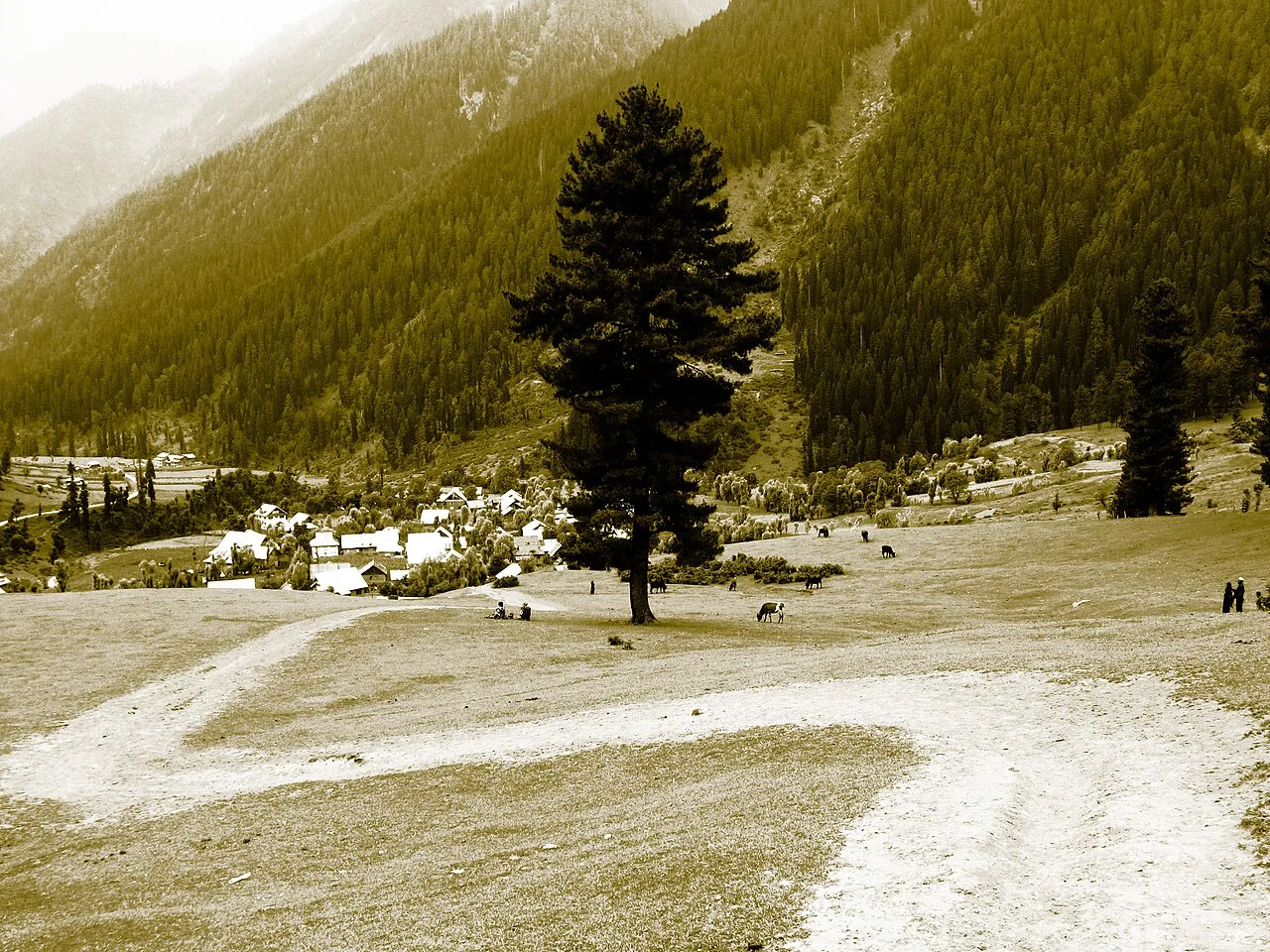
Pahalgam’s name is commonly explained in Kashmiri as “village of the shepherds,” reflecting the pastoral character of the area. Hindu tradition also associates the region with the name Bailgaon, or “village of the bull,” in stories about Shiva’s journey toward Amarnath. These accounts form part of the area’s cultural memory rather than a complete record of the town’s early development.

For much of its history, Pahalgam was a small settlement in a mountain valley, with its importance linked to grazing, local routes and the Amarnath pilgrimage. The wider Kashmir region came under Dogra rule in the nineteenth century and remained a princely state under British paramountcy until 1947; this does not by itself establish a specific date for Pahalgam’s growth as a town. In the modern period, improved access and the development of visitor accommodation helped establish it as a hill station and tourism centre. Today it is an administrative headquarters within Anantnag district and a base for pilgrimage and mountain travel.

Food, festivals & culture

Kashmiri is widely spoken locally, alongside Urdu and, in visitor-facing settings, Hindi and English. Food available in Pahalgam draws on Kashmiri cooking: dishes may include rogan josh, gushtaba and haak, while kahwa is a familiar spiced tea. Trout from the Lidder area is a popular menu choice. Restaurants vary, and not every traditional dish is served everywhere; visitors can also find simpler meals suited to travellers.

The annual Amarnath Yatra, usually held in July and August, is the town’s most prominent seasonal religious event. Eid is observed by Muslim communities according to the Islamic lunar calendar; Kashmiri Hindu festivals include Navreh in spring and Herath, the local name for Shivratri, in winter. Pahalgam’s religious landscape includes the Mamaleshwar Temple, and the town also has Muslim places of worship. Kashmiri folk and devotional music are part of the region’s cultural life; Rouf, a women’s group dance, is associated with festive occasions in Kashmir. Pilgrimage periods bring a particularly visible mix of visitors and local traditions.

Visiting the city

May to October is generally the most practical period to visit, with milder weather and better access to outdoor areas. Summer is popular, while July and August are especially busy during the Amarnath pilgrimage. Winter brings cold and snow, which can affect road access and excursions; check local conditions before travelling.

The nearest airport is Srinagar International Airport. Anantnag railway station is the nearest main railway station; onward travel to Pahalgam is by road. Taxis and other local vehicles connect the town with nearby valleys, while walking is useful around the central area and riverbanks. Allow time for road journeys and changing mountain weather. In town, explore the Lidder riverfront and central market; for nearby scenery, consider Aru Valley, Betaab Valley and Chandanwari. Access arrangements can vary by season and destination.

Attractions

Places to visit in Pahalgam

Sights within about 12 km of each other, even when they fall in different districts.

Short trips

Around Pahalgam

Within about 40 km — easy half-day or day trips from the city.

Map

Pahalgam on the map

  1. 1Pahalgam
  2. 2Aru
  3. 3Betaab Valley
  4. 4Sheshnag Lake

Jammu and Kashmir

Other cities to explore