Ghumoopedia — Explore, Discover, Experience
Sign in
Patnitop, near Doda

City guide · Jammu and Kashmir

Doda

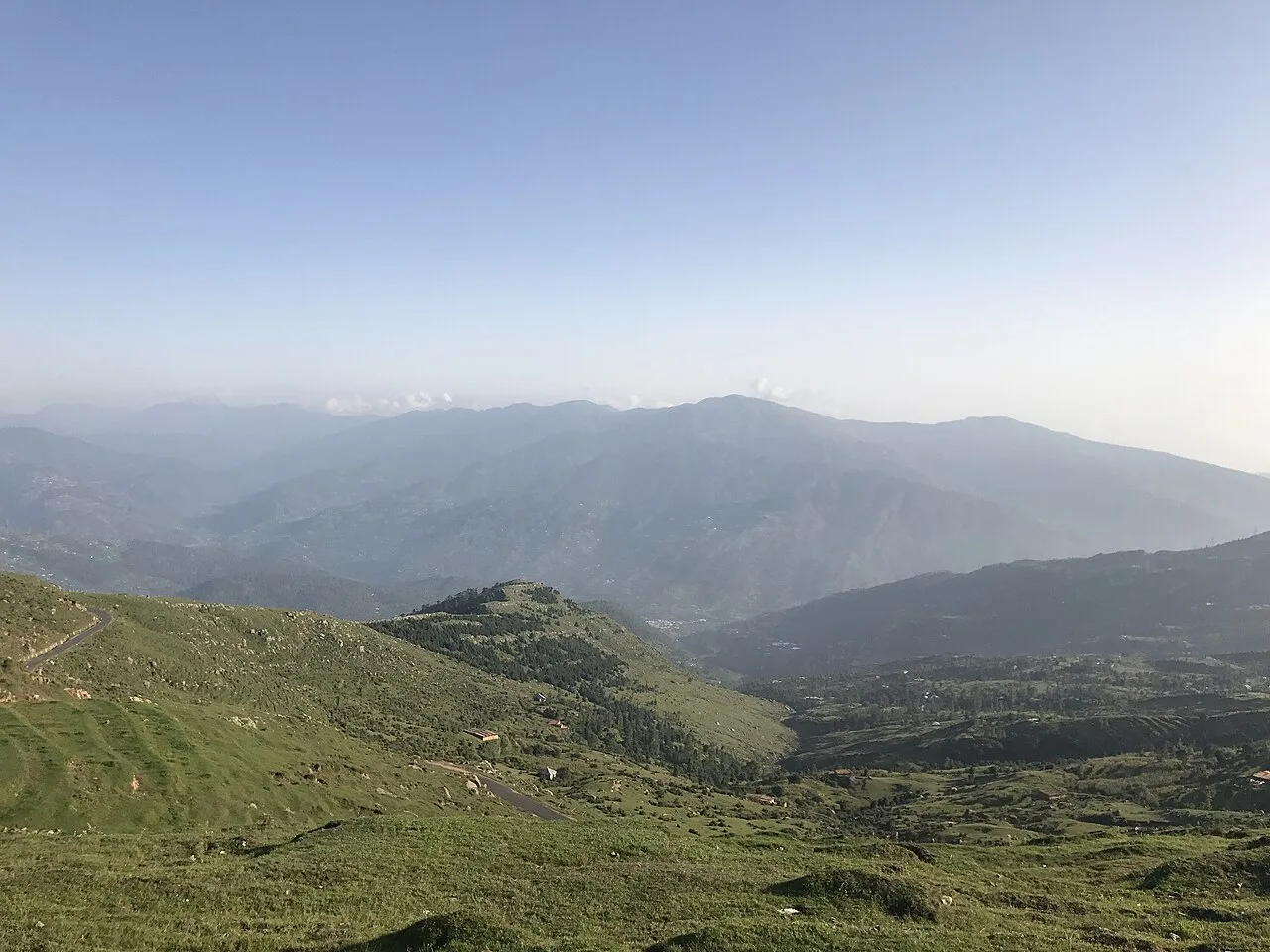
Doda is the administrative centre of Doda district and an important service and market town in Jammu and Kashmir’s Chenab Valley. At about 1,107 metres above sea level, it connects communities in the lower valley with settlements and mountain areas farther inland.

Famous for

  • Chenab Valley landscapes
  • Bhaderwah Rajmash
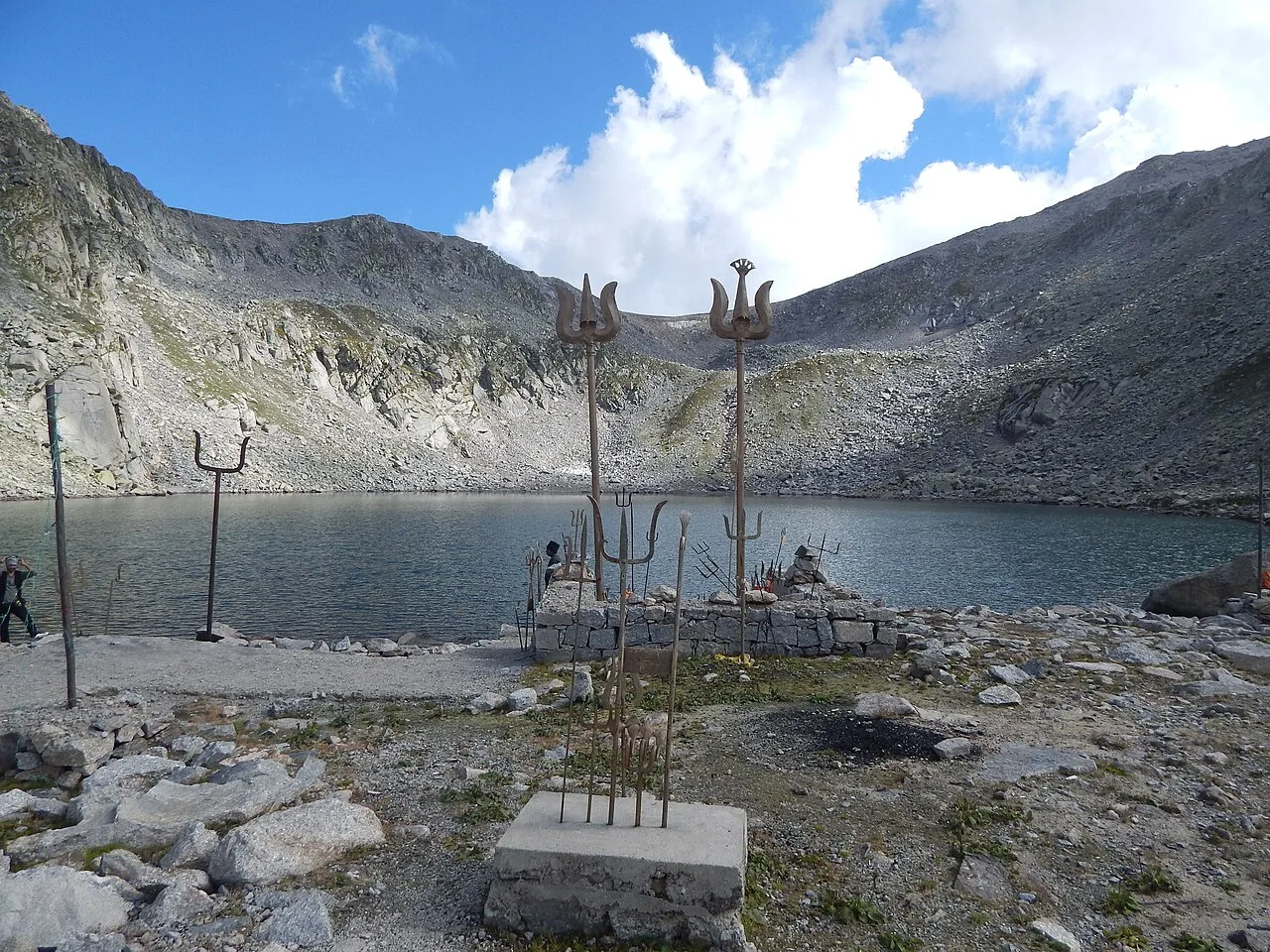
  • Kailash Kund pilgrimage
  • Vasuki Nag shrines
  • Walnuts and mountain produce
Plan a tripHotels near Doda

Why Doda matters

Doda is the administrative centre of Doda district and an important service and market town in Jammu and Kashmir’s Chenab Valley. At about 1,107 metres above sea level, it connects communities in the lower valley with settlements and mountain areas farther inland. Its role is practical as well as regional: residents come here for government services, education, healthcare and everyday trade, while travellers use it as a base or stop on journeys through the Chenab basin.

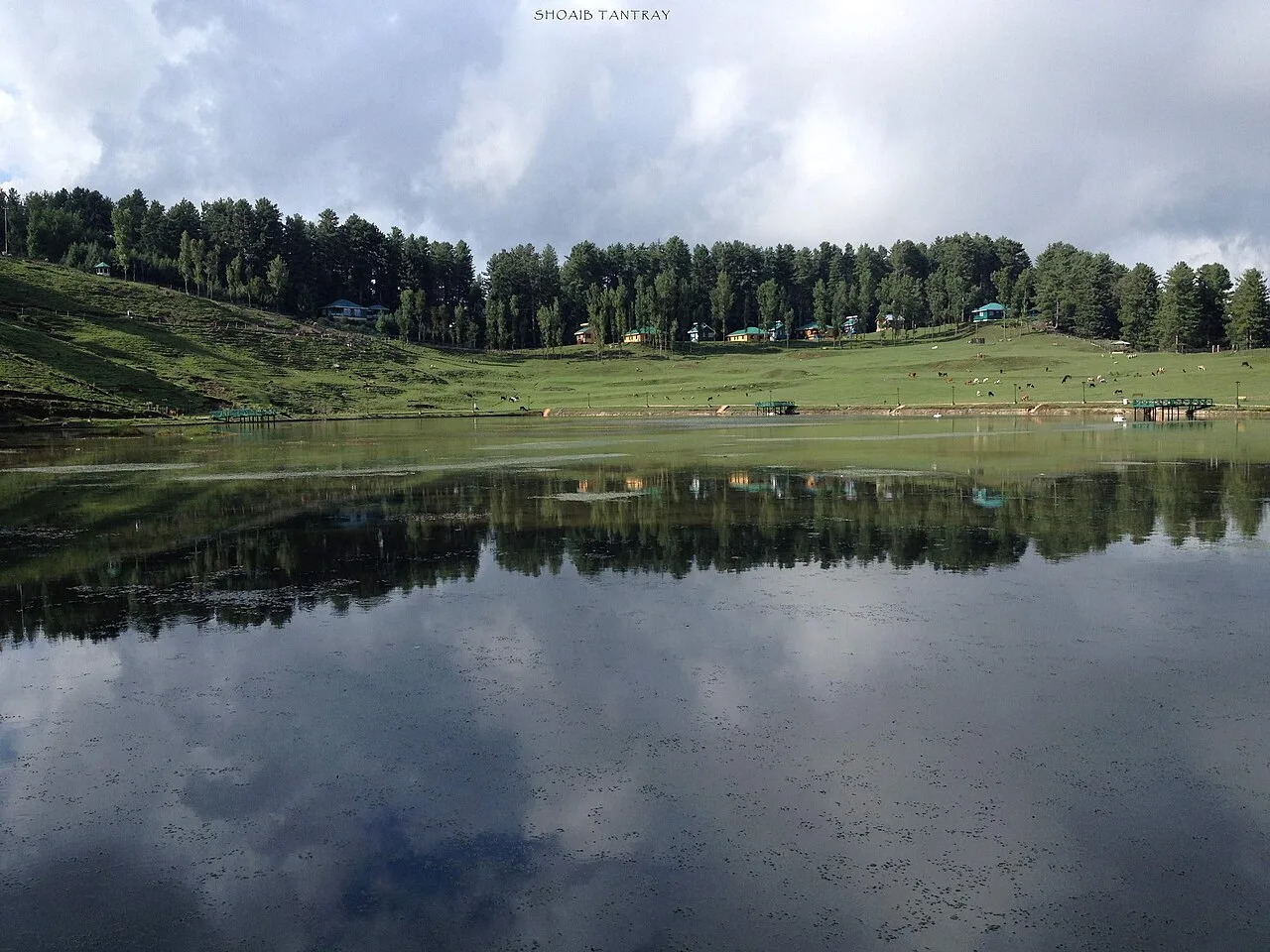
The wider district draws visitors for its mountain scenery, rivers and pilgrimage routes. Bhaderwah, with its temples and green valleys, is a popular excursion from Doda; more remote destinations include high-altitude meadows and the Kailash Kund pilgrimage route. The town is also associated with produce from its surrounding valleys, particularly Bhaderwah Rajmash and walnuts. Conditions vary sharply with altitude: Doda town has a more moderate valley climate, while higher parts of the district can receive substantial snow in winter. This contrast is central to the region’s appeal and travel planning.
Famous for: crafts, trade & products

Doda is not widely known as a textile-manufacturing centre or for a large handicrafts industry. Its trade is more closely tied to the needs of a district hub and to produce from nearby villages. Seasonal markets and shops in the town sell everyday goods and local food products; availability of farm produce varies through the year. Walnuts and pulses are among the goods associated with the wider area.

Bhaderwah Rajmash, a distinctive kidney bean grown in the Bhaderwah area of Doda district, has a Geographical Indication tag. It is worth asking for the named product at grocery shops and produce sellers in Doda or Bhaderwah, though stocks and harvest-season availability can vary. The town is also a convenient place to look for regional staples and small quantities of locally sourced produce. Visitors should not assume that every product sold as Rajmash comes from Bhaderwah. There is no prominent city-specific saree tradition or major industrial product to seek out; Doda’s commercial character is chiefly that of a local service centre and trading point for the surrounding mountain communities.

History

Doda’s growth is tied to its position in the Chenab Valley, where settlements and routes link the river corridor with upland communities. The town developed as a local centre serving surrounding villages, and its role strengthened as administration, markets and public services became established there. The wider region has a varied social history, shaped by mountain geography and the movement of people and goods between valleys.

In the nineteenth century, the area came under Dogra rule within the princely state of Jammu and Kashmir, which stood under British paramountcy during the colonial period. After 1947, Doda continued within Jammu and Kashmir’s post-independence administrative system and became the headquarters of its own district. In recent decades, road connections and public institutions have reinforced its importance as a centre for the Chenab Valley. Development remains shaped by steep terrain, weather and the challenge of connecting remote settlements; the town’s contemporary identity is therefore as much administrative and regional as commercial.

Food, festivals & culture

Doda’s culture reflects the many communities of the Chenab Valley. Kashmiri, Dogri, Bhaderwahi, Sarazi, Gojri and Urdu are among the languages heard in the town and surrounding district, alongside Hindi in everyday communication. Meals often draw on mountain staples such as rice, maize and pulses. Rajma with rice is a familiar regional dish, and Bhaderwah Rajmash is especially valued; walnuts and other locally grown produce also feature in household cooking. Food offerings vary between homes and seasons rather than forming a single town-wide specialty.

Muslim and Hindu traditions are both visible in local life. Eid follows the Islamic lunar calendar, while Navratri is observed in spring and autumn and Shivratri in winter. Mosques, local temples and shrines serve communities across the town and district. The Vasuki Nag shrine in Bhaderwah is an important regional pilgrimage destination. Folk singing, devotional music and dancing at weddings and community gatherings are part of cultural life, with customs differing among local communities. Visitors should be considerate at places of worship and follow local guidance during festivals.

Visiting the city

Late spring and early autumn are generally comfortable times to visit Doda town. Summer can also suit travel in the valley, but monsoon rain from July to September may affect road journeys. Winter is colder, and snow can disrupt access to higher parts of the district even when conditions in town are less severe. Check local weather and road conditions before heading into the mountains.

Jammu Airport is the nearest airport commonly used by visitors. Banihal is generally the nearer railway station, while Jammu Tawi is a major alternative railhead; onward travel to Doda is by road. Shared taxis, buses and private vehicles serve routes within the valley, though services and journey times depend on conditions. Explore the central bazaar and administrative centre for everyday town life. Bhaderwah is a popular nearby excursion, while more remote valleys and pilgrimage routes need additional planning and suitable transport.

Trips from the city

Nearest places to visit from Doda

Our closest destination guides, by straight-line distance.

Patnitop

22 km away · Udhampur district

Patnitop

Patnitop is a hill station in Jammu and Kashmir’s Udhampur district, within the lower Himalayas. Its elevated setting near the Jammu–Srinagar highway and the Chenab River draws visitors.

Bhaderwah

24 km away · Doda district

Bhaderwah

Bhaderwah is a town and tehsil in Doda district, Jammu and Kashmir. The available details establish its location and administrative character, but do not specify particular reasons people visit.

Sanasar

27 km away · Udhampur district

Sanasar

Sanasar is a destination associated with the villages of Sana and Sar in Jammu and Kashmir. Visitors come for adventure and sports, as well as views of mountain ranges such as the Brammah Massif.

Krimchi temples

45 km away · Udhampur district

Krimchi temples

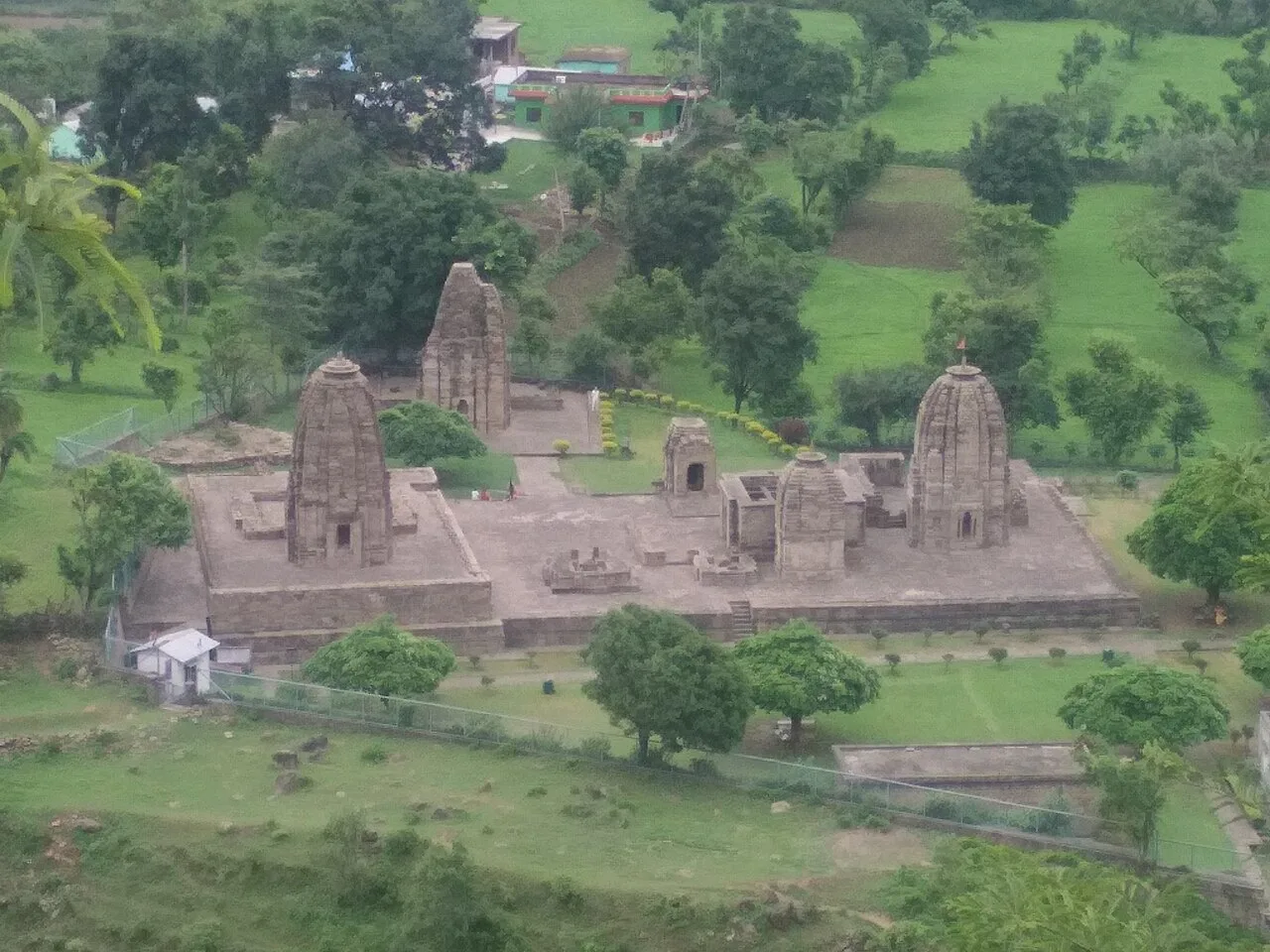
Krimchi Temples is a cluster of seven ancient Hindu shrines in Udhampur district, Jammu and Kashmir. Visitors come to see the group, locally called the Pandava Temples.

Daksum

52 km away · Anantnag district

Daksum

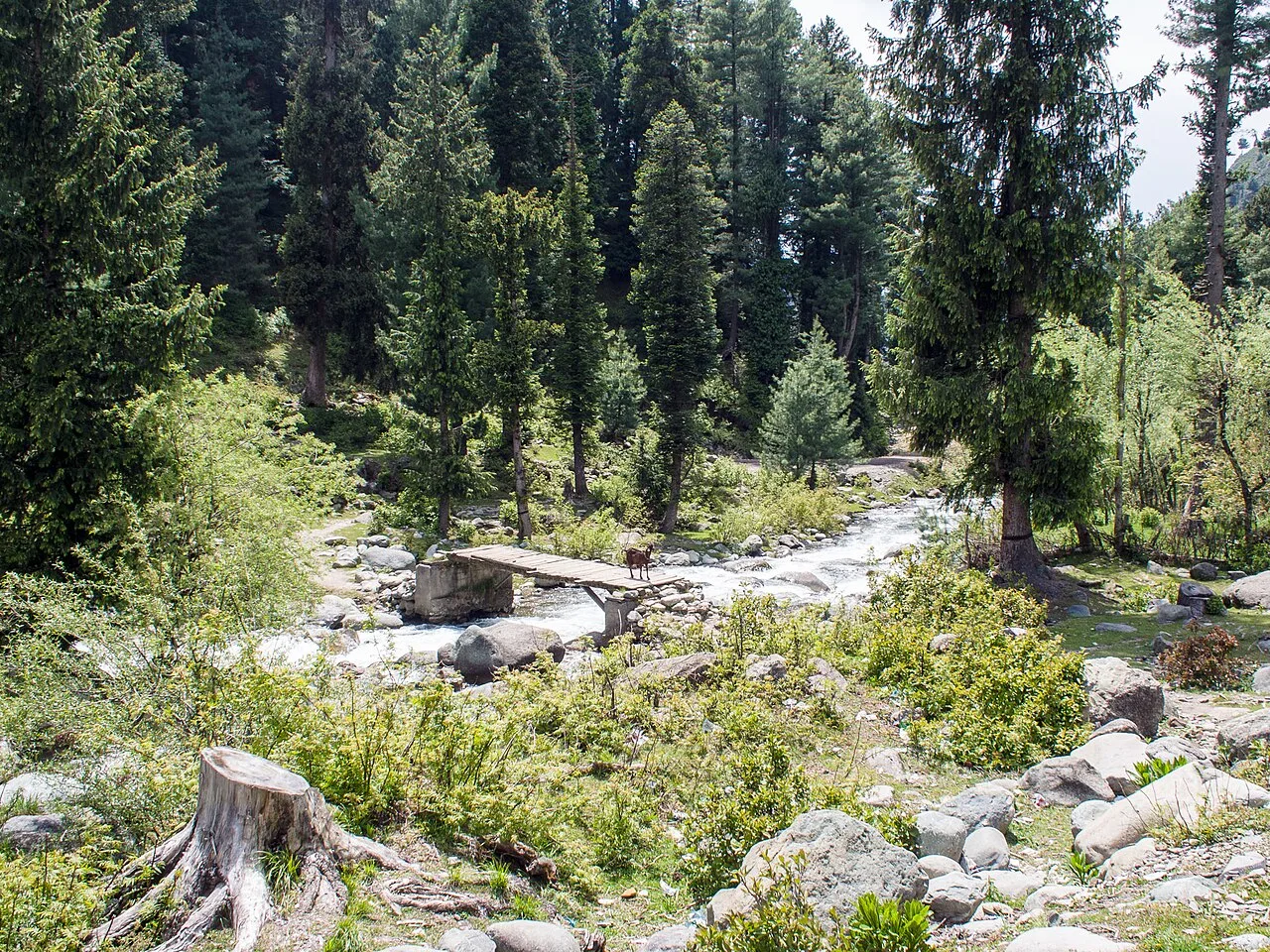
Daksum is a scenic natural place in Larnoo tehsil, Anantnag district, Jammu and Kashmir, India. Visitors come for its natural surroundings, beside the Anantnag–Semthan–Kishtwar road (NH-244).

Verinag

52 km away · Anantnag district

Verinag

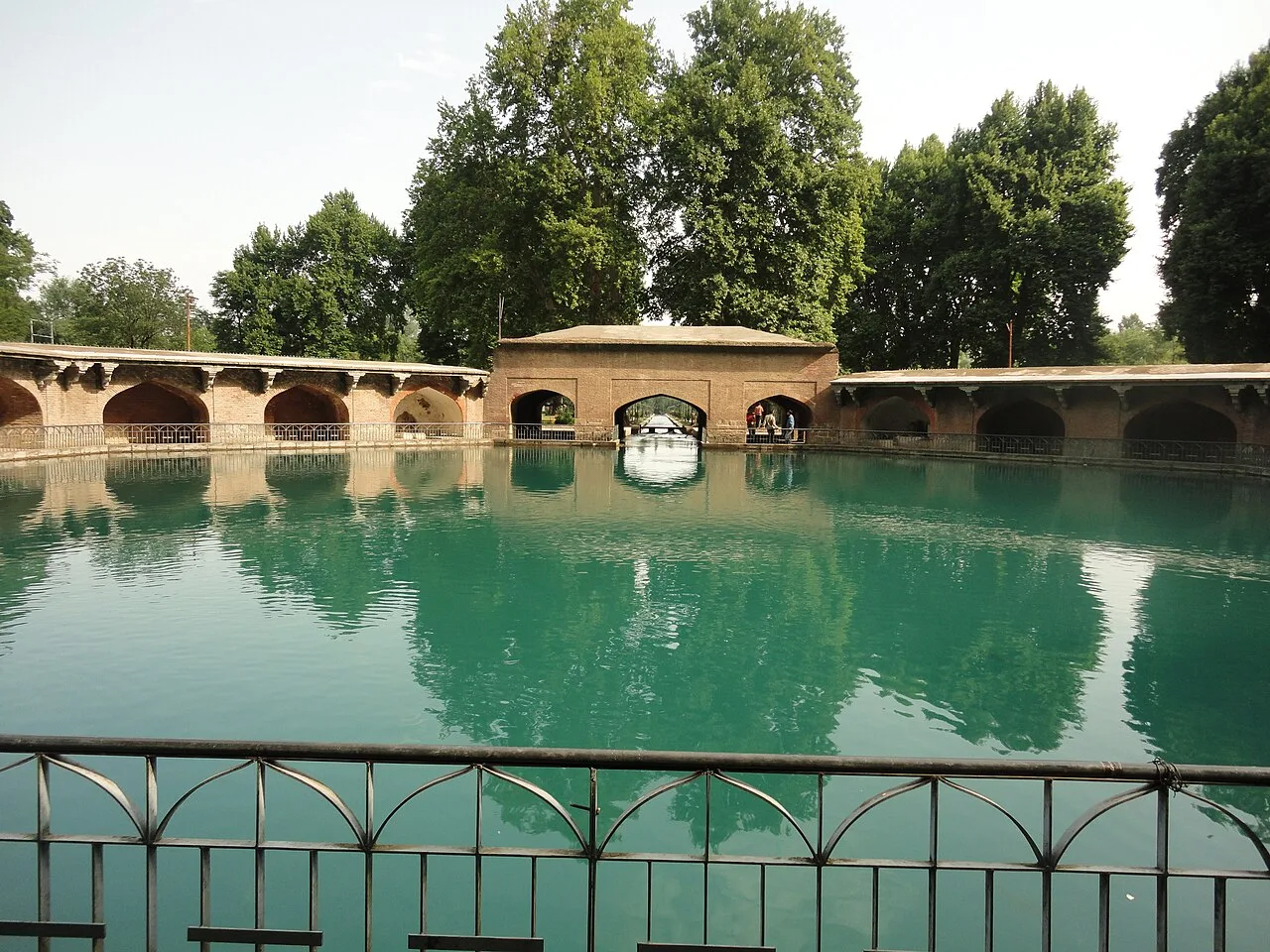
Verinag is a town in Jammu and Kashmir’s Anantnag district, visited for its spring, Mughal-era arcade and garden, and its connection to the Jhelum River.

Kokernag

53 km away · Anantnag district

Kokernag

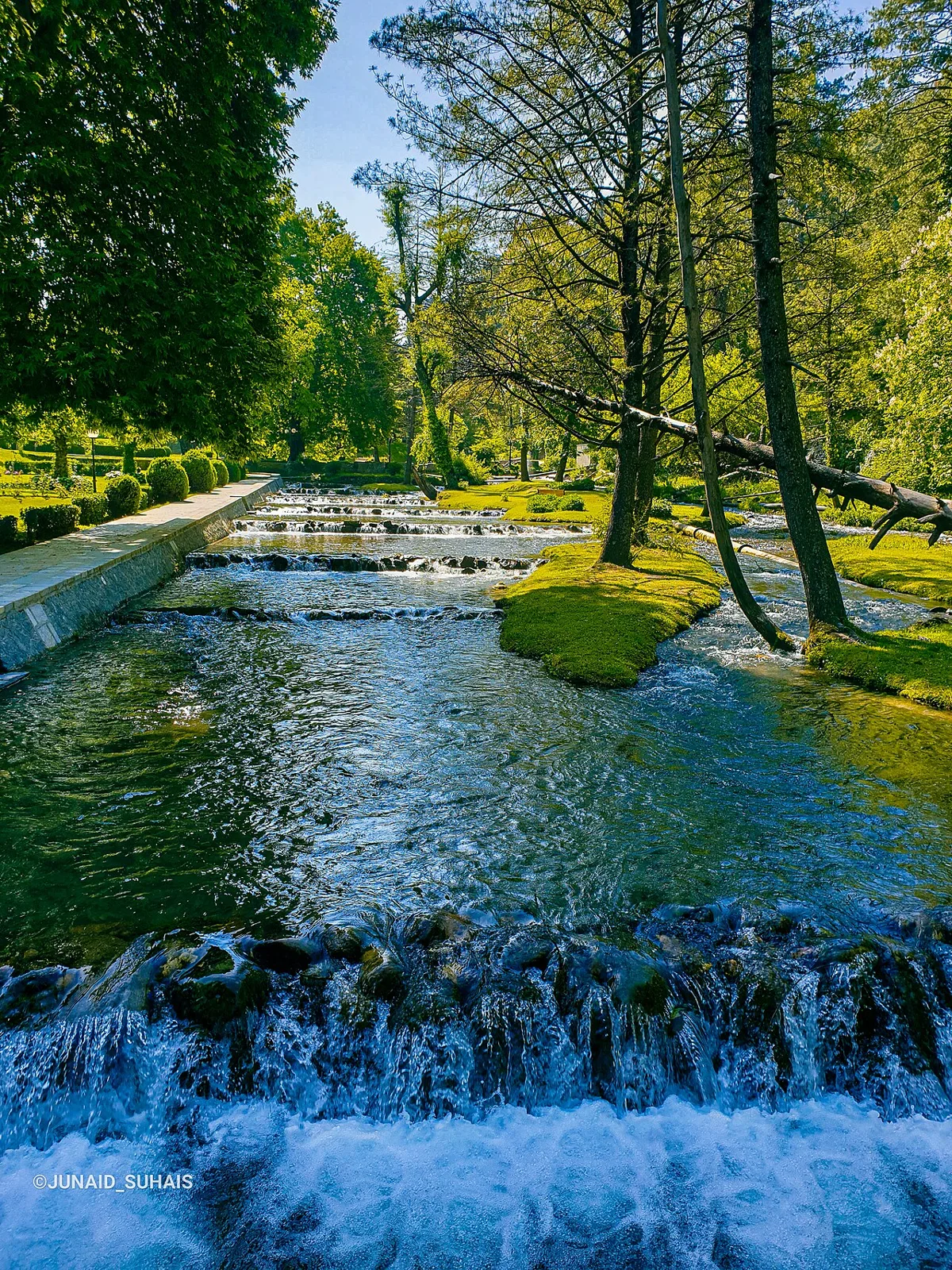
Kokernag is a town and sub-district in Anantnag district’s Breng Valley, known for its botanical gardens, freshwater springs and rainbow trout farm.

Vaishno Devi Temple

57 km away · Reasi district

Vaishno Devi Temple

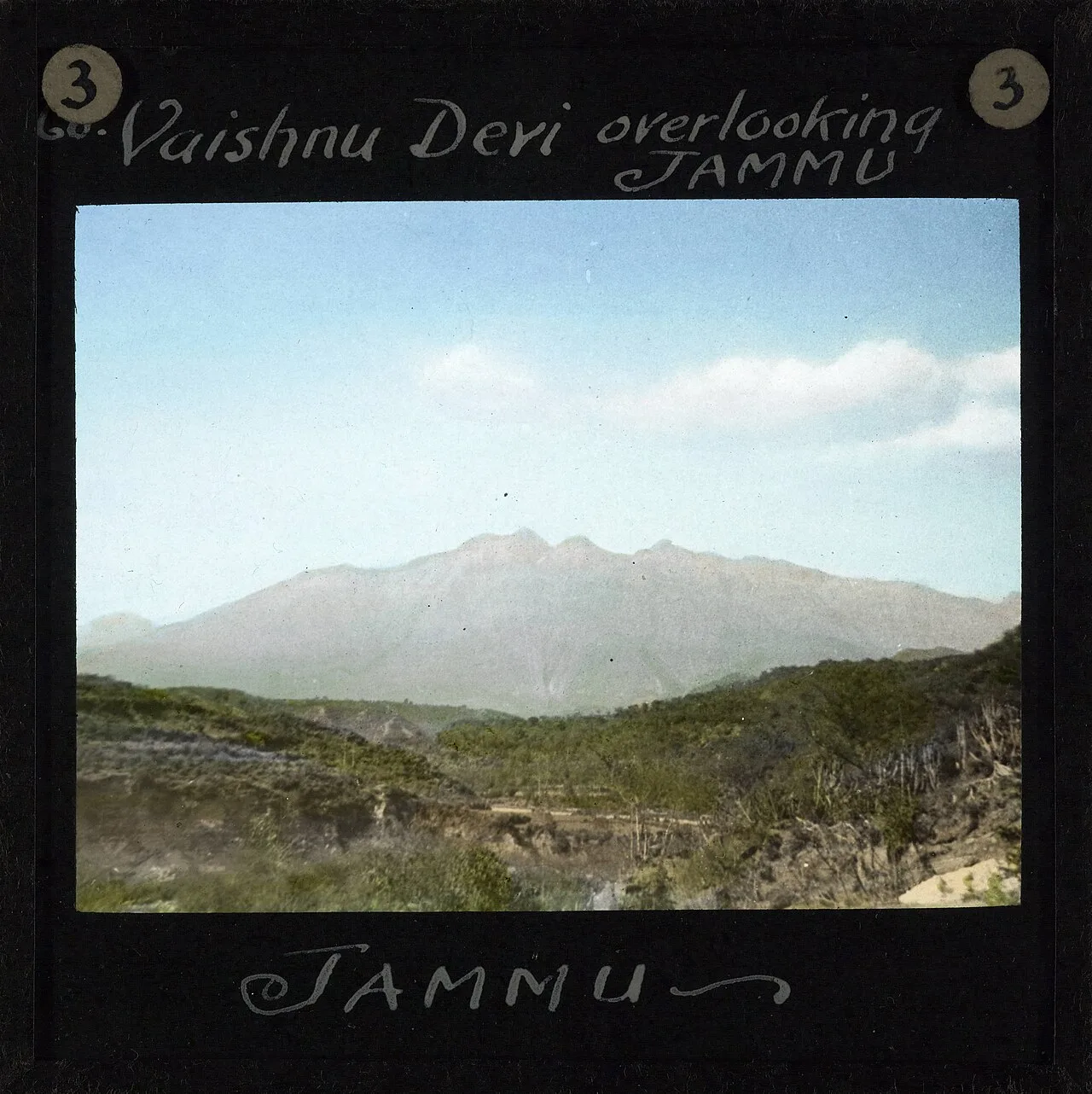
A Hindu shrine at Katra in Jammu and Kashmir, Vaishno Devi Temple honours the goddess Vaishno Devi and draws millions of pilgrims each year.

Map

Doda on the map

  1. 1Patnitop
  2. 2Bhaderwah
  3. 3Sanasar
  4. 4Krimchi temples
  5. 5Daksum
  6. 6Verinag
  7. 7Kokernag
  8. 8Vaishno Devi Temple

Jammu and Kashmir

Other cities to explore