
Yusmarg
Yusmarg, also known as Yousmarg, is a hill station in Budgam district, Jammu and Kashmir. Visitors come to spend time in its hill-station setting.
Key facts · verified by Ghumoopedia editors
- Type of place
- Natural attraction
- Best time to visit
- April to October for the Kashmir Valley and meadows; December to February for snow at Gulmarg; October to March for Jammu and the plains
- Nearest railway station
- Anantnag · about 15 km (straight line)
- Verified
- 21 Nov 2026
Plan a trip from Yusmarg — a day-by-day route through places nearby.
Yusmarg is located in the western area of Budgam district in Jammu and Kashmir, India. The place is also referred to as Yousmarg, and it is described as a hill station. Its district location places it in the western part of the region; Budgam town and Srinagar are the two nearby centres specified by distance. The distance from Budgam town to Yusmarg is 43 km. Srinagar lies 53 km to its south and is the summer capital of Jammu and Kashmir. Thus, Yusmarg’s position is described in relation to both the district town and the capital, as well as by its setting within Budgam district. Kashmir is known for its Sufi shrines, Mughal gardens, houseboats and crafts such as pashmina, papier-mâché and carpets, while the Jammu region is the land of Dogra heritage and major Hindu pilgrimages. The Kashmir Valley has mild summers, colourful autumns and snowy winters, with Chillai Kalan (late December to January) the coldest spell; meadows such as Gulmarg and Sonamarg get heavy snow. Jammu and the plains are hot from April to June. Snow and landslides can close the Jammu–Srinagar highway and mountain roads. The usual best time to visit is April to October for the Kashmir Valley and meadows; December to February for snow at Gulmarg; October to March for Jammu and the plains. Timings, fees and access arrangements must be confirmed locally. For official information, see Jammu and Kashmir Tourism at https://jktourism.jk.gov.in.
Why it matters
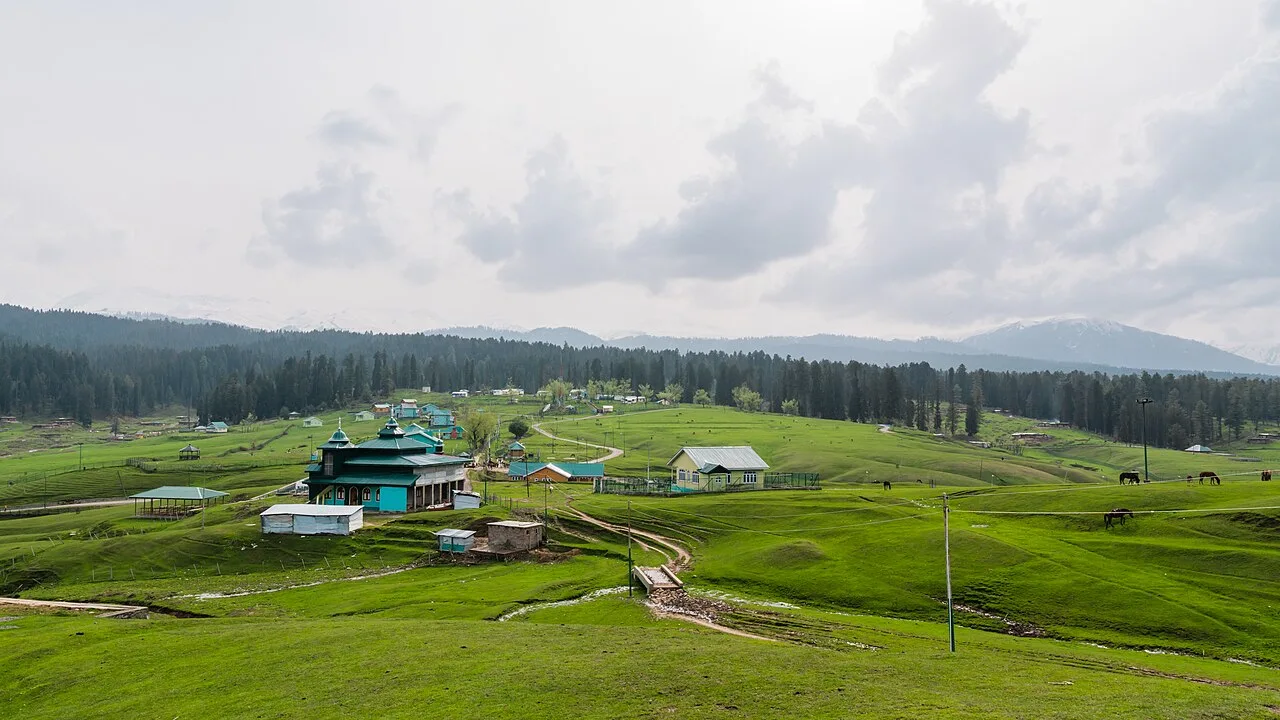
Yusmarg, also spelled Yousmarg, is a meadow and hill-station destination in western Budgam district, valued locally as a place for open-air recreation and views of Kashmir’s mountain landscape. It is commonly visited from Srinagar and nearby towns, particularly for meadow walks and time outdoors. Its setting links forested slopes, grassland and nearby streams, making it part of the region’s wider natural and pastoral landscape. Published accounts describe Yusmarg as a hill station; it does not establish a UNESCO designation, an Archaeological Survey of India-protected monument or another formal heritage status. Visitors should check with Jammu and Kashmir Tourism or the relevant local authority for any current conservation rules or access notices.
There is limited well-established, site-specific written history about Yusmarg, and no reliable account identifies a particular builder or founding date. Its character is primarily that of a high meadow within the wider Kashmir landscape, rather than a planned historic town or monumental site. The surrounding region has long been shaped by seasonal use of land, agriculture and movement between settlements and upland pastures. Pastoral use is part of the wider history of Kashmir’s mountain communities, though details of particular routes or practices at Yusmarg should not be assumed without local evidence. In more recent times, Yusmarg has become known as a hill-station and excursion destination, reached by road from Budgam and Srinagar. Visitors come for the meadow scenery, walking and nearby natural features. Roads, visitor services and access conditions have changed over time, but dependable dates for those changes are not established here. No specific restoration project or historic construction campaign is documented in the available guide information. For that reason, accounts of Yusmarg’s past are best kept distinct from local legends about its name and should not be presented as verified history.
Origin stories & folklore
According to a popular local interpretation, the name Yusmarg combines “Yus,” understood as Jesus, with “marg,” a word for meadow, and is rendered as “Meadow of Jesus.” Stories associated with this interpretation sometimes say that Jesus visited the Kashmir region. This is a belief or place-name tradition, not a verified historical account, and the name’s derivation is not universally established. Visitors may hear different explanations from local guides and residents. Treat such accounts respectfully as folklore, and avoid presenting them as proof of a historical visit. The meadow’s landscape and local associations are meaningful in their own right, whether or not a visitor accepts a particular explanation of its name.
Spend unhurried time at Yusmarg: walk the marked paths, use official viewpoints and ask locally whether a guide, entry ticket or permit is needed. Weather changes fast, so carry a warm or rain layer even on a clear morning. Wildlife sightings are never guaranteed — patience and quiet improve your chances. A comfortable itinerary is one main visit in the morning, a local meal at midday and a short nearby stop before an afternoon return. Use the district list on this site to find other places in Budgam, but check the route and its condition before combining stops. If a festival or fair is on, roads and stays can be busy — and the experience can be unforgettable. Leave no litter: many sites are protected by the communities around them.
Suggested itineraries
Half day: Arrive in the morning, take a relaxed walk on an established path, pause at an official viewpoint, have a local meal if available, then return. Full day: Explore the meadow on foot in the morning, take a long midday break, ask locally about a suitable nearby stop such as Nilnag, then return before conditions change. Gentler option: Stay close to the road or an accessible resting point, enjoy the scenery at an unhurried pace, and skip uneven trails or distant stops.
Yusmarg is a natural outing rather than a town with a single visitor-facing performance tradition. The living culture visitors encounter reflects the wider Kashmir Valley: Kashmiri is widely spoken, while Urdu and other languages may also be heard. In nearby communities, customs and everyday life are shaped by family, faith, seasonal work and the region’s foodways. Kashmiri music, including Sufi-influenced traditions, is part of the broader cultural landscape, but performances should not be expected at the meadow. Dress is generally practical for changing weather; modest clothing is considerate in local communities and at religious sites. Ask before photographing people or private activities.
Local communities
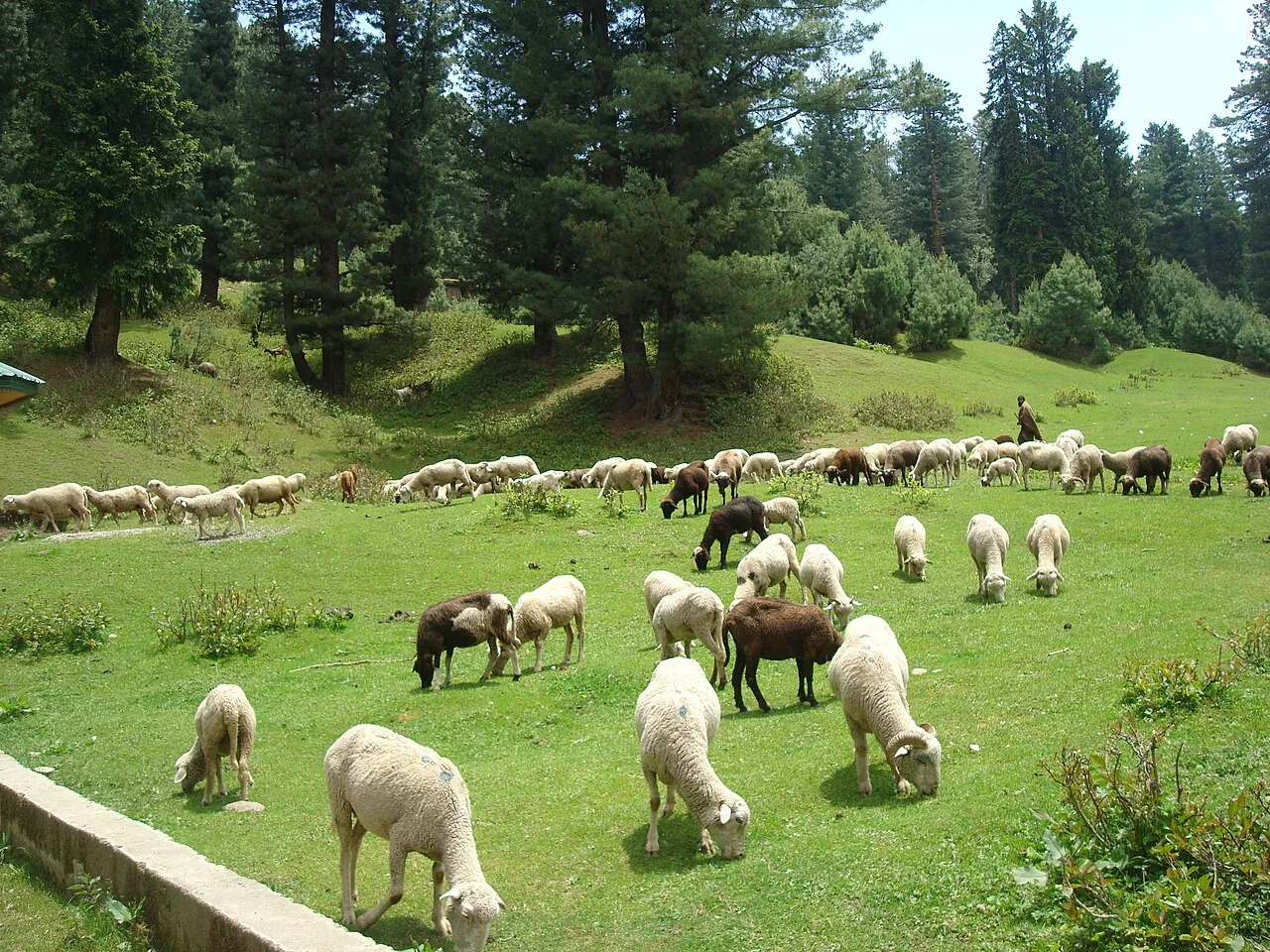
Residents of Budgam district and nearby settlements are connected to Yusmarg through local services, travel, food provision and seasonal work. Agriculture and livestock keeping are important livelihoods across the wider district; pastoral traditions also form part of the region’s mountain life. Gujjar and Bakarwal communities are present in Jammu and Kashmir, but visitors should not assume that a particular family or seasonal camp at Yusmarg belongs to either community. Local guides, drivers and small businesses may support visits when services are operating. Be courteous around homes, grazing animals and working land, and seek permission before taking photographs or entering private areas.
Festivals & events
Yusmarg is not known as a regular festival venue, and a fair or event should not be assumed on any particular visit. In the wider Budgam area, Muslim festivals such as Eid-ul-Fitr and Eid-ul-Adha are observed according to the religious calendar; dates shift from year to year. Charar-i-Sharief, in the same district, is an important religious destination where observances and gatherings may draw visitors at particular times. Such occasions can make local roads and accommodation busier. Check locally before travelling if you hope to attend an event, and follow guidance at religious sites. Keep the meadow quiet and leave community gathering spaces clean.
Local food in Jammu and Kashmir includes Kashmiri Wazwan dishes such as rogan josh, yakhni, gushtaba and rista, nadru (lotus stem), haak saag, dum aloo, kahwa and salty noon chai; in the Jammu region, rajma-chawal, kalari cheese and Dogra dishes such as ambal and auria. Ask what is fresh that day; many small eateries cook a limited daily menu. Vegetarian travellers eat very well across this region, and most towns also have non-vegetarian options. Remote sites may have no restaurant at all. Carry water and snacks, eat a proper breakfast before long drives, and ask your accommodation for a packed lunch if you are heading out early. Try a home-cooked or dhaba meal when you can — it is often the best food on the route. Choose busy, clean places and carry your packaging back with you.
Shopping & local experiences
Yusmarg is primarily a landscape destination, not a major shopping centre, and stalls or vendors may be seasonal. In Budgam or Srinagar, visitors can look for Kashmir crafts such as pashmina, papier-mâché work and carpets, while checking provenance and quality carefully. Buying directly from a reputable maker or cooperative can help visitors understand how an item is produced. Local food and tea are worth seeking out where available, but do not expect a particular shop or menu to be open at the meadow. Avoid purchasing wildlife products or items made from protected species, and take all packaging away from the natural area.
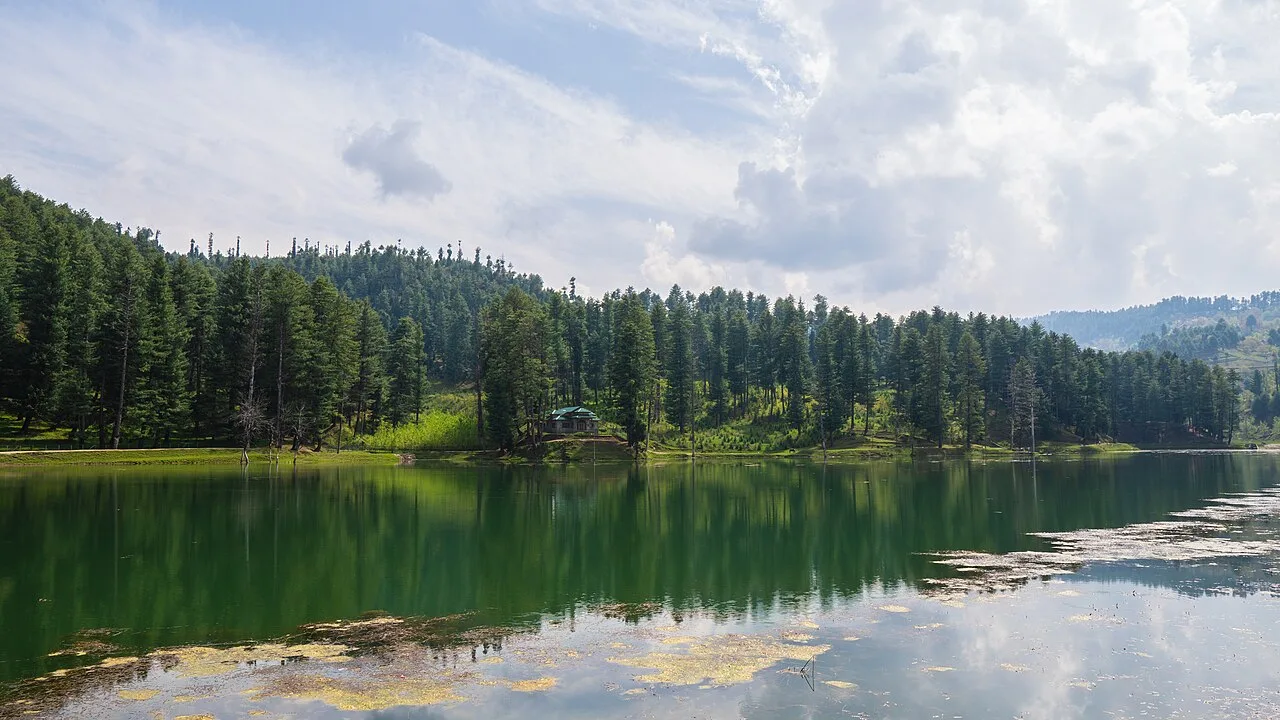
Yusmarg is known for open grassland and meadow scenery set among forested slopes in the western Kashmir Valley. Coniferous woodland, including stands of pine and other regional trees, borders parts of the landscape; seasonal grasses and wildflowers may add colour in warmer months. Streams and water features occur in the wider area, while the Doodh Ganga and Nilnag are among the natural attractions associated with nearby outings. Conditions vary with season: snow and cold weather can alter access, while rain can make paths soft or slippery. The surrounding forests and meadows provide habitat for wildlife and birds, but sightings are never assured. Keep distance from animals, avoid feeding them and do not leave litter.
April to October for the Kashmir Valley and meadows; December to February for snow at Gulmarg; October to March for Jammu and the plains
The nearest principal railway station by straight-line distance is Anantnag, roughly 15 km away. The nearest operating airport by straight-line distance is Sheikh ul-Alam International Airport, Srinagar, roughly 50 km away. These figures are calculated from map coordinates — mountain roads wind a lot, so actual road distance and travel time are usually much longer. Jammu Tawi and Shri Mata Vaishno Devi Katra are the main long-distance rail gateways, and the line through the Chenab bridge now continues into the Kashmir Valley — check current services to Srinagar. Srinagar and Jammu airports have the most flights. For the final leg, J&K Road Transport Corporation (JKRTC) buses, private minibuses and shared Sumo taxis link district towns; shared taxis usually leave early in the morning. A private taxi gives more flexibility for remote sites. When comparing train, bus and flight, count the complete door-to-door time: a flight saves the most time only if the onward road transfer is short, while an overnight train can save a hotel night. Book your return before you leave, because seats fill quickly on weekends, festivals and holidays. Current train numbers, timings, return services and fares are not listed here; check IRCTC and NTES for trains and the airline's own schedule for flights. Indian visitors do not need a permit for the main destinations in Jammu and Kashmir. Areas close to the Line of Control, such as Gurez, Bangus, Keran and Machil, may require registration at police or army check posts, and foreign nationals face extra restrictions in some areas. Prepaid mobile SIM cards issued outside Jammu and Kashmir do not work here, so carry a postpaid connection. The Amarnath Yatra needs advance registration and a compulsory health certificate, and Vaishno Devi pilgrims need a yatra registration (RFID) card. Read your government's travel advisory and current local advisories before you go.
Confirm onward and return timings on IRCTC / NTES, the state bus operator or your airline before travel. A dash means current timings or fares have not been verified.
Getting around
Most visitors reach Yusmarg by road, commonly using a private vehicle, hired taxi or locally available shared transport from nearby towns; services can be limited or change with conditions. Confirm the return plan before travelling, especially in poor weather or outside busy periods. At the destination, expect to explore mainly on foot. Local pony rides may be offered in some circumstances, but availability and routes should be checked on arrival and agreed with the provider. Use designated parking where available, avoid blocking access roads, and do not drive onto meadow or grazing land. There is no reason to expect regular urban-style autos or a boat service at the meadow.
Hours, tickets & permissions
Access arrangements can vary with season, weather, road conditions and local management. Do not assume that every path or nearby feature is open, or that entry is always free. Tickets, permits, vehicle access rules, guide requirements, camera restrictions or other conditions may apply at particular locations or during special periods. Carry identification if requested by officials, and follow posted notices and staff instructions. Confirm current opening arrangements, entry rules and any fees with the managing authority or Jammu and Kashmir Tourism before setting out; the available guide does not establish fixed hours or prices.
Facilities
Facilities at the meadow may be basic or seasonal. Parking and simple food or refreshments may be available, but visitors should check locally rather than rely on a particular outlet being open. Toilets, drinking water, seating and waste bins are not guaranteed throughout the area; carry drinking water and take rubbish away. Guides or pony providers may be present at busier times, but availability and suitability should be confirmed before setting out. ATMs and broader services are more likely in towns along the route than at Yusmarg itself. Bring essential medicines and supplies from your starting point.
Accessibility
The meadow environment is uneven, and paths may include grass, loose ground, mud or slopes; rain and snow can make walking more difficult. Distances between parking, viewpoints and nearby features vary, and not every route has a firm surface or nearby seating. Shade may be limited in open areas, so plan for sun, wind and changing temperatures. Wheelchair and stroller access should not be assumed, and there may be no ramps or accessible toilets. Older visitors or anyone with limited mobility may prefer to remain near the vehicle or choose a short, supported walk after checking ground conditions locally.
Indian visitors do not need a permit for the main destinations in Jammu and Kashmir. Areas close to the Line of Control, such as Gurez, Bangus, Keran and Machil, may require registration at police or army check posts, and foreign nationals face extra restrictions in some areas. Prepaid mobile SIM cards issued outside Jammu and Kashmir do not work here, so carry a postpaid connection. The Amarnath Yatra needs advance registration and a compulsory health certificate, and Vaishno Devi pilgrims need a yatra registration (RFID) card. Read your government's travel advisory and current local advisories before you go. Carry a photo ID at all times and save the emergency number 112 and your accommodation's contact offline. Altitude sickness is possible above about 2,500 m: ascend gradually, rest on arrival, drink water and turn back if you develop a severe headache, breathlessness or confusion. Snow and landslides can close roads at short notice — avoid night driving and keep a spare day. Stay on marked paths, keep away from cliff edges and fast water, and never approach wild animals. Follow local guidance if access changes.
Photography
For softer light, consider early morning or late afternoon, while allowing enough time to return safely. Open meadow edges and established viewpoints can frame the surrounding slopes; stay on paths and do not enter private or grazing areas for a photograph. Personal photography is generally part of a nature visit, but local restrictions or fees may apply at specific sites, so check notices. Drone use can be restricted by aviation rules, security directions or local management; obtain required permissions and do not fly over people, wildlife or religious gatherings. Ask before photographing residents, workers or children, and respect privacy and worship.
Choose a stay by the full journey to Yusmarg, not just the district name. Srinagar houseboats, Jammu and Katra hotels and resort towns such as Gulmarg and Pahalgam offer the widest choice; book houseboats only through registered owners. At altitude, check heating, hot water and power backup, and expect cold nights for much of the year. Book in advance for weekends, festivals and the peak season (April to October for the Kashmir Valley and meadows; December to February for snow at Gulmarg; October to March for Jammu and the plains). Confirm the exact location, meals included, check-in time and cancellation terms in writing. Avoid sending money to unverified contacts or touts at stations. Carry some cash, as card and digital payments can be unreliable in remote areas.
Nilnag is a nearby natural feature often associated with outings from Yusmarg; check the route and current access before adding it to a day trip. Doodhpathri, another meadow destination in Budgam district, can be considered separately if road and weather conditions allow. Charar-i-Sharief is a significant religious destination in the district, and visitors should dress and behave respectfully at its shrine. These places are not necessarily convenient to combine in one outing: mountain roads and local conditions can extend travel time. Ask locally which routes are open and choose a realistic plan rather than relying on map distance alone.
For couples, Yusmarg rewards a slow pace: arrive early for soft light and fewer crowds, share a local meal and keep the evening free. A shikara ride or a houseboat night in Srinagar is a classic addition. Public displays of affection can be frowned upon in conservative communities and at religious sites, so be discreet. Keep a buffer in your itinerary, because weather and traffic can delay plans.
Q: How much time should I allow for Yusmarg? A: A half day suits a relaxed meadow visit; allow more time if you plan a longer walk or a nearby stop, and check road conditions. Q: When is the best season to visit? A: April to October is the usual broad season for Kashmir Valley meadows, but weather changes quickly and winter access may be affected by snow. Q: Is entry free, and do I need a permit? A: Rules can change and may differ by location or season. Confirm any ticket, permit or access requirement with the local managing authority before travelling. Q: Is Yusmarg suitable for children and elderly visitors? A: It can suit visitors who stay near established access points, but uneven ground and changing weather may make longer walks difficult. Supervise children closely. Q: Can I stay overnight nearby? A: Accommodation options and availability can vary. Check current lodging in the area or plan to stay in a larger nearby town, confirming transport before your visit.
Be the first to share photos, stories, advice or a helpful contact for Yusmarg.
Loading…