
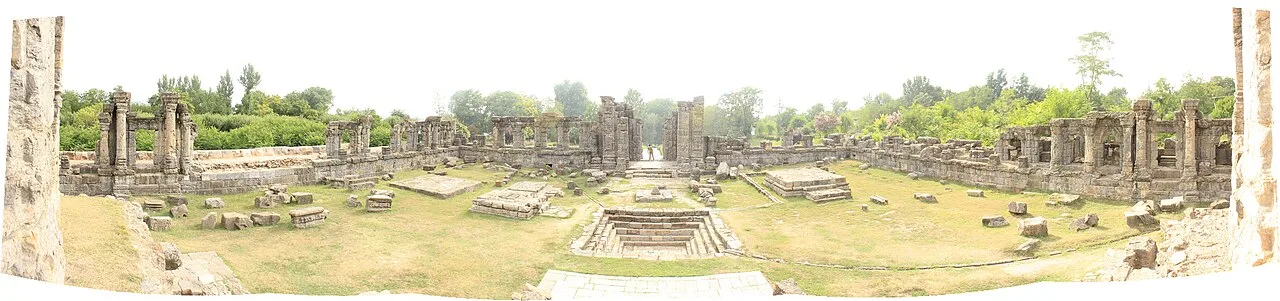
Martand Sun Temple
Martand Sun Temple is an eighth-century Hindu shrine in Mattan, Anantnag district, Jammu and Kashmir. Visitors come to see the site linked to Surya, the Hindu sun deity, and learn about its history.
Key facts · verified by Ghumoopedia editors
- Type of place
- Temple / pilgrimage site
- Best time to visit
- April to October for the Kashmir Valley and meadows; December to February for snow at Gulmarg; October to March for Jammu and the plains
- Nearest railway station
- Anantnag · about 5 km (straight line)
- Verified
- 21 Nov 2026
Plan a trip from Martand Sun Temple — a day-by-day route through places nearby.
In Mattan, within the Kashmir Valley’s Anantnag district, Martand Sun Temple dates to the eighth century CE. It was built as a Hindu place of worship for Surya, the solar deity. Martand is a Sanskrit name for Surya as well as the temple’s name. The structure was destroyed by Sikandar Shah Miri. Its location, dedication and name all connect the temple with the worship of the sun deity. Kashmir is known for its Sufi shrines, Mughal gardens, houseboats and crafts such as pashmina, papier-mâché and carpets, while the Jammu region is the land of Dogra heritage and major Hindu pilgrimages. The Kashmir Valley has mild summers, colourful autumns and snowy winters, with Chillai Kalan (late December to January) the coldest spell; meadows such as Gulmarg and Sonamarg get heavy snow. Jammu and the plains are hot from April to June. Snow and landslides can close the Jammu–Srinagar highway and mountain roads. The usual best time to visit is April to October for the Kashmir Valley and meadows; December to February for snow at Gulmarg; October to March for Jammu and the plains. Timings, fees and access arrangements must be confirmed locally. For official information, see Jammu and Kashmir Tourism at https://jktourism.jk.gov.in.
Why it matters
The Martand Sun Temple is a major early medieval temple site in Mattan, in Anantnag district, and an important landmark in the history of Kashmir’s Hindu sacred architecture. Dedicated to Surya, it reflects the prominence of solar worship in the region during the eighth century CE. Its extensive stone remains also make it a significant archaeological destination and a place of religious and cultural memory for Kashmiri Hindus. The Archaeological Survey of India lists the ruins as a protected monument; it is not a UNESCO World Heritage Site. Visitors should distinguish the historic temple ruins from active places of worship in the surrounding Mattan area, and follow current site instructions.
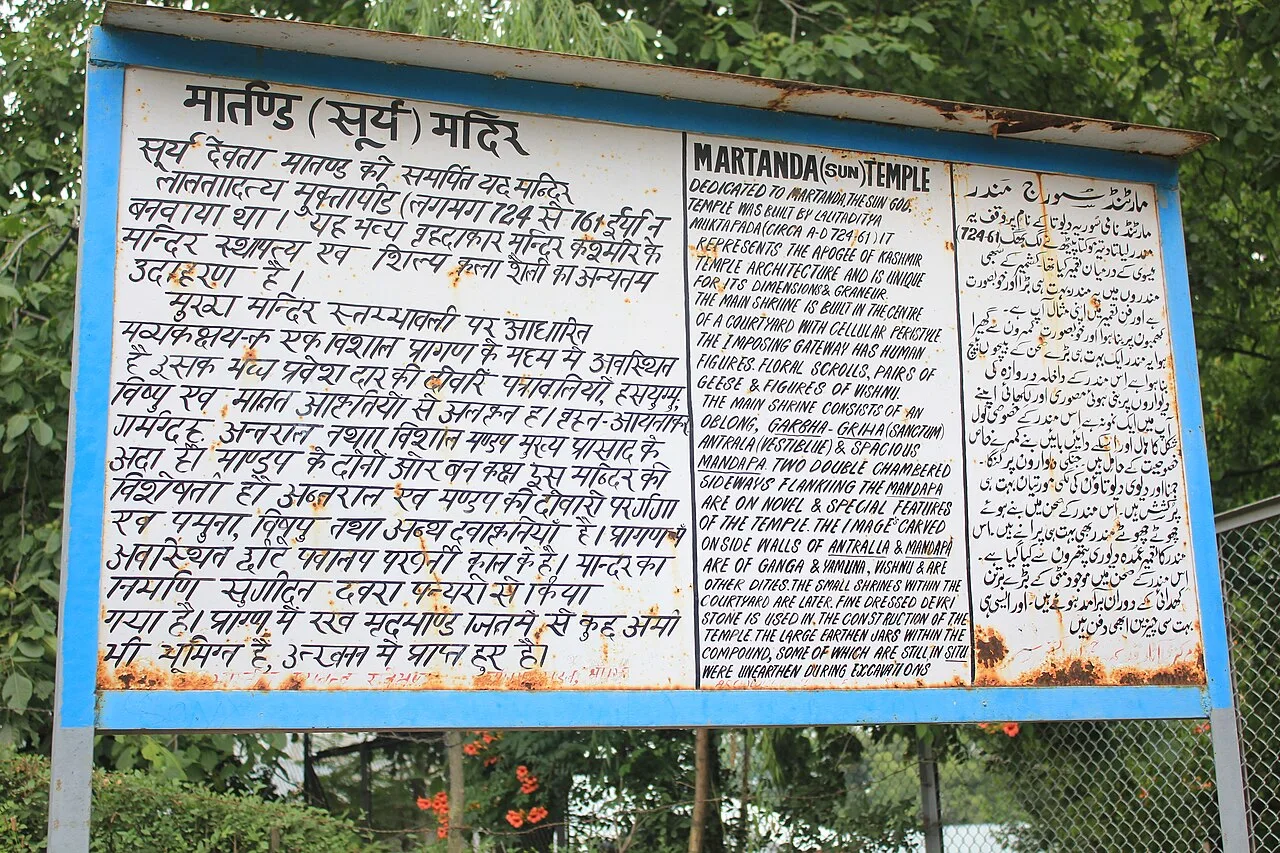
The temple is traditionally dated to the eighth century CE and is commonly attributed to Lalitaditya Muktapida, a ruler of the Karkota dynasty. It was dedicated to Surya, the Hindu solar deity, whose Sanskrit name Martanda is the source of the temple’s name. The complex was built during a period when Kashmir supported distinctive forms of Hindu temple building and regional artistic exchange. The temple was later destroyed; historical accounts associate its destruction with Sikandar Shah Miri, who ruled Kashmir in the late fourteenth and early fifteenth centuries. The extent and manner of the destruction are described differently in historical narratives, and the surviving ruins do not preserve the full original building. The site has remained an important record of Kashmir’s medieval past. Archaeological conservation and protection have helped preserve the standing remains, but the temple has not been rebuilt as a complete structure. Visitors today see an open-air archaeological site rather than an intact working temple. For the latest access and conservation rules, follow notices from the site’s managing authority.
Origin stories & folklore
The name Martanda is associated with Surya in Hindu tradition. In a Vedic and later Hindu account, Martanda is one of the Adityas, the solar beings associated with Aditi; versions of the story describe him as a sun figure set apart from the other Adityas. This religious tradition helps explain the temple’s dedication, but it is not a documented account of the site’s construction. Local devotion and memory also connect Mattan with long-standing reverence for the sun and sacred water. Such beliefs form part of the region’s religious heritage, though stories may vary between families and communities. Visitors can ask respectfully about local traditions, while keeping distinct what is religious belief from what archaeological evidence establishes.
Architecture & design
The temple is built principally of stone and is laid out as a large, enclosed complex with a central sanctuary set within a courtyard. Rows of subsidiary cells and a colonnaded perimeter frame the open space, creating a strong approach toward the main shrine. The sanctuary’s upper structure has largely collapsed, but surviving foundations and wall sections help convey its former scale. Carved details include niches, ornamental panels and distinctive arched forms. The design combines a clear, axial plan with richly articulated stonework associated with early medieval Kashmir. The site’s elevated setting gives views across the surrounding landscape, while the courtyard layout would have made the central shrine visually prominent. Visitors should remember that exposed masonry is fragile: climbing on walls or removing fragments can damage the monument.
Important objects & sculptures
Look for carved stone panels, column fragments, niches and ornamental details incorporated into the surviving walls and courtyard remains. The central sanctuary and subsidiary structures reveal how images and architectural decoration once shaped the visitor’s approach to the shrine. The complex was dedicated to Surya, but visitors should not expect an intact principal idol or a complete collection of temple objects at the ruins. No claim should be made that a particular sculpture or inscription is currently on display unless confirmed on site. Stonework is weathered and may be difficult to interpret without a knowledgeable guide or reliable explanatory material. Do not touch, climb on or remove carved pieces; they are part of a protected archaeological monument.
Religious significance
Martand was dedicated to Surya, the Hindu deity of the sun, also known by the name Martanda. For Hindu worshippers, the site is a reminder of Kashmir’s historic solar devotion and the region’s earlier temple traditions. The ruins themselves are an archaeological monument, so regular prayers or rituals there should not be assumed; active worship may take place at other shrines in Mattan. Ask site staff or local caretakers whether any areas are open for worship, and avoid interrupting visitors engaged in prayer. Religious practices and access arrangements can change, particularly during local observances. A respectful visit means treating the remains as both sacred heritage for many people and a protected historic structure.
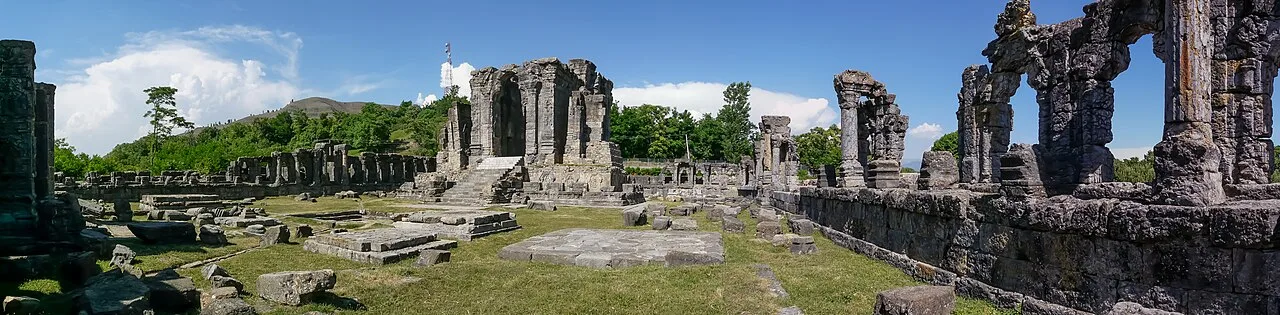
Visit Martand Sun Temple with time to observe daily prayers and rituals respectfully. Follow the posted rules on footwear, photography, head covering and dress, and avoid interrupting worshippers. Ask caretakers which areas are open to visitors, and beware of unofficial 'guides' asking for donations. A comfortable itinerary is one main visit in the morning, a local meal at midday and a short nearby stop before an afternoon return. Use the district list on this site to find other places in Anantnag, but check the route and its condition before combining stops. If a festival or fair is on, roads and stays can be busy — and the experience can be unforgettable. Leave no litter: many sites are protected by the communities around them.
Suggested itineraries
Half day: Allow 1–2 hours to explore the temple remains, pause for views and read any site information; have a meal in or near Mattan before returning. Full day: Spend 1–2 hours at Martand, have a local meal, then visit Anantnag town or a nearby garden such as Achabal, allowing for road conditions and return travel. Gentler option: Arrange a vehicle drop-off near the visitor entrance, explore the most accessible courtyard areas at an unhurried pace, and skip uneven sections if they feel unsafe.
Mattan and the wider Anantnag area sit within Kashmir’s layered religious and cultural landscape. Kashmiri is widely spoken locally, alongside languages such as Urdu and Hindi; English may be understood in some visitor-facing settings. Customs vary between households and communities, so visitors should follow local guidance rather than assume one practice applies to everyone. The temple ruins are not a stage for performances, and regular music or dance events should not be expected at the site. Kashmir’s crafts, foodways and traditions are more readily encountered in nearby towns and markets than at the monument itself. Dress modestly, speak considerately and ask before photographing people, especially during religious observances.
Festivals & events
The temple ruins should not be assumed to host a regular public festival. Hindu solar observances such as Makar Sankranti and Ratha Saptami may be marked by worshippers in the wider region, but whether any event takes place at Martand or nearby Mattan should be checked locally. Mattan’s religious sites may see increased activity during local observances and pilgrimage seasons. The Amarnath pilgrimage season can bring additional movement through parts of Anantnag district, though it does not guarantee a celebration at the temple. Roads and accommodation may be busier during major religious periods. Confirm local arrangements before planning around an event, and keep clear of worship areas and processions.
Local food in Jammu and Kashmir includes Kashmiri Wazwan dishes such as rogan josh, yakhni, gushtaba and rista, nadru (lotus stem), haak saag, dum aloo, kahwa and salty noon chai; in the Jammu region, rajma-chawal, kalari cheese and Dogra dishes such as ambal and auria. Ask what is fresh that day; many small eateries cook a limited daily menu. Vegetarian travellers eat very well across this region, and most towns also have non-vegetarian options. Remote sites may have no restaurant at all. Carry water and snacks, eat a proper breakfast before long drives, and ask your accommodation for a packed lunch if you are heading out early. If prasad or langar is offered, accept it according to local custom. Choose busy, clean places and carry your packaging back with you.
Shopping & local experiences
There may be few or no dependable shops at the ruins, so browse in Mattan or Anantnag instead. Kashmir-wide crafts to look for include papier-mâché, pashmina shawls, carpets and carved walnut wood, but check provenance, quality and authenticity before buying. Local markets may also offer seasonal produce and everyday foods. Try regional Kashmiri dishes at an established eatery rather than expecting food service at the monument. Buy respectfully from local sellers, ask permission before photographing stalls or artisans, and avoid purchasing archaeological fragments or objects claimed to come from the temple.
April to October for the Kashmir Valley and meadows; December to February for snow at Gulmarg; October to March for Jammu and the plains
The nearest principal railway station by straight-line distance is Anantnag, roughly 5 km away. The nearest operating airport by straight-line distance is Sheikh ul-Alam International Airport, Srinagar, roughly 50 km away. These figures are calculated from map coordinates — mountain roads wind a lot, so actual road distance and travel time are usually much longer. Jammu Tawi and Shri Mata Vaishno Devi Katra are the main long-distance rail gateways, and the line through the Chenab bridge now continues into the Kashmir Valley — check current services to Srinagar. Srinagar and Jammu airports have the most flights. For the final leg, J&K Road Transport Corporation (JKRTC) buses, private minibuses and shared Sumo taxis link district towns; shared taxis usually leave early in the morning. A private taxi gives more flexibility for remote sites. When comparing train, bus and flight, count the complete door-to-door time: a flight saves the most time only if the onward road transfer is short, while an overnight train can save a hotel night. Book your return before you leave, because seats fill quickly on weekends, festivals and holidays. Current train numbers, timings, return services and fares are not listed here; check IRCTC and NTES for trains and the airline's own schedule for flights. Indian visitors do not need a permit for the main destinations in Jammu and Kashmir. Areas close to the Line of Control, such as Gurez, Bangus, Keran and Machil, may require registration at police or army check posts, and foreign nationals face extra restrictions in some areas. Prepaid mobile SIM cards issued outside Jammu and Kashmir do not work here, so carry a postpaid connection. The Amarnath Yatra needs advance registration and a compulsory health certificate, and Vaishno Devi pilgrims need a yatra registration (RFID) card. Read your government's travel advisory and current local advisories before you go.
Confirm onward and return timings on IRCTC / NTES, the state bus operator or your airline before travel. A dash means current timings or fares have not been verified.
Getting around
Mattan is reachable from Anantnag by road. On arrival, local taxis and shared vehicles may be available, while local buses or minibuses can connect nearby towns; services and pickup points vary, so check locally. Confirm that a driver will wait or arrange a return ride before starting your visit, as transport availability can be less predictable later in the day. The temple grounds are best explored on foot, with care on uneven stone and exposed paths. Use designated parking or drop-off areas where provided, and do not block access roads or neighbouring homes.
Hours, tickets & permissions
Entry arrangements may include a managed entrance, ticketing or restrictions on particular areas; these can change. Do not assume that a camera fee, permit, identification requirement or specific dress rule applies unless current notices say so. Check the latest opening hours, fees and access conditions with the Archaeological Survey of India or the authority responsible for the monument before travelling. Seasonal weather, conservation work and local security conditions may also affect entry. Follow posted instructions at the site and ask staff if a rule is unclear.
Facilities
Facilities within the archaeological site may be limited. Toilets, drinking water, food stalls, guides and shaded seating are not guaranteed, so check locally and plan to carry water and any essentials. Mattan and Anantnag are more likely to offer food, shops and other services than the monument itself. Parking may be available nearby, but arrangements can vary. Do not rely on finding an ATM at the site; withdraw or arrange cash in a larger town if needed. Ask staff about authorised guides and available visitor information.
Accessibility
The site is an open-air ruin with uneven ground, exposed stone surfaces and possible steps or changes in level. Visitors may need to walk across the courtyard and around remains to see the complex; surfaces can be slippery or difficult after rain or snow. Shade and seating may be limited. Wheelchair and stroller access should not be assumed, and some areas may be unsuitable for visitors with reduced mobility. Older visitors may find a short, slow visit more comfortable, with a companion where useful. Check current conditions with the site authority before setting out, and avoid climbing over masonry.
Indian visitors do not need a permit for the main destinations in Jammu and Kashmir. Areas close to the Line of Control, such as Gurez, Bangus, Keran and Machil, may require registration at police or army check posts, and foreign nationals face extra restrictions in some areas. Prepaid mobile SIM cards issued outside Jammu and Kashmir do not work here, so carry a postpaid connection. The Amarnath Yatra needs advance registration and a compulsory health certificate, and Vaishno Devi pilgrims need a yatra registration (RFID) card. Read your government's travel advisory and current local advisories before you go. Carry a photo ID at all times and save the emergency number 112 and your accommodation's contact offline. Heat in summer and fog in winter are the main weather risks; carry water and allow extra travel time on foggy December–January mornings. Respect community rules, private property and posted instructions. Follow local guidance if access changes.
Visitor rules
Follow signs and instructions from site staff, and keep to areas open to visitors. Dress respectfully, particularly if visiting nearby active shrines, and observe any local footwear or head-covering guidance. Do not enter restricted or cordoned sections, climb on walls, touch fragile carvings or remove stones. Keep the site free of litter and avoid single-use plastic where possible. Speak quietly near worshippers, do not disrupt prayers, and ask before photographing people. Photography rules may be posted and can differ by area; confirm before taking pictures.
Photography
Soft morning or late-afternoon light can bring out the texture of the stone and the courtyard’s architectural lines. From within permitted areas, look for views that show the central sanctuary remains and surrounding colonnade without stepping onto fragile masonry. Personal photography may be allowed, but check signs and ask staff about restrictions or any camera fees. Do not assume drones are permitted; obtain any required official clearance and comply with local restrictions. Avoid photographing worshippers or nearby residents without consent, and put the camera away if it interferes with prayer or site operations.
Choose a stay by the full journey to Martand Sun Temple, not just the district name. Srinagar houseboats, Jammu and Katra hotels and resort towns such as Gulmarg and Pahalgam offer the widest choice; book houseboats only through registered owners. In summer, check air-conditioning or coolers; in December and January, check heating and hot water. Book in advance for weekends, festivals and the peak season (April to October for the Kashmir Valley and meadows; December to February for snow at Gulmarg; October to March for Jammu and the plains). Confirm the exact location, meals included, check-in time and cancellation terms in writing. Avoid sending money to unverified contacts or touts at stations. Carry some cash, as card and digital payments can be unreliable in remote areas.
In Anantnag district, visitors may consider Achabal Garden, known for its Mughal-era garden setting, or the springs and gardens at Kokernag and Verinag; check road conditions before combining stops. Anantnag town offers local services and a chance to explore the district centre. Pahalgam is another well-known destination in the district, but the road journey can take time and should be planned separately if conditions are poor. The Amarnath Cave is a major seasonal pilgrimage destination reached by a demanding, regulated journey; it is not a casual add-on to a temple visit. Confirm access arrangements for each place before departure.
For couples, Martand Sun Temple rewards a slow pace: arrive early for soft light and fewer crowds, share a local meal and keep the evening free. A shikara ride or a houseboat night in Srinagar is a classic addition. Public displays of affection can be frowned upon in conservative communities and at religious sites, so be discreet. Keep a buffer in your itinerary, because weather and traffic can delay plans.
Q: How much time should I allow for a visit? A: Allow around one to two hours to explore the ruins at an unhurried pace, with extra time for travel and breaks. Q: When is a good season to visit? A: April to October is generally a practical period for visiting the Kashmir Valley; check local weather and road conditions in any season. Q: Is there an entry fee or do I need a permit? A: Entry arrangements can change. Confirm current fees, hours and any restrictions with the managing authority before travelling. Q: Can children and elderly visitors visit? A: Yes, but the uneven ground and exposed stone may be challenging. Keep children close and plan a shorter, slower visit if needed. Q: Where can I stay nearby? A: Anantnag and other larger towns in the district offer more accommodation options than the monument itself; check availability and road access before booking.
Be the first to share photos, stories, advice or a helpful contact for Martand Sun Temple.
Loading…