
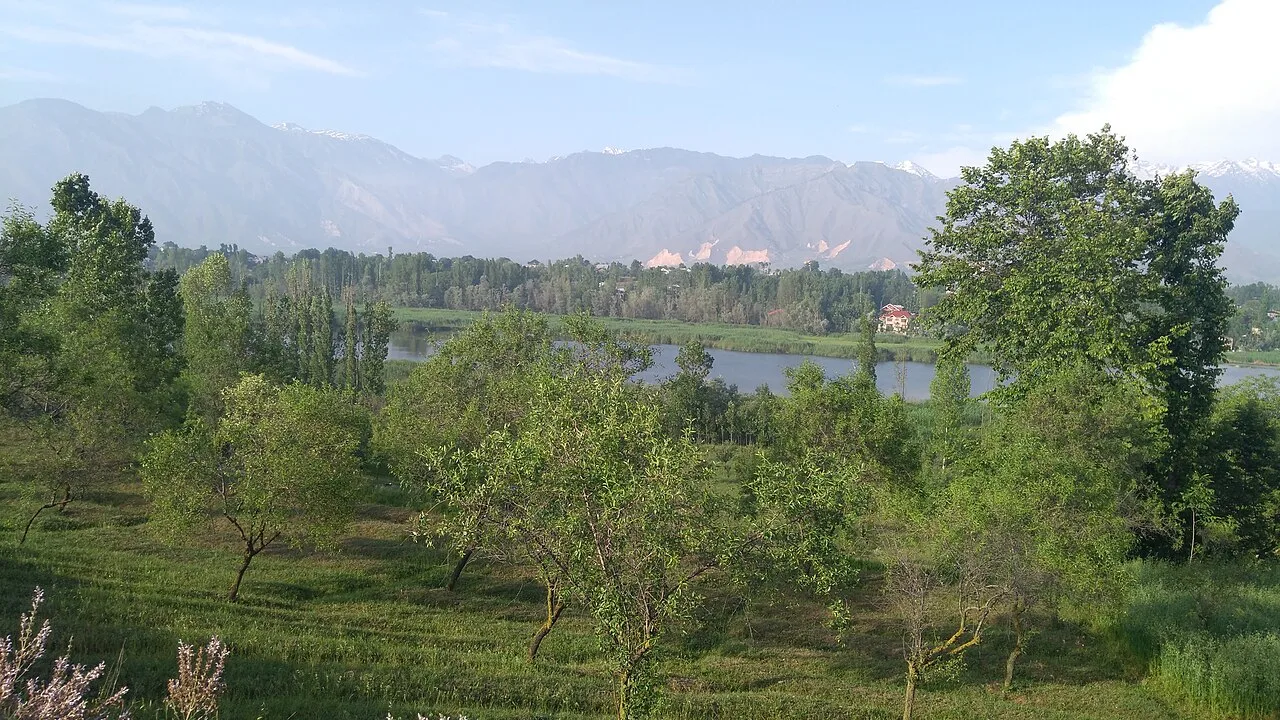
Pampore
Pampore is a historic town in Pulwama district, Jammu and Kashmir, best known for saffron and its identity as Kashmir’s Saffron Town.
Key facts · verified by Ghumoopedia editors
- Type of place
- Destination
- Best time to visit
- April to October for the Kashmir Valley and meadows; December to February for snow at Gulmarg; October to March for Jammu and the plains
- Nearest railway station
- Srinagar (Nowgam) · about 10 km (straight line)
- Verified
- 21 Nov 2026
Plan a trip from Pampore — a day-by-day route through places nearby.
Pampore is a historic town in Pulwama district, within the union territory of Jammu and Kashmir. In Kashmiri, it is known by the names Pampar and Panpar as well as Pampore. In antiquity, the town was called Padmapur. It lies east of the Jhelum River, beside the Jammu–Srinagar National Highway. Pampore is widely associated with saffron, the product for which it is best known. This connection has led to its being referred to as Kashmir’s Saffron Town. Srinagar’s Lal Chowk, the city centre, is about 11 kilometres from Pampore. Kashmir is known for its Sufi shrines, Mughal gardens, houseboats and crafts such as pashmina, papier-mâché and carpets, while the Jammu region is the land of Dogra heritage and major Hindu pilgrimages. The Kashmir Valley has mild summers, colourful autumns and snowy winters, with Chillai Kalan (late December to January) the coldest spell; meadows such as Gulmarg and Sonamarg get heavy snow. Jammu and the plains are hot from April to June. Snow and landslides can close the Jammu–Srinagar highway and mountain roads. The usual best time to visit is April to October for the Kashmir Valley and meadows; December to February for snow at Gulmarg; October to March for Jammu and the plains. Timings, fees and access arrangements must be confirmed locally. For official information, see Jammu and Kashmir Tourism at https://jktourism.jk.gov.in.
Why it matters
Pampore is a historic town in Pulwama district, on the eastern side of the Jhelum River along the Jammu–Srinagar National Highway. Its strongest regional identity is saffron: fields and trading activity around the town have made it a major centre for Kashmir’s saffron cultivation. Kashmir saffron received a Geographical Indication (GI) tag in 2020; that recognition applies to the product, not to Pampore as a town. Pampore is also a practical stop between Srinagar and southern Kashmir, offering a glimpse of village and market life beyond the capital. Its location gives it a place in the wider history of settlement and movement through the Valley. No UNESCO or ASI-protected designation for Pampore town itself is claimed here.
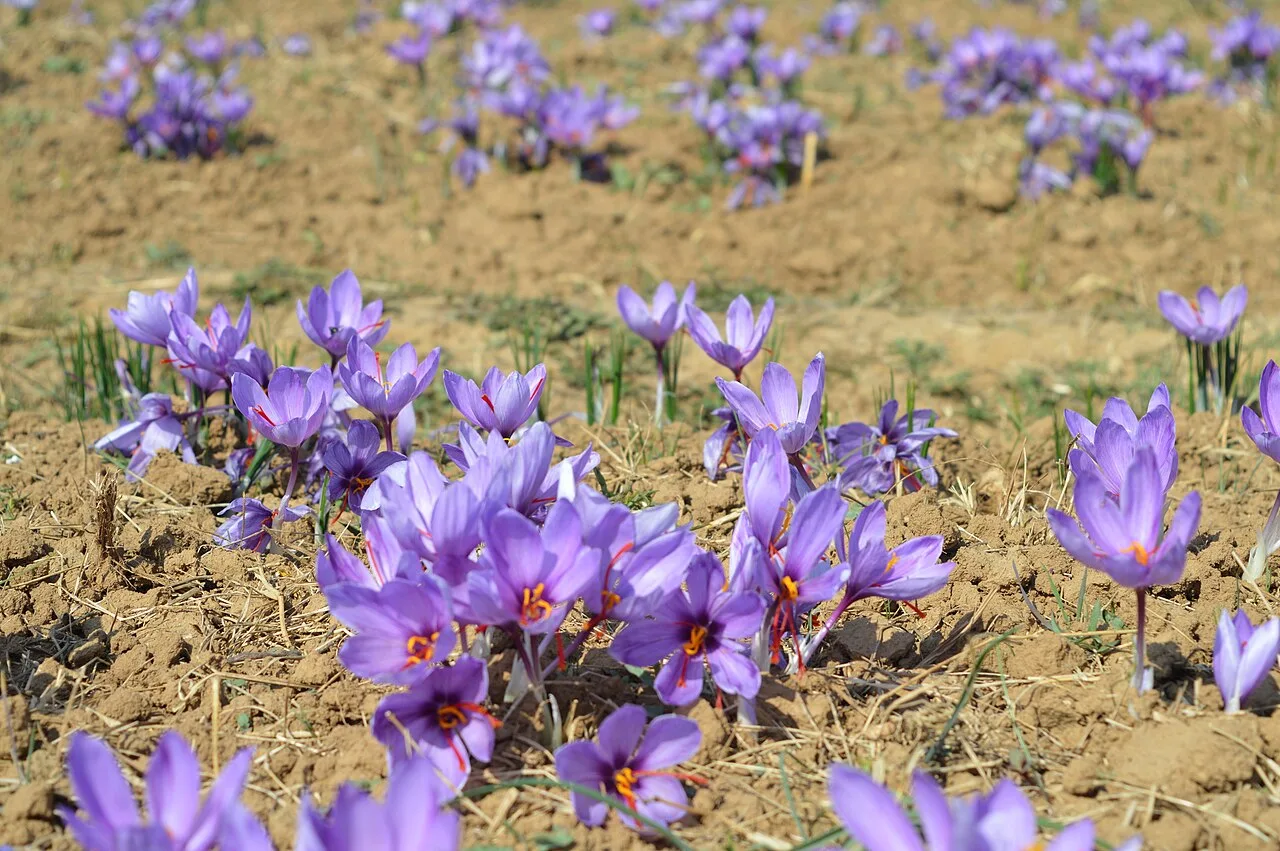
Pampore is also known in Kashmiri as Pampar or Panpar. The town is associated with Padmapur, a name reported for the settlement in antiquity, though the precise development of the name and the town’s earliest boundaries are not straightforward to establish. Pampore’s position beside the Jhelum and on a route connecting Srinagar with the southern Valley has shaped its role as a settled and commercially connected place. Its best-known historical continuity is saffron cultivation: local fields and the work of growers have sustained the town’s reputation across generations. Kashmir saffron is now protected by a Geographical Indication, a recognition of the product’s regional identity rather than a designation for a particular field or historic monument. Pampore’s story is therefore less centred on a single palace or fort than on cultivation, trade and everyday life. The town has changed alongside the wider Kashmir Valley, including the growth of road transport and links with Srinagar. Visitors should not assume that saffron fields are public attractions: many are working or privately managed land, and access arrangements can vary. No specific restoration project or monument-building date is asserted here.
Use Pampore as a base to understand local life: walk through the market, look for local crafts and ask your host about nearby viewpoints and short excursions. Always ask before photographing people, homes or ceremonies. A comfortable itinerary is one main visit in the morning, a local meal at midday and a short nearby stop before an afternoon return. Use the district list on this site to find other places in Pulwama, but check the route and its condition before combining stops. If a festival or fair is on, roads and stays can be busy — and the experience can be unforgettable. Leave no litter: many sites are protected by the communities around them.
Suggested itineraries
Half day: Spend about 1 hour walking through the market; take 1–2 hours for a permission-based saffron-field visit in season; finish with a local meal or tea stop. Full day: Allow 1–2 hours for the market and town walk; spend 2–3 hours with a local grower or host learning about saffron; pause for lunch; use the afternoon for a short nearby excursion after checking road conditions. Gentler option: Arrange a vehicle close to the market and a permitted field viewpoint, with seated breaks and a relaxed meal stop.
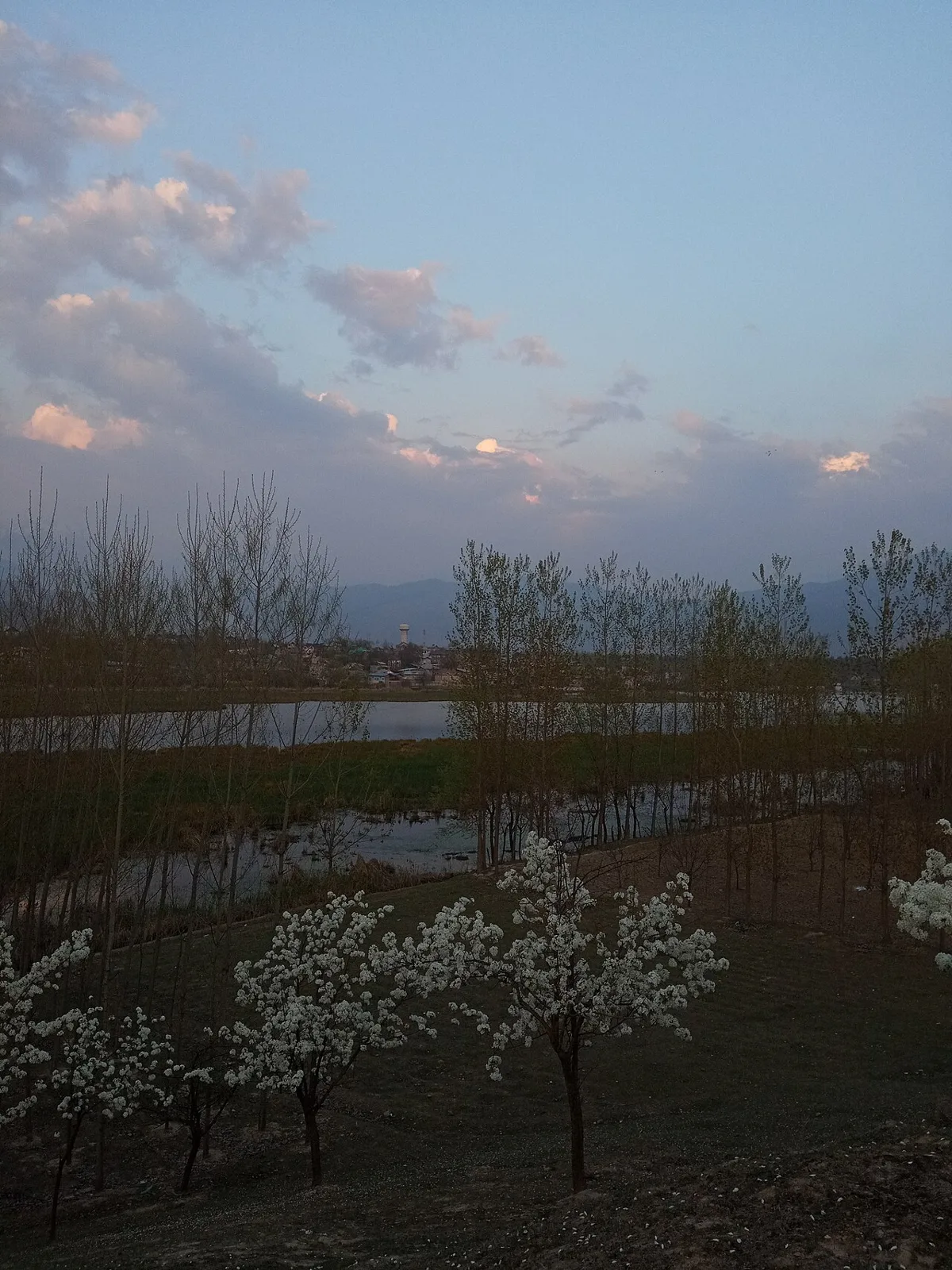
Kashmiri is widely spoken in Pampore, alongside Urdu and, in some settings, Hindi or English. Saffron growing and trading remain visible parts of local identity, particularly during the autumn harvest period, when field work and buying activity may be more noticeable. Everyday life centres on homes, neighbourhood markets and hospitality; visitors should ask before entering fields or photographing residents. Kashmiri food and tea are part of the wider Valley’s social customs, though menus vary between households and eateries. Religious observances and family gatherings shape community life. Music, poetry and devotional traditions are part of Kashmir’s broader cultural heritage, but performances are not necessarily staged for visitors in Pampore.
Festivals & events
Eid celebrations are observed by Muslim communities in Pampore, with dates following the Islamic lunar calendar; local shops and roads may be busier around major observances. Religious commemorations and shrine-related gatherings can also take place in the wider Pulwama and Kashmir Valley area, but schedules and access are locally determined. Autumn saffron harvesting brings seasonal activity to Pampore and may increase interest in the fields and market; it should not be assumed to be a public festival or organised event. Visitors should check locally before planning around a gathering, and allow extra time if roads or accommodation are busy.
Local food in Jammu and Kashmir includes Kashmiri Wazwan dishes such as rogan josh, yakhni, gushtaba and rista, nadru (lotus stem), haak saag, dum aloo, kahwa and salty noon chai; in the Jammu region, rajma-chawal, kalari cheese and Dogra dishes such as ambal and auria. Ask what is fresh that day; many small eateries cook a limited daily menu. Vegetarian travellers eat very well across this region, and most towns also have non-vegetarian options. Remote sites may have no restaurant at all. Carry water and snacks, eat a proper breakfast before long drives, and ask your accommodation for a packed lunch if you are heading out early. Try a home-cooked or dhaba meal when you can — it is often the best food on the route. Choose busy, clean places and carry your packaging back with you.
Shopping & local experiences
Pampore is known for saffron, and visitors may find it for sale through local shops or traders. Buy from a source that can explain the product’s origin and handling; the Kashmir saffron GI tag identifies a regional product, but it is not a guarantee attached to every informal sale. Market shops may also carry everyday Kashmiri goods and locally made items, though selection varies. Ask before photographing vendors or handling products. A meal or tea stop is another way to experience local hospitality; menus and availability change, so check on arrival.
April to October for the Kashmir Valley and meadows; December to February for snow at Gulmarg; October to March for Jammu and the plains
The nearest principal railway station by straight-line distance is Srinagar (Nowgam), roughly 10 km away. The nearest operating airport by straight-line distance is Sheikh ul-Alam International Airport, Srinagar, roughly 15 km away. These figures are calculated from map coordinates — mountain roads wind a lot, so actual road distance and travel time are usually much longer. Jammu Tawi and Shri Mata Vaishno Devi Katra are the main long-distance rail gateways, and the line through the Chenab bridge now continues into the Kashmir Valley — check current services to Srinagar. Srinagar and Jammu airports have the most flights. For the final leg, J&K Road Transport Corporation (JKRTC) buses, private minibuses and shared Sumo taxis link district towns; shared taxis usually leave early in the morning. A private taxi gives more flexibility for remote sites. When comparing train, bus and flight, count the complete door-to-door time: a flight saves the most time only if the onward road transfer is short, while an overnight train can save a hotel night. Book your return before you leave, because seats fill quickly on weekends, festivals and holidays. Current train numbers, timings, return services and fares are not listed here; check IRCTC and NTES for trains and the airline's own schedule for flights. Indian visitors do not need a permit for the main destinations in Jammu and Kashmir. Areas close to the Line of Control, such as Gurez, Bangus, Keran and Machil, may require registration at police or army check posts, and foreign nationals face extra restrictions in some areas. Prepaid mobile SIM cards issued outside Jammu and Kashmir do not work here, so carry a postpaid connection. The Amarnath Yatra needs advance registration and a compulsory health certificate, and Vaishno Devi pilgrims need a yatra registration (RFID) card. Read your government's travel advisory and current local advisories before you go.
Confirm onward and return timings on IRCTC / NTES, the state bus operator or your airline before travel. A dash means current timings or fares have not been verified.
Getting around
On arrival, visitors can use local buses, shared vehicles, private taxis or auto-rickshaws where available; check the destination with the driver, as services and routes can vary. Walking is useful for exploring the market and nearby streets, but roads can be busy and pavements may be uneven or discontinuous. Arrange a taxi or local guide for visits beyond the central area, especially if you hope to see saffron fields; ask permission before entering agricultural land. Parking is not uniform, so confirm a suitable place with your driver or accommodation. Pampore is not a boating destination.
Hours, tickets & permissions
Pampore is a town rather than a single ticketed attraction, so ordinary streets and public areas do not have one common entry system. Saffron fields may be private or working land, and access should be agreed with the grower or host. Shrines, businesses and any managed heritage sites may have their own visitor rules, including restrictions on footwear, dress, photography or entry during prayers. Tickets, permits and camera rules can differ by site. Confirm current hours, fees and access arrangements with the relevant managing authority or locally before setting out.
Facilities
Pampore’s central market and main road area usually offer small shops, eateries and basic everyday services. Toilets, drinking water, seating and accessible facilities are not guaranteed at saffron fields or informal viewpoints; plan to use facilities at a café or accommodation and carry water. ATMs and broader services may be available in town or Srinagar, but check locally rather than relying on a particular machine. Parking depends on the location and traffic. Organised guides are not assured; ask a host, accommodation provider or local tourism contact about reliable arrangements.
Accessibility
The town includes busy roads, uneven pavements and street sections without continuous footpaths, which can make walking difficult for wheelchair users, stroller users and visitors with limited mobility. Saffron fields are agricultural ground and may have soft, uneven surfaces, with no assured step-free route or visitor facilities. Distances between market streets and field locations can make a vehicle useful; confirm the drop-off point in advance. Shade and places to sit may be limited outdoors. Older visitors may prefer a short market visit and a vehicle-based viewpoint, with a companion and rest breaks.
Indian visitors do not need a permit for the main destinations in Jammu and Kashmir. Areas close to the Line of Control, such as Gurez, Bangus, Keran and Machil, may require registration at police or army check posts, and foreign nationals face extra restrictions in some areas. Prepaid mobile SIM cards issued outside Jammu and Kashmir do not work here, so carry a postpaid connection. The Amarnath Yatra needs advance registration and a compulsory health certificate, and Vaishno Devi pilgrims need a yatra registration (RFID) card. Read your government's travel advisory and current local advisories before you go. Carry a photo ID at all times and save the emergency number 112 and your accommodation's contact offline. Heat in summer and fog in winter are the main weather risks; carry water and allow extra travel time on foggy December–January mornings. Respect community rules, private property and posted instructions. Follow local guidance if access changes.
Photography
Soft morning or late-afternoon light can suit the town and surrounding landscape; autumn offers the most distinctive saffron-field context, though blooms and access depend on the season and local conditions. Ask a grower before photographing fields, and seek consent before taking pictures of people, homes, shops or ceremonies. Photography may be restricted inside shrines or other managed sites, so follow posted rules and local guidance. Do not fly a drone without checking applicable permissions and restrictions; sensitive or controlled areas may be subject to additional rules. Avoid blocking roads or disturbing farm work.
Choose a stay by the full journey to Pampore, not just the district name. Srinagar houseboats, Jammu and Katra hotels and resort towns such as Gulmarg and Pahalgam offer the widest choice; book houseboats only through registered owners. In summer, check air-conditioning or coolers; in December and January, check heating and hot water. Book in advance for weekends, festivals and the peak season (April to October for the Kashmir Valley and meadows; December to February for snow at Gulmarg; October to March for Jammu and the plains). Confirm the exact location, meals included, check-in time and cancellation terms in writing. Avoid sending money to unverified contacts or touts at stations. Carry some cash, as card and digital payments can be unreliable in remote areas.
Saffron fields around Pampore are the most immediate seasonal point of interest, but access must be arranged with landholders. The archaeological remains at Awantipora, including the Avantiswami and Avantishvara temple sites, offer a nearby heritage excursion in Pulwama district; check current access before travelling. Pulwama town is another local stop for district-level services and everyday market life. Srinagar is the main nearby city for a wider choice of historic quarters, gardens and cultural sites. Routes and travel conditions can change, so check the road situation and avoid combining too many stops in one day.
For couples, Pampore rewards a slow pace: arrive early for soft light and fewer crowds, share a local meal and keep the evening free. A shikara ride or a houseboat night in Srinagar is a classic addition. Public displays of affection can be frowned upon in conservative communities and at religious sites, so be discreet. Keep a buffer in your itinerary, because weather and traffic can delay plans.
Q: How much time should I allow for Pampore? A: A half day can cover the market and a seasonally appropriate field visit; allow a full day if adding a nearby heritage stop. Q: When is a good season to visit? A: April to October is generally suitable for the Kashmir Valley. Autumn is the main saffron season, but field conditions and access vary. Q: Is there an entry ticket for Pampore? A: The town has no single entry ticket. Private fields and managed sites may have separate access rules, so ask locally. Q: Is Pampore suitable for children and elderly visitors? A: A short market visit can suit many visitors, but uneven paths and busy roads require care. Arrange vehicle access and breaks for those who need them. Q: Can I stay nearby? A: Visitors can look for accommodation in Pampore or use Srinagar as a base, where there is a wider choice. Confirm availability and road conditions before travel.
Be the first to share photos, stories, advice or a helpful contact for Pampore.
Loading…