Ghumoopedia — Explore, Discover, Experience
Sign in
Noori Chamb, near Poonch

City guide · Jammu and Kashmir

Poonch

Poonch is the administrative headquarters of its district in Jammu and Kashmir, set in a mountain valley beside the Poonch River. Its position near the Line of Control gives the town strategic importance and a history shaped by changing borders.

Famous for

  • Poonch Fort
  • Mughal Road
  • Poonch River
  • Pir Panjal scenery
  • Borderland history
  • Mini Kashmir landscapes

Why Poonch matters

Poonch is the administrative headquarters of its district in Jammu and Kashmir, set in a mountain valley beside the Poonch River. Its position near the Line of Control gives the town strategic importance and a history shaped by changing borders. The surrounding Pir Panjal landscape, cooler climate and green valleys have earned the area the informal name “Mini Kashmir.” Visitors come for its mountain scenery, the old Poonch Fort and the journey along the Mughal Road, which links the region with the Kashmir Valley when conditions allow.

Poonch is also a regional centre for government services, education and trade, serving villages across a large and rugged district. Its location calls for practical travel planning: cross-border tensions have periodically affected civilians and infrastructure, including during shelling in 2025. The town itself offers a quieter, less resort-oriented experience than major tourist centres, with local markets and everyday community life as part of the visit. Check current travel and security advisories before setting out, especially for roads near the Line of Control or over the Pir Panjal.
Famous for: crafts, trade & products

Poonch is better known for its landscape, strategic location and history than for a signature textile, saree or handicraft. It is not generally identified with a widely recognised GI-tagged product or a large manufacturing industry, so visitors should not expect a specialised craft bazaar. The town’s shops mainly serve residents and travellers with everyday clothing, household goods, groceries and seasonal produce.

The central market streets are the most practical places to browse for regional snacks, dry goods and items suited to the mountain climate. Small retailers may carry woollens and locally made goods, but their range and provenance can vary; ask shopkeepers where an item was made if that matters to you. There is no major, dedicated shopping district for Poonch crafts. The Poonch Fort is a heritage landmark rather than a commercial attraction, and the town’s most distinctive “finds” are often its views, river setting and access to the wider Poonch district.

History

Poonch has long stood on routes linking the mountain valleys with the plains. Ancient regional accounts associate the area with several early kingdoms, though details are difficult to separate from legend. By around the ninth century it was described as a sovereign state. It later came under the Kashmir Sultanate and then Mughal influence; in 1596, Mughal emperor Jahangir appointed Siraj-Ud-Din Rathore as ruler. Successive Rathore rulers governed the area into the late eighteenth century.

Poonch became part of the Sikh Empire in 1819. After 1846, it was within the territories of Jammu and Kashmir but remained a jagir under the descendants of Dhian Singh. In the 1940s it was being integrated into the princely state’s administration. Partition in 1947 brought rebellion and fighting: Poonch town was besieged until Indian forces relieved it in 1948, while the district was divided by the ceasefire line, later known as the Line of Control. The town developed as the district headquarters.

Food, festivals & culture

Poonch’s everyday culture reflects its mix of Pahari, Gojri, Kashmiri and other regional influences. Pahari and Gojri are widely heard, alongside Urdu, Hindi and Kashmiri. Meals draw on the broader Jammu and mountain traditions: rice, breads, lentils, seasonal greens and meat dishes are common. Rajma with rice is a familiar regional meal; tea and locally available sweets are everyday treats. Food varies between households, and Poonch is not especially known for one signature sweet or dish.

Eid is an important celebration for Muslim families, while Hindu and Sikh communities mark festivals such as Navratri, Diwali and Baisakhi. The timing of these observances follows the religious calendar, so dates change from year to year. Folk singing and wedding music in local languages are part of community gatherings. In town, visitors will see neighbourhood mosques, temples and gurdwaras. Gurdwara Nangali Sahib, a significant Sikh place of worship near Poonch, is a well-known regional visit; check local conditions before travelling there.

Visiting the city

Late spring and early autumn are usually comfortable times to visit, with clear mountain scenery and milder weather. Winters are cold, and snow or rain can disrupt road journeys; the Mughal Road over the Pir Panjal may close seasonally. The nearest airport is Jammu Airport, and the main railway station is Jammu Tawi. From Jammu, Poonch is reached by road through the Jammu–Rajouri route; allow for mountain driving and changing conditions.

Local taxis and shared road transport connect parts of town and nearby settlements, while the central area is manageable on foot. Explore the old town and Poonch Fort, then visit the river-side parts of town where access is open and safe. Gurdwara Nangali Sahib is outside the town centre. Because Poonch is close to the Line of Control, check current security advice and road status before travelling, and follow local instructions around restricted areas.

Trips from the city

Nearest places to visit from Poonch

Our closest destination guides, by straight-line distance.

Noori Chamb

35 km away · Poonch district

Noori Chamb

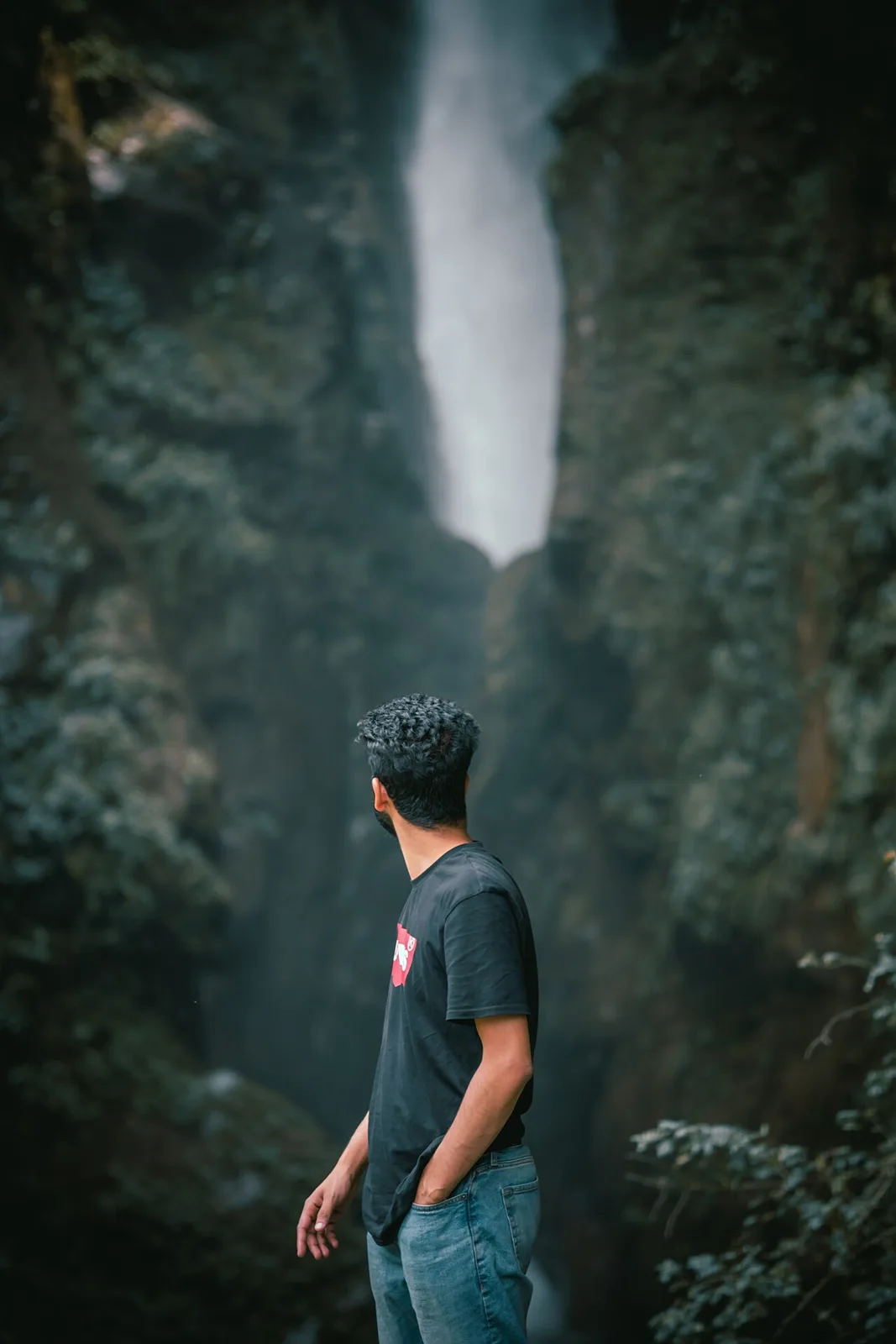
Noori Chamb is a plunge waterfall near Bahramgala in Poonch district, Jammu and Kashmir, associated with Mughal history and local stories about Nur Jahan. Visitors come to see the falls beside the Mughal Road.

Gulmarg

41 km away · Baramulla district

Gulmarg

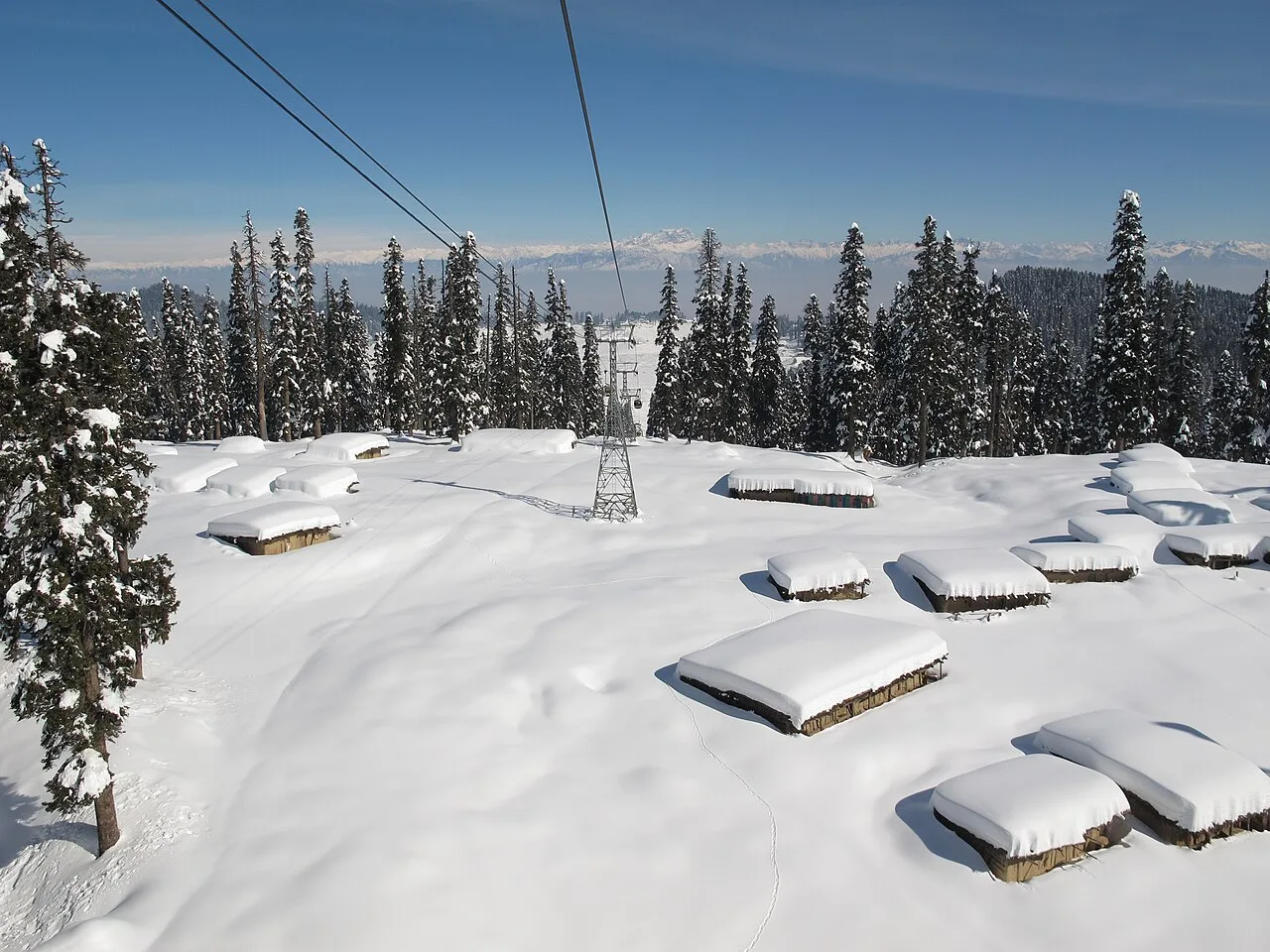
Gulmarg is a settlement and notified area committee in Jammu and Kashmir, known for skiing and winter sports. Visitors also come to ride its gondola towards Apharwat Peak.

Gulmarg Gondola

41 km away · Baramulla district

Gulmarg Gondola

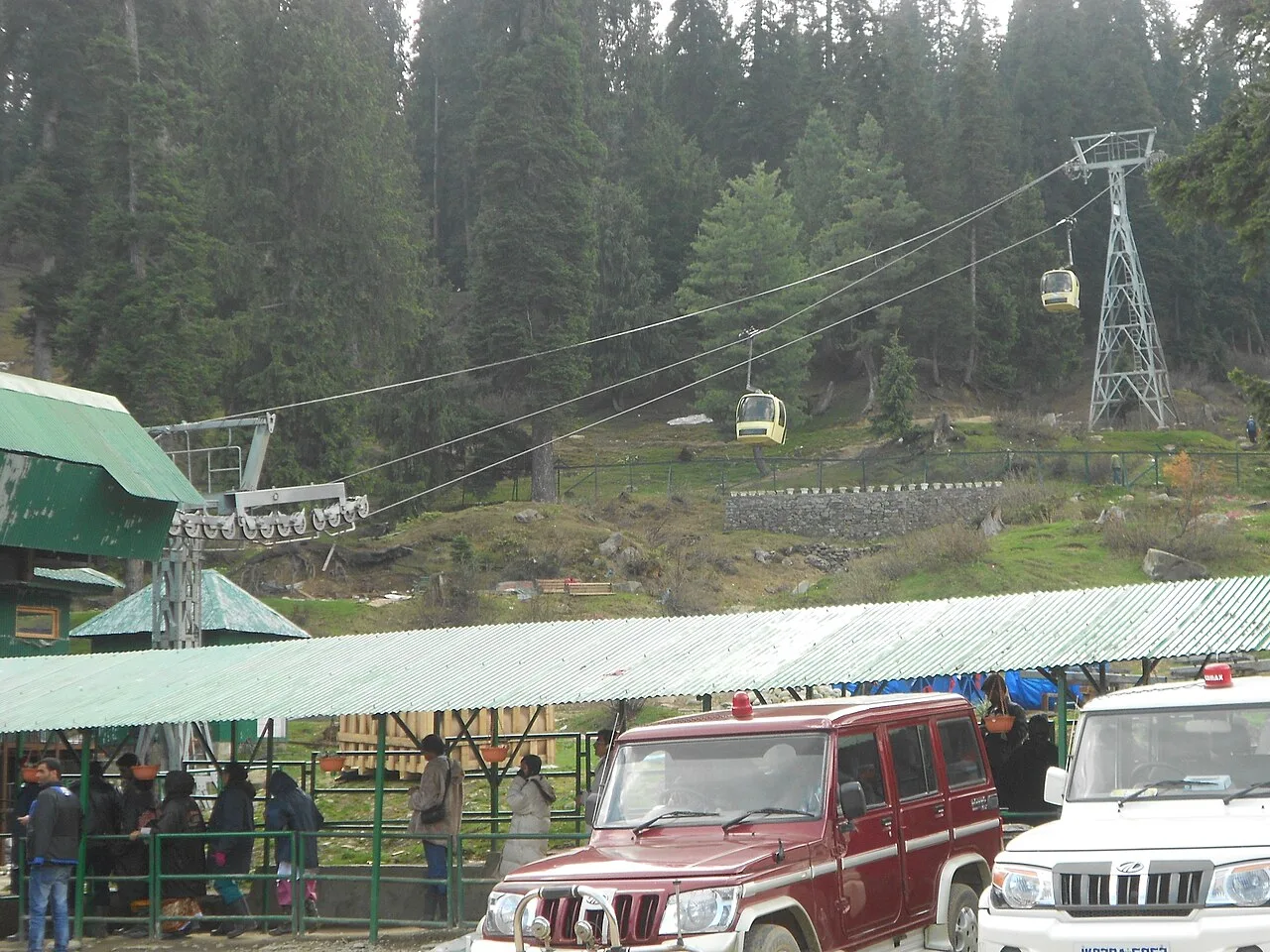
The Gulmarg Gondola is a cable-car system in Gulmarg, Jammu and Kashmir, ranked second worldwide for length and height. Visitors come to travel on the gondola.

Pir Panjal Pass

43 km away · Shopian district

Pir Panjal Pass

A high mountain crossing in Jammu and Kashmir’s Pir Panjal Range, Pir Panjal Pass is visited as a tourist destination and forms part of the Mughal Road linking Kashmir Valley with Poonch.

Doodhpathri

44 km away · Budgam district

Doodhpathri

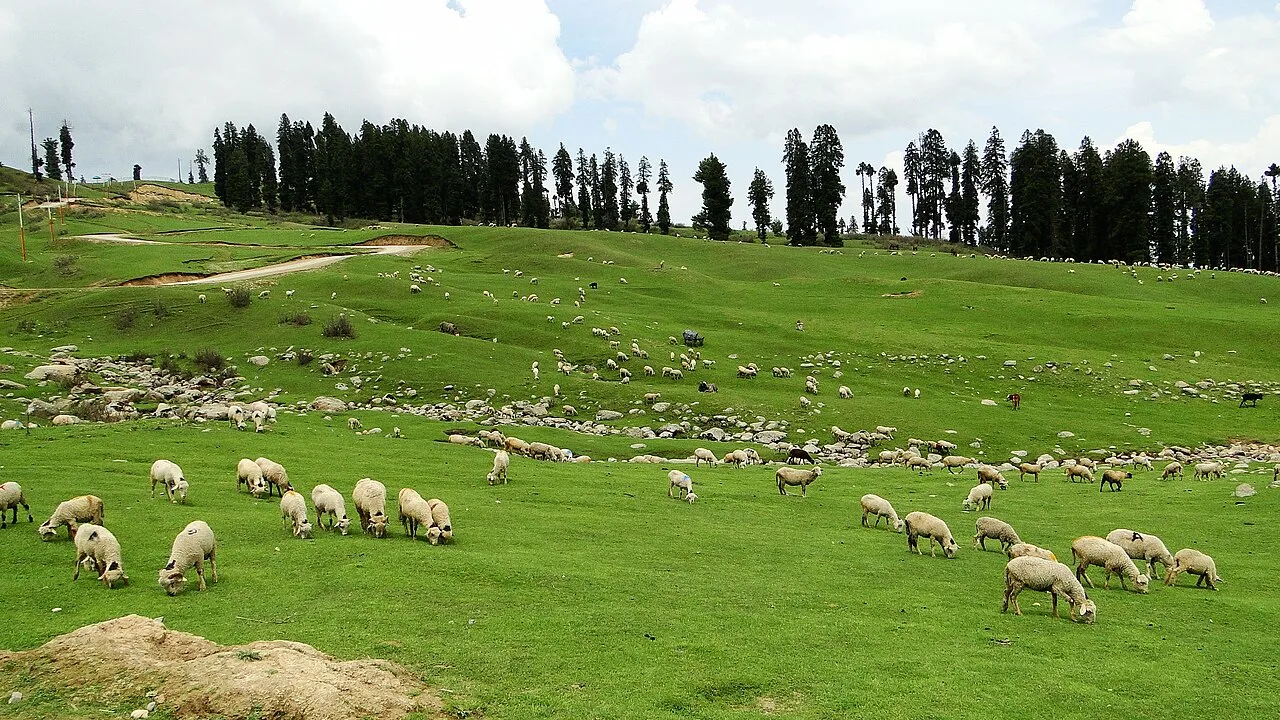
Doodhpathri is a hill station in Khansahib tehsil, Budgam district, Jammu and Kashmir. Visitors come to the area as a destination in the hills.

Tangmarg

44 km away · Baramulla district

Tangmarg

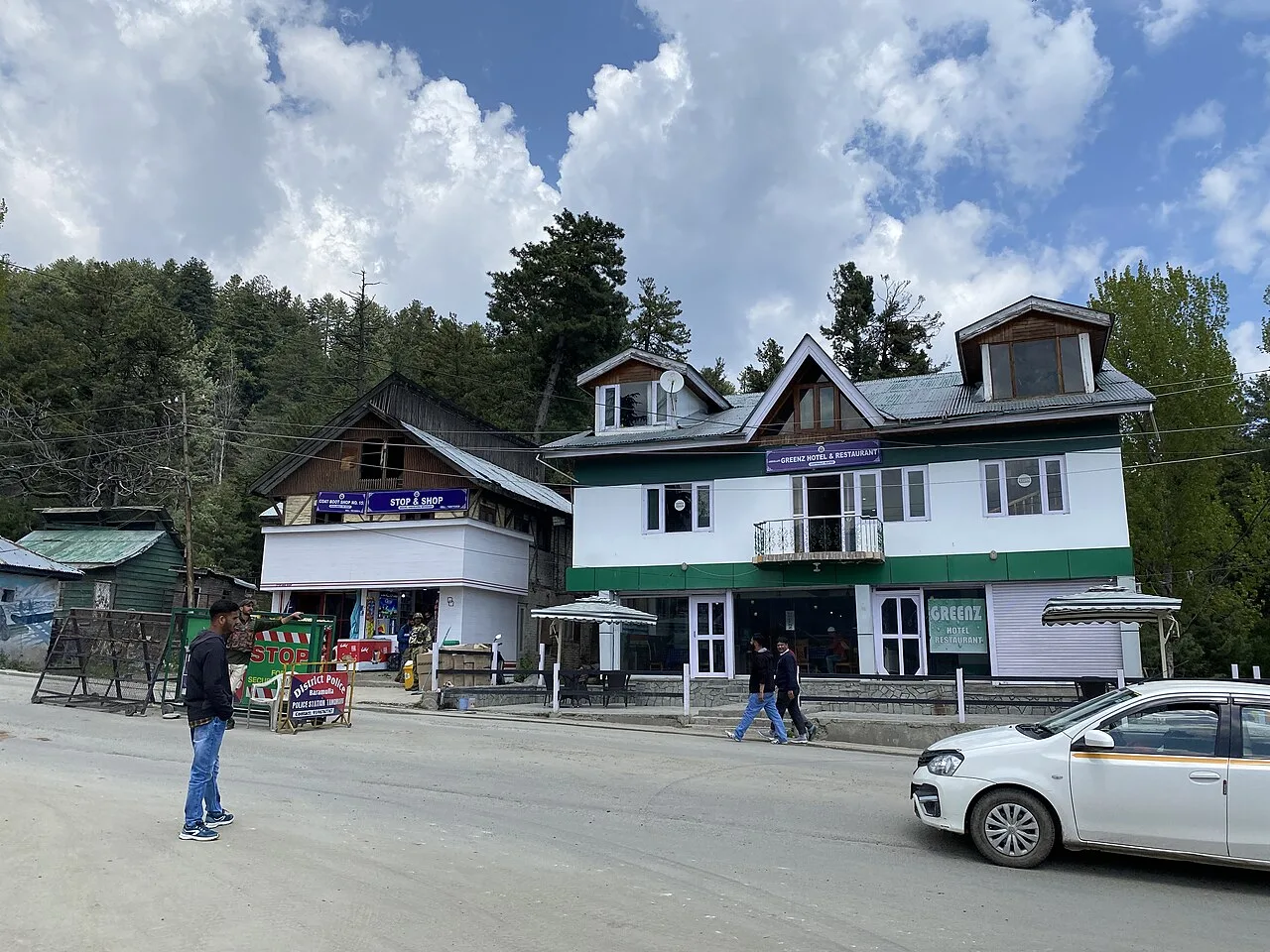
Tangmarg is a town and tehsil in Baramulla district, Jammu and Kashmir, serving nearby villages and providing access to Gulmarg. Visitors come for Drung waterfall, other local sights and trout fish.

57 km away · Srinagar district

Kanihama

Kanihama, also called Kanihoam, is a village in Budgam district on the Srinagar–Gulmarg route. Visitors are drawn by its handloom tradition, particularly its Kani shawls.

Charar-e-Sharief shrine

63 km away · Budgam district

Charar-e-Sharief shrine

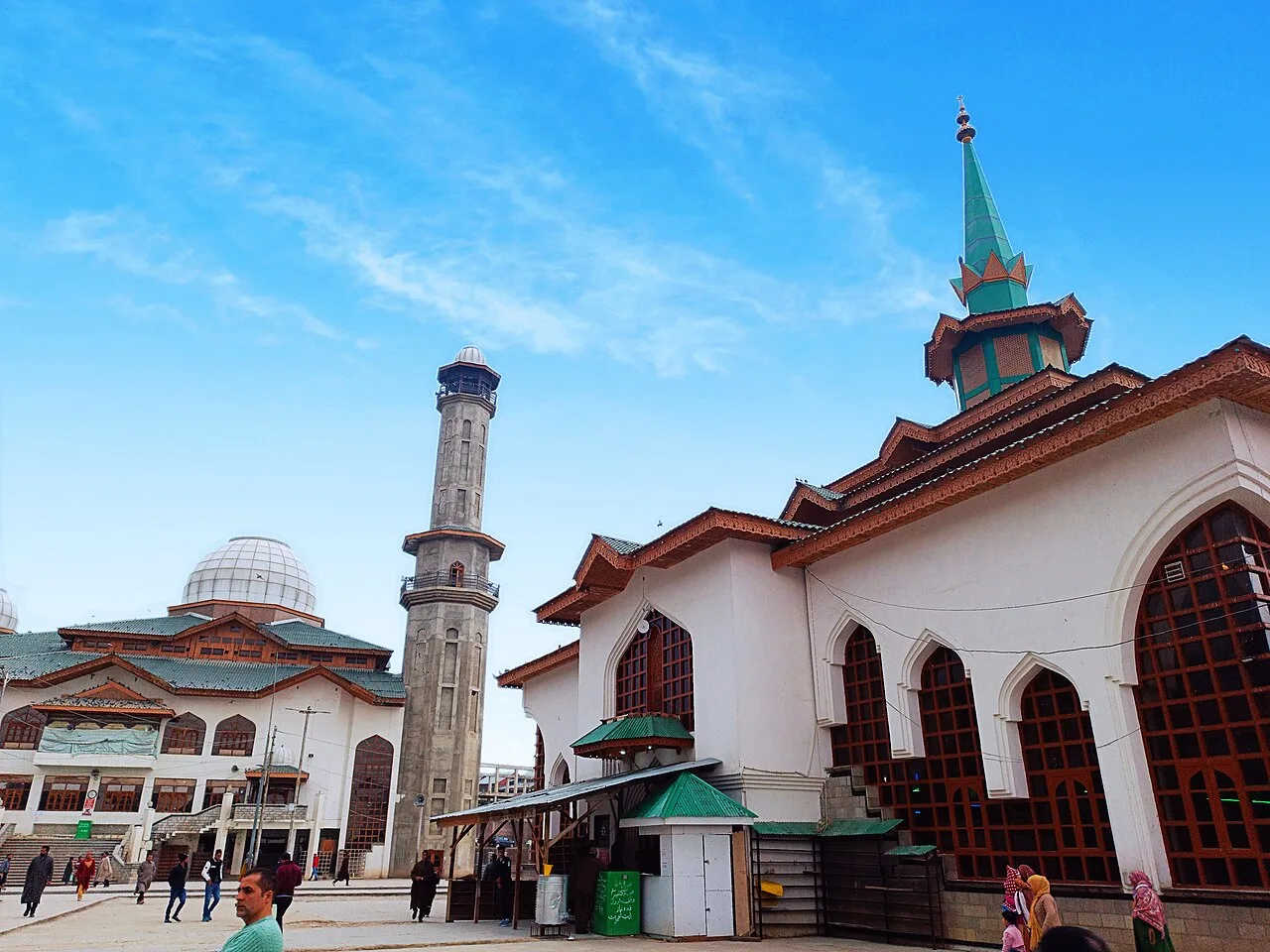
A Sufi shrine and mosque in Charari Sharief, it honours Nund Rishi and attracts Muslim worshippers and Hindu visitors for its religious and shared cultural significance.

Map

Poonch on the map

  1. 1Noori Chamb
  2. 2Gulmarg
  3. 3Gulmarg Gondola
  4. 4Pir Panjal Pass
  5. 5Doodhpathri
  6. 6Tangmarg
  7. 7Kanihama
  8. 8Charar-e-Sharief shrine

Jammu and Kashmir

Other cities to explore