Ghumoopedia — Explore, Discover, Experience
Sign in
Amar Mahal Palace, near Nawanshahr

City guide · Jammu and Kashmir

Nawanshahr

Nawanshahr is a district headquarters in the Doaba region of Punjab, not Jammu and Kashmir. It serves nearby towns and villages with government offices, schools, healthcare, shops and agricultural trading.

Famous for

  • Bhagat Singh memorial at Khatkar Kalan
  • Doaba agricultural trade
  • Punjabi food and festivals
  • Rahon’s historic townscape

Why Nawanshahr matters

Nawanshahr is a district headquarters in the Doaba region of Punjab, not Jammu and Kashmir. It serves nearby towns and villages with government offices, schools, healthcare, shops and agricultural trading. The town’s everyday rhythm is shaped by the surrounding farm belt, with Punjabi spoken widely and markets busy with local residents and visitors from the district.

Many travellers use Nawanshahr as a base for exploring the area’s history and rural landscape. Khatkar Kalan, near Banga, is closely associated with freedom fighter Bhagat Singh and draws visitors to its memorial and museum. Rahon, another nearby historic town, offers a change of pace, while the district’s gurdwaras, temples and village fairs reflect its living religious and community traditions. Visitors will find a practical regional centre rather than a large sightseeing destination: its appeal lies in connecting local commerce, Punjabi everyday life and nearby heritage sites. The surrounding countryside, especially in the cooler months, also offers a glimpse of the agricultural landscape of the Doaba.
Famous for: crafts, trade & products

Nawanshahr is best understood as a service and trading centre for an agricultural district, rather than a major textile or handicraft hub. Local commerce includes farm supplies, groceries, clothing, household goods and produce from surrounding villages. Wheat, rice, maize and sugarcane are among the crops grown in the wider region, and agricultural activity shapes trade through the year. The central bazaar and shops around the town’s main roads are useful places to browse for everyday Punjabi clothing, snacks and household items.

The wider district’s most distinctive visitor attraction is the Bhagat Singh memorial and museum at Khatkar Kalan, near Banga. It is a place for learning about the freedom movement, not a shopping market. Rahon’s older streets and religious sites offer another nearby outing. Visitors looking for locally made goods can ask in the bazaar about seasonal produce and regional Punjabi food products, though the town is not especially associated with a signature craft, textile, or GI-tagged product. For a broader selection of specialist shopping, larger Doaba centres such as Jalandhar are within the region.

History

Local tradition connects Nawanshahr’s beginnings with a settlement founded by Nausher Khan, though accounts of the town’s early history vary. Its position among the Doaba’s farming settlements helped it develop as a local market and administrative centre. The wider area has long been shaped by agriculture, Punjabi-speaking communities and the movement of people and goods between towns and villages.

During British rule, the town was part of the colonial administrative landscape of Punjab. After Partition in 1947, the region experienced major changes in population and community life, as did much of Punjab. Nawanshahr became the headquarters of a separate district in 1995, formed from parts of the surrounding districts. In 2008, the district was renamed Shaheed Bhagat Singh Nagar in honour of the revolutionary, whose ancestral village, Khatkar Kalan, lies nearby. In recent decades, improved roads, education, public services and links to larger Doaba centres have strengthened Nawanshahr’s role as a regional town.

Food, festivals & culture

Punjabi is the principal language of daily life, and local food reflects the broader traditions of the Doaba and Punjab. Meals may include makki di roti with sarson da saag in winter, along with dal, seasonal vegetables, parathas, curd and lassi. Shops and street vendors commonly serve familiar Punjabi snacks and sweets such as pakoras, jalebi and pinni; what is available varies by season and neighbourhood.

Vaisakhi, in spring, is associated with the harvest and is marked with visits to gurdwaras and community gatherings. Sikh Gurpurabs follow the religious calendar and bring prayers, processions and langar, while Diwali is observed in autumn by many local families. Gurdwaras and Hindu temples serve as important places of worship and community life. Punjabi folk music, bhangra and giddha are part of celebrations, weddings and seasonal events. The district’s village fairs and religious gatherings give visitors a sense of local customs beyond the town’s market streets.

Visiting the city

October to March is generally the most comfortable period to visit, with cooler weather for town walks and excursions into the district. The nearest airport is Adampur Airport; Chandigarh International Airport is a larger alternative with broader air connections. Nawanshahr Doaba railway station serves the town, and buses and road connections link it with nearby Doaba centres.

Auto-rickshaws and taxis are useful for getting around locally; arrange a car or taxi for visits beyond town. Explore the central bazaar for shops and everyday food, then make time for Khatkar Kalan near Banga and the historic town of Rahon. These are separate localities, so allow for road travel between them. The countryside around Nawanshahr is best appreciated at an unhurried pace, with visits planned around local worship and community activity.

Trips from the city

Nearest places to visit from Nawanshahr

Our closest destination guides, by straight-line distance.

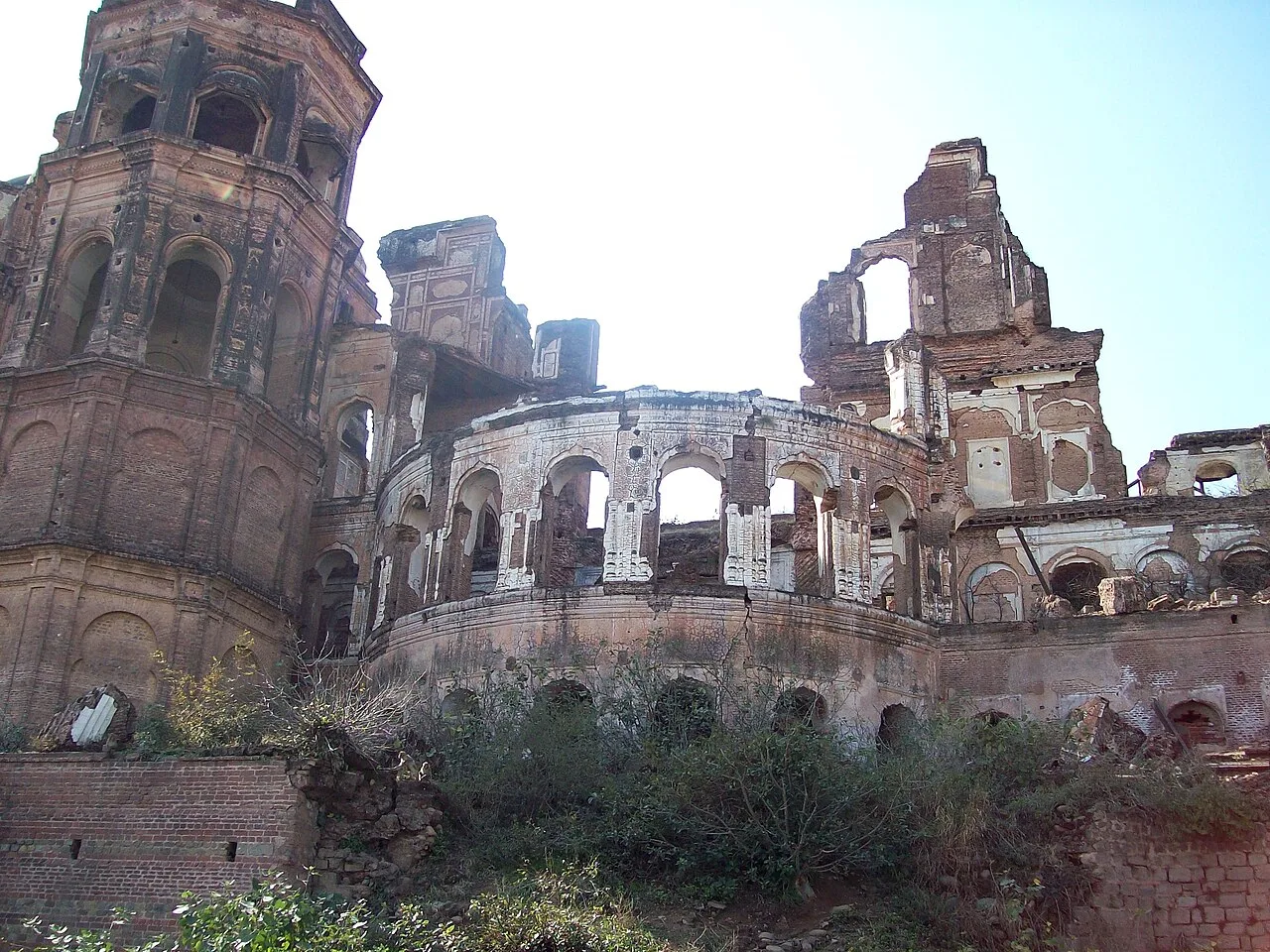
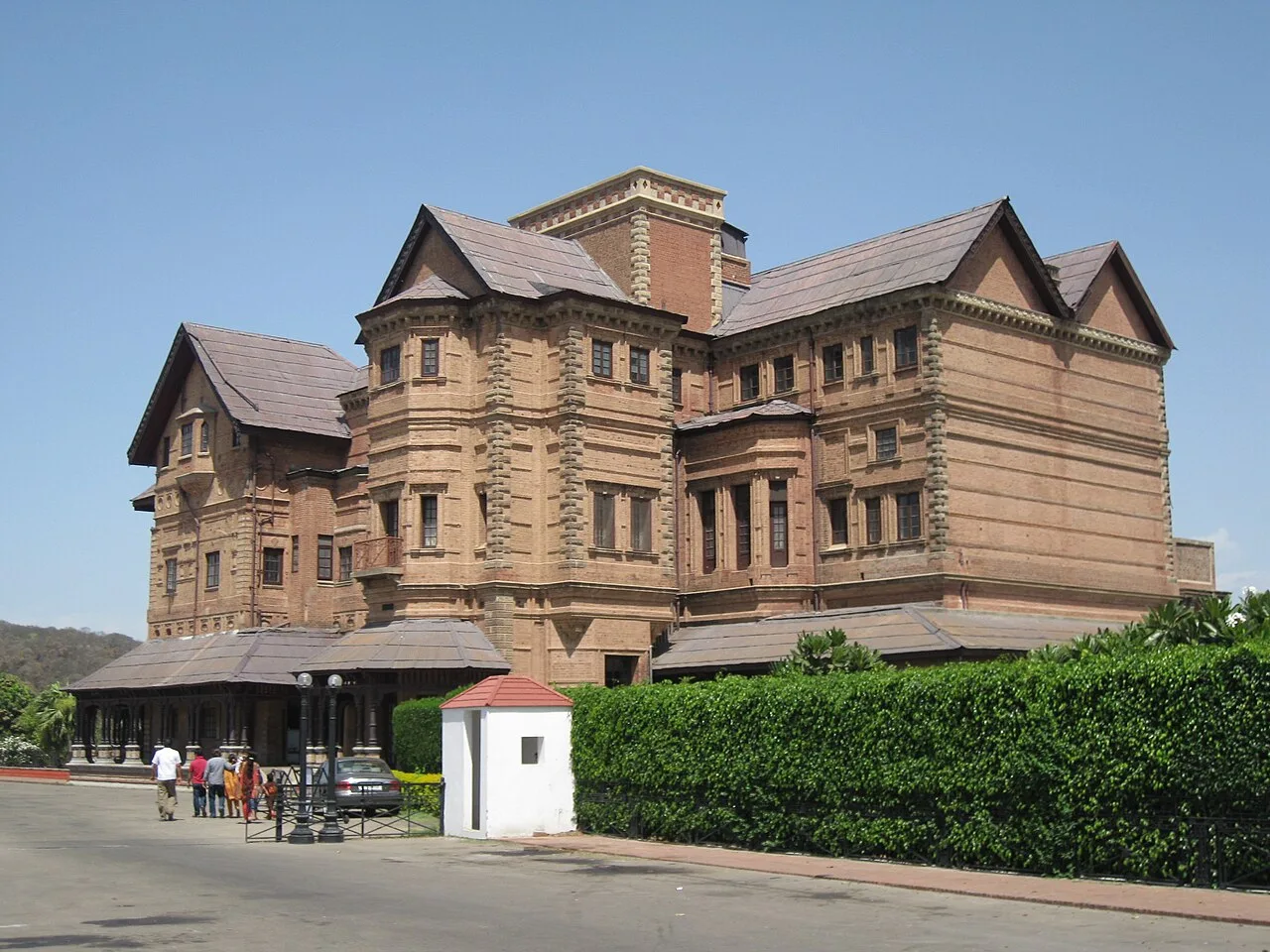
Amar Mahal Palace

32 km away · Jammu district

Amar Mahal Palace

Amar Mahal Palace is a former royal residence in Jammu, now used as a museum. Visitors come to see its throne, miniature paintings, rare art, antique books and royal portraits.

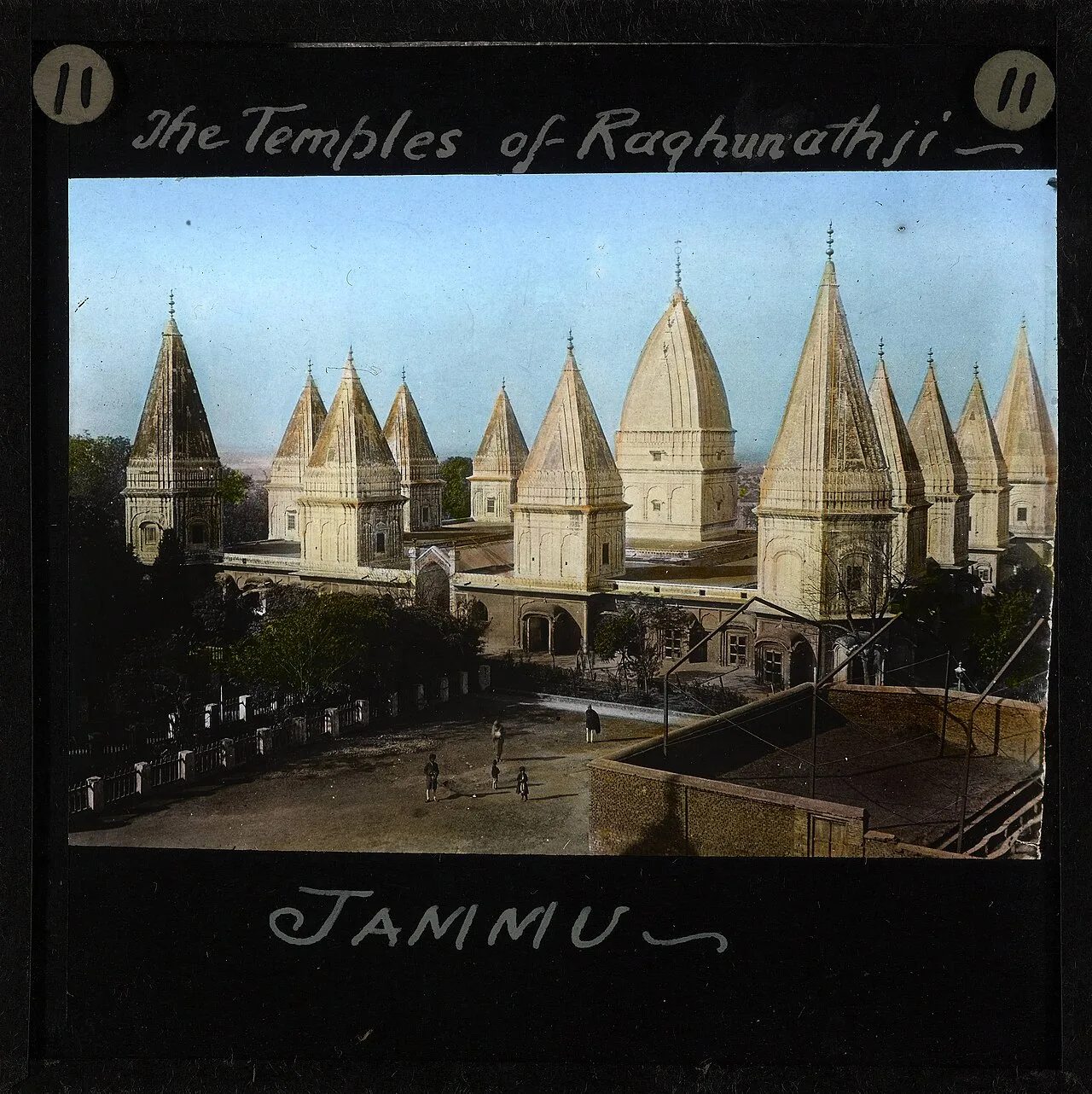
Raghunath Temple

32 km away · Jammu district

Raghunath Temple

This Hindu shrine complex in Jammu draws interest for its seven shrines, religious artwork centred on Rama and Krishna, and library of manuscripts in several Indian languages.

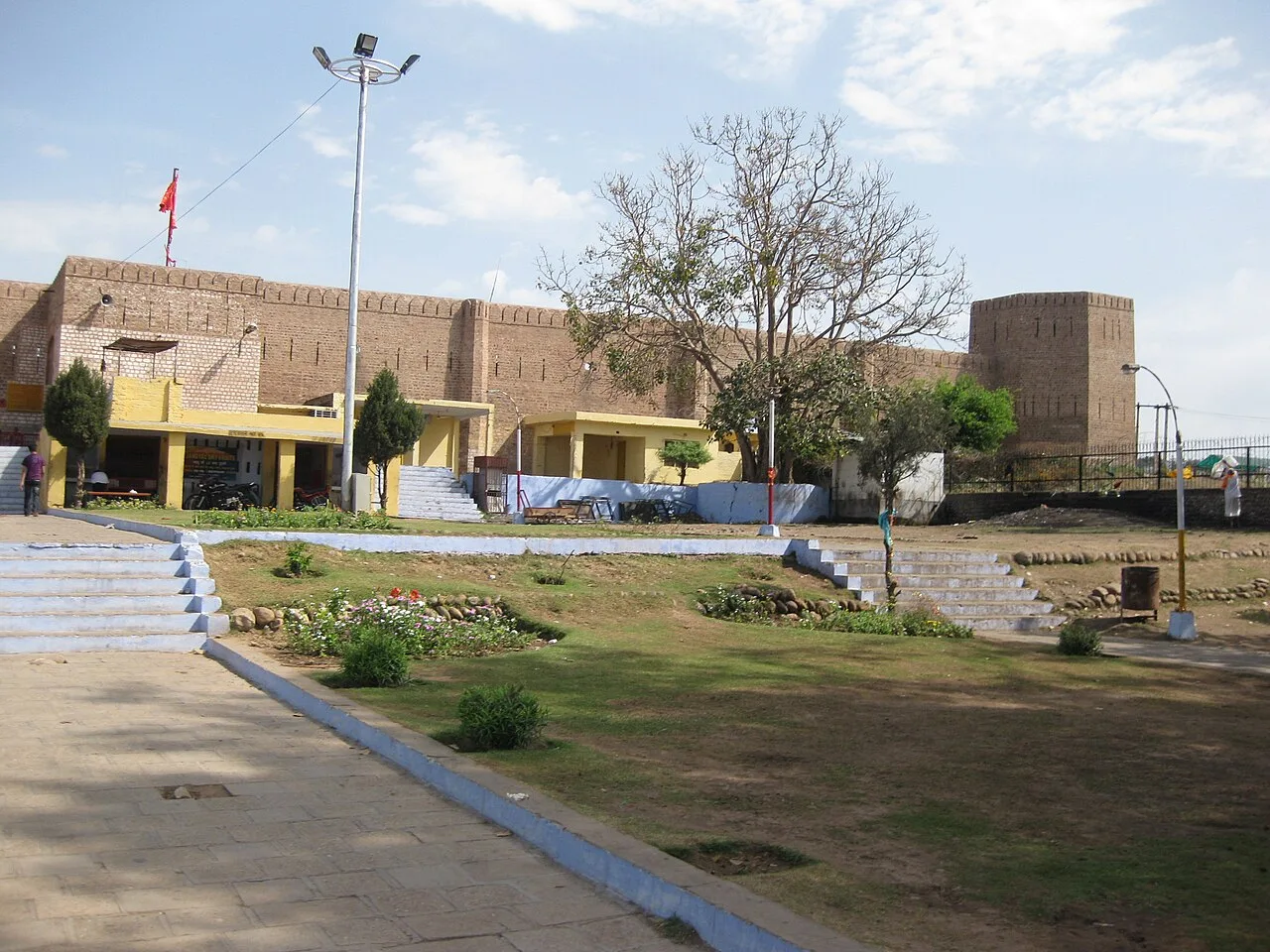
Bahu Fort

33 km away · Jammu district

Bahu Fort

Bahu Fort is a historic site in Jammu, linked to traditions about the city’s origins and later Dogra-era renovation. Visitors also come to its shrine to Kali, known as Bawe Wali Mata temple.

Mubarak Mandi Palace

33 km away · Jammu district

Mubarak Mandi Palace

Mubarak Mandi is a historic palace ensemble in Jammu’s old walled city, visited for its Dogra royal history, varied architecture and the Dogra Art Museum’s collection of paintings, artefacts and manuscripts.

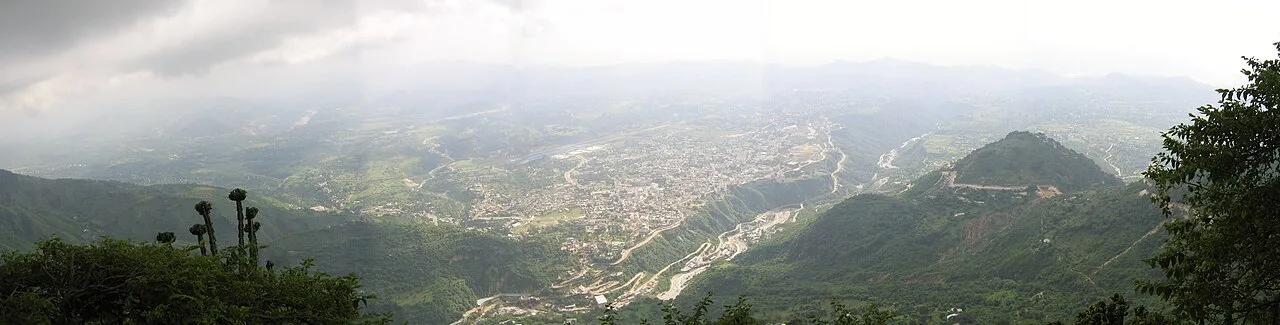
Katra

45 km away · Reasi district

Katra

Katra is a city and tehsil in Reasi district, Jammu and Kashmir. It serves as the starting point for pilgrims travelling to the Mata Vaishno Devi Temple in the Trikuta Mountains.

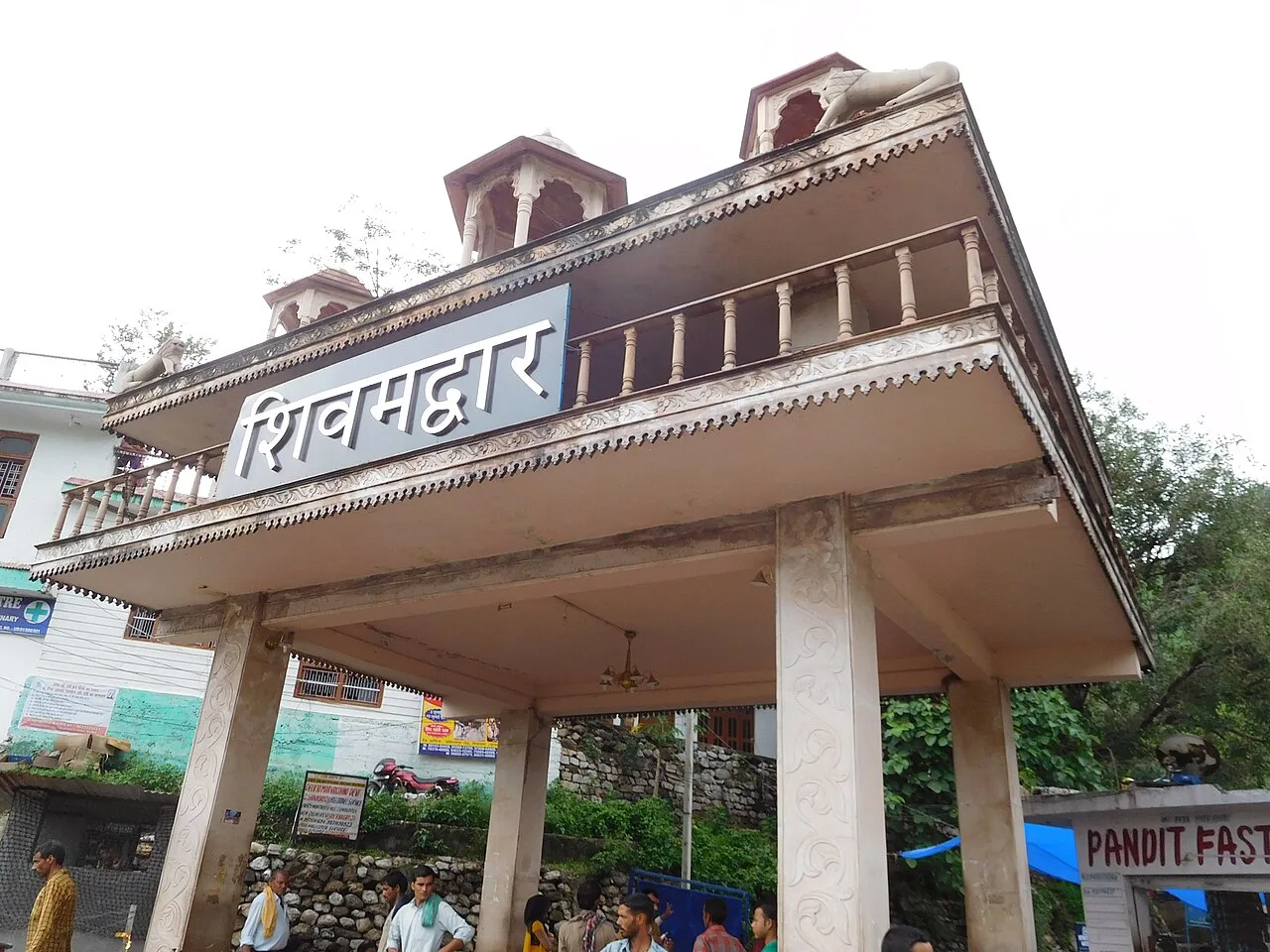
Shiv Khori

46 km away · Reasi district

Shiv Khori

Shiv Khori is a Hindu cave shrine devoted to Lord Shiva, in Sangar village near Reasi town. Visitors come to worship Shiva at this religious site.

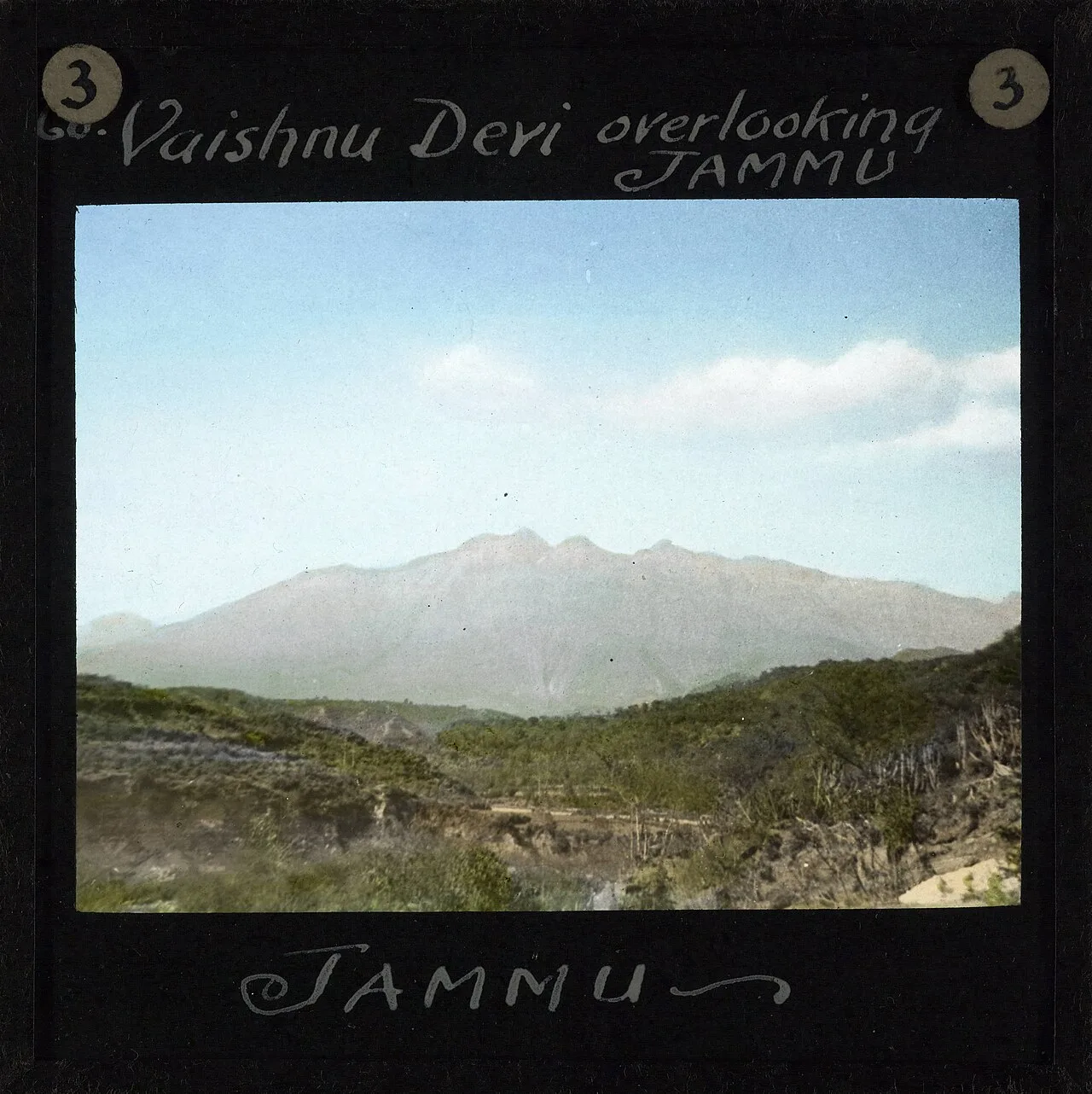
Vaishno Devi Temple

49 km away · Reasi district

Vaishno Devi Temple

A Hindu shrine at Katra in Jammu and Kashmir, Vaishno Devi Temple honours the goddess Vaishno Devi and draws millions of pilgrims each year.

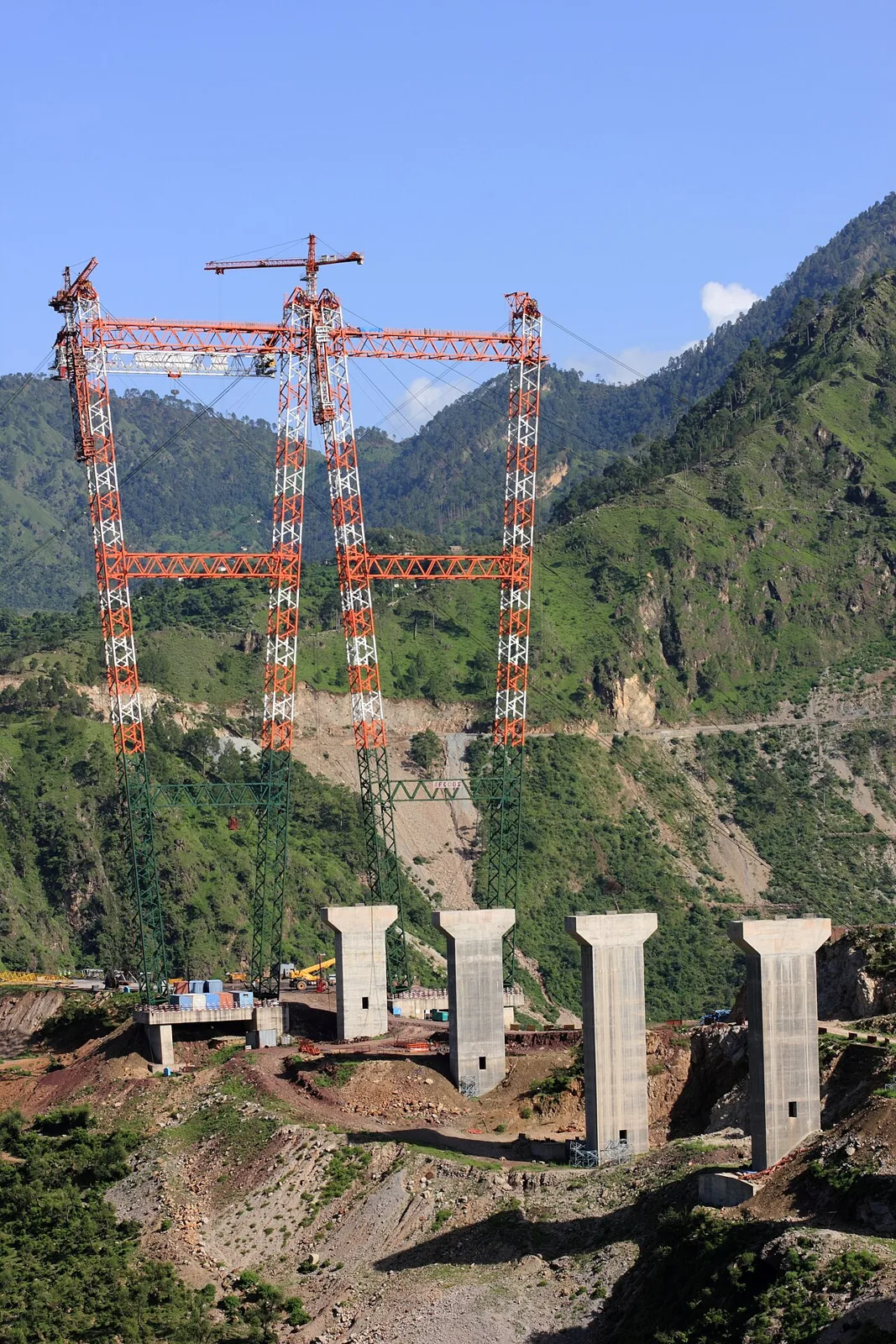
Chenab Rail Bridge

54 km away · Reasi district

Chenab Rail Bridge

In Reasi district, the Chenab Rail Bridge carries trains across the Chenab River. Travellers visit to see its record-setting height and its place on the Jammu–Baramulla railway line.

Map

Nawanshahr on the map

  1. 1Amar Mahal Palace
  2. 2Raghunath Temple
  3. 3Bahu Fort
  4. 4Mubarak Mandi Palace
  5. 5Katra
  6. 6Shiv Khori
  7. 7Vaishno Devi Temple
  8. 8Chenab Rail Bridge

Jammu and Kashmir

Other cities to explore