Ghumoopedia — Explore, Discover, Experience
Sign in
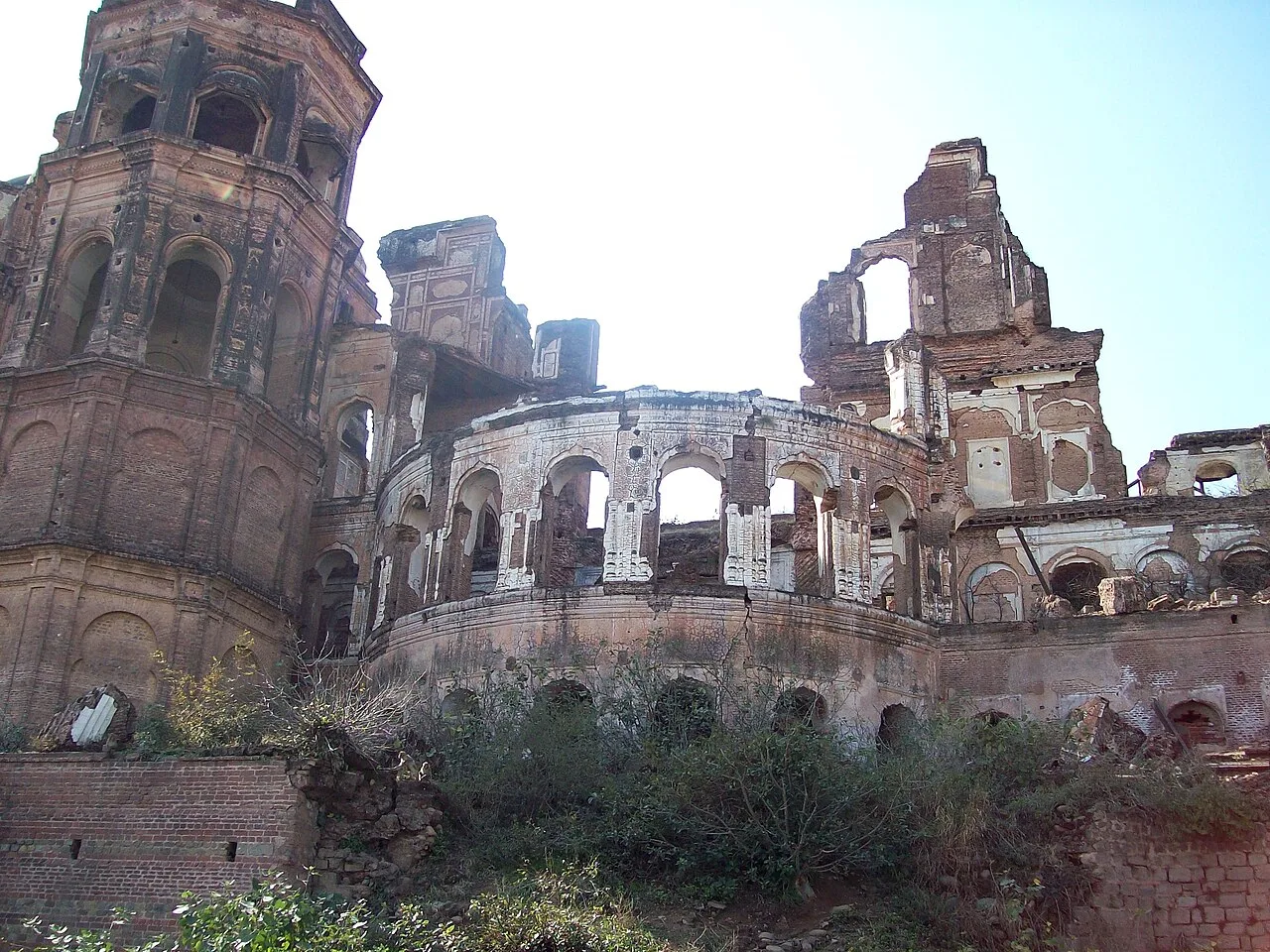
Raghunath Temple, near R.S. Pora

City guide · Jammu and Kashmir

R.S. Pora

R.S. Pora, also known as Ranbir Singh Pura, is a small town in Jammu district whose identity is closely tied to the fertile plains south-west of Jammu city.

Famous for

  • Jammu Basmati rice
  • Dogra agricultural heritage
  • Suchetgarh border ceremony
  • Rural market town

Why R.S. Pora matters

R.S. Pora, also known as Ranbir Singh Pura, is a small town in Jammu district whose identity is closely tied to the fertile plains south-west of Jammu city. Its surrounding farms grow the aromatic rice commonly known as Jammu Basmati, and the town serves as a local centre for agricultural trade and services. The fields and rural settlements around it offer a quieter perspective on the Jammu region than the larger city nearby.

Visitors often combine a stop in R.S. Pora with a visit to Suchetgarh, a border outpost where a ceremonial retreat attracts local families and travellers. The international frontier gives the surrounding area a particular historical and contemporary significance. R.S. Pora is not a major monument or resort destination; its appeal lies in its farming landscape, regional food traditions and everyday market life. It also makes a useful base for exploring the plain south-west of Jammu, while remaining within reach of the region’s larger transport connections and urban attractions.
Famous for: crafts, trade & products

R.S. Pora is best known for the cultivation and trade of fragrant Jammu Basmati. The rice is grown across parts of the Jammu region, including the plains around the town, and is recognised under the Jammu Basmati geographical indication. Local grain markets and rice mills are the most relevant places to ask about the harvest and the trade, though availability varies with the season. Visitors can look for packaged rice in town shops and markets; checking the label helps distinguish locally produced rice from other varieties.

The town is not widely known as a centre for a particular textile, handicraft or large-scale industry. Its commercial life is more closely connected to farming: rice, other crops and the goods that support rural households. Small shops and market lanes are the natural places to browse for everyday provisions and regional foods rather than specialist souvenirs. For a broader selection of Jammu crafts and products, travellers may find more choice in Jammu city. Around R.S. Pora, the fields and agricultural activity are themselves the clearest expression of the area’s local character.

History

R.S. Pora takes its name from Maharaja Ranbir Singh, the Dogra ruler whose reign in the nineteenth century helped shape the administration and development of Jammu. The settlement grew in the fertile agricultural plain south-west of Jammu, with its livelihoods and local trade closely linked to farming. During the period of British paramountcy, Jammu remained part of the princely state ruled by the Dogra dynasty rather than becoming a directly administered British province.

The 1947 Partition made the surrounding frontier a defining feature of the area. R.S. Pora and nearby settlements became part of a border region shaped by migration, security concerns and the changing relationship between India and Pakistan. In more recent decades, the town has continued to serve as a local market and service centre for farming communities. Suchetgarh’s border ceremony has added a visitor-facing role to the area, while agriculture—especially Basmati cultivation—remains central to its identity.

Food, festivals & culture

Everyday food in R.S. Pora reflects the wider Dogra and Jammu region. Rice is a staple, often served with rajma, while dishes such as maa da madra and ambal appear in regional cooking and festive meals. Kalari, a local cheese associated with Jammu, is another food worth looking for in the wider area. The town’s shops and eateries are practical places to sample familiar local fare rather than a specialised restaurant scene.

Lohri in midwinter and Baisakhi in spring are important seasonal celebrations across the Jammu plains. Navratri, Diwali and Eid are also observed by local communities. Dogri is widely associated with the area, alongside Hindi, Punjabi and Urdu. Folk songs and dance traditions of the Jammu region, including Kud, may be heard at community gatherings and celebrations, though performances are not a daily attraction. Hindu temples and neighbourhood shrines serve local worshippers, while the town’s broader community life reflects the region’s varied religious traditions.

Visiting the city

Spring and autumn are generally comfortable seasons for visiting; summers can be very hot, while winter brings cooler days and nights. Jammu Airport, also called Satwari Airport, is the nearest airport, and Jammu Tawi is the main railway station for reaching the area. From Jammu, visitors can continue by road in a taxi or local transport. Within R.S. Pora, short distances are easiest to cover by auto-rickshaw or on foot around the market and central streets.

Explore the town’s bazaar for everyday local life, then head into the surrounding agricultural plain for views of rice-growing country. Suchetgarh is a nearby excursion for visitors interested in the border ceremony; check locally for current access arrangements. R.S. Pora works well as a short stop or as part of a wider visit based in Jammu.

Trips from the city

Nearest places to visit from R.S. Pora

Our closest destination guides, by straight-line distance.

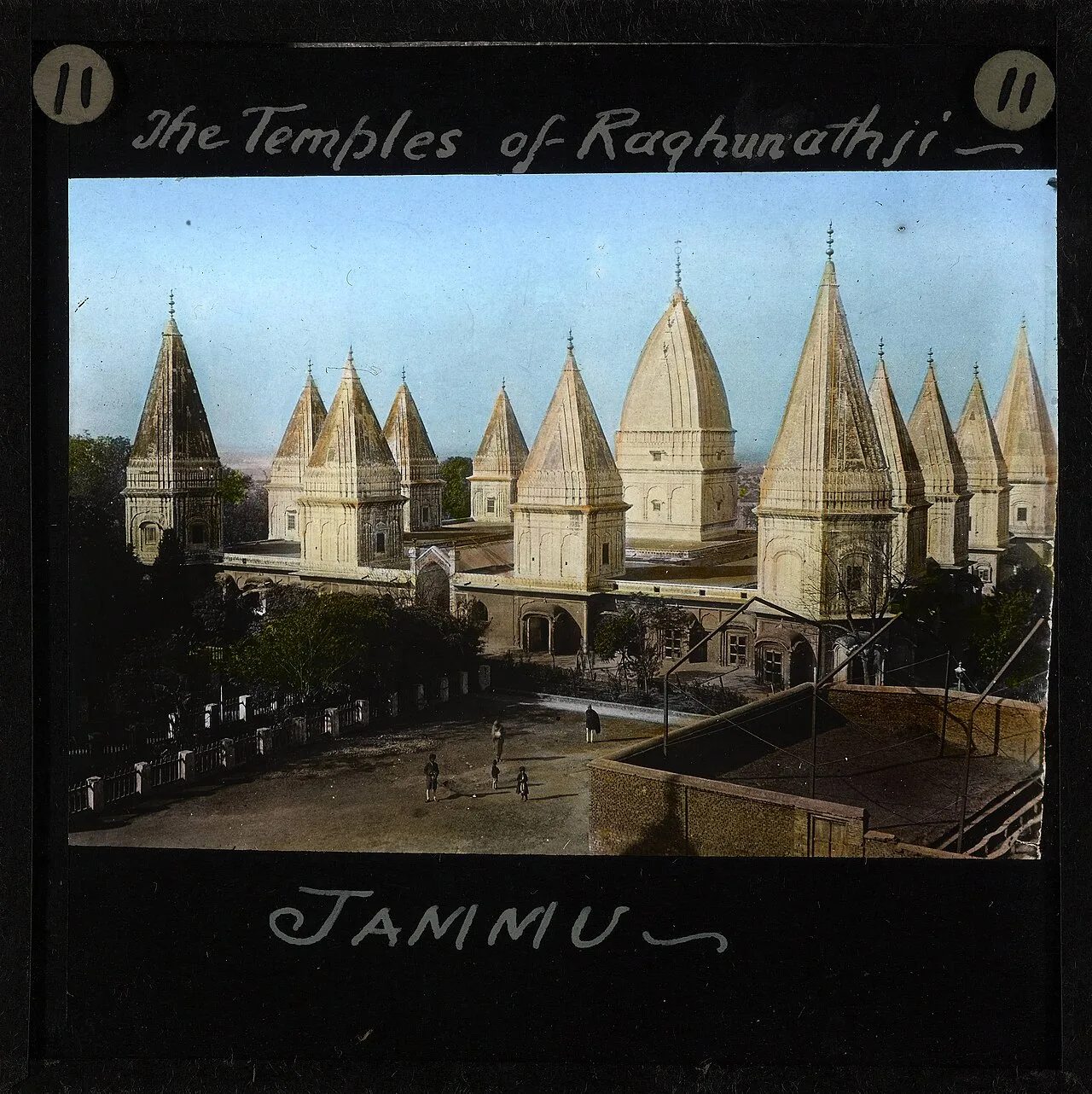
Raghunath Temple

18 km away · Jammu district

Raghunath Temple

This Hindu shrine complex in Jammu draws interest for its seven shrines, religious artwork centred on Rama and Krishna, and library of manuscripts in several Indian languages.

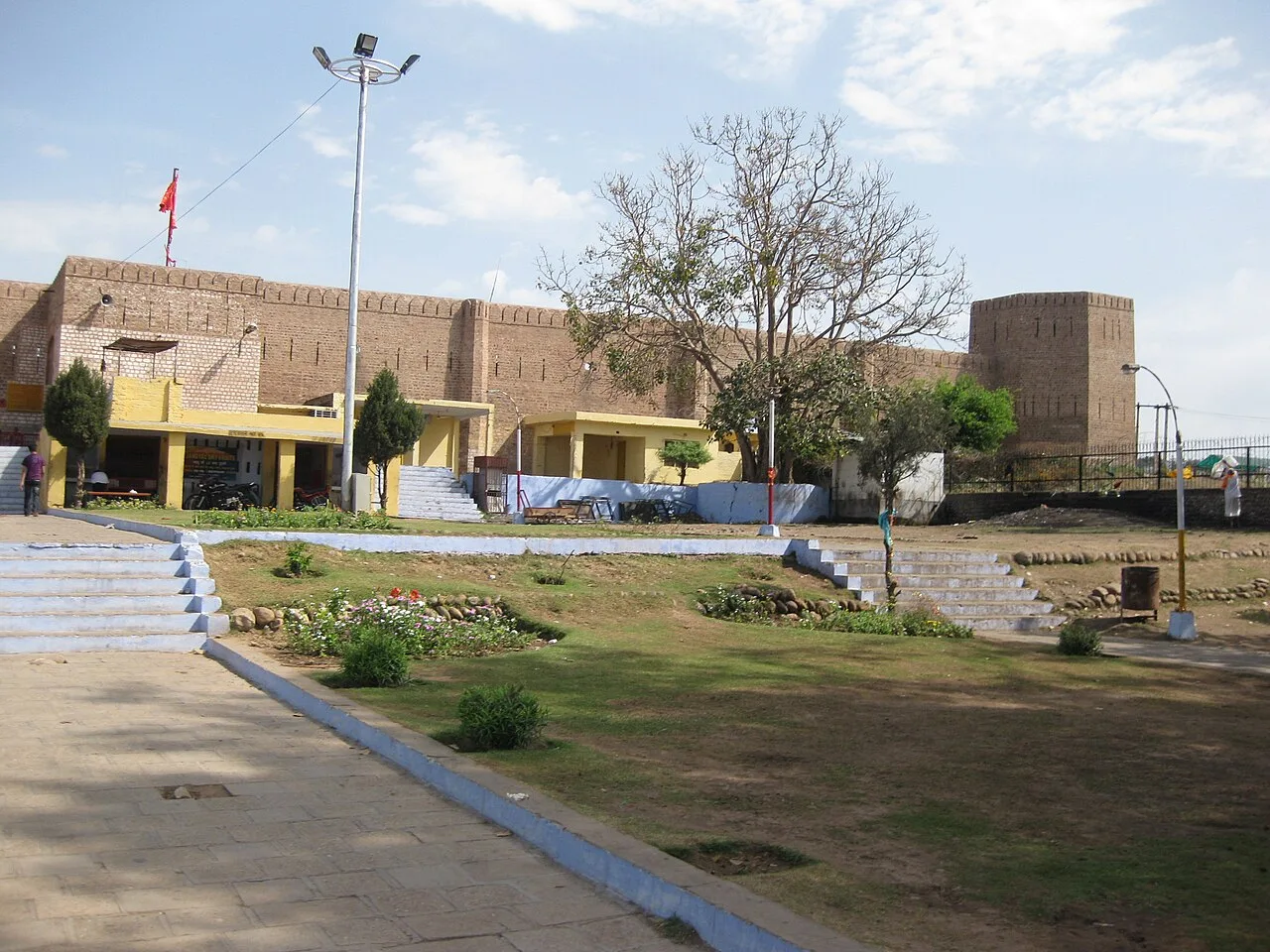
Bahu Fort

19 km away · Jammu district

Bahu Fort

Bahu Fort is a historic site in Jammu, linked to traditions about the city’s origins and later Dogra-era renovation. Visitors also come to its shrine to Kali, known as Bawe Wali Mata temple.

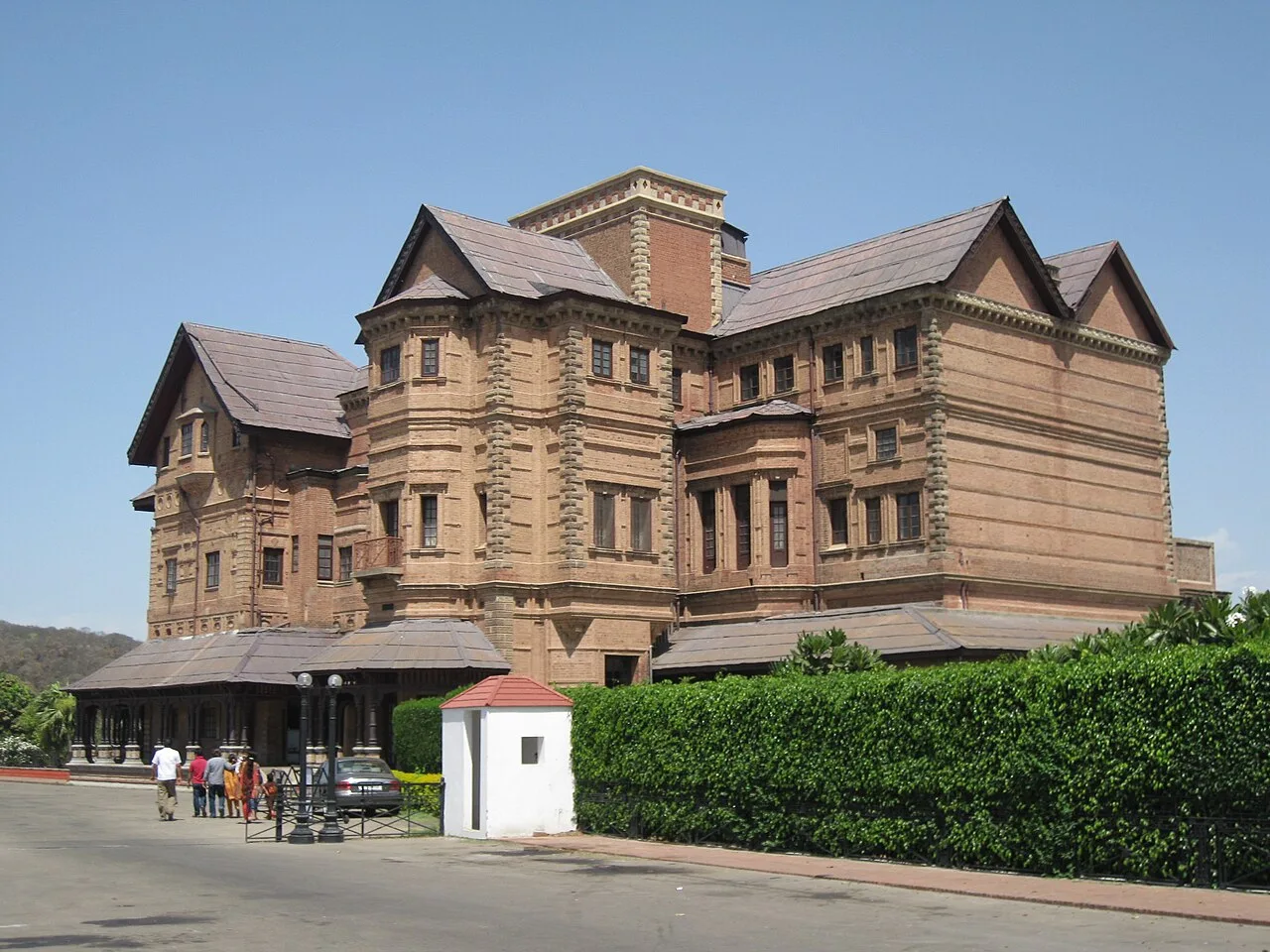
Amar Mahal Palace

20 km away · Jammu district

Amar Mahal Palace

Amar Mahal Palace is a former royal residence in Jammu, now used as a museum. Visitors come to see its throne, miniature paintings, rare art, antique books and royal portraits.

Mubarak Mandi Palace

20 km away · Jammu district

Mubarak Mandi Palace

Mubarak Mandi is a historic palace ensemble in Jammu’s old walled city, visited for its Dogra royal history, varied architecture and the Dogra Art Museum’s collection of paintings, artefacts and manuscripts.

Mansar Lake

40 km away · Samba district

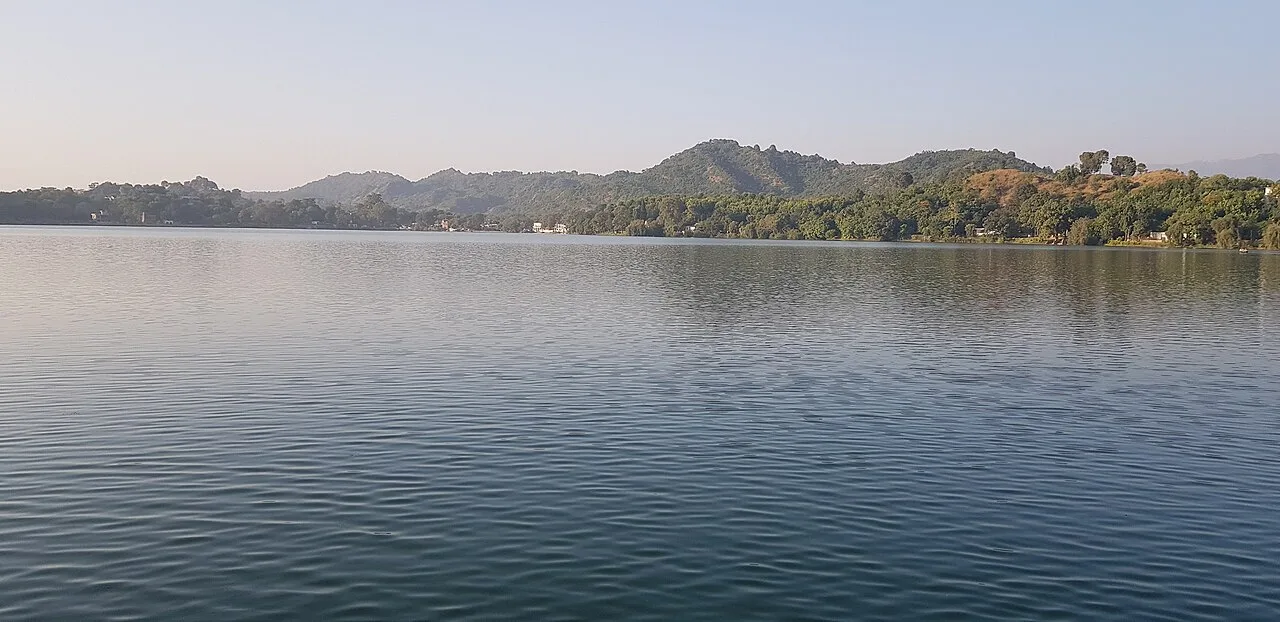
Mansar Lake

Mansar Lake is a forest-fringed lake in Samba district, Jammu and Kashmir. Visitors come for its natural setting and its habitat for migratory waterbirds and other wildlife.

40 km away · Jammu district

Surinsar Lake

Surinsar Lake, in Jammu and Kashmir, is paired with nearby Mansar Lake. Visitors are drawn by its wildlife, mythological significance and recreational facilities.

Katra

47 km away · Reasi district

Katra

Katra is a city and tehsil in Reasi district, Jammu and Kashmir. It serves as the starting point for pilgrims travelling to the Mata Vaishno Devi Temple in the Trikuta Mountains.

Vaishno Devi Temple

51 km away · Reasi district

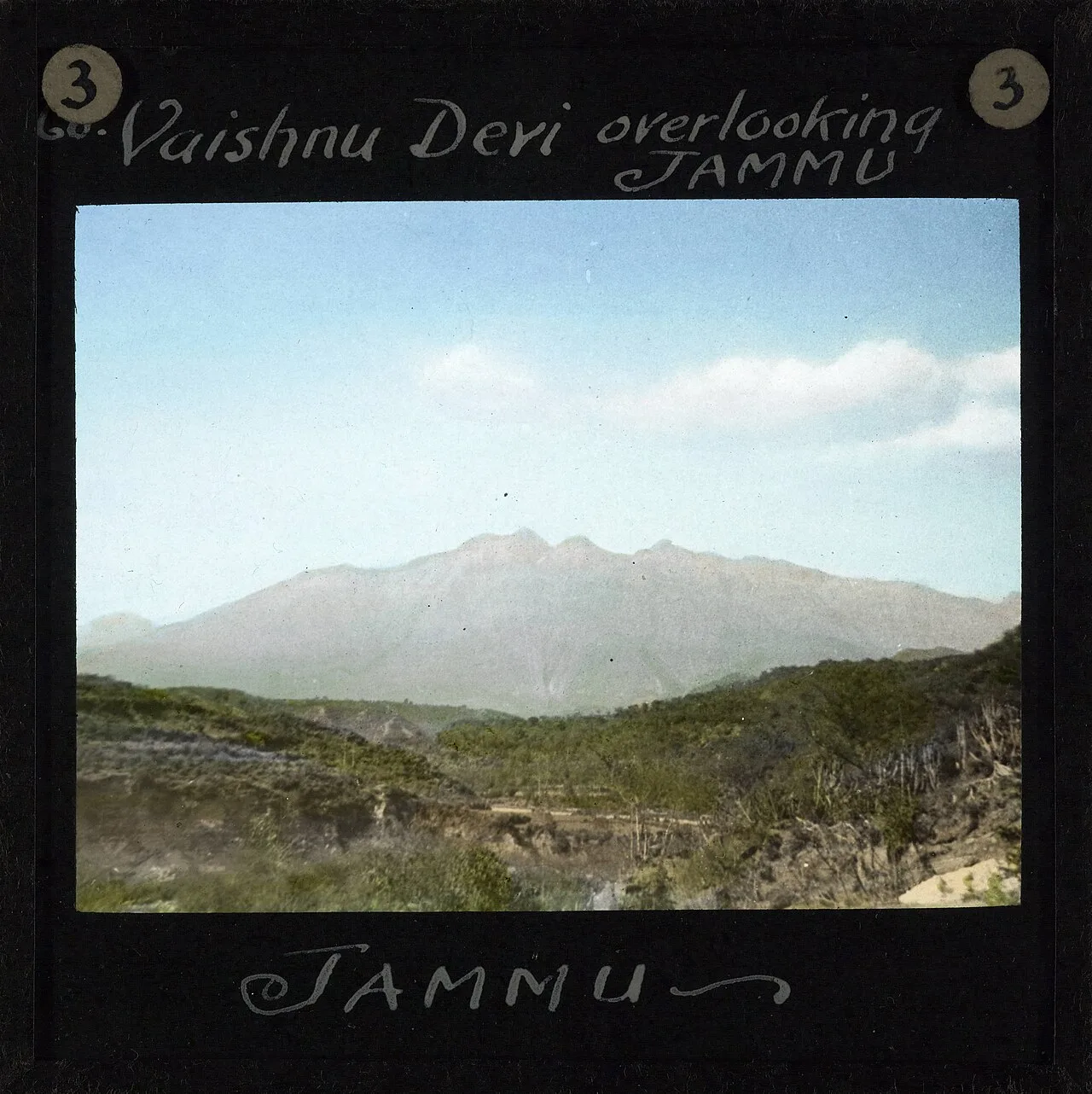
Vaishno Devi Temple

A Hindu shrine at Katra in Jammu and Kashmir, Vaishno Devi Temple honours the goddess Vaishno Devi and draws millions of pilgrims each year.

Map

R.S. Pora on the map

  1. 1Raghunath Temple
  2. 2Bahu Fort
  3. 3Amar Mahal Palace
  4. 4Mubarak Mandi Palace
  5. 5Mansar Lake
  6. 6Surinsar Lake
  7. 7Katra
  8. 8Vaishno Devi Temple

Jammu and Kashmir

Other cities to explore