Ghumoopedia — Explore, Discover, Experience
Sign in
Martand Sun Temple, near Yaripur

City guide · Jammu and Kashmir

Yaripur

Yaripora, also called Yaripur, is a small town in Kulgam district whose importance comes from its position among villages and road routes in south Kashmir. It connects nearby settlements with Kulgam and other towns, and serves as a local centre for everyday commerce and services.

Famous for

  • Sonamann stream
  • Bomba heritage
  • Gaebi Shah Sahib shrine
  • Jamia Masjid
  • Rural trading crossroads

Why Yaripur matters

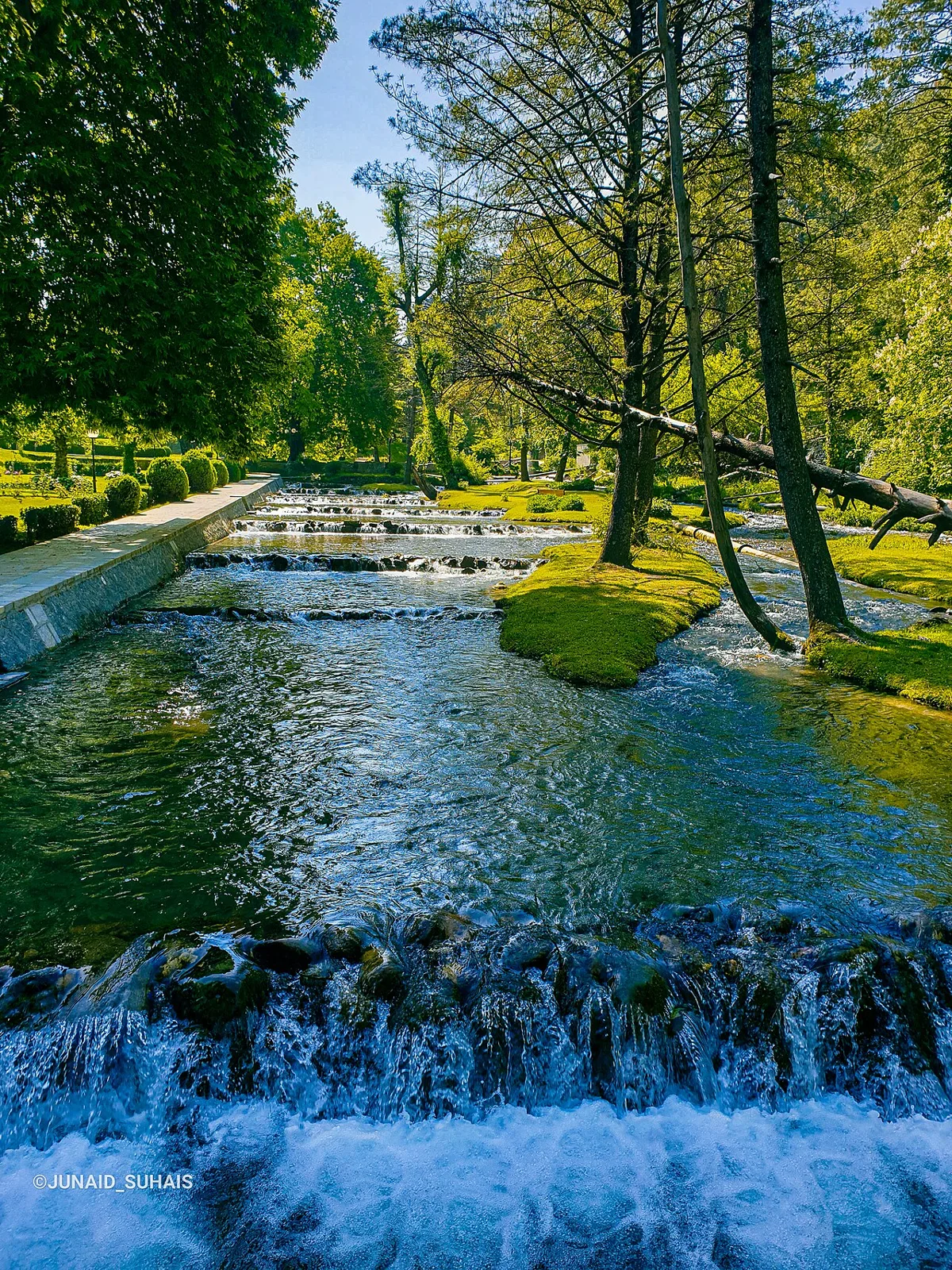
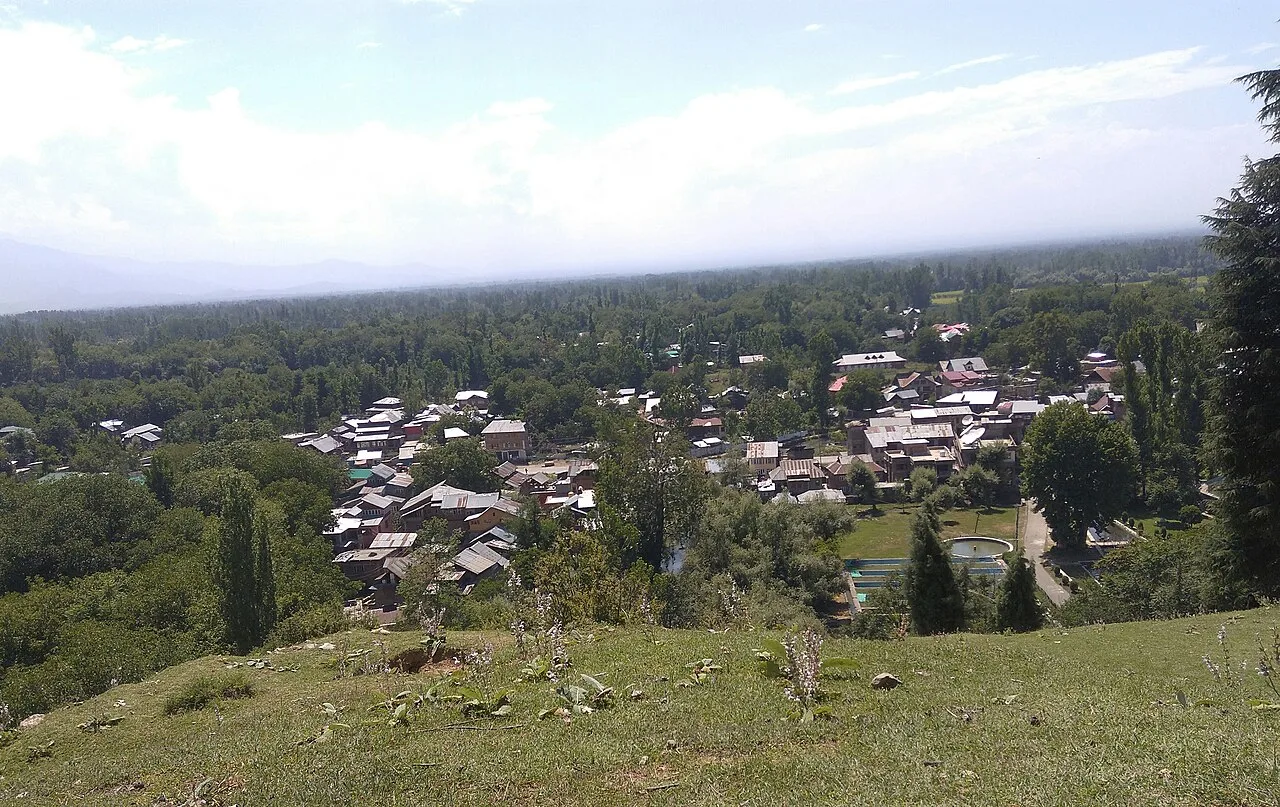
Yaripora, also called Yaripur, is a small town in Kulgam district whose importance comes from its position among villages and road routes in south Kashmir. It connects nearby settlements with Kulgam and other towns, and serves as a local centre for everyday commerce and services. Its setting beside the Sonamann rivulet, among springs and freshwater streams, gives the town a close relationship with the surrounding landscape.

Visitors interested in local history can see the Jamia Masjid and the shrine of Gaebi Shah Sahib, associated with the Bomba community and the burial place of Raja Sher Ahmad Khan. Yaripora is not primarily a destination for major monuments, shopping districts or resort facilities; its appeal lies in its living townscape, regional connections and layered community heritage. The surrounding villages and routes offer a sense of rural life in Kulgam district. Yaripora is most rewarding for travellers who approach it as a brief cultural and historical stop, or as part of a wider journey through south Kashmir.
Famous for: crafts, trade & products

Yaripora is better known as a local trading and service centre than as a specialist producer of textiles, handicrafts or packaged foods. There is no widely established signature craft or GI-tagged product associated specifically with the town. Its role has traditionally been to bring together nearby villages through local commerce and road links, rather than to serve as a large regional wholesale market. Visitors should not expect a dedicated craft bazaar or a recognised shopping district.

Everyday shops and small businesses in the town are the most practical places to look for local provisions and routine goods. For a broader choice of specialist products, visitors may need to explore larger towns in the region. The town’s most distinctive points of interest are cultural rather than commercial: the Jamia Masjid and the Gaebi Shah Sahib shrine, where local history and Bomba heritage are closely remembered. A visit can therefore be more meaningful as a chance to learn about the area’s communities and trading connections than as a shopping excursion.

History

Yaripora appears to have developed as a settled trading place around the 17th century, in a landscape shaped by an L-shaped karewa formation, springs and small streams. Roads from surrounding villages helped it grow as a meeting point for local exchange. The town’s history also reflects the presence of different communities: Kashmiri residents and the Bomba community, whose members settled here in the 18th century and speak Pahari Pothohari.

Raja Sher Ahmad Khan, described as the last ruler of the Bomba tribe, was forced to leave Karnah with his family and settle in Yaripora in 1856. His earlier political and military involvement unfolded during the changing rule of Kashmir, including conflict with the Khalsa state and later opposition to the Gulab Singh family. He is buried within the shrine of Gaebi Shah Sahib in the courtyard of the Jamia Masjid. In modern times, Yaripora has continued as a local centre linked by roads to Kulgam and neighbouring settlements, with schools and public services serving the wider area.

Food, festivals & culture

Yaripora’s culture reflects the communities of Kulgam district and the wider Kashmir Valley. Kashmiri is a key language of local life, while members of the Bomba community also speak Pahari Pothohari; Urdu is used in wider public communication. Meals in the area draw on Kashmiri home cooking, including rice-based dishes and preparations with seasonal vegetables. These are regional food traditions rather than specialities unique to Yaripora, and visitors can ask locally about what is available.

Eid celebrations and Ramadan shape the religious calendar for many Muslim residents, while other observances may vary between households and communities. The Jamia Masjid is an important place of worship, and the shrine of Gaebi Shah Sahib is a notable spiritual and historical site. Family gatherings, prayer and community visits are central to local observance. Music and dance belong to the broader Kashmiri cultural tradition, but Yaripora is not widely identified with a particular performance style or annual public festival. Visitors should be respectful around worship and shrine spaces.

Visiting the city

Late spring through early autumn is generally a comfortable time to explore Yaripora and the surrounding countryside; winter can be cold, so check local conditions before travelling. Srinagar International Airport is the nearest major airport. Anantnag railway station is a useful nearby rail point, though onward road travel is needed to reach Yaripora. Kulgam lies about 13 kilometres from the town and is a practical connection for regional transport.

Local roads link Yaripora with Kulgam, Bijbehara, Shopian and nearby villages. Taxis and other road transport are the most useful ways to get around; confirm onward arrangements locally. In town, explore the Jamia Masjid courtyard and Gaebi Shah Sahib shrine respectfully, and take time to see the Sonamann stream and the surrounding neighbourhoods. Yaripora is best visited as a short stop within a broader south Kashmir itinerary rather than as a base with extensive visitor facilities.

Trips from the city

Nearest places to visit from Yaripur

Our closest destination guides, by straight-line distance.

Martand Sun Temple

19 km away · Anantnag district

Martand Sun Temple

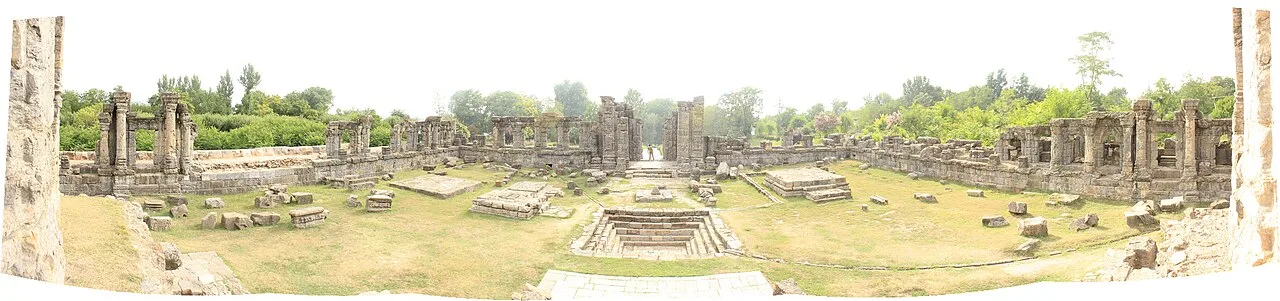
Martand Sun Temple is an eighth-century Hindu shrine in Mattan, Anantnag district, Jammu and Kashmir. Visitors come to see the site linked to Surya, the Hindu sun deity, and learn about its history.

Achabal

20 km away · Anantnag district

Achabal

Achabal is a town in Anantnag district, known for its Mughal garden, ancient spring and terraced design. Visitors can also see Mughal-era features and a nearby trout hatchery.

Avantiswami Temple

22 km away · Pulwama district

Avantiswami Temple

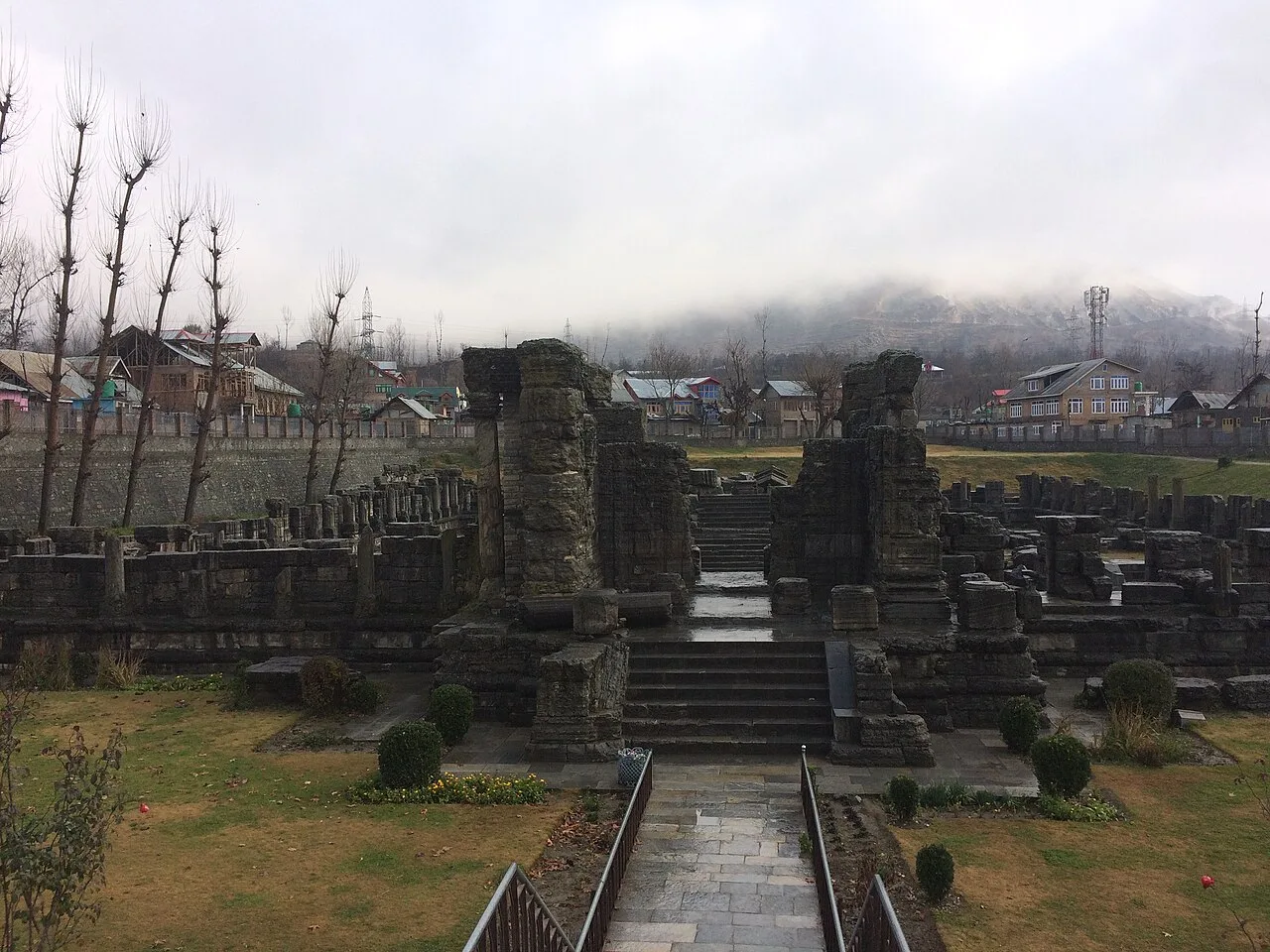
At Awantipora in Pulwama district, Avantiswami is a ruined Hindu temple complex beside the Jhelum. Visitors come to see its two shrines, dedicated to Shiva and Vishnu, dating to Avantivarman’s ninth-century rule.

Aharbal

24 km away · Kulgam district

Aharbal

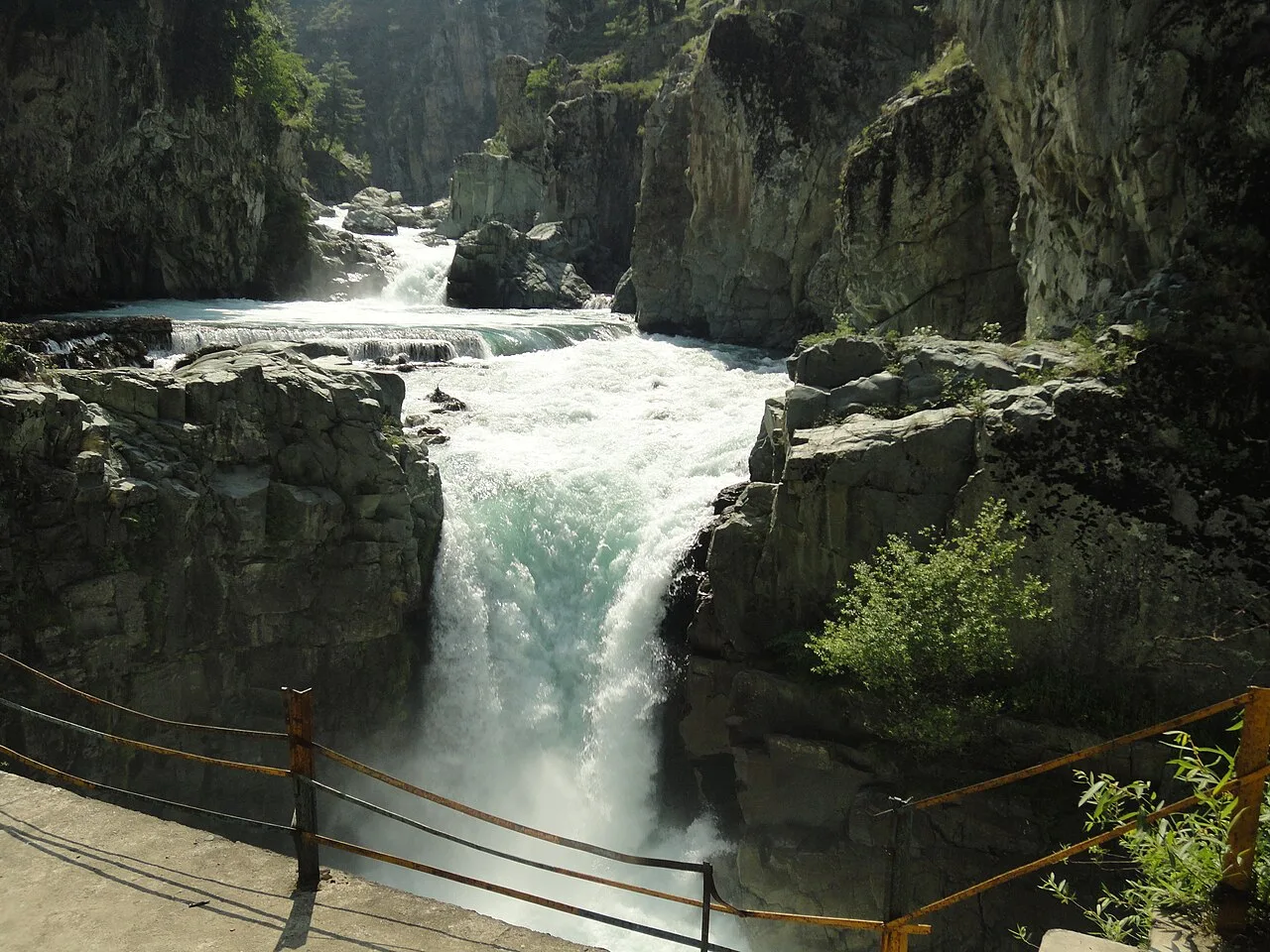
Aharbal is a hill station in Kulgam district, Jammu and Kashmir, known for Aharbal Waterfall, a cascade also called the Niagara Waterfall of Kashmir.

Charar-e-Sharief shrine

28 km away · Budgam district

Charar-e-Sharief shrine

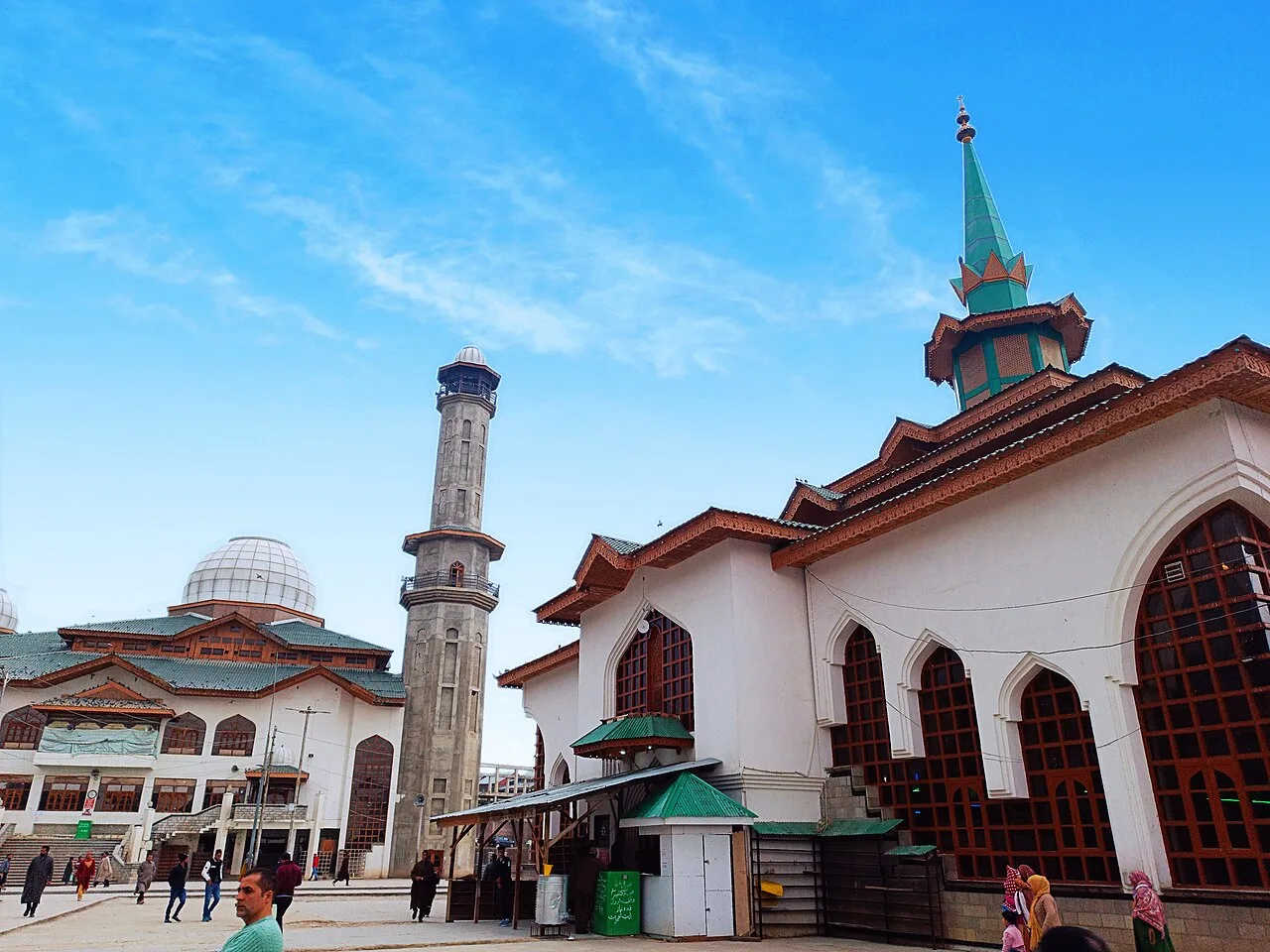
A Sufi shrine and mosque in Charari Sharief, it honours Nund Rishi and attracts Muslim worshippers and Hindu visitors for its religious and shared cultural significance.

Verinag

29 km away · Anantnag district

Verinag

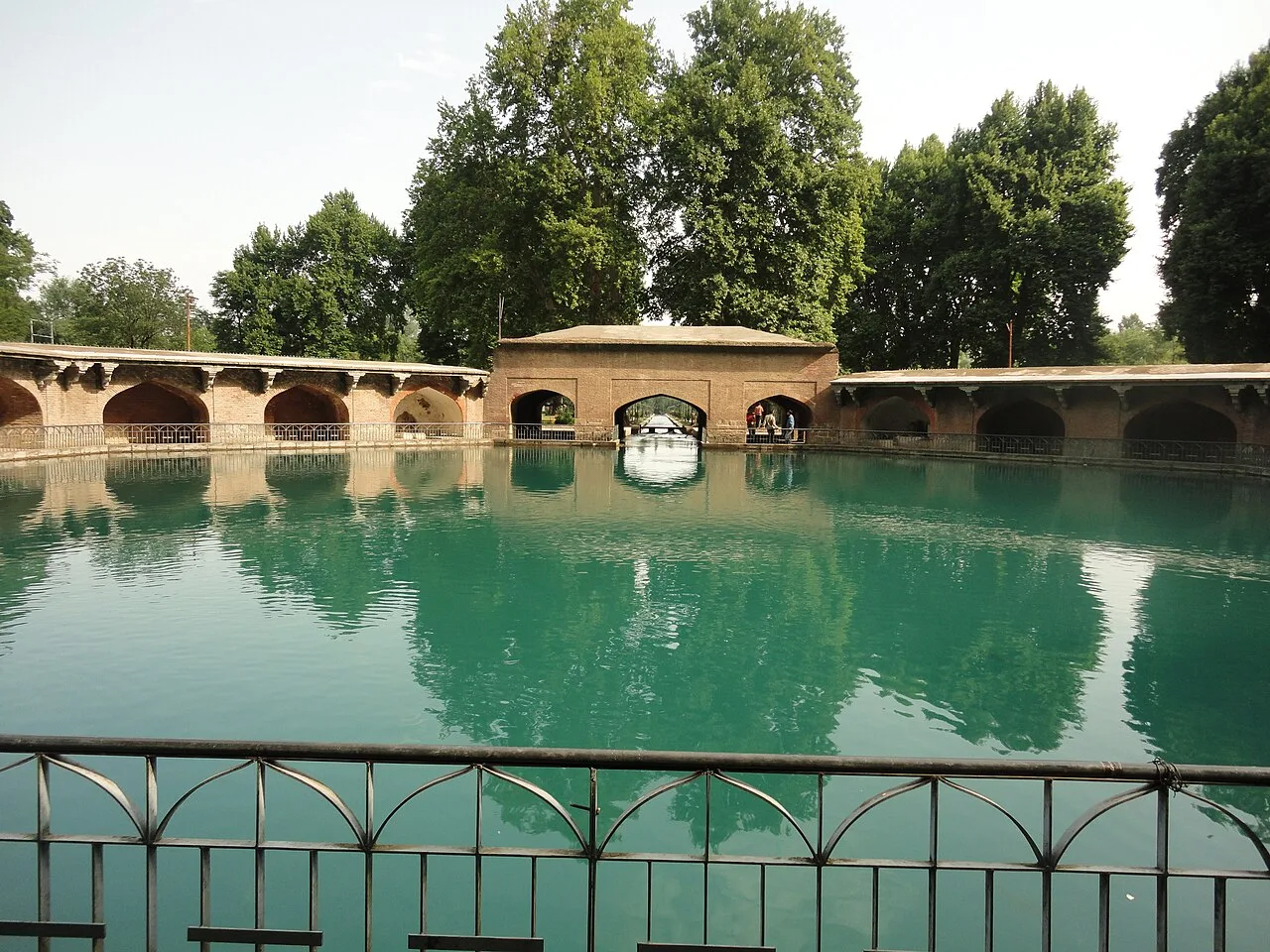
Verinag is a town in Jammu and Kashmir’s Anantnag district, visited for its spring, Mughal-era arcade and garden, and its connection to the Jhelum River.

Yusmarg

29 km away · Budgam district

Yusmarg

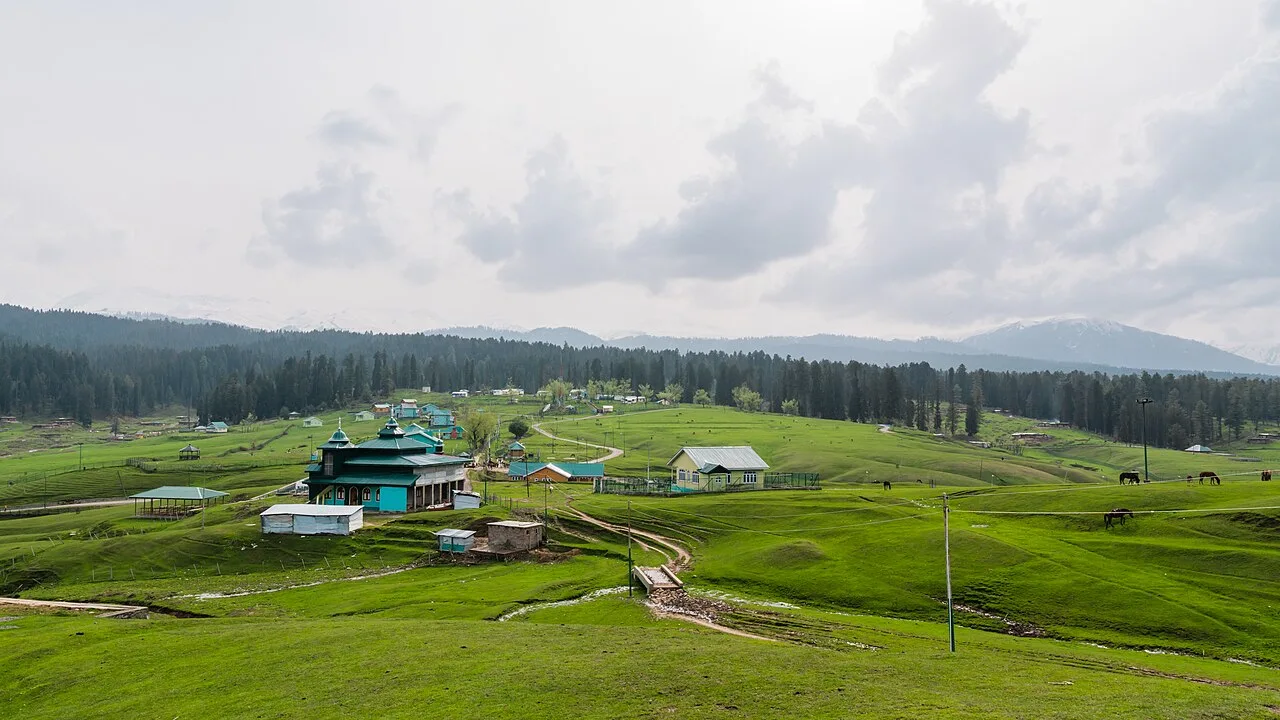
Yusmarg, also known as Yousmarg, is a hill station in Budgam district, Jammu and Kashmir. Visitors come to spend time in its hill-station setting.

Kokernag

31 km away · Anantnag district

Kokernag

Kokernag is a town and sub-district in Anantnag district’s Breng Valley, known for its botanical gardens, freshwater springs and rainbow trout farm.

Map

Yaripur on the map

  1. 1Martand Sun Temple
  2. 2Achabal
  3. 3Avantiswami Temple
  4. 4Aharbal
  5. 5Charar-e-Sharief shrine
  6. 6Verinag
  7. 7Yusmarg
  8. 8Kokernag

Jammu and Kashmir

Other cities to explore