Ghumoopedia — Explore, Discover, Experience
Sign in
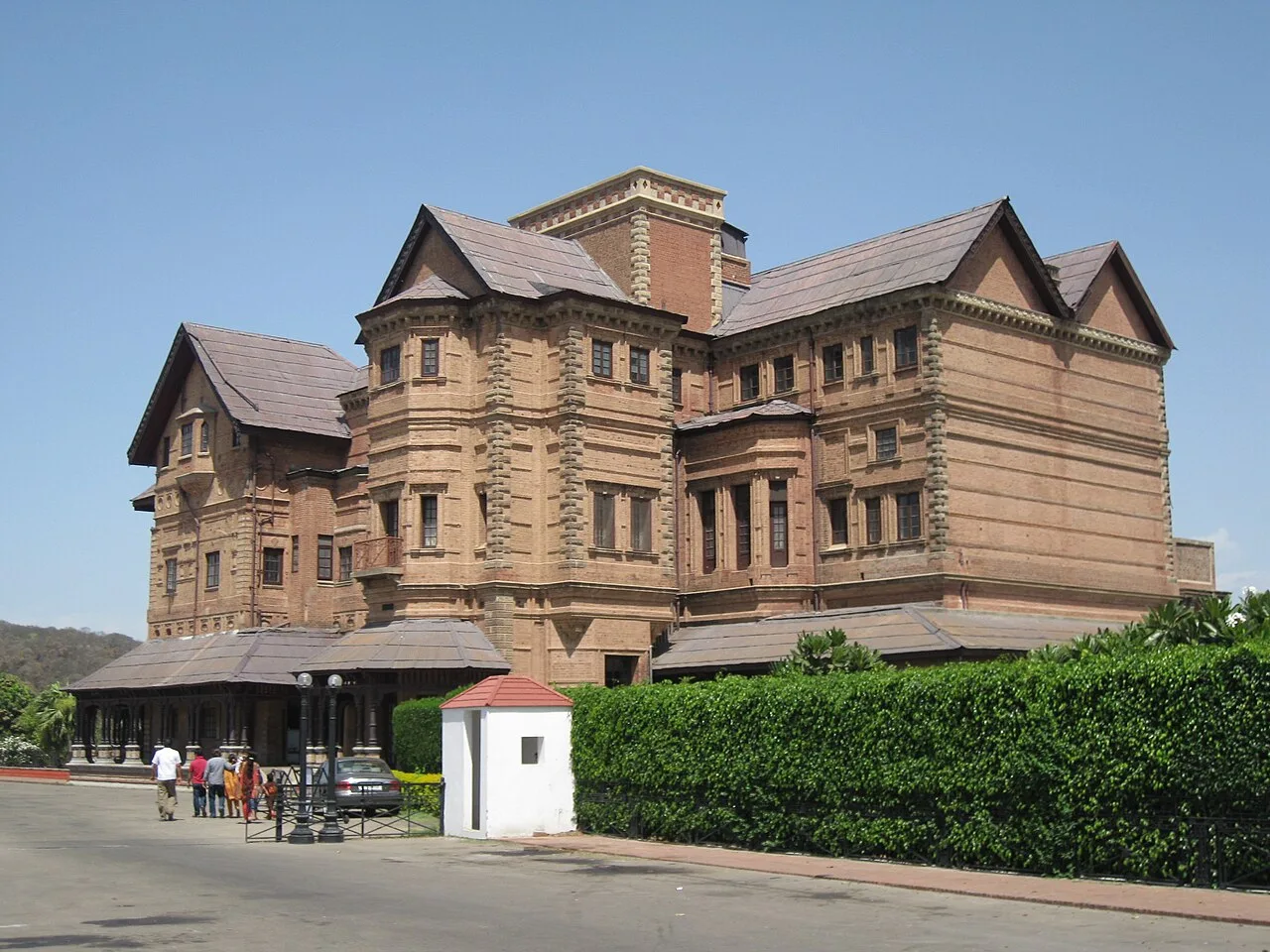
Amar Mahal Palace, near Nagrota

City guide · Jammu and Kashmir

Nagrota

Nagrota is a town in Jammu district, about 14 kilometres north of Jammu city on National Highway 44. Set between the Tawi River and the lower Trikuta hills, it occupies an important position on the road linking Jammu with Udhampur and destinations farther north.

Famous for

  • Kol Kandoli Temple
  • Vaishno Devi pilgrimage stop
  • Sainik School Nagrota
  • IIT Jammu at Jagti
  • Tawi River setting

Why Nagrota matters

Nagrota is a town in Jammu district, about 14 kilometres north of Jammu city on National Highway 44. Set between the Tawi River and the lower Trikuta hills, it occupies an important position on the road linking Jammu with Udhampur and destinations farther north. Its location makes it a practical stop for travellers as well as a growing institutional and military centre; the headquarters of the Indian Army’s XVI Corps is here, alongside Sainik School Nagrota and the nearby IIT Jammu campus at Jagti.

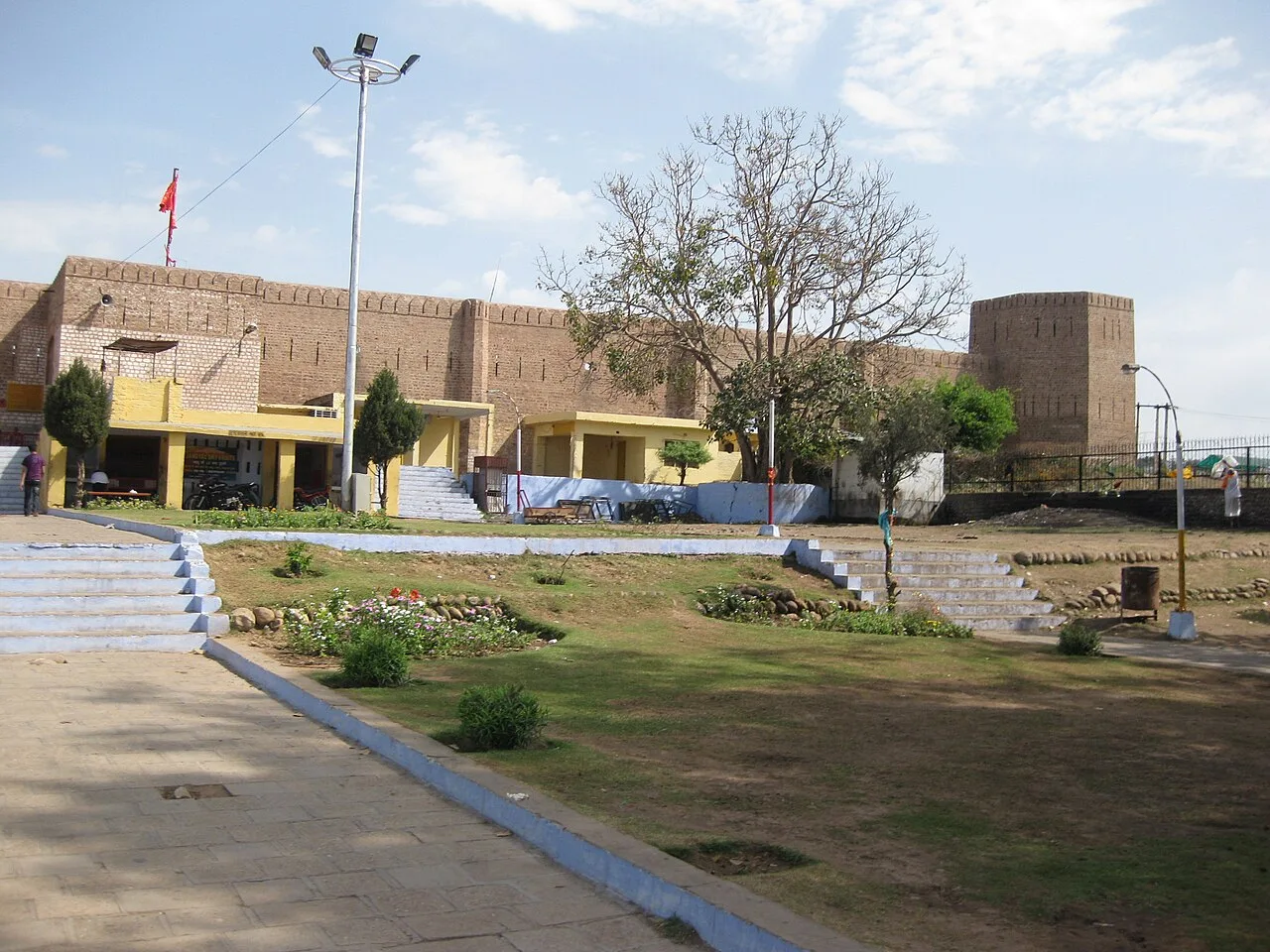
For pilgrims, Nagrota is associated with the journey to Shri Mata Vaishno Devi. Kol Kandoli Temple is a significant local shrine and a customary first stop for many visitors beginning that pilgrimage. The adjoining Jagti area is also a prominent landmark along the highway. Nagrota is not a large sightseeing destination in itself, but its religious connections, river-and-hill setting and position on a busy regional route give it importance beyond its size as a town.
Famous for: crafts, trade & products

Nagrota is better known for its pilgrimage links, schools and military presence than for textiles, handicrafts or a distinctive local manufacturing tradition. There is no widely recognised Nagrota-specific GI-tagged product or major craft market. The town’s everyday shops serve residents and passing travellers, with provisions, snacks and practical travel needs more prominent than specialist shopping.

For a broader choice of regional goods, visitors can shop in Jammu city, a short drive away. Its established markets sell religious offerings and household items, along with dry fruits, traditional foods, clothing and locally made crafts. Jammu is also the more useful place to look for Dogra cultural souvenirs and regional art; specialised products from elsewhere in Jammu and Kashmir should not be assumed to originate in Nagrota. The town’s best-known institutions are Sainik School Nagrota and IIT Jammu, whose campus is in nearby Jagti. These, together with the XVI Corps headquarters, shape Nagrota’s modern identity more than a particular trade or craft.

History

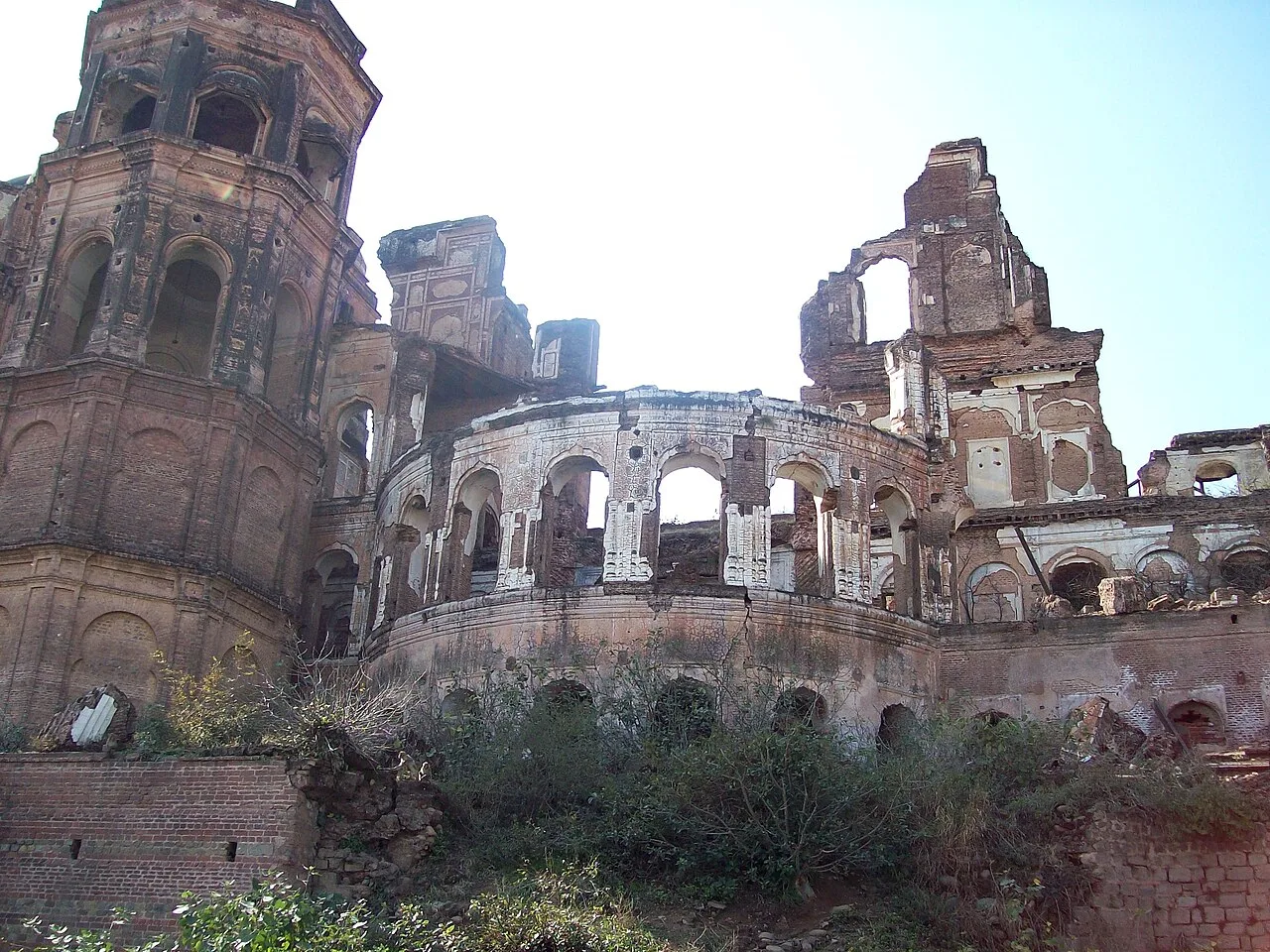
Nagrota’s growth is closely tied to its position on the northbound route from Jammu. The wider Jammu region was shaped by the Dogra rulers, whose princely state took form in the nineteenth century and continued until the political changes of 1947. Nagrota itself is better understood as a route-side settlement within this regional history than as a former royal capital or a major historic trading city; detailed accounts of its early development are limited.

In modern times, the highway has strengthened connections with Jammu city and Udhampur, encouraging settlement and institutional development along the corridor. The presence of Sainik School Nagrota and the headquarters of the Army’s XVI Corps has given the town a notable educational and military role. The adjoining Jagti township, which includes the IIT Jammu campus, is another part of the area’s recent development. Nagrota’s continuing importance therefore comes from its transport links, pilgrimage connections and institutions rather than from a single historic monument or industry.

Food, festivals & culture

Nagrota shares the food and customs of the Jammu region. Everyday meals commonly include rice, lentils and seasonal vegetables; rajma with rice is a familiar regional favourite. Jammu specialities such as kalari, often served with bread, and sweets including patisa can be found around the wider city, though they are not unique to Nagrota. Local shops and roadside eateries are the most straightforward places to try simple meals while travelling through town.

Dogri is widely associated with the region, alongside Hindi and Urdu; Kashmiri is also heard among residents and visitors. Navratri, observed in spring and autumn, is especially significant for Hindu pilgrims travelling towards Vaishno Devi. Lohri in midwinter and Baisakhi in spring are among the region’s other seasonal celebrations, while Eid, Diwali and other festivals reflect the area’s diverse communities. Kol Kandoli Temple is a key place of worship in Nagrota. Religious life across the wider Jammu area includes Hindu temples, mosques and gurdwaras, with pilgrimage traffic particularly visible on the route north.

Visiting the city

Spring and autumn are generally the most comfortable seasons to visit. Summers can be very hot, while winter mornings and nights may be cold and foggy. Jammu Airport at Satwari is the nearest airport, and Jammu Tawi railway station is the main rail gateway. Nagrota itself does not currently have a railway station; the code NGRT should not be taken as confirmation of an operating station.

The town lies on National Highway 44, so taxis, buses and other road transport connect it with Jammu and places to the north. Local taxis or auto-rickshaws can help with shorter journeys, though availability may vary. Explore the Kol Kandoli Temple and the Tawi-side surroundings, then continue into Jammu for a wider choice of historic sites, markets and places to eat. Jagti, beside the highway, is another notable nearby area.

Trips from the city

Nearest places to visit from Nagrota

Our closest destination guides, by straight-line distance.

Amar Mahal Palace

7 km away · Jammu district

Amar Mahal Palace

Amar Mahal Palace is a former royal residence in Jammu, now used as a museum. Visitors come to see its throne, miniature paintings, rare art, antique books and royal portraits.

Mubarak Mandi Palace

8 km away · Jammu district

Mubarak Mandi Palace

Mubarak Mandi is a historic palace ensemble in Jammu’s old walled city, visited for its Dogra royal history, varied architecture and the Dogra Art Museum’s collection of paintings, artefacts and manuscripts.

Bahu Fort

9 km away · Jammu district

Bahu Fort

Bahu Fort is a historic site in Jammu, linked to traditions about the city’s origins and later Dogra-era renovation. Visitors also come to its shrine to Kali, known as Bawe Wali Mata temple.

Raghunath Temple

9 km away · Jammu district

Raghunath Temple

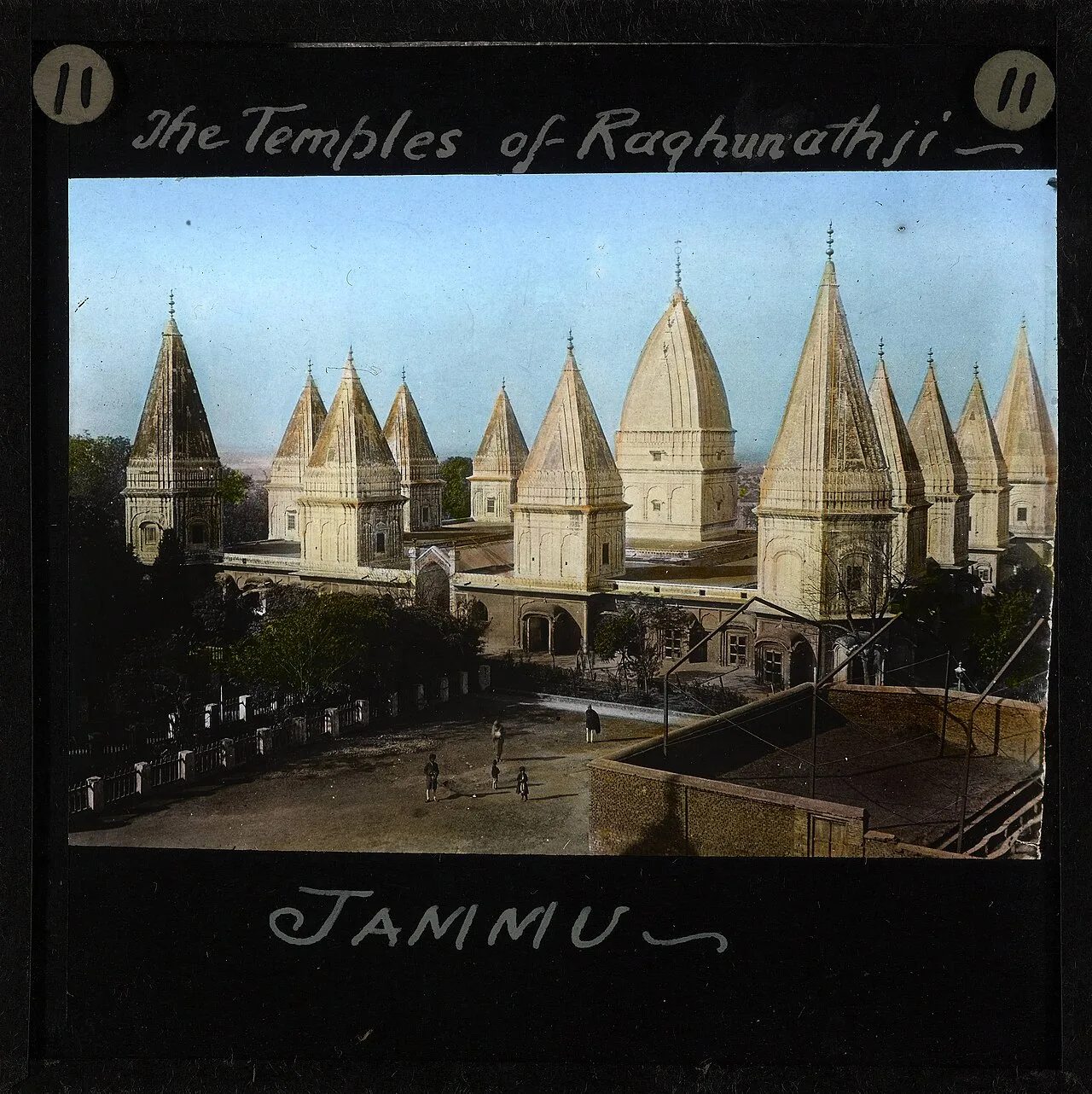
This Hindu shrine complex in Jammu draws interest for its seven shrines, religious artwork centred on Rama and Krishna, and library of manuscripts in several Indian languages.

Katra

21 km away · Reasi district

Katra

Katra is a city and tehsil in Reasi district, Jammu and Kashmir. It serves as the starting point for pilgrims travelling to the Mata Vaishno Devi Temple in the Trikuta Mountains.

Mansar Lake

25 km away · Samba district

Mansar Lake

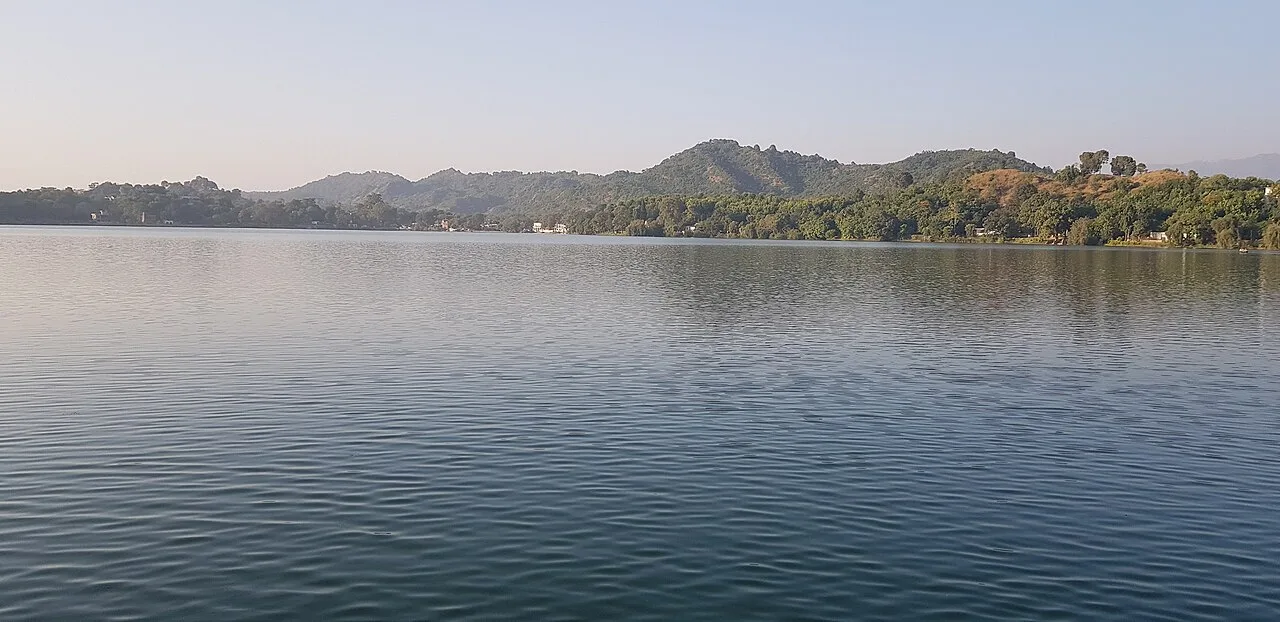
Mansar Lake is a forest-fringed lake in Samba district, Jammu and Kashmir. Visitors come for its natural setting and its habitat for migratory waterbirds and other wildlife.

25 km away · Jammu district

Surinsar Lake

Surinsar Lake, in Jammu and Kashmir, is paired with nearby Mansar Lake. Visitors are drawn by its wildlife, mythological significance and recreational facilities.

Vaishno Devi Temple

26 km away · Reasi district

Vaishno Devi Temple

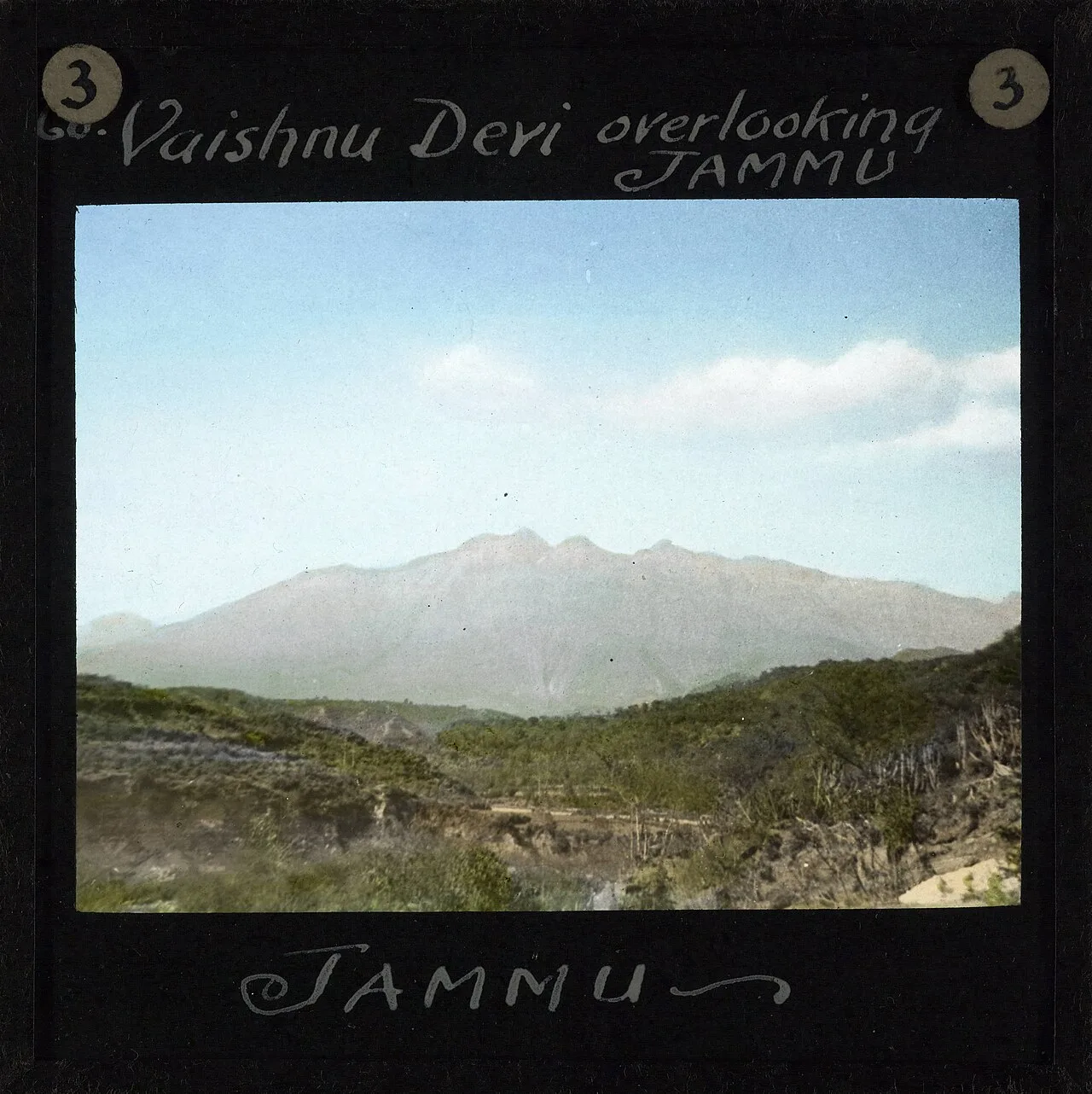
A Hindu shrine at Katra in Jammu and Kashmir, Vaishno Devi Temple honours the goddess Vaishno Devi and draws millions of pilgrims each year.

Map

Nagrota on the map

  1. 1Amar Mahal Palace
  2. 2Mubarak Mandi Palace
  3. 3Bahu Fort
  4. 4Raghunath Temple
  5. 5Katra
  6. 6Mansar Lake
  7. 7Surinsar Lake
  8. 8Vaishno Devi Temple

Jammu and Kashmir

Other cities to explore