Ghumoopedia — Explore, Discover, Experience
Sign in
Avantiswami Temple, near Tral

City guide · Jammu and Kashmir

Tral

Tral is a town and sub-district in Pulwama district, in the Kashmir Valley. It serves as a local administrative and market centre for nearby villages, linking rural communities with services and trade in the wider district.

Famous for

  • Gufkral prehistoric site
  • Kashmir Valley scenery
  • Upper and Lower Tral
  • Sufi heritage
  • Orchards and rural landscape
Plan a tripHotels near Tral

Why Tral matters

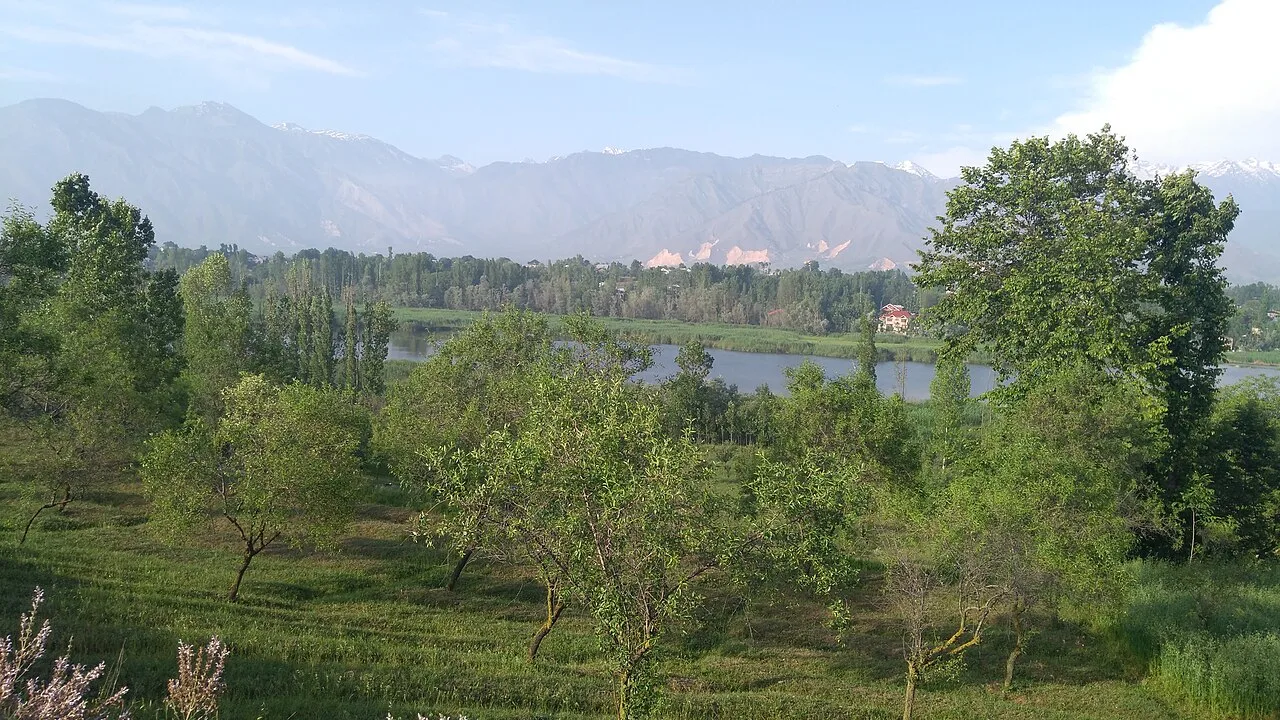
Tral is a town and sub-district in Pulwama district, in the Kashmir Valley. It serves as a local administrative and market centre for nearby villages, linking rural communities with services and trade in the wider district. The town lies about 40 kilometres from Srinagar and 26 kilometres from Pulwama, making it accessible for regional excursions while remaining distinct from the valley’s larger urban centres.

Tral’s appeal lies in its combination of everyday Kashmiri town life, mountain-valley surroundings and deep historical traces. At Gufkral, near Banmir village in the Hurdumir area, archaeological remains point to ancient settlement on a raised Karewa landform. Within the town, Upper Tral and Lower Tral occupy different elevations and give the settlement a distinctive local geography. Visitors may come to explore this landscape, learn about Gufkral and experience the area’s Sufi associations. Tral is best approached as a regional destination rather than a polished tourism hub: its interest is in its setting, living communities and layered past.
Famous for: crafts, trade & products

Tral is not widely identified with a single signature textile, handicraft or GI-tagged product. Its commercial role is chiefly local: the town’s bazaars and shops serve residents and surrounding villages with daily necessities, household goods and agricultural requirements. Visitors looking for a particular Kashmiri craft or a broad selection of specialist products will generally find more choice in Srinagar’s established markets than in Tral.

The countryside around Tral is associated with farming and orchards, part of the wider agricultural life of Pulwama district. Produce and seasonal goods are traded locally, though availability varies through the year; ask in town markets about what is in season rather than expecting a dedicated visitor market. The district is known more broadly for agricultural products, including saffron in areas such as Pampore, but that reputation should not be mistaken for a product unique to Tral. For locally made goods, browse ordinary shops and ask residents where artisans sell their work. Tral’s strongest draw remains its landscape and heritage, particularly the nearby archaeological site of Gufkral, rather than a particular craft or industry.

History

The area’s history reaches back to prehistoric settlement. Gufkral, near Banmir village, occupies a Karewa plateau between two streams and is an important archaeological site associated with ancient communities. Its remains make the Tral area significant beyond its present-day role as a town and service centre.

Tral also has a place in Kashmir’s Sufi history. Historical accounts connect Shah-e-Hamdan with Sultan Sikandar, who is said to have granted land for khanqahs at Tral, Sopore and Wachi after receiving a ruby from Badakhshan. This tradition reflects the wider influence of Sufi teachers and institutions in Kashmir; it is best understood as a remembered historical account rather than a detailed record of the town’s growth.

In later centuries, Tral formed part of the princely state of Jammu and Kashmir under British paramountcy, rather than a directly administered British colonial town. In modern administration it developed as a sub-district and notified area committee within Pulwama district. Its present role is tied to local governance, commerce and the surrounding villages.

Food, festivals & culture

Kashmiri is widely spoken in everyday life, while Urdu is used in education, administration and communication across the region. The area’s cultural life reflects the broader traditions of the Kashmir Valley, including family gatherings, hospitality and religious observance. Mosques and local shrines are important community spaces; Tral is also associated with the region’s Sufi heritage.

Food commonly follows Kashmiri tastes. Rice is a staple, and visitors may encounter dishes such as rogan josh, haak (collard greens), and preparations served as part of a wazwan feast. Kashmiri breads from neighbourhood bakeries and kahwa, a spiced green tea, are part of the wider food culture. These are regional traditions rather than dishes exclusive to Tral. Harissa is associated with winter in parts of Kashmir, though local availability varies.

Eid al-Fitr and Eid al-Adha are major occasions, with dates shifting according to the Islamic calendar. Ramadan brings fasting and evening meals, while urs observances at Sufi shrines occur on locally determined dates. Kashmiri devotional singing and folk traditions are part of the valley’s cultural heritage; performances are generally tied to community or religious occasions rather than regular tourist programmes.

Visiting the city

Spring and autumn are pleasant times to visit, with changing colours across the valley; summer is also suitable for exploring, while winter can bring cold weather and difficult road conditions. Check local conditions before travelling, especially in winter or during periods of disruption.

The nearest airport is Sheikh ul-Alam International Airport in Srinagar. Awantipora railway station is the nearest station on the Kashmir Valley rail line; check current rail connections before planning onward travel. From Srinagar or Pulwama, Tral can be reached by road, with taxis and shared local vehicles commonly used for regional journeys. Within town, walking and local transport are practical for short trips.

Explore both Upper Tral (Tral-i-Bala) and Lower Tral (Tral-i-Payeen) to see the town’s contrasting elevations and everyday market life. Gufkral, near Banmir village in the Hurdumir area, is a key excursion for visitors interested in archaeology. Arrange local transport and confirm access conditions before setting out.

Trips from the city

Nearest places to visit from Tral

Our closest destination guides, by straight-line distance.

Avantiswami Temple

10 km away · Pulwama district

Avantiswami Temple

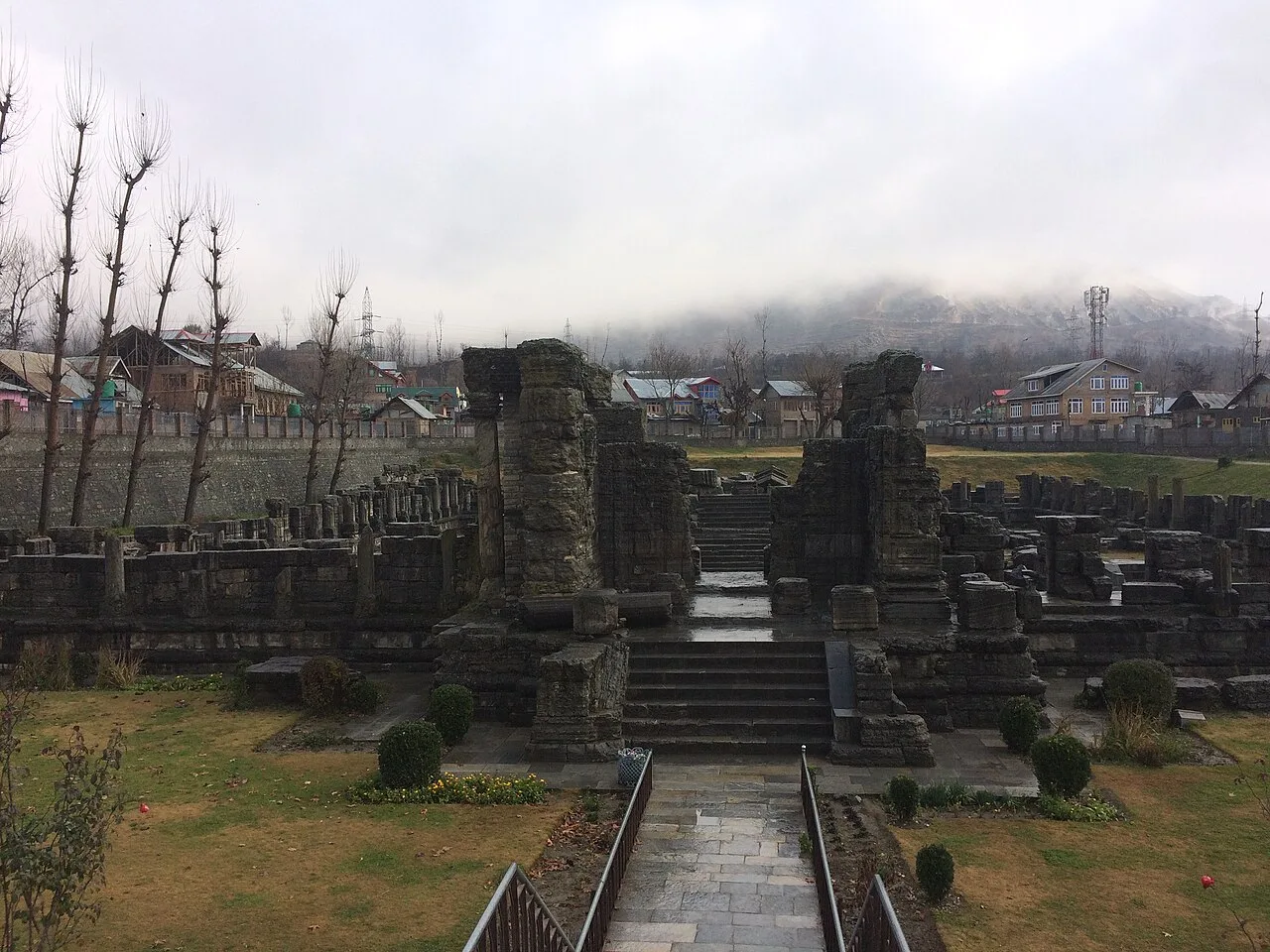
At Awantipora in Pulwama district, Avantiswami is a ruined Hindu temple complex beside the Jhelum. Visitors come to see its two shrines, dedicated to Shiva and Vishnu, dating to Avantivarman’s ninth-century rule.

Pahalgam

11 km away · Anantnag district

Pahalgam

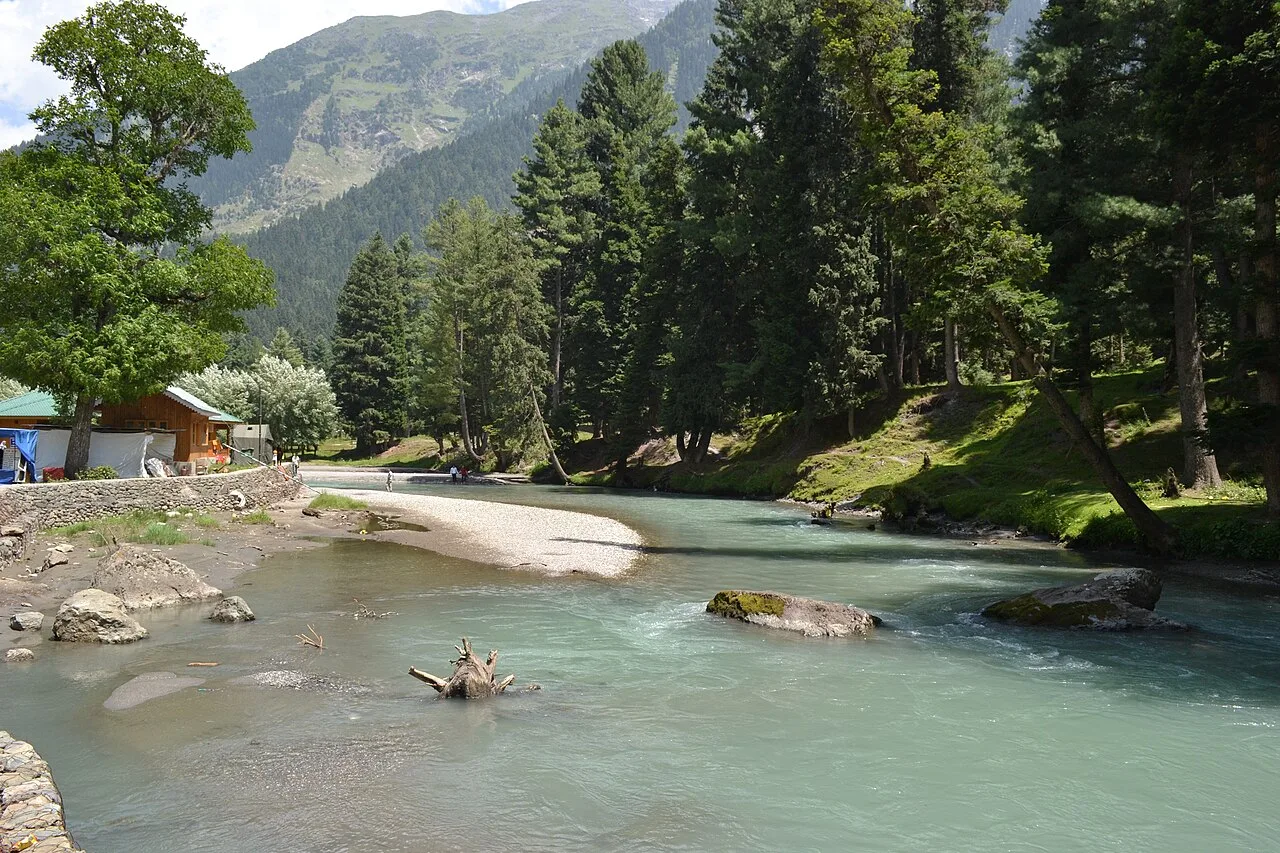
Pahalgam, also called Pahalgom, is a town in Anantnag district, Jammu and Kashmir. Visitors come for its hill-station setting and as the starting point for the Amarnath Temple pilgrimage.

Pampore

20 km away · Pulwama district

Pampore

Pampore is a historic town in Pulwama district, Jammu and Kashmir, best known for saffron and its identity as Kashmir’s Saffron Town.

Yusmarg

20 km away · Budgam district

Yusmarg

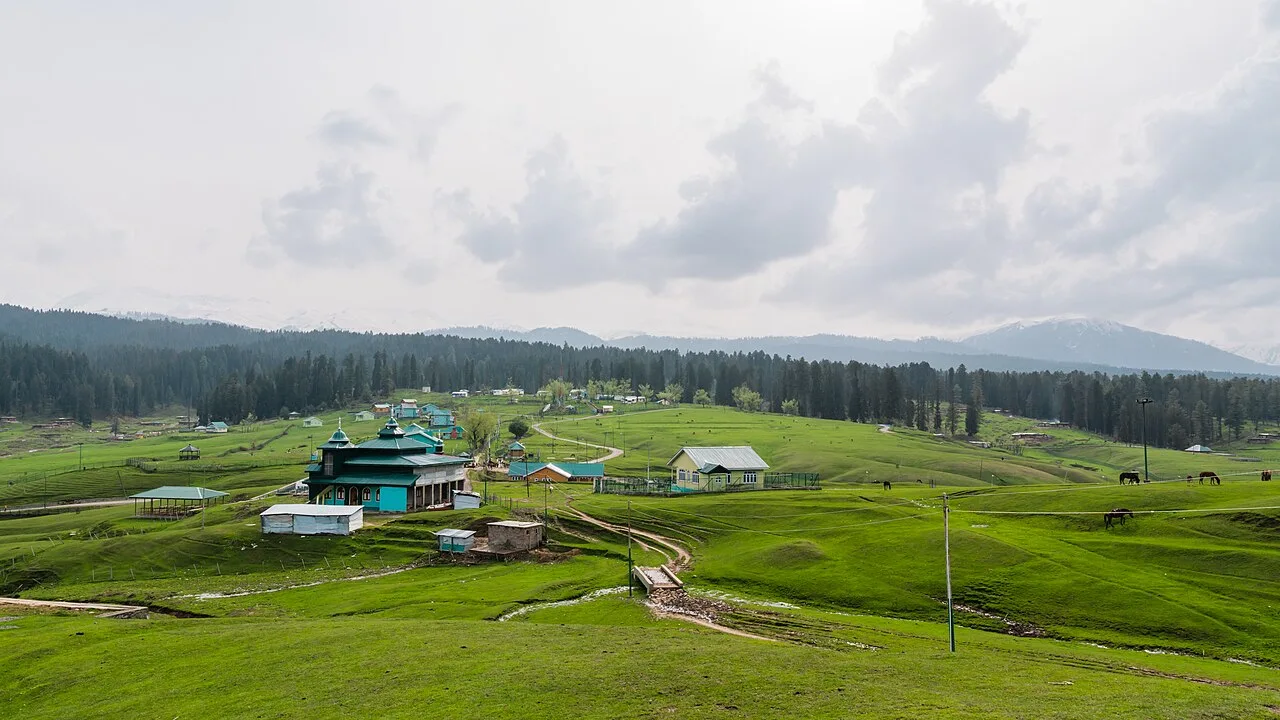
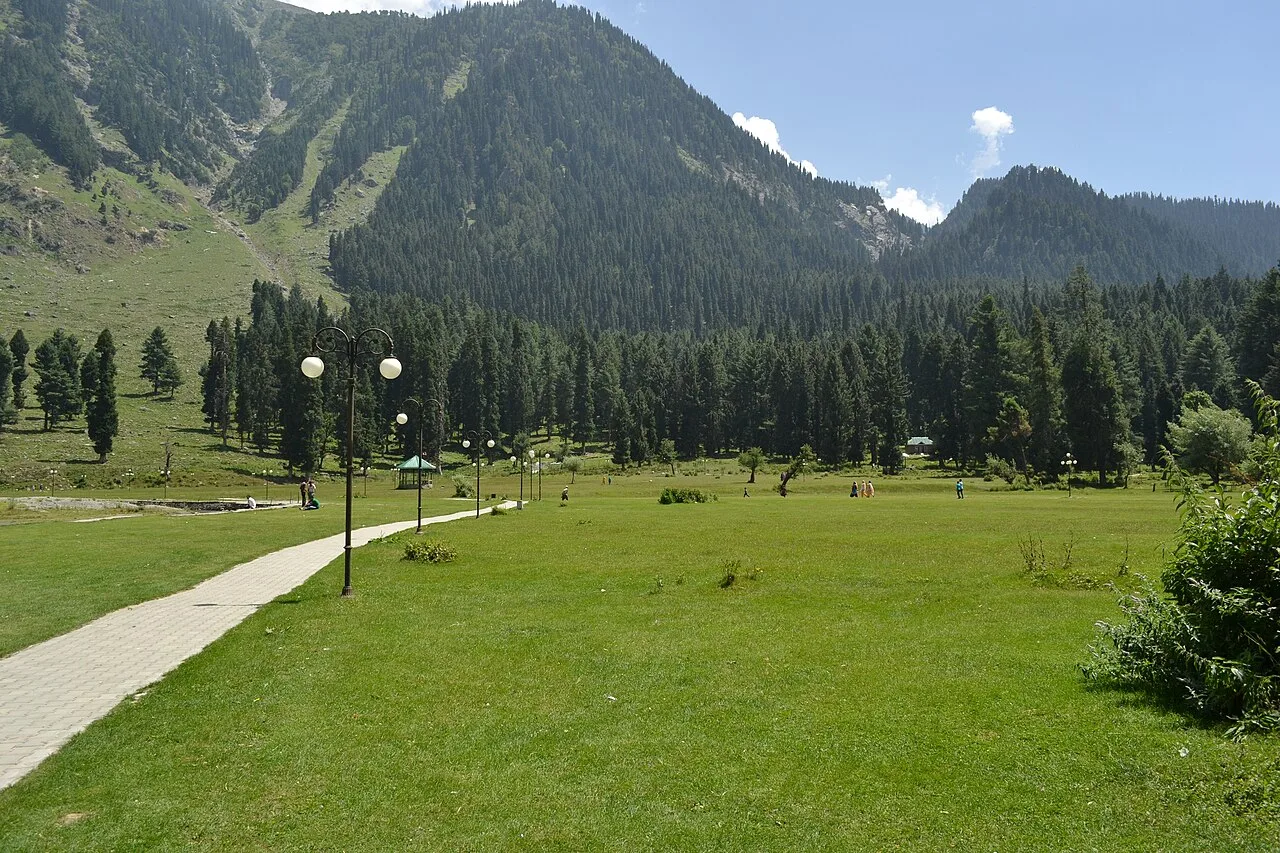
Yusmarg, also known as Yousmarg, is a hill station in Budgam district, Jammu and Kashmir. Visitors come to spend time in its hill-station setting.

Martand Sun Temple

22 km away · Anantnag district

Martand Sun Temple

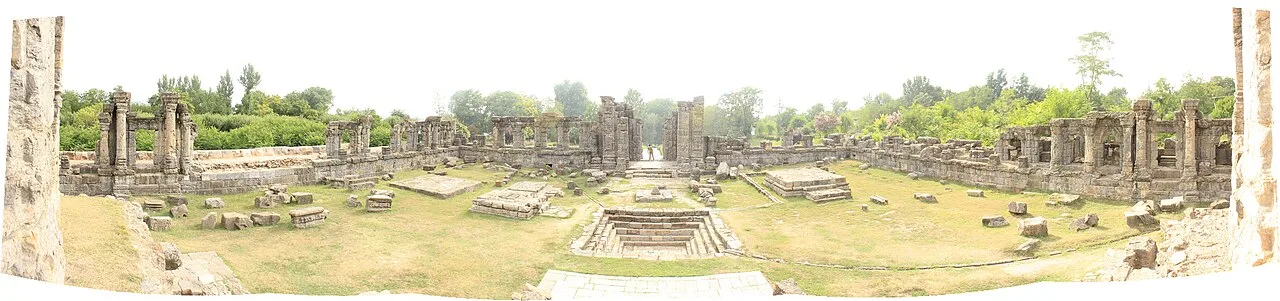
Martand Sun Temple is an eighth-century Hindu shrine in Mattan, Anantnag district, Jammu and Kashmir. Visitors come to see the site linked to Surya, the Hindu sun deity, and learn about its history.

Aru

23 km away · Anantnag district

Aru

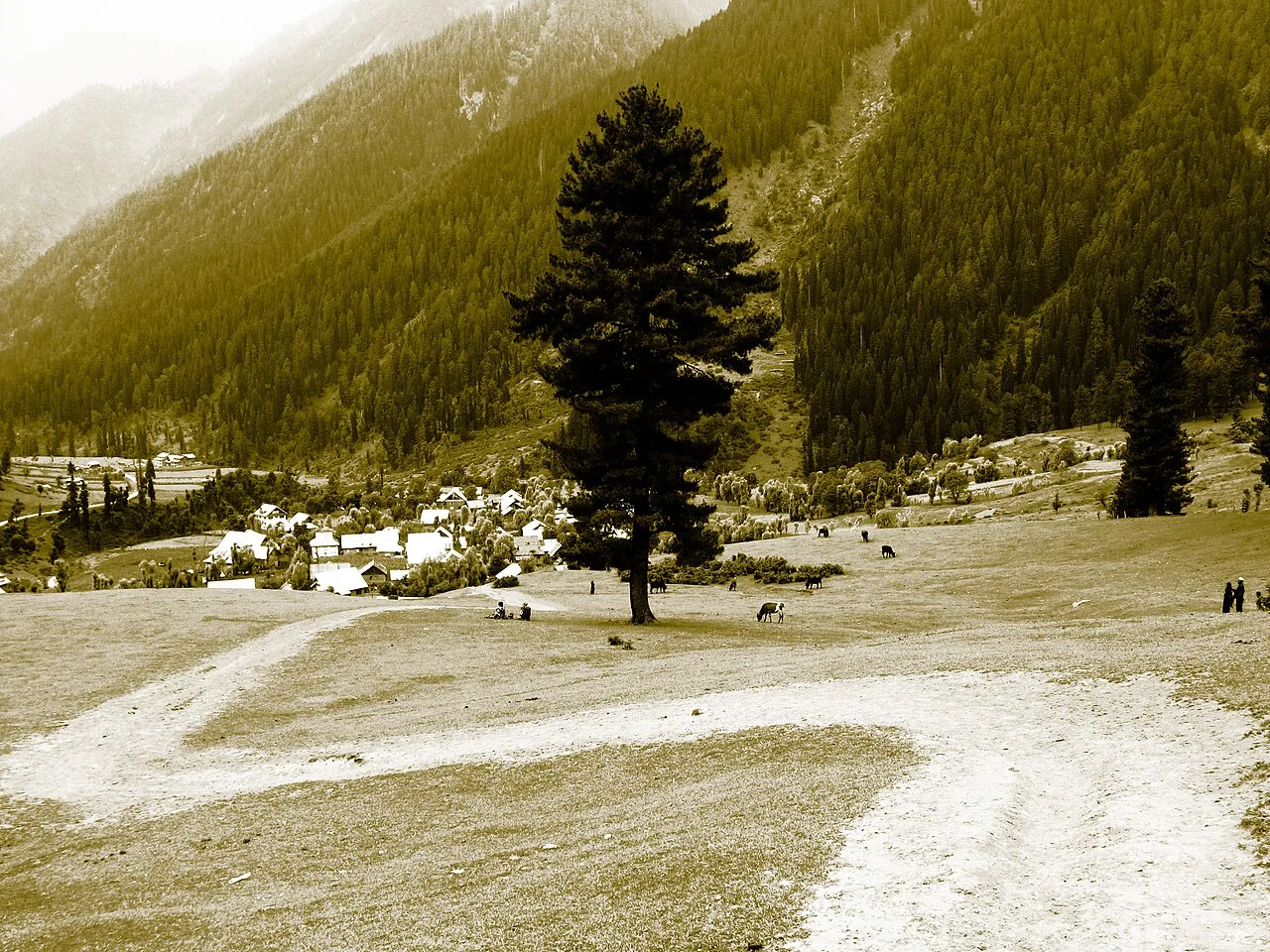
Aru, also called Adav in Kashmiri, is a village and travel destination in Anantnag district, Jammu and Kashmir. Visitors come for its landscape and as a starting point for treks to nearby lakes and the Kolahoi Glacier.

Dachigam National Park

24 km away · Srinagar district

Dachigam National Park

Dachigam National Park is a protected area in Srinagar district, near Dal Lake. Visitors can explore a site with a long conservation history and a name linked to ten relocated villages.

Betaab Valley

27 km away · Anantnag district

Betaab Valley

Betaab Valley is a scenic area in Anantnag district, Jammu and Kashmir. Visitors come for its meadows, mountain setting and dense vegetation, and it lies along the Amarnath Temple Yatra route.

Map

Tral on the map

  1. 1Avantiswami Temple
  2. 2Pahalgam
  3. 3Pampore
  4. 4Yusmarg
  5. 5Martand Sun Temple
  6. 6Aru
  7. 7Dachigam National Park
  8. 8Betaab Valley

Jammu and Kashmir

Other cities to explore