Ghumoopedia — Explore, Discover, Experience
Sign in
Lolab Valley, near Sogam

City guide · Jammu and Kashmir

Sogam

Sogam, also known as Sogam Lolab, is the main administrative centre of the Lolab Valley in Kupwara district. Around 17 km from Kupwara town, it serves as a sub-district headquarters, with government offices supporting nearby villages in areas such as revenue, health, education and rural development.

Famous for

  • Lolab Valley scenery
  • Kalaroos caves
  • Apple and walnut orchards
  • Nagmarg meadow landscapes
  • Kupwara administrative centre

Why Sogam matters

Sogam, also known as Sogam Lolab, is the main administrative centre of the Lolab Valley in Kupwara district. Around 17 km from Kupwara town, it serves as a sub-district headquarters, with government offices supporting nearby villages in areas such as revenue, health, education and rural development. Its role makes it an important everyday hub as well as a useful base for exploring the valley.

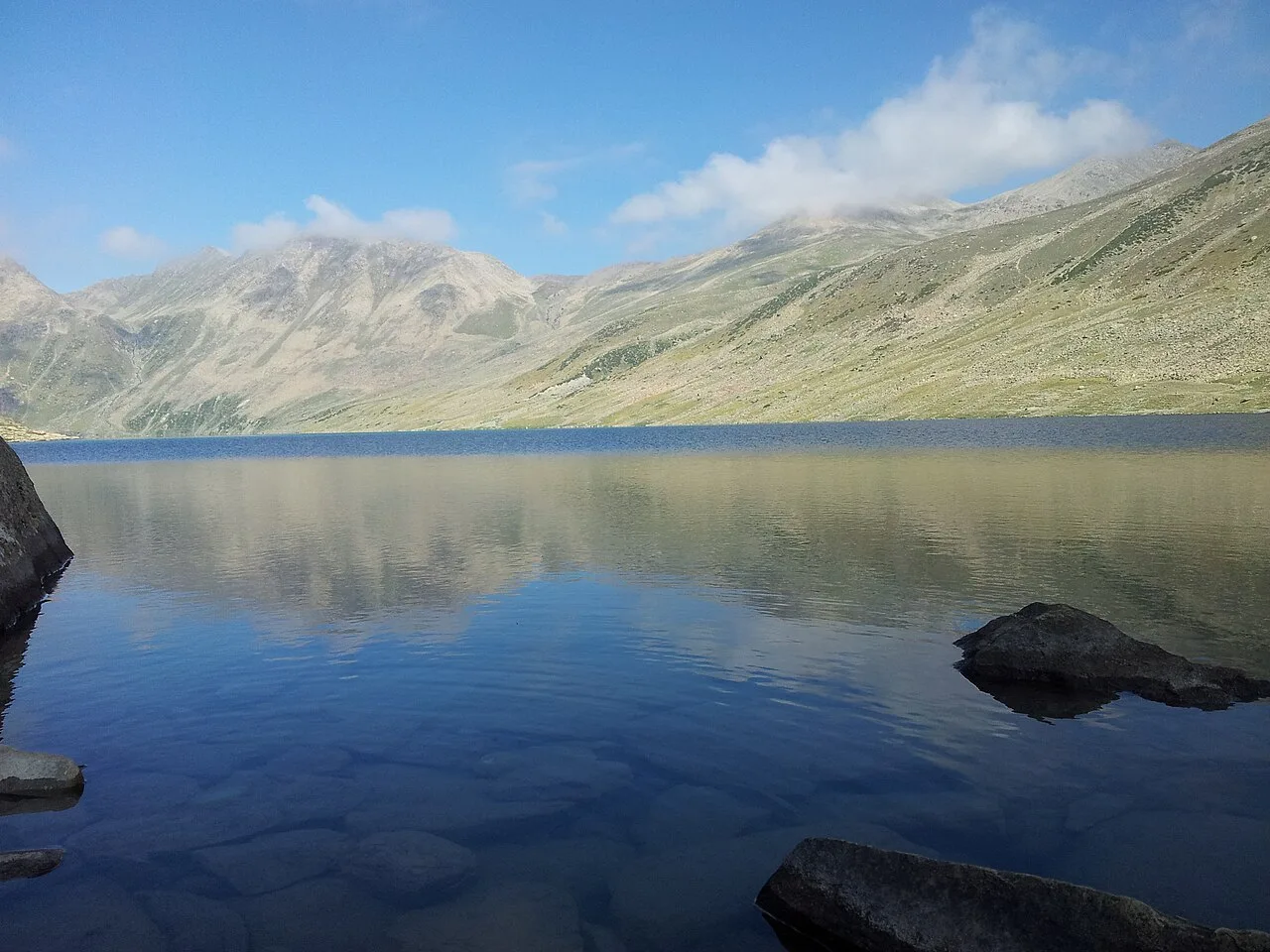
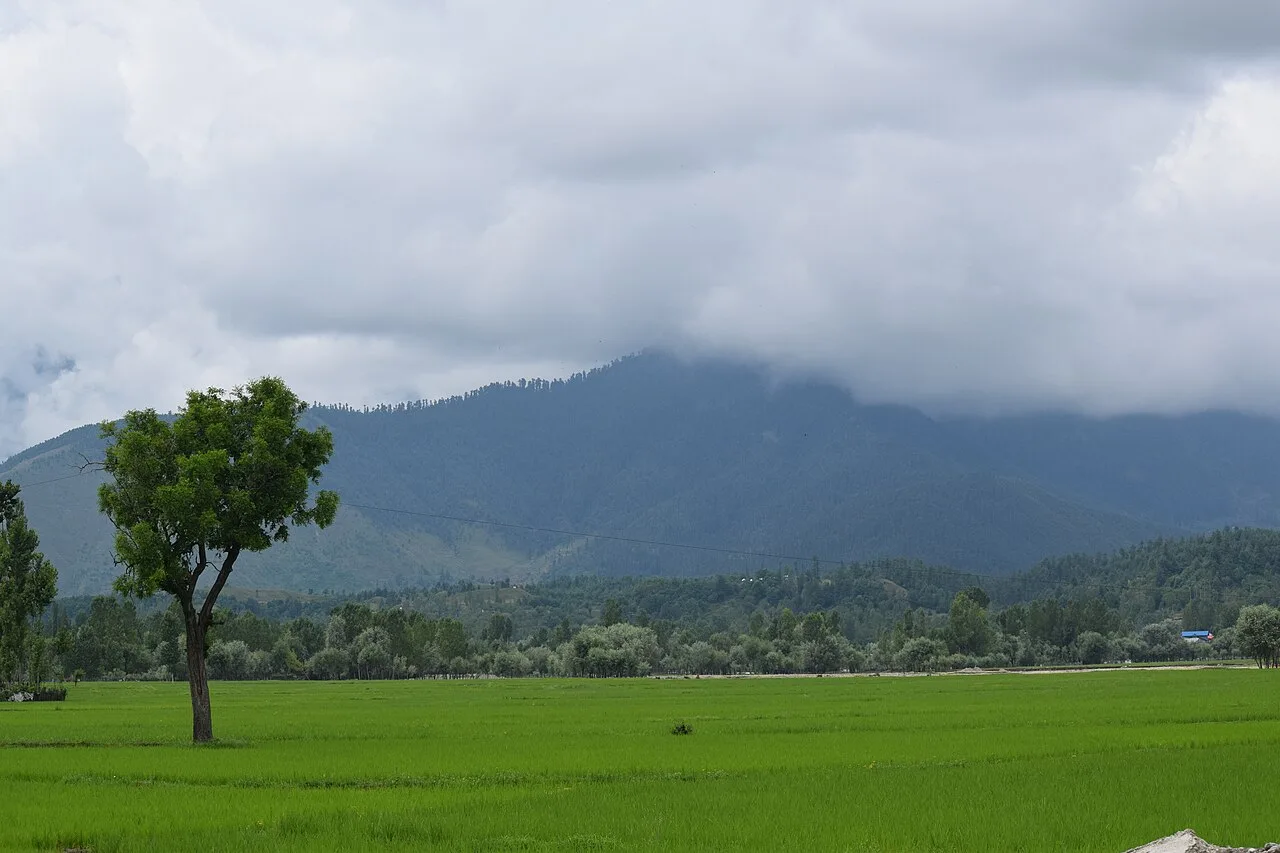
Visitors come for Lolab’s wooded slopes, orchards, springs and open meadows, with nearby attractions including the caves of Kalaroos and the Green Meadows. The Lahwal River runs through the valley, whose settlements include Sogam, Lalpora, Darpora and Kalaroos. Apple, cherry, peach, apricot and walnut cultivation gives the wider area its reputation as a fruit-growing part of Kashmir. Forested landscapes and a quieter rural setting are the main draws; Sogam is better understood as a gateway and service town than as a large, purpose-built tourist destination.
Famous for: crafts, trade & products

Sogam and the surrounding Lolab Valley are chiefly associated with horticulture rather than a widely recognised textile, handicraft or industrial trade. Apple, cherry, peach, apricot and walnut orchards are common across the valley. Local shops and produce sellers in Sogam are practical places to ask about fruit in season; availability varies through the year, and orchard produce is generally easier to find during harvest periods. The valley’s fruit-growing reputation is sometimes summed up by the phrase “fruit bowl of Jammu and Kashmir.”

There is no prominent, well-established craft district or major visitor market identified with Sogam. Everyday shopping is centred on local businesses serving residents and nearby villages, so visitors should not expect a specialised souvenir bazaar. The town’s other important institutions are administrative and educational: government offices serve the sub-district, while Government Degree College Sogam and the government higher secondary schools for boys and girls support local education. For visitors, the most distinctive local “products” are the orchard landscape and seasonal produce; ask locally about current availability rather than assuming a particular item or shop.

History

Sogam’s growth is closely connected to the rural settlements of the Lolab Valley and its position as a service centre. The Lahwal River and the valley’s cultivated land, springs and forests have shaped local life, while villages such as Lalpora, Darpora and Kalaroos form part of the wider area linked to Sogam. Its present importance is primarily administrative: government services and educational institutions draw people from surrounding communities.

The area’s wider political history follows that of Kashmir. During Dogra rule, from 1846 to 1947, it formed part of the princely state of Jammu and Kashmir. Administrative arrangements changed after 1947, and Kupwara later became the district centre for this part of the region. In recent decades, Sogam’s sub-district role has helped consolidate its position as a local hub. There is little basis for presenting it as a former royal capital or colonial-era town; its identity is better understood through the valley’s villages, agriculture and public administration.

Food, festivals & culture

Daily life in Sogam reflects Kashmiri valley culture and the rhythms of a rural, orchard-growing region. Kashmiri is widely spoken, with Urdu used in education and public life; other languages may also be heard among residents and visitors. Meals across the region commonly include rice, haakh (leafy greens), dum aloo and meat dishes such as rogan josh. Kashmiri breads, noon chai and kahwa are familiar parts of local food culture, though menus vary from home to home and shop to shop.

Eid al-Fitr and Eid al-Adha are important occasions for Muslim families, while Ramadan shapes the calendar of fasting and evening meals; their dates move each year with the lunar calendar. Mosques are central places of worship and community gathering. Kashmiri devotional and folk traditions include Sufiana music, though performances are not a guaranteed visitor attraction in Sogam. A respectful approach to worship spaces, local customs and photography is appreciated. There is no need to seek a staged cultural programme to experience the town: conversation, food and the pace of village life offer a more grounded introduction.

Visiting the city

The milder months from spring through autumn are generally the most comfortable for exploring Lolab’s orchards and outdoor scenery. Winters can be cold, and weather may affect road conditions, so check local conditions before travelling. Srinagar International Airport is the nearest major airport. Sopore railway station is a useful railhead, with the onward journey made by road. Sogam is about 17 km from Kupwara town; taxis and shared road transport can help with local connections, though services may be limited compared with larger centres.

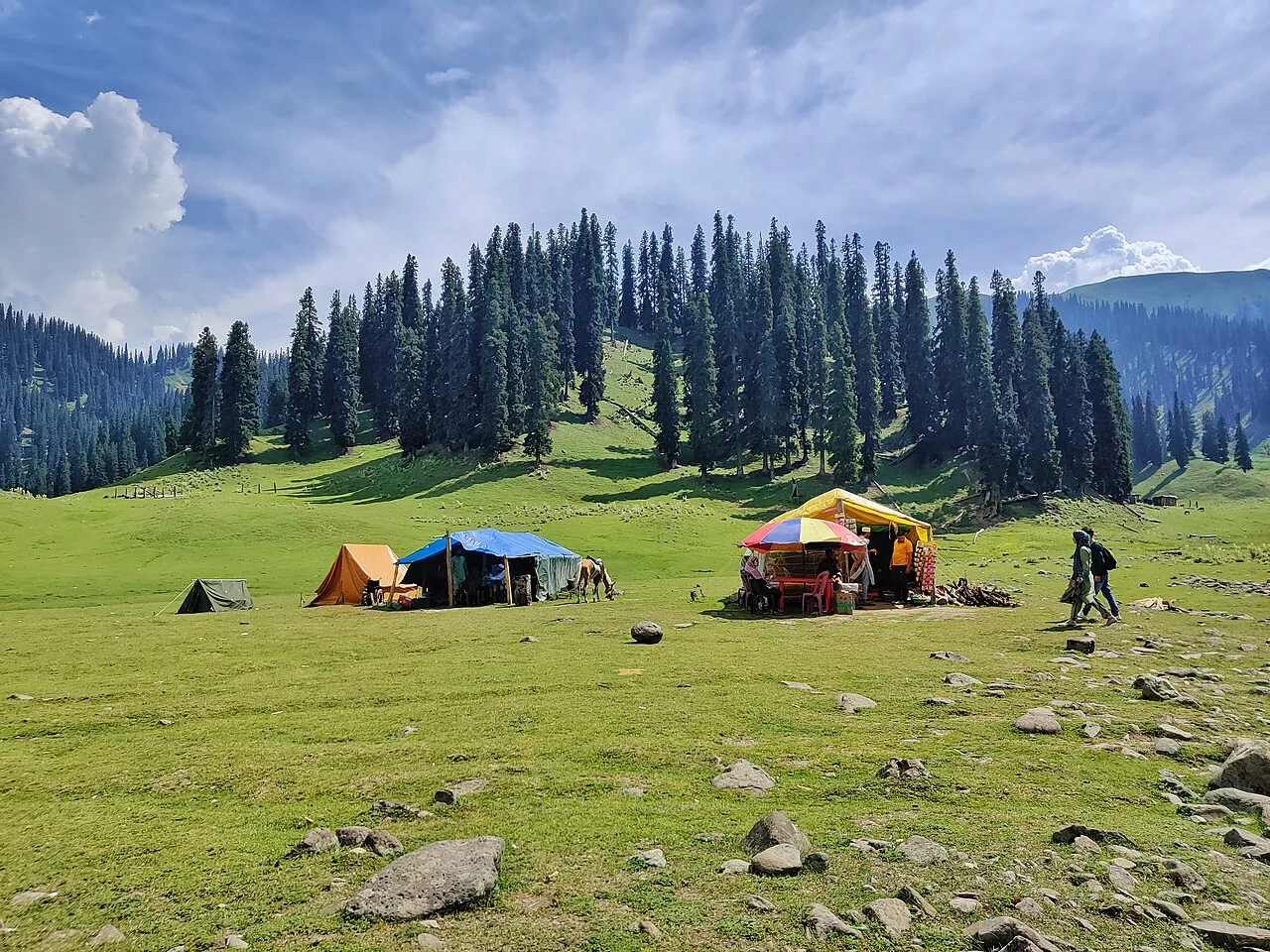
Use Sogam as a base for the town centre and nearby villages such as Lalpora, Darpora and Kalaroos, including visits to the caves and meadow landscapes where access permits. Ask locally about road conditions and any travel restrictions before heading farther into the valley. Carry essentials and plan return transport in advance, especially for rural stops.

Trips from the city

Nearest places to visit from Sogam

Our closest destination guides, by straight-line distance.

Lolab Valley

3 km away · Kupwara district

Lolab Valley

Lolab is a Himalayan valley in Kupwara district, valued for its green fields, forests and scenic landscape. Visitors come to enjoy nature and seek tranquillity.

Wular Lake

22 km away · Bandipora district

Wular Lake

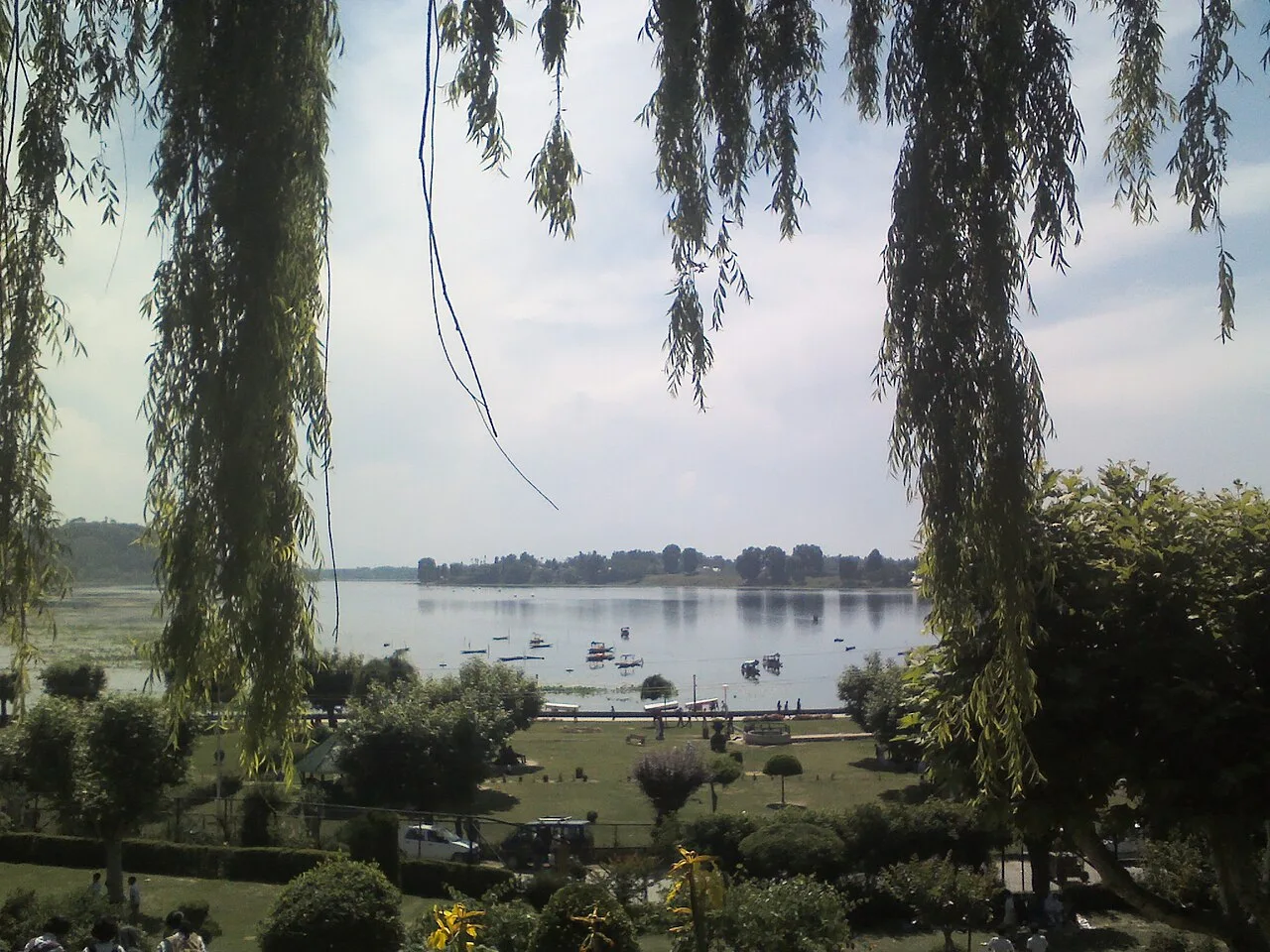
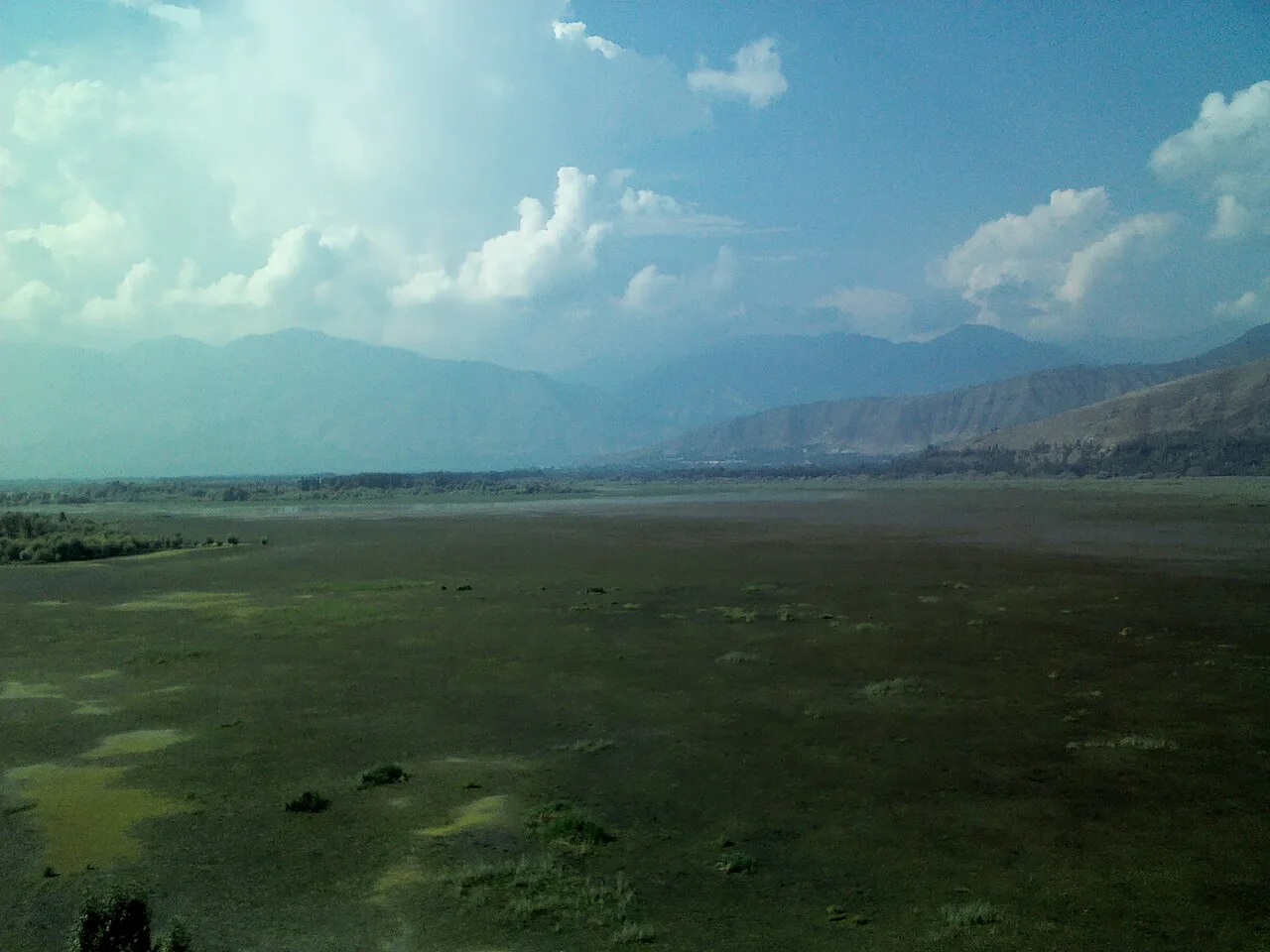
Wular Lake, called Wolar in Kashmiri, is a major freshwater lake in Bandipora district, Jammu and Kashmir. People visit to view its waters and seasonally shifting extent.

Bangus Valley

32 km away · Kupwara district

Bangus Valley

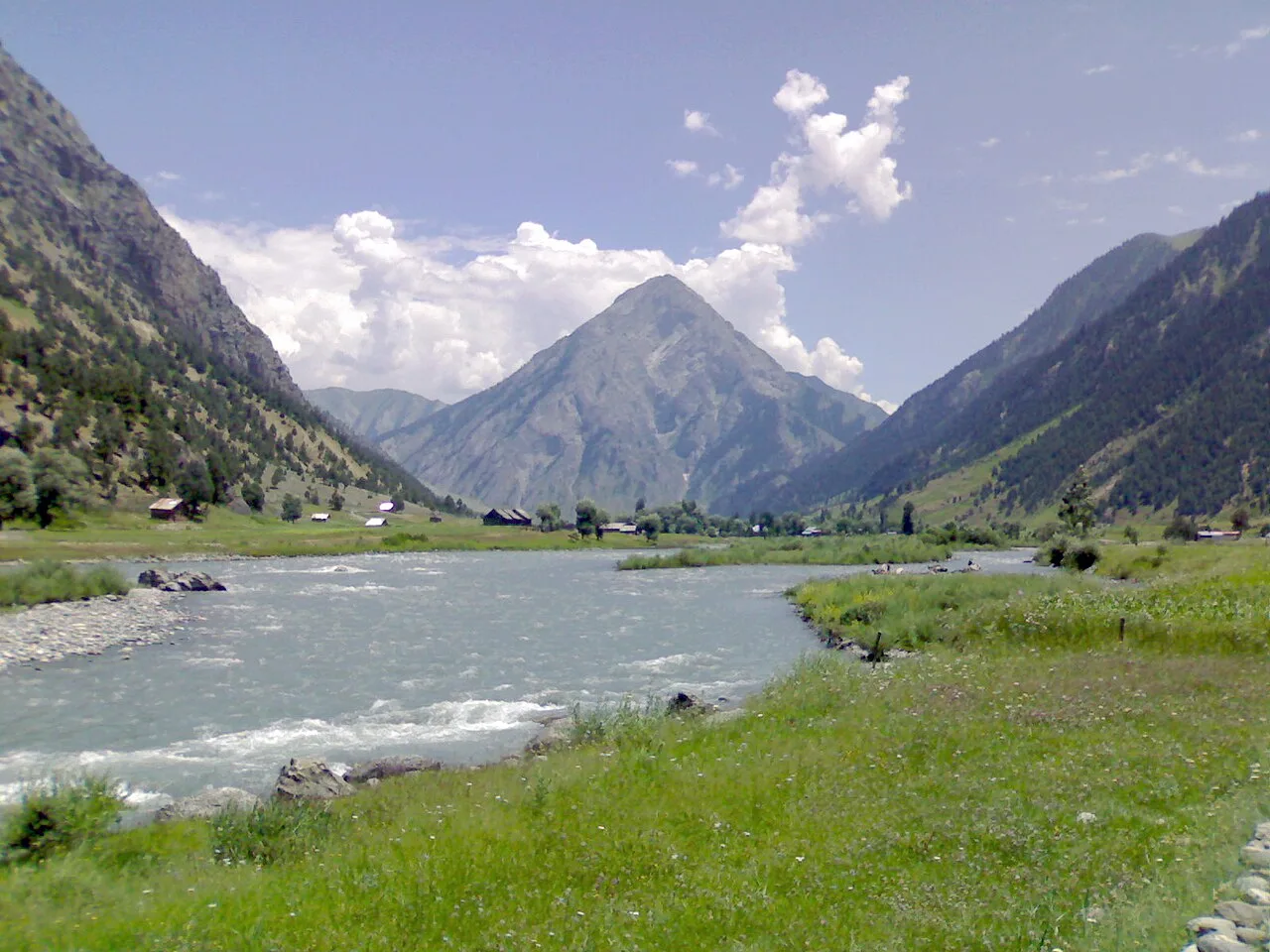
Also known as Bungus Valley, Bangus is a valley in Kupwara district, Jammu and Kashmir. Visitors come for its mountain scenery, woodland and clear streams.

Manasbal Lake

38 km away · Ganderbal district

Manasbal Lake

Manasbal Lake is a freshwater lake in Safapora, Ganderbal district, recognised as Kashmir’s deepest. Visitors come for its lotus flowers, the Mughal garden Jaroka Bagh and birdwatching.

Gurez

44 km away · Bandipora district

Gurez

Gurez is a tehsil in Jammu and Kashmir, centred on a high-Himalayan valley. Visitors come for its mountain scenery, the Neelum River and the Shina culture of its communities.

Kheer Bhawani Temple

45 km away · Ganderbal district

Kheer Bhawani Temple

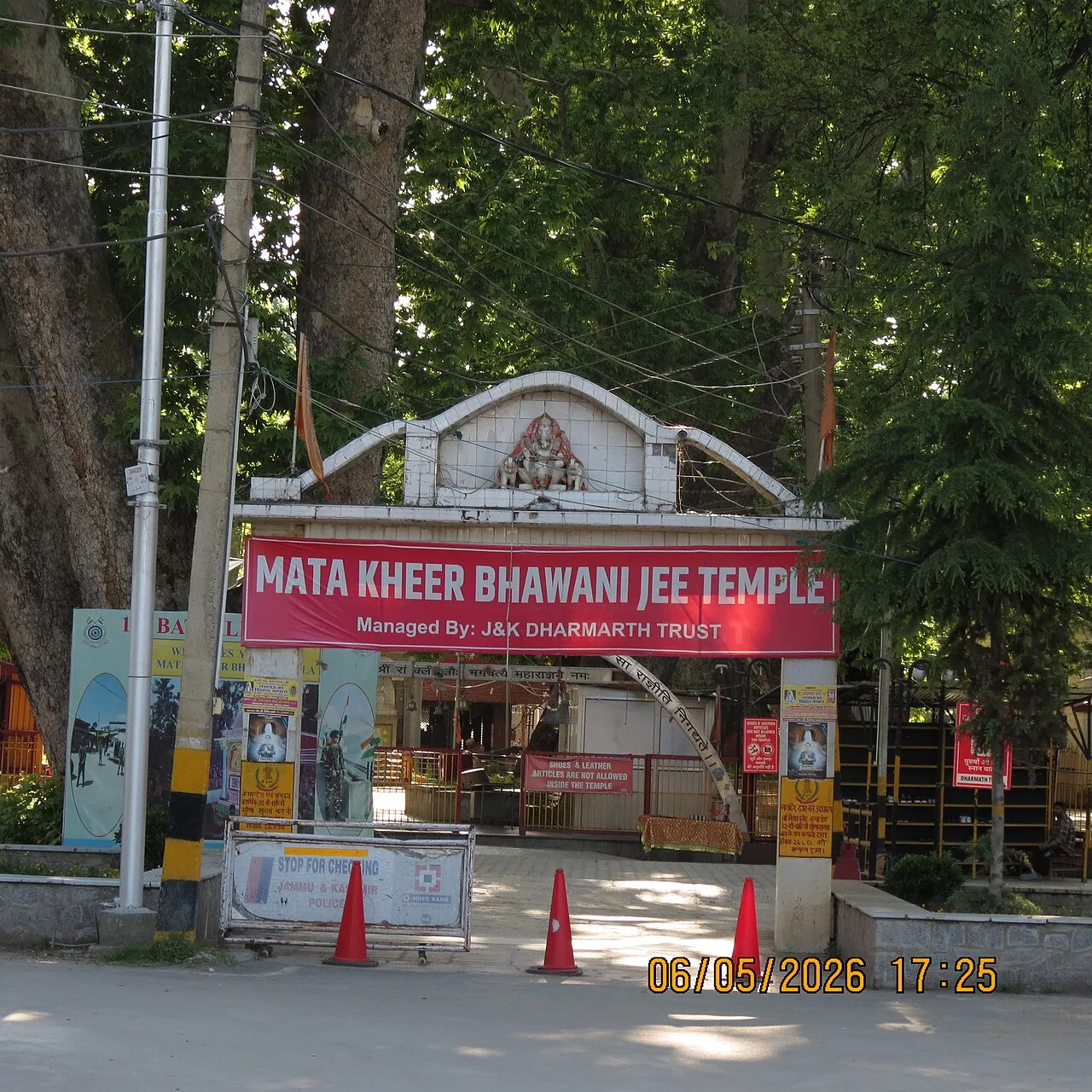
Kheer Bhawani Temple is a Hindu shrine in Tulmulla, revered for its goddess and sacred spring. Visitors come to worship and to attend the annual fair held in her honour.

Tangmarg

49 km away · Baramulla district

Tangmarg

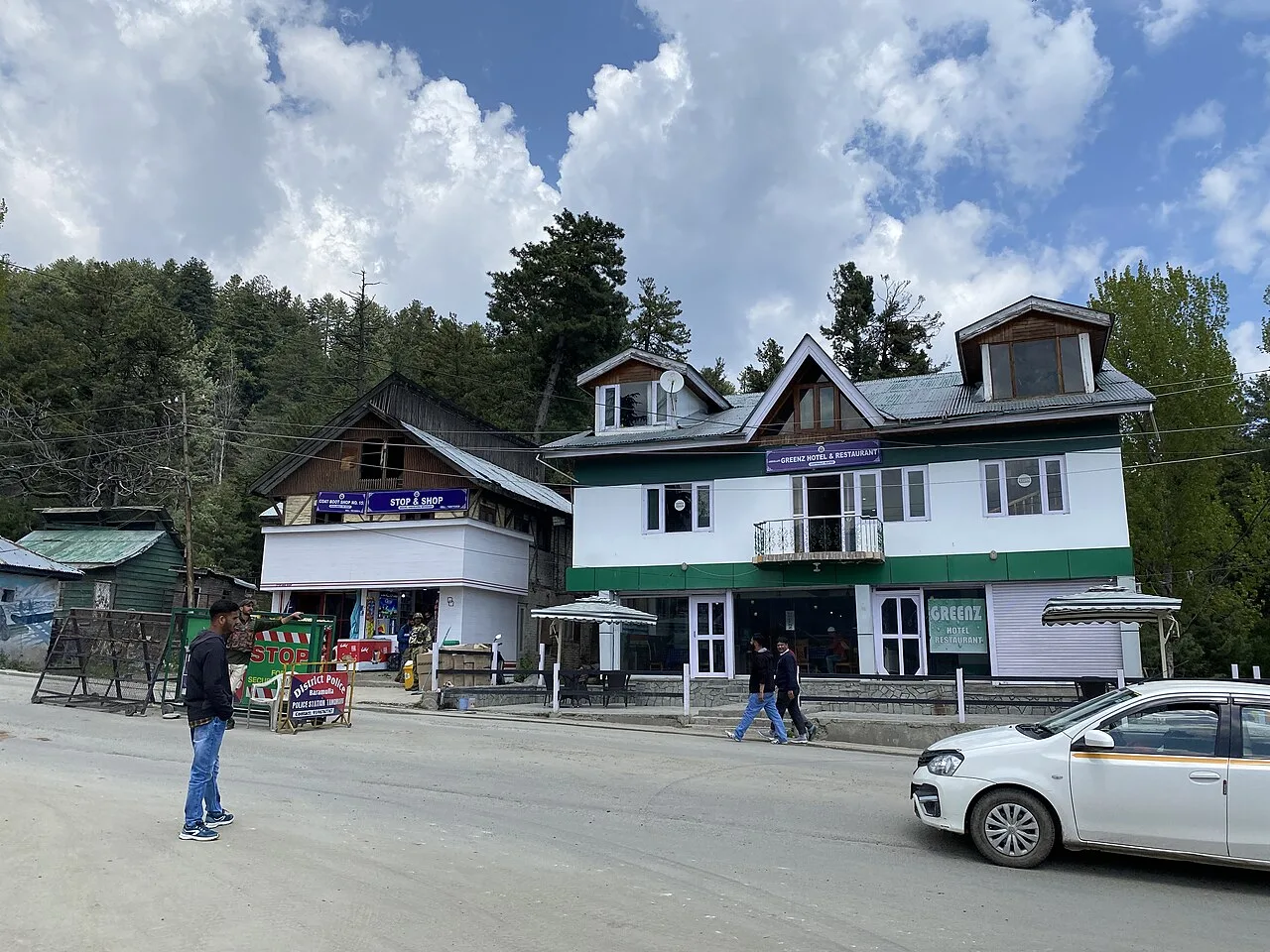
Tangmarg is a town and tehsil in Baramulla district, Jammu and Kashmir, serving nearby villages and providing access to Gulmarg. Visitors come for Drung waterfall, other local sights and trout fish.

Gangabal Lake

50 km away · Ganderbal district

Gangabal Lake

Gangabal is a high-altitude glacial lake in Jammu and Kashmir. Visitors come for its Hindu significance, including pilgrimage and Kashmiri Hindu rites honouring ancestors and the dead.

Map

Sogam on the map

  1. 1Lolab Valley
  2. 2Wular Lake
  3. 3Bangus Valley
  4. 4Manasbal Lake
  5. 5Gurez
  6. 6Kheer Bhawani Temple
  7. 7Tangmarg
  8. 8Gangabal Lake

Jammu and Kashmir

Other cities to explore