
District · Punjab
Bathinda
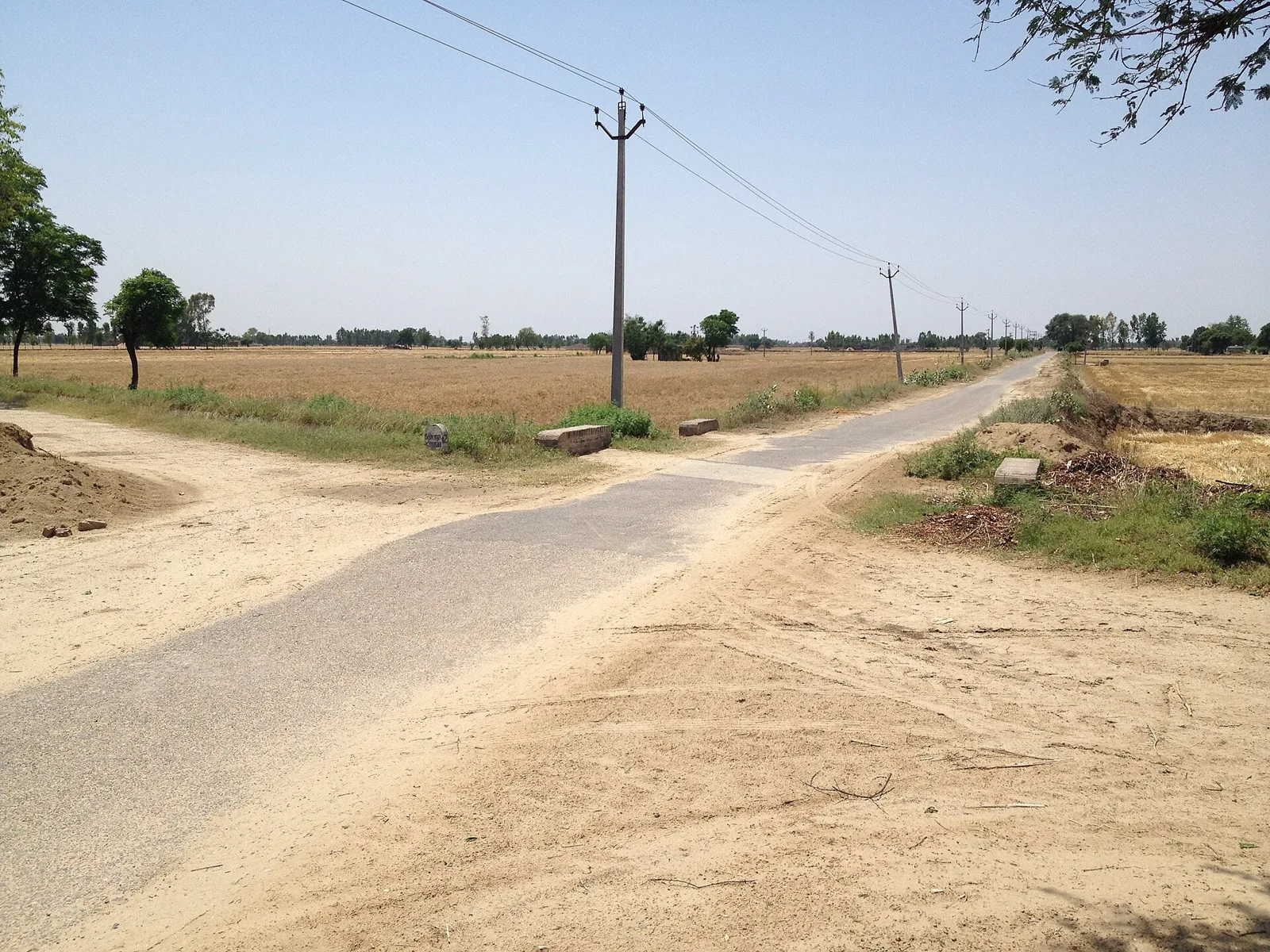
Bathinda lies in south-western Punjab, within the state’s broad agricultural plains and close to the Malwa region.
Bathinda district lies in the Malwa region of southwestern Punjab, where broad agricultural plains shape much of the landscape and daily life. Wheat and cotton are among the crops grown here, with irrigation supporting farming in this relatively dry part of the state. The city of Bathinda is the district’s main urban centre and a historic transport and market hub. Its best-known landmarks include Qila Mubarak, a fort in the city, and Takht Sri Damdama Sahib at Talwandi Sabo, one of Sikhism’s five takhts. Together, these places reflect the area’s layered history and strong Sikh heritage. The district combines busy towns, rural communities and a distinctly Punjabi agricultural character.
Bathinda lies in south-western Punjab, within the state’s broad agricultural plains and close to the Malwa region. Travellers come for a combination of Sikh religious heritage and historic urban sites: Takht Sri Damdama Sahib at Talwandi Sabo is one of Sikhism’s five Takhts, while Qila Mubarak stands in the city of Bathinda. The district also offers a look at a major regional city and the rural landscape around it. It is best known for these religious and historical landmarks, rather than for hill scenery or a large natural wilderness. Bathinda works well as a short cultural visit or as part of a wider Punjab itinerary.
Bathinda’s history reflects its position on routes across the north-western plains. The early history of Qila Mubarak is described differently in various accounts, and claims about its precise foundation are not consistent. The fort was important in the medieval period; historical accounts associate it with the confinement of Sultan Razia after her overthrow in 1240. The town and surrounding region subsequently experienced the influence of successive north Indian powers, including the Delhi Sultanate and the Mughals, while local chiefs and Sikh powers also shaped the area. Talwandi Sabo gained particular importance in Sikh history. Sikh tradition associates Guru Gobind Singh’s stay there in the early eighteenth century with the town’s development as a centre of learning and worship; Damdama Sahib is now one of the five Sikh Takhts. In the colonial era, the region formed part of the Punjab under British rule, with princely-state boundaries also affecting administration in the wider area. After independence, Bathinda became part of the Patiala and East Punjab States Union, formed in 1948, and later of Punjab. The state’s 1966 reorganisation altered Punjab’s boundaries; district administration has since been reorganised over time.
3 destination guides
Bathinda
Bathinda is a city in Punjab’s Malwa region and the administrative centre of its district. Visitors can explore the historic Qila Mubarak fort, and the city also has a zoo and major educational institutions.
Qila Mubarak
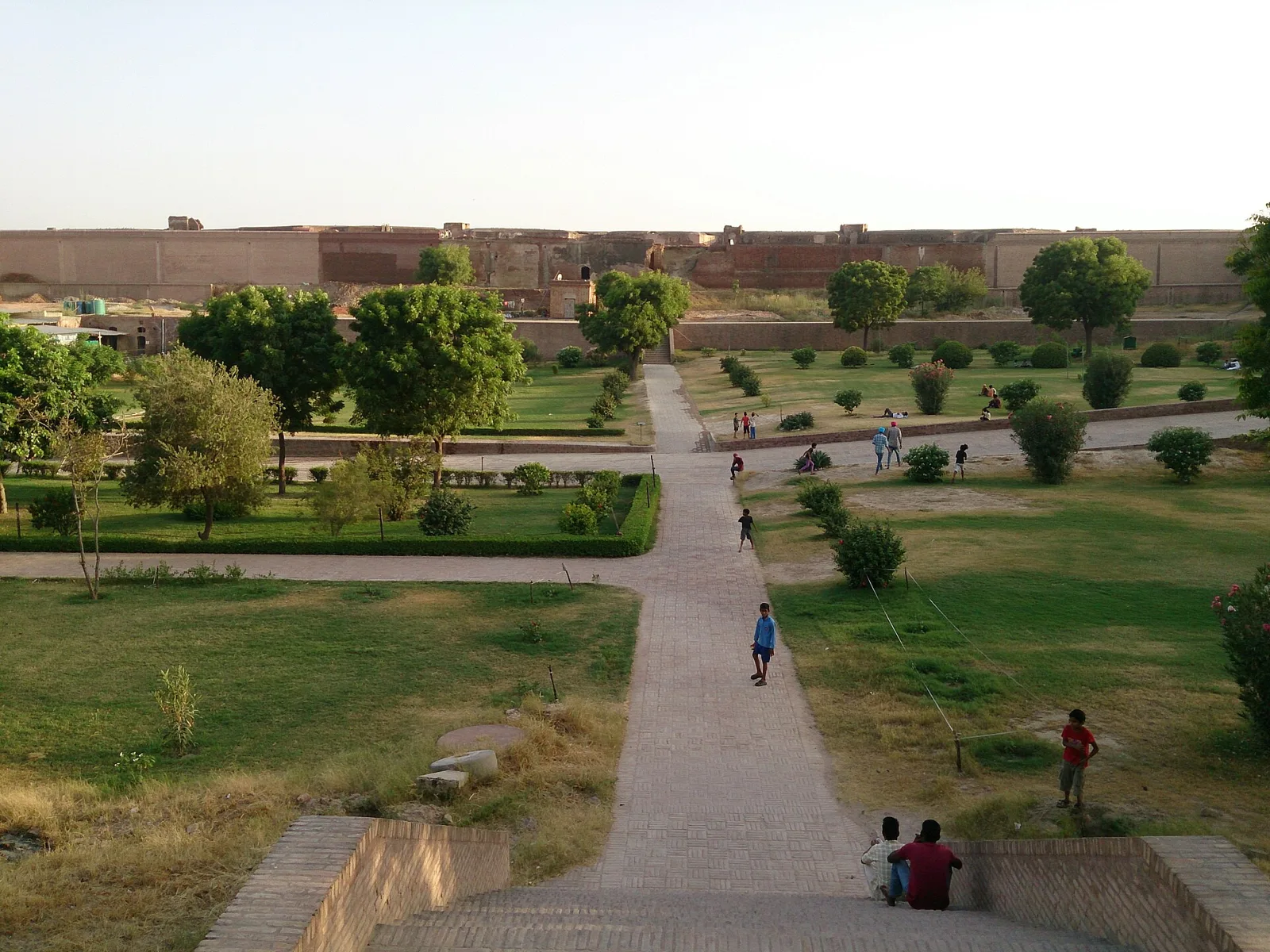
Qila Mubarak is a historic fortress in Bathinda, known for its long past and its association with Razia Sultan. Visitors can see its lawns and gurdwaras, while much of the fort is closed to the public.
Takht Sri Damdama Sahib
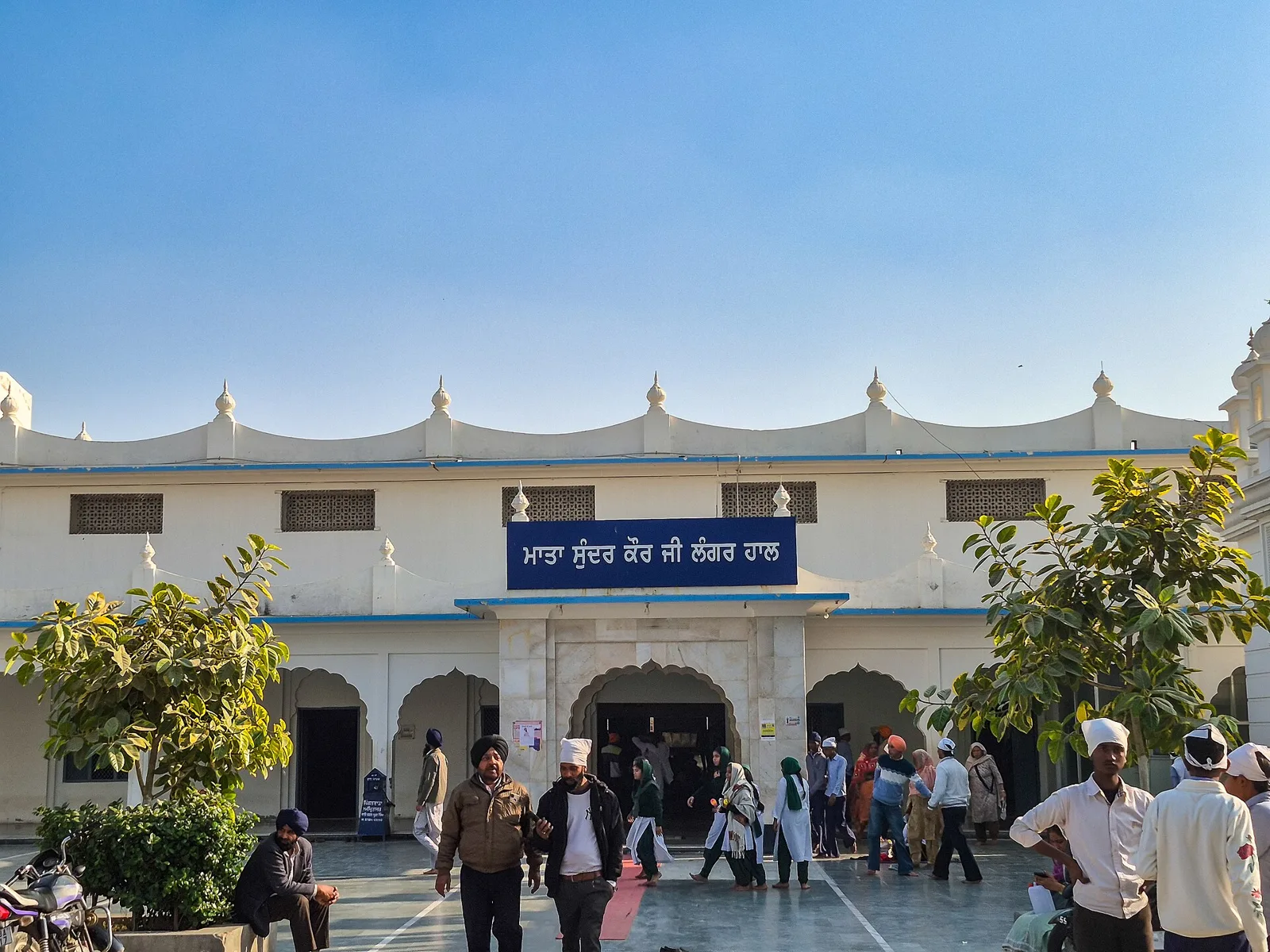
Takht Sri Damdama Sahib is a Sikh centre of temporal authority in Talwandi Sabo, visited for its connection with Guru Gobind Singh’s preparation of Sri Guru Granth Sahib.
Bathinda’s food reflects the wider cooking traditions of Punjab and the Malwa region. Sarson da saag with makki di roti, tandoori dishes, chole bhature and lassi are familiar choices; sweets such as pinni and jalebi are also enjoyed across the state. Menus vary by season and by establishment, so asking what has been prepared fresh that day can be useful. Vegetarian food is widely available, and gurdwaras serve langar, a free vegetarian meal open to all visitors. Towns also have dhabas and other eateries, including places serving non-vegetarian dishes. Carry water and snacks when travelling beyond the main towns.
Phulkari, the embroidered textile tradition of Punjab, is the region’s best-known craft, while woven furnishings such as durries are also associated with Punjabi homes and workshops. These traditions belong to the wider state and should not be assumed to be exclusive to Bathinda district. In local markets, visitors may find embroidered textiles, woven goods and other Punjabi handicrafts, though selection and provenance vary. Ask sellers where an item was made if its origin matters, and distinguish handmade work from factory-produced souvenirs. Craft availability can be greater in larger towns and at seasonal fairs than in smaller villages.
Vaisakhi, usually celebrated in April, is especially significant at Takht Sri Damdama Sahib, where religious observances and gatherings can draw large numbers of visitors. Gurpurabs are observed at gurdwaras across the district, and Diwali and Lohri are also celebrated in towns and villages. The wider Malwa region has seasonal fairs and religious gatherings, though their scale and dates vary by locality. On major Sikh observances, expect busier roads and fuller accommodation around Talwandi Sabo and Bathinda. Travellers visiting during festival periods should arrange a room in advance and allow extra time for local movement.
In this district
Elsewhere in Punjab
- Hola Mohalla23 Mar 2027 – 25 Mar 2027 · Provisional
- Lohri & Maghi MelaDates to be announced · Seasonal
- Gurpurabs at the Golden Temple24 Nov 2026 · Provisional
- Shaheedi Jor MelaDates to be announced · Seasonal
- TeeyanDates to be announced · Seasonal
- Kila Raipur Sports FestivalDates to be announced · Seasonal
Bathinda is largely level, open country in Punjab’s south-western plains. There are no hills or coastline, and extensive farming shapes much of the view. Irrigation canals and agricultural fields are prominent features in parts of the district; the landscape is generally dry beyond cultivated areas. The terrain makes road travel between Bathinda city and Talwandi Sabo straightforward, but exposed stretches can feel harsh in summer and dusty or foggy conditions may affect visibility in other seasons. There are no major wilderness areas among the listed destinations, so the district is primarily a cultural and agricultural visit.
Bathinda has hot, often dry summers, a monsoon season that brings periods of rain, and cool winters. Summer heat can make outdoor sightseeing tiring, especially around exposed sites; carry water, sun protection and light clothing. Monsoon showers may interrupt road journeys, so check local conditions before setting out. Winter is generally the most comfortable season for exploring, although mornings can be cold and fog may reduce visibility on roads. October to March is usually a practical period to visit. Pack layers for winter, sun protection for daytime outings, and a light rain layer during the monsoon season.
Bathinda Junction is the district’s principal railway station, with rail connections that can involve changing at larger hubs such as Delhi, Chandigarh or Amritsar. Bathinda Airport is nearby, but scheduled commercial services may be limited or change; Chandigarh and Amritsar are useful larger air hubs to consider. Roads connect Bathinda with other Punjab cities and towns, and Punjab Roadways, PEPSU Road Transport (PRTC) and private coaches serve the region. Within the district, local buses, auto-rickshaws and taxis can help with shorter journeys; arrange transport ahead for rural sites. Check current services locally before travelling.
Bathinda city is the main transport hub, with road links to Talwandi Sabo and other towns in the district. Local buses serve many routes, though services and convenience can vary; shared vehicles may be available on busier corridors. In Bathinda city, auto-rickshaws and taxis are useful for short trips, while a hired car or taxi offers more flexibility for visiting Qila Mubarak and Takht Sri Damdama Sahib in one outing. Confirm the return arrangements before travelling to smaller towns. There are no boat journeys relevant to these destinations. Allow extra time during festivals, winter fog and heavy rain.
2 days: Bathinda → Qila Mubarak → Takht Sri Damdama Sahib; sleep in Bathinda. 3 days: Bathinda → Qila Mubarak → Takht Sri Damdama Sahib → Bathinda; sleep in Bathinda on both nights, leaving a relaxed day for the city and its surroundings.
Bathinda city is the most practical base for both listed landmarks, with a broader choice of hotels and other conventional accommodation. It suits visitors who want local services and road connections while making a visit to Takht Sri Damdama Sahib. Talwandi Sabo can be convenient for travellers prioritising the Takht; accommodation there may be simpler and more limited. Dharamshalas or other religious lodging may be available near places of worship, subject to their own arrangements. Homestays and government lodges should not be assumed to be available; check locally and book ahead during major religious gatherings.
Plan outdoor visits around the weather: summer heat can cause dehydration, while winter fog can make roads harder to navigate. Use drinking water that is sealed or otherwise treated, and take sun protection on exposed routes. Roads between the main city and towns are generally the practical way to travel, but conditions can vary; drive cautiously and allow for agricultural traffic, rain or poor visibility. Keep belongings secure in crowded festival settings and follow the guidance of gurdwara staff, including customary practices at religious sites. Mobile connectivity is generally available in populated areas but may vary on rural stretches. No special permit is ordinarily required for the listed destinations; confirm officially if travel rules change.
- Sri Muktsar Sahibabout 51 km
- Sirsa · Haryanaabout 75 km
- Firozpurabout 96 km
- Hanumangarh · Rajasthanabout 103 km
- Tarn Taranabout 105 km
- Ludhianaabout 118 km
- Kapurthalaabout 136 km
- Hisar · Haryanaabout 137 km
Straight-line distance between the centres of each district's destinations; road distance is longer.
Q: How many days should I spend in Bathinda district? A: Two days can cover the city and Takht Sri Damdama Sahib; three days allow a more relaxed visit. Q: When is the best time to visit? A: October to March is generally most comfortable, though winter mornings can be foggy and cold. Q: Where is the best base? A: Bathinda city is the most practical base, with Talwandi Sabo useful for visitors focusing on the Takht. Q: How do I get to the district? A: Bathinda is connected by road and rail; from the city, continue by local bus, taxi or other road transport to the sights. Q: Is Bathinda suitable for families or elderly travellers? A: Yes, with sensible planning. Choose comfortable road transport, allow rest breaks, and take extra care in summer heat, winter fog and crowded festival periods.
This page draws on our 3 destination guides for Bathinda and is updated as our team checks it.
Be the first to share photos, stories, advice or a helpful contact for Bathinda.
Loading…