Ghumoopedia — Explore, Discover, Experience
Sign in

Harvest · Punjab

Baisakhi

Anandpur Sahib, Talwandi Sabo and Amritsar

Dates

Last verified 17 November 2026. Confirmed: announced by organisers or government. Provisional: from a published almanac, not yet announced. Seasonal: no date announced.

The complete guide

Baisakhi: everything to know before you go

Also known as
Vaisakhi; Baisakhi; Khalsa Sajna Diwas (the day of the founding of the Khalsa)
State and district
Punjab, statewide. Major gatherings at Anandpur Sahib (Rupnagar district) and Talwandi Sabo (Bathinda district)
When
13–14 April
Duration
One to three days, with larger fairs lasting several days
Faith and community
Sikh; Punjabi Hindu and farming communities
Type
Harvest festival and Sikh religious festival
Entry
Free
Best for
Nagar kirtan processions, gurdwaras, langar, Khalsa history, golden wheat fields

Overview

Baisakhi is the most important spring festival in Punjab, and it has two meanings. For farmers, it marks the time when the winter wheat turns golden and the harvest begins, so it is a day of thanksgiving and joy. For Sikhs, it is the anniversary of the founding of the Khalsa, the community of initiated Sikhs, which was established by Guru Gobind Singh at Anandpur Sahib in 1699. The day begins at dawn in the gurdwaras with hymns and prayers, and continues with large processions called nagar kirtans, in which the Guru Granth Sahib is carried through the streets, led by five Sikhs representing the Panj Pyare. Villages hold fairs with dancing, wrestling and food stalls. The biggest gatherings are at Anandpur Sahib, the birthplace of the Khalsa, and Talwandi Sabo near Bathinda, where Guru Gobind Singh spent time at Damdama Sahib. The mood is joyful but also reverent, and for many families it is the highlight of the year.
Origins and legend

Baisakhi was long an agricultural festival marking the new solar year, and it is celebrated in many parts of India under different names. Its special meaning for Sikhs comes from the events of 1699. At the time, the Sikh community was under pressure from the Mughal state and from local hill chiefs, and Guru Gobind Singh summoned a great gathering at Anandpur Sahib on Baisakhi day. According to tradition, he drew his sword in front of the crowd and asked for a volunteer who was willing to give his head. One man stepped forward, and the Guru took him into a tent. This was repeated until five had come forward. The Guru then brought them back, dressed in new clothes, and revealed that they had been tested and found true.

These five became the Panj Pyare, the beloved five: Bhai Daya Singh, Bhai Dharam Singh, Bhai Himmat Singh, Bhai Mohkam Singh and Bhai Sahib Singh. The Guru prepared amrit, the sweetened water stirred with a double-edged sword, and initiated them into the Khalsa. He then asked them to initiate him in turn, showing the equality of Guru and disciple. Initiated men took the name Singh and women the name Kaur, and the Khalsa adopted the five Ks as articles of faith: kesh (uncut hair), kangha (comb), kara (steel bracelet), kirpan (sword) and kachera (undergarment). Baisakhi is also remembered in Amritsar for the Jallianwala Bagh massacre of 13 April 1919, when British troops fired on a peaceful crowd, killing hundreds.

How it is celebrated

Baisakhi celebrations start before dawn. People bathe, often in rivers or sacred pools, put on new clothes and visit the gurdwara for the morning prayers. Many gurdwaras hold the Akhand Path, the continuous reading of the Guru Granth Sahib, which ends on Baisakhi morning. Amrit initiation ceremonies are held at several gurdwaras, in which new members are admitted to the Khalsa. Later in the day, nagar kirtans march through the streets, led by the Panj Pyare in saffron or blue robes, with devotees singing hymns, displaying martial arts and distributing sweets and water along the way. At home, families cook special meals and visit relatives. In rural areas, farmers go to fairs, where they dance bhangra, watch wrestling and buy farm tools and household goods before the wheat harvest begins.

The cultural days

The cultural side of Baisakhi is full of colour and energy. In villages and towns, fairs, known as melas, bring together people for folk dance, music and sports. Bhangra, which began as a harvest dance, is performed with great enthusiasm by groups in bright costume, and giddha is performed by women. Wrestling matches (kushti), kabaddi tournaments and tug-of-war contests draw large crowds. Stalls sell toys, bangles, clothing and sweets, and swings and rides keep children busy. Cultural organisations arrange folk music and poetry evenings, and schools hold Baisakhi programmes. In cities, there are parades, and many Punjabi communities abroad also hold Baisakhi parades. The sense of shared celebration, across religions and age groups, gives Baisakhi a warm and festive character.

The pilgrimage days

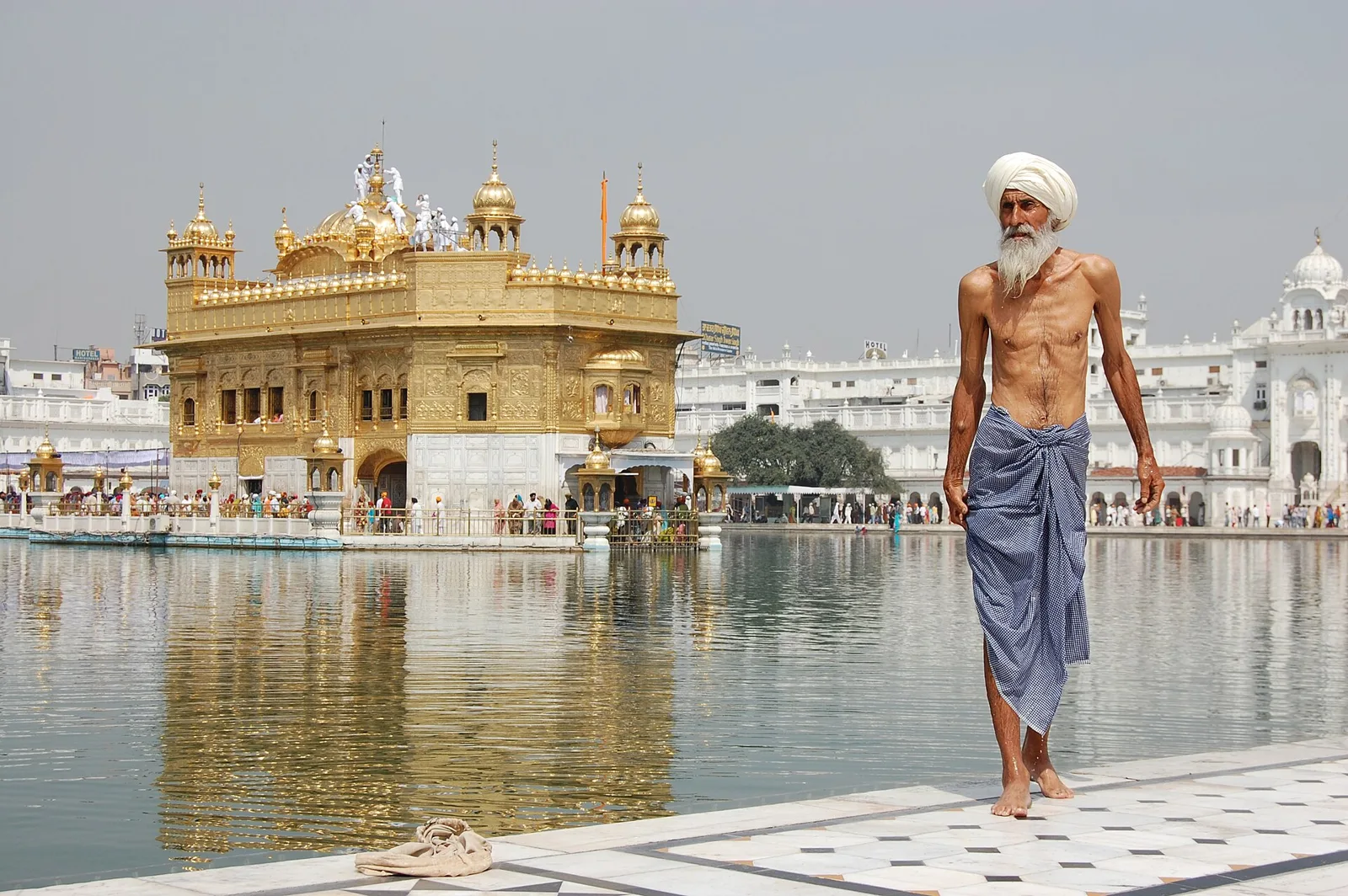
For Sikhs, the religious core of Baisakhi is the visit to the historic gurdwaras. At Anandpur Sahib, pilgrims pay respects at Takht Sri Kesgarh Sahib, one of the five Takhts (seats of Sikh religious authority), where the Khalsa was created, and at Gurdwara Sis Ganj Sahib and other shrines in the town. Thousands attend the kirtan and take part in the langar and the nagar kirtan. At Talwandi Sabo, Takht Sri Damdama Sahib is revered because Guru Gobind Singh stayed there for about nine months and, tradition says, prepared a final version of the Guru Granth Sahib. Devotees also bathe in the sarovar, offer karah prasad and listen to the Guru's hymns. In Amritsar, huge numbers visit the Golden Temple and Jallianwala Bagh to remember both the faith and the history of the day.

Food and flavours

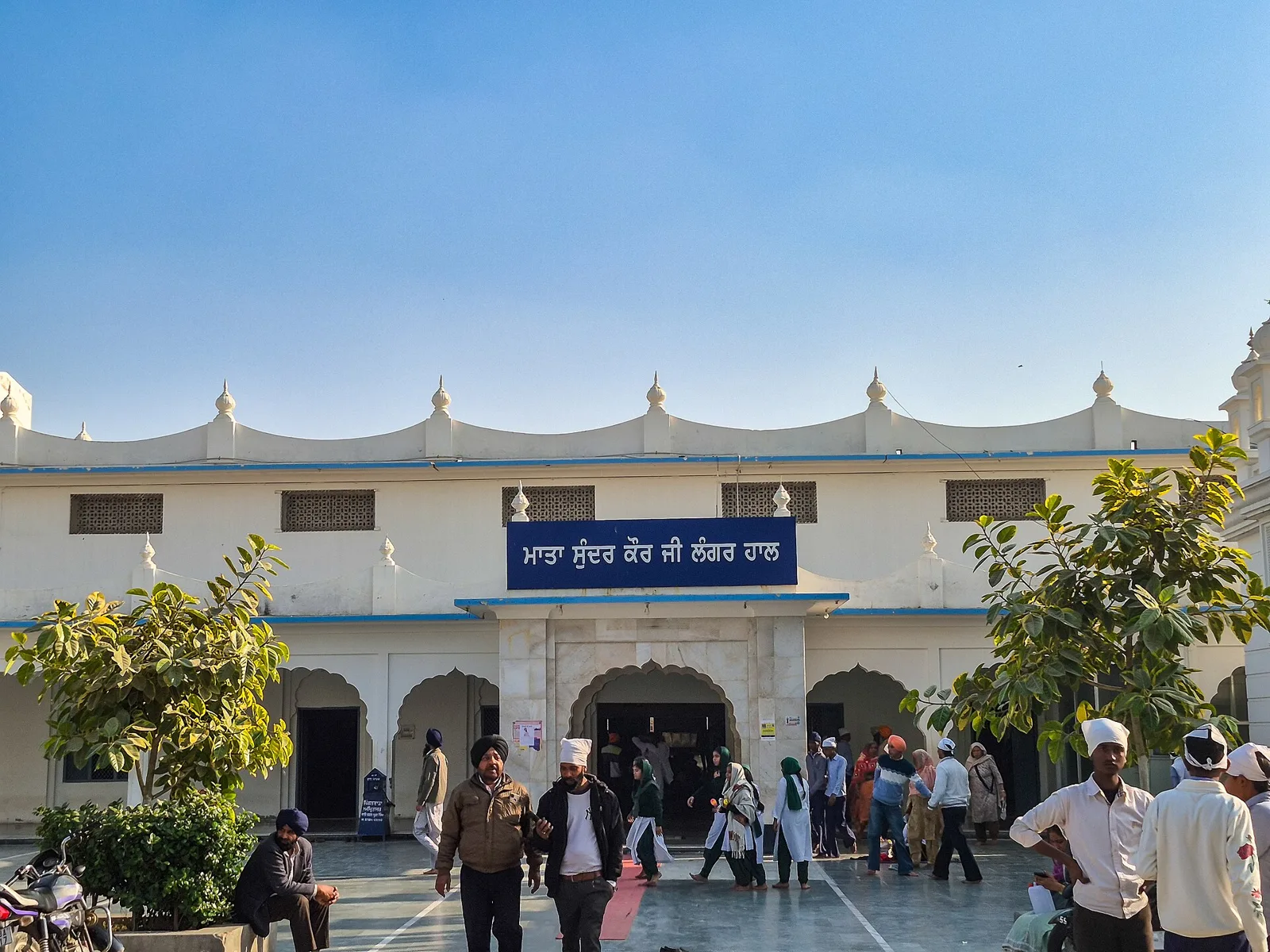
Baisakhi food is generous and festive. At gurdwaras, the langar serves simple vegetarian meals of dal, vegetables, roti and kheer to everyone, regardless of background, and karah prasad, a sweet made of wheat flour, ghee and sugar, is distributed at the end of prayers. At home, families make kada prasad, sweet rice (meethe chawal), kheer, pinni, jalebi and rich dishes such as chole with bhature, paneer and dal makhani. In rural areas, sarson da saag and makki di roti may still be on the menu, along with fresh wheat-based parathas served with white butter and pickles. Cool drinks are welcome in the April heat: lassi, shikanji and rooh afza are widely served, and many people set up free stalls of sweet milk or water along the nagar kirtan route. Fruit, especially watermelon and mangoes in some years, is also popular. As always, taking langar with humility and finishing what you take is part of the experience.

Music, dance, art and dress

The soundscape of Baisakhi moves between devotion and celebration. In the gurdwaras, ragis sing Gurbani kirtan, with harmonium, tabla and sometimes the traditional string instrument rabab, in the classical raga-based style. During the processions, bands play and groups chant Waheguru. At the fairs, the dhol drives the bhangra, and folk singers perform songs about the harvest, spring and love, while dhadi singers, who accompany themselves with a small drum and a bow instrument, sing ballads of Sikh bravery.

Dress marks the festival. Many Sikhs wear new or traditional clothes: men in white or saffron kurtas, with bright turbans, and women in salwar kameez with phulkari embroidery. The Panj Pyare in the processions wear saffron robes, and Nihang Sikhs wear blue robes, tall turbans and carry traditional weapons. Banners, flags and decorated floats add colour to the streets, and shops and homes are decorated with lights and flowers.

Where to experience it

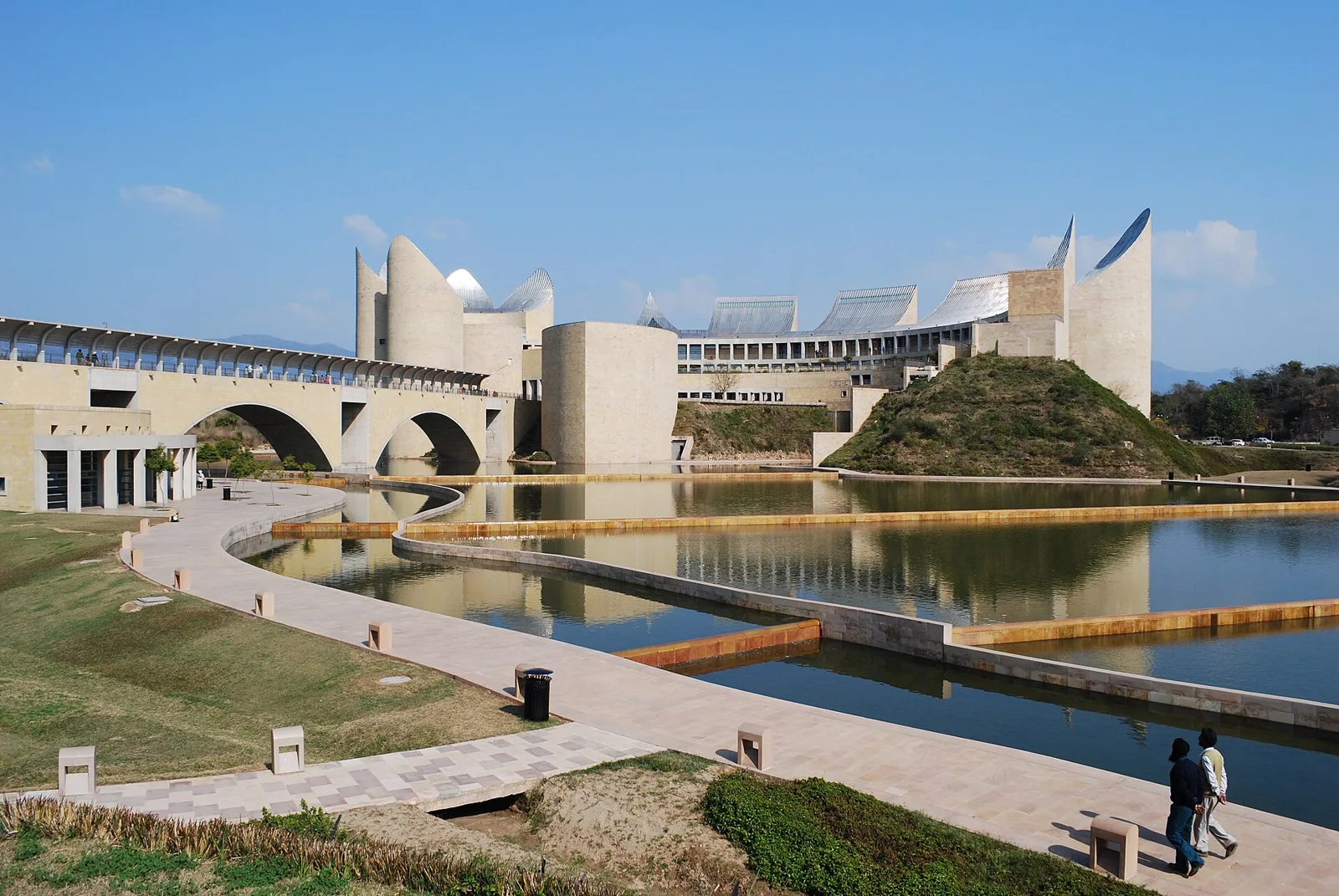
The main centre is Anandpur Sahib in Rupnagar district, where Takht Sri Kesgarh Sahib is the focal point and the nagar kirtan winds through the town. The Virasat-e-Khalsa museum, a large modern museum of Sikh history, is also in Anandpur Sahib. At Talwandi Sabo, about 30 km from Bathinda, Takht Sri Damdama Sahib holds a large Baisakhi fair. In Amritsar, the Golden Temple and Jallianwala Bagh are the major places to visit. Smaller fairs are held in many villages, and gurdwaras everywhere hold special services. For a quieter experience, visit a village gurdwara in the wheat belt, where the fields are ready for harvest and the fair is local. Cities such as Chandigarh and Ludhiana also hold processions and cultural events.

Visitor guide

  • Getting there. Anandpur Sahib is about 80 km from Chandigarh and about 45 km from Rupnagar by road. Talwandi Sabo is about 30 km from Bathinda and about 200 km from Chandigarh. The nearest airports are Chandigarh and Amritsar, and Bathinda and Rupnagar have railway connections.
  • Where to stay. Gurdwara sarais offer free or low-cost basic lodgings, and towns have hotels, but rooms fill up quickly at Baisakhi. Book well ahead, or stay in nearby cities.
  • What to wear and pack. April can be hot, so wear light, modest cotton clothes, carry a head covering, a hat and sunscreen, and bring comfortable footwear that is easy to remove.
  • Etiquette. Cover your head, remove shoes and wash your feet at gurdwaras. Avoid tobacco, alcohol and loud behaviour. Do not touch the Guru Granth Sahib or sit with your feet pointing towards it, and ask before photographing people at prayer.
  • Safety and comfort. Crowds are heavy at Anandpur Sahib and Talwandi Sabo, so stay with your group and keep valuables safe. Drink plenty of water and avoid long exposure to midday sun.

Today and tomorrow

Baisakhi is celebrated across the Sikh world and has become a prominent public festival in cities like Toronto, Vancouver, Birmingham and London. In Punjab, it remains a major occasion for both farming and faith, though falling farm incomes and changes in agriculture have affected rural fairs. The future of the festival depends on keeping the spirit of seva (selfless service) and community alive, managing crowds and litter, and passing the story of the Khalsa to younger generations.

Nearby

Places to see around the festival