Ghumoopedia — Explore, Discover, Experience
Sign in

Religious · Punjab

Gurpurabs at the Golden Temple

Sri Harmandir Sahib, Amritsar

Dates

Last verified 17 November 2026. Confirmed: announced by organisers or government. Provisional: from a published almanac, not yet announced. Seasonal: no date announced.

The complete guide

Gurpurabs at the Golden Temple: everything to know before you go

Also known as
Gurpurab (Gurpurb); Prakash Utsav (birth anniversaries of the Gurus); Shaheedi Purab (martyrdom anniversaries)
State and district
Punjab; Amritsar district (main celebrations at Sri Harmandir Sahib, the Golden Temple)
When
Several times a year. The largest are the birth anniversary of Guru Nanak on Kartik Purnima (usually November) and the birth anniversary of Guru Gobind Singh (December or January). Dates follow the Sikh calendar and change every year
Duration
Usually 2–3 days of events, including the day itself and the days before it
Faith and community
Sikh; people of all faiths join in the langar and visits
Type
Religious festival
Entry
Free
Best for
Kirtan, nagar kirtan processions, lights at the Golden Temple, langar, Sikh history

Overview

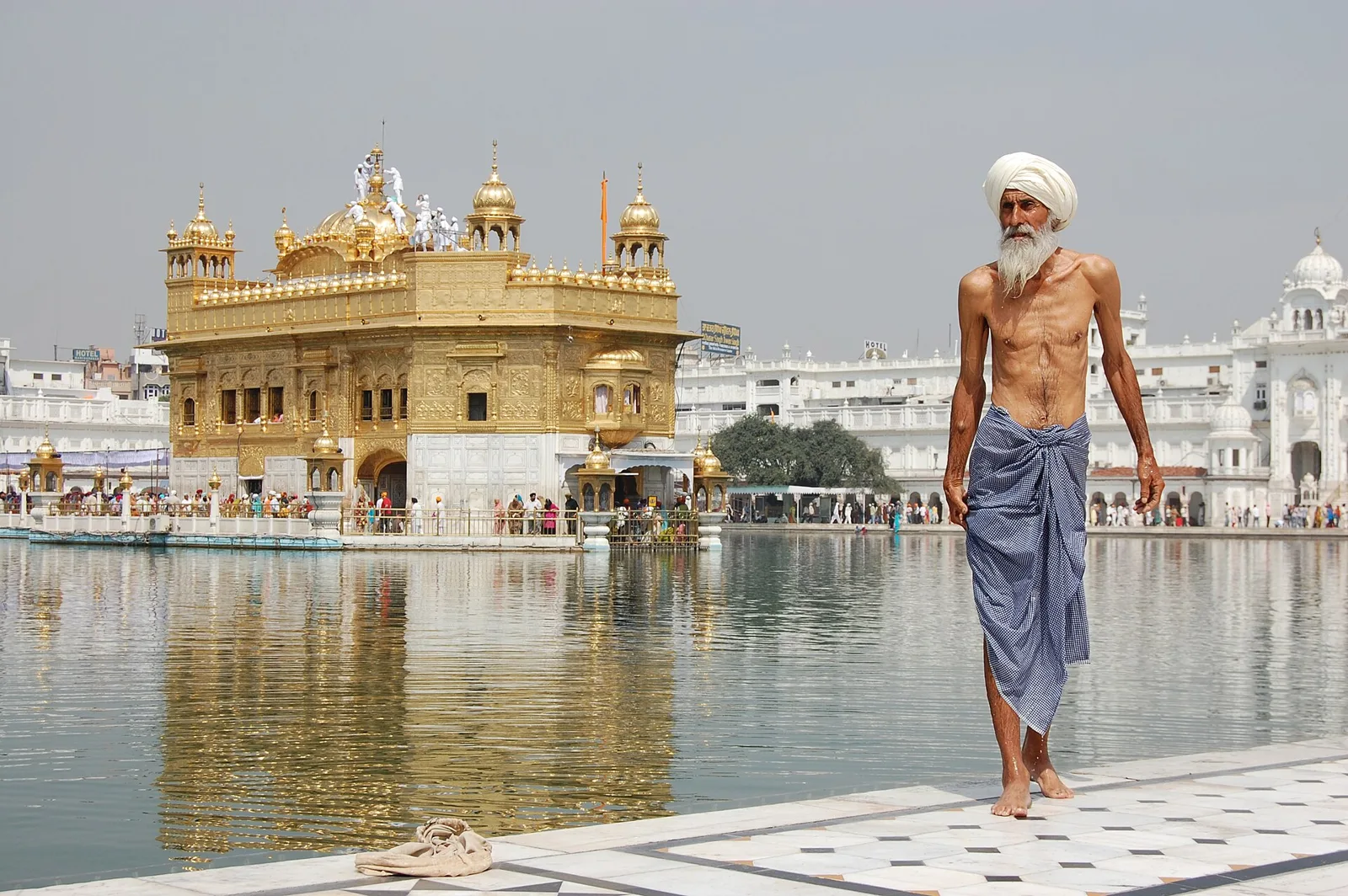
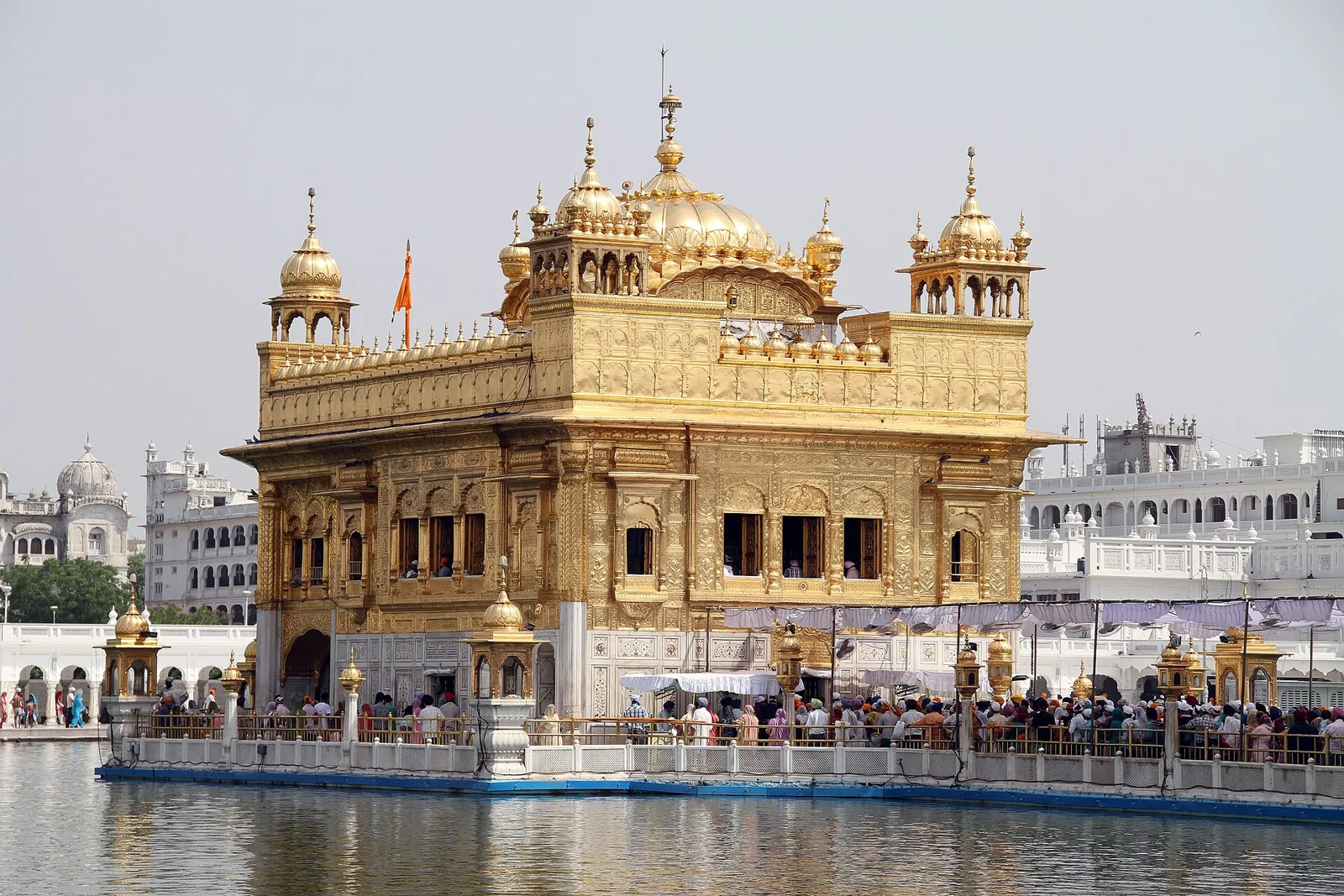
A Gurpurab is a day that commemorates a Sikh Guru, usually the birth or the martyrdom of one of the ten Gurus. The word joins Gur (Guru) and purab (festival). Of the many Gurpurabs, the birth anniversary of Guru Nanak, the founder of Sikhism, is the most widely celebrated, and the city of Amritsar is its heart. At Sri Harmandir Sahib, the Golden Temple, the days before the festival are filled with continuous hymn singing, readings from the Guru Granth Sahib and a steady stream of pilgrims. On the day itself, a large procession called a nagar kirtan carries the Guru Granth Sahib through the old city, and at night the temple is lit with thousands of lamps and lights and reflects in the pool around it. Fireworks are also part of the celebration in the evening, although their use is debated. The festival is both devotional and communal, and it reflects the Sikh values of equality, service and remembrance in everything from the hymns to the free meal served to everyone.
Origins and legend

Gurpurabs grew out of the Sikh practice of remembering the Gurus and their teachings, a tradition that began after Guru Nanak's time and was shaped by successive Gurus. Guru Nanak was born in 1469 in Talwandi, now Nankana Sahib in present-day Pakistan, and his teaching of one God, honest work, sharing with others and remembering the divine name became the basis of the faith. His birth anniversary, called Prakash Utsav (the celebration of the light), is celebrated on the full moon of the month of Kartik. A well-known account tells of a childhood moment when he was sent with money to do business and used it instead to feed hungry holy men, calling it the true bargain (sachcha sauda). This story is remembered through the practice of langar.

The Golden Temple is bound to this history. The pool around it, the Amrit Sarovar, was dug in the time of Guru Ram Das, the fourth Guru, and his successor, Guru Arjan, built the temple at its centre. Tradition says the Sufi saint Mian Mir was invited to lay its foundation, as a sign of the openness of the faith. In 1604, Guru Arjan installed the first edition of the Adi Granth, the scripture later known as the Guru Granth Sahib, in the temple. Other Gurpurabs commemorate the martyrdom of Guru Arjan and of Guru Tegh Bahadur, and the birth of Guru Gobind Singh, so the Sikh calendar is filled with remembrance. Details of the dates and events are set by the SGPC and follow the Nanakshahi calendar for some days and the lunar calendar for others.

How it is celebrated

Celebrations begin days before the Gurpurab. Gurdwaras hold continuous recitals of the Guru Granth Sahib, called Akhand Path, which end on the morning of the festival. Early on the day, in a ritual known as Amrit Vela, devotees gather before dawn for hymns and prayers. Kirtan continues through the day, and sermons recall the lessons of the Gurus. A great nagar kirtan, led by the Panj Pyare and with the Guru Granth Sahib in a decorated palanquin, moves through the streets with bands, Nihang Sikh groups and devotees chanting. Along the route, people offer water, sweets and snacks. In the evening, gurdwaras and homes are lit with lamps and electric lights, and at the Golden Temple, a special ceremony and the lighting of the complex draw huge crowds. People visit relatives, exchange greetings and give to charity.

The cultural days

The cultural side of a Gurpurab is rooted in devotion rather than entertainment. In the days before the festival, hymn-singing groups, known as jathas, tour the city, and schools and communities hold programmes of Gurbani singing, speeches and poetry recitals on the lives of the Gurus. Children take part in singing and katha (storytelling) competitions, and youth groups put on displays of the martial art of gatka. The nagar kirtan is a cultural event too, with floats, banners, brass bands and groups performing hymns. Local residents decorate their homes and shopfronts, and neighbourhood groups set up free stalls, called chhabeel, to offer water, tea, fruit and sweets to those who walk in the procession. Even people who are not Sikh often join in the celebrations, which gives the city a warm and welcoming mood.

The pilgrimage days

The Golden Temple is the centre of the pilgrimage. Devotees queue for hours to walk around the Amrit Sarovar, enter the main shrine and listen to the continuous kirtan. In the early morning, the Guru Granth Sahib is brought in a ceremonial procession (Palki Sahib) from the Akal Takht, the seat of Sikh religious authority, to the sanctum, and in the evening it is returned in a similar procession. Pilgrims bathe in the pool, offer karah prasad and visit the other shrines of the complex, such as the Akal Takht and the Baba Atal Rai tower. On the day of the Gurpurab, the crowd is enormous, and volunteers manage the flow with great patience. Many travellers also visit the nearby Jallianwala Bagh memorial and other historic gurdwaras in the city. People often spend the day in prayer and service, believing that seva brings the deepest blessings.

Food and flavours

The central food of every Gurpurab is langar. At the Golden Temple, the community kitchen serves tens of thousands of people each day, and many more on special occasions, with simple vegetarian meals of dal, vegetables, roti, rice and kheer, cooked and served by volunteers. Everyone sits in rows on the floor and eats together, whatever their religion, caste or status. After prayers, devotees receive karah prasad, a warm sweet made of wheat flour, ghee and sugar. Beyond the gurdwara, Amritsar is famous for its food, and at festival time you will find Amritsari kulcha with chole, thick lassi served in tall steel glasses, jalebi, pinni, phirni and fried fish. Many families cook special meals and share them with neighbours. Roadside chhabeel stalls give away sweet milk, tea and snacks. Visitors are welcome to eat in the langar, and it is customary to take only what one can finish, and to wash one's plate if invited to help.

Music, dance, art and dress

Music is at the heart of every Gurpurab. Gurbani kirtan, the singing of hymns from the Guru Granth Sahib, is performed by ragis in the classical raga tradition, with harmonium, tabla and sometimes the stringed rabab associated with Bhai Mardana, Guru Nanak's companion. The hymns continue day and night at the Golden Temple, and listening to them in the early morning, with the temple reflected in the water, is a deeply moving experience. During the nagar kirtan, brass bands, drums and the dhol accompany the singing, and Nihang groups chant and display their skills.

The art of the Golden Temple is itself part of the festival: gold-plated domes, marble inlay work, painted ceilings and carved panels. Dress is modest, with head coverings required. Many Sikhs wear white or saffron, and Nihang Sikhs in the procession wear blue, with tall turbans and traditional weapons. Women often wear bright salwar kameez with scarves.

Where to experience it

The Golden Temple (Sri Harmandir Sahib) in Amritsar is the heart of the Gurpurab, and the best times to visit are the early morning prayers (Amrit Vela) and the evening, when the temple is lit. The Akal Takht, the Guru Ka Langar hall and the Amrit Sarovar are all within the complex. In the old city, the nagar kirtan routes pass through the main bazaars. Other important sites include Jallianwala Bagh, a short walk away, the Partition Museum, Gobindgarh Fort and the Durgiana Temple. The Attari–Wagah border ceremony, about 30 km from the city, is a popular evening trip. Elsewhere in Punjab, historic gurdwaras at Anandpur Sahib, Fatehgarh Sahib and Talwandi Sabo hold their own celebrations, and Gurdwara Nankana Sahib in Pakistan is visited by pilgrims when travel permits.

Visitor guide

  • Getting there. Amritsar has an international airport (Sri Guru Ram Dass Jee International Airport), about 12 km from the city centre, and a major railway station on routes from Delhi, Chandigarh and elsewhere. It is about 450 km from Delhi and about 230 km from Chandigarh by road.
  • Where to stay. Amritsar has a wide range of hotels, from budget to luxury, and the SGPC runs sarais (pilgrim lodgings) near the Golden Temple, which offer simple rooms. Book well in advance for Gurpurab dates.
  • What to wear and pack. November weather is cool and dry. Wear modest, comfortable clothes that cover shoulders and knees, bring a head scarf and socks, and carry a light jacket for evenings.
  • Etiquette. Cover your head, remove shoes and wash your feet before entering. Do not bring tobacco, alcohol or meat. Do not point your feet towards the Guru Granth Sahib, and ask before photographing people at prayer.
  • Safety and comfort. The Golden Temple is very crowded on Gurpurab, so allow extra time and go early. Keep valuables safe, and stay with your group. Pollution and winter fog can affect travel.

Today and tomorrow

Gurpurabs continue to attract millions of pilgrims and visitors from around the world, and the Golden Temple's langar has become a model of community service. New challenges include crowd management, the safe use of fireworks, air pollution in winter and the commercialisation of the city. The SGPC and volunteers work to keep the focus on prayer and service, and many younger Sikhs take part in seva, helping to cook, clean and serve. The mixing of tradition and modern communication, including live broadcasts of kirtan, has brought the festival to people everywhere.

Nearby

Places to see around the festival