
Ghumoopedia — Explore, Discover, Experience
Sign in

Cultural · Punjab

Teeyan

Villages and towns across Punjab

Dates

Last verified 17 November 2026. Confirmed: announced by organisers or government. Provisional: from a published almanac, not yet announced. Seasonal: no date announced.

The complete guide

Teeyan: everything to know before you go

Also known as
Teeyan; Teeyan da Tyohar; Sawan Teeyan; related to Teej in other states
State and district
Punjab, statewide (strongest in rural Punjab, with events in cities such as Patiala, Ludhiana, Jalandhar and Chandigarh)
When
July–August, in the monsoon month of Sawan
Duration
Traditionally from the third day of the bright half of Sawan until the full moon, up to about two weeks
Faith and community
Punjabi women of all communities; mostly Hindu and Sikh families
Type
Women's seasonal and social festival
Entry
Free; public events are open to all
Best for
Folk songs, giddha, swings, mehndi, bangles, colourful clothing, rural Punjabi life

Overview

Teeyan is Punjab's festival of women and the monsoon. When the rains arrive in the month of Sawan and the fields turn green, young women and girls gather to swing from the branches of trees, sing folk songs, dance and share sweets. It is a time of freedom and laughter, with a long tradition of daughters returning to their parents' homes to meet friends and family away from the duties of married life. Swings, called peenghan, are hung from banyan, peepal or neem trees, or from the beams of courtyards, and women sit on them in pairs, pushing higher and higher as they sing. They wear green and bright clothes, put henna on their hands and wear glass bangles. The festival has a strong sense of friendship, and today it is also celebrated at schools, colleges and clubs, with contests such as the best dress or the best song. The rainy season mood, the colours, songs and sweets, make Teeyan one of the most joyful festivals in Punjab.
Origins and legend

Teeyan belongs to the family of monsoon festivals known as Teej, which are celebrated in many parts of north India in Sawan, but the Punjabi version has a character of its own. The name is often linked to the word teej, meaning the third day of the lunar fortnight, since the festival traditionally begins on the third day of the bright half of Sawan. In many parts of India, Teej is linked to the story of Goddess Parvati, who is said to have prayed for years to marry Lord Shiva and was united with him in the rainy season. In that tradition, women pray for the long life of their husbands and for marital happiness.

In Punjab, the religious element is lighter and the social meaning is stronger. The festival is rooted in the rhythms of village life: during the rains, farm work eased for a while, and young brides were allowed to visit their parents' homes (pehar) for the season. Their families welcomed them, sent them gifts known as sindhara from the in-laws, and held gatherings under the trees. The bride's brothers and fathers brought bangles, clothes, henna and sweets. Many Punjabi folk songs describe the longing of a married woman for her mother's home and her friends, the joy of the swing, and the humour of family relationships. Teeyan thus preserves a record of women's emotional lives in rural Punjab, and it is a rare festival in which women set the tone and the songs.

How it is celebrated

Celebrations begin with the arrival of Sawan. Young women prepare by applying henna (mehndi) to their hands and feet, putting on glass bangles and dressing in green, red, yellow and other bright colours. Swings are hung in courtyards and under trees, decorated with flowers and ribbons. Women gather in groups, take turns on the swings, and sing songs as they swing, with friends pushing from behind. In many families, a daughter who is married is invited home, and her in-laws send sindhara, a gift of clothes, bangles, sweets and henna. Friends and relatives sit together, share homemade sweets, and dance giddha. Schools and clubs also hold Teeyan events, with competitions for the best song, best dress and best henna design, and some villages hold a larger fair where women meet in a common ground.

The cultural days

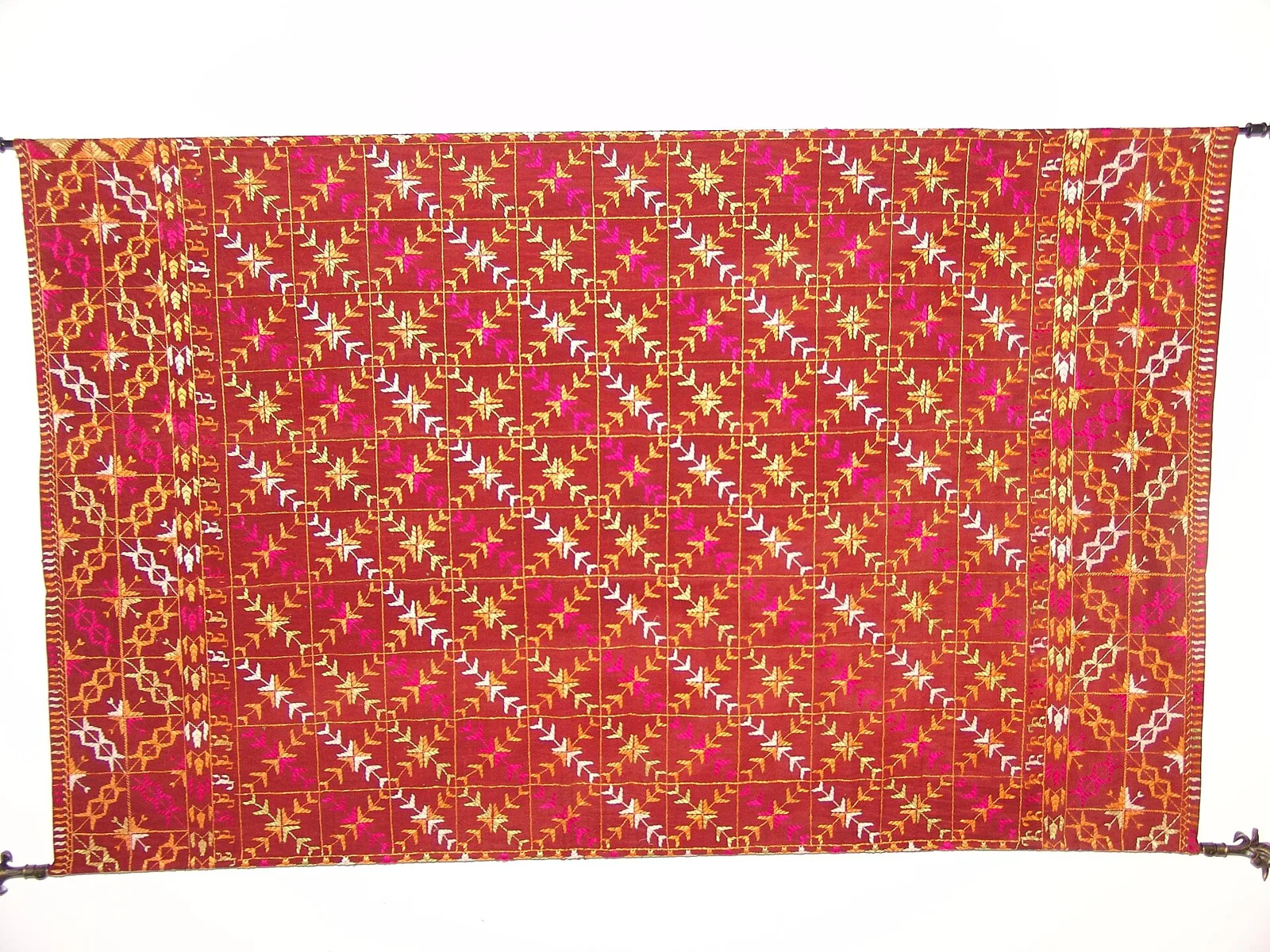
The cultural heart of Teeyan is song and dance. Women sing folk couplets called boliyan, in which they tease, joke and tell stories about family life, often in a call-and-response style, and dance giddha, with clapping and lively steps. Another traditional game is kikli, in which two girls hold hands, cross their arms and spin in a circle while singing. Women also perform sammi and other folk dances in some regions. Cultural organisations and the state government hold large Teeyan programmes, with stages, stalls selling handicrafts and bangles, and competitions that attract hundreds of women. Teeyan fairs in cities include a queen contest in some places, along with fashion shows of Punjabi dress and phulkari embroidery. The festival is also an opportunity for older women to pass on songs and stories to younger generations, which keeps Punjabi oral heritage alive.

The ritual and devotional days

Teeyan is not a pilgrimage festival, and its religious side is modest, but some devotional customs mark the season. In some families, women fast on the third day of Sawan and pray for the well-being of their husbands and families, in the tradition of Teej. Prayers may be offered to Goddess Parvati and Lord Shiva, and some women visit local temples to offer sweets and flowers. In Sikh families, women often visit the gurdwara in the morning, listen to the hymns and then join the festivities in the afternoon. Offerings are made to the elders, and mothers bless their daughters. The monsoon itself is welcomed as a blessing, and many songs thank the rain for the fields and the harvest. The days are best described as a blend of gratitude, family bonds and fun, with modest ritual and plenty of celebration.

Food and flavours

Teeyan food is sweet, rich and festive. The special dish of the season is kheer, rice cooked in milk with sugar, cardamom and dry fruit, often eaten along with malpua (sweet fried pancakes) and pua (small fried sweet breads made with wheat flour and jaggery). Gulgule, small round sweet fritters, are also popular. Families prepare sewiyan (sweet vermicelli) and meethi mathri, and pinni, the rich laddu of flour, ghee and sugar, is a favourite. Savoury items include pakoras and samosas, which are eaten as the rain falls, along with hot tea. In the countryside, the day may end with saag and makki di roti if the season allows, though more usually the meal includes rice, dal and vegetables. Mangoes are also a feature of the season. Gifts of sweets form a major part of the sindhara sent to married daughters, and sharing them with neighbours is part of the custom. Visitors are likely to be welcomed with tea and sweets.

Music, dance, art and dress

The music of Teeyan is made by women. Songs are usually sung without instruments or with a simple dholki, a small hand drum, and clapping. The boliyan of giddha are short couplets, sung by one person and answered by the group, on subjects such as love, family teasing, the monsoon and the joys and hardships of married life. The dance, giddha, is the women's equivalent of bhangra, with graceful, rhythmic movements, expressive faces and spirited clapping, and often includes acting out little scenes.

Clothing is a joyful display. Women wear salwar kameez or lehenga in green, red, yellow and orange, with a phulkari or chunni (scarf), a parandi (a braided hair ornament with tassels), jhumke (earrings), and many glass bangles. Henna designs on hands and feet are an art in themselves. Swings are hung with flowers and ribbons, and the sight of a group of women in bright clothes against green fields is the visual signature of the festival.

Where to experience it

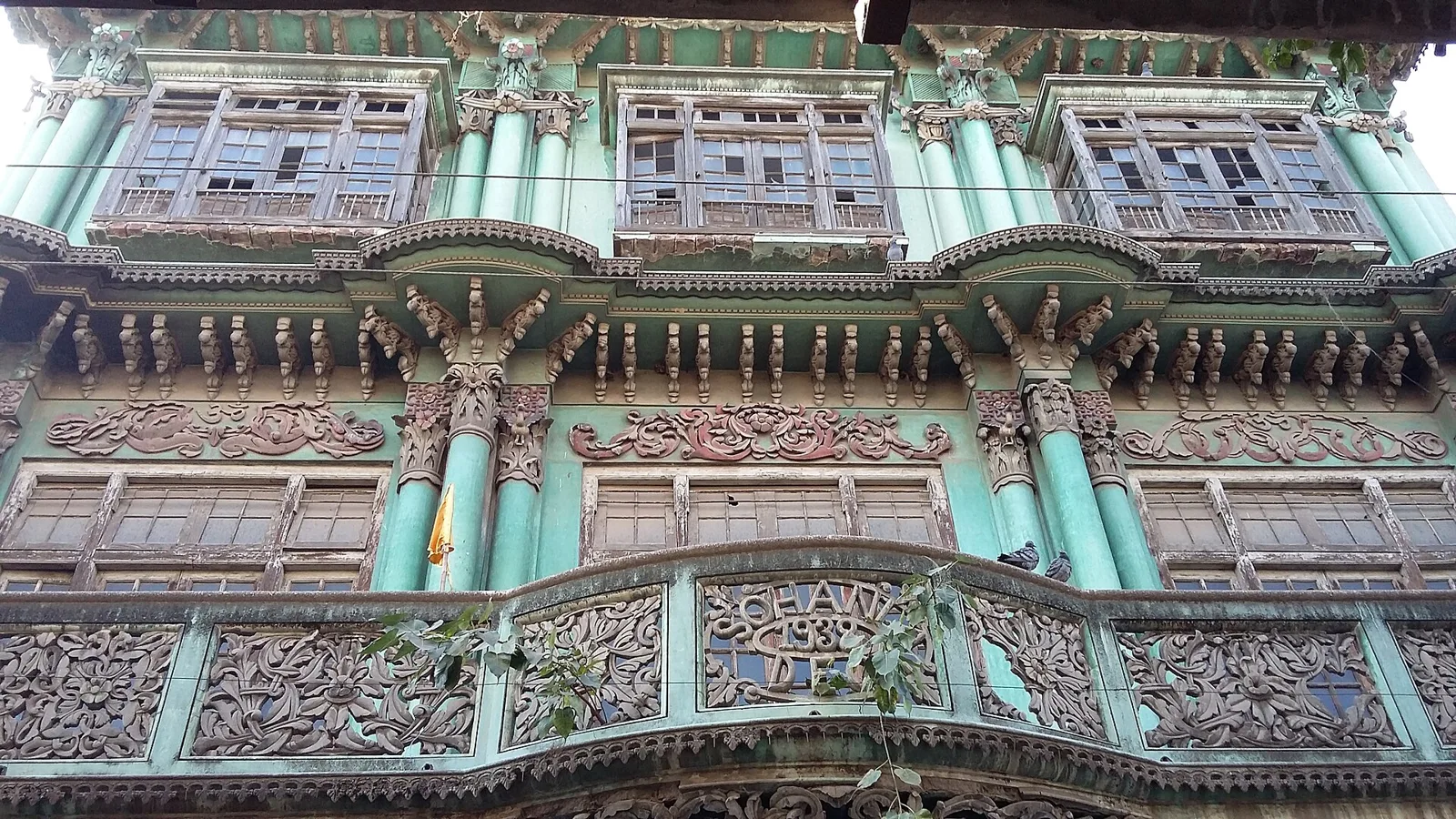
The most authentic Teeyan is in rural Punjab, in villages across Patiala, Sangrur, Bathinda, Ludhiana and Jalandhar districts, where families still hang swings in courtyards and under trees. A homestay or an invitation from a local family is the best way to see it. In cities, Teeyan fairs are organised by cultural groups, clubs and the state government, often in public parks or auditoriums, and these are open to visitors. Chandigarh, Patiala and Ludhiana usually host large events, with stalls selling bangles, clothes, henna and sweets, and stage performances of giddha and folk songs. Museums such as the Punjab Rural Museum and heritage centres in Patiala show the clothing, jewellery and tools of village life, and are a good complement to a festival visit. The Punjabi University in Patiala often supports cultural programmes of folk art.

Visitor guide

  • Getting there. Punjab is easy to reach by road and rail from Delhi and Chandigarh. Amritsar and Chandigarh have the main airports, and Patiala, Ludhiana and Jalandhar are on major railway lines. Village visits may need a local car or a ride from a host.
  • Where to stay. Cities have a range of hotels, and some rural farm stays and heritage homestays welcome visitors. Book ahead if you want to see a village celebration.
  • What to wear and pack. Sawan is hot and humid, with sudden rain. Wear light cotton clothes, bring an umbrella or raincoat, sandals that dry quickly, and a scarf. Bright colours suit the mood.
  • Etiquette. Teeyan is traditionally a women's gathering, so male visitors should be invited or go to public events, and ask before photographing women. Accept sweets and tea politely, and avoid interrupting singing and dancing.
  • Safety and comfort. Monsoon roads can be waterlogged, and the heat is high, so drink plenty of water and be careful of mosquitoes. Keep valuables safe in crowds, and take care on swings, which are often high.

Today and tomorrow

Teeyan has changed with society. As fewer families live in village homes with courtyards and large trees, swings have become rarer, and the festival is increasingly staged by clubs, schools and governments. At the same time, interest in Punjabi folk culture has grown, and Teeyan events in cities and abroad keep songs and dances alive. Women's groups are active in recording old songs and teaching giddha to the young. The main challenge is to keep the spirit of the festival, which is its sense of women's freedom, friendship and humour, even when the setting moves from the village to the stage.

Nearby

Places to see around the festival