
District · Punjab
Amritsar
Amritsar is a major city and district in Punjab’s Majha region, close to the India–Pakistan border.
Amritsar district lies in the fertile plains of north-western Punjab, close to the international border with Pakistan. Its landscape combines a dense, historic city with surrounding agricultural villages and fields. The city of Amritsar, founded in the sixteenth century under the patronage of Guru Ram Das, is a major centre of Sikh history and pilgrimage, anchored by the Golden Temple. The district also holds important sites connected with the Jallianwala Bagh massacre and the Partition of India. At Attari–Wagah, the border crossing and its public ceremony draw visitors. Together, religious life, farming, historic memory and busy urban commerce shape the district’s distinctive character.
Amritsar is a major city and district in Punjab’s Majha region, close to the India–Pakistan border. It is best known for the Golden Temple, a central place of Sikh worship, and for sites that interpret the region’s religious, political and colonial history, including Jallianwala Bagh and the Partition Museum. Visitors can also explore historic gardens, temples and Gobindgarh Fort, or travel to Attari–Wagah for the border ceremony. The district brings together pilgrimage, food, museums and living city life, making it a useful introduction to Punjab’s heritage and its place in the wider border region.
The city of Amritsar grew around a sacred pool associated with Guru Ram Das, the fourth Sikh Guru, in the 16th century. Guru Arjan, the fifth Guru, developed the Harmandir Sahib and installed the Adi Granth there in 1604. The city became an important centre of Sikh religious and political life. In the 18th century, Sikh misls held power in the region; in the early 19th century, Maharaja Ranjit Singh established a Sikh kingdom and contributed to the development of Amritsar, including the gilding of the shrine later known as the Golden Temple. Britain annexed Punjab in 1849. In 1919, British troops fired on a gathering at Jallianwala Bagh, an event that became a defining episode in India’s freedom struggle. The 1947 Partition divided Punjab and placed Amritsar near the new international boundary, bringing displacement and major changes to the region. Amritsar remains a district of the Indian state of Punjab, whose boundaries were reorganised in 1966.
9 destination guides · 6 on the map
Amritsar
Amritsar is a major city in Punjab’s Majha region, known for the Golden Temple, its food and wooden chess-making. Visitors also come for its cultural, transport and commercial significance.
Attari–Wagah Border
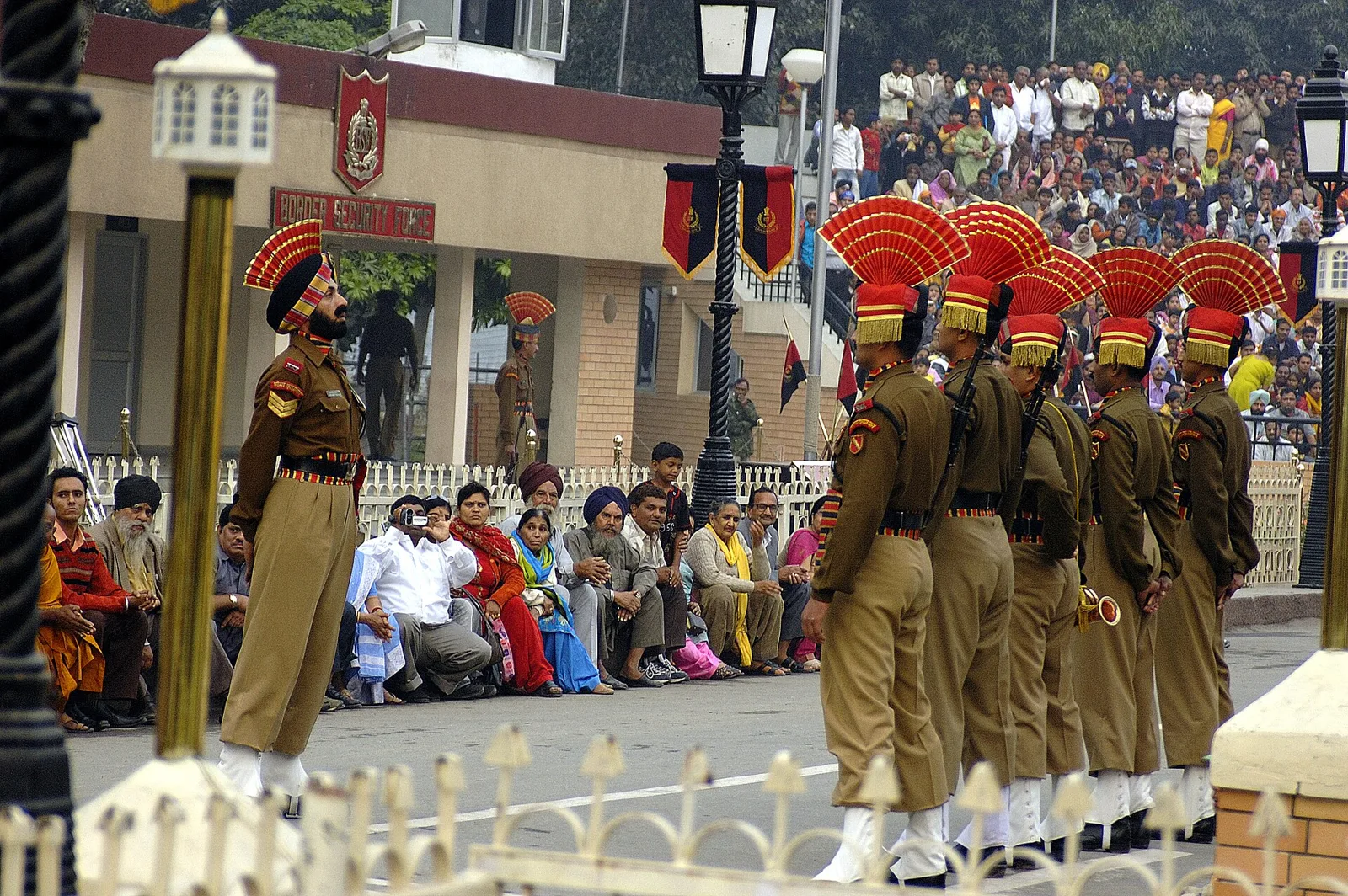
Attari–Wagah is a border area in Punjab beside Attari village. Visitors come for its setting near the India–Pakistan boundary and the village’s connections to the Lahore–Delhi railway and Sikh military history.
Durgiana Temple
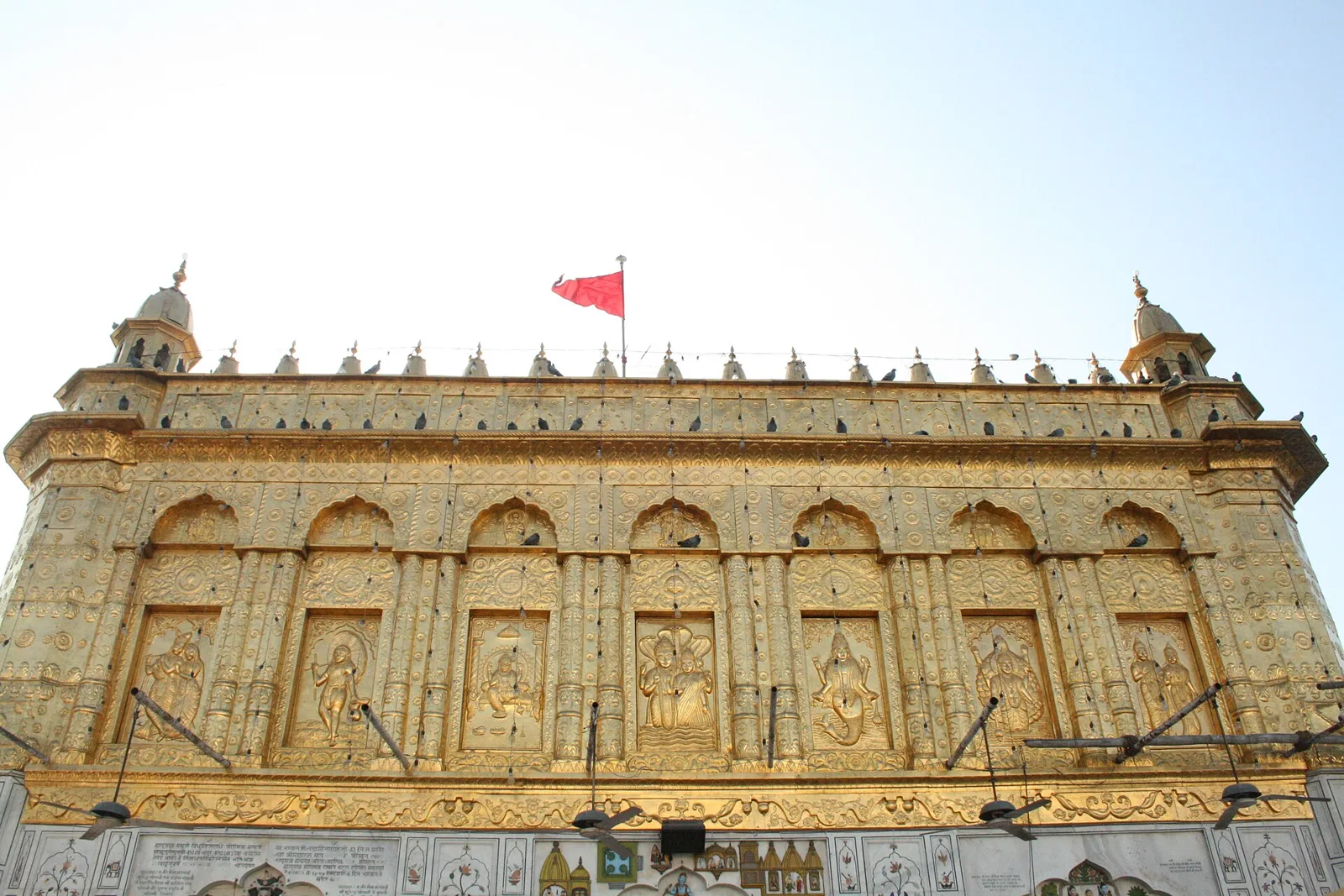
Durgiana Temple, also called Shri Durgiana Mandir, is a Hindu shrine in Amritsar, Punjab. Visitors come to worship Durga, with Lakshmi and Vishnu also honoured there.
Gobindgarh Fort
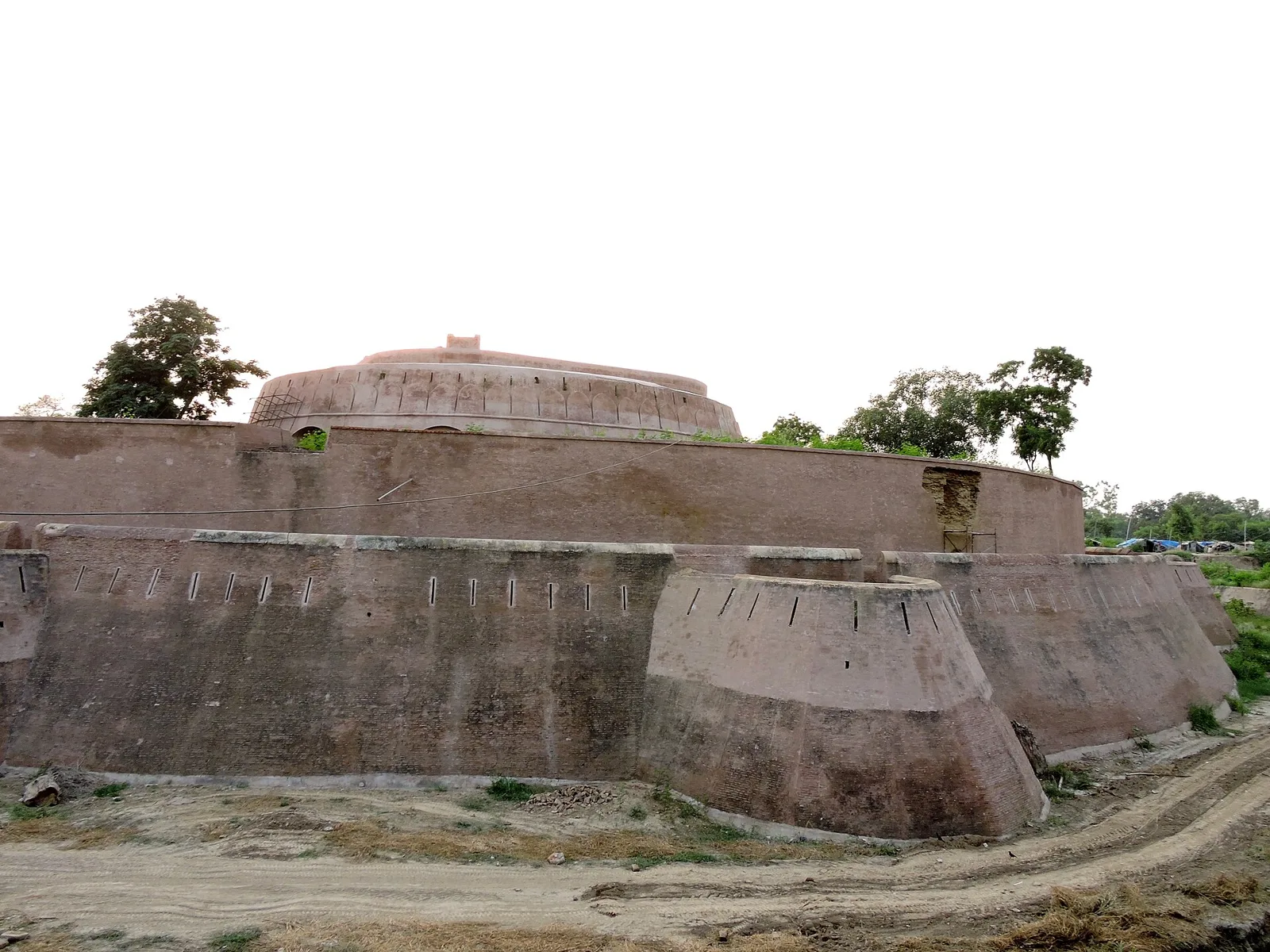
Gobindgarh Fort is a former stronghold in Amritsar, Punjab, with connections to the Bhangi rulers and Maharaja Ranjit Singh. Visitors come to explore its military past and its developing role as a museum and theme park.
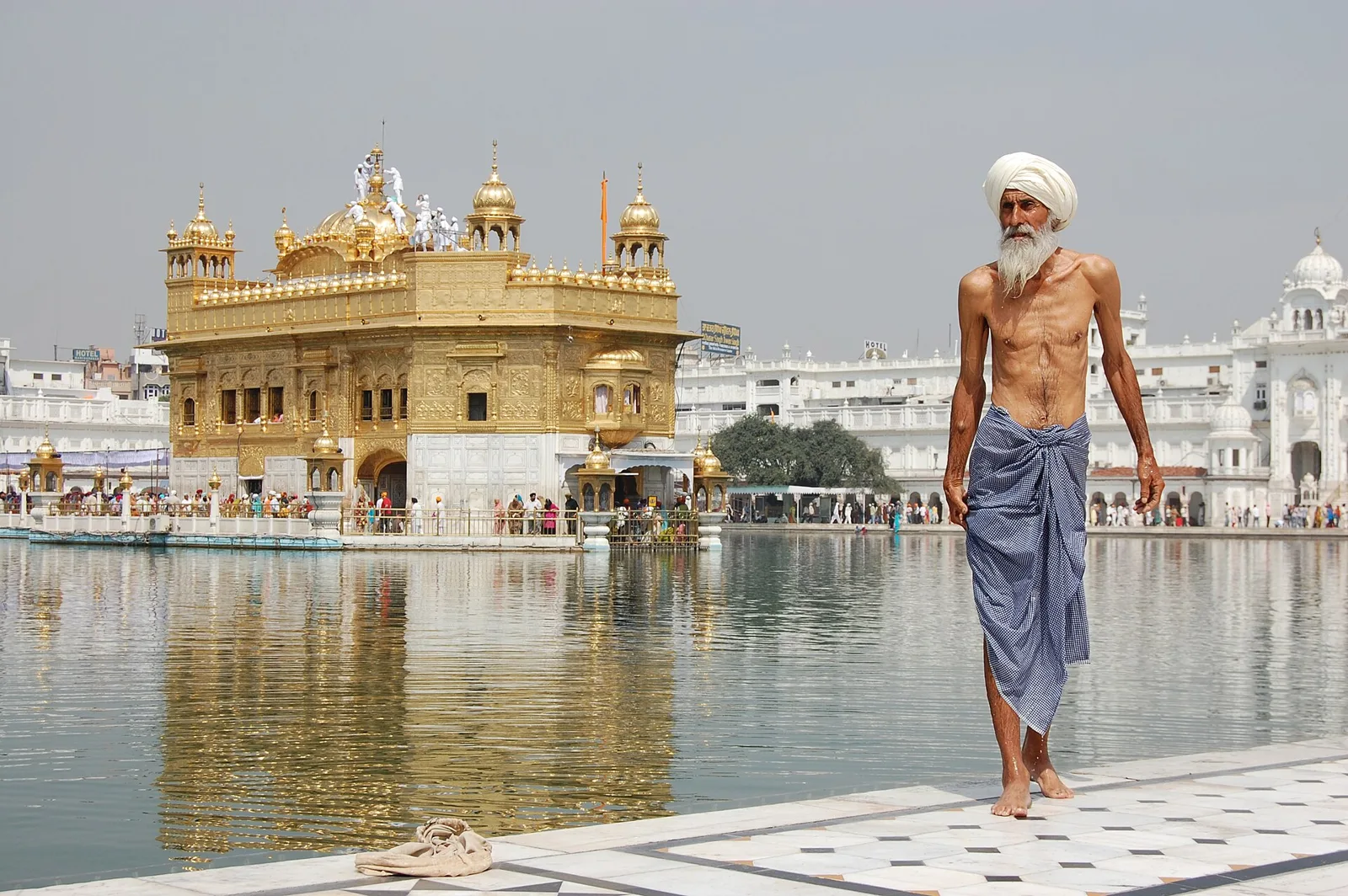
Golden Temple
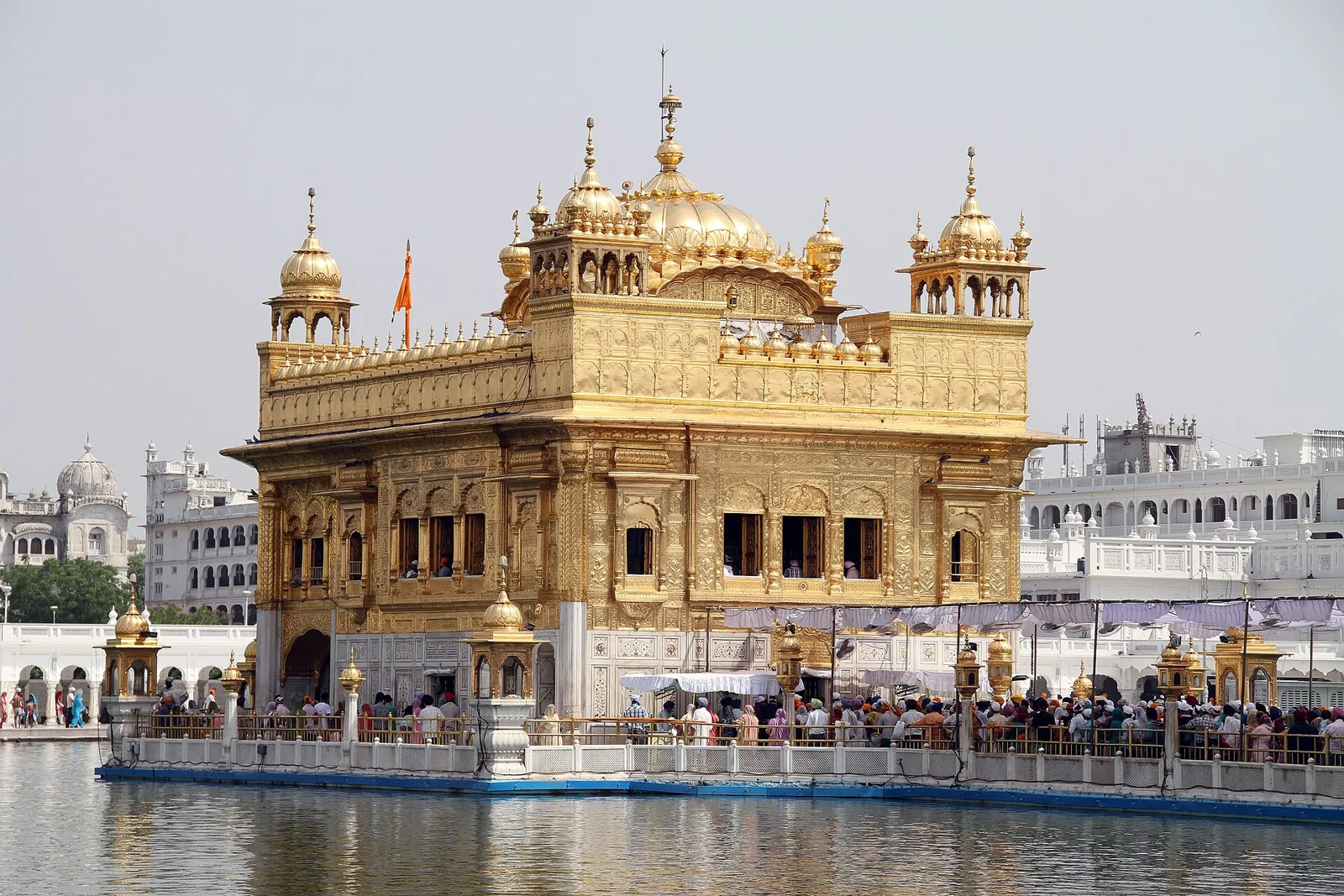
A major Sikh shrine in Amritsar, the Golden Temple draws worshippers to its sacred sanctuary and pool, while its langar welcomes visitors to a free vegetarian meal.
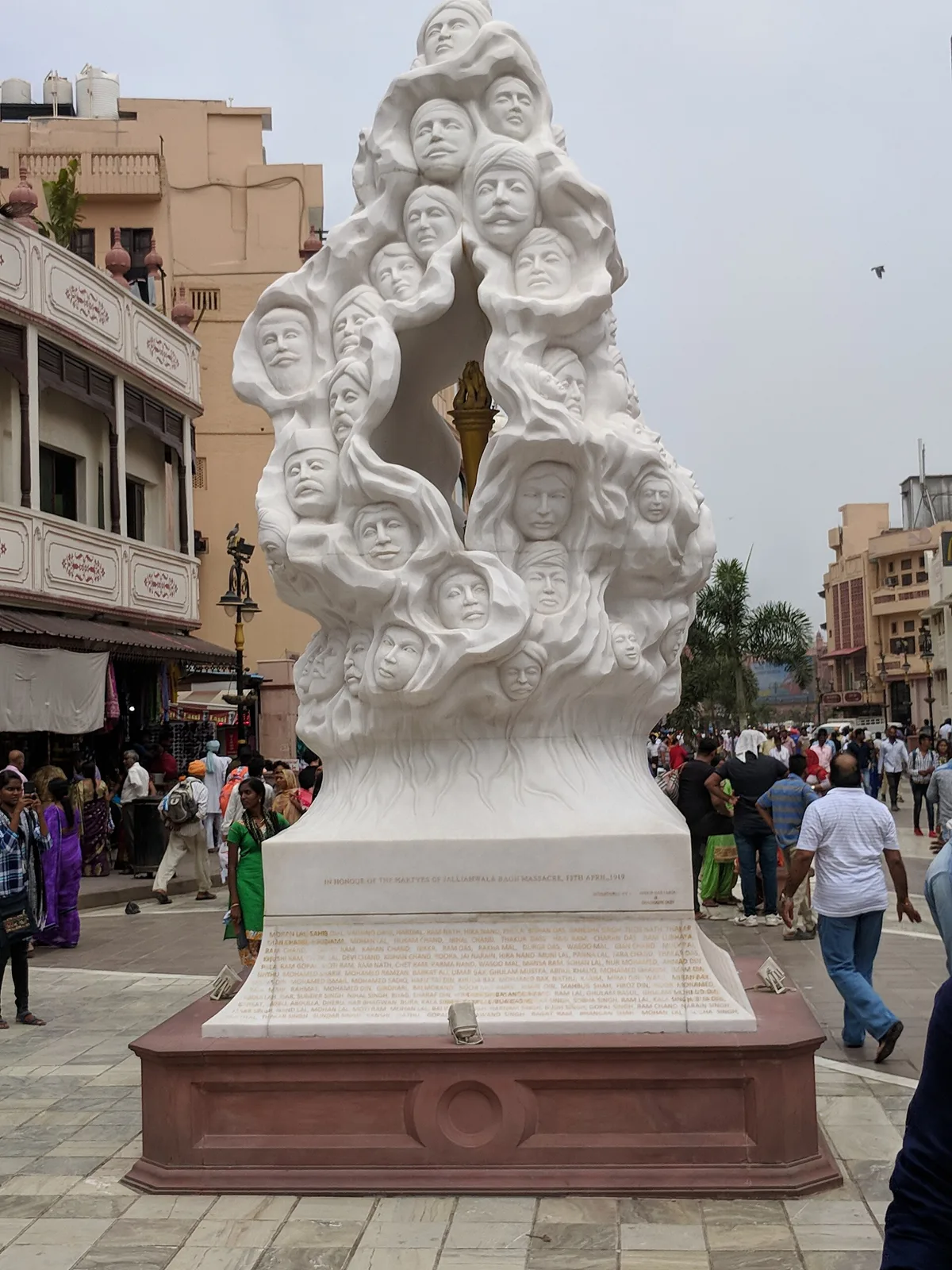
Jallianwala Bagh
A historic garden and national memorial in Amritsar, Jallianwala Bagh commemorates those killed or wounded in the 1919 massacre. Visitors come to remember them and see the site’s museum, gallery and memorials.
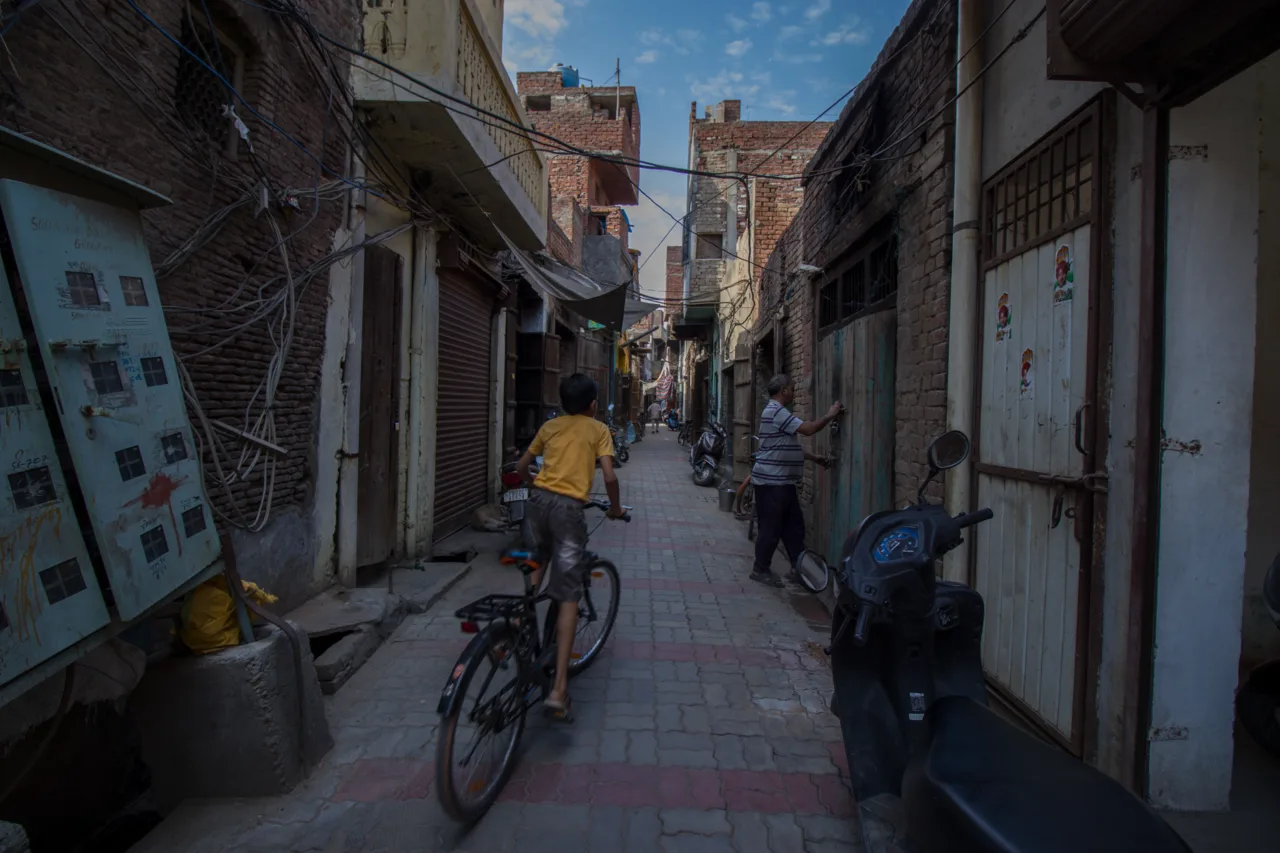
Jandiala Guru (Thathera Village)
Jandiala Guru is a village and town in Punjab’s Amritsar district. Visitors interested in Sikh history may be drawn to its past association with the Niranjanias, also known as Hindalis.
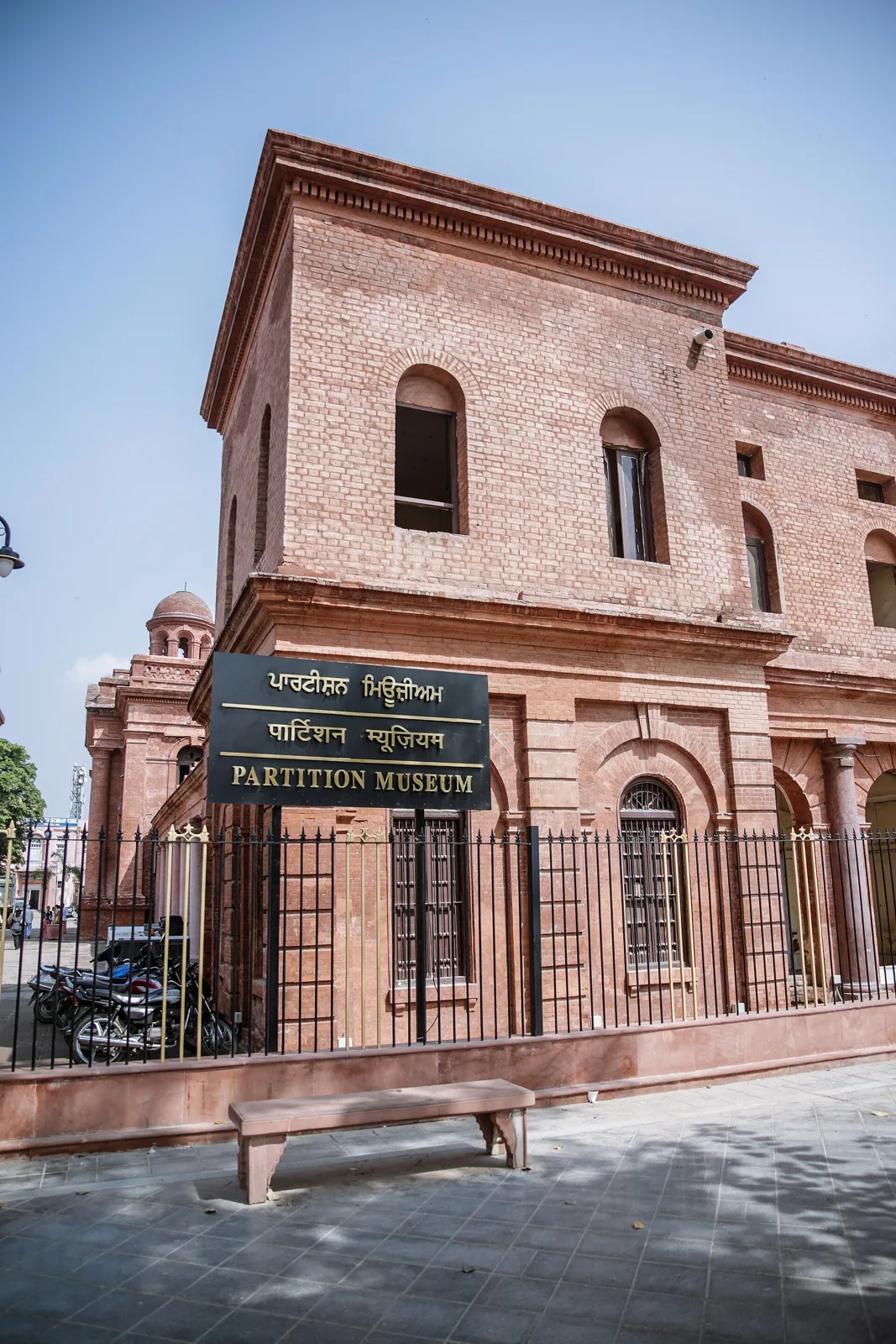
Partition Museum
A public museum in Amritsar’s Town Hall, the Partition Museum presents the history of Partition and its aftermath. Visitors come to learn about related events, political organisations and women’s experiences.
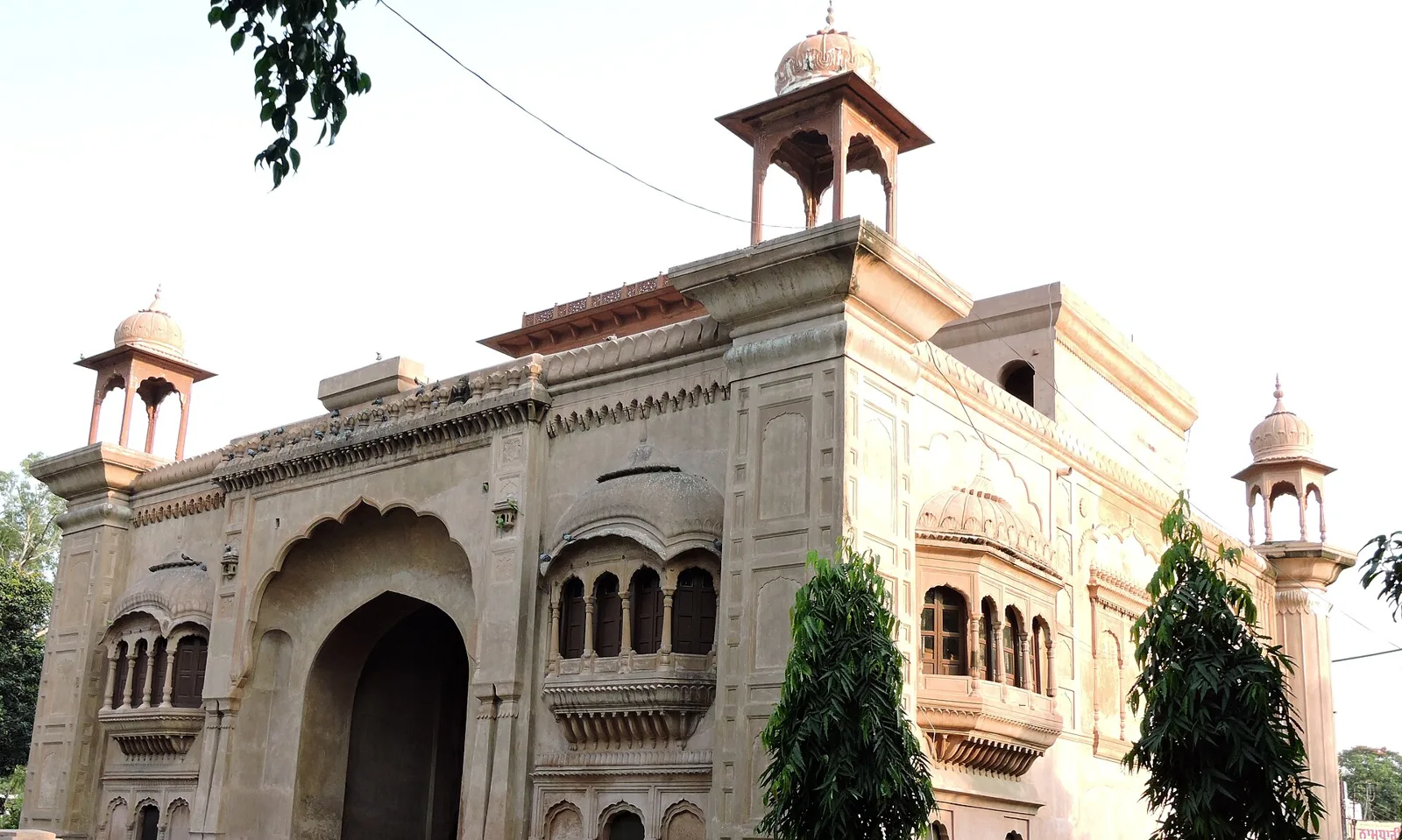
Ram Bagh
Ram Bagh is a historic garden in Amritsar, created under Maharaja Ranjit Singh and centred on his former summer palace. Visitors can explore the palace and the complex’s associated monuments.
Amritsar is well known for Punjabi food, especially Amritsari kulcha, often served with chole, and rich lassi. Tandoori cooking and other breads are common, while sarson da saag with makki di roti is a seasonal favourite across Punjab rather than a dish exclusive to this district. Sikh gurdwaras serve langar, a free vegetarian meal offered to visitors and worshippers; follow local customs when entering and eating. City eateries range from established restaurants to small shops with a limited daily menu. Ask what is freshly prepared, and expect menus and availability to vary by season and neighbourhood.
Phulkari, the colourful embroidered textile tradition associated with Punjab, is found in Amritsar’s markets and is used on shawls, dupattas and other fabrics. Traditional Punjabi juttis, embroidered or embellished leather footwear, are also sold in the city. These crafts belong to the wider Punjab region, and a market’s stock does not necessarily indicate where an item was made. Visitors interested in handwork can ask sellers about materials, techniques and provenance. Textiles and footwear vary in quality and may be handmade, machine-finished or produced in other parts of the region.
Vaisakhi, usually celebrated in April, is especially significant in Punjab and draws worshippers to Amritsar’s gurdwaras. Gurpurabs honouring Sikh Gurus and Bandi Chhor Divas, which often coincides with Diwali in autumn, bring prayers, processions and busy visits to the Golden Temple. Diwali and Lohri, usually in January, are also observed across the region. Dates for Sikh festivals can vary by calendar. Major observances can make the city and religious precincts crowded, so visitors should allow extra time and arrange accommodation well ahead, particularly around prominent festival periods.
In this district
Amritsar district lies in Punjab’s broad, fertile alluvial plain. The landscape is largely level and agricultural, with cultivated fields, settlements and roads rather than hills, forests or coastal terrain. The wider Majha region is shaped by Punjab’s river systems and irrigation, though visitors to the district’s principal sights will mostly experience an urban and rural plain. Flat terrain generally makes road travel straightforward, but busy city streets and traffic near popular religious sites can slow journeys. Trips toward Attari pass through settled countryside and agricultural land.
Amritsar has hot summers, a monsoon season and cool winters. Summer days can feel intense, so light, breathable clothing, sun protection and water are useful. The monsoon brings humid conditions and occasional heavy rain that can affect road journeys. Winter is cooler, with chilly mornings and evenings; warm layers are advisable, especially for early or late visits. The milder months from autumn through spring are generally the most comfortable for sightseeing. Pack modest clothing for religious sites, comfortable walking shoes, and a light layer even when daytime weather feels mild.
Amritsar is served by Sri Guru Ram Dass Jee International Airport and Amritsar Junction railway station. Trains and road services connect the city with major centres including Delhi, while buses and private coaches also serve routes within Punjab. Roads link Amritsar with Jalandhar, Ludhiana, Chandigarh and the border village of Attari. Within the city, auto-rickshaws, cycle-rickshaws, e-rickshaws and taxis are useful for reaching major sites; travel near the Golden Temple can involve walking through busy streets. Access arrangements for the border ceremony can change, so check current services locally.
Amritsar city is the main base for the district’s sights. Autos, cycle-rickshaws, app-based or local taxis, and city buses can help with urban journeys; availability and convenience vary by route and time. Taxis or other arranged road transport are practical for combining sites across the city with Attari–Wagah. Roads connect Amritsar with nearby towns and villages, while local and intercity buses serve some routes. Confirm your return arrangements before travelling to the border area, and allow extra time for city traffic and crowds around major religious sites.
2 days: Golden Temple, Jallianwala Bagh, Partition Museum, Ram Bagh, Gobindgarh Fort, Durgiana Temple; sleep in Amritsar. 3 days: Golden Temple, Jallianwala Bagh, Durgiana Temple, Ram Bagh, Gobindgarh Fort, Partition Museum, Attari–Wagah Border; sleep in Amritsar each night.
Amritsar city is the most practical base for both circuits, with a broad choice of hotels, guesthouses, homestays and dharamshalas. Staying near the central religious and heritage area can reduce local travel, though streets may be busy during festivals and peak pilgrimage periods. Options also include accommodation farther from the centre, which may suit visitors seeking a quieter stay but require more transport planning. The district’s main sights can generally be visited as day trips from the city, so changing bases is usually unnecessary.
Expect dense crowds around the Golden Temple and other popular sites; keep personal belongings secure and agree on a meeting point if travelling in a group. Use drinking water from sealed bottles or a trusted treated source, and take care with food and heat. Summer sun and monsoon showers can make walking less comfortable, while winter mornings may be foggy and affect road travel. Traffic can be busy, so use care when crossing streets. Mobile connectivity is generally available in the city but may vary elsewhere. At Attari–Wagah, follow current official instructions and any access restrictions; check official guidance before travelling.
- Gurdaspurabout 48 km
- Tarn Taranabout 53 km
- Kapurthalaabout 55 km
- Jalandharabout 75 km
- Firozpurabout 76 km
- Pathankotabout 113 km
- Ludhianaabout 117 km
- Samba · Jammu and Kashmirabout 122 km
Straight-line distance between the centres of each district's destinations; road distance is longer.
Q: How many days should I spend in Amritsar district? A: Two days cover the main city sights; three days allow time for Attari–Wagah as well. Q: When is the best time to visit? A: Autumn through spring is generally more comfortable for sightseeing than the hot summer months. Q: Where is the best base for exploring? A: Amritsar city is the most convenient base for the district’s listed destinations. Q: How can I get to Amritsar? A: The city is served by air, rail and road connections; check current services when planning your journey. Q: Is Amritsar suitable for families or elderly travellers? A: Yes, though crowds, walking and traffic can be tiring; plan rest breaks and use suitable local transport.
This page draws on our 9 destination guides for Amritsar and is updated as our team checks it.
Be the first to share photos, stories, advice or a helpful contact for Amritsar.
Loading…