
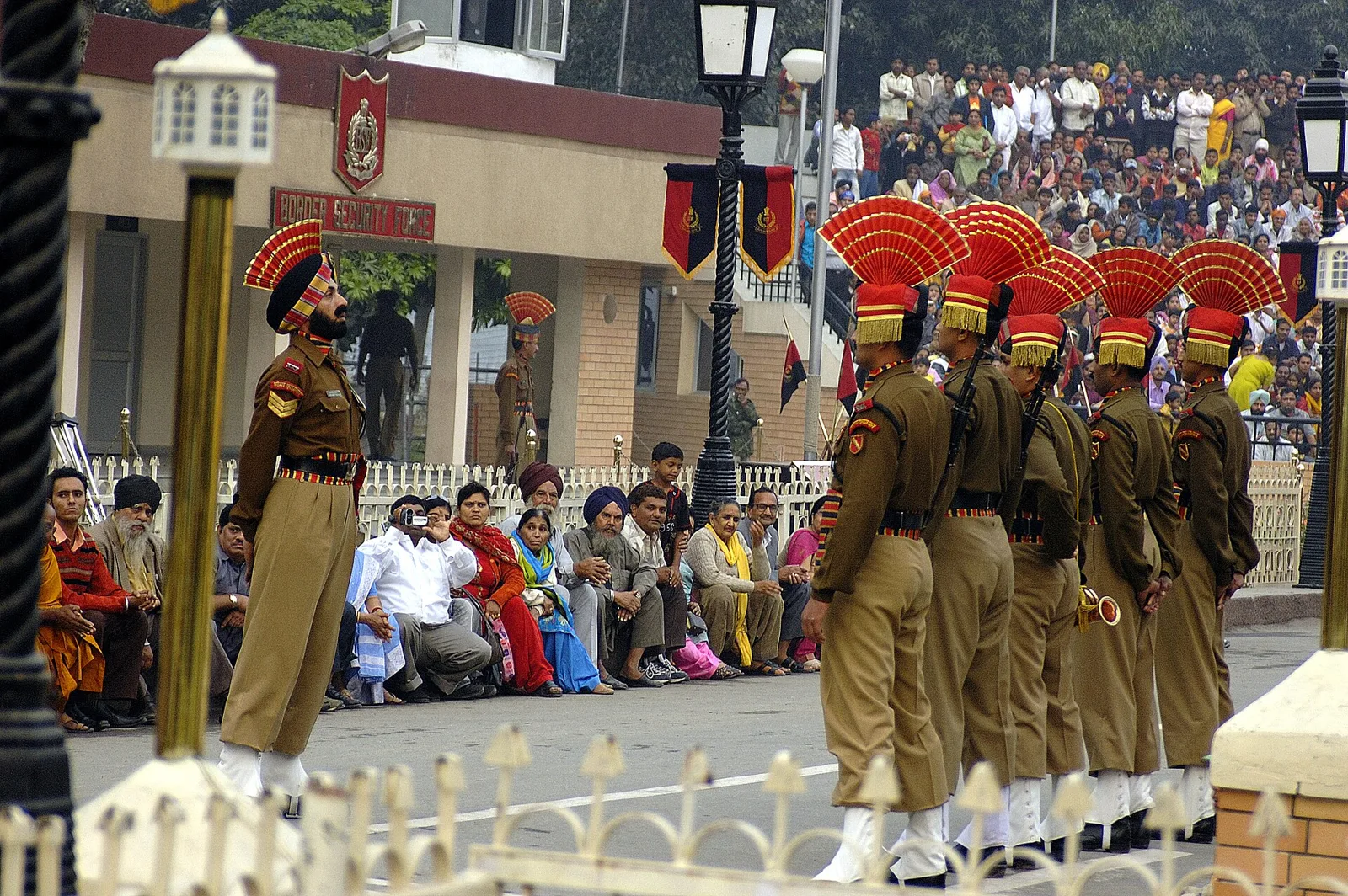
Attari–Wagah Border
Attari–Wagah is a border area in Punjab beside Attari village. Visitors come for its setting near the India–Pakistan boundary and the village’s connections to the Lahore–Delhi railway and Sikh military history.
Key facts · verified by Ghumoopedia editors
- Type of place
- Community & living culture
- Best time to visit
- October to March
- Nearest railway station
- Amritsar Junction · about 25 km (straight line)
- Verified
- 21 Nov 2026
Plan a trip from Attari–Wagah Border — a day-by-day route through places nearby.
Attari, also known as Atari, is a village in Punjab’s Amritsar district. It is three kilometres from the border at Wagah. Amritsar, the Sikh holy city, lies 25 kilometres to its east. The railway station at Attari is India’s final stop on the line between Lahore in Pakistan and Delhi, the Indian capital. Attari was the native village of Sardar Sham Singh Attariwala, a general in the army of Maharaja Ranjit Singh. Punjab's identity is shaped by Sikh heritage, gurdwara traditions of seva and langar, Bhangra and Giddha, and a strong farming culture. Punjab has hot summers from April to June, a monsoon from July to September, and cold, foggy winters from December to February. Winter fog can delay trains and flights. The usual best time to visit is October to March. Timings, fees and access arrangements must be confirmed locally. For official information, see Punjab Tourism at https://punjabtourism.gov.in.
Why it matters
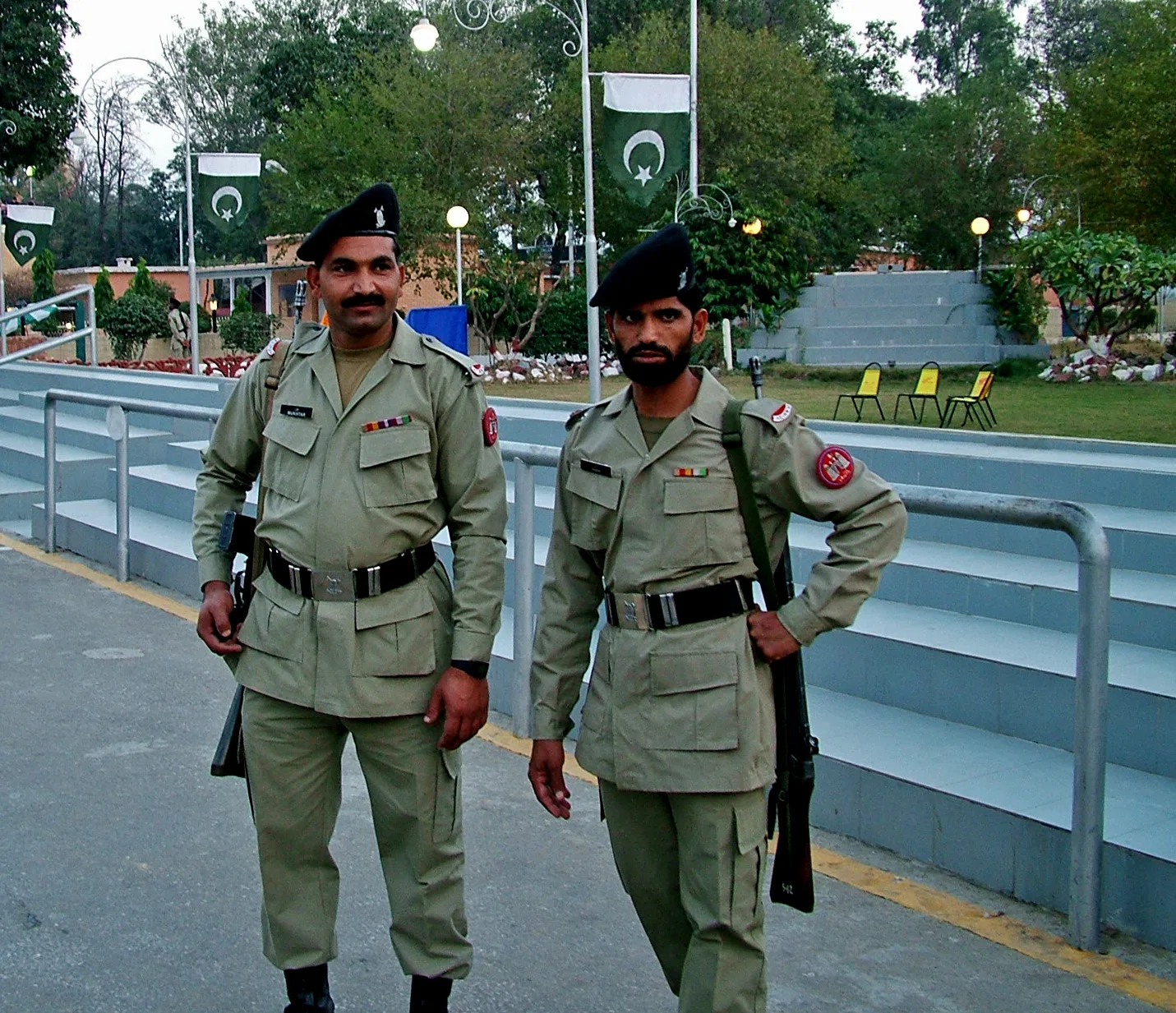
Attari–Wagah is a major land crossing between India and Pakistan and a place where visitors can witness a public border ceremony conducted by India’s Border Security Force and Pakistan Rangers. On the Indian side, the approach is through Attari village in Amritsar district; the crossing is commonly called the Attari–Wagah Border. It has national significance as a visible reminder of the international boundary established after Partition, as well as local significance to the villages and communities around it. Attari is also associated with Sikh military history through Sardar Sham Singh Attariwala. Its importance is civic and historical; visitors should not assume the border site itself is a UNESCO or ASI-protected monument.
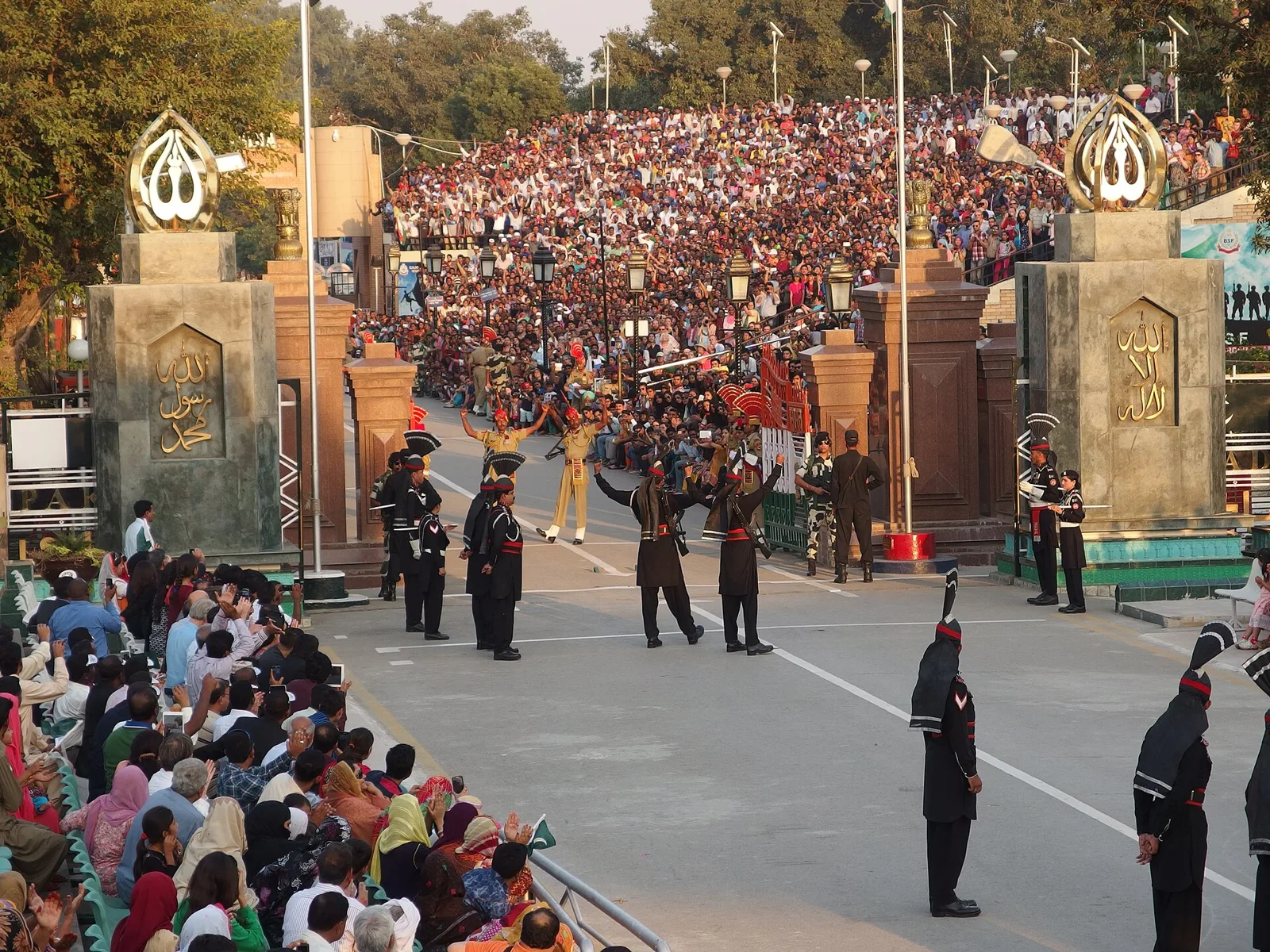
Attari is a village in Amritsar district, traditionally known as the native village of Sardar Sham Singh Attariwala, a general in the army of Maharaja Ranjit Singh. Sham Singh fought in the First Anglo-Sikh War and died at the Battle of Sabraon in 1846. His association gives the village a place in the military history of the Sikh kingdom. The wider area changed profoundly with the 1947 Partition of British India, when the international boundary divided Punjab and separated communities, homes and transport links. Attari became the Indian-side border point opposite Wagah in Pakistan. The railway station at Attari is the last Indian station on the rail route historically connecting Lahore with Delhi, though cross-border services and access arrangements have changed over time. The road crossing also became a formal point of entry between the two countries. The daily public border ceremony developed into a prominent visitor attraction, while security controls and the operation of cross-border travel have varied with political conditions. Attari village remains a living settlement, not simply a heritage site. The ceremony area is managed as a controlled border zone, and visitors should rely on current official notices for access and operating arrangements.
Origin stories & folklore
There is no widely documented origin legend for the Attari–Wagah crossing that can be confidently presented as established local folklore. The strongest story associated with Attari is historical rather than mythical: local identity is linked with Sardar Sham Singh Attariwala and his service under Maharaja Ranjit Singh. Accounts of his courage and death at Sabraon form part of Sikh historical memory, though details should be checked against reliable historical sources rather than treated as supernatural legend. Stories about the border ceremony may also circulate among visitors, but the ceremony is a modern public event, not an ancient village ritual. Ask residents about local memories respectfully and distinguish oral recollection from documented history.
Explore Attari–Wagah Border slowly and read the interpretation boards or hire an authorised guide to understand its history. Check opening days and ticket counters in advance, as many monuments and museums close on one weekday and on public holidays. A comfortable itinerary is one main visit in the morning, a local meal at midday and a short nearby stop before an afternoon return. Use the district list on this site to find other places in Amritsar, but check the actual road route and its condition before combining stops. If a festival or fair is on, local roads and stays can be busy — and the experience can be unforgettable. Leave no litter: many sites are protected by the communities around them.
Suggested itineraries
Half day: Travel from Amritsar to Attari; allow time for screening and the border ceremony; return to Amritsar (roughly half a day, depending on queues and current arrangements). Full day: Explore the Golden Temple and Jallianwala Bagh in Amritsar; pause for a local meal; travel to Attari for the border ceremony; return to the city (a full day, with flexible timing). Gentler option: Use a pre-arranged vehicle, minimise stops, and choose a convenient viewing position within the designated area; confirm walking and seating arrangements before departure.
Punjabi is the principal language of everyday life in the area, with Hindi also commonly understood by visitors and service workers. The surrounding culture reflects Sikh heritage, village life and the agricultural traditions of Punjab. Gurdwara practices such as seva and langar are important in many communities across the region, though they are not part of the border ceremony itself. Bhangra and Giddha are familiar Punjabi dance forms, often seen at celebrations and cultural events rather than as a guaranteed daily performance here. The border ceremony has its own formal, choreographed character, combining marching, calls and flag-lowering procedures. Visitors should distinguish this public spectacle from the broader, varied lives of nearby residents.
Local communities
Attari is home to village residents whose livelihoods include farming, local trade and services. The wider border area also involves security personnel, transport workers, vendors and people whose work supports visitors. Sikh communities are prominent in the cultural life of Amritsar district, alongside people of other faiths and backgrounds. Partition shaped family histories across the region, but individual experiences differ and should not be assumed. The crossing connects with communities on both sides of the boundary, although movement is subject to official rules and changing political conditions. Visitors can support local businesses respectfully, ask before photographing people and avoid treating residents’ daily lives as a staged attraction.
Festivals & events
Baisakhi, usually celebrated in April, is an important seasonal festival across Punjab and is associated with harvest and Sikh tradition. Gurpurbs honouring Sikh Gurus are observed on dates that vary by the religious calendar, while Lohri in winter and Diwali are widely celebrated in the region. These are community and religious occasions, not necessarily events held at the border itself. Amritsar’s gurdwaras and public spaces can be especially busy during major observances and holiday periods. The border ceremony also draws crowds on ordinary visitor days and may be busier during weekends, holidays or special occasions. Confirm access arrangements before travelling during large gatherings.
Local food in Punjab includes sarson da saag with makki di roti, Amritsari kulcha, chole bhature, lassi, tandoori dishes, pinni and jalebi; langar at gurdwaras serves a free vegetarian meal to all. Ask what is fresh that day; many small eateries cook a limited daily menu. Vegetarian travellers eat very well across this region, and most towns also have simple non-vegetarian dhabas. Remote sites may have no restaurant at all. Carry water and snacks, eat a proper breakfast before long drives, and ask your accommodation for a packed lunch if you are heading out early. Try a home-cooked or dhaba meal when you can — it is often the best food on the route. Choose busy, clean places and carry your packaging back to town.
Shopping & local experiences
The border approach may have small vendors or stalls, but the selection and operating arrangements can vary. Amritsar is a better place to browse for Punjabi textiles, phulkari embroidery, juttis, handicrafts and packaged regional foods. Look for clearly labelled goods and ask about materials and care rather than assuming every item is locally made. Punjabi meals, sweets and savoury snacks are easier to find in the city, where visitors can choose from a wider range of establishments. Keep purchases modest if carrying items through security, and check current restrictions before bringing goods across any international border; do not attempt to carry prohibited items.
The landscape around Attari is part of Punjab’s largely level, cultivated plain. Fields, village roads and built-up border infrastructure shape the immediate surroundings more than wilderness or forest. Farming patterns and the season influence the appearance of the land: fields may be green or recently harvested, while summer can bring heat and dry conditions. There is no major natural attraction or prominent water body at the visitor area itself. Birds may be seen in cultivated landscapes, especially seasonally, but sightings are not assured and the site is not a wildlife-viewing destination. The wider district has varied rural and wetland environments, but these require separate route planning. Stay within public areas and do not approach boundary infrastructure or restricted land.
October to March
The nearest principal railway station by straight-line distance is Amritsar Junction, roughly 25 km away. The nearest operating airport by straight-line distance is Sri Guru Ram Dass Jee International Airport, Amritsar, roughly 20 km away. These figures are calculated from map coordinates — actual road distance may differ. Delhi, Chandigarh and Amritsar are the main rail and air hubs, and most long-distance journeys connect through them. For the final leg, Punjab Roadways, PEPSU Road Transport (PRTC) and private Volvo coaches link district towns; shared taxis usually leave early in the morning. A private taxi gives more flexibility for remote sites. When comparing train, bus and flight, count the complete door-to-door time: a flight saves the most time only if the onward road transfer is short, while an overnight train plus a road journey can save a hotel night. Book your return before you leave, because seats fill quickly on weekends and holidays. Current train numbers, timings, return services and fares are not listed here; check IRCTC and NTES for trains and the airline's own schedule for flights. No permit is needed to visit Punjab. The Wagah–Attari border ceremony needs a same-day security check, and the Kartarpur Corridor to Pakistan requires advance online registration and a passport.
Confirm onward and return timings on IRCTC / NTES, the state bus operator or your airline before travel. A dash means current timings or fares have not been verified.
Getting around
Most visitors travel from Amritsar by private vehicle, taxi or organised tour. Local and intercity buses may serve the route, but services and drop-off points should be checked locally before relying on them. At the border, visitors generally need to use designated parking and continue on foot through the controlled visitor approach; follow signs and staff instructions rather than seeking informal access. Auto-rickshaws may be useful in Amritsar for connecting journeys, but availability near the border can vary. Agree on a return plan with a driver in advance, particularly if attending the ceremony, and allow extra time for traffic and security queues.
Hours, tickets & permissions
Access is controlled and can depend on security conditions, the border ceremony schedule and current administrative instructions. Visitor entry may involve screening, queues and use of designated viewing areas; rules for identification, bags and cameras can change. Do not assume that access is unrestricted or that the ceremony will operate as expected on a particular day. Check current entry requirements, opening arrangements and any ticket or fee information with the relevant managing authority or official local notices before setting out. Allow time for security checks and follow staff directions on arrival.
Facilities
The visitor area usually has organised entry and viewing arrangements, with parking and basic services nearby, but facilities can change with security operations. Toilets, drinking water, refreshments and small vendors may be available in or around the approach; check locally and carry water in permitted containers. Food choices are generally more dependable in Amritsar than at the border. Guides or tour operators can be arranged from the city, but use reputable providers and do not assume that an authorised guide is available on site. ATMs are easier to find in Amritsar; do not rely on one at the border. Confirm facilities before travelling with children or anyone needing assistance.
Accessibility
The visitor route can involve queues, security screening and walking between parking, entry points and viewing areas. Surfaces and crowd density may vary, and standing for a prolonged period can be tiring. Shade and seating may be limited or positioned away from the most popular viewing areas. Wheelchair access, step-free routes, accessible toilets and stroller suitability should be confirmed with the managing authority before travel; do not assume that every part of the site is accessible. Elderly visitors may find a pre-arranged vehicle and a quieter viewing position helpful. In hot weather, plan for heat exposure, and allow extra time for rest and movement through crowds.
No permit is needed to visit Punjab. The Wagah–Attari border ceremony needs a same-day security check, and the Kartarpur Corridor to Pakistan requires advance online registration and a passport. Carry a photo ID at all times and save the emergency number 112 and your accommodation's contact offline. Heat in summer and dense fog in winter are the main weather risks; carry water and allow extra travel time on foggy December–January mornings. Respect community rules, private property and posted instructions. Check official advisories for the region before travel, and follow local guidance if access changes.
Visitor rules
Follow security staff instructions and remain within clearly marked public visitor areas. Entry screening may restrict bags or other items, so check current notices before departure and carry identification if required. Do not approach, cross or interfere with the international boundary, fences or security installations. Wear practical clothing and footwear suited to standing and walking; dress respectfully at religious places visited on the same trip. Dispose of waste responsibly and avoid single-use plastic where possible. Keep voices and behaviour considerate, especially around families and older visitors. Do not obstruct queues or ceremony participants, and ask permission before photographing local residents.
Photography
Visitors commonly photograph the public ceremony from designated viewing areas, but camera and recording rules can change with security conditions. Check posted instructions and obey any restrictions on equipment or particular views. Avoid photographing security infrastructure, personnel or restricted areas unless clearly permitted. The ceremony is usually easiest to photograph when there is good natural light, but crowd positions and weather affect viewpoints; arrive with time to follow the assigned route. Do not use a drone near the international border or security installations. Ask before photographing people closely, and be especially considerate of children and anyone engaged in prayer or private activity.
Choose a stay by the full journey to Attari–Wagah Border, not just the district name. Main towns in Amritsar usually offer hotels, state tourism lodges and guesthouses with better transport, meals and medical access, while village homestays offer a closer connection to local life. In the plains, check fans or air-conditioning in summer and heating in the December–January cold wave. Book in advance for weekends, festival dates and the peak season (October to March). Confirm the exact location, meals included, check-in time and cancellation terms in writing. Many homestays accept payment on arrival; avoid sending money to unverified contacts. Mobile network and digital payments can be unreliable in remote areas, so carry some cash.
Amritsar offers several well-known places to combine with a visit, including the Golden Temple, Jallianwala Bagh, the Partition Museum, Durgiana Temple and Gobindgarh Fort. These are in or around the city and have distinct histories and visitor arrangements, so check their current access details separately. Attari village itself is worth understanding as a living settlement and as the home associated with Sardar Sham Singh Attariwala. The border ceremony is best treated as a separate, security-controlled outing rather than assumed to be a quick stop between city attractions. Check road conditions and allow a comfortable return journey, especially on busy days.
For couples, Attari–Wagah Border rewards a slow pace: arrive early for soft light and fewer crowds, share a local meal and keep the evening free. Public displays of affection can be frowned upon in conservative communities and at religious sites, so be discreet. A homestay or a small heritage hotel can make the trip memorable — confirm privacy, hot water and transport back. Keep a buffer in your itinerary, because weather and traffic can delay plans in Punjab.
Q: How much time should I allow for Attari–Wagah? A: Allow roughly half a day from Amritsar, including road travel, security queues and the ceremony; conditions can extend the visit. Q: When is a comfortable season to visit? A: October to March is generally more comfortable. Summer can be very hot, and winter fog may affect travel. Q: Is entry or identification required? A: Access is controlled and current requirements can change. Check official notices for identification, screening, entry and fee details before leaving. Q: Is the visit suitable for children and older visitors? A: Families do visit, but queues, crowds, walking and standing can be tiring. Plan rest breaks and confirm seating and accessibility arrangements. Q: Where should I stay? A: Amritsar has the broadest choice of accommodation and is a practical base for visiting Attari; confirm your return transport in advance.
Be the first to share photos, stories, advice or a helpful contact for Attari–Wagah Border.
Loading…