
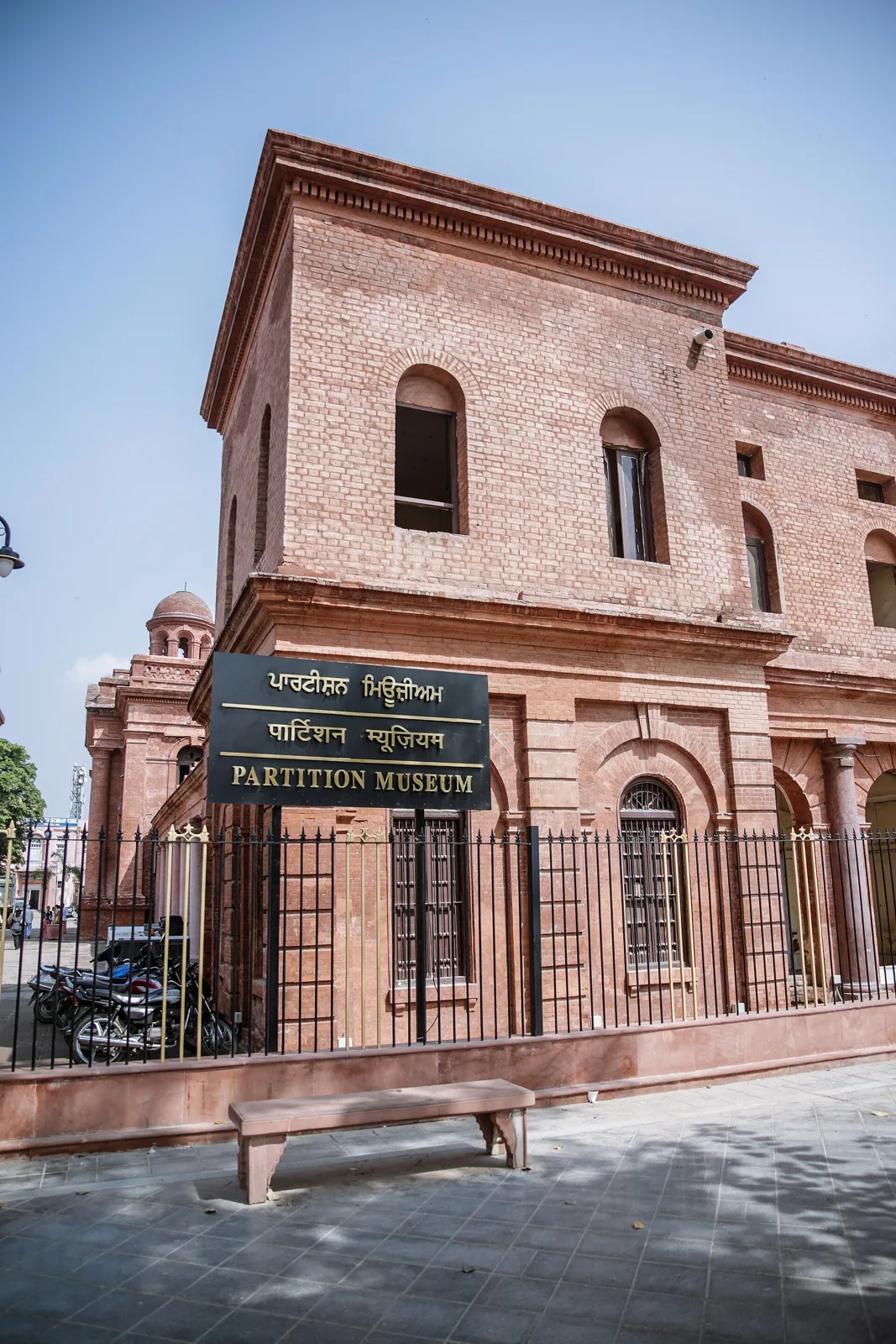
Partition Museum
A public museum in Amritsar’s Town Hall, the Partition Museum presents the history of Partition and its aftermath. Visitors come to learn about related events, political organisations and women’s experiences.
Key facts · verified by Ghumoopedia editors
- Type of place
- Heritage monument
- Best time to visit
- October to March
- Verified
- 21 Nov 2026
Located in Amritsar’s Town Hall in Punjab, the Partition Museum is a public institution concerned with the division of British India into the independent states of India and Pakistan. It seeks to gather personal accounts, objects and records connected with the communal violence that followed Partition. Its coverage extends to the anti-colonial movement, the Jallianwala Bagh massacre and the Komagata Maru incident. The museum also explores the roles of the All India Muslim League and the Indian National Congress, and women’s journeys through hardship, resilience and recovery. The Town Hall building previously functioned as a British headquarters and a prison. Its opening ceremony took place on 25 August 2017. Punjab's identity is shaped by Sikh heritage, gurdwara traditions of seva and langar, Bhangra and Giddha, and a strong farming culture. Punjab has hot summers from April to June, a monsoon from July to September, and cold, foggy winters from December to February. Winter fog can delay trains and flights. The usual best time to visit is October to March. Timings, fees and access arrangements must be confirmed locally. For official information, see Punjab Tourism at https://punjabtourism.gov.in.
Why it matters
The Partition Museum is a public museum in Amritsar’s Town Hall, documenting the human consequences of the 1947 division of British India into India and Pakistan. Its focus is on personal testimony and material connected with displacement, violence, loss and recovery, giving visitors a way to encounter Partition history through individual and family experiences. The museum also places Partition within wider histories, including anti-colonial politics, the Jallianwala Bagh massacre, the Komagata Maru incident and women’s experiences. It serves local residents, researchers and visitors from across India and abroad. The museum was inaugurated on 25 August 2017.
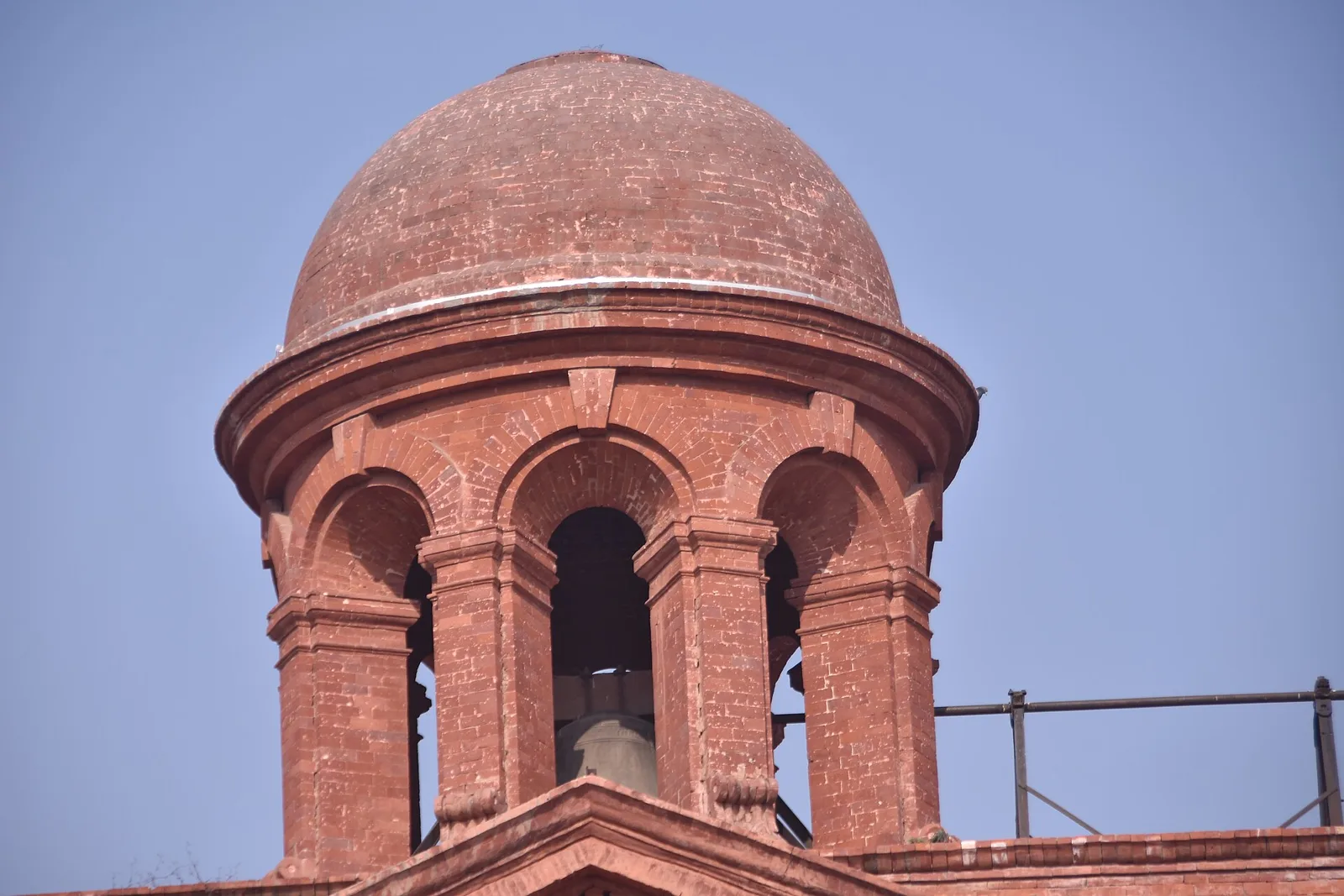
The museum occupies Amritsar’s historic Town Hall, a civic building that, according to the existing guide, was once used as British headquarters and as a jail. The available information does not establish the building’s architect, precise construction date or a complete account of its later alterations, so these details should not be assumed. The museum itself grew from an effort to collect and preserve accounts and materials related to the upheaval that accompanied Partition in 1947, when British India was divided into the independent dominions of India and Pakistan. The accompanying migration and violence profoundly affected Punjab and its communities on both sides of the new border. The museum’s scope also reaches into connected histories: anti-colonial activity, the Jallianwala Bagh massacre, the Komagata Maru incident, the All India Muslim League and the Indian National Congress, as well as women’s experiences and recovery. It was inaugurated on 25 August 2017. By adapting a former colonial-era civic building for public interpretation, the museum brings personal memories and historical materials into a shared space. Confirm current displays and access arrangements locally, as exhibitions and visitor facilities can change.
Origin stories & folklore
No well-established local origin legend is known for the Partition Museum itself. Its subject is rooted in documented events and in the recollections of people who experienced Partition, rather than in a founding myth. Visitors may encounter family memories, stories of departure and return, and accounts passed between generations; these are personal histories and oral testimony, not folklore to be treated as a single, uniform version of events. Amritsar’s wider landscape also carries many religious and community traditions, but they should not be presented as legends about this museum. Approach survivor accounts with care, recognising that memories can differ and that the experiences represented are deeply personal.
Architecture & design
The museum is housed in Amritsar’s Town Hall, a historic public building associated with the British period. The building’s former civic and administrative use gives the museum a setting distinct from a purpose-built exhibition complex. The available information does not confirm a named architectural style, architect, construction materials, original floor plan or specific engineering features, so these should not be guessed. Inside, the visitor encounters galleries arranged to interpret Partition and related histories through displays and explanatory interpretation. The building’s rooms now serve a public, educational purpose, while its past as a British headquarters and jail adds context to the site. Look for the relationship between the historic exterior and the adapted interior rather than assuming that every current feature is original. Conservation work, room access and exhibition layouts may change; visitors interested in the building’s fabric should check what areas are open on the day.
Important objects & sculptures
The museum’s principal interest is its collection of historical material and personal testimony connected with Partition and the events surrounding it. Depending on the current exhibition, visitors may encounter documents, photographs, letters, recorded or written memories, and personal belongings associated with displacement and rebuilding lives. Displays also interpret anti-colonial history, the Jallianwala Bagh massacre, the Komagata Maru incident and the experiences of women. Specific objects and gallery arrangements can change, so avoid relying on an item being on view during every visit. Read the interpretation boards carefully: they help place individual objects within their historical context and distinguish personal recollection from broader historical evidence.
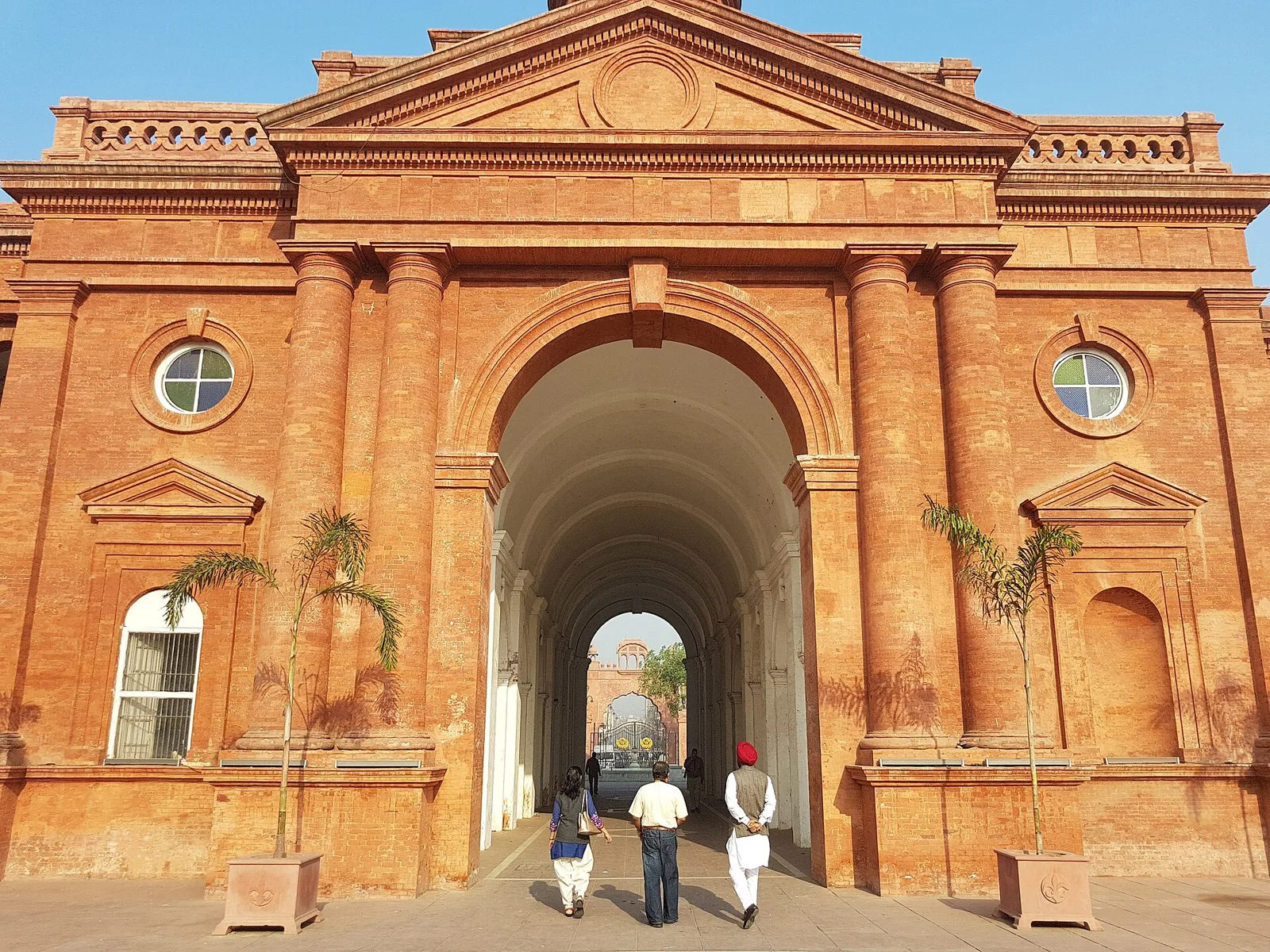
Explore Partition Museum slowly and read the interpretation boards or hire an authorised guide to understand its history. Check opening days and ticket counters in advance, as many monuments and museums close on one weekday and on public holidays. A comfortable itinerary is one main visit in the morning, a local meal at midday and a short nearby stop before an afternoon return. Use the district list on this site to find other places in Amritsar, but check the actual road route and its condition before combining stops. If a festival or fair is on, local roads and stays can be busy — and the experience can be unforgettable. Leave no litter: many sites are protected by the communities around them.
Suggested itineraries
Half day: Spend 1.5–2.5 hours exploring the Partition Museum and reading the gallery interpretation; take a meal break; walk or ride to Jallianwala Bagh if open and allow time for a respectful visit. Full day: Visit the Partition Museum in the morning; pause for a Punjabi lunch; explore Jallianwala Bagh and the Golden Temple complex, allowing substantial time for queues, walking and reflection. Gentler option: Focus on one or two museum galleries, sit for regular rests, and use a taxi between the Town Hall and one nearby attraction rather than adding several stops.
The museum reflects Amritsar’s place in a culturally diverse Punjab shaped by Sikh heritage, gurdwara traditions such as seva and langar, and strong community and family ties. Punjabi is widely spoken locally, alongside Hindi and English; language use varies among residents and visitors. Bhangra and Giddha are well-known Punjabi dance traditions, while food, music and shared celebrations remain part of everyday cultural life. The museum’s subject also invites reflection on the region’s varied histories and the experiences of communities affected by Partition. Visitors should treat personal accounts and memorial displays respectfully, avoid making assumptions about people’s identities, and follow any guidance from museum staff.
Festivals & events
The museum is a place to visit year-round, but Amritsar can be especially busy around major religious and seasonal celebrations. Baisakhi, usually celebrated in spring, is important across Punjab and draws visitors to the city. Diwali and Bandi Chhor Divas, generally in autumn, bring large gatherings around Amritsar’s religious sites. Gurpurab observances follow the Sikh calendar and can also increase crowds and traffic. These celebrations are not necessarily hosted by the museum. During festival periods, allow extra time for road travel, expect busy central streets and check whether museum access or nearby routes are affected.
Local food in Punjab includes sarson da saag with makki di roti, Amritsari kulcha, chole bhature, lassi, tandoori dishes, pinni and jalebi; langar at gurdwaras serves a free vegetarian meal to all. Ask what is fresh that day; many small eateries cook a limited daily menu. Vegetarian travellers eat very well across this region, and most towns also have simple non-vegetarian dhabas. Remote sites may have no restaurant at all. Carry water and snacks, eat a proper breakfast before long drives, and ask your accommodation for a packed lunch if you are heading out early. Try a home-cooked or dhaba meal when you can — it is often the best food on the route. Choose busy, clean places and carry your packaging back to town.
Shopping & local experiences
Central Amritsar markets offer opportunities to look for Punjabi crafts and locally made goods, including phulkari embroidery, Punjabi juttis and traditional textiles. Hall Bazaar and Katra Jaimal Singh are established shopping areas; compare quality and ask about materials before buying. Packaged Punjabi foods such as papad and wadiyan are popular choices, subject to travel and customs rules for your onward journey. The museum’s own shop, if operating, may offer publications or souvenirs; check on arrival. Choose items respectfully and avoid buying objects presented as historical artefacts without clear provenance.
October to March
These figures are calculated from map coordinates — actual road distance may differ. Delhi, Chandigarh and Amritsar are the main rail and air hubs, and most long-distance journeys connect through them. For the final leg, Punjab Roadways, PEPSU Road Transport (PRTC) and private Volvo coaches link district towns; shared taxis usually leave early in the morning. A private taxi gives more flexibility for remote sites. When comparing train, bus and flight, count the complete door-to-door time: a flight saves the most time only if the onward road transfer is short, while an overnight train plus a road journey can save a hotel night. Book your return before you leave, because seats fill quickly on weekends and holidays. Current train numbers, timings, return services and fares are not listed here; check IRCTC and NTES for trains and the airline's own schedule for flights. No permit is needed to visit Punjab. The Wagah–Attari border ceremony needs a same-day security check, and the Kartarpur Corridor to Pakistan requires advance online registration and a passport.
Getting around
The museum is in central Amritsar, where visitors can use auto-rickshaws, cycle-rickshaws where available, local buses or taxis to reach the Town Hall area. App-based cab services may operate, but availability can vary. Central streets can be congested, and walking between nearby attractions may be practical if you are comfortable with traffic and uneven pavements. Ask the driver to confirm the Town Hall drop-off point before starting. Parking in the central area may be limited; check locally rather than assuming there is dedicated visitor parking. For longer journeys around the city, a taxi can reduce transfers.
Hours, tickets & permissions
Opening days, admission arrangements and gallery access can change, and public holidays or special events may affect entry. Confirm current hours and any ticket, booking or group-entry requirements with the museum’s managing authority before setting out. Ask locally whether photography, bags, food or particular items are restricted inside. Carry identification if requested for a booking or security check, but do not assume it is always required. There is no universal dress rule stated here; modest, respectful clothing is a considerate choice when visiting the museum and nearby places of worship.
Facilities
Museum facilities and visitor services can vary, so check locally about toilets, drinking water, seating, cloakroom arrangements and guided visits. Interpretation boards support independent visits; ask the museum whether an authorised guide or group tour is available. Food outlets, shops and cash machines can generally be sought in central Amritsar, but do not assume a particular service is inside the museum. Parking availability near the Town Hall may be limited. Carry water for the wider city visit, and plan meal and rest stops around your own needs.
Accessibility
The museum occupies a historic building, so floors, thresholds, stairs and gallery routes may not meet modern accessibility standards throughout. Expect some standing and walking while viewing galleries, and ask staff about seating or a shorter route. Central Amritsar pavements can be uneven or crowded, which may affect wheelchair and stroller movement. Older visitors or anyone with limited mobility may find it easier to travel by taxi and visit at a quieter period confirmed locally.
No permit is needed to visit Punjab. The Wagah–Attari border ceremony needs a same-day security check, and the Kartarpur Corridor to Pakistan requires advance online registration and a passport. Carry a photo ID at all times and save the emergency number 112 and your accommodation's contact offline. Heat in summer and dense fog in winter are the main weather risks; carry water and allow extra travel time on foggy December–January mornings. Respect community rules, private property and posted instructions. Check official advisories for the region before travel, and follow local guidance if access changes.
Photography
Check with staff before taking photographs, since rules can differ between galleries and may exclude particular displays or recording equipment. If photography is permitted, indoor light may be subdued; avoid flash unless explicitly allowed. Be considerate around emotionally sensitive exhibits and do not photograph other visitors or personal testimony without their consent. The Town Hall exterior is best viewed in natural daylight, but nearby traffic and crowds may constrain viewpoints. Do not fly a drone without confirming current legal and site permissions; never assume that a public location allows drone use.
Choose a stay by the full journey to Partition Museum, not just the district name. Main towns in Amritsar usually offer hotels, state tourism lodges and guesthouses with better transport, meals and medical access, while village homestays offer a closer connection to local life. In the plains, check fans or air-conditioning in summer and heating in the December–January cold wave. Book in advance for weekends, festival dates and the peak season (October to March). Confirm the exact location, meals included, check-in time and cancellation terms in writing. Many homestays accept payment on arrival; avoid sending money to unverified contacts. Mobile network and digital payments can be unreliable in remote areas, so carry some cash.
Jallianwala Bagh, a memorial garden associated with the 1919 massacre, is a natural historical pairing with the museum. The Golden Temple, also known as Harmandir Sahib, is a major Sikh place of worship in Amritsar; follow visitor guidance and show respect within the complex. Other established city attractions include Durgiana Temple, Gobindgarh Fort and the Maharaja Ranjit Singh Museum in Ram Bagh. Wagah, on the India–Pakistan border, is another well-known visit in the wider Amritsar area, but requires separate road planning and current access checks. Confirm opening and travel conditions before combining stops.
For couples, Partition Museum rewards a slow pace: arrive early for soft light and fewer crowds, share a local meal and keep the evening free. Public displays of affection can be frowned upon in conservative communities and at religious sites, so be discreet. A homestay or a small heritage hotel can make the trip memorable — confirm privacy, hot water and transport back. Keep a buffer in your itinerary, because weather and traffic can delay plans in Punjab.
Q: How much time should I allow for the Partition Museum? A: Allow a few hours for a considered visit; the time needed depends on how much of the interpretation and personal testimony you wish to explore. Q: When is a good season to visit Amritsar? A: October to March is generally a comfortable period in Punjab. Winter fog can disrupt travel, so check conditions before setting out. Q: Is entry free, and do I need to book? A: Current admission and booking arrangements are not stated here. Confirm requirements and fees with the museum’s managing authority before visiting. Q: Is the museum suitable for children and older visitors? A: Families can visit, but Partition displays may address violence and loss. Older visitors should check access arrangements and plan rests, as this is a historic building. Q: Where can I stay nearby? A: Amritsar has accommodation across the city, including options around central attractions. Choose based on mobility, transport needs and current availability, and confirm the route to the museum.
Be the first to share photos, stories, advice or a helpful contact for Partition Museum.
Loading…