
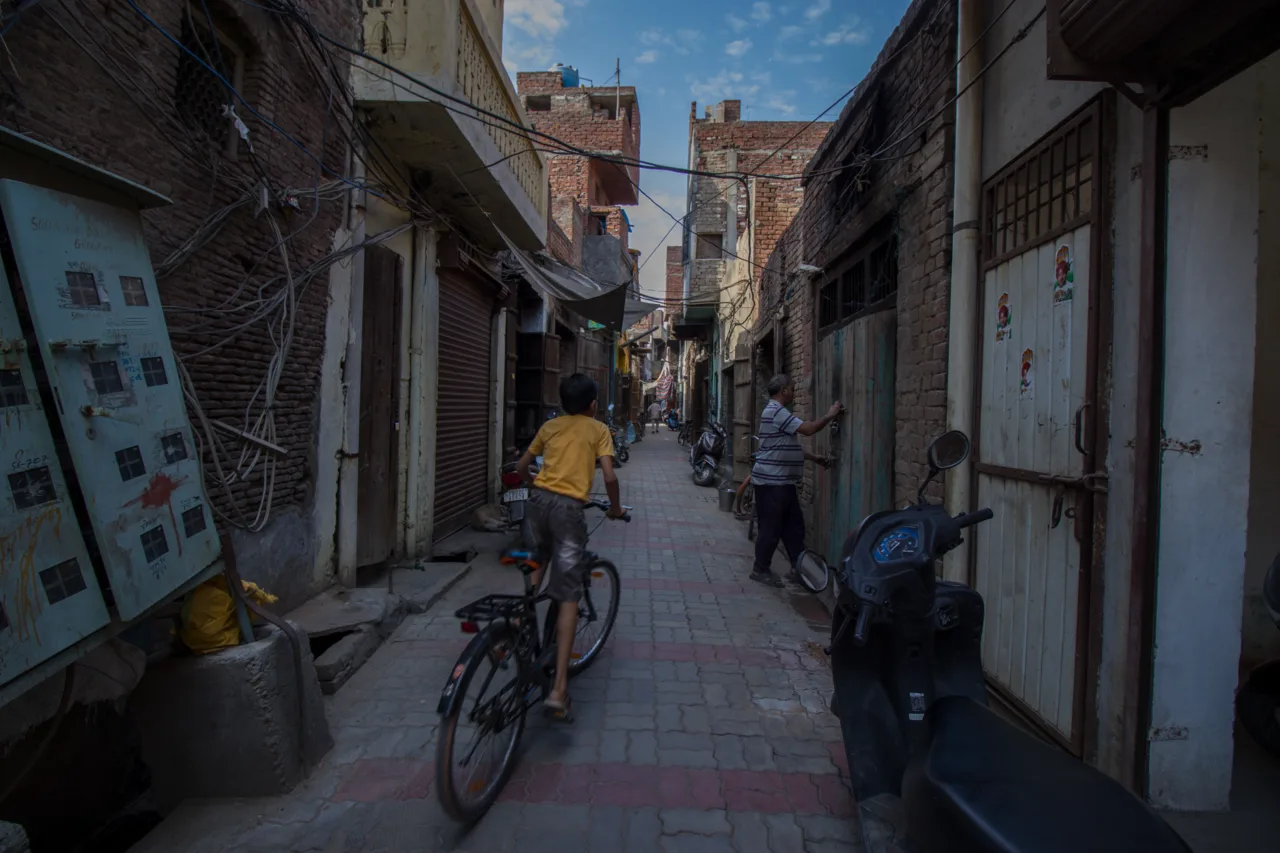
Jandiala Guru (Thathera Village)
Jandiala Guru is a village and town in Punjab’s Amritsar district. Visitors interested in Sikh history may be drawn to its past association with the Niranjanias, also known as Hindalis.
Key facts · verified by Ghumoopedia editors
- Type of place
- Community & living culture
- Best time to visit
- October to March
- Nearest railway station
- Amritsar Junction · about 15 km (straight line)
- Verified
- 21 Nov 2026
Plan a trip from Jandiala Guru (Thathera Village) — a day-by-day route through places nearby.
In Amritsar district, Punjab, Jandiala Guru is described as both a village and a town. It is often shortened to Jandiala. The locality lies beside the Grand Trunk Road and has an elevation of 229 metres (754 feet). The place has a historical link with the Niranjanias, a heterodox Sikh sect also called Hindalis. This association forms part of Jandiala Guru’s historical identity. Its name, position on the road and connection with the sect provide the key details by which the locality is described. Punjab's identity is shaped by Sikh heritage, gurdwara traditions of seva and langar, Bhangra and Giddha, and a strong farming culture. Punjab has hot summers from April to June, a monsoon from July to September, and cold, foggy winters from December to February. Winter fog can delay trains and flights. The usual best time to visit is October to March. For official information, see Punjab Tourism at https://punjabtourism.gov.in.
Why it matters
Jandiala Guru is best known for its community of Thathera metalworkers, whose traditional hand-beaten brass and copper utensil-making was inscribed in 2014 on UNESCO’s Representative List of the Intangible Cultural Heritage of Humanity. The recognition applies to the craft and the knowledge carried by its practitioners, not to the town as a UNESCO World Heritage Site. The workshops are part of a living settlement, where craft work takes place in homes and small workspaces rather than in a purpose-built museum. The town also sits on the Grand Trunk Road and forms part of the wider cultural landscape of Amritsar district. Visitors should arrange workshop access locally and remember that artisans’ work is not a staged attraction.
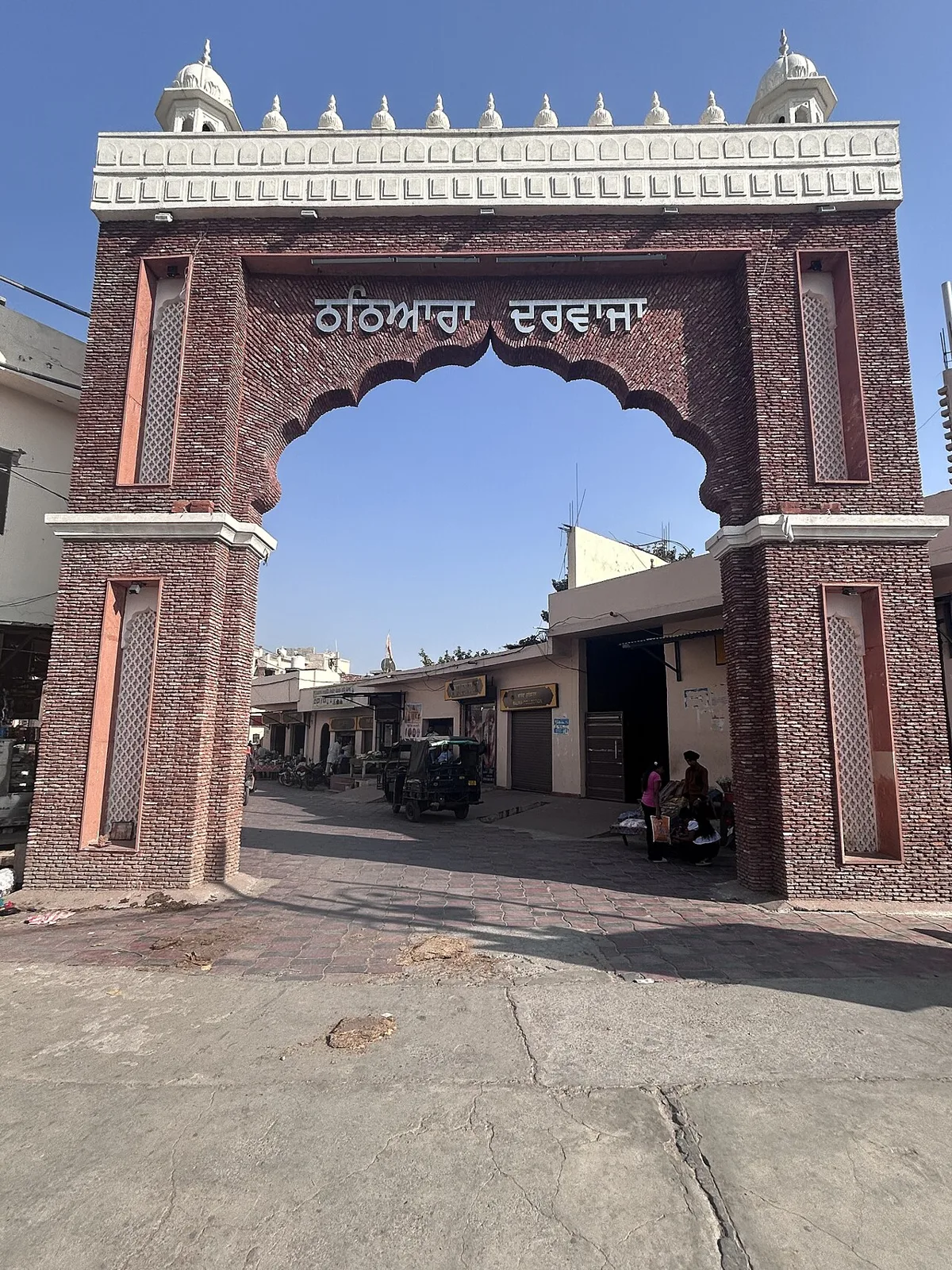
Jandiala Guru is a town in Amritsar district, on the historic Grand Trunk Road. The best-documented aspect of its local history is the Thathera community’s metalworking tradition. UNESCO describes the craft as traditionally established in Jandiala Guru during the reign of Maharaja Ranjit Singh, in the 19th century. Thathera artisans shape sheets of brass and copper by hammering and joining them into household vessels; skills and working methods are passed through families and learned through practice. The craft later faced pressure from factory-made metalware and changing household preferences, contributing to a decline in the number of practitioners. Its UNESCO inscription in 2014 brought international attention to the tradition, but the work remains rooted in local livelihoods and workshops. Jandiala Guru is also associated in historical accounts with the Niranjanias, also known as Hindalis, a heterodox Sikh sect. That association is distinct from the metalworking tradition. The town’s history should not be reduced to either a single religious account or its craft: it is a lived Punjabi settlement shaped by trade, agriculture, faith and family work. Visitors should treat specific family histories as local knowledge, not assume every workshop shares the same story.
Origin stories & folklore
There is no single, widely documented origin legend for the Thathera craft in Jandiala Guru that can be presented as established history. Local accounts may differ about how particular families came to the town or learned their skills. The craft’s documented account instead places its establishment in the town traditionally during Maharaja Ranjit Singh’s reign. Stories about ancestors, tools or especially accomplished makers are best heard directly from artisans, with permission, and understood as family or community memory. Jandiala Guru is also linked historically with the Niranjanias or Hindalis, but visitors should not turn that association into an unverified tale about the origins of the town or its metalworkers.
The heart of a visit to Jandiala Guru is meeting the artisans at work. Ask to see each stage of the work, from raw material to finishing; most families work at home or in small courtyard workshops, and a single piece can take hours or days. Many households and cooperative societies welcome visitors who show genuine interest, but this is a working village, not a museum: ask before entering a home or workshop, keep visits short during busy hours, and accept that some families may be away at fairs or markets. Buying directly from the maker or a registered cooperative is the best way to support the craft. Where a product carries a Geographical Indication (GI) tag or a handloom mark, ask for it; prices for handmade work reflect the time and skill involved, so bargain gently, if at all. Some workshops offer short hands-on sessions — ask locally rather than expecting a fixed schedule.
Suggested itineraries
Half day: Arrive by road; meet an artisan by prior arrangement; spend about 1–2 hours learning about the shaping and finishing process; browse a cooperative or local seller if available; allow time for a meal before leaving. Full day: Begin with an arranged workshop visit; take a break for lunch; explore the town respectfully on foot or by local transport; visit a second maker or cooperative only if invited; return to Amritsar or continue to another planned district attraction. Gentler option: Arrange a single workshop visit close to your drop-off point, keep walking to a minimum, and ask the host about seating and vehicle access beforehand.
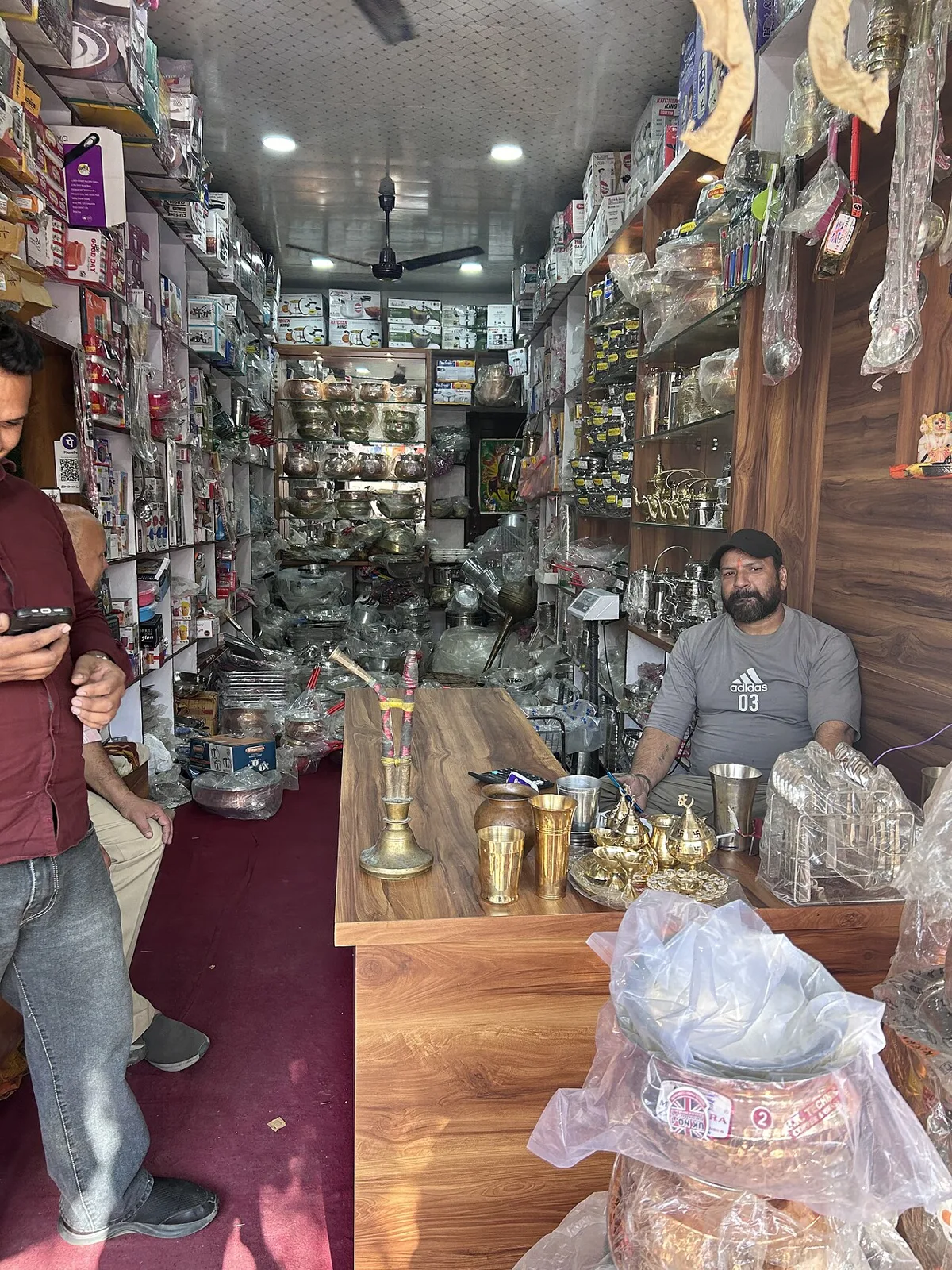
The most visible living tradition for visitors is the Thathera craft: artisans work brass and copper through repeated hammering, shaping and finishing. A piece may take hours or longer, depending on its form and finish. Ask before entering a home workshop, and let the maker decide what stages can be shown. Punjabi is widely spoken locally, and Hindi may also be understood; English availability varies. The wider region’s cultural life includes Sikh gurdwara traditions of seva and langar, Punjabi folk music, Bhangra and Giddha, alongside agricultural rhythms and family customs. These broader traditions are not performances guaranteed in the village. Dress modestly, speak courteously and follow local guidance in homes and places of worship.
Local communities
Thathera artisans and their families are central to Jandiala Guru’s craft identity. Metalworking knowledge is commonly transmitted within families, and livelihoods may combine workshop production with selling through local markets, fairs or cooperative channels. The wider town and surrounding area include Punjabi farming households, traders, service workers and people connected with religious institutions. Not every resident is a craft worker, and not every artisan household receives visitors. Ask before approaching a workshop, avoid treating makers as exhibits, and buy directly only if the household is willing to sell. Visitors should not assume access to family spaces or expect people to demonstrate work without agreement.
Festivals & events
The wider region observes major Sikh and Punjabi celebrations, including Gurpurabs, Vaisakhi in spring and the autumn festival season around Diwali. Local observances and calendars can vary between gurdwaras and neighbourhoods, so check with residents before planning around a particular event. Fairs and markets may also bring artisans from Jandiala Guru to sell work, but participation and schedules are not fixed for visitors. Festival days can mean busier roads, crowded religious sites and reduced workshop availability; some households may be away. Follow gurdwara guidance on head coverings, footwear and conduct, and ask before photographing ceremonies or participants.
Village food in Punjab is home cooking: sarson da saag with makki di roti, Amritsari kulcha, chole bhature, lassi, tandoori dishes, pinni and jalebi; langar at gurdwaras serves a free vegetarian meal to all. Jandiala Guru itself may have only tea stalls and small eateries, so ask your host or guide where to eat, or arrange a home-cooked meal in advance — it is often the highlight of a village visit. Carry water and a snack if you plan to spend the whole day, and eat your main meal in the nearest town if no local option is open.
Shopping & local experiences
Look for hand-beaten brass and copper vessels made by local Thathera artisans, such as household utensils and decorative pieces, where available. Buying directly from a maker or a registered cooperative can support the craft, but workshops do not necessarily keep a retail display or welcome unannounced shoppers. Ask about the material, making process, care and whether any relevant GI or other product mark applies; do not assume every item carries one. Handmade work reflects time and skill, so bargain gently, if at all. Local food and everyday goods may be available in town shops, but specialist visitor markets are not guaranteed.
Jandiala Guru lies in the generally level, cultivated landscape of Punjab’s Amritsar district. Fields and settled roadsides shape the surroundings more than dramatic hills or extensive forest. The wider agricultural region supports seasonal crops and common village trees and plants, though what is visible changes with the farming calendar. Visitors should not expect a designated nature reserve or guaranteed wildlife sightings in the town. Birds may be noticed around fields, trees and water channels, particularly at quieter times, but sightings depend on season and local conditions. Summer heat can make outdoor walking tiring; the monsoon brings rain, while winter may bring cold and fog. Stay on public roads and paths, and do not enter fields or private land without permission.
October to March
The nearest principal railway station by straight-line distance is Amritsar Junction, roughly 15 km away. The nearest operating airport by straight-line distance is Sri Guru Ram Dass Jee International Airport, Amritsar, roughly 25 km away. These figures are calculated from map coordinates — actual road distance is longer. undefined Jandiala Guru is a village, so the last stretch is by road: Punjab Roadways, PEPSU Road Transport (PRTC) and private Volvo coaches reach the nearest town, and from there a shared auto, local bus or reserved taxi covers the final few kilometres. Village roads can be narrow and unpaved; a taxi hired for the day from the nearest town is the simplest way to combine Jandiala Guru with nearby sights and get back before dark. When comparing train, bus and flight, count the complete door-to-door time: a flight saves the most time only if the onward road transfer is short, while an overnight train can save a hotel night. Book your return before you leave, because seats fill quickly on weekends, festivals and holidays. Current train numbers, timings, return services and fares are not listed here; check IRCTC and NTES for trains and the airline's own schedule for flights. No permit is needed to visit Punjab. The Wagah–Attari border ceremony needs a same-day security check, and the Kartarpur Corridor to Pakistan requires advance online registration and a passport.
Confirm onward and return timings on IRCTC / NTES, the state bus operator or your airline before travel. A dash means current timings or fares have not been verified.
Getting around
Jandiala Guru is on the Grand Trunk Road, and the last part of a visit is by road. Local buses and shared autos may connect with nearby towns, while a reserved taxi offers more flexibility for reaching a particular workshop and returning to Amritsar. Confirm your destination with the driver, since a household workshop may not be at a public landmark. Within the town, walking can work for short distances, but workshop locations and road conditions vary. Parking may be informal; do not block narrow lanes or workshop entrances. Ask your host to help arrange local transport if needed.
Hours, tickets & permissions
Jandiala Guru is a living town, not a ticketed heritage complex, and there is no single public entry gate for the Thathera workshops. Household workshops may receive visitors only by prior arrangement and at the family’s discretion; work schedules and availability vary. No general permit or camera fee should be assumed, but a maker may set conditions for a visit or demonstration. Ask locally about any cooperative or organised visit, and confirm current access arrangements, opening hours and any fees directly with the host or managing organisation before travelling.
Facilities
Facilities vary by neighbourhood and workshop. The town has local shops and places to eat, but visitor-oriented services should not be assumed at an artisan’s home. Toilets, drinking water, seating and demonstrations depend on the host; ask in advance, especially for a longer visit. ATMs and a wider choice of food and accommodation are more readily sought in larger nearby centres such as Amritsar. Parking may be limited on narrow streets. Guided craft visits are not guaranteed, so confirm whether a cooperative or local contact can help arrange one before travelling.
Accessibility
The town is mostly level, but workshop access can involve uneven lanes, thresholds, steps or cramped domestic spaces. There is no reliable basis to assume ramps, accessible toilets or wheelchair-friendly workshop layouts. Ask the host about the entrance, seating, washroom access and vehicle drop-off before setting out. Walking distances depend on which artisans are available and where they work; avoid planning several visits without local guidance. Summer heat, monsoon rain and winter fog can add difficulty for older visitors and anyone with limited mobility. A single pre-arranged visit, with a vehicle waiting nearby, is likely to be more manageable than an extended walking tour.
No permit is needed to visit Punjab. The Wagah–Attari border ceremony needs a same-day security check, and the Kartarpur Corridor to Pakistan requires advance online registration and a passport. Carry a photo ID, some cash (card and UPI acceptance varies in villages) and a charged phone with offline maps; save the emergency number 112 and your host's contact. Heat in summer and heavy rain in the monsoon are the main weather risks; carry water, avoid midday sun and allow extra time when village roads flood. Respect local customs: dress modestly, remove footwear where asked, and always ask before photographing people, homes or rituals.
Visitor rules
Ask permission before entering a home, courtyard or workshop, and accept a refusal without pressing. Do not touch tools, unfinished pieces or hot metal unless the artisan invites you to do so. Modest clothing and courteous behaviour are appropriate; follow local instructions at gurdwaras, including removing footwear and covering the head where required. Keep visits brief when work is busy, and do not obstruct lanes or working areas. Avoid littering and reduce single-use plastic. Some spaces or processes may be off-limits to visitors; follow the host’s directions rather than assuming public access.
Photography
Ask before photographing artisans, family members, homes, tools or work in progress; consent should be specific, not assumed from permission to visit. Some makers may allow photographs of finished objects but not people or particular stages of work. Soft morning or late-afternoon light can suit street and craft photography, though indoor workshops may be dim. Do not use flash if it distracts the maker or affects the work. Drone use may be restricted by aviation rules and is inappropriate over homes or crowded areas without the necessary permissions. At religious sites, follow posted rules and local guidance.
Most visitors see Jandiala Guru on a day trip from the nearest town, which has the widest choice of hotels. A few villages have homestays or heritage stays; otherwise base yourself in the district town and hire a taxi for the day. Confirm the booking and the exact location before you travel, because village addresses can be hard to find.
Amritsar offers major places to combine with a craft visit, including the Golden Temple, Jallianwala Bagh, the Partition Museum, Durgiana Temple and Gobindgarh Fort. These are established city attractions, but allow for road travel and possible queues when planning the day. Tarn Taran Sahib, in the wider district, is another religious destination; observe site-specific customs and check current access locally. A visit to Jandiala Guru is most rewarding when enough time is reserved for a pre-arranged artisan meeting rather than treating the workshops as a quick roadside stop. Confirm transport and opening arrangements for other attractions separately.
For couples, Jandiala Guru is a chance to slow down: spend an unhurried morning with the makers, choose a piece together directly from the family that made it, share a home-cooked meal and keep the afternoon free. Stay in a nearby homestay or heritage property to make it a quiet overnight escape.
Q: How much time should I allow for Jandiala Guru? A: Allow at least a half day for an arranged workshop visit; a full day gives more flexibility for a second visit or nearby plans. Q: When is a good season to visit? A: October to March is generally more comfortable for travel in Punjab. Summers are hot, and winter fog can affect journeys. Q: Is there an entry ticket for the Thathera workshops? A: The town has no single ticketed workshop entrance. Visits are arranged with individual households or organisations, and any conditions should be confirmed locally. Q: Is the visit suitable for children or older visitors? A: It can be, with supervision around tools and hot metal. Uneven lanes and workshop thresholds may be difficult, so arrange access and seating in advance. Q: Can I stay overnight in Jandiala Guru? A: Visitor accommodation may be limited. Amritsar has a wider choice of stays; confirm your transport back before planning an evening visit.
Be the first to share photos, stories, advice or a helpful contact for Jandiala Guru (Thathera Village).
Loading…