
District · Punjab
Ludhiana
Ludhiana is a major urban and industrial centre in central Punjab, set amid the state’s productive agricultural plains.
Ludhiana district lies on Punjab’s fertile alluvial plains, with the Sutlej along its northern side and a landscape of cultivated fields, villages and expanding towns. Ludhiana city, the district headquarters, is a major industrial centre, particularly associated with hosiery, knitwear and bicycle manufacturing. Its busy commercial character sits alongside the agricultural life of the surrounding countryside; Punjab Agricultural University is an important presence in the city. The district’s heritage includes gurdwaras and places connected with Sikh history, notably around Machhiwara and Alamgir. Phillaur Fort, associated with Maharaja Ranjit Singh, is a nearby excursion across the Sutlej, but lies in neighbouring Jalandhar district rather than Ludhiana.
Ludhiana is a major urban and industrial centre in central Punjab, set amid the state’s productive agricultural plains. The district is best known for Ludhiana city’s hosiery, knitwear and bicycle industries, while its surrounding villages retain a strong connection to farming. Travellers can combine the city’s commercial energy and institutions, including Punjab Agricultural University, with visits to Sikh heritage sites around Machhiwara and Alamgir. The Sutlej forms part of the district’s northern setting. Phillaur Fort is a possible excursion from the area, but it lies across the river in neighbouring Jalandhar district.
The Ludhiana region has long been part of the settled agricultural heartland of Punjab. The city is generally associated with the Lodis, whose chiefs established a settlement here in the late fifteenth century; its name is commonly linked to Lodhi-ana, or the Lodis’ place. In later centuries, the area came under changing Sikh powers, including the Sikh misls, before the rise of Maharaja Ranjit Singh’s kingdom in the early nineteenth century. British control followed the annexation of Punjab in 1849, and Ludhiana developed as an administrative centre and a market for the surrounding countryside. The colonial period also brought changes in transport, trade and manufacturing. Sikh history is especially visible at sites around Machhiwara and Alamgir, associated with Guru Gobind Singh and the Sikh tradition. After the 1947 Partition, Ludhiana grew rapidly as a commercial and manufacturing city, with textiles and bicycles becoming prominent industries. The district’s boundaries and administration have changed through Punjab’s later reorganisations.
2 destination guides
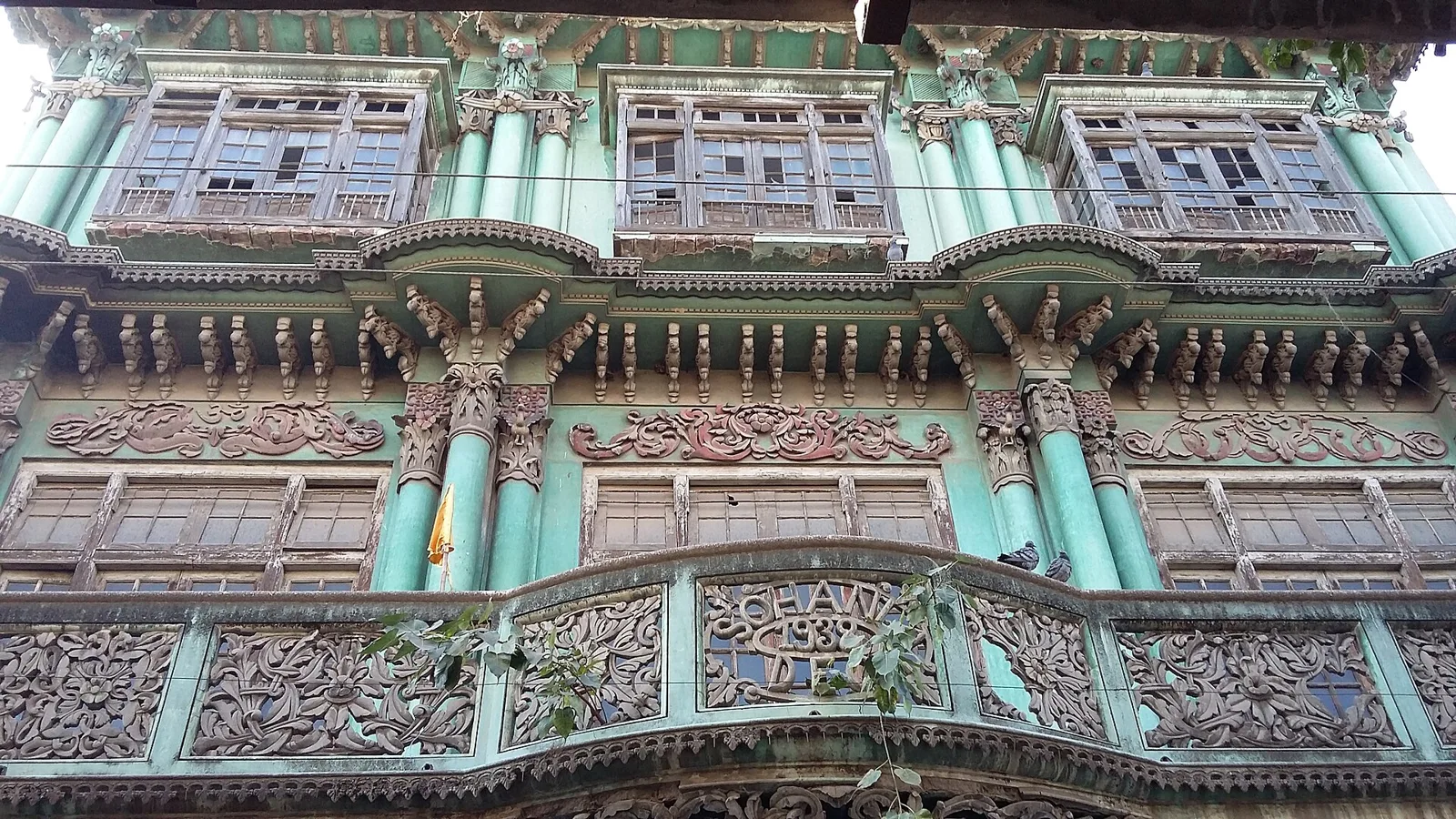
Ludhiana
Ludhiana is Punjab’s most populous city and a major manufacturing and trading centre in northern India; visitors come for its industrial and commercial activity.
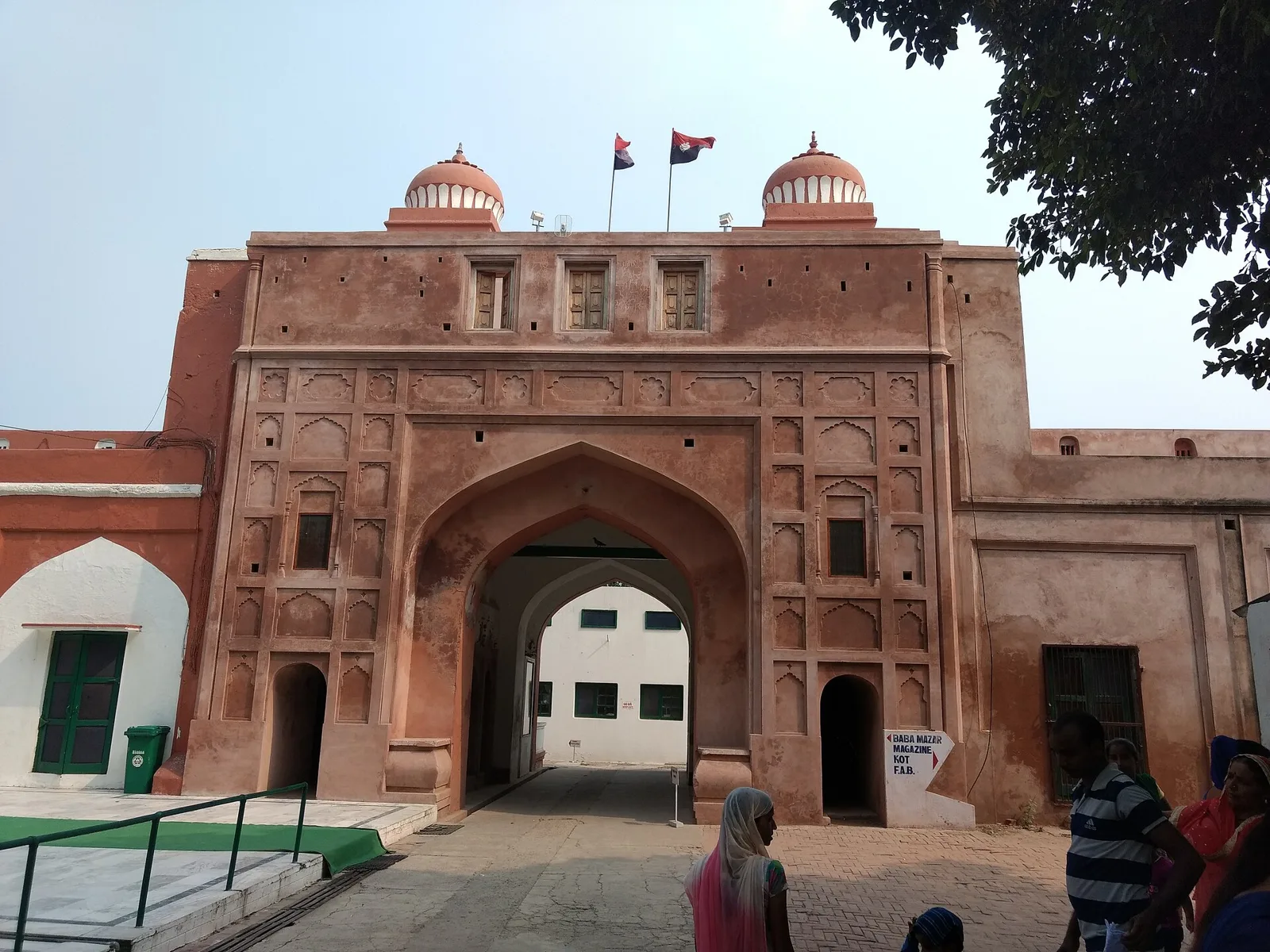
Phillaur Fort
Known also as Maharaja Ranjit Singh Fort, Phillaur Fort is a fort in Punjab that visitors can see on the Grand Trunk Road at Phillaur.
Food in Ludhiana reflects wider Punjabi traditions rather than a cuisine exclusive to the district. Sarson da saag with makki di roti is especially associated with winter, while chole bhature, stuffed parathas, lassi and tandoori dishes are familiar choices in city eateries and roadside dhabas. Pinni and jalebi are popular sweets. Vegetarian travellers have plenty of options, alongside dhabas serving meat dishes. Gurdwara langar offers a free vegetarian meal to all, shared in a spirit of equality and service. Ask smaller eateries what is freshly prepared, and carry drinking water and snacks on rural excursions.
Ludhiana is best known for hosiery and knitwear, including sweaters and other woollen garments. This is largely an industrial textile tradition, so factory-made clothing should not automatically be described as handmade or handloom. Across the wider Punjab region, phulkari embroidery is an important decorative tradition, especially on dupattas and ceremonial textiles. Punjabi juttis are another regional craft visitors may encounter in local markets. When buying, ask where an item was made and whether its embroidery or stitching is done by hand; goods sold locally are not necessarily produced within the district.
Lohri in midwinter and Baisakhi in spring are widely observed in Punjab, including Ludhiana district, with community gatherings, seasonal food and local events. Sikh religious observances and Gurpurabs bring visitors to gurdwaras; celebrations can be especially busy around important shrines and during the season of Guru Nanak’s birthday in autumn. Village fairs and local religious gatherings take place at different times of year. These occasions may mean heavier traffic and larger crowds near venues, and accommodation in the city can be busier, so reserve ahead when travelling during major celebrations.
In this district
The district is largely level, fertile alluvial plain, shaped by farming, canals, villages and the expanding urban area around Ludhiana. The Sutlej runs along its northern side and is an important feature of the wider landscape, though river conditions and access vary by location. There are no major hills or extensive forests within the district. Flat terrain generally makes road travel straightforward, but urban congestion can slow journeys, while monsoon rain may affect some low-lying roads. Rural routes pass through cultivated fields and settlements, so allow for local traffic and agricultural activity.
Ludhiana has hot summers, a monsoon season and cool winters. Summer days can be intensely hot, so sightseeing is more comfortable early or later in the day; monsoon weather brings humid conditions and occasional heavy rain. Winter is generally the most pleasant season for exploring, although mornings can be cold and fog may disrupt road or rail journeys. October to March is usually the most comfortable period to visit. Pack light, breathable clothing and sun protection in warmer months, and carry rain protection during the monsoon. For winter, bring layers and check travel conditions when fog is forecast.
Ludhiana Junction is the principal railway gateway, with connections towards Delhi, Amritsar and other major cities. Ludhiana Airport at Sahnewal is the local airport, but confirm whether flights suit your journey; Chandigarh’s Shaheed Bhagat Singh International Airport is another option for arrival by air. The district is linked by the Grand Trunk Road corridor, now part of National Highway 44, and by roads towards Chandigarh and neighbouring Punjab towns. State and private buses serve intercity routes. Within Ludhiana, auto-rickshaws and taxis are practical options, while a hired vehicle can help with village visits. Check current services locally.
Ludhiana city is the main transport hub, with road links to Phillaur, Machhiwara, Alamgir and other towns and villages. Local and intercity buses serve many routes, though coverage and frequency can vary outside the main corridors. Within the city, auto-rickshaws and taxis are useful for short trips; a hired car is often more convenient for visiting several rural sites. Shared vehicles may be available on some routes, but confirm their destination before boarding. There are no routine visitor boat services to rely on for getting around the district.
2 days: Ludhiana; sleep in Ludhiana. Phillaur Fort; sleep in Ludhiana (Phillaur Fort is in neighbouring Jalandhar district). 3 days: Ludhiana; sleep in Ludhiana. Phillaur Fort; sleep in Ludhiana. Ludhiana; sleep in Ludhiana.
Ludhiana city is the most practical base for urban sightseeing, rail connections and a broad choice of hotels and guesthouses. It also works for day trips to sites elsewhere in the district, though rural visits may require a hired vehicle. Smaller towns and villages have fewer visitor facilities; ask locally about homestays or dharamshalas near religious sites, as availability and visitor arrangements vary. Government accommodation may be available in the wider region but should be checked in advance. For an excursion to Phillaur Fort, staying in Ludhiana is convenient, but the fort itself is in neighbouring Jalandhar district.
Expect busy traffic in Ludhiana city and use care when crossing roads; rural roads may have slow-moving agricultural vehicles and variable surfaces. Monsoon rain can cause waterlogging, while summer heat and winter fog can make travel tiring or slow. Drink sealed or properly treated water, and take ordinary precautions with street food. Air quality can be poor at times in urban and industrial areas, so sensitive visitors may wish to check conditions. Mobile connectivity is generally available in populated areas but can be less reliable in some rural locations. No special visitor permits are generally required for the destinations described; confirm officially if rules change or a site announces restrictions.
- Jalandharabout 48 km
- Kapurthalaabout 63 km
- Fatehgarh Sahibabout 65 km
- Rupnagarabout 71 km
- Bilaspur · Himachal Pradeshabout 82 km
- Tarn Taranabout 84 km
- Mohaliabout 86 km
- Patialaabout 88 km
Straight-line distance between the centres of each district's destinations; road distance is longer.
Q: How many days should I spend in Ludhiana district? A: Two or three days allow time for Ludhiana city and selected heritage or rural visits. Add time if you want a slower pace. Q: When is the best time to visit? A: October to March is usually most comfortable. Summer can be very hot, and monsoon rain may affect road travel. Q: What is the best base for exploring? A: Ludhiana city is the most practical base, with transport links and a wider choice of accommodation. Q: How do I get to the district? A: Ludhiana Junction is the main rail gateway, and buses and roads connect the city with other Punjab centres. Sahnewal Airport has limited local services; Chandigarh is another air-arrival option. Q: Is Ludhiana suitable for families and elderly travellers? A: Yes, particularly with a planned itinerary and reliable local transport. Allow for traffic, walking conditions and seasonal heat, cold or fog.
This page draws on our 2 destination guides for Ludhiana and is updated as our team checks it.
Be the first to share photos, stories, advice or a helpful contact for Ludhiana.
Loading…