
Ghumoopedia — Explore, Discover, Experience
Sign in

Religious · Punjab

Shaheedi Jor Mela

Fatehgarh Sahib

Dates

Last verified 17 November 2026. Confirmed: announced by organisers or government. Provisional: from a published almanac, not yet announced. Seasonal: no date announced.

The complete guide

Shaheedi Jor Mela: everything to know before you go

Also known as
Shaheedi Jor Mela; Shaheedi Sabha; Fatehgarh Sahib Jor Mela
State and district
Punjab; Fatehgarh Sahib district
When
December, usually in the last week of the month, in the Punjabi month of Poh
Duration
3 days
Faith and community
Sikh; people of other faiths attend to pay respects
Type
Religious commemoration (a solemn fair)
Entry
Free
Best for
Remembrance, kirtan, Sikh history, a reflective visit to the historic gurdwaras

Overview

The Shaheedi Jor Mela is not a festival of joy. It is a solemn gathering held every December at Fatehgarh Sahib, a small town near Sirhind, to remember the martyrdom of the two youngest sons of Guru Gobind Singh, Sahibzada Zorawar Singh and Sahibzada Fateh Singh, and of their grandmother, Mata Gujri. The word jor means a gathering or a meeting, and shaheedi means martyrdom. Hundreds of thousands of people come from across Punjab and beyond to pay their respects, and the town fills with the sound of hymns. The setting, in the depths of winter, adds to the mood: many pilgrims travel in cold and fog, and the memory of two children and an elderly woman who endured cold and hardship is at the centre of the experience. The mela is also one of the largest religious gatherings in the state, with a strong community spirit and extensive seva. For visitors, it offers a deeply moving encounter with Sikh history and values.
Origins and legend

The events behind the mela took place in December 1705, after the siege of Anandpur Sahib. As the Sikhs left the fort, the families were separated while crossing the swollen river Sarsa. The Guru's two younger sons, aged about nine and six, and his mother, Mata Gujri, were taken in by a former servant, who handed them over to the authorities, and they were taken to Sirhind and imprisoned in the Thanda Burj, the cold tower, in the winter cold. The governor of Sirhind, Wazir Khan, repeatedly pressed the boys to give up their faith and offered them rewards. According to tradition, they refused with courage and calm.

The boys were ordered to be executed by being bricked into a wall, and, as the account goes, they were killed after the wall was built. When she heard, Mata Gujri is said to have died soon afterwards. A rich merchant, Diwan Todar Mal, offered to buy the land for their cremation, and the story says he was asked to cover the ground with gold coins, which he did. Another figure remembered with gratitude is Moti Ram Mehra, a servant who risked his life to bring warm milk to the prisoners. The sacrifice of the young sons, known as the Chhote Sahibzade, has become one of the most powerful symbols of courage and faith in Sikh memory, and the mela keeps it alive.

How it is celebrated

The word "celebrated" fits uneasily, since the mela is a time of remembrance rather than festivity. The gathering begins with Akhand Path, the continuous reading of the Guru Granth Sahib, at the gurdwaras of Fatehgarh Sahib. On the first day, a large procession, the nagar kirtan, moves from Gurdwara Fatehgarh Sahib to the site of the martyrdom and other shrines, led by the Panj Pyare and with the scripture carried in a palanquin. Devotees walk in silence or chant hymns. Over the following days, huge congregations listen to kirtan and sermons. Langar serves simple food to all, and many volunteers work through the night. Several families observe the days with restraint, avoiding celebrations and sometimes sleeping on the floor in remembrance of the hardship the children endured.

The cultural days

Because the mela is a commemoration, its cultural side is expressed through remembrance rather than entertainment. Stages are set up in the fairground, where Sikh scholars, preachers and singers recount the story of the Sahibzade, and religious leaders give speeches. Ragis and dhadi jathas, bands of ballad singers, perform vaars of the martyrdom, and kavishars, a style of folk poetry sung without instruments, are also performed. Exhibitions and book stalls tell the history of the Sikh Gurus, and young people take part in essay and quiz competitions. There are no dances or loud music, and the atmosphere is quiet and thoughtful. Political and religious organisations also hold conferences during the mela, though many Sikhs prefer that the focus remain on remembrance. Visitors can learn a great deal about Sikh history by listening and reading.

The pilgrimage days

Pilgrims come to Fatehgarh Sahib to visit the sacred sites connected to the Sahibzade. Gurdwara Fatehgarh Sahib stands at the place where the boys were bricked in, and Gurdwara Jyoti Sarup marks the place where Mata Gujri and the boys were cremated. Gurdwara Bhora Sahib is the place where the boys are said to have been held, and the Thanda Burj, the cold tower, is also remembered. Devotees offer prayers, light lamps, listen to Gurbani and bow before the Guru Granth Sahib. Many people walk long distances to reach the town, and some do so barefoot as an act of reverence. The three days of the mela are marked by long queues, quiet prayers and a shared sense of grief and pride. Pilgrims often reflect on the courage of the children and the importance of standing by one's beliefs.

Food and flavours

Food at the Jor Mela reflects the solemn mood. The main meal is langar, which is served day and night in the gurdwaras and in large temporary kitchens set up by volunteers and communities across Punjab. The food is simple and warm: dal, roti, vegetables, rice and kheer, and in the winter chill, khichdi, hot tea and milk are especially welcome. Hot milk is a particular feature, in memory of Moti Ram Mehra, who is said to have brought milk to the prisoners, and it is offered freely to pilgrims. Karah prasad is distributed after prayers. Roadside stalls sell hot tea, pakoras, parathas and sweets, and local villagers set up free stalls along the route. Many families keep the days simple and avoid rich food and sweets out of respect for the occasion. As always, the tradition of langar is that no one goes hungry, and visitors should accept food with gratitude.

Music, dance, art and dress

The music of the Jor Mela is devotional and sorrowful. Kirtan jathas sing hymns from the Guru Granth Sahib, accompanied by harmonium and tabla, and the dhadi singers perform ballads, using a small drum (dhad) and the bowed sarangi, that tell the story of the Sahibzade. These songs, sung in a strong voice, are moving, and many listeners are visibly affected. There is no dancing and no loud celebratory music.

Dress is simple and respectful. Many men wear white or dark kurta pyjamas and turbans, often in blue, black or white, and many women wear plain salwar kameez with scarves. Many people dress in dark colours as a sign of mourning. The gurdwara buildings are lit with lamps and decorated with simple flowers and banners. Visitors should avoid bright or flashy clothing and dress modestly with a head covering.

Where to experience it

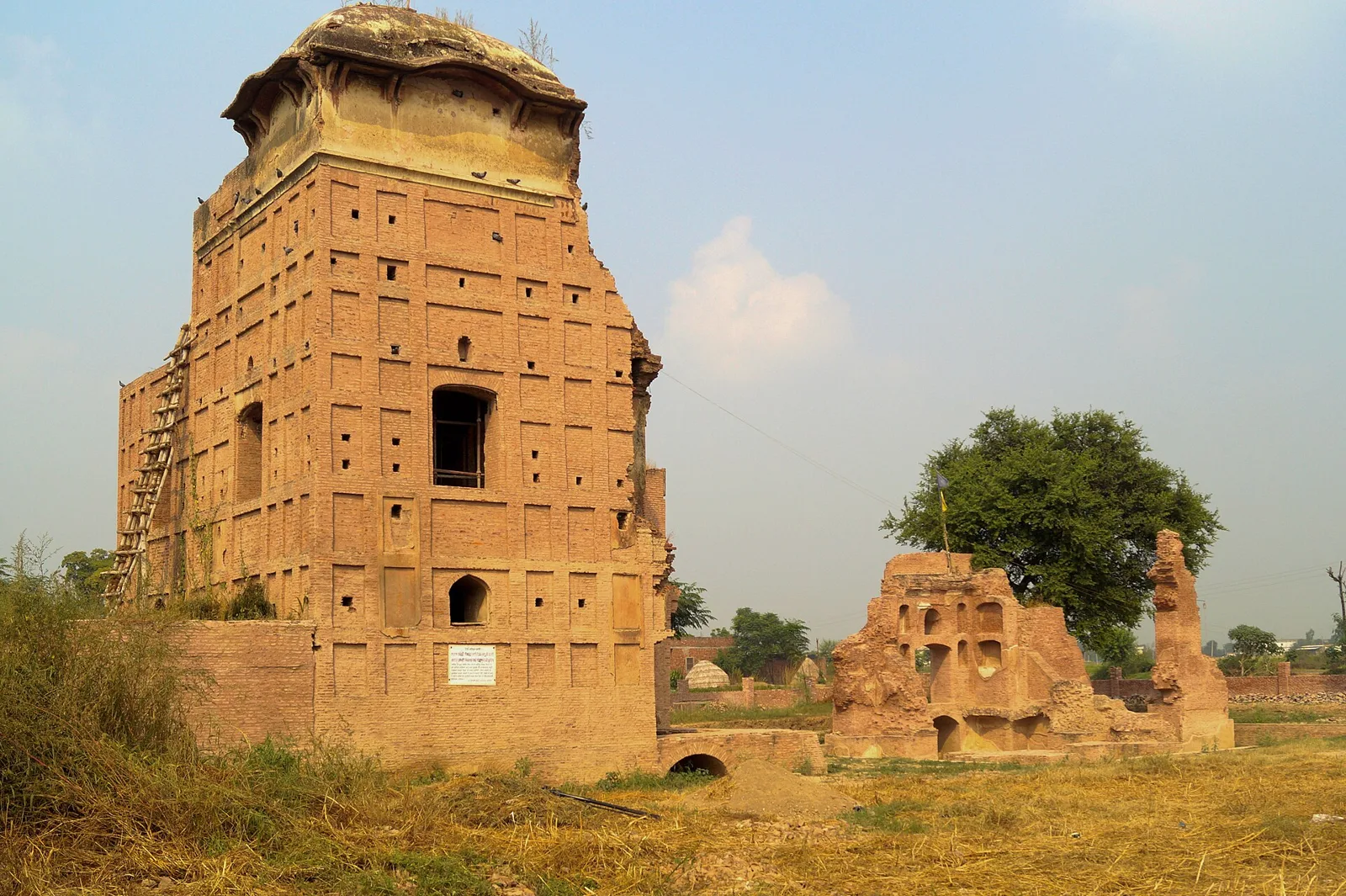
The main site is Fatehgarh Sahib, about 5 km from Sirhind, where the key shrines are Gurdwara Fatehgarh Sahib, Gurdwara Jyoti Sarup, Gurdwara Bhora Sahib and the memorial of the Thanda Burj. Sirhind itself has historic monuments from the Mughal period, including the Rauza Sharif, the tomb of the Sufi saint Shaikh Ahmad Sirhindi, and the Aam Khas Bagh remains. The area is on the main road from Chandigarh to Ludhiana, and the fair grounds are on the outskirts of the town, where stages, kitchens and parking are set up. Because the experience is solemn, the best way to visit is to arrive early in the day, attend a hymn session, visit the shrines and eat in the langar.

Visitor guide

  • Getting there. Fatehgarh Sahib is about 50 km from Chandigarh and about 50 km from Ludhiana on the national highway. Sirhind railway station, about 5 km away, is on the Ambala–Ludhiana line. The nearest airport is Chandigarh.
  • Where to stay. The town has few hotels, and the gurdwara runs sarais with basic rooms, but these fill up quickly during the mela. Many visitors stay in Chandigarh, Mohali or Ludhiana and travel for the day.
  • What to wear and pack. December is very cold, with dense fog in the mornings. Wear warm layers, a woollen cap, gloves, thick socks and shoes that are easy to remove. Carry a head covering.
  • Etiquette. Maintain silence and a respectful mood, cover your head, remove shoes and avoid tobacco, alcohol and meat. Do not take photographs during prayers unless allowed, and do not litter.
  • Safety and comfort. Fog can make roads dangerous, so avoid driving at night. Crowds are very large during the main days, so keep a close watch on children, and keep valuables safe.

Today and tomorrow

The Jor Mela has grown in size and importance, and the state works to arrange safety, sanitation, traffic management and medical services. The main concern is to preserve the dignity of the occasion, with careful management of crowds and waste, and to keep it a time of remembrance rather than a political stage. Schools and Sikh organisations are using the mela to teach young people about the Sahibzade, and many make the pilgrimage with children so that the story is passed on. As social media spreads the message, there is also a growing effort to share the history accurately and respectfully.

Nearby

Places to see around the festival