
District · Haryana
Hisar
Hisar district occupies the agricultural plains of western Haryana, with Hisar city serving as a regional administrative and market centre.
Hisar district lies in western Haryana, where broad agricultural plains, a relatively dry climate and busy market towns shape the landscape. Cultivated fields and villages surround Hisar city, the district headquarters, also spelt Hissar. The city’s medieval history is closely associated with Firoz Shah Tughlaq, who founded Hisar-e-Firoza in 1354. The surviving Firoz Shah palace complex and nearby Gujari Mahal provide an introduction to this Sultanate-era heritage. Agroha, on the road towards Fatehabad, adds another important stop to a district visit. Hisar’s character combines farming and trade with historic remains, making it a place to explore through both its urban monuments and surrounding countryside.
Hisar district occupies the agricultural plains of western Haryana, with Hisar city serving as a regional administrative and market centre. Travellers come for the remains of Hisar-e-Firoza, the 14th-century fortified settlement associated with Firoz Shah Tughlaq, including the Firoz Shah palace complex and Gujari Mahal. Agroha offers a second point of interest, with archaeological remains and a religious complex linked to local traditions. The district suits visitors interested in Sultanate-era architecture, regional history and the everyday life of Haryana’s farming towns. Its sights are spread across a largely rural area, so a visit combines urban exploration with road travel through the countryside.
The Hisar region has a long history of settlement, and archaeological remains at Agroha point to an ancient town with connections to regional trade and later local traditions. In the 14th century, Delhi Sultan Firoz Shah Tughlaq established Hisar-e-Firoza, developing a fortified settlement with waterworks and royal buildings. The surviving palace complex and Gujari Mahal are reminders of this period. The wider region subsequently came under Mughal rule and, as power shifted across north India, was affected by changing regional authorities. British control expanded over the area during the 19th century, when it was administered as part of Punjab. After independence, Hisar remained within the Indian state of Punjab until Haryana was formed in 1966; Hisar became one of the new state’s districts. The city grew as an administrative and agricultural-trade centre, while farming continued to shape settlement and livelihoods across the district.
3 destination guides
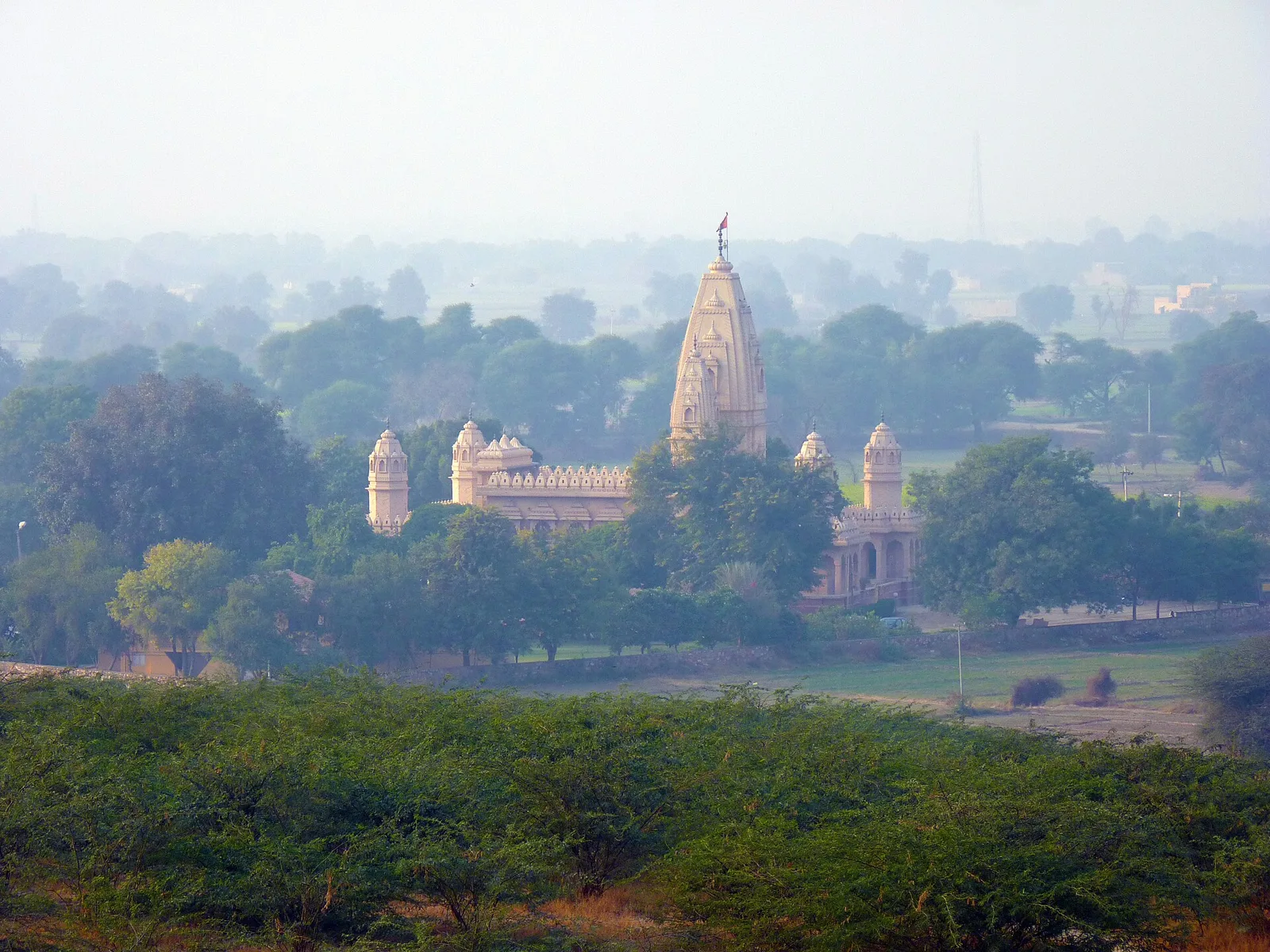
Agroha
Agroha is a town in Haryana’s Hisar district, between Hisar and Fatehabad along NH 09. Visitors may be interested in archaeological finds uncovered at the Agroha Mound.
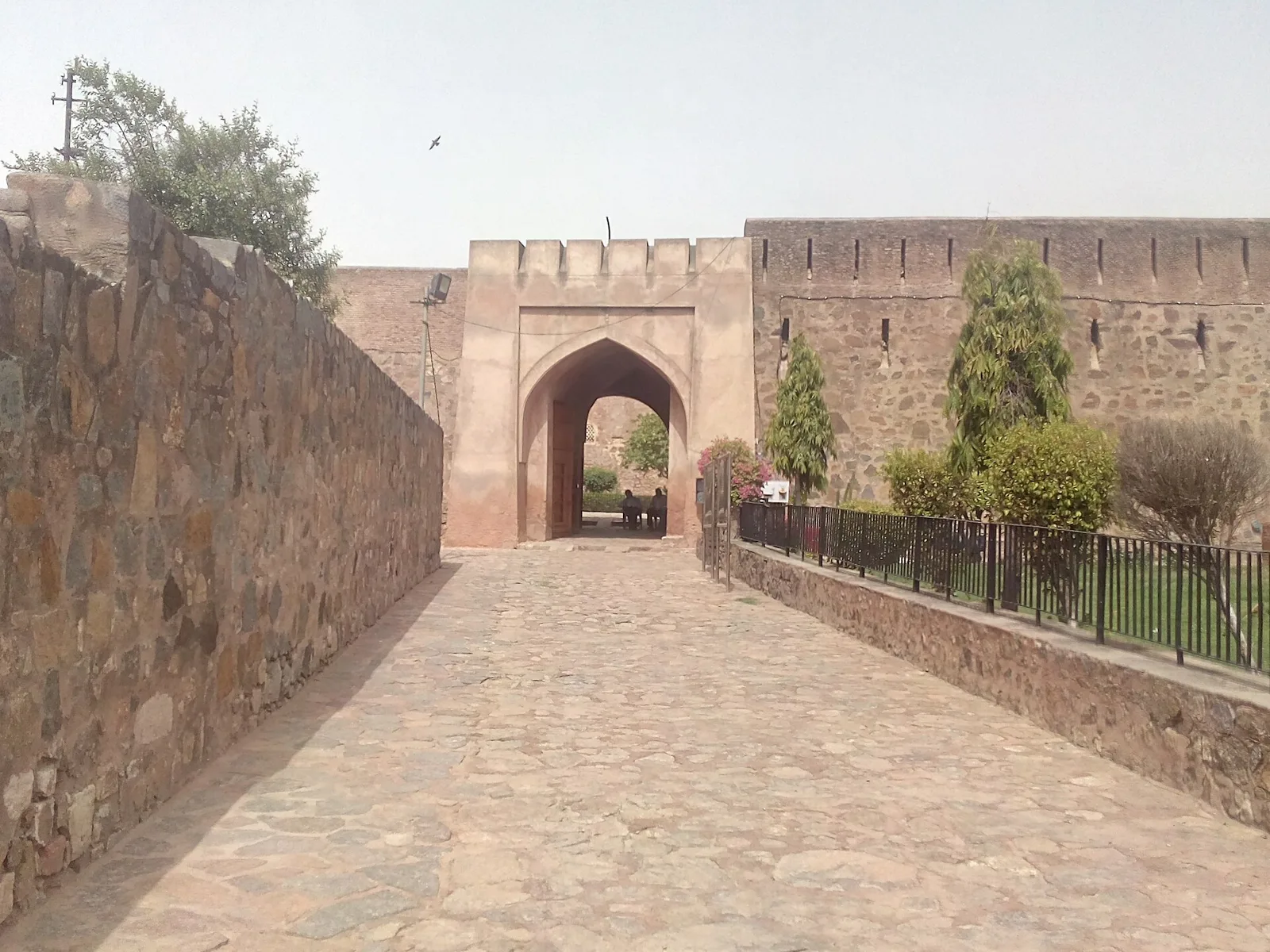
Firoz Shah palace complex
The Firoz Shah palace complex is a medieval fortified site in Hisar, Haryana, associated with Sultan Firoz Shah Tughlaq. Visitors come to explore its palace remains, religious buildings and evidence of the older settlement beneath it.
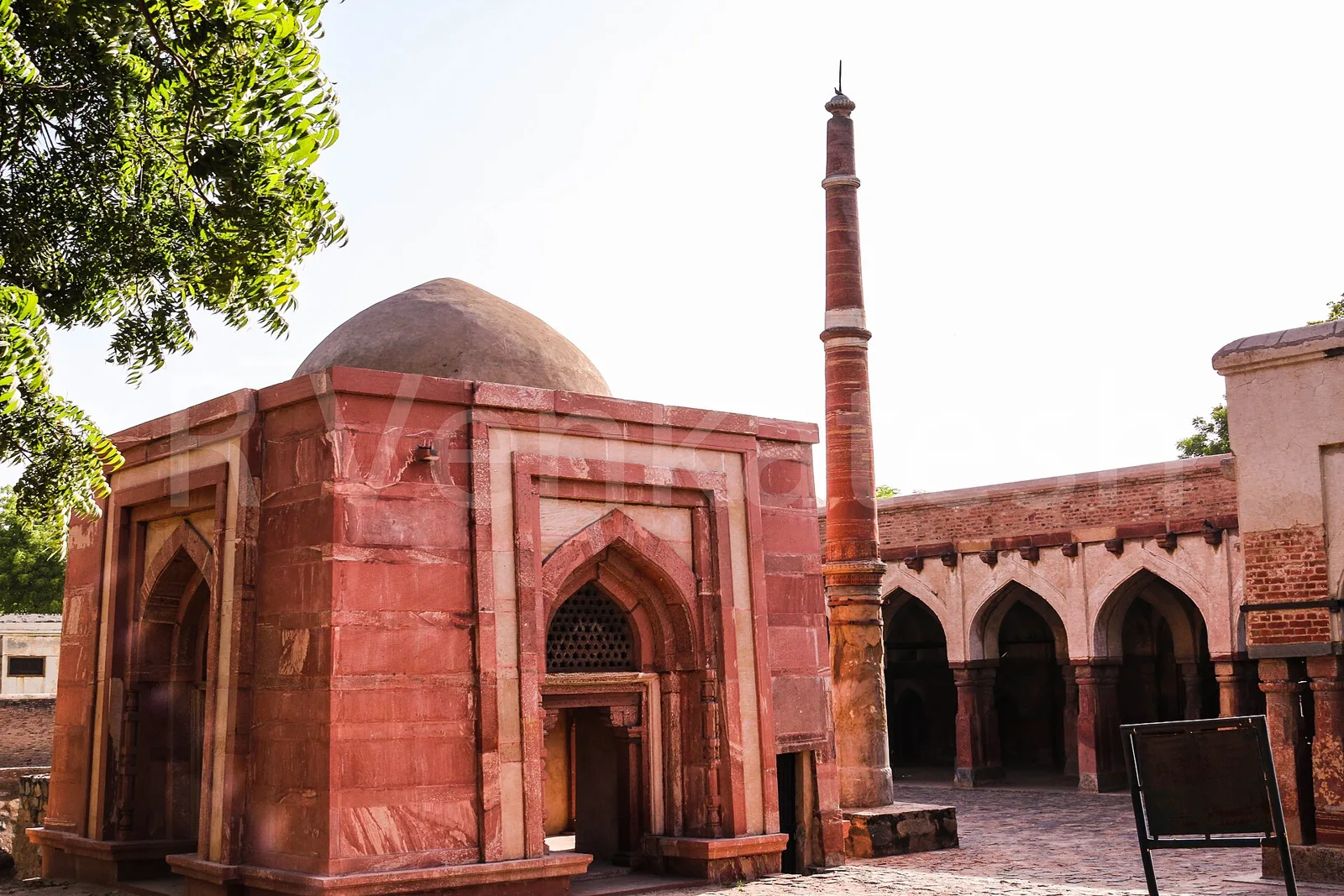
Hisar
Hisar is Haryana’s district administrative centre, where visitors encounter a history shaped by successive rulers, from the Mauryans to the British.
Food in Hisar reflects the wider Haryanvi preference for hearty grain-based meals and generous use of dairy. Bajra khichdi, fresh curd, milk and ghee belong to this regional repertoire, alongside singri ki sabzi, kachri chutney and seasonal bathua raita. Ghevar and rewri are among the sweets to look for, though availability varies with the season and shop. Vegetarian travellers generally have plenty of choices in town eateries and roadside dhabas. Ask what has been freshly prepared rather than expecting every regional dish on one menu. For visits away from town, carry drinking water and snacks, as food options near individual sites may be limited.
Craft traditions relevant to Hisar are best understood within the wider rural culture of Haryana rather than as products exclusive to the district. Handwoven cotton durries, embroidery, pottery and basketry form part of that regional household and artisan heritage. Phulkari-style embroidery is associated with the broader Punjab–Haryana cultural area, although pieces sold locally are not necessarily locally made. In Hisar’s markets, ask sellers about the maker, material and place of production before buying. Everyday textiles and utilitarian earthenware can offer an introduction to regional craft traditions without assuming that every item is handmade.
Holi, Diwali, Teej, Baisakhi and Lohri are observed in Hisar and the wider Haryana region, with celebrations reflecting the agricultural calendar and local customs. Agroha also draws visitors for religious gatherings and fairs, including an annual fair commonly associated with the autumn season. These events can make local roads and pilgrimage areas busier, and accommodation in Hisar may be in greater demand around major gatherings. Dates and event arrangements can vary from year to year, so check locally before making plans. Outside festival periods, visitor numbers are generally less concentrated.
Hisar district is mostly flat, with open agricultural plains, villages and market settlements. There are no prominent hill ranges or coastal areas; cultivated land and irrigation infrastructure are more characteristic of the scenery. Seasonal weather and water availability influence farming, while roads link Hisar city with smaller settlements and sites such as Agroha. The open terrain makes road travel straightforward in broad terms, but sights are spread out and public transport may not suit a tightly planned day. In hot or dusty conditions, allow time for breaks and carry water, especially when travelling between towns.
Hisar has a generally dry north Indian climate, with very hot summers, a monsoon season and cool winters. Summer heat can make midday sightseeing uncomfortable, while the monsoon brings periodic rain that may affect road conditions. Winter is usually the most comfortable season for exploring the city and travelling to Agroha. The months from roughly October to March are generally a good choice, though evenings in winter can be chilly. Pack breathable clothing and sun protection in warm weather; bring a light layer for winter evenings and rain protection during the monsoon. Check the forecast before setting out.
Hisar Junction is the principal rail gateway for visiting the district. Hisar Airport, also known as Maharaja Agrasen Airport, is the local airport; confirm whether suitable passenger flights are available before planning around it. Road access is useful, with NH 9 linking Hisar towards Delhi and Fatehabad and passing through Agroha. Haryana Roadways buses and private services connect major towns, while taxis offer flexibility for combining monuments with places outside the city. Auto-rickshaws are useful for shorter urban journeys. Allow extra time for road travel and arrange return transport when visiting less central sites. Check current services locally.
Hisar city is the most useful transport hub for district visits. Haryana Roadways and other bus services connect it with towns in the region, while services towards Agroha use the main road corridor towards Fatehabad. Within Hisar, auto-rickshaws can help with shorter journeys; taxis or a hired car are more practical for combining the palace complex with Agroha and other rural stops. Shared vehicles may be available on some routes but can be less predictable. Confirm return transport locally, particularly for visits outside the city, and allow extra time for road travel.
2 days: Hisar -> Firoz Shah palace complex (sleep in Hisar); Agroha (sleep in Hisar). 3 days: Hisar (sleep in Hisar); Firoz Shah palace complex (sleep in Hisar); Agroha (sleep in Hisar).
Hisar is the best base for most visitors, with the broadest choice of hotels and other town accommodation and convenient access to the district’s main sights. It works well for both a short visit to the Firoz Shah palace complex and a day trip to Agroha. Staying in Hisar also makes it easier to find local transport and services. Agroha is better treated as an excursion than as a base, as facilities for visitors may be more limited. Homestays, government lodges or dharamshalas may be available in the wider area, but check current access and arrangements before relying on them.
Plan outdoor sightseeing around the weather: summer heat and sun exposure can be tiring, while monsoon rain may make some roads slower or temporarily difficult. Carry drinking water and use reputable sources for refills; take ordinary food and personal-medication precautions. The district is largely settled agricultural country, but watch for farm traffic, animals and uneven surfaces near rural sites. Use care when crossing busy roads and arrange a return ride before travelling to less central places. Mobile connectivity is generally available in towns but may be less reliable in some rural stretches. No special visitor permit is normally required for the destinations listed; confirm officially if access rules change.
- Bhiwaniabout 38 km
- Jindabout 62 km
- Sirsaabout 78 km
- Rohtakabout 94 km
- Panipatabout 126 km
- Sonipatabout 129 km
- Mahendragarhabout 131 km
- Bathinda · Punjababout 137 km
Straight-line distance between the centres of each district's destinations; road distance is longer.
Q: How many days should I spend in Hisar district? A: Two days can cover Hisar and Agroha at a relaxed pace; three days allow more time for the city and its heritage. Q: When is the best time to visit? A: October to March is generally more comfortable for sightseeing, while summer can be very hot. Q: Where is the best base for exploring? A: Hisar is the most practical base, with services and road connections for visits around the district. Q: How do I get to Hisar? A: Hisar Junction is the principal rail gateway, and buses and roads connect the city with towns in the region. Check current services before travelling; confirm whether suitable passenger flights operate at Hisar Airport. Q: Is Hisar suitable for families or elderly travellers? A: Yes, with sensible planning. Use a car or taxi to reduce walking between sites, avoid the hottest part of the day and check access conditions at heritage locations.
This page draws on our 3 destination guides for Hisar and is updated as our team checks it.
Be the first to share photos, stories, advice or a helpful contact for Hisar.
Loading…