
District · Haryana
Rohtak
Rohtak offers a grounded introduction to Haryana’s central plains, where an active city is closely connected to cultivated fields, village settlements and a strong dairy culture.
Rohtak district lies in the plains of Haryana, where cultivated fields, village settlements and ponds surround an expanding urban centre. Rohtak city, the district headquarters, is a practical base for exploring this largely agricultural landscape. Its history as a settled market and administrative centre connects the surrounding countryside with the wider Delhi region. Today, educational institutions, commerce and busy roads sit alongside village traditions and a strong dairy culture. Tilyar Lake is a prominent leisure attraction, offering a waterside contrast to the city streets. The district’s appeal is less about dramatic scenery than everyday Haryanvi life, rural surroundings and an accessible outing from the capital.
Rohtak offers a grounded introduction to Haryana’s central plains, where an active city is closely connected to cultivated fields, village settlements and a strong dairy culture. The district sits within the wider Delhi region and is known chiefly for Rohtak city, its administrative and commercial centre, and Tilyar Lake, a popular leisure stop. Travellers can combine an easy urban visit with a glimpse of everyday Haryanvi life rather than seek dramatic landscapes or a dense circuit of monuments. Its road and rail links also make Rohtak a practical short outing from Delhi or a convenient stop while travelling across Haryana.
The Rohtak region has long been part of the settled agricultural plains around Delhi. Some accounts connect the name Rohtak with the ancient place-name Rohitaka, though the precise identification and continuity are uncertain. In successive periods, the area came under powers centred on Delhi, including the Delhi Sultanate and the Mughal Empire; local communities and agrarian settlements remained important to its everyday life. British control expanded into the region after the Company’s victories in north India in the early nineteenth century, and Rohtak developed as an administrative centre within the colonial system. The countryside was shaped by cultivation, land revenue administration and improved transport links. Rohtak became part of the state of Haryana when it was formed in 1966. Later administrative changes altered district boundaries as Haryana’s districts were reorganised. Today the district headquarters continues to serve the surrounding villages and agricultural economy, while education, commerce and transport have expanded the urban centre.
2 destination guides
Rohtak
Rohtak is a Haryana city and the seat of its district administration. People may travel there for district-level matters, while its position in the National Capital Region also connects it with the wider area.
Tilyar Lake
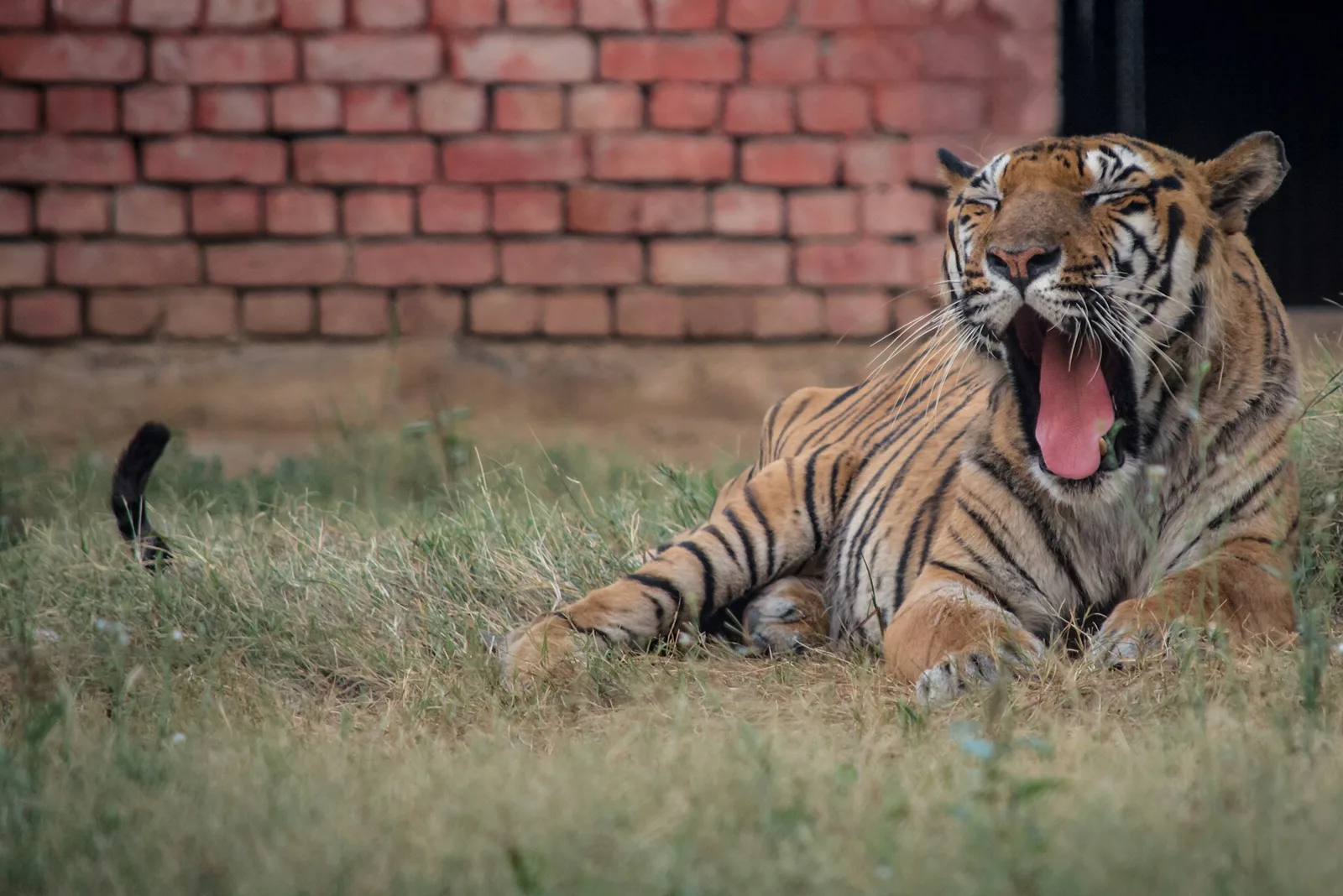
In Rohtak district, Haryana, Tilyar Lake is a leisure destination drawing visitors for its lake setting, fishing facilities and adjoining Rohtak Zoo.
Food in Rohtak draws on the wider Haryanvi tradition of hearty grain dishes, seasonal vegetables and plentiful dairy. Look for bajra khichdi, bathua raita and kachri chutney, with fresh curd, milk and ghee featuring prominently in everyday meals. Singri ki sabzi is another regional dish, though availability varies. Ghevar and rewri are familiar sweets across the wider region, often associated with particular seasons or celebrations. Small eateries may prepare only a limited daily menu, so ask what is fresh rather than expecting every speciality. Vegetarian choices are generally plentiful; carry water and snacks for trips beyond town.
Rohtak shares in Haryana’s broader traditions of practical household crafts rather than being widely identified with a single signature product. Regional craft forms include woven durries, cotton textiles, embroidery and pottery, historically linked to domestic use and village life. Everyday earthenware and stitched or woven household items offer a useful introduction to this material culture. City markets may sell such goods, but a product on sale is not necessarily locally made. Ask sellers about its place of production and whether it is handmade before treating it as a Rohtak craft.
Holi and Diwali are widely observed in Rohtak city and nearby villages, with family gatherings, worship and busier markets. Teej, usually associated with the monsoon season, is celebrated in parts of Haryana with local customs, while Baisakhi in spring has an agricultural and religious significance for some communities. Village fairs and temple gatherings may take place at different times of year, but their scale and dates vary locally. These occasions can make markets and roads busier; demand for rooms may rise around larger events, so check local arrangements if travelling during a festival.
Rohtak lies in the flat, fertile plains of Haryana. The district has no hills or coastline, and its countryside is largely cultivated, with villages, ponds, canals and roads linking fields to the city. There is no major river that serves as a central visitor route through the district. Tilyar Lake provides a prominent waterside setting near Rohtak city, but most travel is across open agricultural terrain rather than through wilderness. The level landscape makes road journeys straightforward in general, though rural routes can be affected by seasonal waterlogging or local road works.
Rohtak has hot summers, a monsoon season and cool winters. Summer heat can make outdoor sightseeing uncomfortable, especially in the middle of the day. The monsoon brings periodic rain and more humid conditions; local roads may be affected by waterlogging after heavy showers. Winter is generally the most comfortable season for exploring the city and countryside, while the months around the monsoon can also suit a visit when conditions are settled. Pack light clothing and sun protection in warmer months, a compact rain layer during the monsoon, and warm layers for winter evenings. Check the forecast before setting out.
Rohtak Junction is the main railway gateway for the district, while Indira Gandhi International Airport in Delhi is the nearest major airport for air travellers. Continue from the airport by road or connect with rail services from Delhi. Rohtak has established road links with Delhi and other Haryana towns, with Haryana Roadways buses among the public transport options. Within the city, auto-rickshaws and taxis can help with shorter journeys, including visits to Tilyar Lake. For village outings, arrange onward and return transport in advance rather than assuming frequent connections. Check current services locally.
Rohtak city is the district’s main transport hub, with road connections to Delhi and other Haryana towns. Haryana Roadways and other buses serve regional routes, though village connections may be less frequent. Within the city, auto-rickshaws and taxis are useful for shorter trips, including travel to Tilyar Lake. For visits beyond the main urban area, arrange a taxi or private vehicle in advance and confirm the return plan; do not assume shared transport will be available at every village. Traffic can be busy around the city centre, and road conditions vary on rural links.
2 days: Rohtak → Tilyar Lake; sleep in Rohtak for the night. 3 days: Rohtak → Tilyar Lake → Rohtak; sleep in Rohtak each night, allowing a relaxed visit and time in the city.
Rohtak city is the most practical base for both listed destinations, with a range of hotels and guesthouses and access to everyday services. It suits visitors arriving by rail or road and those making a short visit to Tilyar Lake. For a slower rural stay, ask locally about homestays or other village accommodation, as availability can be limited and should be confirmed ahead of time. Dharamshalas or government lodges may be available in the wider area, but facilities and access vary; check directly before planning around them.
Rohtak is mainly a road-and-city destination, so take ordinary care in traffic and use caution when crossing busy roads. Summer heat calls for sun protection, water and breaks; after monsoon rain, check for waterlogged streets or slower rural routes. Use safe drinking water and take routine food precautions. Tilyar Lake is a leisure setting: follow posted instructions, supervise children near the water and do not enter areas marked restricted. Mobile connectivity is generally available in populated areas but may be less dependable on rural stretches. No special permit is generally expected for the listed destinations; confirm official requirements if your plans include other sites.
- Sonipatabout 42 km
- Jindabout 56 km
- North Delhi · Delhiabout 61 km
- Gurugramabout 63 km
- Central Delhi · Delhiabout 66 km
- Panipatabout 66 km
- New Delhi · Delhiabout 67 km
- Bhiwaniabout 67 km
Straight-line distance between the centres of each district's destinations; road distance is longer.
Q: How many days should I spend in Rohtak district? A: Two days suit a short visit to Rohtak city and Tilyar Lake; three days allow a more relaxed pace. Q: When is the best time to visit? A: Winter is generally the most comfortable season. Spring and the cooler parts of the monsoon season can also work, depending on the weather. Q: Where is the best base? A: Rohtak city is the practical base for the district’s listed attractions and transport connections. Q: How do I get to Rohtak? A: Rohtak Junction serves rail travellers. From Delhi’s airport, continue by road or connect with rail services from Delhi. Q: Is Rohtak suitable for families or elderly travellers? A: Yes, the city and Tilyar Lake can suit a family visit. Plan transport between sites and consider heat, walking needs and access around the lake.
This page draws on our 2 destination guides for Rohtak and is updated as our team checks it.
Be the first to share photos, stories, advice or a helpful contact for Rohtak.
Loading…