
District · Haryana
Bhiwani
Bhiwani lies in western Haryana, where intensively farmed plains give way to dry, rocky ground and isolated hills.
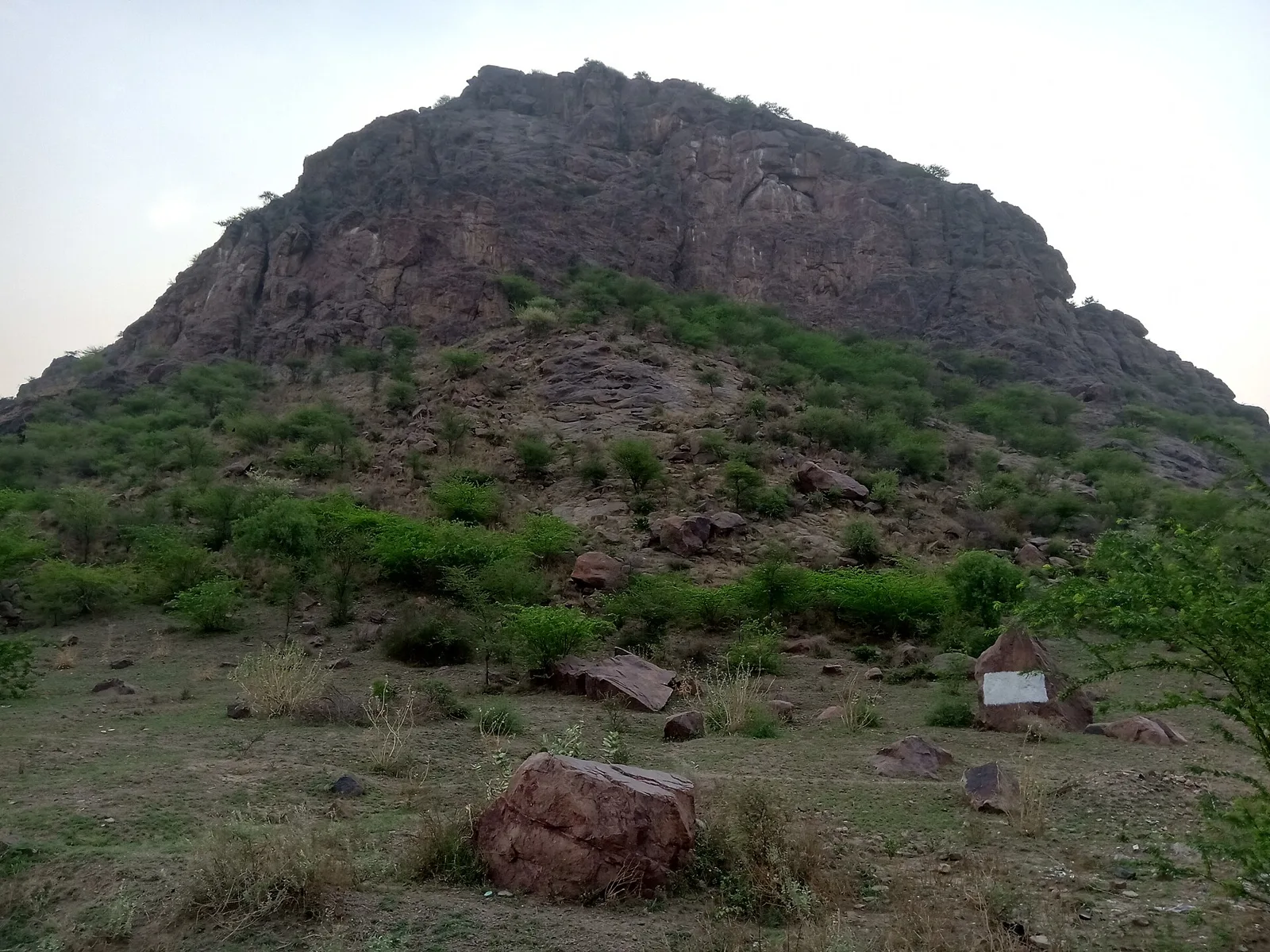
Bhiwani district lies in western Haryana, where cultivated plains meet dry, rocky country and the outlying hills of the Aravalli system. Tosham, a town at the foot of the Tosham hill range, offers a contrasting landscape to the surrounding farmland. Ancient inscriptions at Tosham provide evidence of the area's long history, while temples and village settlements remain part of its living cultural landscape. Bhiwani city is the district's principal urban centre, known for its temples and strong boxing tradition. Beyond the city, the district's character is largely rural, shaped by agriculture, livestock rearing and the rhythms of Haryana's village life.
Bhiwani lies in western Haryana, where intensively farmed plains give way to dry, rocky ground and isolated hills. It offers a view of the state’s rural life, shaped by agriculture and livestock rearing, alongside a long-settled landscape. The district is best known for Bhiwani city’s temples and strong association with boxing, and for Tosham, whose hill range and ancient inscriptions make it a distinctive stop beyond the farmland. Travellers can use Bhiwani as a base for exploring local towns and villages, while Tosham provides a change of scenery. The district suits visitors interested in regional history, village landscapes and a less urban side of Haryana.
The Bhiwani region has a long history of settlement. Inscriptions and other archaeological remains at Tosham provide evidence of activity in the area in antiquity, although they should not be taken as a complete record of its early political history. Over the centuries, this part of present-day Haryana came under the influence of changing regional powers and larger states based in north India; specific local control varied over time. During British rule, the area formed part of the colonial province of Punjab. After independence it remained within Punjab until Haryana became a separate state in 1966. Bhiwani district was formed in 1972 from territory previously administered as part of Hisar district. Agriculture and village life have continued to shape the district, while Bhiwani city developed as its principal urban centre. The district’s sporting profile, especially its association with boxing, is a more recent part of its public identity.
Food in Bhiwani draws on the wider Haryanvi tradition of hearty grain-based meals and generous use of milk, curd and ghee. Bajra khichdi, singri ki sabzi, kachri chutney and bathua raita are regional dishes worth asking about, though availability varies with the season and the kitchen. Ghevar and rewri are familiar regional sweets. Vegetarian meals are generally easy to find, especially at simple eateries and dhabas. Ask what has been freshly prepared rather than expecting a lengthy menu. For visits to quieter sites around Tosham, carry drinking water and snacks, as food stops may be limited.
Bhiwani is best approached through the everyday craft traditions of wider Haryana rather than a single signature souvenir. Regional textile practices include cotton weaving, durries and khes, the woven cloth traditionally used as a cover or wrap. Embroidery on clothing and household textiles also forms part of Haryana's domestic craft heritage. Pottery and basketry reflect the practical needs of rural households. These are regional associations, not crafts exclusive to Bhiwani. Ask sellers about where an item was made, since market stock may come from elsewhere.
Holi, Diwali, Teej, Baisakhi and Makar Sankranti are observed in Bhiwani as in much of Haryana, with customs varying between towns and villages. Seasonal gatherings and local temple fairs may also take place, though their timing and scale can differ by locality. These occasions offer a chance to see regional traditions, but can bring busier markets, roads and public spaces. Accommodation options are limited outside the main town, so travellers planning to visit during a local fair or major holiday should check locally and arrange a room ahead.
Most of Bhiwani district is open, cultivated plain, with fields and village settlements shaping the routes between towns. Around Tosham, the ground becomes rockier and the Tosham hill range rises above the surrounding farmland, offering a marked change in scenery. The district has no major perennial river serving as a travel corridor; local watercourses and seasonal drainage are more relevant to the rural landscape. Woodland is limited, and exposed stretches can feel hot and dusty. Roads are the practical way to move between the plain and hill country, while access around rocky sites may involve uneven ground.
Bhiwani has a hot, dry climate for much of the year. Summer, broadly from spring into early monsoon, can bring intense heat and dusty conditions, so outdoor visits are more comfortable early or late in the day. The monsoon usually brings rain and more humid weather, with occasional disruption to rural roads. Winter is generally the most pleasant season for sightseeing, although mornings and evenings can be cool and fog may affect travel. October through March is usually a comfortable period to visit. Pack sun protection and breathable clothing in warm months; in winter, bring a light warm layer, and carry water and suitable footwear in every season.
Bhiwani Junction is the main railway gateway for the district, with onward road travel needed for Tosham and surrounding villages. For Tosham, nearby Hisar Airport is a regional air option, but confirm available flights before planning around it. Delhi's Indira Gandhi International Airport offers a broader choice of connections, followed by rail or road travel. Roads connect Bhiwani with Hisar, Rohtak and other Haryana centres. Haryana Roadways buses serve the region; taxis and auto-rickshaws are useful for local journeys. For outlying sites, arrange your return transport in advance. Check current services locally.
Bhiwani city is the district’s main transport hub, with road links to Tosham and other towns and villages. Haryana Roadways buses and other local bus services are useful for journeys between larger settlements, but service frequency and onward connections can vary. Autos and shared vehicles may be available for shorter local trips; for Tosham’s hill area and outlying sites, a taxi or pre-arranged vehicle offers more flexibility. Public transport may be less convenient for completing a return journey from rural locations, so confirm options locally and arrange a return ride in advance where needed.
2 days: Bhiwani → Tosham; sleep in Bhiwani on night 1. 3 days: Bhiwani → Tosham, with a slower visit to the hill area; sleep in Bhiwani on nights 1 and 2.
Bhiwani city is the most practical base for district visits, with the widest choice of ordinary hotels and guest accommodation, as well as some dharamshalas. It works well for a day trip to Tosham and for travellers relying on rail or bus connections. Accommodation in Tosham and smaller settlements is more limited, so do not assume a room will be available without checking in advance. Homestays or government lodges may be found in some places, but availability and standards vary; confirm arrangements locally, especially during festivals.
Carry drinking water and sun protection, particularly on exposed roads and around Tosham’s rocky terrain. Wear sturdy footwear on uneven hill paths and avoid climbing where access is unclear. Summer heat and monsoon showers can make outdoor travel uncomfortable or affect rural road conditions; check locally before setting out. Use caution around traffic, especially on busy roads and in village markets. Mobile connectivity may be weaker outside towns, so share your route and arrange return transport in advance. No special permit is generally needed for ordinary town visits, but confirm officially before entering any restricted site or area.
- Hisarabout 38 km
- Jindabout 62 km
- Rohtakabout 67 km
- Mahendragarhabout 95 km
- Rewariabout 102 km
- Sonipatabout 108 km
- Sirsaabout 114 km
- Panipatabout 117 km
Straight-line distance between the centres of each district's destinations; road distance is longer.
Q: How many days should I spend in Bhiwani district? A: Two days can cover Bhiwani city and a visit to Tosham. A third day allows a slower pace, subject to local transport and access. Q: When is the best time to visit? A: October through March is generally the most comfortable period. Summer can be very hot, while monsoon weather may affect rural travel. Q: What is the best base for exploring the district? A: Bhiwani city is the most practical base because it is the district’s main urban and transport centre. Q: How do I get to Bhiwani district? A: Bhiwani Junction is the main rail gateway. Road travel connects the district with other Haryana centres; Delhi airport offers broader flight connections, followed by road or rail. Q: Is the district suitable for families or elderly travellers? A: Bhiwani city is manageable for many visitors, but hill paths and rural sites may be uneven or exposed. Plan transport and walking distances to suit your group.
This page draws on our 1 destination guides for Bhiwani and is updated as our team checks it.
Be the first to share photos, stories, advice or a helpful contact for Bhiwani.
Loading…