
District · Delhi
Central Delhi
Central Delhi brings together the historic streets of Shahjahanabad and important civic and memorial sites in the national capital.
Central Delhi brings together the crowded lanes and historic bazaars of Old Delhi with busy commercial districts and broad civic roads. Shahjahanabad, the Mughal walled city founded by Shah Jahan in the 17th century, remains a defining part of the district: the Red Fort, Jama Masjid and Chandni Chowk reflect its imperial past and enduring urban life. Nearby memorials and the remains of earlier capitals add further historical layers. Today, the district is densely built and constantly in motion, with markets, places of worship, offices and residential neighbourhoods close together. Its character is shaped by this mix of history, commerce and everyday city life; quieter memorial grounds offer a contrast to the lively streets.
Central Delhi brings together the historic streets of Shahjahanabad and important civic and memorial sites in the national capital. It is part of the National Capital Territory of Delhi, a major destination in northern India, and is best known for Mughal-era landmarks such as the Red Fort and Jama Masjid, the busy market lanes of Chandni Chowk, and the memorial complex at Raj Ghat. Visitors can explore centuries of urban history alongside places of worship and everyday neighbourhood life. The district is densely built-up, but its sights are connected to Delhi’s wider public-transport network, making it a practical base for a history-focused visit.
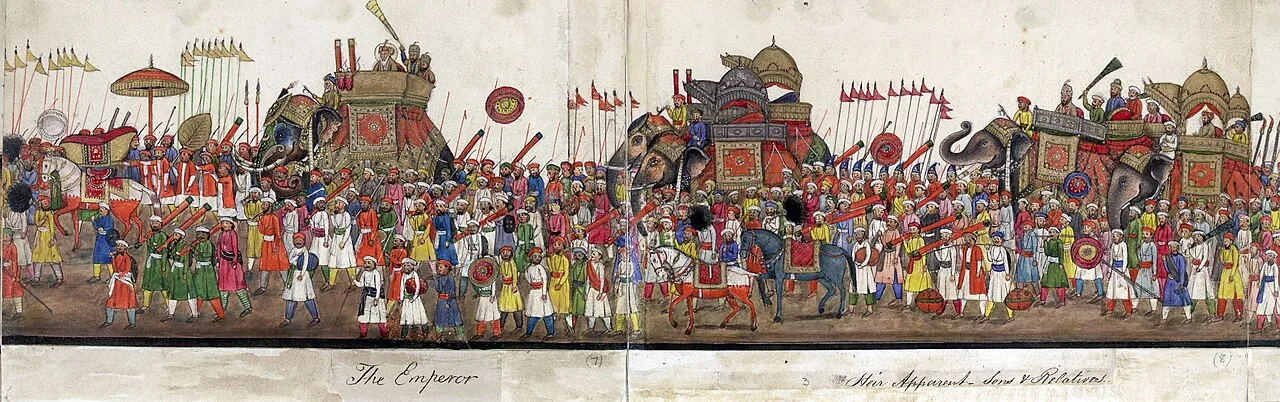
The area’s history reflects the successive capitals and powers of Delhi. The Delhi Sultanate ruled from several city sites between the 13th and 16th centuries. In the 17th century, Mughal emperor Shah Jahan established Shahjahanabad, whose walled city included the Red Fort, Jama Masjid and Chandni Chowk. The Mughal empire weakened over time, and the city experienced further change under regional powers and the British. After the uprising of 1857, the British took direct control and reshaped parts of Delhi. They shifted the colonial capital from Calcutta to Delhi in the early 20th century, developing New Delhi south of the old city. Delhi became India’s capital after independence in 1947. Its administrative boundaries have been reorganised over time; Delhi was divided into nine districts in 1997, including Central Delhi. The district’s present sites span historic Old Delhi and areas associated with the later capital, though familiar place names and administrative boundaries do not always align.
7 destination guides
Chandni Chowk
Chandni Chowk is a historic market in Old Delhi, attracting visitors interested in its extensive wholesale trade and its long-standing role in the city’s commercial life.
Feroz Shah Kotla
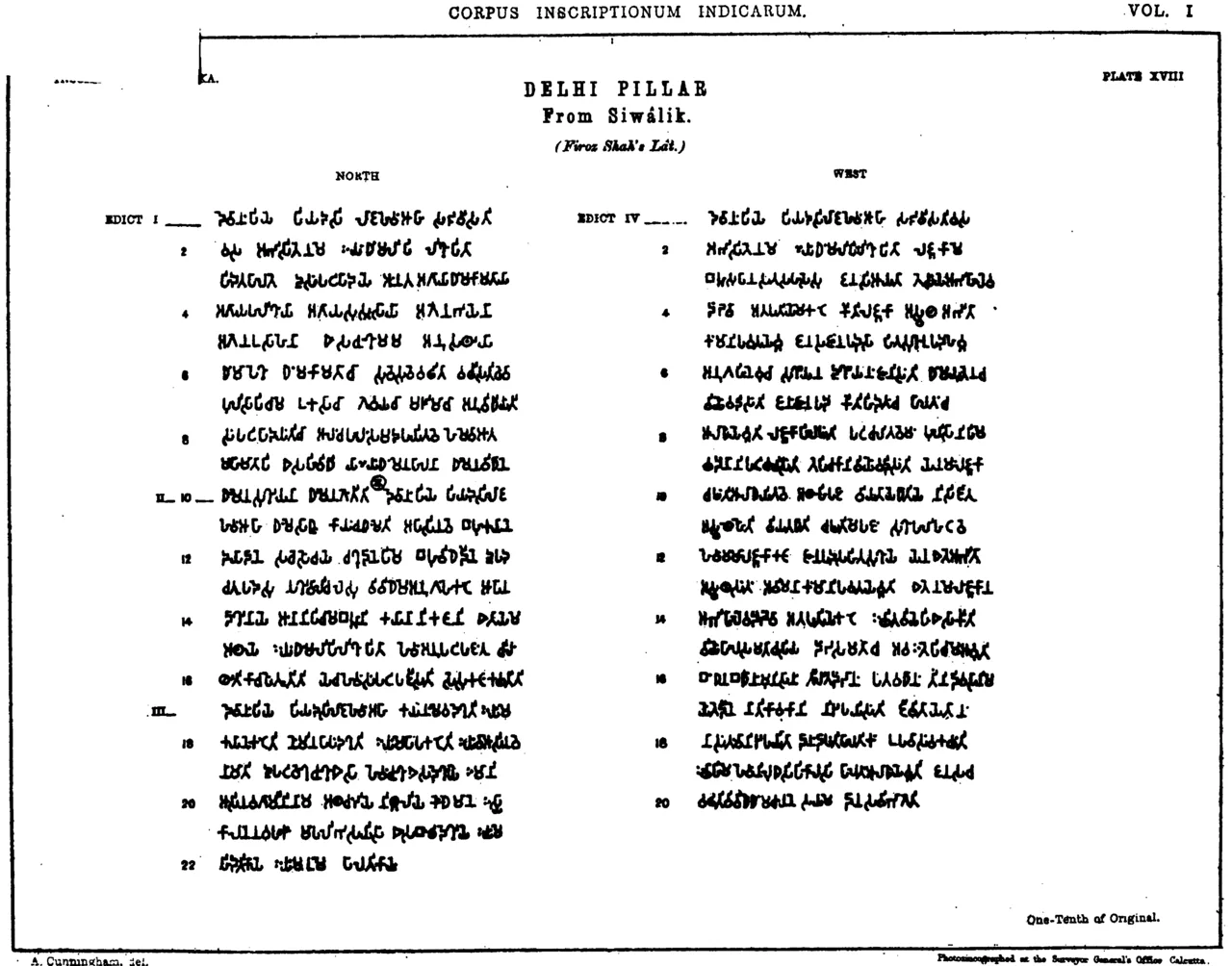
Feroz Shah Kotla is a fortress built around 1354 as part of Firozabad, Feroz Shah Tughlaq’s Delhi. Visitors explore its Ashokan pillar, mosque, baoli and garden complex.
Gurdwara Sis Ganj Sahib
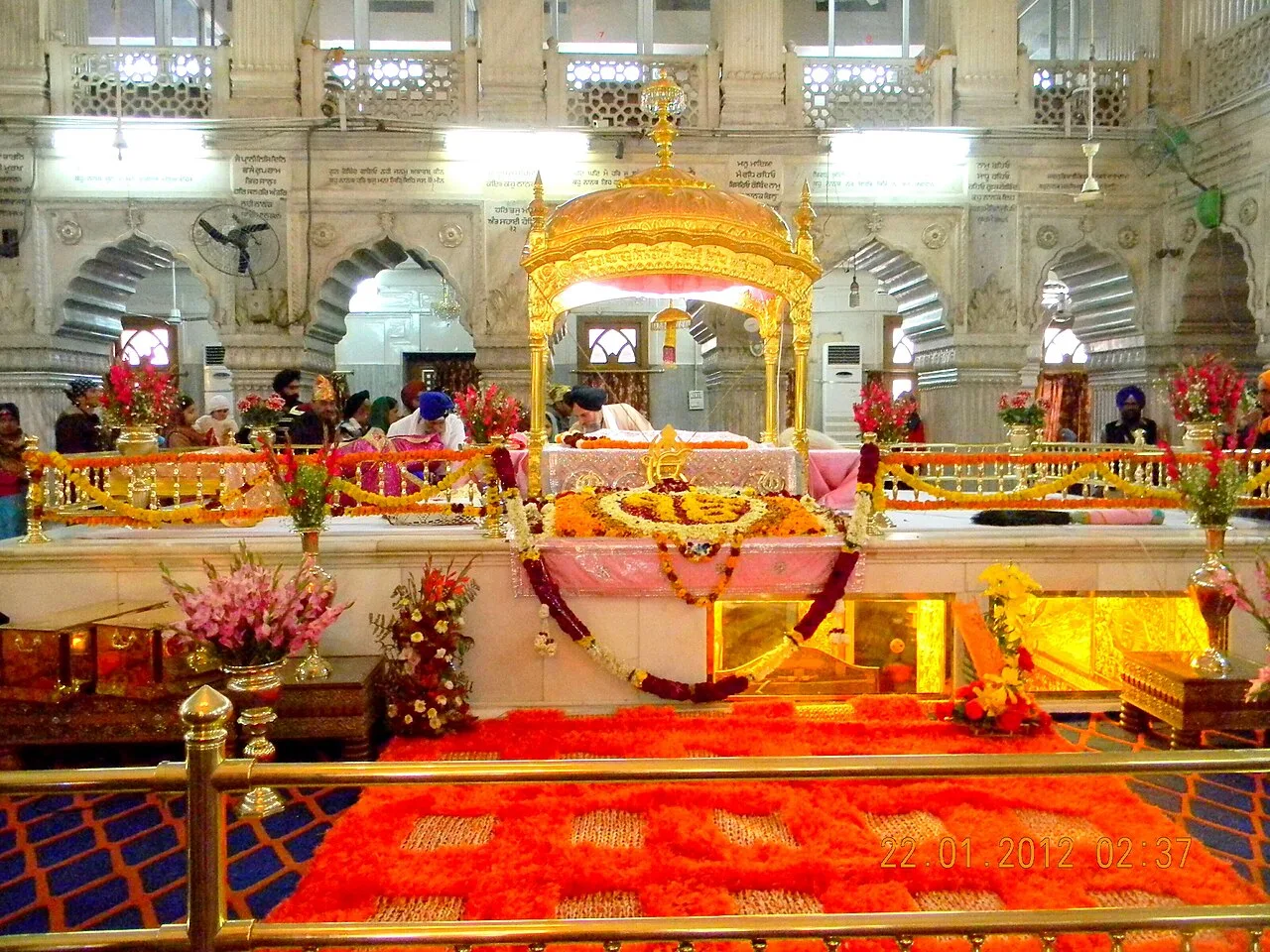
Gurdwara Sis Ganj Sahib is a historic Sikh shrine in Old Delhi, commemorating Guru Tegh Bahadur’s martyrdom. Visitors come to pay respects at the place associated with his execution.
Jama Masjid, Delhi
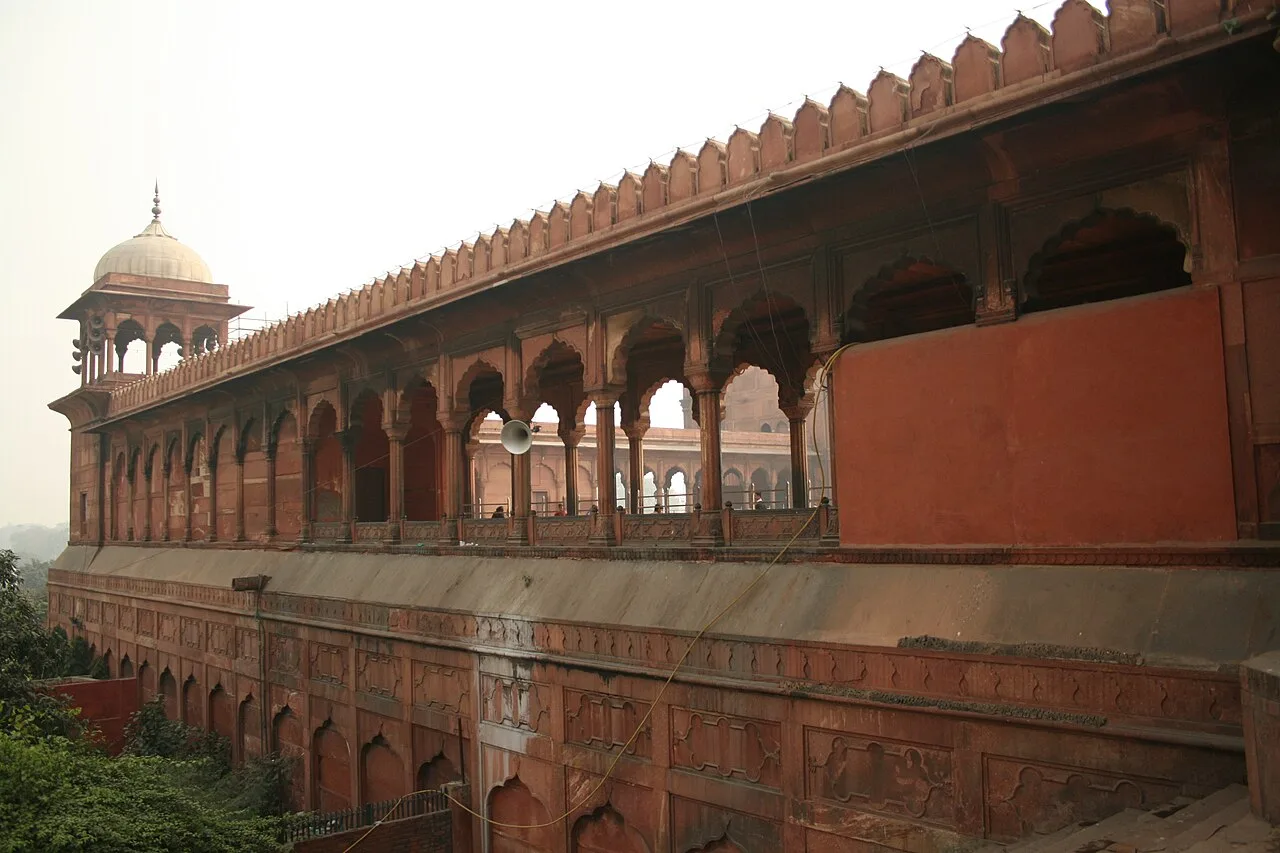
Jama Masjid is a major Mughal-era mosque in Old Delhi, known for its scale, continuing religious use and historical role. Visitors come to see a landmark closely associated with the city’s past.
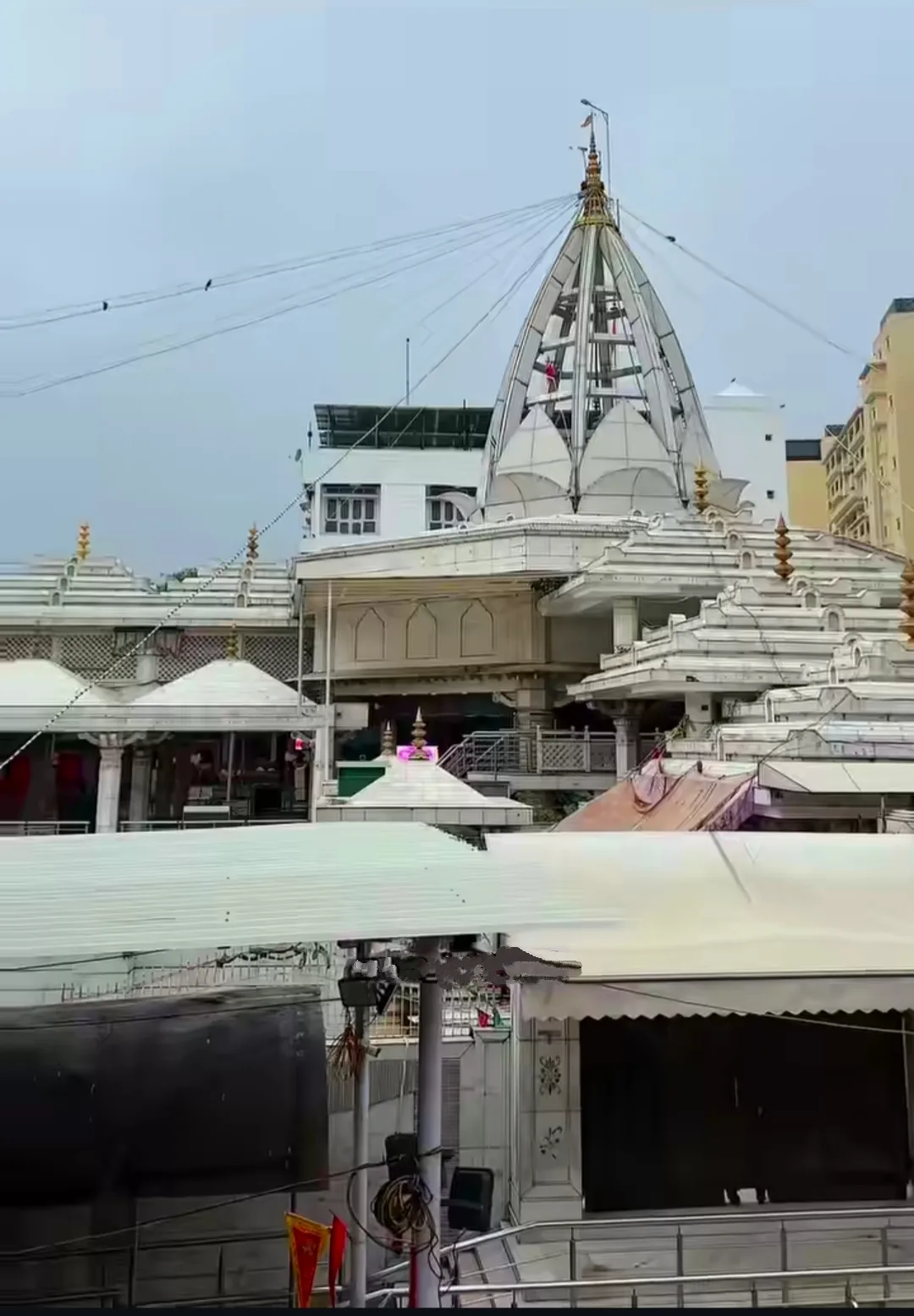
Jhandewalan Temple
A Hindu shrine in Delhi dedicated to Vaishno Devi, Jhandewalan Temple is an important place of worship, particularly during Navratras.
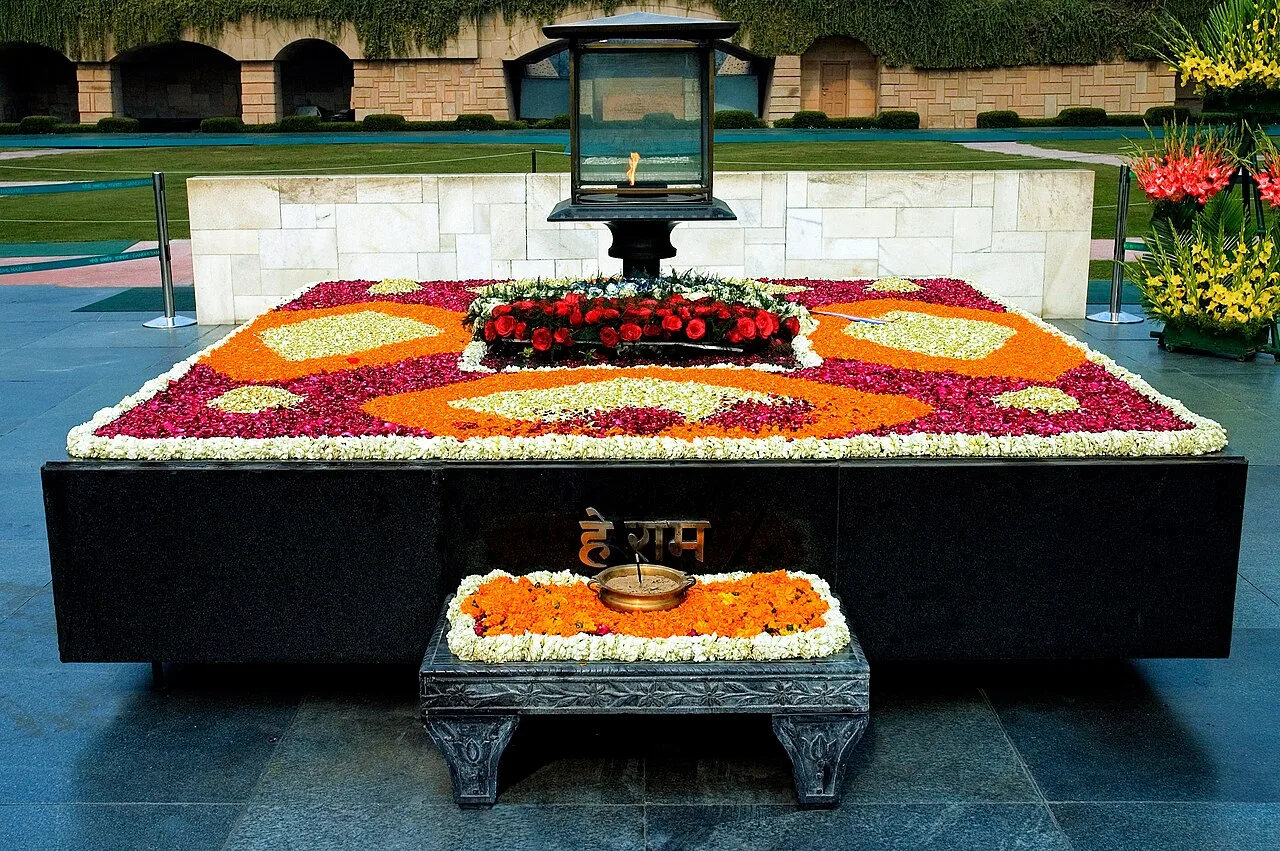
Raj Ghat and associated memorials
Raj Ghat is a memorial site in New Delhi’s Central Delhi district, honouring Mahatma Gandhi and other Indian leaders. Visitors come to pay their respects at the place linked to Gandhi’s cremation.
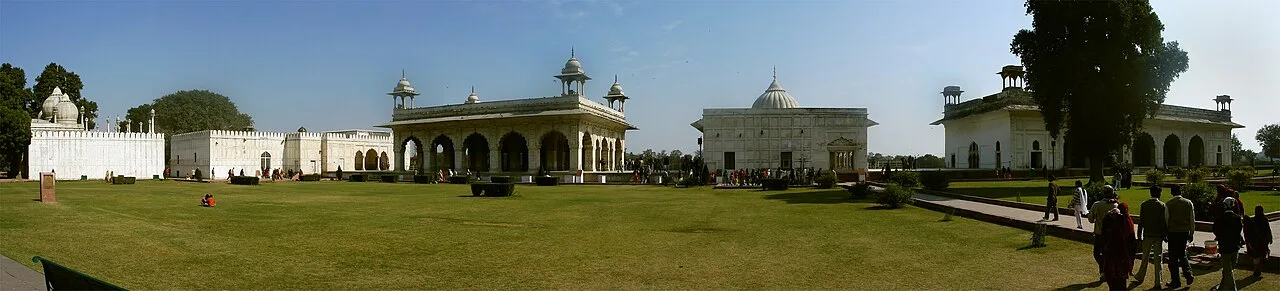
Red Fort
The Red Fort is a Mughal citadel in Delhi that served as an imperial residence. Visitors explore its architecture and history, and its ramparts host the annual Independence Day flag-raising ceremony.
The district’s food reflects Delhi’s many communities and its role as a meeting place for regional cuisines. In and around Chandni Chowk, visitors can look for chaat, stuffed parathas and jalebi; the Jama Masjid area is known for kebabs and Mughlai-style dishes. Chole bhature, kulfi and other popular Delhi favourites are also widely available, alongside foods from across India. Vegetarian choices are plentiful. Menus at small eateries can be limited and vary by day, so ask what is freshly prepared. For street food, choose busy stalls with quick turnover, favour freshly cooked items and drink sealed or filtered water.
Central Delhi is a major place to encounter and buy crafts, particularly in the bazaars of Old Delhi. Shops and market stalls offer textiles, embroidered and zari-work garments, jewellery, metal goods, books and decorative items. Some goods are made by Delhi-based artisans, while many are traded here from other parts of India; the district’s markets are not a reliable guide to where an item was produced. Browsing with time to compare workmanship and asking sellers about materials and provenance can make a visit more rewarding. Delhi’s craft life reflects both local artisan traditions and the city’s long-standing role as a commercial centre.
Ramadan brings lively evening activity around Jama Masjid and Old Delhi’s food streets, while Eid draws large congregations and heavier crowds. Diwali, usually in autumn, and Holi, in spring, are widely celebrated across Delhi; Navratri also brings worshippers to Jhandewalan Temple. National celebrations and major public events elsewhere in the capital can affect traffic and visitor numbers across the region. During festival periods, busy markets and places of worship may be especially crowded, and accommodation in central areas can be harder to find. Booking ahead is sensible during major holidays.
Central Delhi is a densely urbanised part of the broad Delhi plain, with built-up neighbourhoods, historic lanes, major roads and institutional areas. The Yamuna flows along the eastern side of the wider city, but most district visits are through paved urban streets rather than river or countryside routes. There are no substantial hills or forests within the usual sightseeing circuit. Dense traffic, narrow lanes and crowded market areas can make short journeys take longer than expected. Walking is useful around Old Delhi’s closely grouped sights, while the metro helps connect them with other parts of the city.
Delhi has hot summers, a monsoon season and cool winters. Summer, broadly from late spring into early monsoon, can bring intense heat; the monsoon months bring humidity and occasional heavy rain that can slow road travel. Winter is generally the most comfortable season for sightseeing, though mornings and evenings can be chilly and fog may affect wider transport connections. October to March is usually a good period to visit. Pack light, breathable clothing and sun protection for warmer months, and a warm layer for winter. During the monsoon, carry rain protection and footwear suitable for wet, slippery pavements.
Indira Gandhi International Airport serves Delhi, while New Delhi Railway Station and Old Delhi Railway Station are useful rail gateways for the district. From either station or the airport, the Delhi Metro is often a convenient way to reach central areas; check the current network and choose a station near your destination. App-based cabs, autos and e-rickshaws can help with the last stretch, though traffic is heavy at peak times. Road access is via Delhi’s main arterial roads, but driving into Old Delhi’s narrow, busy lanes is generally inconvenient. Allow extra time for road journeys and check current services locally.
The Delhi Metro is useful for reaching the district and moving between many central areas; stations may still require a walk or a short onward ride to a particular site. City buses serve major roads, while auto-rickshaws and app-based or metered taxis can help with door-to-door journeys. In Old Delhi, narrow lanes and heavy traffic make walking practical for nearby sights, but vehicle access can be slow or restricted in crowded market streets. Agree on the destination before starting an auto ride, and allow extra time for congestion. There are no routine sightseeing boat routes for this circuit.
2 days: Red Fort, Chandni Chowk, Jama Masjid, Delhi. Sleep each night in Old Delhi or a nearby central area. 3 days: Jhandewalan Temple, Gurdwara Sis Ganj Sahib, Red Fort, Chandni Chowk, Jama Masjid, Delhi, Raj Ghat and associated memorials, Feroz Shah Kotla. Sleep nights one and two in Old Delhi or a nearby central area.
Old Delhi or a nearby central neighbourhood is convenient for the Red Fort, Chandni Chowk and Jama Masjid circuit, though streets can be busy and noisy. Areas with good Metro access suit visitors combining the district’s sights with destinations elsewhere in Delhi. Accommodation ranges from hotels and guesthouses to dharamshalas; facilities and access vary, so check whether a property suits your mobility and luggage needs. For a short visit, choose a base near a Metro station or within a manageable distance of the sights you plan to visit.
Expect dense crowds, uneven pavements and slow-moving traffic, especially in Old Delhi’s market lanes and around major places of worship. Keep valuables secure and follow local rules on footwear, photography and respectful dress at religious sites. Summer heat can be tiring, so carry drinking water and take breaks; use reliable drinking water and be cautious with food hygiene. Monsoon rain can make surfaces slippery, while winter fog may disrupt travel elsewhere in Delhi. Mobile connectivity is generally available, though crowds can make meeting companions difficult. No special permit is normally needed for these listed urban sights; confirm any current entry or access requirements through official sources.
- New Delhiabout 5 km
- East Delhiabout 6 km
- North Delhiabout 7 km
- South East Delhiabout 10 km
- Gautam Buddh Nagar · Uttar Pradeshabout 12 km
- South Delhiabout 16 km
- Faridabad · Haryanaabout 26 km
- Gurugram · Haryanaabout 29 km
Straight-line distance between the centres of each district's destinations; road distance is longer.
All districts of Delhi
Q: How many days should I spend in Central Delhi? A: Two days can cover the main Old Delhi sights; three days allows a more relaxed visit to the wider list. Q: When is the best time to visit? A: October to March is generally the most comfortable season for walking and sightseeing. Q: Where is the best base? A: Old Delhi or another central area with convenient Metro access works well for these circuits. Q: How do I get to Central Delhi? A: Delhi is served by air, rail and road connections; within the city, the Metro, buses, autos and taxis are useful options. Q: Is Central Delhi suitable for families or elderly travellers? A: Yes, but crowds, traffic, uneven pavements and stairs can be challenging; plan shorter outings and check accessibility in advance.
This page draws on our 7 destination guides for Central Delhi and is updated as our team checks it.
Be the first to share photos, stories, advice or a helpful contact for Central Delhi.
Loading…