
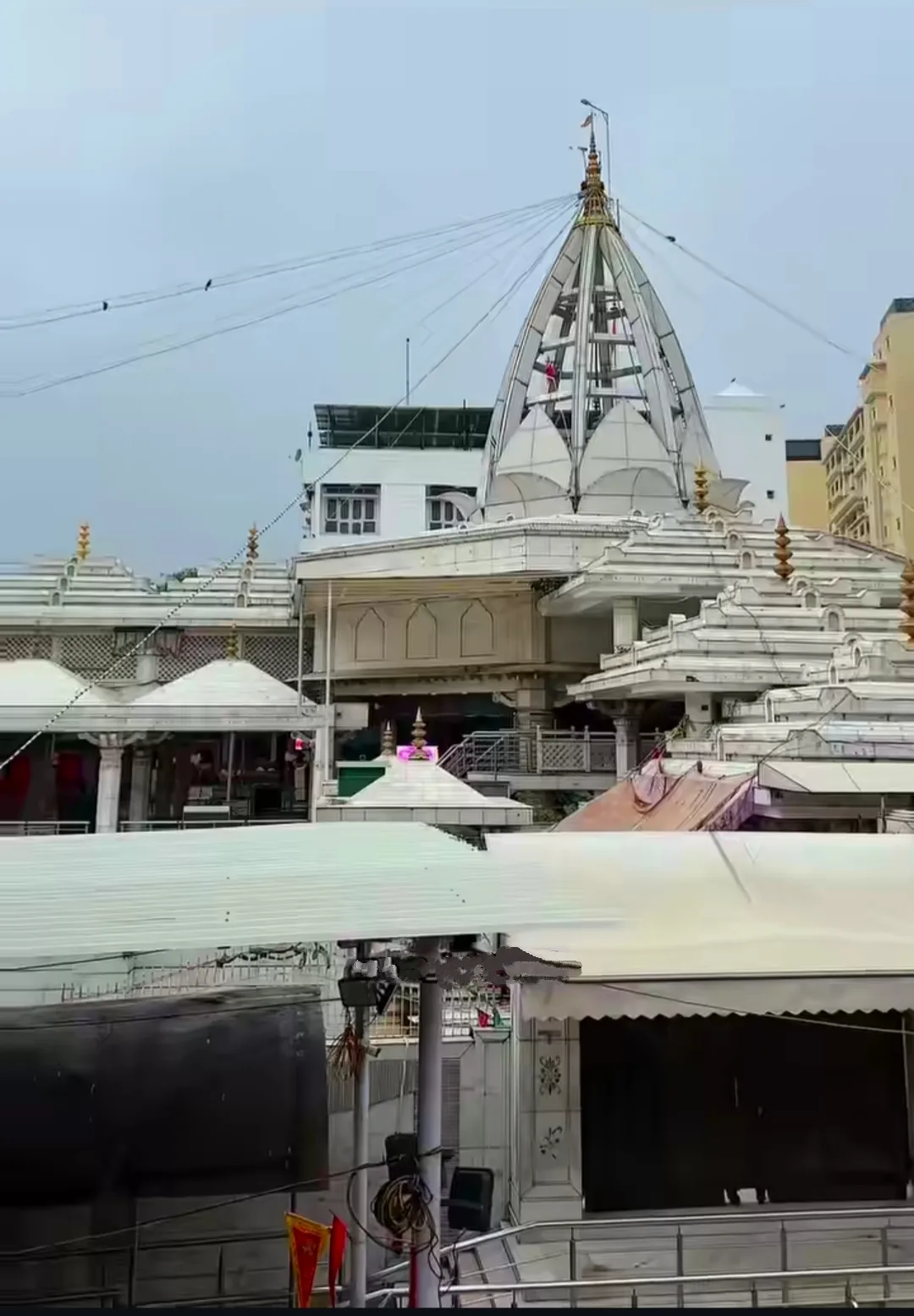
Jhandewalan Temple
A Hindu shrine in Delhi dedicated to Vaishno Devi, Jhandewalan Temple is an important place of worship, particularly during Navratras.
Key facts · verified by Ghumoopedia editors
- Type of place
- Temple / pilgrimage site
- Best time to visit
- October to March (check air quality from November to January)
- Verified
- 21 Nov 2026
Plan a trip from Jhandewalan Temple — a day-by-day route through places nearby.
Located in Delhi’s Central district, this Hindu place of worship honours Vaishno Devi. Badri Bhagat established the temple in the nineteenth century. Its name recalls a large flag raised after a deity was discovered. The founding story links the shrine’s name to the flag hoisted when the deity was found. The temple was once situated in Ram Bagh, where it held the Pavan Pariksha Mela. That event ceased after Partition. Urban development now surrounds the site, which remains a major religious centre. Navratras are a particularly important period at the temple. Delhi layers many historic cities — from the Delhi Sultanate and the Mughal capital to Lutyens' New Delhi — with Sufi shrines, gurdwaras, temples, busy markets and India's national monuments. Delhi has very hot summers from April to June, a humid monsoon from July to September and cold, foggy winters in December and January. Air quality is often very poor from late October to January. The usual best time to visit is October to March (check air quality from November to January). Timings, fees and access arrangements must be confirmed locally. For official information, see Delhi Tourism at https://delhitourism.gov.in.
Why it matters
Jhandewalan Temple is an active Hindu place of worship in Central Delhi, associated with devotion to Vaishno Devi. Its importance is primarily regional and local: it serves worshippers from across Delhi and draws especially large congregations during Navratras. The temple also preserves a story connected to the area’s earlier identity as Ram Bagh and to a fair held there before Partition. Today it stands amid dense urban neighbourhoods and commercial activity, making it part of the living religious landscape of the capital. The available guide does not identify the temple as UNESCO-listed or ASI-protected; visitors should not assume that monument protections or access arrangements apply.
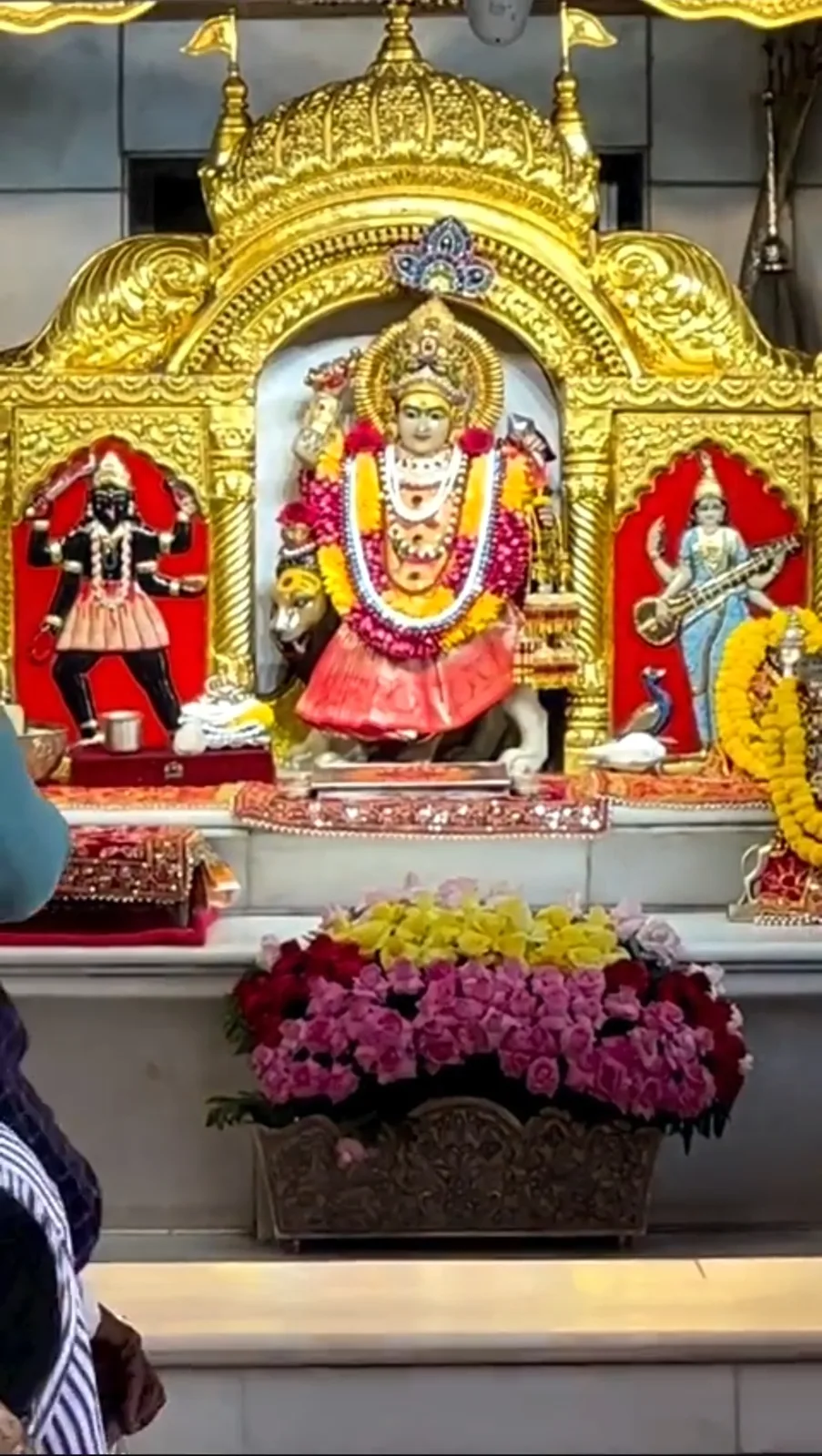
The temple’s history is traditionally traced to the 19th century and to Badri Bhagat, who is credited with establishing the shrine. According to the commonly recounted origin story, a deity was discovered at the site and a large flag was raised there; the name Jhandewalan is associated with that flag. The temple is dedicated to Vaishno Devi and became a centre of worship in an area then known as Ram Bagh, before the surrounding city grew into a dense part of Central Delhi. The temple’s history also includes public religious gatherings. The Pavan Pariksha Mela was among the events associated with the site, but it ended after Partition. In the decades since, expanding roads, housing and commercial development have transformed the surroundings, while the temple has continued as an active religious centre. Navratras remain a particularly important period for worshippers.
Origin stories & folklore
According to local tradition, Badri Bhagat came upon an image of the goddess at this site in the 19th century. The story says that a large jhanda, or flag, was raised to mark the discovery, and that the place came to be known as Jhandewalan. The temple is associated with Vaishno Devi, whose presence here is understood by devotees through faith and worship rather than as a claim that can be independently verified. Accounts may vary in their details, so visitors can ask temple caretakers about the version shared by the community. Treat the story respectfully and distinguish oral tradition from documented history.
Architecture & design
Jhandewalan is best understood as a working urban mandir rather than as a formally documented historic monument. Its central focus is the goddess’s shrine, where worshippers gather for darshan and offerings. The temple’s name and origin story are linked to a flag, an emblem commonly associated with devotional identity at the site. The broader complex serves active religious use, so the arrangement of spaces may be shaped by worship, crowd movement and festival needs. Reliable descriptions do not establish a single architectural style, named designer, construction material or engineering history for the temple. It is therefore better not to assign it a specific period style or claim particular structural features without confirmation on site. Visitors can observe the entrance, devotional displays and shrine spaces from areas open to them, while following signs and caretakers’ directions. Access to particular rooms or levels may vary with worship and crowd conditions.
Important objects & sculptures
The principal focus for visitors is the image of the goddess worshipped at the temple, associated with Vaishno Devi. Devotional offerings and images or symbols connected with the goddess may be visible in the areas open to visitors, though their placement can change during worship and festivals. The flag is important to the temple’s name and founding story; ask locally whether a particular flag or flagstaff is part of the current display. No well-established public account identifies a collection of historic inscriptions, sculptures or museum objects here. Do not touch ritual objects or enter restricted areas to get a closer look.
Religious significance
The temple is dedicated to Vaishno Devi and is a place where devotees come to pray, seek blessings and make offerings. Worship is ongoing, and visitors may encounter prayers and other rituals during a visit; the sequence and access to particular areas can depend on the day and temple arrangements. Navratras are especially significant, with increased devotional activity and larger crowds. For worshippers, the shrine is part of a living tradition, not simply a sightseeing stop. Visitors who are not taking part in worship should observe quietly, follow instructions from caretakers and avoid interrupting prayer or blocking devotees’ access.
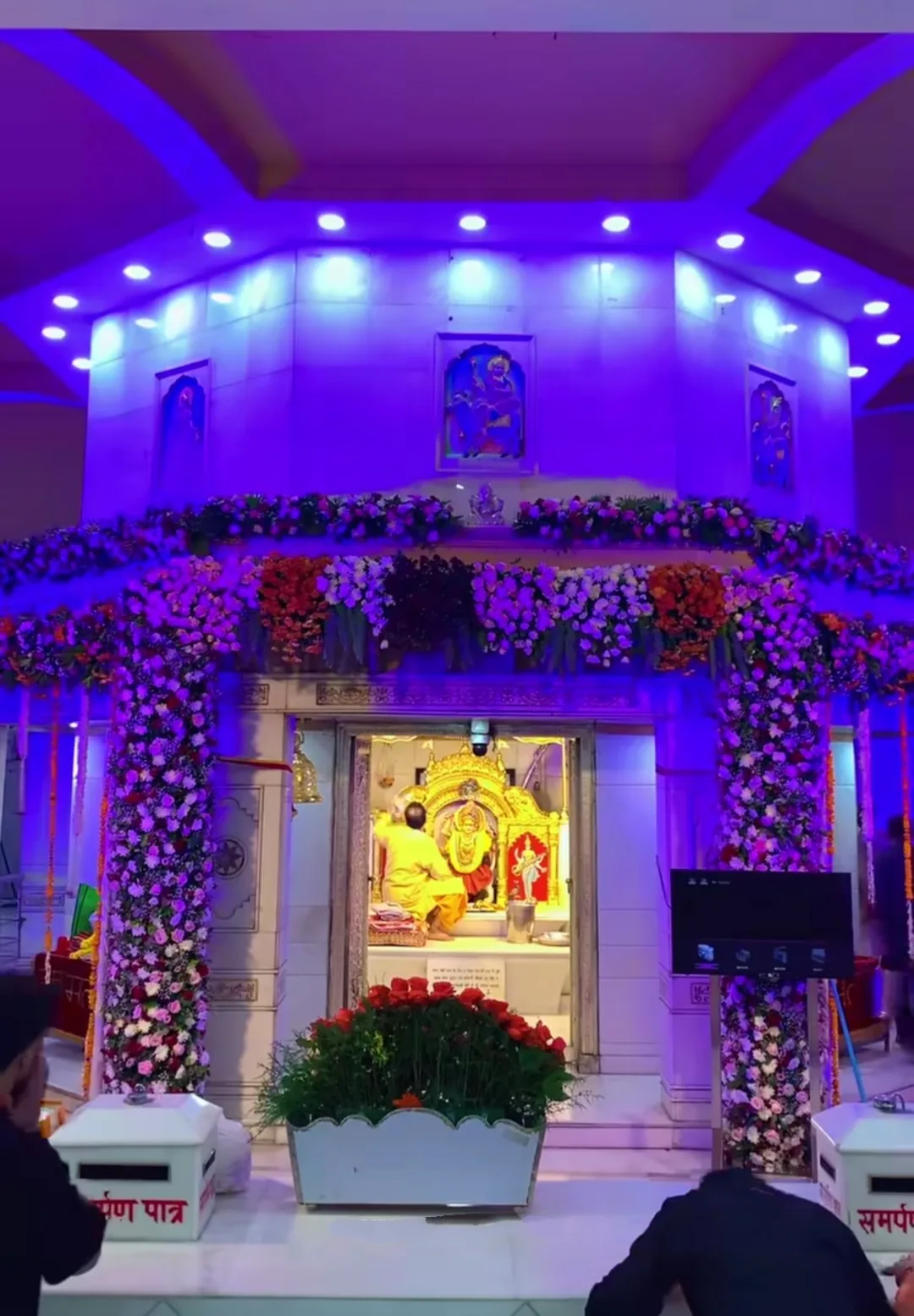
Visit Jhandewalan Temple with time to observe daily prayers and rituals respectfully. Follow the posted rules on footwear, photography, head covering and dress, and avoid interrupting worshippers. Ask caretakers which areas are open to visitors, and beware of unofficial 'guides' asking for donations. A comfortable itinerary is one main visit in the morning, a local meal at midday and a short nearby stop before an afternoon return. Use the district list on this site to find other places in Central Delhi, but check the route and its condition before combining stops. If a festival or fair is on, roads and stays can be busy — and the experience can be unforgettable. Leave no litter: many sites are protected by the communities around them.
Suggested itineraries
Half day: Visit the temple and observe worship respectfully (about 1–2 hours); have a local meal; take a short walk through a nearby market before returning. Full day: Visit the temple in the morning; explore Karol Bagh and pause for lunch; travel to Connaught Place or Gurudwara Bangla Sahib; allow time for traffic and rest. Gentler option: Keep the visit to the temple, arrange a drop-off close to the entrance, sit or pause where permitted, and avoid adding crowded market stops.
The temple’s present-day culture is shaped by daily worship and by the movement of devotees through a busy Delhi neighbourhood. During Navratras, devotional observance becomes more prominent and the congregation can grow substantially. Hindi is widely used in the surrounding area, though Delhi’s many communities bring other languages and customs into the city’s religious life. Visitors may see people arriving with offerings or dressed for worship; customs can differ between individuals and families. There is no need to imitate a ritual: respectful quiet, patience in shared spaces and attention to posted guidance are appropriate.
Festivals & events
Navratras, observed in spring and autumn, are the temple’s most important busy periods and bring increased worship and larger crowds. Devotees may also visit for other Hindu observances through the year. The Pavan Pariksha Mela is part of the site’s recorded past, but the guide notes that it ended after Partition; do not assume it is held today. During major observances, allow extra time for queues and local traffic, and check current arrangements before travelling. Festival access, crowd routes and services may differ from an ordinary day.
Local food in Delhi includes chaat, stuffed parathas and jalebi in Chandni Chowk, chole bhature, kebabs and Mughlai dishes around Jama Masjid, butter chicken, momos and kulfi. Ask what is fresh that day; many small eateries cook a limited daily menu. Vegetarian travellers eat very well across this region, and most towns also have non-vegetarian options. Street food is part of the Delhi experience: pick busy stalls with fast turnover, prefer freshly cooked items and drink sealed or filtered water. If prasad or langar is offered, accept it according to local custom. Choose busy, clean places and carry your packaging back with you.
Shopping & local experiences
The surrounding urban neighbourhood has shops selling everyday goods, clothing and food, particularly around the Karol Bagh area. Visitors may find devotional items or offerings in local shops, but stock and access vary. Choose modest souvenirs and avoid buying items represented as temple-sanctioned unless this is clearly stated by the temple. The area also offers ordinary Delhi snacks and meals; use your judgement about food hygiene and crowded stalls. Keep shopping separate from worship spaces, and do not leave packaging or litter at the temple.
October to March (check air quality from November to January)
Within Delhi, the Delhi Metro is usually the quickest and cheapest way to reach Jhandewalan Temple; find the nearest station on the official DMRC website or app, and use an app-based auto, e-rickshaw or cab for the last stretch. Road traffic is heavy at peak hours, so allow extra time and avoid driving yourself in Old Delhi lanes. Long-distance trains use New Delhi, Old Delhi, Hazrat Nizamuddin and Anand Vihar terminals, and flights use Indira Gandhi International Airport. The nearest of these railway terminals is New Delhi, roughly 5 km away in a straight line. Indira Gandhi International Airport, Delhi is roughly 15 km away in a straight line. When comparing train, bus and flight, count the complete door-to-door time: a flight saves the most time only if the onward road transfer is short, while an overnight train can save a hotel night. Book your return before you leave, because seats fill quickly on weekends, festivals and holidays. Current train numbers, timings, return services and fares are not listed here; check IRCTC and NTES for trains and the airline's own schedule for flights. No permit is needed to visit Delhi. Many monuments are protected by the Archaeological Survey of India and need an entry ticket, often cheaper when bought online; the Red Fort and several museums close on Mondays. Security checks are routine at metro stations and major sites.
Confirm onward and return timings on IRCTC / NTES, the state bus operator or your airline before travel. A dash means current timings or fares have not been verified.
Getting around
The Delhi Metro is generally a practical way to reach the area; Jhandewalan station is a useful nearby reference, but check the current DMRC map and the best exit for your route. Autos, e-rickshaws and app-based cabs can help with the last stretch or onward travel. Local buses also serve Delhi, though routes and stops should be checked for the day. Traffic can be heavy, particularly at peak periods and during festivals. Ask locally about lawful parking rather than assuming space is available, and take care when walking through busy roads and market areas.
Hours, tickets & permissions
Entry arrangements can change according to worship, crowd levels and temple notices. There is no confirmed general ticket, permit, camera-fee or identification requirement in the available guide, so do not rely on assumptions about these. Dress and footwear expectations, access to particular shrine areas and any restrictions may be posted at the entrance or explained by caretakers. Confirm current opening arrangements and any fees directly with the temple’s managing authority before setting out; do not treat third-party listings as definitive.
Facilities
Facilities within the temple complex may be limited or subject to worship arrangements; check locally about drinking water, toilets, seating and assistance. Food and everyday services are available in the surrounding urban area, but options and access can vary during busy periods. Nearby commercial streets may have cash machines, though visitors should not rely on one immediately beside the entrance. Parking is not guaranteed, especially during festivals. The available guide does not confirm an official visitor-guide service, so ask temple caretakers for site information and avoid unsolicited donation requests.
Accessibility
This is an active temple in a dense urban setting, where the approach may involve busy streets, uneven pavements or crowds. The available information does not confirm step-free access, ramps, lifts or wheelchair-accessible toilets, so visitors with mobility needs should contact the temple or check at the entrance before travelling. Shrine access may involve walking or steps, and festival queues can make movement more difficult. Shade and places to rest should not be assumed. Older visitors, wheelchair users and families with strollers may find a quieter period easier, and should consider arranging a close drop-off where local traffic rules permit.
No permit is needed to visit Delhi. Many monuments are protected by the Archaeological Survey of India and need an entry ticket, often cheaper when bought online; the Red Fort and several museums close on Mondays. Security checks are routine at metro stations and major sites. Carry a photo ID at all times and save the emergency number 112 and your accommodation's contact offline. Summer heat and winter smog are the main health risks: drink plenty of water, check the air-quality index and wear a good mask on poor-air days. Watch your belongings in crowded markets and metro coaches. Respect community rules, private property and posted instructions. Follow local guidance if access changes.
Visitor rules
Follow notices and directions from temple caretakers. Remove footwear where instructed, dress respectfully and use head covering only if requested or customary in the area you enter. Keep voices low, do not interrupt prayers or block worshippers, and stay out of restricted spaces. Ask before making offerings or entering a queue if the arrangement is unclear. Use bins where provided and avoid leaving plastic or other litter. Donations should be made only through channels you choose and trust; decline pressure from unofficial solicitors. Rules may be stricter during festivals or special worship.
Photography
Ask at the entrance whether photography is permitted; restrictions may apply inside the shrine or during worship, and rules can change. If photography is allowed, avoid photographing worshippers closely without consent and never interrupt a ritual for a picture. The best light for exterior views is often in the softer morning or late-afternoon light, though crowd conditions matter more than a particular viewpoint. Do not use flash where it could disturb worship. Drone use may be restricted by aviation rules and local security requirements; do not fly one without confirming permissions.
Choose a stay by the full journey to Jhandewalan Temple, not just the district name. Central areas such as Connaught Place, Paharganj and Karol Bagh, or areas near your metro line, save time; check the exact location and how far the hotel is from the nearest metro station. In summer, check air-conditioning or coolers; in December and January, check heating and hot water. Book in advance for weekends, festivals and the peak season (October to March (check air quality from November to January)). Confirm the exact location, meals included, check-in time and cancellation terms in writing. Avoid sending money to unverified contacts or touts at stations. Carry some cash, as card and digital payments can be unreliable in remote areas.
Karol Bagh’s commercial streets, including the Ajmal Khan Road area, can be combined with a temple visit, subject to traffic and crowd conditions. Connaught Place offers a contrasting central-city setting and is home to the Hanuman Mandir. Gurudwara Bangla Sahib and the Lakshmi Narayan Temple (Birla Mandir) are other established religious sites in Delhi that may suit a wider city itinerary. These are separate destinations, not part of the Jhandewalan complex; check routes and current visitor arrangements before combining them.
For couples, Jhandewalan Temple rewards a slow pace: arrive early for soft light and fewer crowds, share a local meal and keep the evening free. Evenings at a garden, heritage site or a rooftop café near the monuments make a good end to the day. Public displays of affection can be frowned upon in conservative communities and at religious sites, so be discreet. Keep a buffer in your itinerary, because weather and traffic can delay plans.
Q: How much time should I allow for a visit? A: Allow roughly one to two hours for the temple, with extra time during Navratras or when queues are long. Q: When is a good season to visit? A: October to March is generally more comfortable in Delhi, but check air quality, especially from November to January. Navratras are significant but busier. Q: Is entry ticketed? A: The available guide does not confirm a general ticket. Check current entry rules and any fees with the temple before visiting. Q: Can children and elderly visitors come? A: Yes, but crowds, walking surfaces and any steps may be challenging. Consider a quieter period and check access arrangements in advance. Q: Can I stay nearby? A: Delhi has accommodation across several neighbourhoods, including central areas. Choose based on your wider itinerary and check current transport connections to the temple.
Be the first to share photos, stories, advice or a helpful contact for Jhandewalan Temple.
Loading…