Ghumoopedia — Explore, Discover, Experience
Sign in
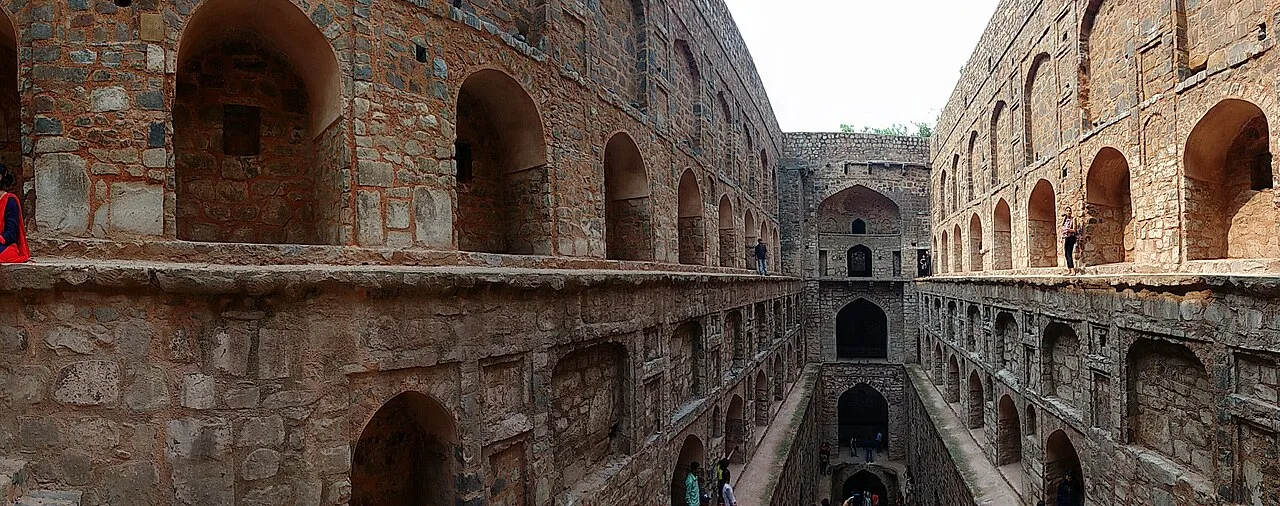
Agrasen Ki Baoli, Delhi

Union Territory · North India

Delhi

Seven historic cities layered into one capital: Qutb Minar to Humayun's Tomb.

Capital
New Delhi
Districts
6
Destinations
38
Plan a trip in Delhi

Overview

Understanding Delhi

Culture

Sufi qawwali at Nizamuddin, Mughal craft bazaars.

Food

  • Chole bhature
  • Old Delhi kebabs

Festivals

  • Republic Day
  • Phool Walon Ki Sair

Experiences here

  • Heritage
  • Spiritual
  • Festivals

Verified by the Ghumoopedia editorial team on 21 Nov 2026. Written and reviewed by Ghumoopedia's editors. Timings, fees and permits can change, so check them with the managing authority shortly before you travel.

The complete guide

Delhi: a traveller's guide

Why visit

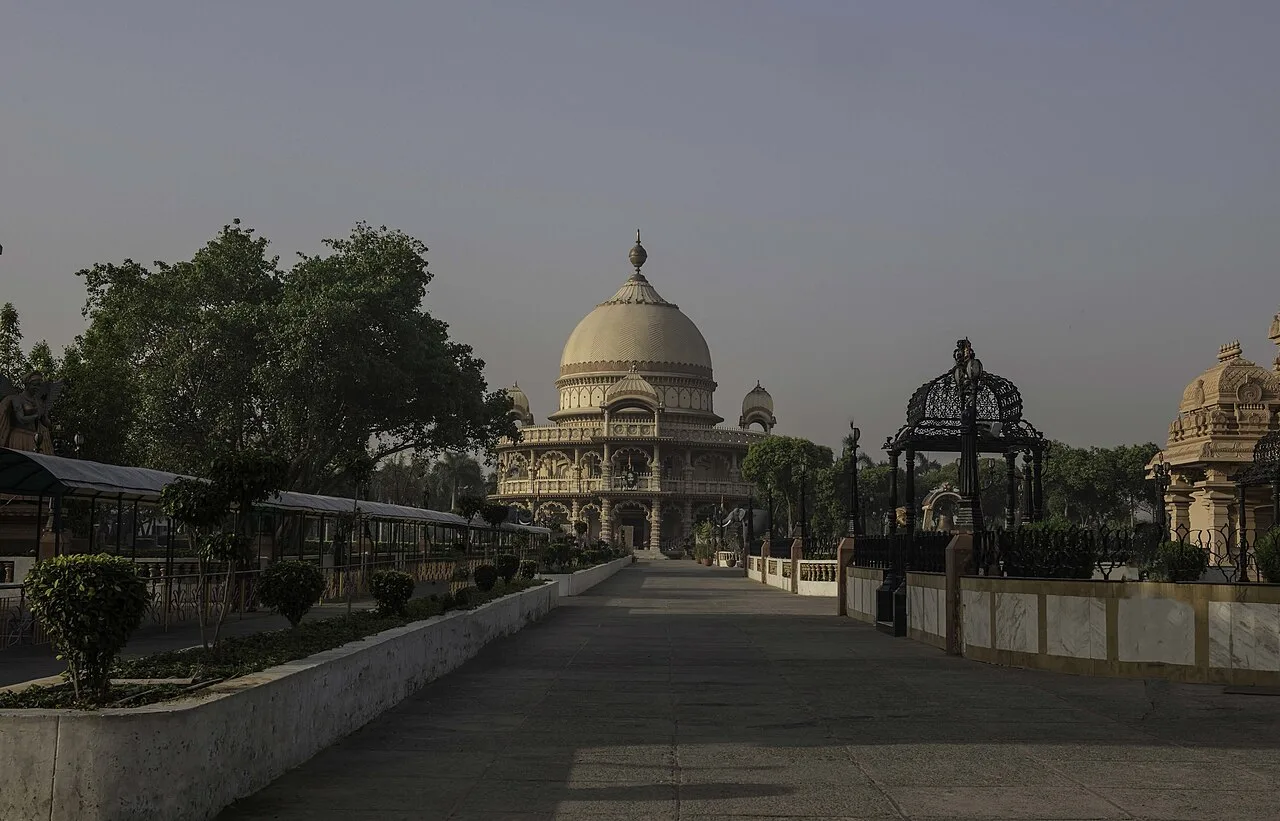
Delhi is both a Union Territory and India’s national capital region: a place where government avenues and busy neighbourhood markets sit alongside centuries of monuments. Its appeal lies in these contrasts and in the way successive cities have been absorbed into one vast urban landscape. Visitors can trace the Delhi Sultanate at the Qutb complex, explore Mughal-era Shahjahanabad around the Red Fort and Chandni Chowk, and see the monumental avenues of New Delhi. Humayun’s Tomb, Purana Qila, Feroz Shah Kotla and the remains of Tughlaqabad add further chapters to the city’s layered story.

The capital suits a wide range of trips: heritage-focused visits, museum days, food walks, shopping, religious journeys and short stopovers between other North Indian destinations. Sufi music at Hazrat Nizamuddin Dargah, the galleries of the National Museum of India, and the open spaces of Lodi Gardens offer very different ways to experience the city. Markets such as Dilli Haat bring crafts and regional food together, while Connaught Place and the areas around India Gate show a more modern face. Delhi rewards visitors who allow time for its scale, traffic and neighbourhood-by-neighbourhood character.
Landscape & climate

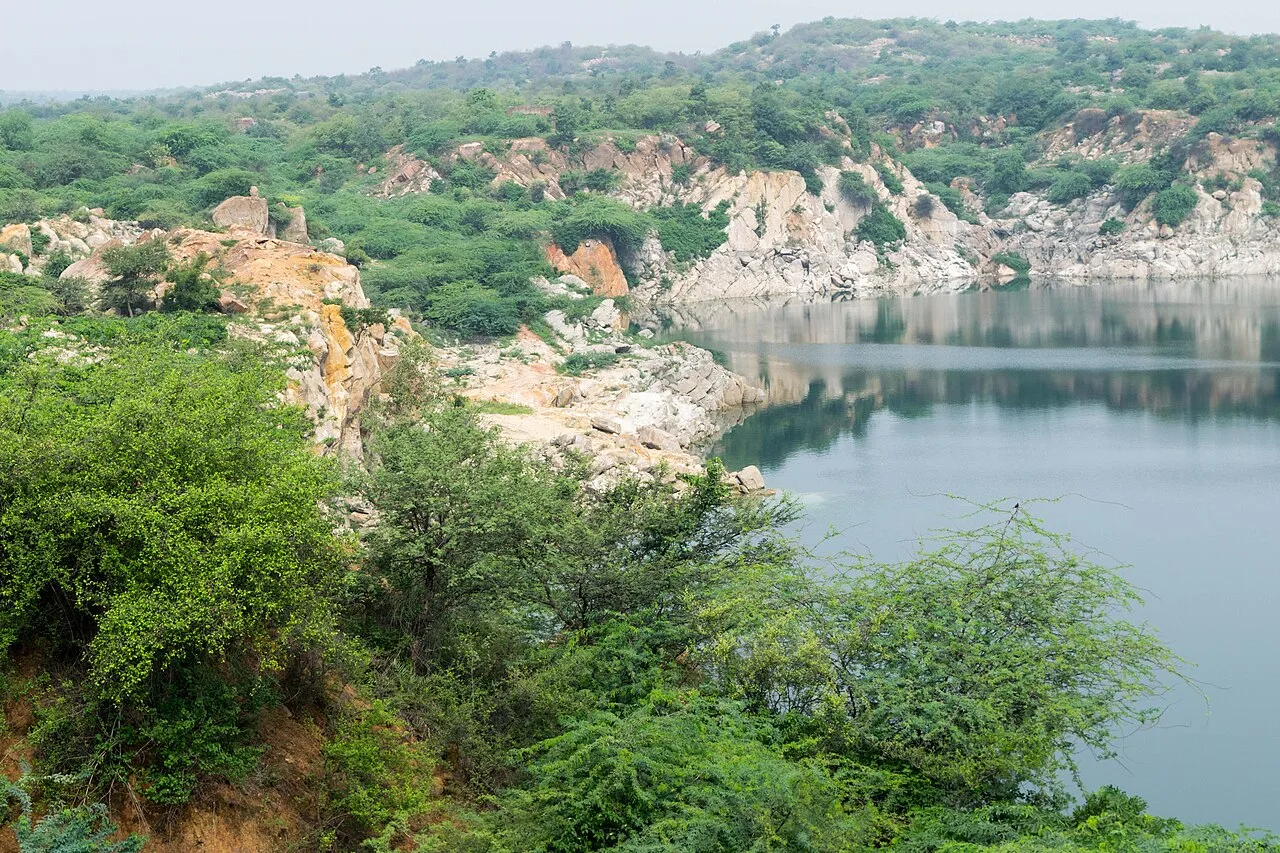
Delhi lies on the northern edge of the Indo-Gangetic plain, with the Yamuna River running along its eastern side. The river and its floodplain form a low, comparatively flat landscape, though much of the city’s natural ground has been altered by urban development. West of the river, the land rises into the Delhi Ridge, a rocky extension of the Aravalli range. Ridge areas, including parts of the Southern Ridge and Asola-Bhatti Wildlife Sanctuary, preserve scrub woodland and habitat for wildlife within the metropolitan area. Smaller lakes, ponds and restored water bodies are scattered through parks and neighbourhoods, but they are not a substitute for the river’s wider, heavily managed floodplain.

The climate is strongly seasonal and continental. Late spring and early summer, generally from April into June, bring high temperatures, dry conditions and occasional dust storms. The southwest monsoon usually arrives around July and brings most of the year’s rain, with humid spells and local waterlogging possible. Autumn is often clearer and more comfortable, while winter brings cool days, cold nights and, at times, dense fog. Air quality can be poor, particularly in late autumn and winter, and conditions vary from day to day. Parks such as the Garden of Five Senses and Lodi Gardens offer welcome green space, but the city’s landscape is predominantly built-up, and visitors should check current weather and air-quality information before planning outdoor activities.

History & heritage

Delhi’s history is not a simple sequence of seven neatly bounded cities, but a succession of settlements and capitals spread across a changing landscape. The name Indraprastha is associated with the ancient epic tradition, while the details of early settlement remain a subject of historical and archaeological interpretation. Tomar and Chauhan rulers held power in the region before the establishment of the Delhi Sultanate in the thirteenth century. The Qutb complex preserves some of the most visible early Sultanate architecture. Later rulers built new citadels and capitals, including Tughlaqabad and Firozabad; the ruins of Tughlaqabad Fort and Feroz Shah Kotla evoke those shifting political centres.

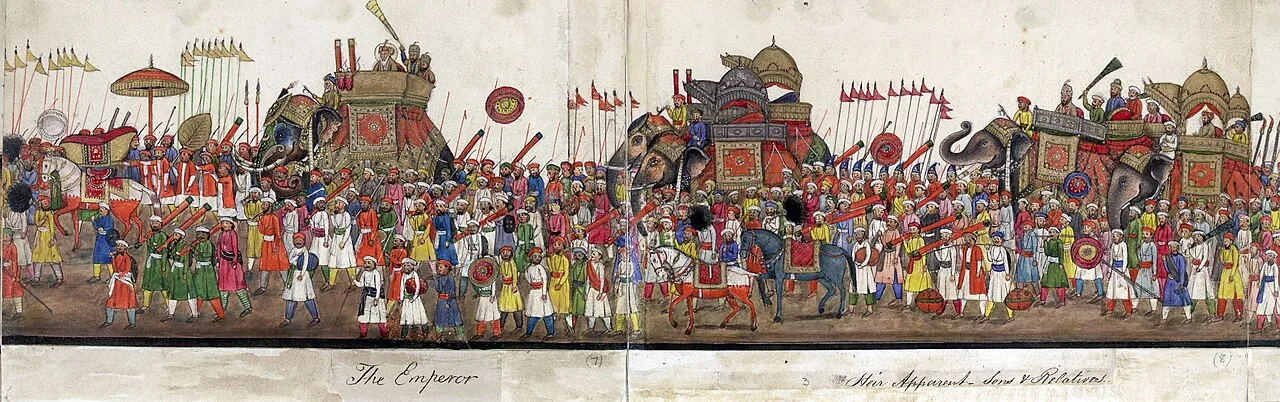
The Mughal period left an especially strong imprint. Shah Jahan founded Shahjahanabad in the seventeenth century, with the Red Fort, Jama Masjid and the commercial streets of Chandni Chowk at its core. Humayun’s Tomb, an earlier Mughal garden-tomb, helped establish an architectural tradition that influenced later monuments. British rule reshaped the city again: after the decision to transfer the imperial capital from Calcutta to Delhi in 1911, New Delhi was planned and formally inaugurated in 1931. Its broad avenues, including today’s Kartavya Path, and buildings such as Rashtrapati Bhavan express that colonial-era design.

Partition in 1947 brought profound upheaval and major population change, while independent India made New Delhi the seat of national government. Delhi became a Union Territory in 1956. The 69th Constitutional Amendment, enacted in 1991, gave it the special status of the National Capital Territory of Delhi and established an elected Legislative Assembly, while key national functions remained with the Union government. Today, monuments, memorials and public institutions—from Raj Ghat and the National War Memorial to the Prime Ministers’ Museum and Library—reflect the city’s continuing role in India’s political life.

Culture, people & festivals

Delhi’s everyday culture is shaped by long-established communities as well as successive waves of migration from across India. Hindi is widely spoken, alongside Urdu, Punjabi and English; many other Indian languages are heard in homes, workplaces and markets. The city’s religious life includes Hindu, Muslim, Sikh, Jain, Christian, Buddhist and Bahá’í communities, among others. Places such as Jama Masjid, Gurdwara Bangla Sahib, the Lotus Temple and Hazrat Nizamuddin Dargah are important spiritual destinations, as well as parts of the city’s living social landscape. Visitors should remember that places of worship are active religious spaces, not just monuments.

Music ranges from Sufi qawwali at Nizamuddin to classical concerts, devotional singing and contemporary performance. Kathak and other classical forms have a place in Delhi’s arts institutions, while community celebrations bring music and dance into streets and neighbourhood venues. Republic Day, observed nationally on 26 January, is marked in the capital by a major ceremonial parade; access and traffic arrangements can affect sightseeing. Phool Walon Ki Sair, associated with Mehrauli, is usually held in September or October, with the timing varying by year. Holi generally falls in March, while Diwali is usually in October or November; Eid and Sikh festivals follow lunar calendars and therefore shift annually. Seasonal fairs, cultural programmes and neighbourhood events add to the calendar, so visitors should check current announcements rather than assume fixed dates.

Food & flavours

Delhi’s food reflects its position as a meeting place for North Indian culinary traditions and the migration of people from across the country. Wheat breads such as roti, naan and paratha are common, while rice, lentils, vegetables and dairy form everyday meals. Chole bhature is a much-loved hearty combination, often eaten as a breakfast or lunch dish. In Old Delhi, lanes around Chandni Chowk and Jama Masjid are known for kebabs, rich curries, stuffed breads and long-established sweet shops. Recipes and menus differ from one vendor to another, so a dish described as a Delhi speciality may have many local versions.

Other familiar choices include rajma with rice, dal makhani, paneer dishes, chaat, kachori and seasonal street snacks. Paranthe wali gali is associated with filled parathas, while the city’s many market areas offer everything from quick vegetarian snacks to regional meals from elsewhere in India. Sweets include jalebi, gulab jamun, kulfi, halwa and milk-based treats; shops often have particular specialities, and availability can change with the season. Delhi’s food scene also includes extensive vegetarian, Jain and international options. For street food, choose busy stalls with freshly prepared dishes, drink sealed or treated water, and be cautious with uncooked garnishes if you have a sensitive stomach.

Crafts, textiles & what to buy

Delhi is as much a place to find and sell crafts as it is a production centre. Old Delhi’s bazaars offer metalwork, jewellery, embroidered trims, decorative goods and traditional textiles; Kinari Bazaar is particularly associated with wedding embellishments and borders. Zardozi and other forms of embroidery can be found through specialist shops and workshops, though pieces sold in the city may have been made elsewhere. Pottery and terracotta work are produced by artisan communities in parts of the capital, including the Uttam Nagar area. Ask sellers about the maker and place of production if provenance matters to you.

Dilli Haat is a useful place to encounter handicrafts, handloom textiles and regional products brought by artisans and cooperatives from across India, but its stalls should not be mistaken for a map of Delhi-made crafts. Delhi has no single craft tradition that represents the whole territory, and a product’s presence in a market does not establish its origin. GI registration is product- and region-specific: Basmati rice, for example, has a registered growing area across parts of northern India, including Delhi, but it is an agricultural product rather than a Delhi craft. Check current official GI records for geographical scope, and look for clear information on materials, maker and origin when buying textiles or handicrafts.

Getting there & getting around

Indira Gandhi International Airport is Delhi’s principal air gateway, with domestic and international connections. The city is also a major rail hub. Key stations include New Delhi Railway Station, Old Delhi Railway Station (Delhi Junction), Hazrat Nizamuddin and Anand Vihar Terminal; the station most convenient for a journey depends on the train and your destination. Long-distance road approaches use major national highways, including NH 44, NH 48, NH 9 and NH 19, as well as the city’s Ring Road and Outer Ring Road. Traffic can be heavy, especially at commuter peaks, so allow generous time for transfers and road journeys.

The Delhi Metro is usually the most convenient way to cross many parts of the metropolitan area, with interchange stations linking its lines to major districts, markets and transport hubs. City buses serve a broad network, while app-based taxis, conventional taxis, auto-rickshaws and e-rickshaws help with shorter or less direct trips. Walking can work well within compact areas such as parts of Connaught Place or Old Delhi, but distances between attractions are often greater than they appear on a map, and pavements may be uneven or crowded. For monuments spread across the city, combine Metro travel with short road transfers. Confirm your station, terminal and route before setting out, and allow extra time during major public events or periods of restricted access.

When to go & travel tips

October to March is generally the most comfortable period for sightseeing, though winter mornings can be foggy and air pollution may be significant. Late autumn and winter are good for walking around monuments and gardens when conditions are clear; spring can also be pleasant. April to June is very hot, so plan outdoor visits for early morning or evening and carry sun protection and water. The monsoon, usually from July into September, brings humidity and showers; light rainwear and flexible plans are useful. Check forecasts and air-quality reports close to travel, since conditions can change quickly.

Pack comfortable walking shoes, sun protection and clothing suited to the season; winter visitors may need warm layers, especially at night. Dress respectfully at religious sites, follow signs about head coverings or removing footwear, and ask before photographing worshippers or ceremonies. Keep valuables secure in crowded markets and stations, use well-lit routes after dark, and agree on the destination before starting a road trip. Delhi is a large city, so group nearby attractions rather than trying to cross it repeatedly in one day. Access rules and security arrangements can change around national events and government precincts; confirm current guidance through official sources before visiting.

Highlights

Where to begin

City by city

Cities & hubs of Delhi

Every sight is grouped under its city — places within about 12 km together, day trips within 40 km alongside — even across district lines. Open a city to see its attractions.

See every city, town and village of Delhi

Away from the cities — 1 more places by district

District discovery

Delhi: 6 districts covered

Open a district to see its destinations and neighbours. More districts are added as our team writes them.

6 of 6 districts have destination guides

Destinations

Every guide in this state

Open a district to see its cities and towns, villages and places to see.

Festivals & fairs

The calendar here

Full calendar

Festivals of Delhi through the year

Usual season and where each is best known. Exact dates follow local calendars — linked festivals have dated guides.

From travellers and locals

Be the first to share photos, stories, advice or a helpful contact for Delhi.

Loading…