
District · Delhi
South Delhi
South Delhi offers a varied view of the National Capital Territory: medieval monuments, established neighbourhoods and a rugged edge of the southern Delhi Ridge.
South Delhi brings together medieval monuments, busy urban neighbourhoods and the rocky landscape of the southern Delhi Ridge, part of the Aravalli range. Mehrauli is a major historical focus: the UNESCO-listed Qutb complex preserves architecture from the Delhi Sultanate, while Mehrauli Archaeological Park reveals a broader landscape of historic buildings and ruins. At Hauz Khas, a medieval reservoir, seminary, mosque and tomb sit beside an urban village. Chhatarpur Temple adds an important living religious presence. Green spaces range from the landscaped Garden of Five Senses to Asola-Bhatti Wildlife Sanctuary along the Delhi-Haryana border. The district rewards unhurried exploration, with heritage walks, places of worship and pockets of nature offering different perspectives on the capital.
South Delhi offers a varied view of the National Capital Territory: medieval monuments, established neighbourhoods and a rugged edge of the southern Delhi Ridge. Mehrauli is its best-known heritage area, with the UNESCO-listed Qutb complex and the wider collection of historic structures in Mehrauli Archaeological Park. Hauz Khas brings a medieval reservoir, mosque, seminary and tomb into an active urban setting, while Chhatarpur Temple is a major place of worship. The Garden of Five Senses and Asola-Bhatti Wildlife Sanctuary offer contrasting encounters with designed and semi-natural landscapes. The district suits travellers who want to combine heritage, religious sites and green spaces rather than focus on a single attraction.
The South Delhi landscape reflects successive centres of power around the historic city of Delhi. Mehrauli is associated with early Delhi settlements and became an important political and architectural centre under the Delhi Sultanate, beginning with the Mamluk rulers in the thirteenth century. The Qutb complex grew through the work of successive sultans, while the reservoir and buildings at Hauz Khas are associated with the Khalji and Tughlaq periods. Later Sultanate and Mughal-era structures, including tombs and mosques, remain scattered across the area. Under British rule, the capital shifted from Calcutta to Delhi in the early twentieth century, and New Delhi was developed to the south of the old city. After independence, urban growth brought villages, planned colonies and new roads into the southern countryside. Delhi’s administrative districts have been reorganised over time; South Delhi today is an administrative district within the National Capital Territory, not a separate historical kingdom or state.
6 destination guides
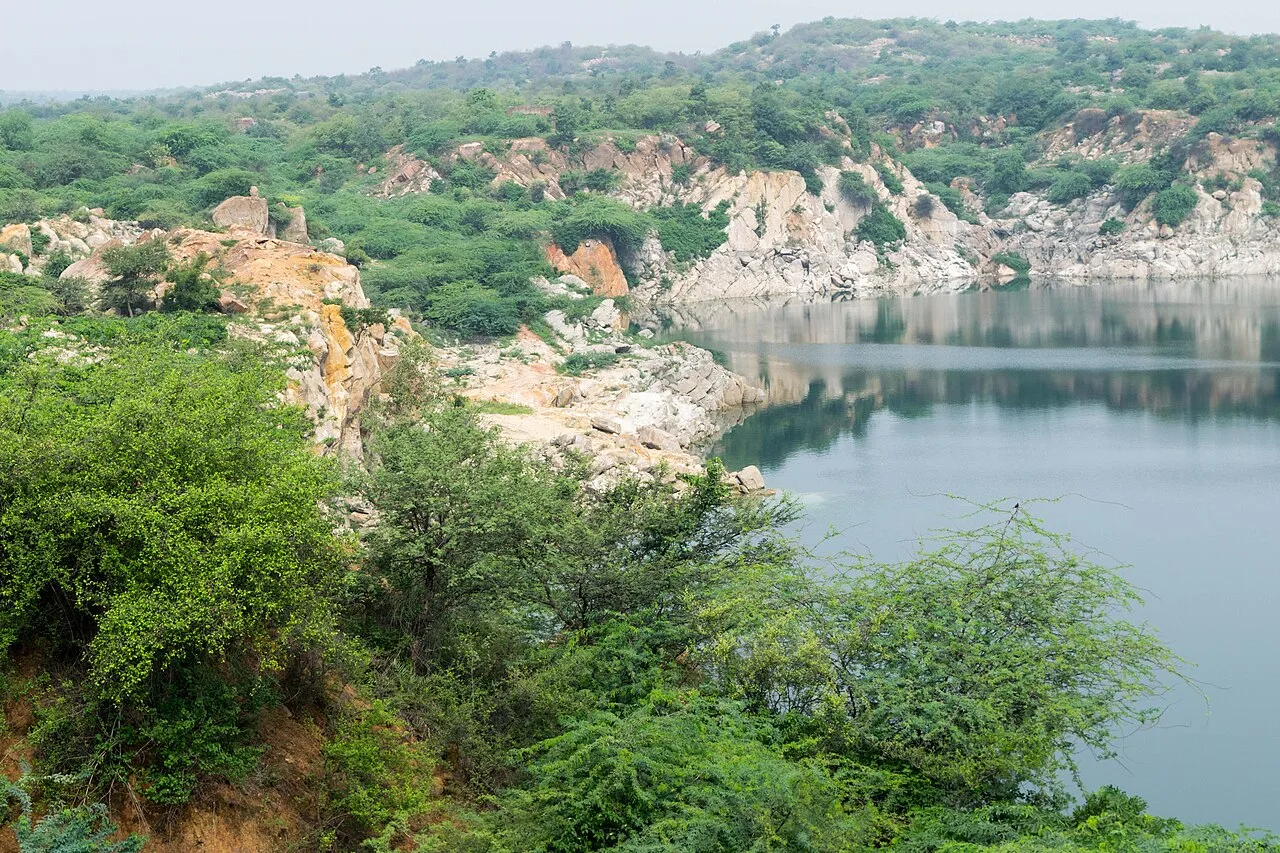
Asola Bhatti Wildlife Sanctuary
Asola-Bhati Wildlife Sanctuary is a 32.71 km² protected area on the Delhi Ridge. Visitors can encounter its remnant semi-arid forest, wildlife habitat and lakes formed in disused mines.
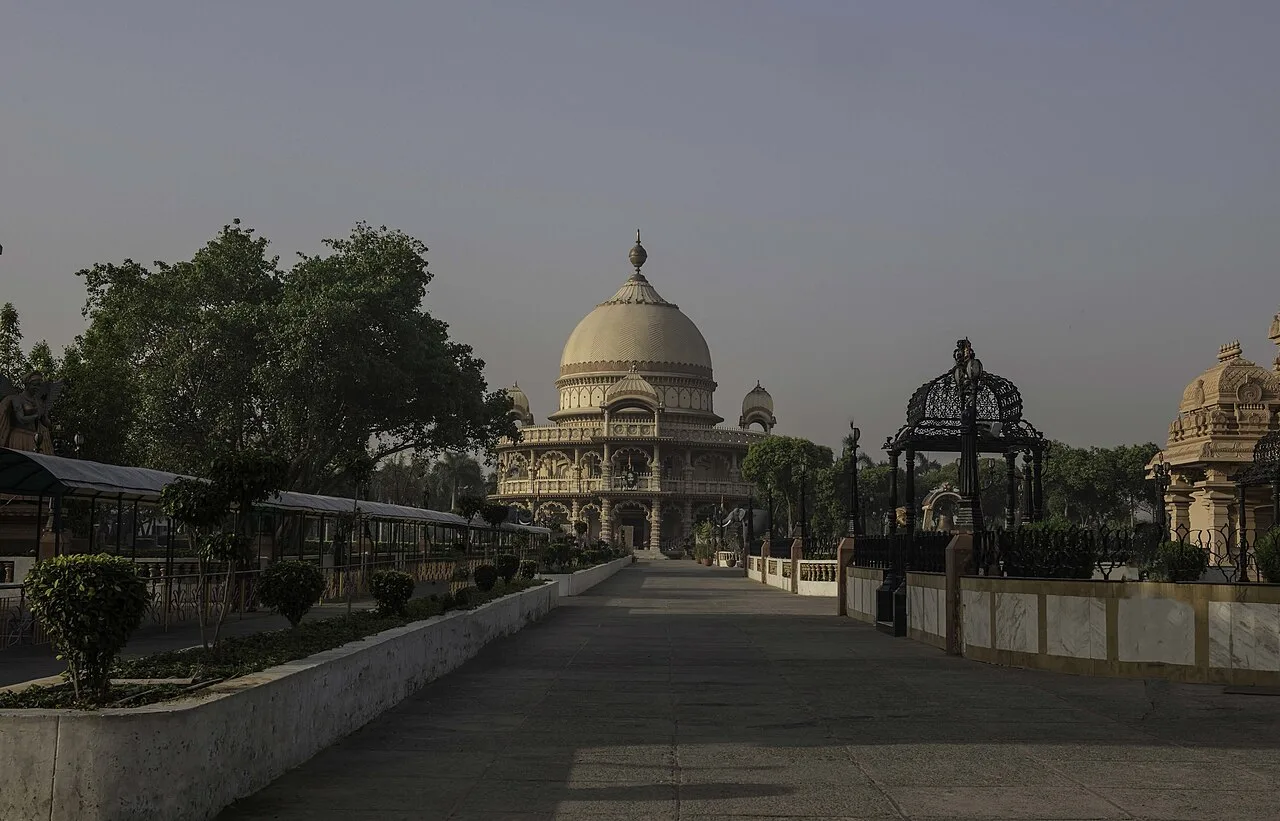
Chhatarpur Temple
Chhatarpur Temple is a large marble Hindu place of worship in Delhi, dedicated to Katyayani. Visitors come to see the temple and its extensive grounds and shrines.
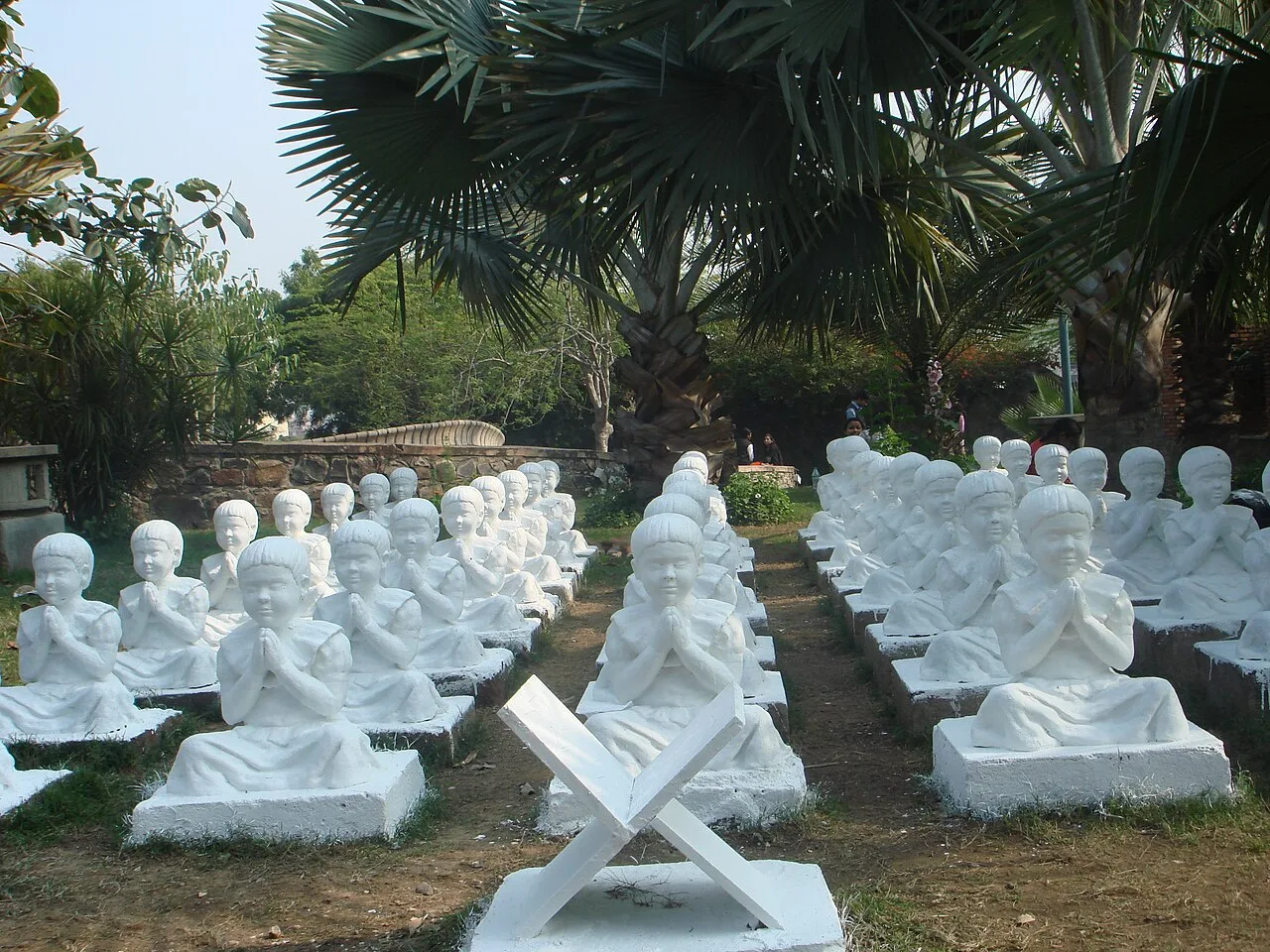
Garden of Five Senses
A public park in South Delhi, the Garden of Five Senses offers themed areas, lily pools, bamboo courts and herb gardens for visitors to explore.
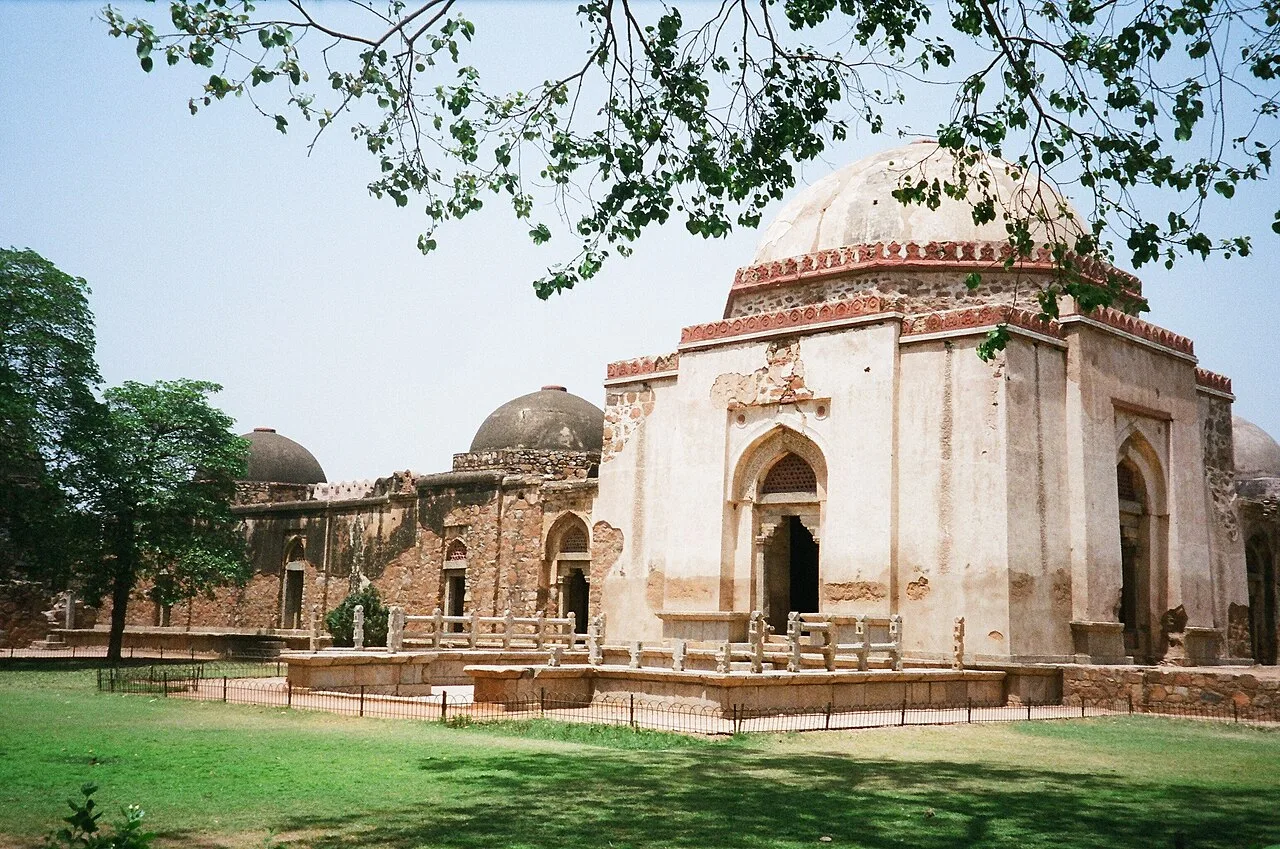
Hauz Khas Complex
Hauz Khas Complex is a medieval ensemble in South Delhi, centred on a historic reservoir and adjoining religious and funerary buildings. Visitors come to see its Sultanate-era architecture and surrounding village.
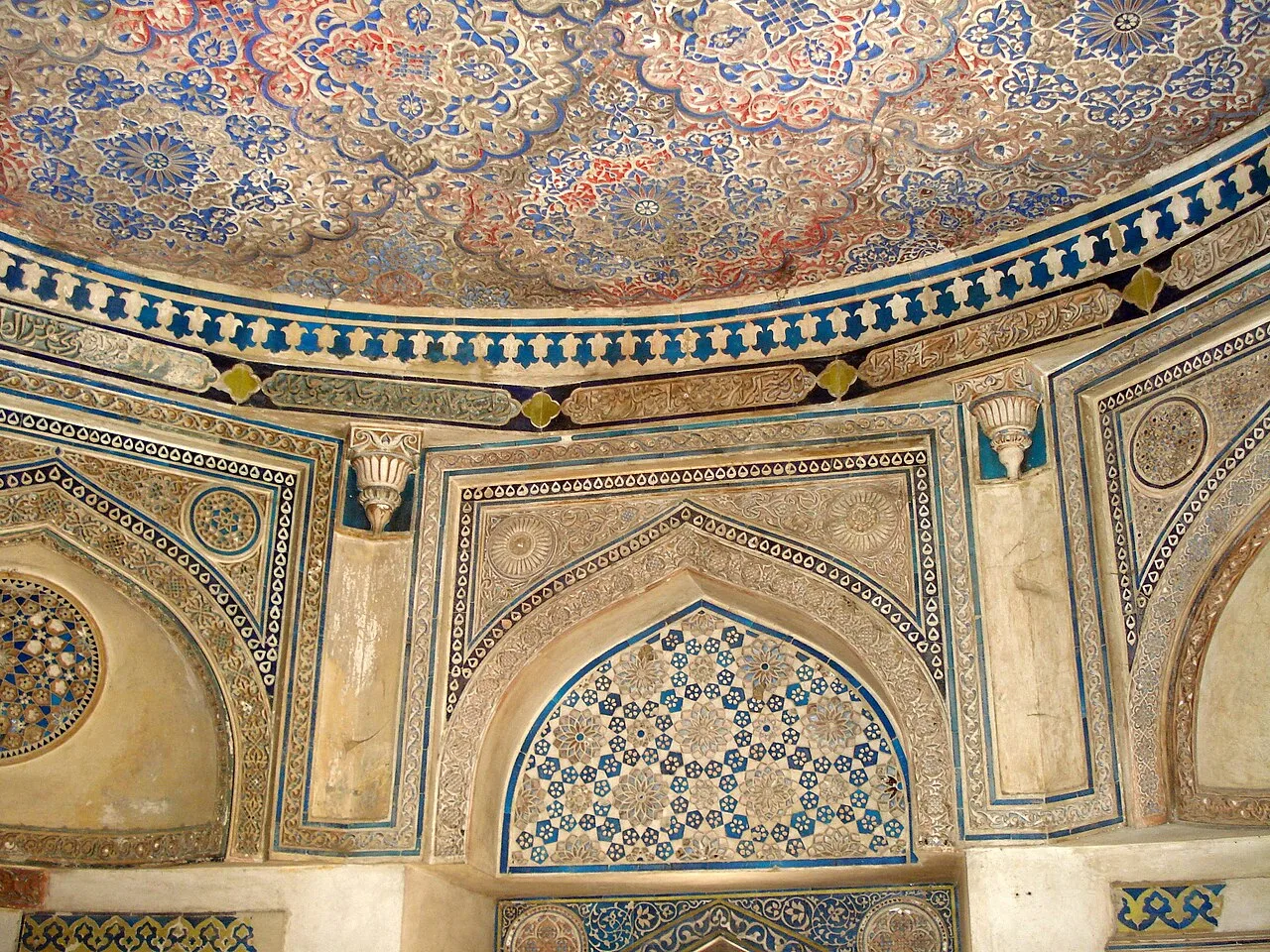
Mehrauli Archaeological Park
Mehrauli Archaeological Park is a historic landscape beside the Qutb complex, where visitors explore monuments and remains spanning Delhi’s dynasties and architectural traditions.
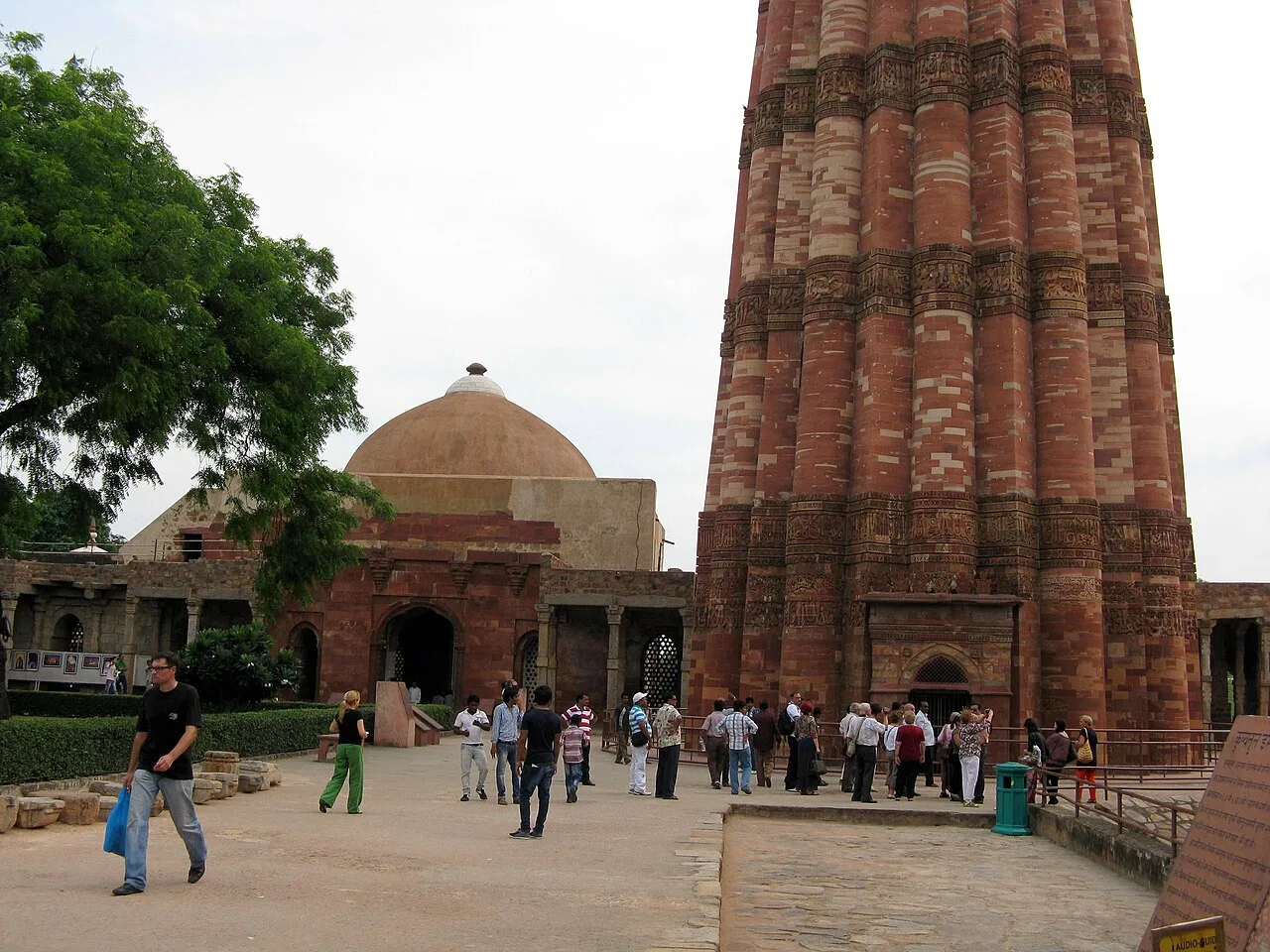
Qutb Minar
Qutb Minar is a Delhi Sultanate-era minaret and victory tower within Delhi’s Qutb complex, a UNESCO World Heritage Site. Visitors see its historic inscriptions, patterns and distinctive architecture.
South Delhi's food reflects Delhi's wider culinary traditions rather than a distinct district cuisine. Chole bhature, stuffed parathas, chaat and jalebi are familiar choices, alongside kebabs, Mughlai dishes and butter chicken. Momos are also firmly established in the city's everyday eating culture, while kulfi provides a traditional sweet finish. Vegetarian travellers have plenty of options. Chandni Chowk and the lanes around Jama Masjid are celebrated food destinations elsewhere in Delhi, not within this district. For street food, choose busy stalls with quick turnover, favour freshly cooked dishes and drink sealed or safely filtered water.
Craft traditions associated with the wider Delhi region include zari and zardozi embroidery, jewellery making and decorative metalwork; these should not be treated as uniquely South Delhi crafts. The capital also serves as a marketplace for handlooms and handicrafts from across India, so an item's place of sale may differ from its place of production. The Qutb and Hauz Khas complexes offer opportunities to appreciate historic stone carving, architectural ornament and calligraphic decoration. When buying textiles or craft objects, ask about the maker, materials and regional origin.
Phool Walon Ki Sair, a traditional procession associated with Mehrauli’s Hindu and Sufi heritage, is usually held in the autumn and can draw visitors to the neighbourhood. Navratri brings especially large devotional crowds to Chhatarpur Temple, while Diwali, Holi, Eid and other major religious festivals are observed across the district. Cultural programmes connected with the Qutb complex have been held in some years, but schedules can vary. During major festivals, roads near temples and heritage areas may be crowded, and nearby accommodation can be busier; check current event arrangements before planning.
South Delhi ranges from dense urban neighbourhoods and built-up village lanes to rocky outcrops of the southern Delhi Ridge, part of the Aravalli system. Asola-Bhatti Wildlife Sanctuary protects a larger stretch of this dry, scrubby terrain near the Delhi-Haryana border. There is no major river through the district; reservoirs such as the historic Hauz Khas tank are notable water features. Roads and development divide many green areas, so journeys between sights can take longer than their map distance suggests. In the sanctuary, terrain and visitor access make advance planning and suitable footwear important.
South Delhi has hot, often dry summers, a monsoon season with humid spells and winter weather that is generally cooler and more comfortable for walking. Rain can make paths muddy, while summer heat and strong sun make midday outdoor visits tiring. The most comfortable months for combining monuments and outdoor sites are generally from October through March, though winter mornings can be cold or hazy. Carry sun protection and water in warmer months, and a light rain layer during the monsoon. In winter, bring layers, especially for early starts. Check local weather and site conditions before setting out.
Indira Gandhi International Airport is the main airport for reaching South Delhi. Major rail gateways include New Delhi and Hazrat Nizamuddin; the more convenient station depends on your destination and arriving train. Road access is through Delhi's arterial network, including Aurobindo Marg and Mehrauli-Badarpur Road, with congestion common at peak times. The Delhi Metro is useful for many journeys; consult the official DMRC map before choosing a station. Autos, e-rickshaws where available and app-based cabs cover onward travel. For Asola-Bhatti, confirm the appropriate visitor entrance and arrange onward transport in advance. Check current services locally.
The Delhi Metro serves many parts of South Delhi and is useful for reaching neighbourhoods near the listed sights; check the current DMRC map and plan the last leg separately. Delhi Transport Corporation buses, autos, e-rickshaws where available and app-based cabs provide local connections, though traffic can slow road journeys. Aurobindo Marg and Mehrauli-Badarpur Road link several southern areas, but congestion is common. Heritage lanes may be easier to explore on foot, with uneven surfaces in places. For Asola-Bhatti Wildlife Sanctuary, confirm the visitor entrance and arrange onward transport in advance.
Saket and nearby South Delhi neighbourhoods make practical bases for the Garden of Five Senses, Mehrauli and Chhatarpur, with a range of hotels and guesthouses. Hauz Khas and other well-connected urban areas suit visitors prioritising restaurants, metro access and city connections. Delhi also has budget accommodation and some homestays, though availability and suitability vary by locality. Government lodges and dharamshalas may be options in the wider city, but confirm eligibility and arrangements directly. For Asola-Bhatti, staying in the city and arranging transport is generally more practical than expecting accommodation at the sanctuary.
South Delhi is a large urban area: use ordinary city precautions, keep valuables secure in crowds and choose well-lit routes after dark. Monument paths and old lanes can be uneven, with steps that may challenge visitors with limited mobility. Carry water and sun protection in hot weather; use safe drinking water and take care with food hygiene. Roads can be congested and crossings busy, so allow time and use marked crossings. At Asola-Bhatti, follow visitor guidance, keep to permitted routes and do not approach or feed wildlife. Mobile coverage and facilities may be limited in some natural areas. Check current access rules and any permit requirements with official sources before visiting.
- South East Delhiabout 8 km
- New Delhiabout 11 km
- Gautam Buddh Nagar · Uttar Pradeshabout 12 km
- Faridabad · Haryanaabout 14 km
- East Delhiabout 14 km
- Central Delhiabout 16 km
- Gurugram · Haryanaabout 17 km
- North Delhiabout 21 km
Straight-line distance between the centres of each district's destinations; road distance is longer.
All districts of Delhi
Q: How many days should I spend in South Delhi? A: Two days can cover the main heritage sites; three or four allow time for the temple, garden and sanctuary as well. Q: When is the best time to visit? A: October through March is generally most comfortable for walking and outdoor visits. Q: Where is the best base? A: Saket or another well-connected South Delhi neighbourhood is convenient for many sights; choose a base near a metro connection for wider city travel. Q: How do I get to South Delhi? A: Arrive through Indira Gandhi International Airport or a major Delhi railway station, then use the Metro, buses, autos or cabs for onward travel. Q: Is South Delhi suitable for families or elderly travellers? A: Yes, but plan around heat, crowds and uneven paths; some monuments and natural-area routes involve steps or limited facilities.
This page draws on our 6 destination guides for South Delhi and is updated as our team checks it.
Be the first to share photos, stories, advice or a helpful contact for South Delhi.
Loading…