
District · Delhi
New Delhi
New Delhi district is the planned capital core of the National Capital Territory of Delhi, with government institutions, ceremonial avenues, museums, memorials, gardens and historic monuments close together.
New Delhi is the planned capital district at the heart of the National Capital Territory, shaped by broad avenues, government precincts, gardens and busy commercial centres. Its ceremonial core, developed under British rule and inaugurated as the imperial capital in 1931, includes Rashtrapati Bhavan and India Gate. The district’s character also reflects independent India: museums, cultural institutions and memorials sit alongside offices, markets and residential neighbourhoods. Connaught Place remains a major hub, while green spaces such as Lodi Gardens offer a quieter contrast to the city’s traffic and crowds. Nearby parts of Delhi preserve older urban histories, making the capital a meeting point of planned architecture, national institutions and long-established regional culture.
New Delhi district is the planned capital core of the National Capital Territory of Delhi, with government institutions, ceremonial avenues, museums, memorials, gardens and historic monuments close together. Travellers come for places such as Rashtrapati Bhavan, India Gate, Kartavya Path and the National Museum of India, as well as for the markets and food around Connaught Place and Dilli Haat. The district offers a concentrated introduction to modern Indian public life alongside traces of earlier periods in Delhi’s history. It also makes a practical base for exploring other parts of the wider Delhi region, though this index covers only the published places listed here.
The district sits within the wider Delhi region, a centre of settlement and political power over many centuries. The Tomaras and Chauhans ruled parts of the region before the Delhi Sultanate emerged in the thirteenth century. Successive sultanate dynasties and the Mughals shaped Delhi’s built and political landscape; monuments in and around the district include Lodi-era tombs, the Mughal-era Purana Qila and the eighteenth-century Tomb of Safdar Jang. In 1911, the British government announced that the capital of British India would move from Calcutta to Delhi. The planned imperial capital, designed in part by Edwin Lutyens and Herbert Baker, was inaugurated in 1931. After independence, the former Government House became Rashtrapati Bhavan, the President of India’s residence. New Delhi became the capital of the Republic of India in 1950. The present administrative district took shape during Delhi’s district reorganisation in the late twentieth century; its boundaries are distinct from the much larger historic and urban region commonly called Delhi.
16 destination guides · 15 on the map
Agrasen Ki Baoli
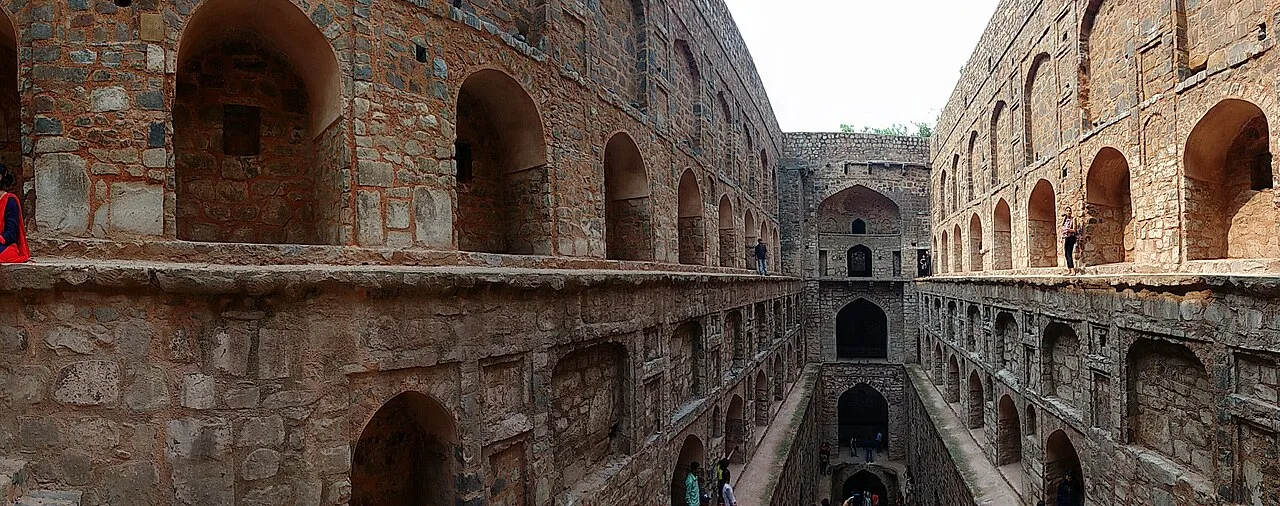
Agrasen Ki Baoli is a historic stepwell in New Delhi, measuring 60 metres by 15 metres. Visitors come to see the old structure, which is protected by the Archaeological Survey of India.
Connaught Place
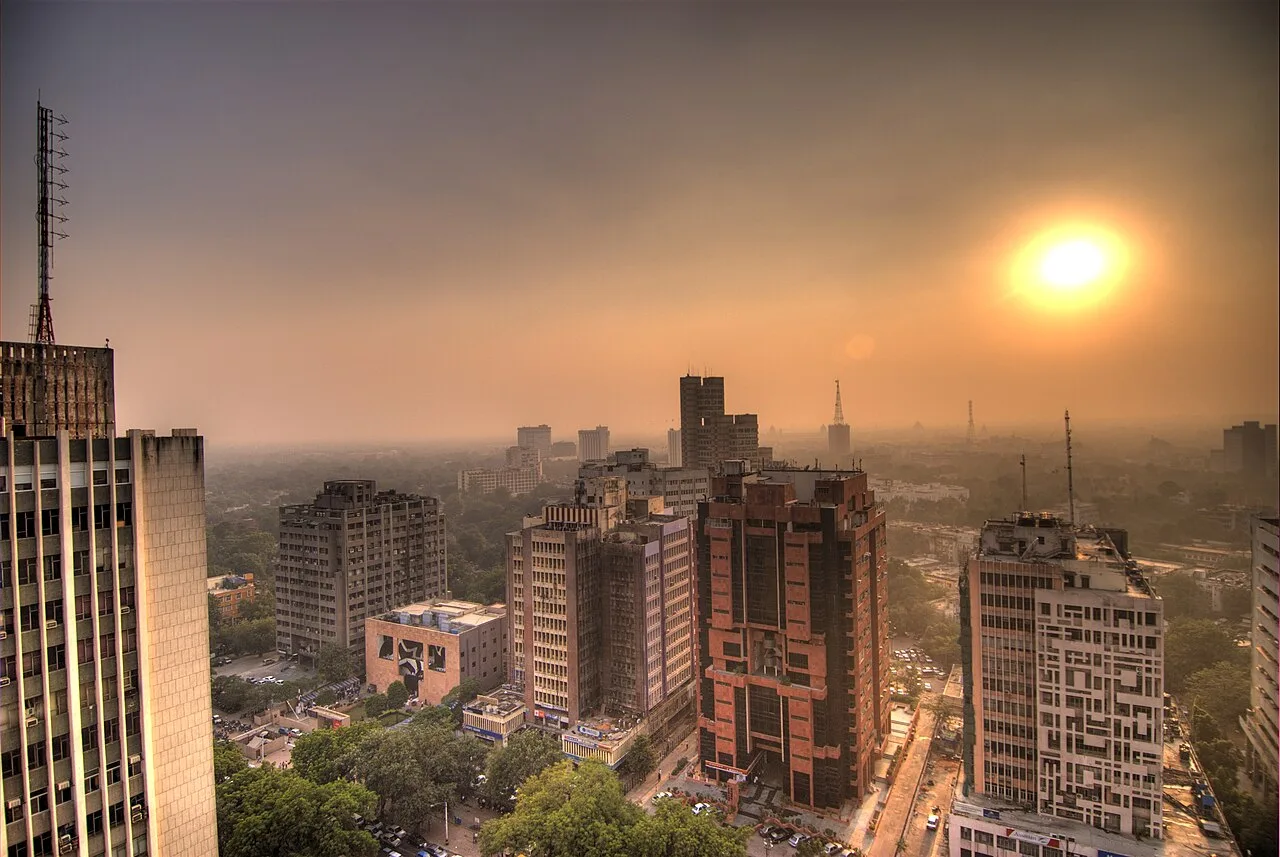
Connaught Place, officially called Rajiv Chowk, is an affluent commercial centre and tourist attraction in New Delhi, within India’s capital territory.
Dilli Haat
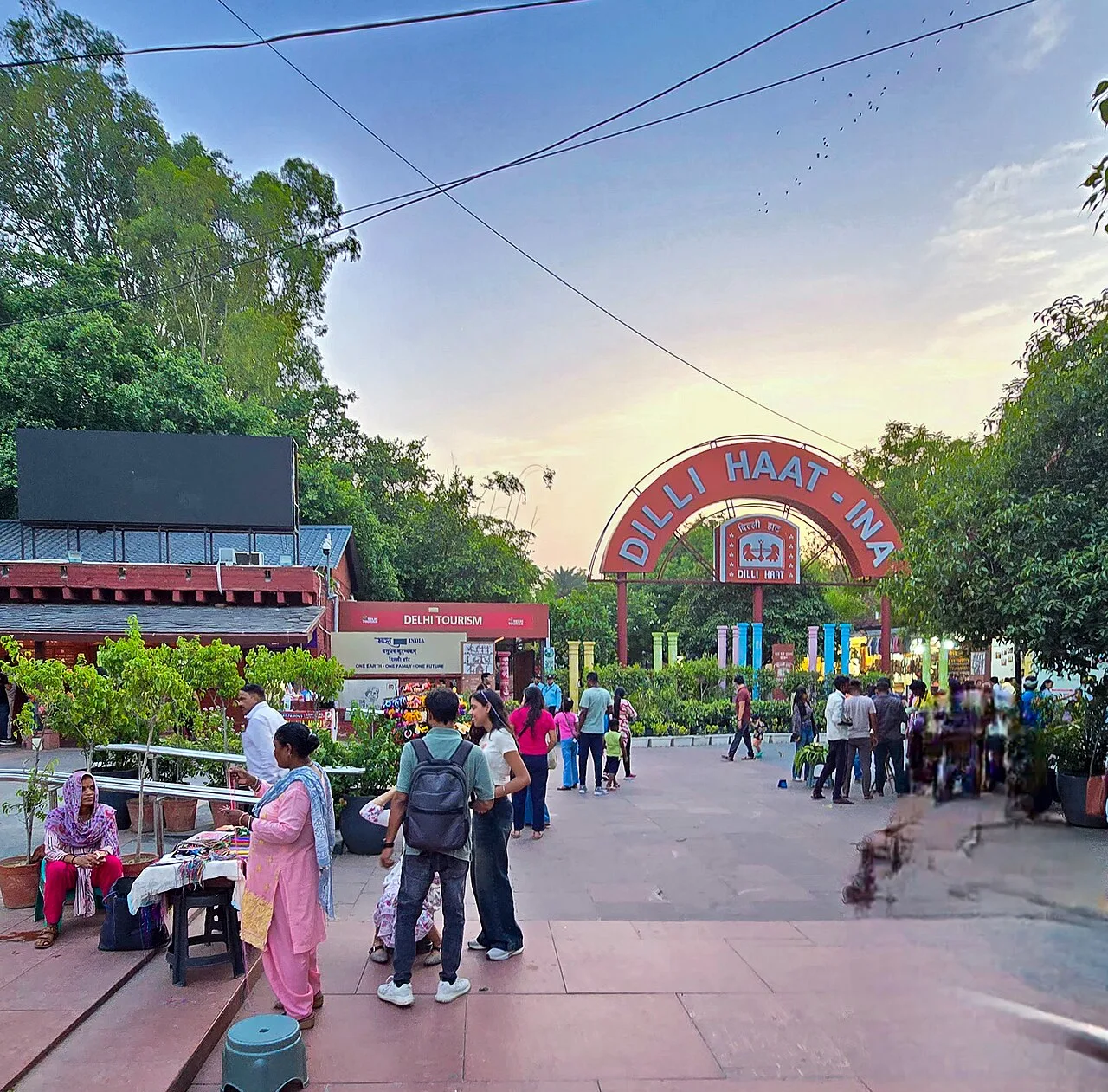
Dilli Haat is a ticketed craft and food market in South Delhi. Visitors come to browse regional handiwork, sample food and see performances and exhibitions representing India’s states.
Gandhi Smriti
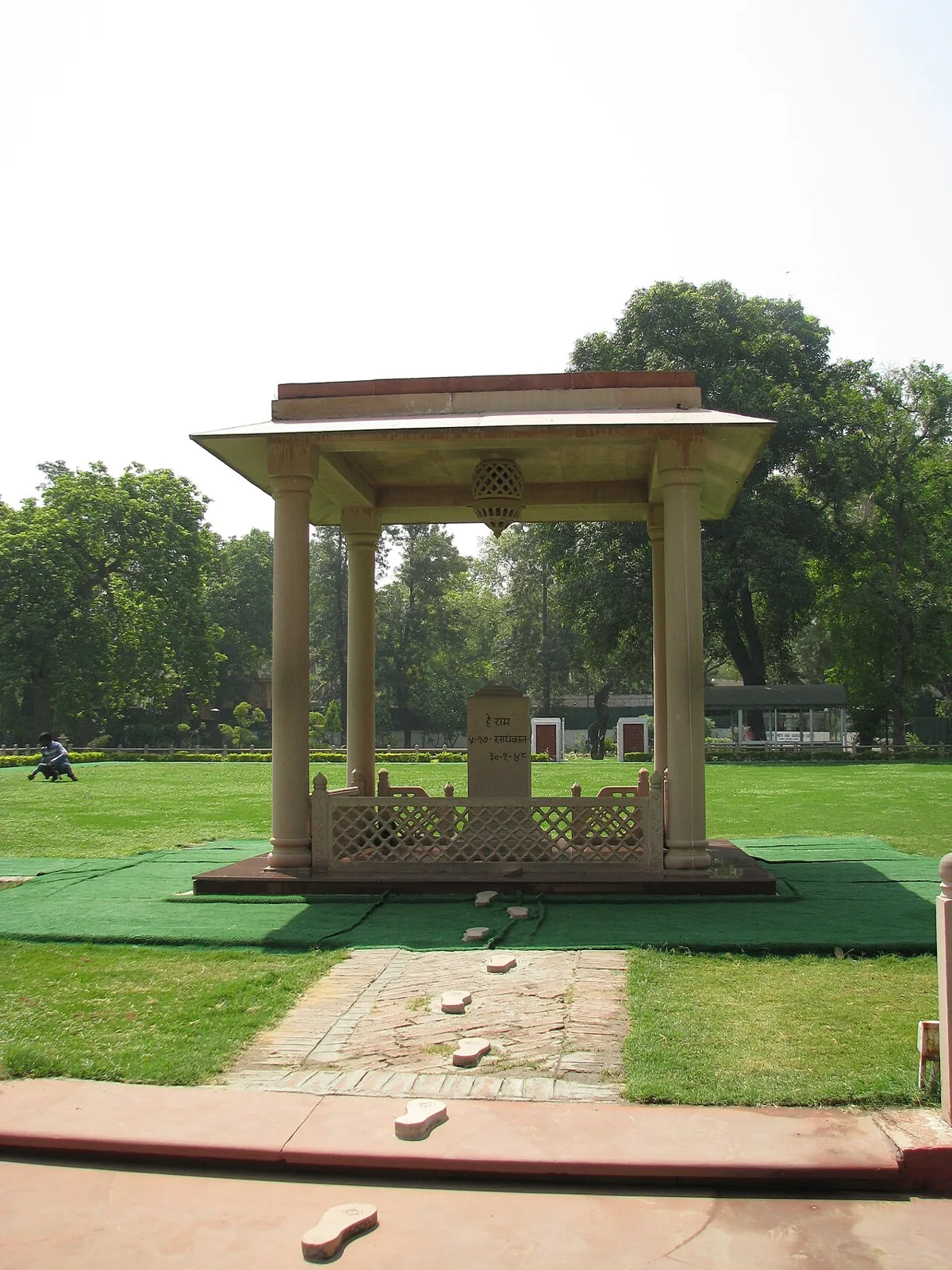
Gandhi Smriti is a New Delhi museum in the former Birla residence. Visitors come to learn about Mahatma Gandhi’s final days and see the Eternal Gandhi Multimedia Museum.
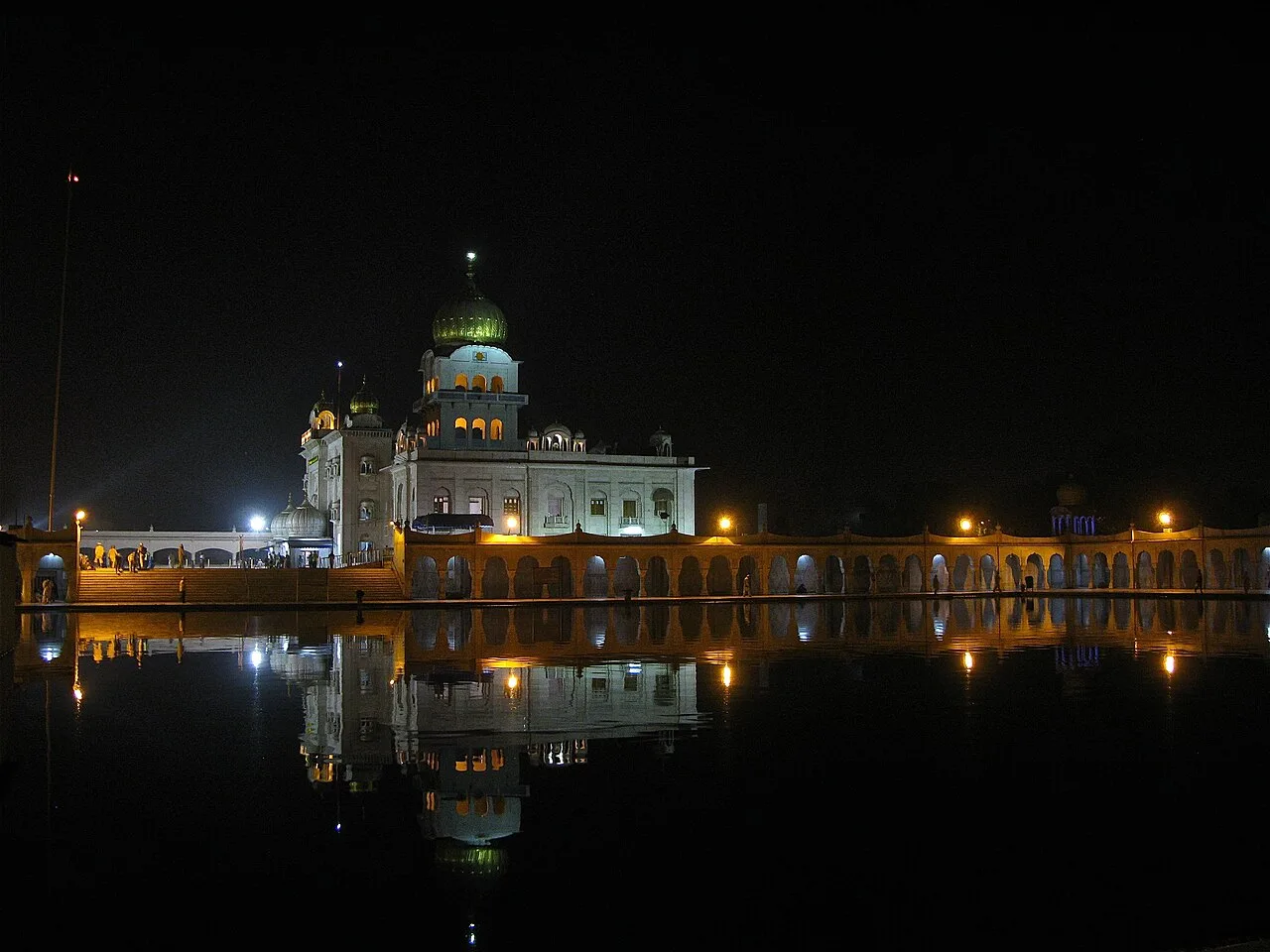
Gurdwara Bangla Sahib
This Sikh place of worship in Delhi draws visitors for its connection to Guru Har Krishan and the Sarovar, a sacred pond within the complex.
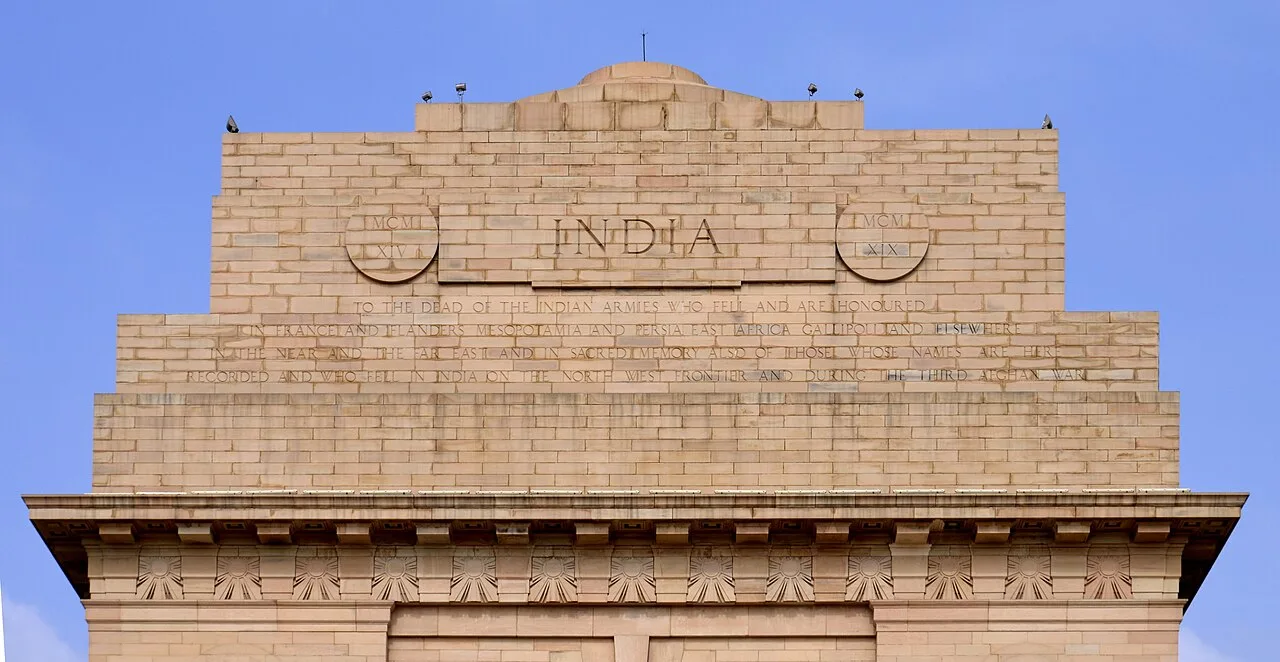
India Gate
India Gate is a New Delhi war memorial designed by Edwin Lutyens. Visitors come to see its inscriptions and memorial flame, while the site also hosts public demonstrations and Republic Day tributes.
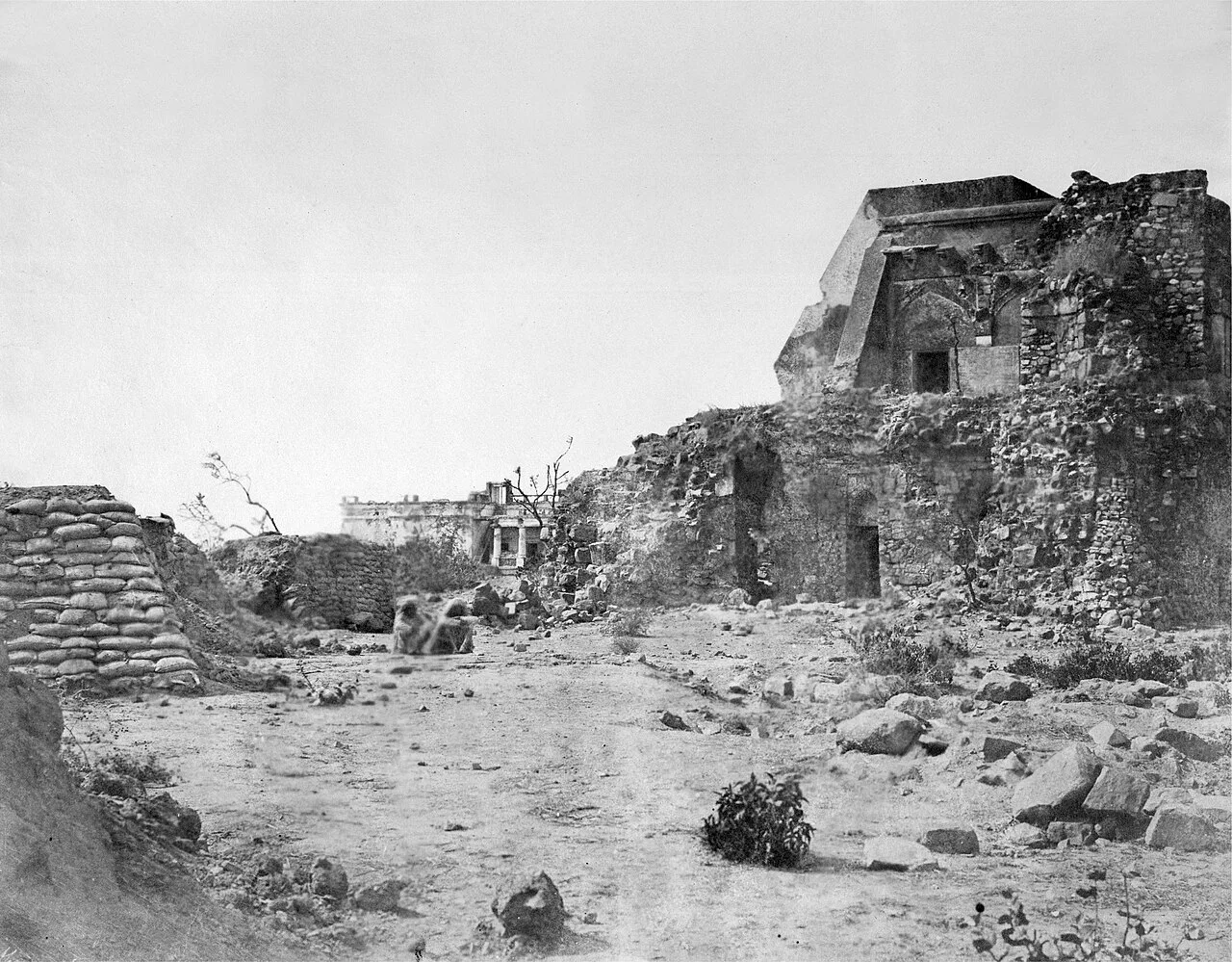
Jantar Mantar, New Delhi
New Delhi’s Jantar Mantar is an eighteenth-century observatory built for naked-eye astronomical observation and calculation. Visitors come to see its monumental instruments and learn how they were used to study celestial movements.
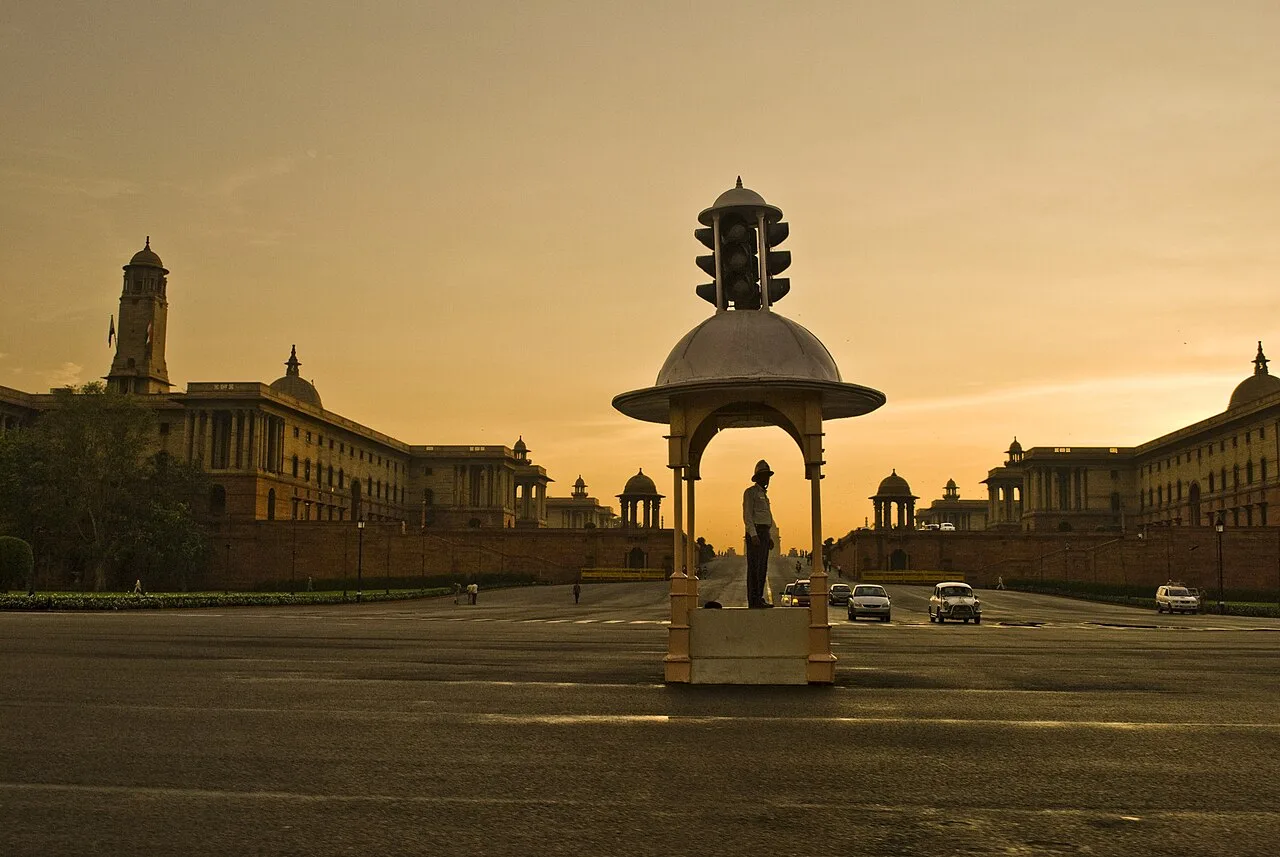
Kartavya Path
Kartavya Path is New Delhi’s ceremonial avenue, linking Rashtrapati Bhavan with National Stadium via several national landmarks. Visitors come to see the route and the annual Republic Day parade.
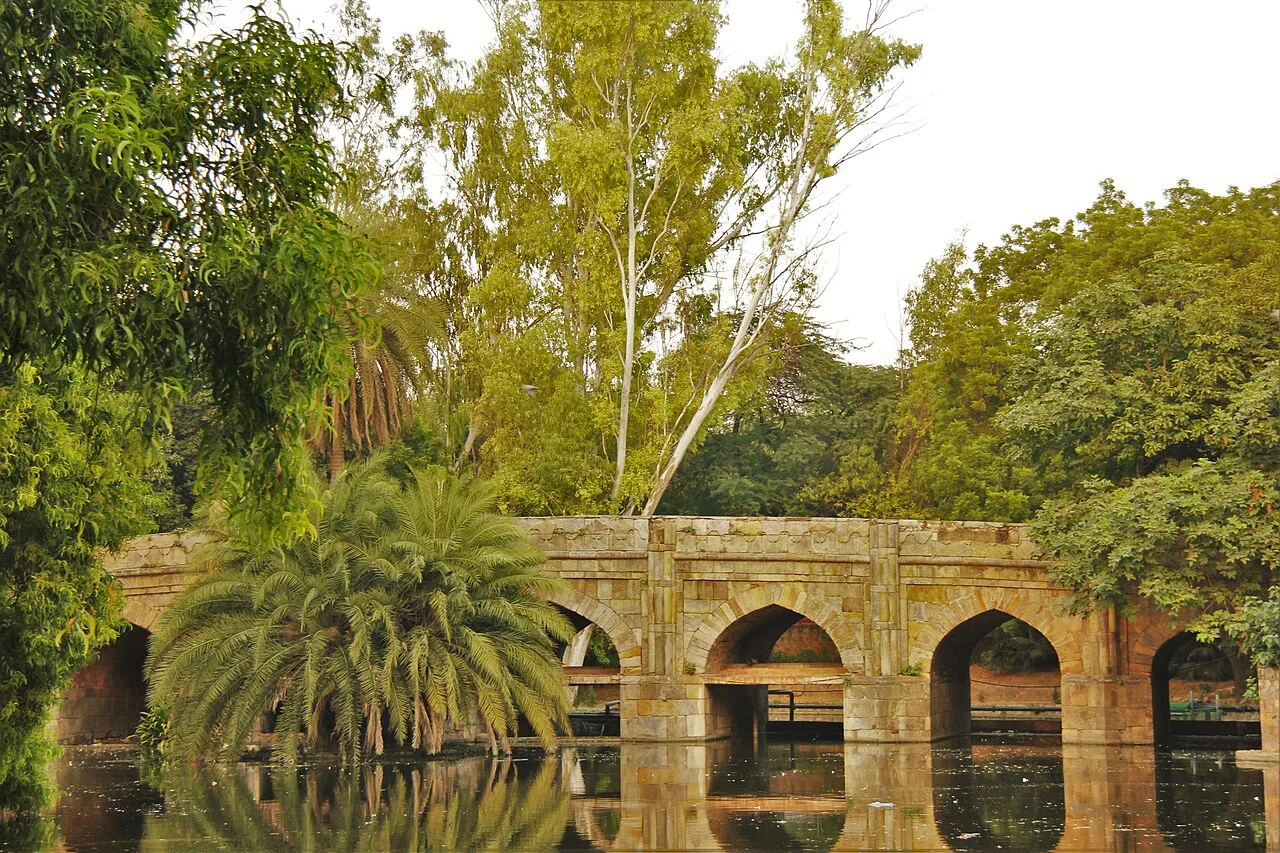
Lodi Gardens
Lodi Gardens is a 90-acre city park in New Delhi, visited for its late Sultanate monuments and as a place for residents to take morning walks.
Delhi’s food draws on traditions from across North India, with a strong presence of Punjabi and Mughlai cooking. Chole bhature, stuffed parathas, kebabs, butter chicken, chaat and jalebi are among the familiar choices; momos and kulfi are also widely enjoyed. Chandni Chowk and the Jama Masjid area are well known for street snacks and Mughlai dishes, while restaurants and food stalls across the city offer varied regional cuisines. Vegetarian food is easy to find. For street food, choose busy stalls with quick turnover, favour freshly cooked items and drink sealed or filtered water.
New Delhi is both a market for Indian crafts and a showcase for work brought from across the country. At Dilli Haat, rotating stalls present regional textiles, handlooms, embroidery, pottery, woodwork and metal crafts, though the makers and products vary. Delhi also has long-standing connections to decorative arts and skilled workshop traditions, including embroidery and metalwork, shaped by its role as a major capital and trading centre. Visitors can compare work from different regions here, but should ask sellers about an item’s materials, origin and method of production rather than assume it was made locally.
Republic Day celebrations in January bring large crowds to Kartavya Path and nearby ceremonial areas, with access controls and heavier demand for rooms. Independence Day in August is a major occasion across Delhi, although the principal ceremony is held outside this district. Diwali, Holi, Eid, Gurpurab and Christmas are observed across the city, sometimes affecting traffic and visitor numbers around places of worship and markets. Seasonal fairs and exhibitions in the wider Delhi region can also increase demand, particularly in autumn and winter. Check current local notices when planning around public celebrations.
This is a densely built urban district with broad planned avenues, roundabouts, institutional precincts and landscaped parks. The terrain is mostly level, so walking is manageable on many routes, though distances between attractions, traffic crossings and summer heat can make short map distances feel longer. Gardens such as Lodi Gardens provide green space amid the city. The Yamuna is an important feature of the wider Delhi landscape but does not define the district’s central sightseeing area. Roads, metro lines and planned boulevards shape most journeys here; the district has no coast or mountain terrain.
New Delhi has hot summers, a monsoon season and cooler winters. Summer heat can make midday sightseeing tiring, while monsoon showers may slow road journeys and leave paths wet. Winter is generally the most comfortable season for outdoor visits, though fog or poor air quality can affect visibility and travel. October to March is usually a suitable period for exploring monuments, gardens and ceremonial avenues; spring can also be pleasant. Carry sun protection and water in warmer months, and a light rain layer during the monsoon. In winter, bring warm layers for early mornings and evenings, and check air-quality updates before outdoor plans.
Indira Gandhi International Airport serves New Delhi, and New Delhi Railway Station is a major rail gateway; other Delhi terminals include Old Delhi and Hazrat Nizamuddin. National highways connect the capital with cities across northern India, but traffic can be heavy, especially at peak times. Within the city, the Delhi Metro is often the most convenient way to travel; app-based cabs, autos and e-rickshaws can help with journeys between stations and destinations. Walking is practical in some compact areas, though crossings and traffic require care. Check current services locally before setting out.
The Delhi Metro is useful for reaching central areas and several sightseeing zones, while city buses serve many major roads. Auto-rickshaws and app-based or metered taxis can help with trips between attractions, especially where walking routes are interrupted by large roads or security zones. Connaught Place and the central government precincts are connected by multiple transport options, but access near official buildings can be restricted. Traffic is often slow around ceremonial events and busy junctions. Walking works well within individual sites and garden complexes; allow for security checks and longer approaches at major monuments.
Connaught Place and the surrounding central area are convenient bases for metro connections, dining and several listed sights. Areas around India Gate and the central government precincts suit visitors focusing on museums, memorials and ceremonial landmarks, though access and traffic can be affected by official events. For Dilli Haat, the National Rail Museum and southern garden visits, a base with convenient metro or road links can reduce cross-city travel. The district and nearby central Delhi offer hotels and guesthouses across a range of styles, along with some serviced accommodation; homestays and religious lodging options are available more selectively.
This is a busy urban area: use marked crossings, watch traffic when walking, and keep belongings secure in markets and crowded public spaces. Summer heat and winter air pollution can affect health, so carry drinking water, take breaks and check air-quality information before extended outdoor visits. Use sealed or reliably treated water. Roads are generally paved, but congestion, diversions and event-related closures can disrupt journeys. Mobile connectivity is widely available, although underground or crowded locations may affect reception. Government precincts and some monuments have security checks or restricted access; confirm current entry requirements through official sources. No general visitor permit is normally needed for the listed city sights.
- Central Delhiabout 5 km
- East Delhiabout 6 km
- South East Delhiabout 7 km
- North Delhiabout 10 km
- Gautam Buddh Nagar · Uttar Pradeshabout 10 km
- South Delhiabout 11 km
- Faridabad · Haryanaabout 22 km
- Gurugram · Haryanaabout 25 km
Straight-line distance between the centres of each district's destinations; road distance is longer.
All districts of Delhi
Q: How many days should I spend in New Delhi district? A: Two days cover several central highlights; three or four days allow a more relaxed visit to museums, gardens and sites farther apart. Q: When is the best time to visit? A: October to March is generally most comfortable for outdoor sightseeing, though winter air quality can vary. Q: Where is the best base? A: Connaught Place is a practical central base with transport links and access to dining and several sights. Q: How do I get to the district? A: New Delhi is served by Delhi’s rail, metro, bus and air networks; use local metro, buses, autos or taxis for onward travel. Q: Is the district suitable for families or elderly travellers? A: Yes, many attractions are accessible by road and some have visitor facilities, but allow for walking, security checks, heat and busy crossings.
This page draws on our 16 destination guides for New Delhi and is updated as our team checks it.
Be the first to share photos, stories, advice or a helpful contact for New Delhi.
Loading…