
Connaught Place
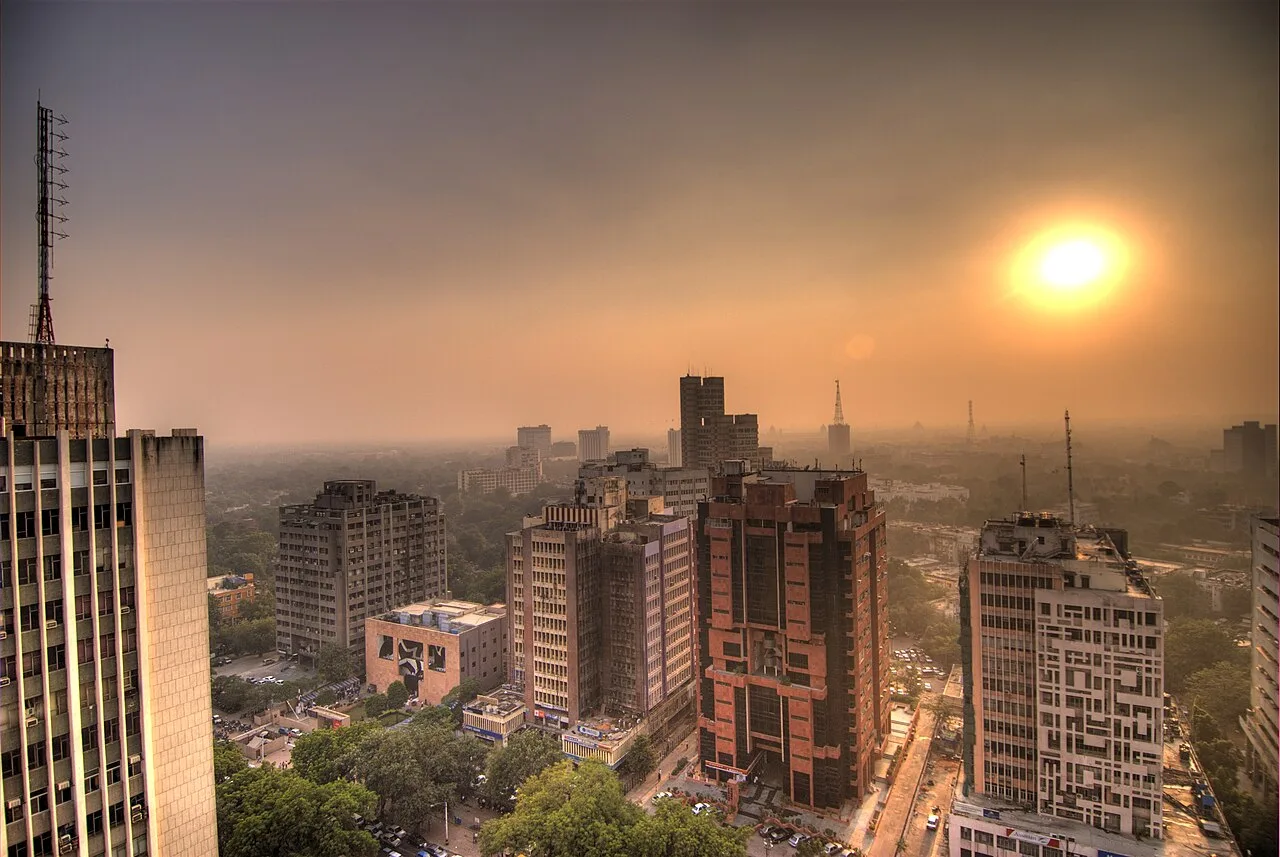
Connaught Place, officially called Rajiv Chowk, is an affluent commercial centre and tourist attraction in New Delhi, within India’s capital territory.
Key facts · verified by Ghumoopedia editors
- Type of place
- Destination
- Best time to visit
- October to March (check air quality from November to January)
- Verified
- 21 Nov 2026
The name Connaught Place is used for several locations worldwide. In India, it identifies a place in Delhi’s New Delhi district, within the country’s capital territory. The New Delhi location has Rajiv Chowk as its official name. It is an affluent business area and a tourist attraction. The same name is associated with a location in Central, Hong Kong, and another in London, England. It also appears in the name Taman Connaught, in Kuala Lumpur, Malaysia. These separate places share the Connaught Place name across India, Hong Kong, England and Malaysia. Delhi layers many historic cities — from the Delhi Sultanate and the Mughal capital to Lutyens' New Delhi — with Sufi shrines, gurdwaras, temples, busy markets and India's national monuments. Delhi has very hot summers from April to June, a humid monsoon from July to September and cold, foggy winters in December and January. Air quality is often very poor from late October to January. The usual best time to visit is October to March (check air quality from November to January). Timings, fees and access arrangements must be confirmed locally. For official information, see Delhi Tourism at https://delhitourism.gov.in.
Why it matters
Connaught Place is a major commercial and public centre in New Delhi, with offices, shops, restaurants and cultural venues arranged around a series of circular roads and colonnaded blocks. Its planned form reflects the development of New Delhi as the seat of British Indian government in the early 20th century. The name Rajiv Chowk is also widely used for the central area, particularly in civic and transit contexts, and is the name of its prominent Metro interchange. Visitors use Connaught Place as a meeting point and as a starting place for exploring central Delhi. Its arcades and central public spaces are part of the city’s everyday life as well as its architectural heritage; do not assume that the entire area has a specific protected-monument status.
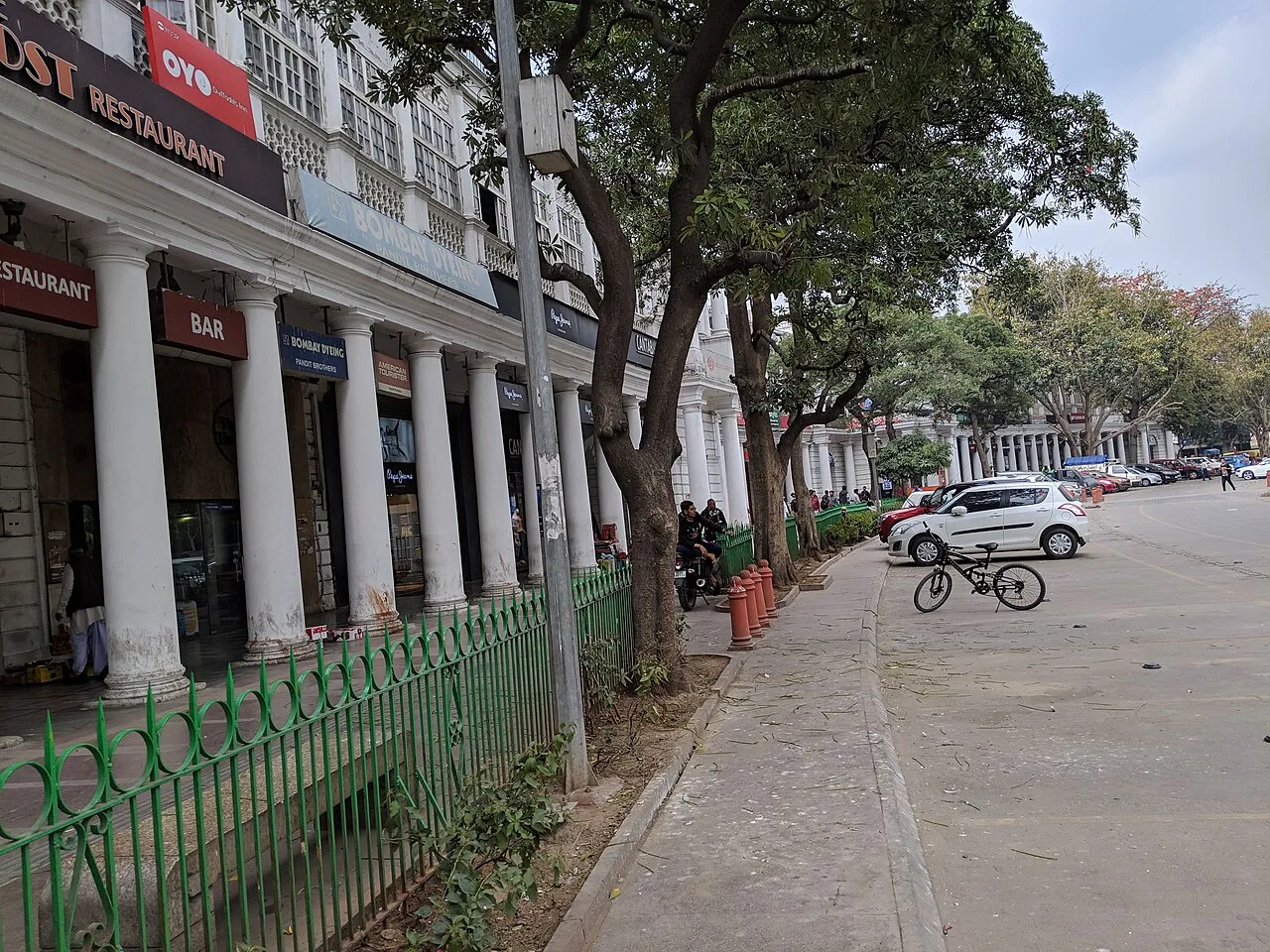
Connaught Place was developed as the commercial heart of New Delhi after the British decision to move India’s capital from Calcutta to Delhi. The new capital was planned in the early 20th century, with government buildings and residential districts laid out around broad roads and formal public spaces. Connaught Place was designed by Robert Tor Russell, an architect in the Public Works Department, and construction began in 1929. The complex opened in 1933 and was named for the Duke of Connaught, a son of Queen Victoria. Its circular plan and Georgian-inspired, white-coloured arcades were intended to accommodate shops and businesses while creating a distinctive centre for the new city. Over subsequent decades, the area grew into one of Delhi’s best-known business and shopping districts. Palika Bazaar, an underground market, was added beneath the central park area. The Delhi Metro brought a major interchange to the site: Rajiv Chowk station opened in the 2000s and made the district more accessible from across the city. Facades and public spaces have been refurbished at different times, including work associated with preparations for the 2010 Commonwealth Games. Connaught Place remains a busy commercial district, with historic architecture adapting to contemporary retail, offices and public use.
Use Connaught Place as a base to understand local life: walk through the market, look for local crafts and ask your host about nearby viewpoints and short excursions. Always ask before photographing people, homes or ceremonies. A comfortable itinerary is one main visit in the morning, a local meal at midday and a short nearby stop before an afternoon return. Use the district list on this site to find other places in New Delhi, but check the route and its condition before combining stops. If a festival or fair is on, roads and stays can be busy — and the experience can be unforgettable. Leave no litter: many sites are protected by the communities around them.
Suggested itineraries
Half day: Walk the inner and middle arcades (45–60 minutes); pause at the central park (20–30 minutes); browse Janpath or Palika Bazaar (45–60 minutes); finish with a meal or café break (45 minutes). Full day: Explore the arcades and central park (1–1.5 hours); browse Janpath and have lunch (1.5–2 hours); visit Gurudwara Bangla Sahib (1–1.5 hours); continue to Jantar Mantar or India Gate (1–2 hours), allowing for travel and rest. Gentler option: Choose one arcade and a nearby café, then take a short taxi ride to a single nearby attraction; plan seated breaks and avoid trying to cover the full circular district.
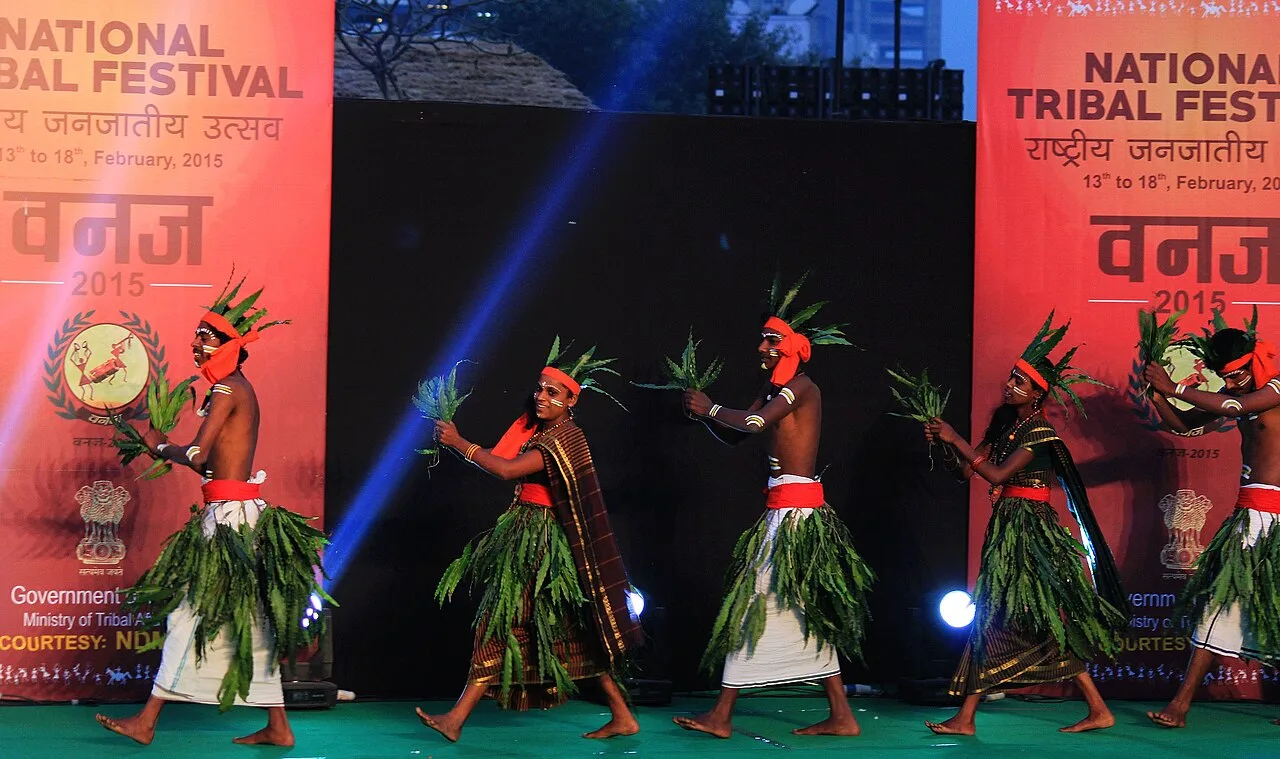
Connaught Place brings together office workers, shoppers, visitors and residents, so its everyday culture is urban and varied rather than tied to a single community. Hindi and English are widely heard, alongside Punjabi and other languages used across Delhi. The arcades, cafés, street-food stalls and central public spaces are popular places to meet. Shops range from long-established businesses to contemporary brands, while nearby Janpath adds a more informal market atmosphere. Cultural performances and public events sometimes take place in or around the central park, but programming changes. As throughout Delhi, ask before photographing people, vendors or private activities, and be considerate around religious sites nearby.
Festivals & events
Diwali in autumn and Holi in spring are widely celebrated across Delhi; Connaught Place may feel busier as people shop, dine or gather, though celebrations are not confined to this district. Christmas and the New Year period can bring seasonal decorations and increased evening crowds around shops and restaurants. The central park and nearby venues sometimes host cultural programmes, exhibitions or public celebrations, but events vary from year to year. Large citywide occasions, including Republic Day in January, can affect traffic and security arrangements in central Delhi. Check local notices before visiting, and allow extra time if roads are closed or crowds are expected.
Local food in Delhi includes chaat, stuffed parathas and jalebi in Chandni Chowk, chole bhature, kebabs and Mughlai dishes around Jama Masjid, butter chicken, momos and kulfi. Ask what is fresh that day; many small eateries cook a limited daily menu. Vegetarian travellers eat very well across this region, and most towns also have non-vegetarian options. Street food is part of the Delhi experience: pick busy stalls with fast turnover, prefer freshly cooked items and drink sealed or filtered water. Try a home-cooked or dhaba meal when you can — it is often the best food on the route. Choose busy, clean places and carry your packaging back with you.
Shopping & local experiences
Connaught Place has a mix of established shops, bookstores, branded retail and cafés under its arcades. Janpath, nearby, is known for a more informal market atmosphere, including clothing, accessories and craft-style souvenirs; quality and provenance vary, so inspect goods before buying and agree terms clearly. Palika Bazaar offers an underground shopping experience with a broad mix of merchandise. Food options range from casual snacks and street food to sit-down restaurants. For crafts, ask about where an item was made rather than assuming that every souvenir is locally produced.
October to March (check air quality from November to January)
Within Delhi, the Delhi Metro is usually the quickest and cheapest way to reach Connaught Place; find the nearest station on the official DMRC website or app, and use an app-based auto, e-rickshaw or cab for the last stretch. Road traffic is heavy at peak hours, so allow extra time and avoid driving yourself in Old Delhi lanes. Long-distance trains use New Delhi, Old Delhi, Hazrat Nizamuddin and Anand Vihar terminals, and flights use Indira Gandhi International Airport. When comparing train, bus and flight, count the complete door-to-door time: a flight saves the most time only if the onward road transfer is short, while an overnight train can save a hotel night. Book your return before you leave, because seats fill quickly on weekends, festivals and holidays. Current train numbers, timings, return services and fares are not listed here; check IRCTC and NTES for trains and the airline's own schedule for flights. No permit is needed to visit Delhi. Many monuments are protected by the Archaeological Survey of India and need an entry ticket, often cheaper when bought online; the Red Fort and several museums close on Mondays. Security checks are routine at metro stations and major sites.
Getting around
Rajiv Chowk is a major Delhi Metro interchange and is usually the most convenient arrival point for Connaught Place; check the DMRC website or app for current routes and service information. The district is walkable between many blocks, though crossings and traffic can slow progress. Auto-rickshaws, e-rickshaws and app-based taxis are useful for trips to nearby areas, with pick-up points sometimes affected by congestion or restrictions. Delhi buses serve the wider area, but stops and routes may be less convenient for visitors unfamiliar with the city. Parking is available in the area, but spaces can be limited; using public transport can avoid traffic and parking stress.
Hours, tickets & permissions
Connaught Place is an open urban district, but individual shops, restaurants, offices, markets and attractions set their own entry rules and schedules. Some venues may require tickets or advance booking; security checks and restrictions on bags or cameras can apply at particular sites. Nearby religious places may have expectations about dress and conduct. Do not assume that every arcade, market or public facility is accessible at all times. Confirm current hours, entry requirements and any fees with the relevant venue or managing authority before setting out.
Facilities
Connaught Place usually has restaurants, cafés, shops, ATMs and access to public transport, with additional services in nearby commercial buildings and markets. Public toilets may be available in or near the central area, but cleanliness, accessibility and availability can vary, so check locally. Drinking water and food are easy to find in businesses, though visitors should use sealed water if unsure about local supplies. Parking facilities exist, but availability can be limited during busy periods. Guided tours are not a guaranteed on-site service; arrange a guide through a reputable provider if desired.
Accessibility
The district is mostly urban and relatively level, but exploring it can involve long walks between blocks, busy road crossings, uneven paving and changes in pavement level. Colonnaded arcades offer some cover from sun and rain, but shade is not continuous, and summer heat can make walking difficult. Wheelchair and stroller access varies by shop, station entrance and public facility; do not assume lifts, ramps or step-free routes are available throughout. Metro access arrangements can change, so check with DMRC before travelling. Older visitors and people with limited mobility may find a short, focused visit with seated breaks more manageable than a full circuit.
No permit is needed to visit Delhi. Many monuments are protected by the Archaeological Survey of India and need an entry ticket, often cheaper when bought online; the Red Fort and several museums close on Mondays. Security checks are routine at metro stations and major sites. Carry a photo ID at all times and save the emergency number 112 and your accommodation's contact offline. Summer heat and winter smog are the main health risks: drink plenty of water, check the air-quality index and wear a good mask on poor-air days. Watch your belongings in crowded markets and metro coaches. Respect community rules, private property and posted instructions. Follow local guidance if access changes.
Photography
The arcades, circular streets and central park are useful subjects, with softer light generally found in the morning or later afternoon. Photography in public areas is usually possible, but individual shops, offices and attractions may restrict cameras or require permission. Ask before photographing people, street vendors or anyone engaged in a private or religious activity. Do not obstruct walkways or traffic while taking pictures. Drone use is subject to Indian aviation rules and local security restrictions; do not fly one here without confirming that it is permitted and obtaining any required approvals.
Choose a stay by the full journey to Connaught Place, not just the district name. Central areas such as Connaught Place, Paharganj and Karol Bagh, or areas near your metro line, save time; check the exact location and how far the hotel is from the nearest metro station. In summer, check air-conditioning or coolers; in December and January, check heating and hot water. Book in advance for weekends, festivals and the peak season (October to March (check air quality from November to January)). Confirm the exact location, meals included, check-in time and cancellation terms in writing. Avoid sending money to unverified contacts or touts at stations. Carry some cash, as card and digital payments can be unreliable in remote areas.
Within or close to central New Delhi, visitors can combine Connaught Place with Jantar Mantar, Gurudwara Bangla Sahib, India Gate and Janpath market. Agrasen ki Baoli is another central-Delhi stop, while the National Museum offers a broader introduction to Indian art and history. These places have different access arrangements and may require separate visits, so check current conditions before planning a route. Metro, taxi or auto-rickshaw can help connect stops, but central Delhi traffic and road closures may affect journey times.
For couples, Connaught Place rewards a slow pace: arrive early for soft light and fewer crowds, share a local meal and keep the evening free. Evenings at a garden, heritage site or a rooftop café near the monuments make a good end to the day. Public displays of affection can be frowned upon in conservative communities and at religious sites, so be discreet. Keep a buffer in your itinerary, because weather and traffic can delay plans.
Q: How much time should I allow for Connaught Place? A: Allow a few hours for the arcades, central park and a meal; add time if visiting nearby attractions or browsing markets. Q: When is the best season to visit? A: October to March is generally more comfortable, but winter air quality can be poor; check conditions before travelling. Q: Is there an entry ticket for Connaught Place? A: The district itself is a public urban area, but individual attractions, venues or events may have separate entry rules or fees. Q: Is Connaught Place suitable for children and elderly visitors? A: It can be, especially for a short visit, but crowds, traffic crossings and walking distances may be tiring. Plan breaks and check access needs in advance. Q: Can I stay near Connaught Place? A: Accommodation is available in and around central Delhi at different levels; compare location, transport access and recent reviews before booking.
Be the first to share photos, stories, advice or a helpful contact for Connaught Place.
Loading…