
District · Delhi
South East Delhi
South East Delhi offers a compact view of the capital’s historic and contemporary character: Sultanate ruins, Mughal garden architecture, a living Sufi shrine, and modern places of worship sit among busy neighbourhoods and major roads.
South East Delhi brings together dense residential neighbourhoods, busy roads, landscaped heritage grounds and rocky stretches of Delhi’s southern terrain. Its monuments reflect several layers of the capital’s history: Tughlaqabad Fort recalls the fortified ambitions of the Delhi Sultanate, while Humayun’s Tomb represents the garden-tomb tradition of the Mughals. In Nizamuddin West, the dargah of the Sufi saint Nizamuddin Auliya remains a living place of devotion rather than simply a historic attraction. The Lotus Temple, a Baháʼí House of Worship, and the ISKCON Temple add different expressions of faith to this landscape. The district’s character lies in these contrasts between monumental architecture, active religious communities and the everyday bustle of metropolitan Delhi.
South East Delhi offers a compact view of the capital’s historic and contemporary character: Sultanate ruins, Mughal garden architecture, a living Sufi shrine, and modern places of worship sit among busy neighbourhoods and major roads. The district lies in the southern part of Delhi, within the National Capital Territory, and is best known for Humayun’s Tomb, Tughlaqabad Fort, Hazrat Nizamuddin Dargah, the Lotus Temple and the ISKCON Temple. Travellers come for the contrast between monumental sites and active communities, as well as for the chance to explore several distinct traditions in one urban area. Allow time for traffic and for the quieter, respectful pace appropriate at religious sites.
South East Delhi forms part of the wider historic landscape of Delhi, a region shaped by successive capitals and dynasties rather than by one continuous local kingdom. In the early 14th century, Sultan Ghiyas-ud-din Tughlaq established Tughlaqabad, a fortified city whose extensive ruins remain on the district’s rocky southern terrain. The Sufi teacher Nizamuddin Auliya lived from the 13th into the 14th century; his shrine became an enduring centre of devotion and community life. Under the Mughals, Humayun’s Tomb was built in the 16th century, helping establish the garden-tomb form later associated with imperial architecture. During British rule, Delhi was selected as the imperial capital in 1911, and the growth of New Delhi and surrounding settlements reshaped the region. After independence, urban expansion linked older villages and historic precincts with residential and commercial districts. South East Delhi became one of the capital’s administrative districts during Delhi’s reorganisation into 11 districts in 2012. The Lotus Temple and ISKCON Temple reflect more recent additions to its religious landscape.
5 destination guides
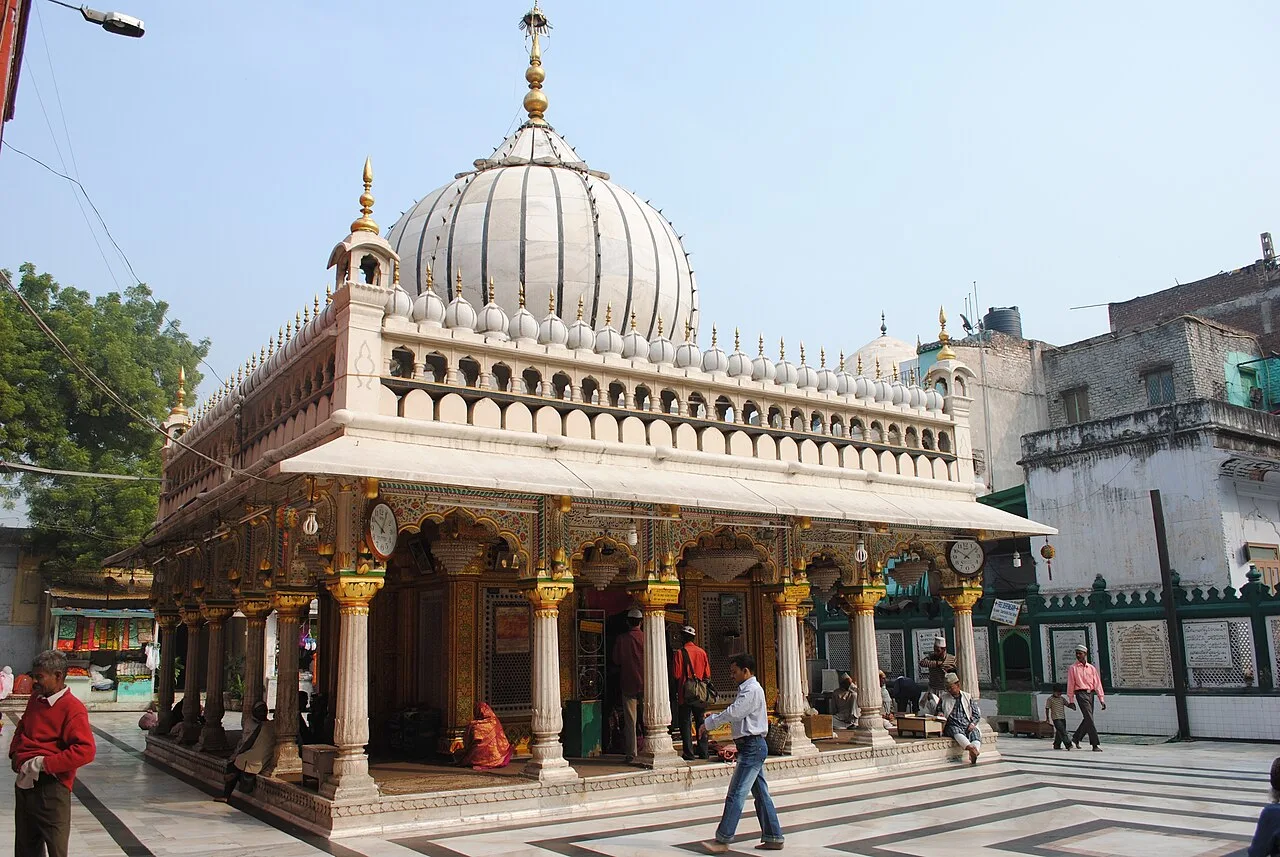
Hazrat Nizamuddin Dargah
In Delhi’s Nizamuddin West, this shrine and mosque complex honours Sufi saint Nizamuddin Auliya. Pilgrims visit for worship, while evening qawwali sessions draw people to its devotional music.
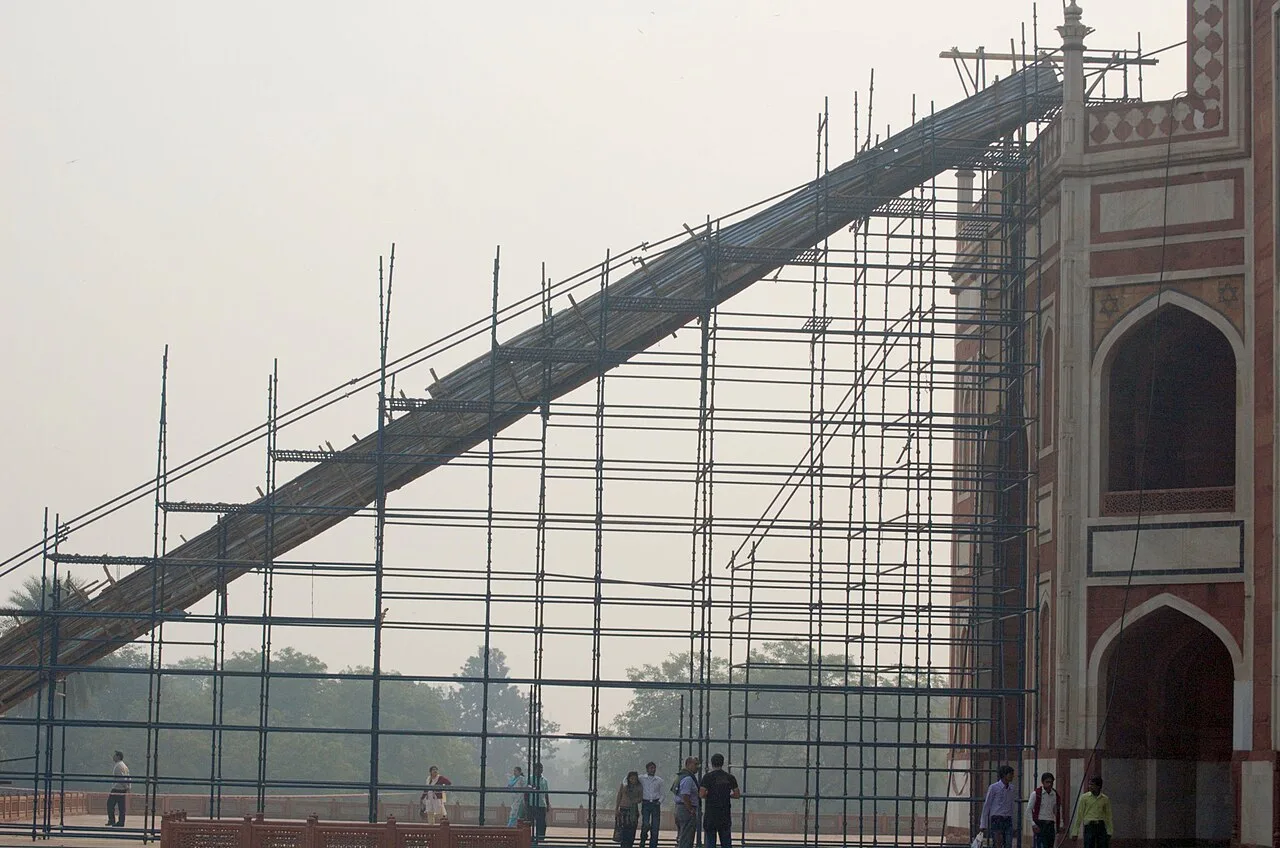
Humayun's tomb
Humayun’s Tomb is a Mughal-era mausoleum in Delhi, commissioned by Empress Bega Begum. Visitors come to see its garden plan, historic monuments and influential Mughal architecture.
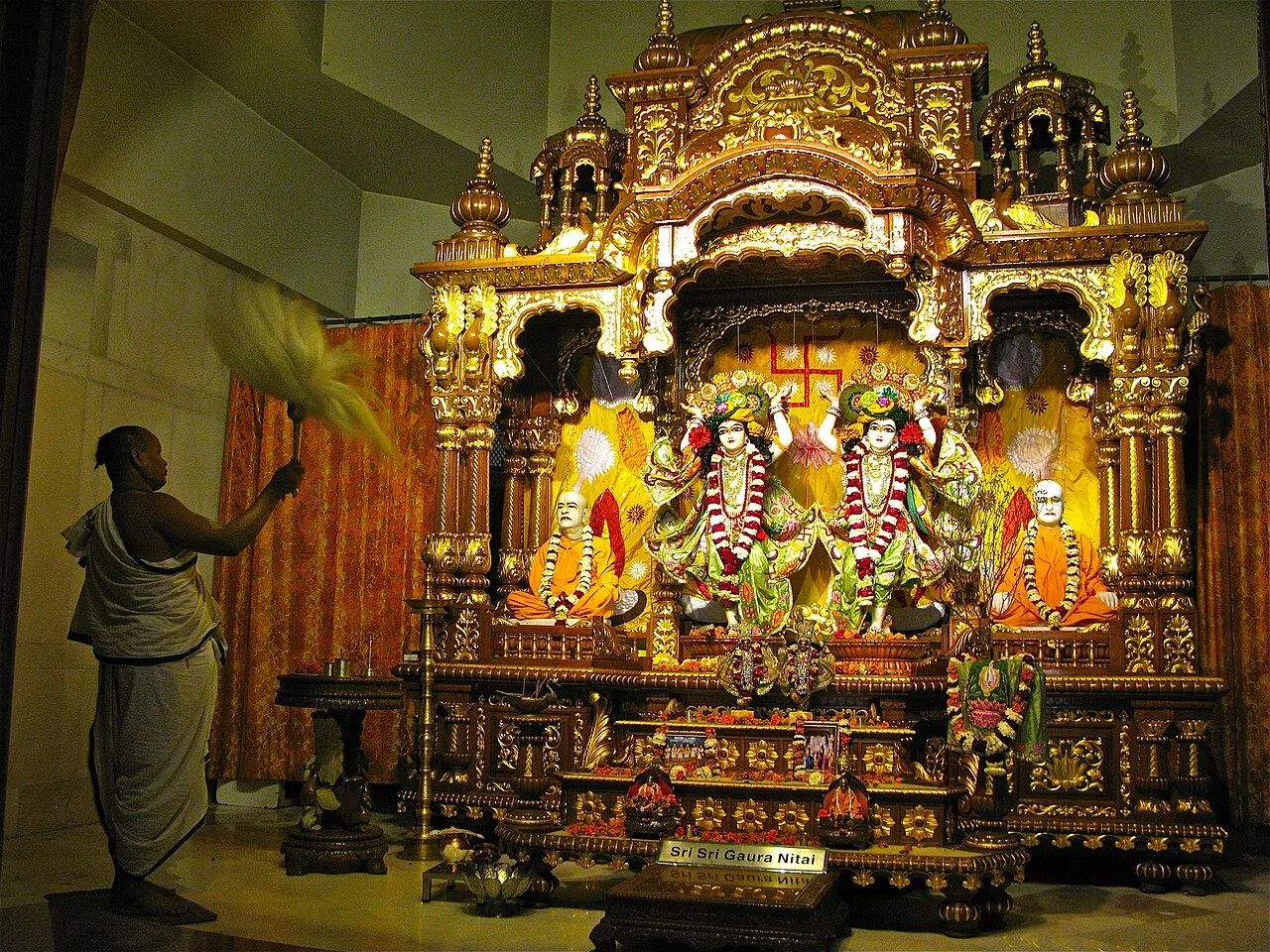
ISKCON Temple
ISKCON Temple, also called Sri Sri Radha Parthasarathi Mandir, is a Hindu place of worship in Delhi. Visitors come to honour Krishna and Radha, worshipped here as Radha Parthasarathi.
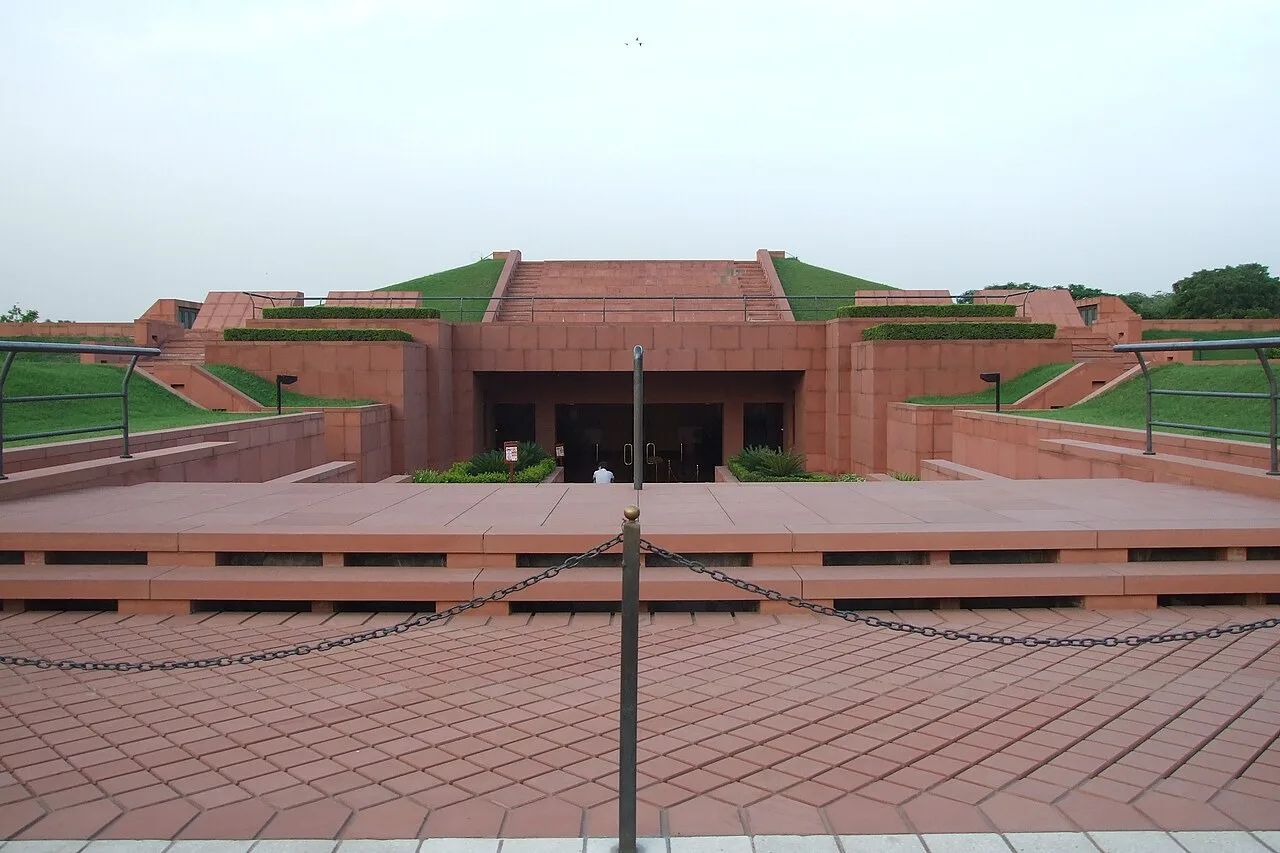
Lotus Temple
A Baháʼí place of worship in south Delhi, the Lotus Temple draws visitors to its lotus-shaped design and central hall.
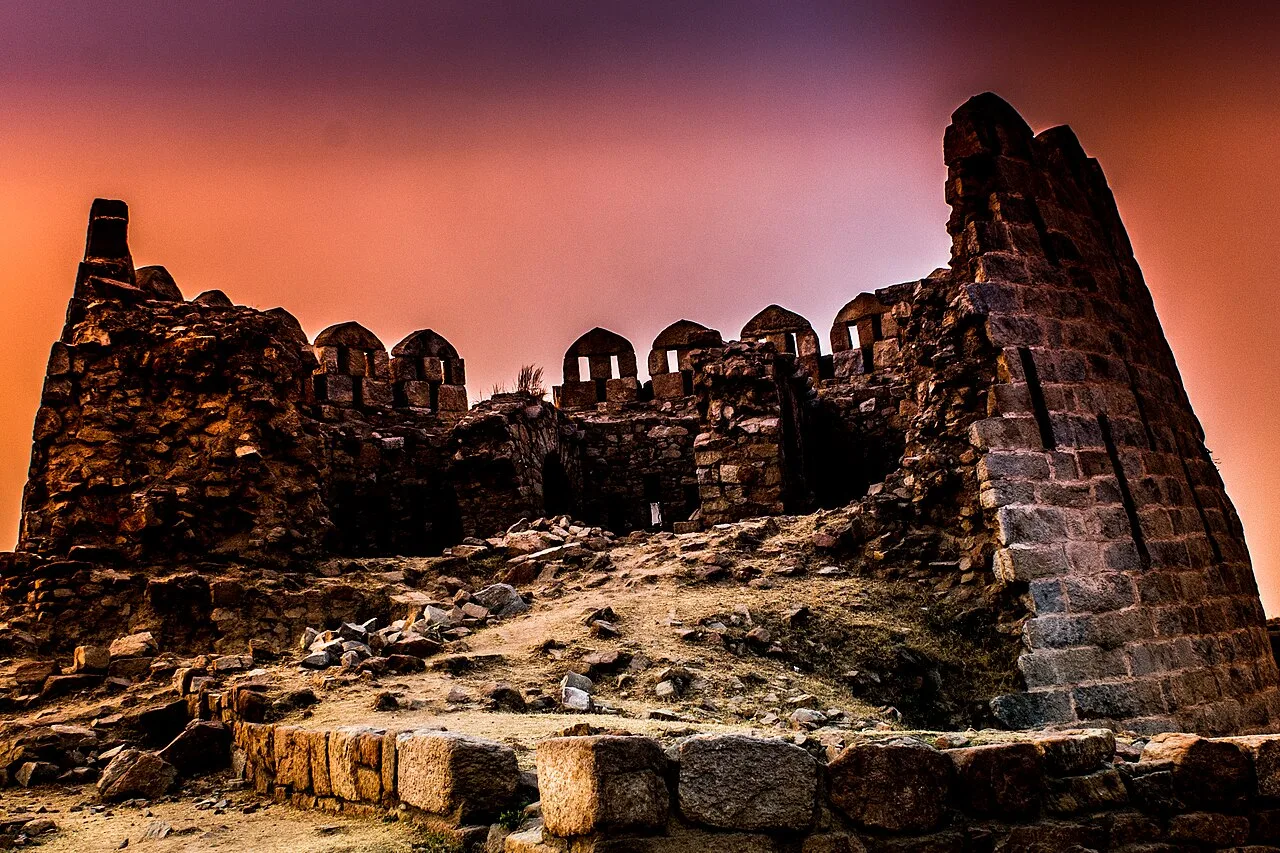
Tughlaqabad Fort
Tughlaqabad Fort is a ruined stronghold begun in 1321 under Delhi Sultanate ruler Ghiyath al-Din Tughluq. Visitors come to explore its history and the surrounding landscape.
Food here belongs to Delhi’s wider culinary landscape rather than a distinct district cuisine. Around Nizamuddin, kebabs and Mughlai cooking are natural companions to a neighbourhood visit. Across the wider city, chole bhature, stuffed parathas, chaat, butter chicken and momos reflect Delhi’s varied food traditions, while jalebi and kulfi offer familiar sweet finishes. Chandni Chowk and Jama Masjid are well-known food destinations elsewhere in Delhi, not within this district. Vegetarian options are plentiful. At small eateries, ask what has been freshly prepared; choose busy street stalls with quick turnover and drink sealed or safely filtered water.
South East Delhi is better known for its monuments and religious institutions than for a single distinctive craft. Its artistic context is part of Delhi’s wider traditions, including zari and zardozi embroidery, jewellery making and decorative metalwork. Humayun’s Tomb offers an opportunity to appreciate historic stone carving, geometric ornament and architectural craftsmanship, though these should not be confused with a present-day local craft industry. For handmade textiles or decorative objects, explore established craft outlets across Delhi and ask about the maker and place of production; goods sold in the capital often originate elsewhere in India.
The annual Urs honouring Nizamuddin Auliya draws devotees to Hazrat Nizamuddin Dargah; its timing follows the Islamic lunar calendar, so the season shifts from year to year. The shrine is also associated with Basant celebrations, usually around late winter, though observances and access can vary. Eid, Diwali, Holi and Navratri are celebrated across Delhi, including neighbourhoods in this district. These occasions may bring larger crowds, road congestion and busier accommodation, particularly around prominent religious sites. Visitors should check local arrangements and be considerate of worshippers during services and celebrations.
The district is predominantly built-up, with residential areas, commercial corridors and institutional campuses spread across the southern urban plain. Its southern parts include rocky outcrops and scrubby terrain associated with Delhi’s extension of the Aravalli landscape; Tughlaqabad Fort occupies a prominent rocky setting. The Yamuna and its floodplain lie toward the wider eastern side of this part of Delhi, though much of the visitor experience is urban rather than riverside. Distances between sights can feel longer in peak traffic, and exposed fort grounds involve uneven walking and limited shade. Plan outdoor visits for cooler parts of the day.
Delhi has hot summers, a monsoon season and cool winters. Summer days can be intensely sunny and dry before the monsoon brings humidity and intermittent heavy rain, which can slow road journeys. Winter is generally the most comfortable season for sightseeing, although mornings and evenings can be chilly, and fog or poor air quality may affect travel and outdoor comfort. October to March is usually the most pleasant period to visit. Pack light clothing, sun protection and water for warmer months; during winter, bring layers. A compact rain layer and shoes with good grip are useful during the monsoon and at uneven historic sites.
Indira Gandhi International Airport is Delhi’s main air gateway. Hazrat Nizamuddin railway station is particularly useful for the Nizamuddin area, while New Delhi, Old Delhi and Anand Vihar terminals provide other rail arrival options. Road access includes the Ring Road, Mathura Road and connecting city arterials, with congestion common at peak hours. Within Delhi, the Metro is usually a practical starting point; consult the official DMRC map for the station best suited to each destination. Buses, app-based cabs, autos and e-rickshaws cover onward journeys where available. Allow extra time between sights and check current services locally.
The Metro is a useful way to approach many parts of South East Delhi, but the best station depends on the sight; check the current DMRC map and plan the final leg separately. Hazrat Nizamuddin railway station serves the Nizamuddin area, while buses, autos, e-rickshaws and app-based taxis provide onward connections where available. Ring Road, Mathura Road and other city arterials link the district’s neighbourhoods, but congestion can make road journeys unpredictable. Some shrine lanes are narrow and busy, so visitors may need to walk the last stretch. Allow extra time between sites, especially during peak commuting periods.
2 days: Day 1, Humayun's tomb → Hazrat Nizamuddin Dargah; sleep near Nizamuddin. Day 2, Lotus Temple → ISKCON Temple → Tughlaqabad Fort; sleep in South Delhi or continue onward. 3 days: Day 1, Humayun's tomb; sleep near Nizamuddin. Day 2, Hazrat Nizamuddin Dargah → Lotus Temple → ISKCON Temple; sleep in South Delhi. Day 3, Tughlaqabad Fort; sleep in South Delhi or continue onward.
Nizamuddin is a practical base for visitors prioritising Humayun’s Tomb and Hazrat Nizamuddin Dargah, with accommodation options in the surrounding urban area. For the Lotus Temple, ISKCON Temple and Tughlaqabad Fort, consider a base in South Delhi with convenient Metro or road connections. The wider capital offers hotels across different neighbourhoods, along with guesthouses and some homestays; availability and suitability vary. Dharamshalas may serve particular communities or visitors near religious centres, but check their access conditions directly. Choose a location based on planned sights and likely travel times rather than assuming the district is quick to cross.
Use sun protection and carry drinking water, particularly when visiting exposed fort grounds in warm weather. At Tughlaqabad, watch for uneven surfaces and avoid climbing unstable masonry. Monsoon showers can make paths slippery, while winter air pollution may affect people with respiratory or heart conditions; check local air-quality information and adapt outdoor plans. Keep belongings secure in crowded markets, transport hubs and shrine lanes, and follow site guidance on footwear, photography and respectful dress. Road traffic is dense, so use marked crossings and allow extra time. Mobile connectivity is generally available in the city but can vary inside crowded or enclosed sites. These urban attractions do not generally require protected-area permits; confirm any restricted or event-specific access directly with the relevant site.
- Gautam Buddh Nagar · Uttar Pradeshabout 5 km
- New Delhiabout 7 km
- East Delhiabout 7 km
- South Delhiabout 8 km
- Central Delhiabout 10 km
- Faridabad · Haryanaabout 16 km
- North Delhiabout 17 km
- Gurugram · Haryanaabout 24 km
Straight-line distance between the centres of each district's destinations; road distance is longer.
All districts of Delhi
Q: How many days should I spend in South East Delhi? A: Two days can cover the main sights at a brisk pace; three days allow more time for travel, visits and rest. Q: When is the best time to visit? A: October to March is usually most comfortable for sightseeing, though winter air quality can vary. Q: Where is the best base? A: Stay near Nizamuddin for the tomb and dargah, or choose a well-connected South Delhi neighbourhood for the other sights. Q: How do I get to South East Delhi? A: Delhi is served by Indira Gandhi International Airport and several railway stations; use the Metro and local transport for onward journeys. Q: Is the district suitable for families or elderly travellers? A: Yes, with planning. Allow rest breaks, check accessibility at individual sites, and take care on uneven paths and in crowded areas.
This page draws on our 5 destination guides for South East Delhi and is updated as our team checks it.
Be the first to share photos, stories, advice or a helpful contact for South East Delhi.
Loading…