
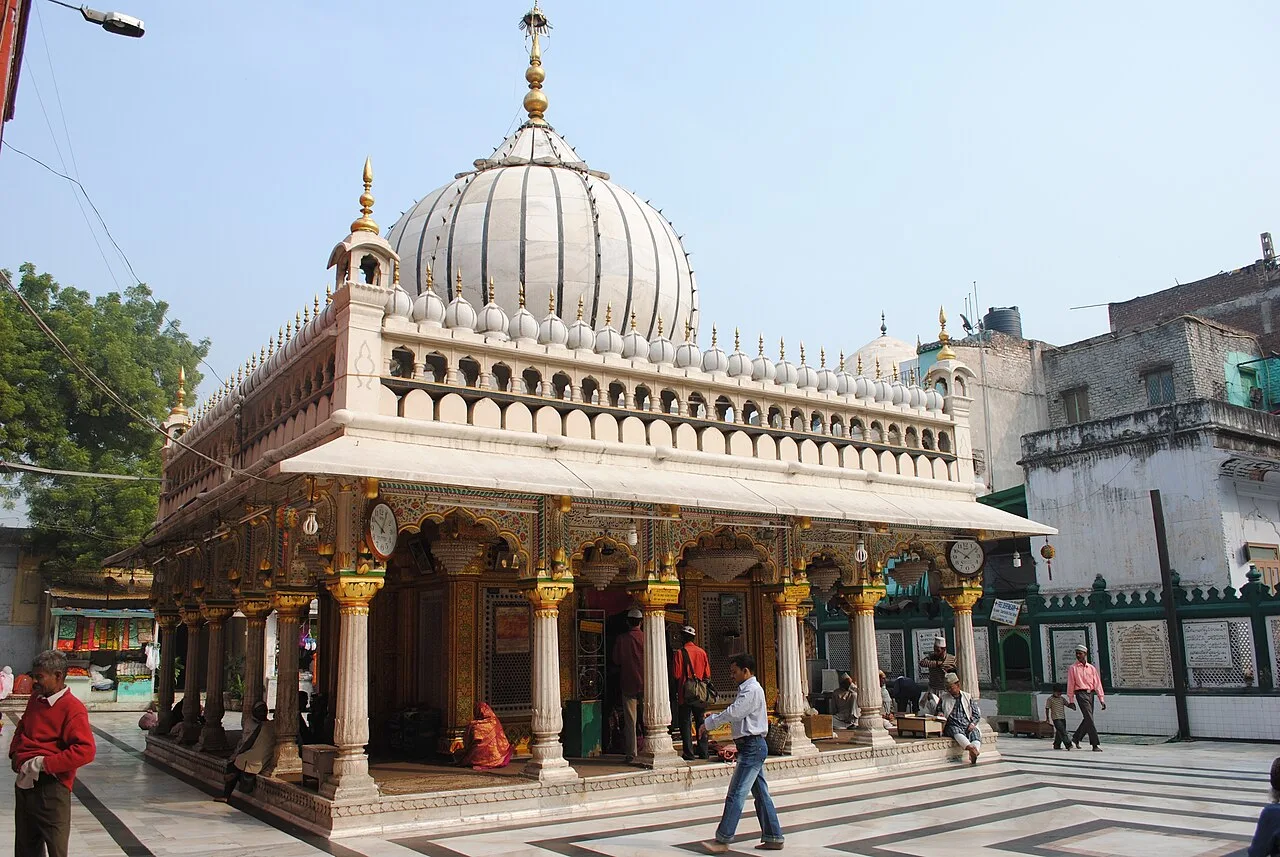
Hazrat Nizamuddin Dargah
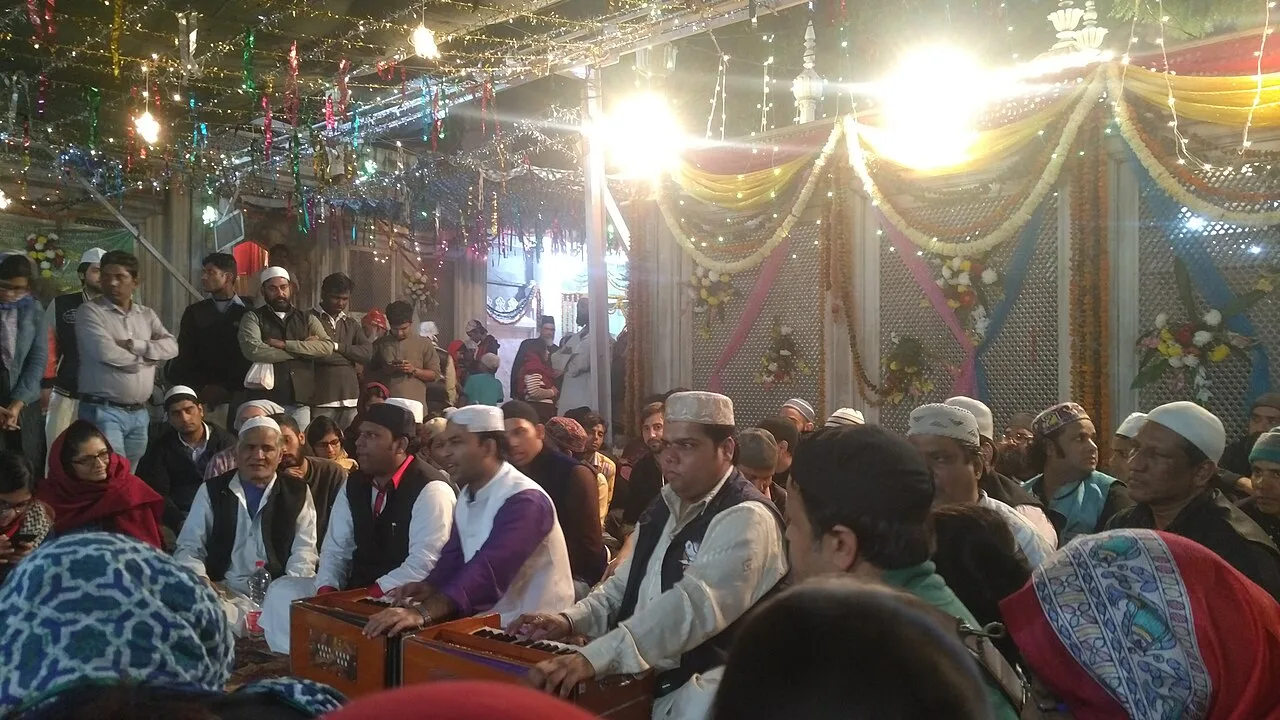
In Delhi’s Nizamuddin West, this shrine and mosque complex honours Sufi saint Nizamuddin Auliya. Pilgrims visit for worship, while evening qawwali sessions draw people to its devotional music.
Key facts · verified by Ghumoopedia editors
- Type of place
- Temple / pilgrimage site
- Best time to visit
- October to March (check air quality from November to January)
- Verified
- 21 Nov 2026
Plan a trip from Hazrat Nizamuddin Dargah — a day-by-day route through places nearby.
The complex lies in Nizamuddin West, in Delhi’s South East district, within India’s capital territory. Its main shrine is the mausoleum of Sufi saint Nizamuddin Auliya, alongside a mosque. Pilgrims visit throughout the week, and evening gatherings feature qawwali, a form of devotional music. Other features of the grounds include several tombs, the Jamat Khana Masjid, also known as the Khilji Mosque, and a baoli. Several buildings here are classified as Monuments of National Importance and are administered by the Archaeological Survey of India. Delhi layers many historic cities — from the Delhi Sultanate and the Mughal capital to Lutyens' New Delhi — with Sufi shrines, gurdwaras, temples, busy markets and India's national monuments. Delhi has very hot summers from April to June, a humid monsoon from July to September and cold, foggy winters in December and January. Air quality is often very poor from late October to January. The usual best time to visit is October to March (check air quality from November to January). Timings, fees and access arrangements must be confirmed locally. For official information, see Delhi Tourism at https://delhitourism.gov.in.
Why it matters
Hazrat Nizamuddin Dargah is an important Sufi pilgrimage site in Nizamuddin West, South East Delhi. It is the shrine of Nizamuddin Auliya, a celebrated Chishti Sufi saint whose teachings and community continue to shape devotional life in Delhi and beyond. Pilgrims visit to pray, make offerings and attend qawwali sessions. The wider complex includes other tombs, the Jamat Khana Masjid and a historic baoli. According to the existing guide, many structures in the complex are Monuments of National Importance administered by the Archaeological Survey of India (ASI); visitors should check on-site notices for the status and access rules of particular structures. The shrine is not identified here as a UNESCO World Heritage Site.
Nizamuddin Auliya, a leading figure of the Chishti Sufi order, lived from 1238 to 1325 and established a religious community in what is now the Nizamuddin area. After his death, his tomb became a place of pilgrimage. The present complex developed over many centuries, with tombs and religious buildings added or altered by patrons, devotees and successive rulers. Its buildings reflect Delhi’s changing political and religious history rather than a single construction campaign. The Jamat Khana Masjid, also known as the Khilji Mosque, is associated with the Khalji period. The baoli, or stepwell, is traditionally associated with Nizamuddin Auliya’s community. Later patrons connected with the Delhi Sultanate and Mughal periods contributed to the wider neighbourhood’s buildings and tombs. The shrine has undergone repeated repair and renovation; its current appearance should not be read as an unchanged medieval structure. The ASI administers many of the complex’s protected monuments, while devotional activity continues at the shrine. For details about particular buildings, dates and conservation work, consult ASI information or local interpretive notices.
Origin stories & folklore
According to local tradition, Nizamuddin Auliya’s baoli was built while Sultan Ghiyasuddin Tughlaq was constructing Tughlaqabad. The story says that the saint’s followers needed water and continued work on the stepwell despite the ruler’s objections. Another well-known saying, often attributed to Nizamuddin, is “Hunuz Dilli dur ast” — “Delhi is still far away.” In the popular account, it was spoken in response to a threat by the returning sultan, who later died before reaching Delhi. These stories are part of the saint’s remembered legacy, not independently verified historical records. Visitors may hear varying versions from residents and guides; treat them as devotional folklore rather than settled fact.
Architecture & design
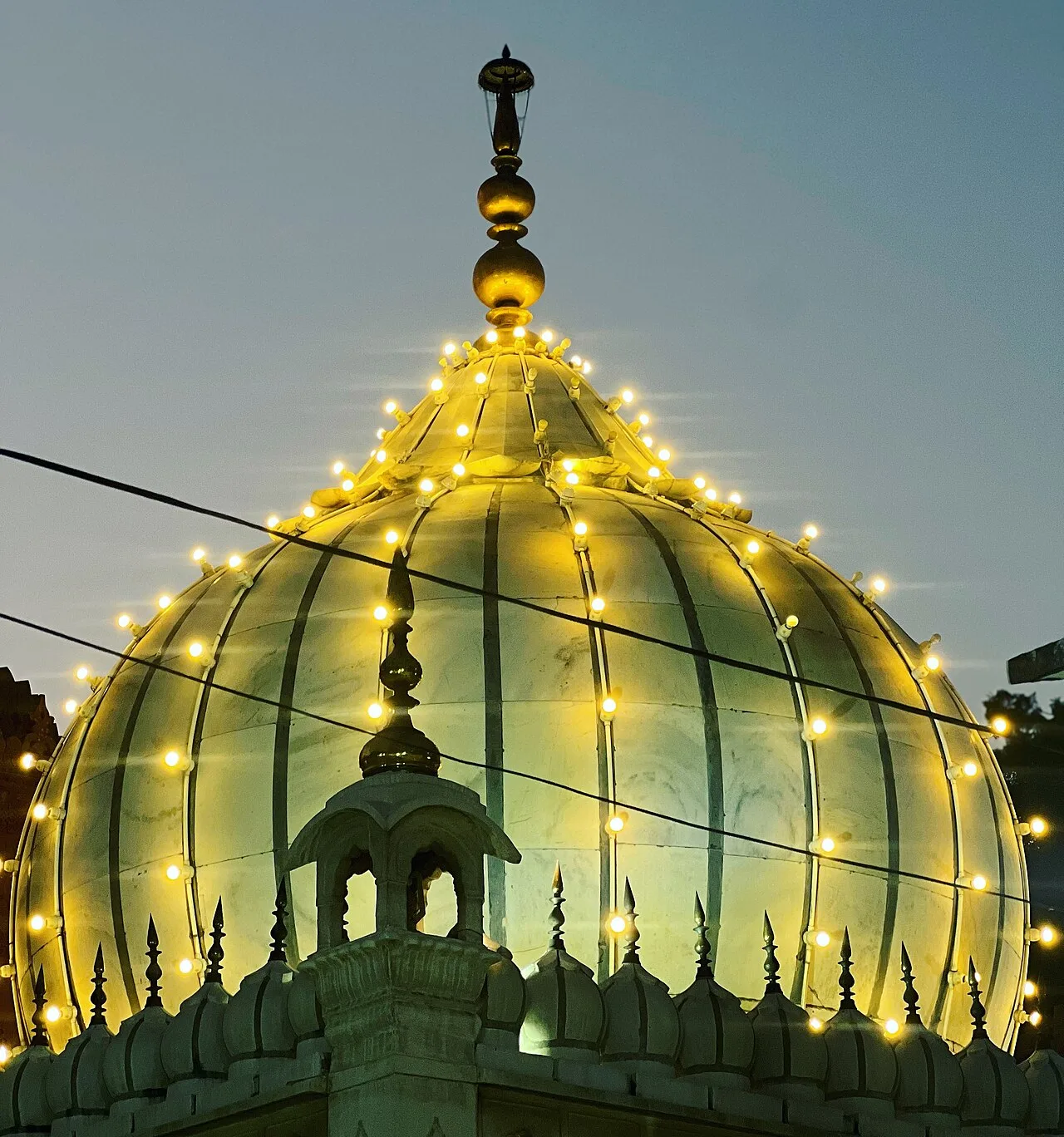
The dargah is a layered religious complex rather than a single building. Its central focus is the tomb of Nizamuddin Auliya, approached through a network of courtyards, gateways and closely spaced structures in the surrounding neighbourhood. The shrine’s white marble elements, carved details, lattice screens and domed form contrast with the older masonry buildings nearby. The Jamat Khana Masjid, also called the Khilji Mosque, has a more restrained stone-and-masonry character and is associated with the Khalji period. The baoli is a stepwell designed to provide access to water below ground level; its steps descend into a masonry-lined reservoir. Tombs of other notable figures occupy the wider precinct. Building materials and finishes vary by structure and period, reflecting centuries of repairs and additions. The lanes and compact setting are part of the experience, but can be crowded and are not designed as a modern, uniformly accessible visitor route.
Important objects & sculptures
Visitors can look for the tomb’s marble elements, carved detailing and pierced screens, while remembering that the central shrine is a place of worship rather than a museum display. The tomb of poet and musician Amir Khusro is within the dargah precinct and is an important focus for devotees and admirers of his poetry. The complex also contains other tombs and historic architectural fragments; access to individual areas can vary. The Jamat Khana Masjid and baoli are notable features to observe from permitted areas. Inscriptions, furnishings or ornamental details may be difficult to view during busy periods or prayer. Do not touch, move or photograph objects where caretakers or signs prohibit it, and avoid treating offerings as exhibits.
Religious significance
The shrine honours Nizamuddin Auliya, a revered saint of the Chishti Sufi tradition. Worshippers come to pray, seek spiritual comfort, pay respects at the tomb and make offerings, which may include flowers or a chadar. Devotional practice is shaped by the caretakers and the customs of the shrine; visitors should follow their guidance and observe quietly. Qawwali, a form of devotional music associated with Sufi traditions, is an important part of the site’s religious life, though sessions and access arrangements can vary. The dargah is a living place of worship, not simply a historic monument. Respectful curiosity is welcome, but visitors should not interrupt prayers, assume every area is open to everyone, or treat religious acts as performances.
Visit Hazrat Nizamuddin Dargah with time to observe daily prayers and rituals respectfully. Dress modestly with arms and legs covered; at many dargahs both men and women cover their heads, and some inner areas may be closed to women — follow the caretakers' guidance. Ask caretakers which areas are open to visitors, and beware of unofficial 'guides' asking for donations. A comfortable itinerary is one main visit in the morning, a local meal at midday and a short nearby stop before an afternoon return. Use the district list on this site to find other places in South East Delhi, but check the route and its condition before combining stops. If a festival or fair is on, roads and stays can be busy — and the experience can be unforgettable. Leave no litter: many sites are protected by the communities around them.
Suggested itineraries
Half day: Arrive in the morning; spend 1–2 hours at the dargah and permitted nearby structures; take a break for a local meal; make a short visit to Sunder Nursery if time and energy allow. Full day: Visit the dargah in the morning; pause for lunch; explore Humayun’s Tomb and Sunder Nursery in the afternoon, allowing several hours for the larger heritage sites; return before evening traffic builds. Gentler option: Arrange a vehicle drop as close as access permits, visit only the main shrine and a nearby resting place, and skip the longer heritage-site walk.
The dargah is part of the lively Nizamuddin Basti neighbourhood, where devotional life, local community activity and visitors meet. Qawwali is strongly associated with the shrine, and Urdu poetry and the legacy of Amir Khusro are part of its cultural identity. Hindi, Urdu and other languages may be heard in the surrounding lanes. Visitors commonly dress modestly and cover their heads inside the shrine; customs can differ by area, so follow local guidance. Flower sellers, food vendors and the sounds of prayer and music contribute to the atmosphere. The neighbourhood is densely lived-in, so be considerate of residents, avoid blocking lanes and ask permission before photographing people.
Festivals & events
The shrine’s annual Urs, commemorating Nizamuddin Auliya, is an important devotional occasion. Its observance follows the Islamic lunar calendar, so the season shifts against the Gregorian calendar. Basant Panchami is also associated with the shrine and with the tradition linking Amir Khusro to springtime devotional celebration; it usually falls in January or February. Qawwali gatherings and other religious occasions may draw additional visitors at different times of year. During festivals, the narrow approach lanes can become crowded and road access may be restricted or slow. Confirm current arrangements locally, and consider visiting on a quieter day if mobility, noise or congestion is a concern.
Local food in Delhi includes chaat, stuffed parathas and jalebi in Chandni Chowk, chole bhature, kebabs and Mughlai dishes around Jama Masjid, butter chicken, momos and kulfi. Ask what is fresh that day; many small eateries cook a limited daily menu. Vegetarian travellers eat very well across this region, and most towns also have non-vegetarian options. Street food is part of the Delhi experience: pick busy stalls with fast turnover, prefer freshly cooked items and drink sealed or filtered water. If prasad or langar is offered, accept it according to local custom. Choose busy, clean places and carry your packaging back with you.
Shopping & local experiences
In the lanes around the dargah, visitors may find flowers, incense, prayer items and chadars for devotional offerings. Ask the caretakers how offerings should be presented, and buy only what you intend to use. Small neighbourhood shops and stalls may sell snacks, drinks and everyday goods; this is a local area rather than a large souvenir market. Nearby food is part of the visit for many travellers, with options varying by day and season. Carry small reusable bags, avoid adding plastic litter, and be wary of unsolicited sales or donation requests.
October to March (check air quality from November to January)
Within Delhi, the Delhi Metro is usually the quickest and cheapest way to reach Hazrat Nizamuddin Dargah; find the nearest station on the official DMRC website or app, and use an app-based auto, e-rickshaw or cab for the last stretch. Road traffic is heavy at peak hours, so allow extra time and avoid driving yourself in Old Delhi lanes. Long-distance trains use New Delhi, Old Delhi, Hazrat Nizamuddin and Anand Vihar terminals, and flights use Indira Gandhi International Airport. The nearest of these railway terminals is Hazrat Nizamuddin, roughly 5 km away in a straight line. Indira Gandhi International Airport, Delhi is roughly 15 km away in a straight line. When comparing train, bus and flight, count the complete door-to-door time: a flight saves the most time only if the onward road transfer is short, while an overnight train can save a hotel night. Book your return before you leave, because seats fill quickly on weekends, festivals and holidays. Current train numbers, timings, return services and fares are not listed here; check IRCTC and NTES for trains and the airline's own schedule for flights. No permit is needed to visit Delhi. Many monuments are protected by the Archaeological Survey of India and need an entry ticket, often cheaper when bought online; the Red Fort and several museums close on Mondays. Security checks are routine at metro stations and major sites.
Confirm onward and return timings on IRCTC / NTES, the state bus operator or your airline before travel. A dash means current timings or fares have not been verified.
Getting around
Delhi Metro is generally a practical way to reach the broader area; check the official DMRC map or app for a suitable station, then use an app-based auto, e-rickshaw or taxi for the last stretch. Local buses serve the wider district, but routes and stops should be checked before setting out. Traffic can be heavy, and the lanes near the dargah are narrow, crowded and not ideal for private cars. Parking close to the shrine may be limited; ask locally rather than relying on roadside space. Walking the final approach can be part of the visit, but allow extra time and be mindful of uneven surfaces and residents.
Hours, tickets & permissions
Entry arrangements can differ between the shrine, mosque, tombs and other parts of the complex, and some areas may close to visitors or be reserved for worship. Ask caretakers which spaces are open and whether any visitor, camera or other rules apply. Do not assume that every part of the complex has the same access conditions. There may be no general ticket for some devotional areas, but fees or permissions can apply to particular protected structures or services. Confirm current opening arrangements, fees and any required permissions with the relevant caretakers or managing authority before travelling.
Facilities
Facilities vary across the shrine and the surrounding neighbourhood. Small shops and food stalls are usually available nearby, and visitors can find meals and refreshments in the wider Nizamuddin area. Toilets, drinking-water points, seating and visitor information may be limited or not easy to identify; check locally before relying on them. ATMs and more extensive services are available farther away in the district. Parking close to the shrine is uncertain and may be constrained by congestion. Official guides or interpretive services are not guaranteed, so seek information from caretakers and avoid unsolicited offers or donation requests.
Accessibility
The approach includes busy, narrow lanes, uneven paving and crowded pedestrian areas. Within the complex, surfaces and thresholds can vary, and some structures have steps; a continuous step-free route should not be assumed. Wheelchair and stroller access may therefore be difficult, especially during prayer gatherings or festivals. Shade and places to rest can be limited in some parts, although nearby shops may offer brief shelter. Older visitors and anyone with limited mobility may find the final approach tiring. Consider arranging a vehicle drop as close as permitted, visiting at a quieter time, and limiting the visit to the main shrine. Contact the relevant caretakers in advance if specific access needs must be confirmed.
No permit is needed to visit Delhi. Many monuments are protected by the Archaeological Survey of India and need an entry ticket, often cheaper when bought online; the Red Fort and several museums close on Mondays. Security checks are routine at metro stations and major sites. Carry a photo ID at all times and save the emergency number 112 and your accommodation's contact offline. Summer heat and winter smog are the main health risks: drink plenty of water, check the air-quality index and wear a good mask on poor-air days. Watch your belongings in crowded markets and metro coaches. Respect community rules, private property and posted instructions. Follow local guidance if access changes.
Visitor rules
Dress modestly, with arms and legs covered, and be prepared to cover your head; follow the customs indicated by caretakers. Remove footwear where requested and ask which areas are open to visitors, including any spaces with restrictions for women. Keep voices low, do not interrupt prayers or touch tombs and offerings without permission, and follow signs and staff instructions. Photography may be limited, especially inside devotional spaces or during rituals. Do not litter or leave plastic behind. Be cautious of unofficial guides or people demanding donations, and give offerings only through channels you choose.
Photography
The complex can be atmospheric in soft morning light, but the best viewpoint depends on which areas are open and how busy the lanes are. Photography is often possible in some outdoor public areas, but rules may differ inside the shrine, mosque and tomb spaces; ask before taking out a camera. Never photograph worshippers, caretakers or musicians at close range without consent, and do not interrupt prayers for a picture. Avoid flash where it could disturb people or damage sensitive surroundings. Drone use may be restricted by aviation rules and local security arrangements; do not fly one without confirmed permissions.
Choose a stay by the full journey to Hazrat Nizamuddin Dargah, not just the district name. Central areas such as Connaught Place, Paharganj and Karol Bagh, or areas near your metro line, save time; check the exact location and how far the hotel is from the nearest metro station. In summer, check air-conditioning or coolers; in December and January, check heating and hot water. Book in advance for weekends, festivals and the peak season (October to March (check air quality from November to January)). Confirm the exact location, meals included, check-in time and cancellation terms in writing. Avoid sending money to unverified contacts or touts at stations. Carry some cash, as card and digital payments can be unreliable in remote areas.
Humayun’s Tomb and Sunder Nursery are nearby heritage and garden destinations that can be combined with a visit, subject to traffic and available time. The tomb of Isa Khan is within the Humayun’s Tomb complex. The National Zoological Park and Purana Qila are also in the wider central Delhi area and may suit a longer day out. These sites have their own entry and access arrangements, so confirm details separately. The immediate Nizamuddin Basti neighbourhood is worth exploring slowly for its historic lanes and local food, while keeping paths clear for residents and worshippers.
For couples, Hazrat Nizamuddin Dargah rewards a slow pace: arrive early for soft light and fewer crowds, share a local meal and keep the evening free. Evenings at a garden, heritage site or a rooftop café near the monuments make a good end to the day. Public displays of affection can be frowned upon in conservative communities and at religious sites, so be discreet. Keep a buffer in your itinerary, because weather and traffic can delay plans.
Q: How much time should I allow for a visit? A: Allow a couple of hours for the shrine and its immediate surroundings; add more time for nearby heritage sites or a devotional music session. Q: When is a good season to visit? A: October to March is generally more comfortable, but Delhi’s air quality can be poor from November to January. Check conditions before travelling. Q: Is entry permitted for visitors, and are there fees? A: Visitors can attend the shrine subject to local rules. Access to particular structures and any fees or permissions can vary, so confirm with caretakers or the managing authority. Q: Is the visit suitable for children and older people? A: Families are welcome to plan carefully, but crowds, narrow lanes and uneven surfaces may be tiring. Keep children close and consider a shorter visit for anyone with limited mobility. Q: Can I stay nearby? A: Accommodation is available across Delhi, including in areas within a reasonable journey of Nizamuddin. Choose based on transport needs and confirm the route and current conditions before booking.
Be the first to share photos, stories, advice or a helpful contact for Hazrat Nizamuddin Dargah.
Loading…