
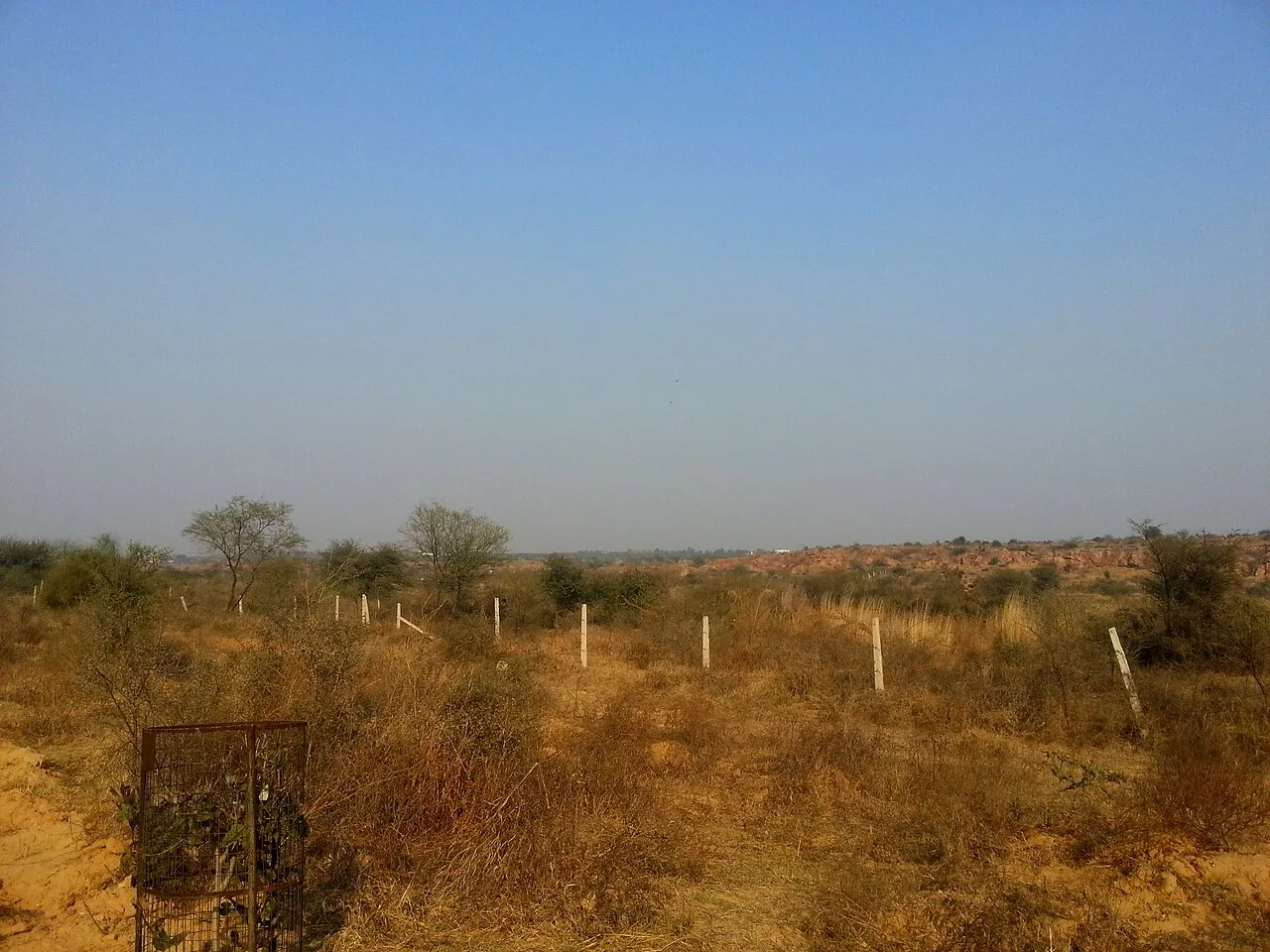
Delhi Ridge
Delhi Ridge is a quartzite rise at the northern end of the Aravalli system in Delhi. Visitors are drawn by its green setting, birdlife and place within a wildlife corridor.
Key facts · verified by Ghumoopedia editors
- Type of place
- National park / sanctuary
- Best time to visit
- October to March (check air quality from November to January)
- Verified
- 21 Nov 2026
Plan a trip from Delhi Ridge — a day-by-day route through places nearby.
Within Delhi’s National Capital Territory, the Ridge forms part of the northern Aravalli leopard corridor. This rocky belt continues the ancient Aravalli range, estimated to be about 1.5 billion years old; the Himalayas, by comparison, are around 50 million years old. Its bedrock is quartzite, and the formation extends from Tughlaqabad in the south-east, close to the Bhatti mines. In places it divides into branches, then gradually narrows northwards towards Wazirabad, beside the Yamuna’s western bank. The full stretch measures approximately 35 kilometres. For Delhi, this green belt serves as a natural buffer, reducing exposure to hot winds from Rajasthan’s deserts. Its habitats have helped make the capital the world’s second most bird-rich capital, after Nairobi in Kenya. Though not especially high, the Ridge forms a watershed: the Indus Plain lies to its west and the Gangetic Plain to its east. Both are part of the broader Indo-Gangetic Plain. Delhi layers many historic cities — from the Delhi Sultanate and the Mughal capital to Lutyens' New Delhi — with Sufi shrines, gurdwaras, temples, busy markets and India's national monuments. Delhi has very hot summers from April to June, a humid monsoon from July to September and cold, foggy winters in December and January. Air quality is often very poor from late October to January. The usual best time to visit is October to March (check air quality from November to January). Timings, fees and access arrangements must be confirmed locally. For official information, see Delhi Tourism at https://delhitourism.gov.in.
Why it matters
Delhi Ridge is the rocky, forested northern extension of the Aravalli Range and an important natural landscape within the National Capital Territory. Its connected and fragmented green areas provide habitat in a densely built city, help moderate local heat and contribute to Delhi’s ecological network. The ridge also forms part of the watershed between the Indus and Gangetic plains. Delhi’s public information describes the Ridge as an important green belt, but the name covers several sections with differing access arrangements. Although this destination is listed here under the national park or sanctuary category, visitors should not assume that the whole Ridge is a single national park or wildlife sanctuary. Check the legal status and current access rules for the specific section you plan to visit.
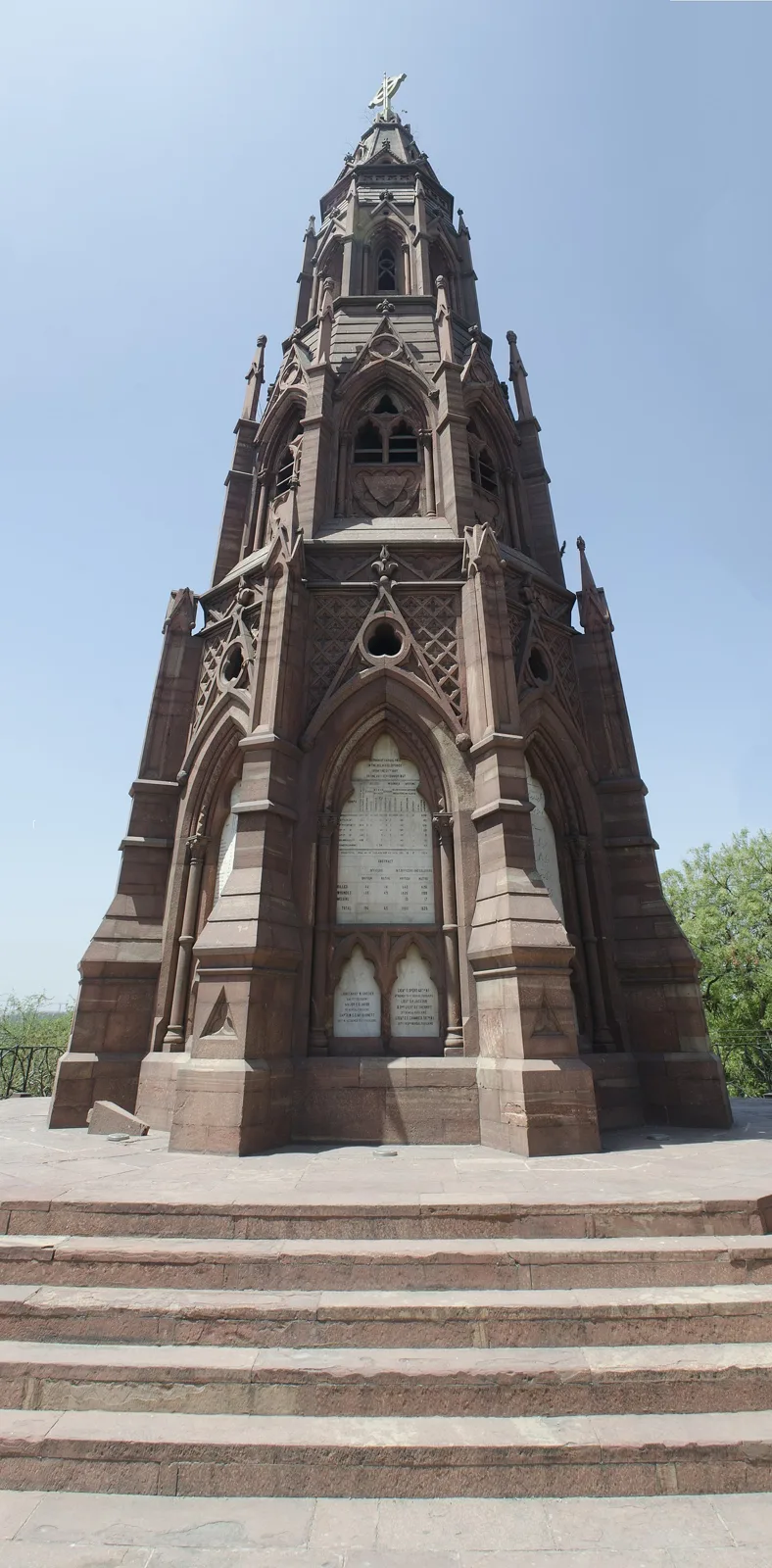
Delhi Ridge is part of the ancient Aravalli geological system, commonly estimated to be around 1.5 billion years old. Its quartzite outcrops and scrub-covered slopes long predate the historic settlements that later grew across Delhi. The Ridge itself was not built by a ruler or a single community; its landscape is geological, though human use and city expansion have repeatedly changed it. Successive settlements and capitals developed near different parts of the ridge. In the northern section, the 1857 uprising and its suppression left a colonial-era memorial landscape, including the structure now known as Ajitgarh, formerly called the Mutiny Memorial. During the colonial period and the growth of modern Delhi, roads, institutions and buildings increasingly pressed against the wooded areas. Urban expansion, quarrying and other human pressures have affected parts of the Ridge, while planting and conservation efforts have also shaped its present vegetation. The Ridge is now treated as an important part of Delhi’s green infrastructure, but its sections, condition and public access vary. It is best understood as a changing urban landscape rather than a single historic monument with one construction date.
Spend unhurried time at Delhi Ridge: walk the marked paths, use official viewpoints and ask locally whether a guide, entry ticket or permit is needed. Weather changes fast, so carry a warm or rain layer even on a clear morning. Wildlife sightings are never guaranteed — patience and quiet improve your chances. A comfortable itinerary is one main visit in the morning, a local meal at midday and a short nearby stop before an afternoon return. Use the district list on this site to find other places in North Delhi, but check the route and its condition before combining stops. If a festival or fair is on, roads and stays can be busy — and the experience can be unforgettable. Leave no litter: many sites are protected by the communities around them.
Suggested itineraries
Half day: Choose one confirmed public section; spend 1–2 hours on a quiet walk or birdwatching, then take a break at a nearby café or market before returning. Full day: Visit one Ridge section in the morning for 2–3 hours; have lunch nearby; spend 1–2 hours at a nearby landmark or North Delhi market, then return before late evening. Gentler option: Select a section with a short, level approach confirmed locally; enjoy a brief outing from an accessible meeting point and rest at a nearby café rather than attempting a long trail.
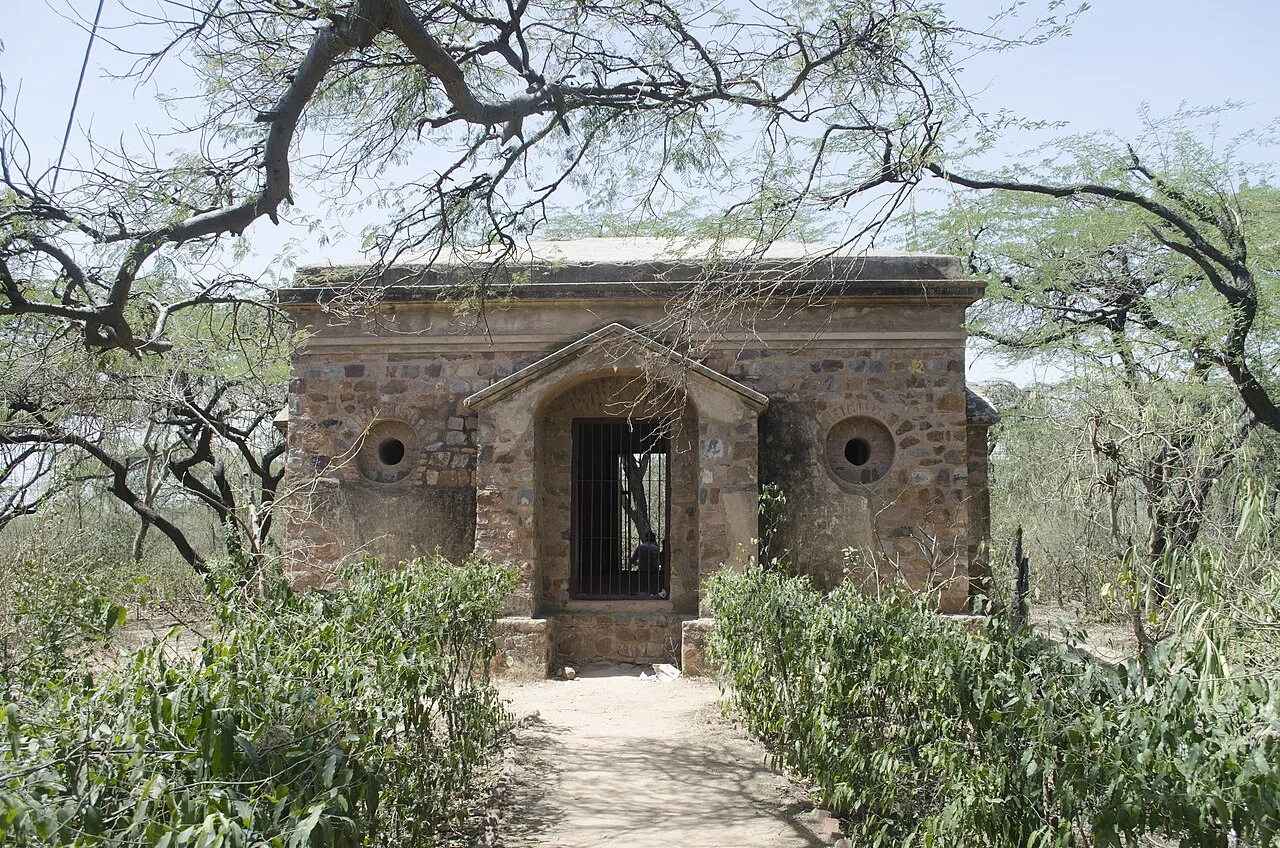
The Ridge is a natural and recreational space within a capital city rather than a single cultural precinct. People visit for walking, quiet time, birdwatching and outdoor exercise, while nearby North Delhi reflects the wider city’s mix of Punjabi, Urdu-speaking, Hindi-speaking and many other communities. Hindi and English are commonly useful to visitors; other languages are also widely spoken in Delhi. Local customs vary by neighbourhood and place of worship. Dress comfortably and respectfully, keep noise low around wildlife and nearby religious sites, and ask before photographing people. Cultural events and performances are more likely to be found at nearby institutions, markets or places of worship than on Ridge trails.
Local communities
The Ridge is connected to Delhi residents who use its accessible sections for walking, exercise and nature observation, as well as to conservation workers and government agencies involved in forest management. Researchers, educators and volunteer groups may also take part in environmental awareness or monitoring activities. Neighbouring communities include long-established North Delhi residents and people who have moved to the capital from many parts of India. Nearby markets, food businesses and transport services support visitors and local livelihoods. Access and use can differ between sections, so respect signs, closures and the needs of people who live or work nearby.
Festivals & events
The Ridge is not known as a major festival ground, and events should not be assumed to take place on its trails. Delhi’s wider calendar includes Diwali in autumn, Holi in spring, Eid celebrations following the lunar calendar, and public cultural programmes at institutions and neighbourhood venues. Nearby temples, gurdwaras and other places of worship may be especially busy during their own observances. University events and local fairs can also draw crowds in North Delhi, though schedules change from year to year. During festival periods, expect busier roads and markets; confirm any event details locally and do not enter a forest section closed for an event or conservation work.
Local food in Delhi includes chaat, stuffed parathas and jalebi in Chandni Chowk, chole bhature, kebabs and Mughlai dishes around Jama Masjid, butter chicken, momos and kulfi. Ask what is fresh that day; many small eateries cook a limited daily menu. Vegetarian travellers eat very well across this region, and most towns also have non-vegetarian options. Street food is part of the Delhi experience: pick busy stalls with fast turnover, prefer freshly cooked items and drink sealed or filtered water. Try a home-cooked or dhaba meal when you can — it is often the best food on the route. Choose busy, clean places and carry your packaging back with you.
Shopping & local experiences
There are no dependable shopping facilities on the Ridge trails, so plan to shop in surrounding neighbourhoods. Kamla Nagar is a North Delhi market area with clothing, everyday goods, cafés and street food. Majnu ka Tilla offers Tibetan and Himalayan-influenced food and small shops; browse respectfully and support local businesses. Delhi’s wider markets sell textiles, crafts, books and souvenirs, but products and prices vary. Carry out any packaging or waste from the Ridge, and avoid buying wildlife products, plants or objects claimed to have been collected from protected land.
The Ridge is a landscape of rocky quartzite outcrops, uneven ground and dry woodland or scrub, with greener patches where conditions and planting allow. Vegetation varies by section and can include native dryland trees and shrubs alongside planted or introduced species. Its green cover offers habitat and shade within the city, though not every path is densely wooded. Delhi Ridge supports a varied urban wildlife community. Birds may include peafowl, parakeets and raptors, among many other resident or seasonal species; mammals and reptiles also use parts of the wider habitat. Sightings depend on season, time, disturbance and location, and are never guaranteed. Keep a respectful distance from animals, avoid feeding them and stay on permitted paths to reduce disturbance.
October to March (check air quality from November to January)
Within Delhi, the Delhi Metro is usually the quickest and cheapest way to reach Delhi Ridge; find the nearest station on the official DMRC website or app, and use an app-based auto, e-rickshaw or cab for the last stretch. Road traffic is heavy at peak hours, so allow extra time and avoid driving yourself in Old Delhi lanes. Long-distance trains use New Delhi, Old Delhi, Hazrat Nizamuddin and Anand Vihar terminals, and flights use Indira Gandhi International Airport. The nearest of these railway terminals is New Delhi, roughly 5 km away in a straight line. Indira Gandhi International Airport, Delhi is roughly 10 km away in a straight line. When comparing train, bus and flight, count the complete door-to-door time: a flight saves the most time only if the onward road transfer is short, while an overnight train can save a hotel night. Book your return before you leave, because seats fill quickly on weekends, festivals and holidays. Current train numbers, timings, return services and fares are not listed here; check IRCTC and NTES for trains and the airline's own schedule for flights. No permit is needed to visit Delhi. Many monuments are protected by the Archaeological Survey of India and need an entry ticket, often cheaper when bought online; the Red Fort and several museums close on Mondays. Security checks are routine at metro stations and major sites.
Confirm onward and return timings on IRCTC / NTES, the state bus operator or your airline before travel. A dash means current timings or fares have not been verified.
Getting around
Delhi Metro is generally a practical way to reach the broader North Delhi area; choose a station based on the specific Ridge section and check the official DMRC network before travelling. Autos, app-based taxis and e-rickshaws can help with the last stretch, but availability and permitted drop-off points vary. Local buses serve many parts of the city, though the best route depends on your destination gate. Walking is suitable only where there is a public, clearly marked route. Do not count on parking beside a trail; check locally and avoid blocking forest access or neighbourhood streets. Traffic can be heavy, so allow extra time.
Hours, tickets & permissions
There is no single visitor entrance or uniform set of rules for all sections of Delhi Ridge. Some areas may have public paths, while others can be restricted, closed or managed for conservation, security or maintenance. Ticketing, permits, identification requirements and photography conditions may differ by site and activity; do not assume entry is unrestricted. Confirm current access arrangements, hours and any fees with the relevant Delhi forest or site authority before setting out. Follow signs at the entrance and turn back if an area is marked closed.
Facilities
Facilities vary considerably between Ridge sections. A few established entrances or nearby institutions may have signs, paths or basic visitor information, but toilets, drinking water, seating and staffed help are not assured along trails. Food outlets, shops, ATMs and public transport are more likely in surrounding neighbourhoods than within wooded areas. Parking may be limited or unavailable at a particular entrance. Guided walks may be offered by organisations or arranged for specific programmes, but should not be assumed. Carry water and any essentials you need, and check locally before relying on a facility.
Accessibility
The Ridge is not uniformly accessible. Natural paths can be uneven, rocky, sandy or sloped, and distances between entrances and suitable rest points vary. Shade may be intermittent, and some routes may have steps or no paved surface. Wheelchair and stroller access should not be assumed; check the exact entrance and route with the local authority before visiting. Older visitors or anyone with limited mobility may prefer a short outing near a confirmed access point, with a companion and a planned place to rest. Heat, poor air quality and monsoon mud can make walking more difficult, so adapt or postpone the visit when conditions are unsuitable.
No permit is needed to visit Delhi. Many monuments are protected by the Archaeological Survey of India and need an entry ticket, often cheaper when bought online; the Red Fort and several museums close on Mondays. Security checks are routine at metro stations and major sites. Carry a photo ID at all times and save the emergency number 112 and your accommodation's contact offline. Summer heat and winter smog are the main health risks: drink plenty of water, check the air-quality index and wear a good mask on poor-air days. Watch your belongings in crowded markets and metro coaches. Stay on marked paths, keep away from cliff edges and fast water, and never approach wild animals. Follow local guidance if access changes.
Visitor rules
Follow entrance notices and directions from forest or site staff; some areas may be restricted or temporarily closed. Stay on permitted paths, do not damage plants, light fires, feed or disturb wildlife, or leave litter. Carry reusable water where practical and take all waste back out; plastic restrictions may apply. Wear sturdy footwear and clothing suited to weather and terrain, with respectful attire near nearby religious places. Keep noise low and do not collect rocks, plants or other natural materials. Ask locally about photography, group visits, commercial filming and any permit requirements.
Photography
Soft morning light can suit landscape and bird photography, while late-afternoon light may bring warmer colours where access remains open. Use only authorised viewpoints and paths; there is no single best viewpoint for every Ridge section. Personal photography is often possible in public outdoor areas, but rules can differ near institutions, security installations or restricted zones. Ask before photographing people, worshippers or private property, and avoid disturbing wildlife for a picture. Do not fly a drone without checking current aviation, security and site permissions; restrictions may apply even when a location appears open.
Choose a stay by the full journey to Delhi Ridge, not just the district name. Central areas such as Connaught Place, Paharganj and Karol Bagh, or areas near your metro line, save time; check the exact location and how far the hotel is from the nearest metro station. In summer, check air-conditioning or coolers; in December and January, check heating and hot water. Book in advance for weekends, festivals and the peak season (October to March (check air quality from November to January)). Confirm the exact location, meals included, check-in time and cancellation terms in writing. Avoid sending money to unverified contacts or touts at stations. Carry some cash, as card and digital payments can be unreliable in remote areas.
In the northern Ridge area, visitors can look for the historic Flagstaff Tower and Ajitgarh, also known by its former name, the Mutiny Memorial; check current access and interpretation before visiting. The University of Delhi’s North Campus and Kamla Nagar are nearby urban destinations for a change of pace. Majnu ka Tilla is known for its Tibetan community, eateries and shops. Kashmere Gate and the historic parts of Old Delhi can be combined with a separate city visit, but traffic and travel time may make several stops in one day tiring. Choose nearby places according to the Ridge section you actually visit.
For couples, Delhi Ridge rewards a slow pace: arrive early for soft light and fewer crowds, share a local meal and keep the evening free. Evenings at a garden, heritage site or a rooftop café near the monuments make a good end to the day. Public displays of affection can be frowned upon in conservative communities and at religious sites, so be discreet. Keep a buffer in your itinerary, because weather and traffic can delay plans.
Q: How much time should I allow for a visit? A: A short walk may take a couple of hours; allow longer if you are combining it with a nearby neighbourhood or landmark. Q: When is the best season to visit? A: October to March is generally more comfortable, but check air quality, especially from November to January, and consider heat or rain in other seasons. Q: Is there an entry ticket or permit? A: Requirements depend on the section and activity. Confirm current access, fees and permits with the relevant authority before going. Q: Is the Ridge suitable for children and older visitors? A: Some short outings may suit them, but trails can be uneven and facilities limited. Choose a route only after checking its condition and access. Q: Where should I stay nearby? A: Delhi has accommodation across many neighbourhoods. Choose a hotel based on the Ridge section, transport connections and other places you plan to visit.
Be the first to share photos, stories, advice or a helpful contact for Delhi Ridge.
Loading…