
Chandni Chowk
Chandni Chowk is a historic market in Old Delhi, attracting visitors interested in its extensive wholesale trade and its long-standing role in the city’s commercial life.
Key facts · verified by Ghumoopedia editors
- Type of place
- Food / craft destination
- Best time to visit
- October to March (check air quality from November to January)
- Verified
- 21 Nov 2026
Plan a trip from Chandni Chowk — a day-by-day route through places nearby.
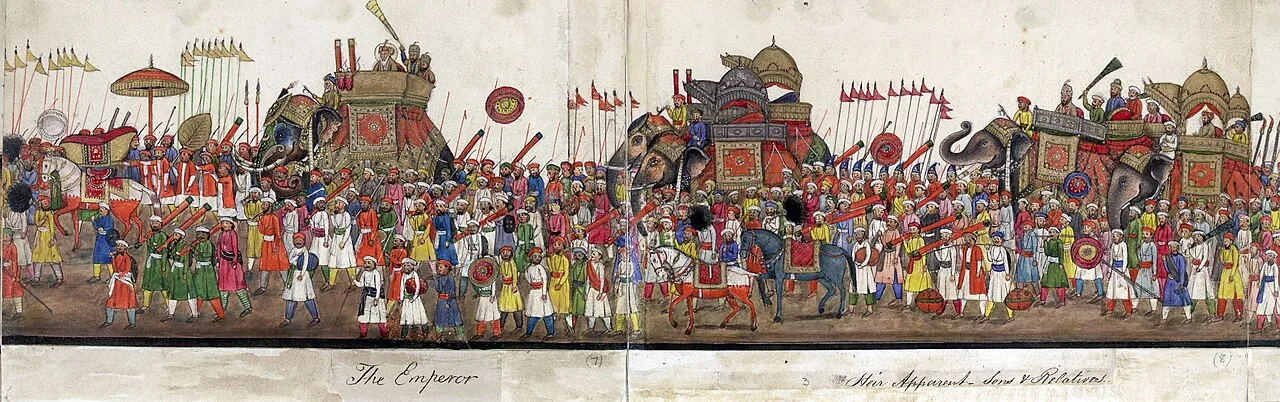
Located in Delhi’s Central district, Chandni Chowk is a market area in India’s capital territory. Its name means a square lit by moonlight, and it lies within Old Delhi. The Red Fort stands at the market’s eastern edge. Shah Jahan built it in 1650, and his daughter Jahanara designed it. In the past, canals ran along the street, arranged to reflect the moon’s light. Following British occupation, the canals were closed and eventually disappeared. Their loss accompanied a changed urban landscape marked by congestion and disorder. Chandni Chowk remains among India’s largest wholesale markets. Delhi layers many historic cities — from the Delhi Sultanate and the Mughal capital to Lutyens' New Delhi — with Sufi shrines, gurdwaras, temples, busy markets and India's national monuments. Delhi has very hot summers from April to June, a humid monsoon from July to September and cold, foggy winters in December and January. Air quality is often very poor from late October to January. The usual best time to visit is October to March (check air quality from November to January). Timings, fees and access arrangements must be confirmed locally. For official information, see Delhi Tourism at https://delhitourism.gov.in.
Why it matters
Chandni Chowk is an important historic market street in Old Delhi and a working centre of trade, food and everyday urban life. Located in Central Delhi, it connects visitors with the dense street network and commercial traditions of the old Mughal capital. The market was laid out in the Mughal period under Shah Jahan, with his daughter Jahanara associated with its design. The Red Fort stands at its eastern edge; the fort complex is a UNESCO World Heritage property, but Chandni Chowk itself is not a UNESCO-listed site. Today the market remains a major wholesale and retail destination, drawing shoppers and visitors from across Delhi and beyond. Its importance lies in both its layered history and its continuing role in the city.
Chandni Chowk was laid out around 1650, during the reign of Mughal emperor Shah Jahan, when Delhi’s imperial capital was being developed around Shahjahanabad. Jahanara, Shah Jahan’s daughter, is credited with designing the market. Its name means “Moonlight Square”; historical accounts describe a central water channel and pools that reflected moonlight. The market street connected important parts of the walled city, with the Red Fort at its eastern end and the Fatehpuri Mosque at its western end. Shops, religious buildings and residential lanes grew around this commercial spine. During British rule, the canals were closed and later disappeared, changing the appearance and circulation of the street. Chandni Chowk continued as a busy trading area through the colonial period and after Indian independence. Its shops and adjoining bazaars developed specialised trades, including textiles, jewellery, spices and wedding goods. The area has changed through successive redevelopment, population shifts and changing transport patterns, while retaining its role as one of Delhi’s principal wholesale markets. The nearby Red Fort has undergone conservation as a protected monument; that status should not be confused with a formal heritage designation for the market street itself.
Use Chandni Chowk as a base to understand local life: walk through the market, look for local crafts and ask your host about nearby viewpoints and short excursions. Always ask before photographing people, homes or ceremonies. A comfortable itinerary is one main visit in the morning, a local meal at midday and a short nearby stop before an afternoon return. Use the district list on this site to find other places in Central Delhi, but check the route and its condition before combining stops. If a festival or fair is on, roads and stays can be busy — and the experience can be unforgettable. Leave no litter: many sites are protected by the communities around them.
Suggested itineraries
Half day: Walk the main Chandni Chowk stretch (1–2 hours), explore one or two specialist lanes such as Dariba Kalan or Kinari Bazaar (about 1 hour), then stop for a local meal (about 1 hour). Full day: Explore Chandni Chowk and its market lanes (2–3 hours), pause for lunch (about 1 hour), visit the Red Fort or Jama Masjid (allow 2–3 hours, checking access separately), then take a shorter, relaxed food or shopping stop. Gentler option: Choose one accessible drop-off near the main thoroughfare, take a short accompanied walk with frequent seated breaks, and enjoy a meal in a quieter indoor setting; skip crowded side lanes if they feel difficult.
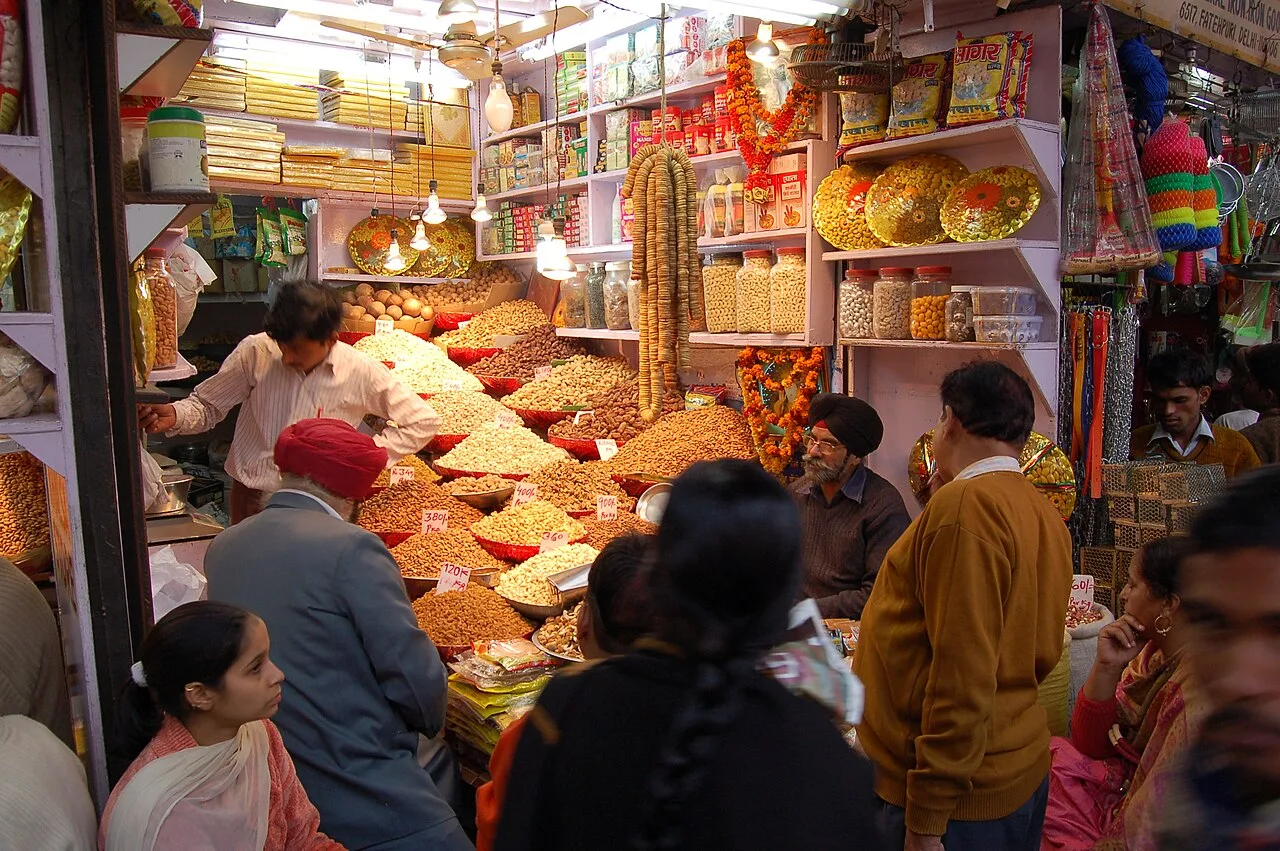
Chandni Chowk’s culture is shaped by commerce, food and the close coexistence of places of worship and busy shopping lanes. Hindi and Urdu are widely heard, alongside Punjabi and other languages used by traders and visitors. The area is known for long-established food businesses, street snacks and sweet shops, as well as specialist markets for textiles, jewellery and wedding supplies. Visitors may encounter religious processions or seasonal celebrations, but these are living community practices rather than performances staged for tourists. Dress is varied; modest, practical clothing is useful in crowded lanes and when entering religious sites. Ask permission before photographing people, shop interiors or ceremonies.
Local communities
The market is home to shopkeepers, wholesalers, artisans, food vendors, delivery workers and residents of adjoining neighbourhoods. Many businesses specialise in particular goods, with knowledge and trading relationships passed between generations. Customers include Delhi residents, retailers from other regions and visitors exploring Old Delhi. Hindu, Muslim, Sikh and Jain communities have long-standing connections to the wider area, reflected in its temples, mosques, gurdwaras and other institutions. Treat workers and worshippers respectfully, avoid blocking shop entrances, and ask before taking photographs or entering private premises.
Festivals & events
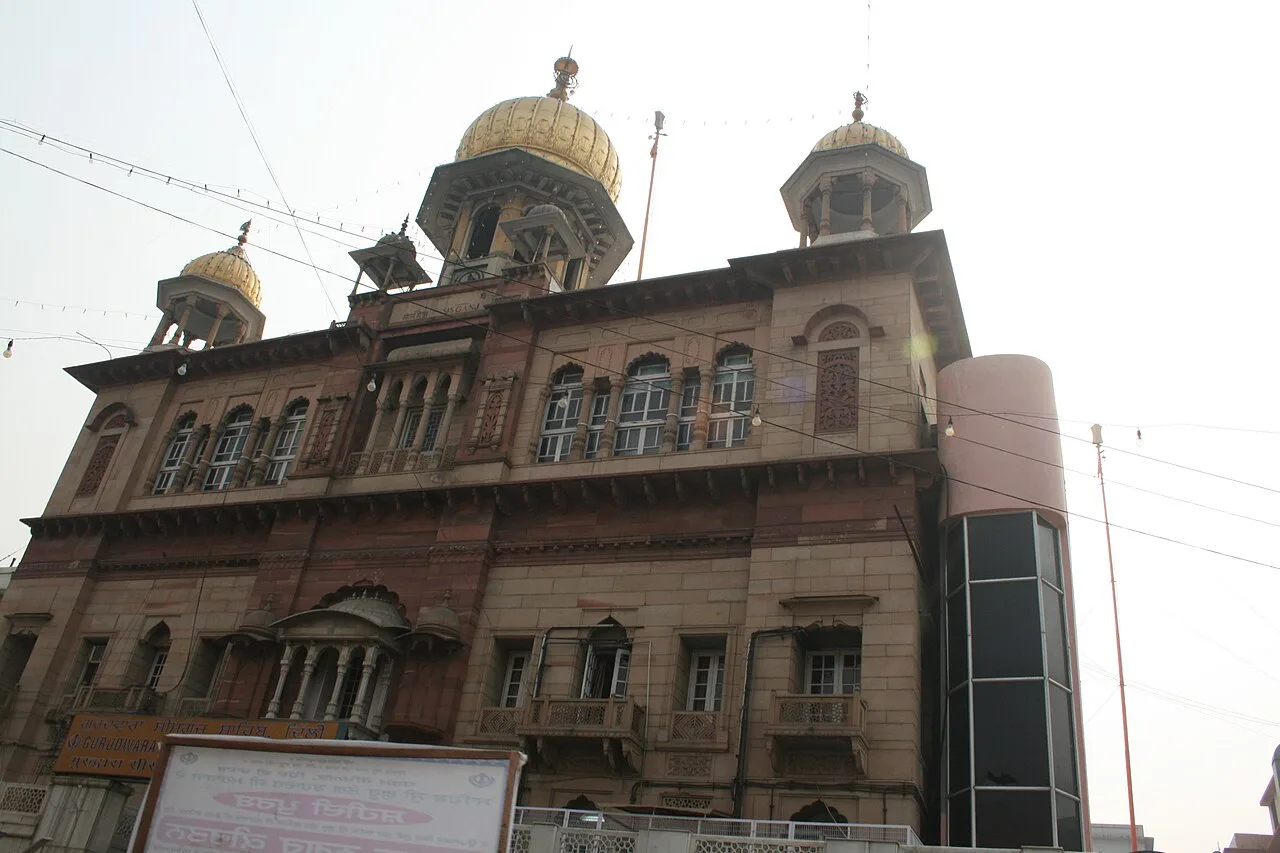
Ramadan brings increased activity around food shops and nearby mosques, particularly in the evenings, while Eid is a busy period for shopping and gatherings. Diwali and the weeks leading up to it bring crowds to markets selling clothing, gifts and festive goods. Sikh observances, including Guru Nanak Jayanti, may draw visitors to Gurudwara Sis Ganj Sahib and can affect movement nearby. Processions and celebrations in Old Delhi can lead to temporary crowding, diversions or restricted vehicle access. Seasons and arrangements vary from year to year, so check local notices before travelling.
Local food in Delhi includes chaat, stuffed parathas and jalebi in Chandni Chowk, chole bhature, kebabs and Mughlai dishes around Jama Masjid, butter chicken, momos and kulfi. Ask what is fresh that day; many small eateries cook a limited daily menu. Vegetarian travellers eat very well across this region, and most towns also have non-vegetarian options. Street food is part of the Delhi experience: pick busy stalls with fast turnover, prefer freshly cooked items and drink sealed or filtered water. Try a home-cooked or dhaba meal when you can — it is often the best food on the route. Choose busy, clean places and carry your packaging back with you.
Shopping & local experiences
Look for textiles, garments, jewellery, spices, dry goods, decorative trims and wedding supplies in the market and its specialist lanes. Dariba Kalan is associated with jewellery, Kinari Bazaar with wedding and decorative materials, and Khari Baoli with spices and food trading. Chandni Chowk is also known for its varied street food, sweets and traditional eateries; choose vendors with care and consider dietary needs. Many shops serve wholesale as well as retail customers, so ask about minimum quantities, product details and return terms before buying. Keep belongings secure in crowds.
October to March (check air quality from November to January)
Within Delhi, the Delhi Metro is usually the quickest and cheapest way to reach Chandni Chowk; find the nearest station on the official DMRC website or app, and use an app-based auto, e-rickshaw or cab for the last stretch. Road traffic is heavy at peak hours, so allow extra time and avoid driving yourself in Old Delhi lanes. Long-distance trains use New Delhi, Old Delhi, Hazrat Nizamuddin and Anand Vihar terminals, and flights use Indira Gandhi International Airport. The nearest of these railway terminals is Old Delhi (Delhi Junction), roughly 5 km away in a straight line. Indira Gandhi International Airport, Delhi is roughly 15 km away in a straight line. When comparing train, bus and flight, count the complete door-to-door time: a flight saves the most time only if the onward road transfer is short, while an overnight train can save a hotel night. Book your return before you leave, because seats fill quickly on weekends, festivals and holidays. Current train numbers, timings, return services and fares are not listed here; check IRCTC and NTES for trains and the airline's own schedule for flights. No permit is needed to visit Delhi. Many monuments are protected by the Archaeological Survey of India and need an entry ticket, often cheaper when bought online; the Red Fort and several museums close on Mondays. Security checks are routine at metro stations and major sites.
Confirm onward and return timings on IRCTC / NTES, the state bus operator or your airline before travel. A dash means current timings or fares have not been verified.
Getting around
The Delhi Metro is usually the most practical way to reach the area; Chandni Chowk and Lal Qila stations serve different parts of Old Delhi. From the station, walk or use an auto-rickshaw or cycle/e-rickshaw where available, checking the drop-off point because many lanes are narrow or pedestrian-heavy. App-based taxis can be useful for reaching the edge of the market, but congestion may make the final stretch faster on foot. Local buses serve the wider area, though stops and routes may not suit every lane. Parking is limited; avoid driving yourself into the busiest streets.
Hours, tickets & permissions
Chandni Chowk is a public street and does not generally require a single market-entry ticket, but individual shops, religious institutions and attractions have their own rules. Opening patterns vary by business and may change for weekly closures, festivals or local conditions. Entry rules at the Red Fort and other monuments are separate and may include tickets, security screening or restrictions on bags and photography. Religious sites may request modest dress and respectful conduct. Confirm current hours, fees and access arrangements with the relevant managing authority or business before setting out.
Facilities
Food stalls, restaurants, sweet shops and drinking-water sellers are found throughout the wider market, though availability and hygiene standards vary; choose carefully and check locally for refill points. Public toilets may be available in or near larger transport hubs and attractions, but they are not consistently easy to find inside narrow market lanes. ATMs and pharmacies can be found in the surrounding area, but do not assume every lane has one. Parking is limited and guides may be available through tour operators. Confirm facilities and access arrangements before relying on them.
Accessibility
The market is a dense, crowded urban area with uneven paving, narrow lanes, occasional steps, street vendors and frequent vehicle movement. Walking distances can add up, and shade is inconsistent; heat, rain and congestion can make movement tiring. Wheelchair and stroller access is difficult in many side lanes, and there may be no continuous step-free route between shops or attractions. The main thoroughfare may be more manageable at quieter periods, but conditions change. Older visitors or people with limited mobility may prefer a short visit with a companion, planned rest stops and a vehicle drop-off close to the chosen destination.
No permit is needed to visit Delhi. Many monuments are protected by the Archaeological Survey of India and need an entry ticket, often cheaper when bought online; the Red Fort and several museums close on Mondays. Security checks are routine at metro stations and major sites. Carry a photo ID at all times and save the emergency number 112 and your accommodation's contact offline. Summer heat and winter smog are the main health risks: drink plenty of water, check the air-quality index and wear a good mask on poor-air days. Watch your belongings in crowded markets and metro coaches. Respect community rules, private property and posted instructions. Follow local guidance if access changes.
Photography
Morning light can be useful for photographing shopfronts and street scenes before the busiest periods, though conditions vary with weather and congestion. The market’s lanes and historic facades offer views, but there is no single designated viewpoint for the whole area. Photography in public streets is generally possible, subject to local restrictions and security directions. Ask before photographing individuals, shop interiors, homes, religious ceremonies or worshippers. Follow rules at the Red Fort and other managed sites. Do not fly a drone without confirming current permissions and restrictions; sensitive and crowded urban areas may be subject to controls.
Choose a stay by the full journey to Chandni Chowk, not just the district name. Central areas such as Connaught Place, Paharganj and Karol Bagh, or areas near your metro line, save time; check the exact location and how far the hotel is from the nearest metro station. In summer, check air-conditioning or coolers; in December and January, check heating and hot water. Book in advance for weekends, festivals and the peak season (October to March (check air quality from November to January)). Confirm the exact location, meals included, check-in time and cancellation terms in writing. Avoid sending money to unverified contacts or touts at stations. Carry some cash, as card and digital payments can be unreliable in remote areas.
The Red Fort lies at the eastern edge of Chandni Chowk, while Jama Masjid is a short journey through Old Delhi. Gurudwara Sis Ganj Sahib stands along the market, and Fatehpuri Mosque marks its western end. Nearby specialist markets include Dariba Kalan for jewellery, Kinari Bazaar for decorative and wedding goods, and Khari Baoli for spices. These places are also busy working areas, so allow time for crowds and check religious-site etiquette or monument access separately. Combining several stops may be tiring in the heat or during festivals.
For couples, Chandni Chowk rewards a slow pace: arrive early for soft light and fewer crowds, share a local meal and keep the evening free. Evenings at a garden, heritage site or a rooftop café near the monuments make a good end to the day. Public displays of affection can be frowned upon in conservative communities and at religious sites, so be discreet. Keep a buffer in your itinerary, because weather and traffic can delay plans.
Q: How much time should I allow for Chandni Chowk? A: Allow half a day for a market walk and meal; a full day gives time for nearby attractions, subject to access and crowd conditions. Q: When is a good season to visit? A: October to March is generally more comfortable, but winter air quality can be poor; check conditions before travelling. Q: Do I need a ticket to enter the market? A: The public market streets generally do not require a single entry ticket. Monuments and some attractions have separate rules and fees; confirm locally. Q: Is Chandni Chowk suitable for children or elderly visitors? A: It can be crowded, uneven and tiring. Plan a shorter route, take breaks and keep children close; visitors with limited mobility may find many lanes difficult. Q: Where should I stay nearby? A: Central Delhi and areas with convenient Metro access offer options. Compare routes and facilities, and check how easily your accommodation can be reached during busy periods.
Be the first to share photos, stories, advice or a helpful contact for Chandni Chowk.
Loading…