Ghumoopedia — Explore, Discover, Experience
Sign in
Delhi Ridge, near Najafgarh

City guide · Delhi

Najafgarh

Najafgarh is a historic town and one of the subdivisions of South West Delhi, set at the capital’s southwestern edge near the Haryana border. Its location gives it a distinct mix of Delhi’s urban neighbourhoods and the villages, farms and local markets of the surrounding region.

Famous for

  • Battle of Najafgarh
  • Najafgarh Fort history
  • Virender Sehwag's hometown
  • Rural-urban market hub
  • Najafgarh wetland landscape

Why Najafgarh matters

Najafgarh is a historic town and one of the subdivisions of South West Delhi, set at the capital’s southwestern edge near the Haryana border. Its location gives it a distinct mix of Delhi’s urban neighbourhoods and the villages, farms and local markets of the surrounding region. The town serves as a commercial and transport centre for nearby communities, while the Najafgarh Metro Station connects it with the wider Delhi network.

Najafgarh’s historical interest centres on its former fort and its role in the 1857 uprising, when a major battle was fought here during the Siege of Delhi. It is also widely associated with cricketer Virender Sehwag, who grew up in the area. Visitors are more likely to come for local markets, neighbourhood life and nearby rural landscapes than for a concentrated set of monuments. The Najafgarh wetland and drain are part of the area’s broader geography and environmental story. Together, its history, regional connections and everyday market activity make Najafgarh a distinctive outer-Delhi stop.
Famous for: crafts, trade & products

Najafgarh is not especially identified with a signature textile, handicraft, GI-tagged product or large-scale manufacturing speciality. Its commercial identity is rooted instead in neighbourhood trade: the Main Market and surrounding streets serve residents and people from nearby villages with clothing, household essentials, groceries, snacks and everyday services. These bazaars are the most practical places to experience local shopping and the town’s role as a service centre for southwestern Delhi.

Visitors looking for Delhi crafts, branded textiles or specialist regional products will generally find a wider selection in central Delhi’s established markets. In Najafgarh, browse the main market for ordinary retail and seasonal goods rather than expecting a dedicated craft district or artisan quarter. Local eateries and sweet shops are useful stops for familiar Delhi-style snacks and mithai, though the town is not known for a particular signature food product. The area’s notable institutions and landmarks are more closely tied to its history, education and civic life than to a distinct export trade. For nearby produce and rural goods, availability varies by shop and season.

History

Before Najafgarh developed, the settlement of Mas'udabad was recorded as a pargana in the Ain-i-Akbari. In the eighteenth century, Mughal commander Mirza Najaf Khan established a military outpost here to help defend the capital, and the fort and settlement took his name. After his death, the stronghold came under the control of Rohilla chief Zabita Khan.

On 25 August 1857, during the Indian Rebellion and the Siege of Delhi, Indian rebels and East India Company troops fought the Battle of Najafgarh. British rule followed the defeat of the uprising. In the colonial period, Najafgarh became part of Delhi district in Punjab Province, and schools were established under the reformed education system. The Delhi Normal School moved here from Kashmere Gate in 1911, adding an important teacher-training role.

After independence, Najafgarh became part of Delhi. Its later growth followed the expansion of the National Capital Territory, with the town developing as a busy centre for surrounding villages and an administrative subdivision of South West Delhi.

Food, festivals & culture

Everyday food in Najafgarh reflects the broader Delhi and Haryana region: expect parathas, chaat, chole bhature, kebabs and familiar North Indian meals, alongside sweets such as jalebi, ladoo and barfi at local shops. These are widely enjoyed regional favourites rather than dishes unique to the town. The Main Market is a convenient place to find casual snacks and mithai.

Hindi is the principal language of daily life; Punjabi and Haryanvi are also heard, reflecting the town’s location and connections with nearby villages. Diwali in autumn and Holi in spring are widely observed, while Navratri, Eid and Gurpurab bring their own community gatherings and worship. Religious life is visible in local temples, mosques and gurdwaras, though Najafgarh is not defined by one major pilgrimage site. Family celebrations, seasonal fairs and neighbourhood events contribute to its social calendar. Haryanvi folk forms, including ragini, and popular Punjabi music are part of the wider cultural soundscape; celebrations may also feature regional folk dance and contemporary Bollywood music.

Visiting the city

The most comfortable time to visit is generally October to March, when outdoor walks and market browsing are easier than in Delhi’s hot summer. Indira Gandhi International Airport is the nearest major airport. New Delhi Railway Station is a principal rail hub for visitors arriving from elsewhere in India; Najafgarh itself is connected to the city by the Delhi Metro’s Grey Line. Local buses, auto-rickshaws and app-based cabs help with onward travel.

Start around Najafgarh Main Market and the older town streets for everyday shopping and food. Najafgarh Metro Station is a useful point for navigating the area, while the outskirts offer a glimpse of the villages and open landscapes bordering Haryana. The wetland and drain are notable features of the local geography, but conditions and access may vary, so check locally before planning a dedicated visit. Najafgarh works best as a short neighbourhood excursion rather than a monument-focused city break.

Trips from the city

Nearest places to visit from Najafgarh

Our closest destination guides, by straight-line distance.

Delhi Ridge

18 km away · North Delhi district

Delhi Ridge

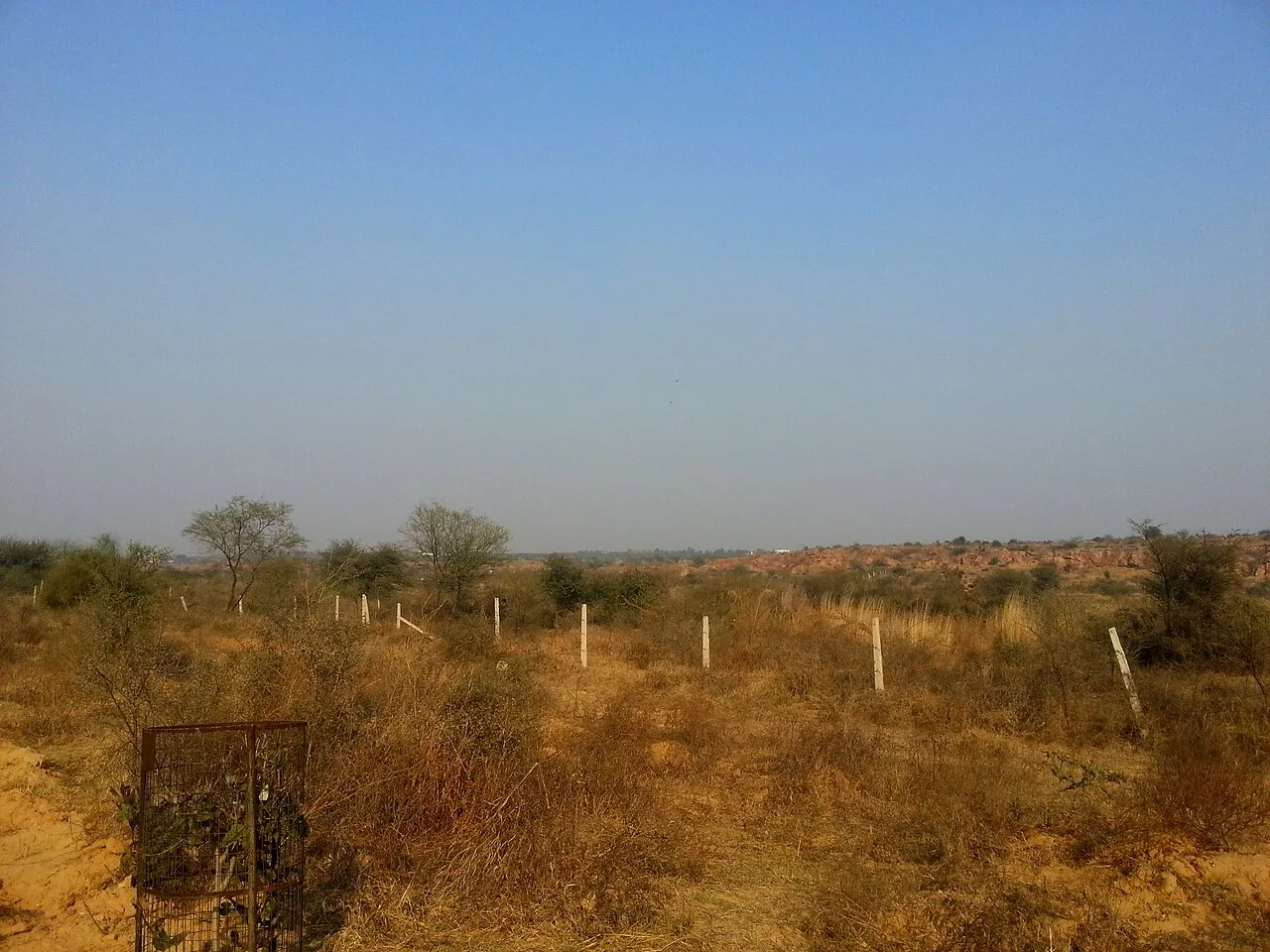
Delhi Ridge is a quartzite rise at the northern end of the Aravalli system in Delhi. Visitors are drawn by its green setting, birdlife and place within a wildlife corridor.

National Rail Museum

20 km away · New Delhi district

National Rail Museum

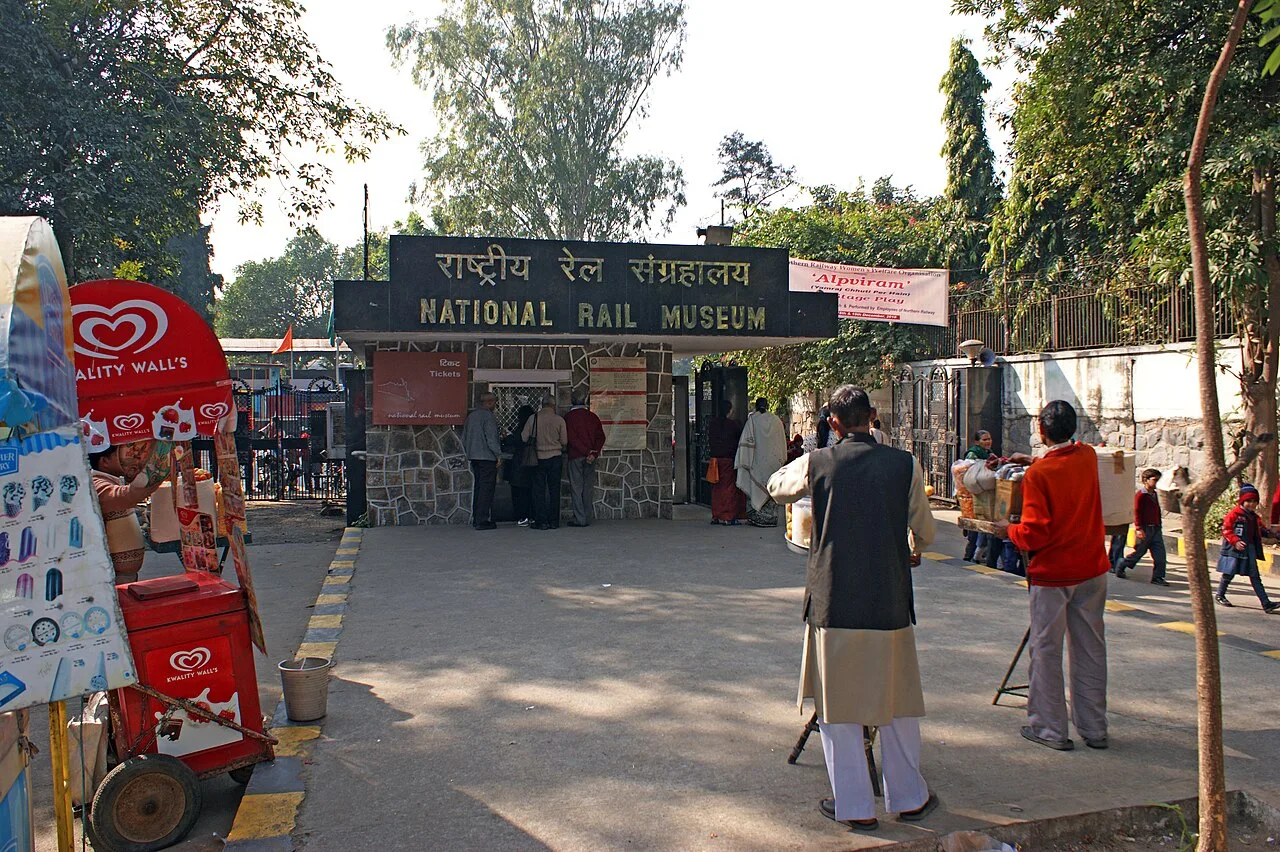
The National Rail Museum in Chanakyapuri presents India's railway heritage through indoor galleries and an outdoor yard-like display area, drawing visitors interested in the history of rail transport.

Prime Ministers' Museum and Library

21 km away · New Delhi district

Prime Ministers' Museum and Library

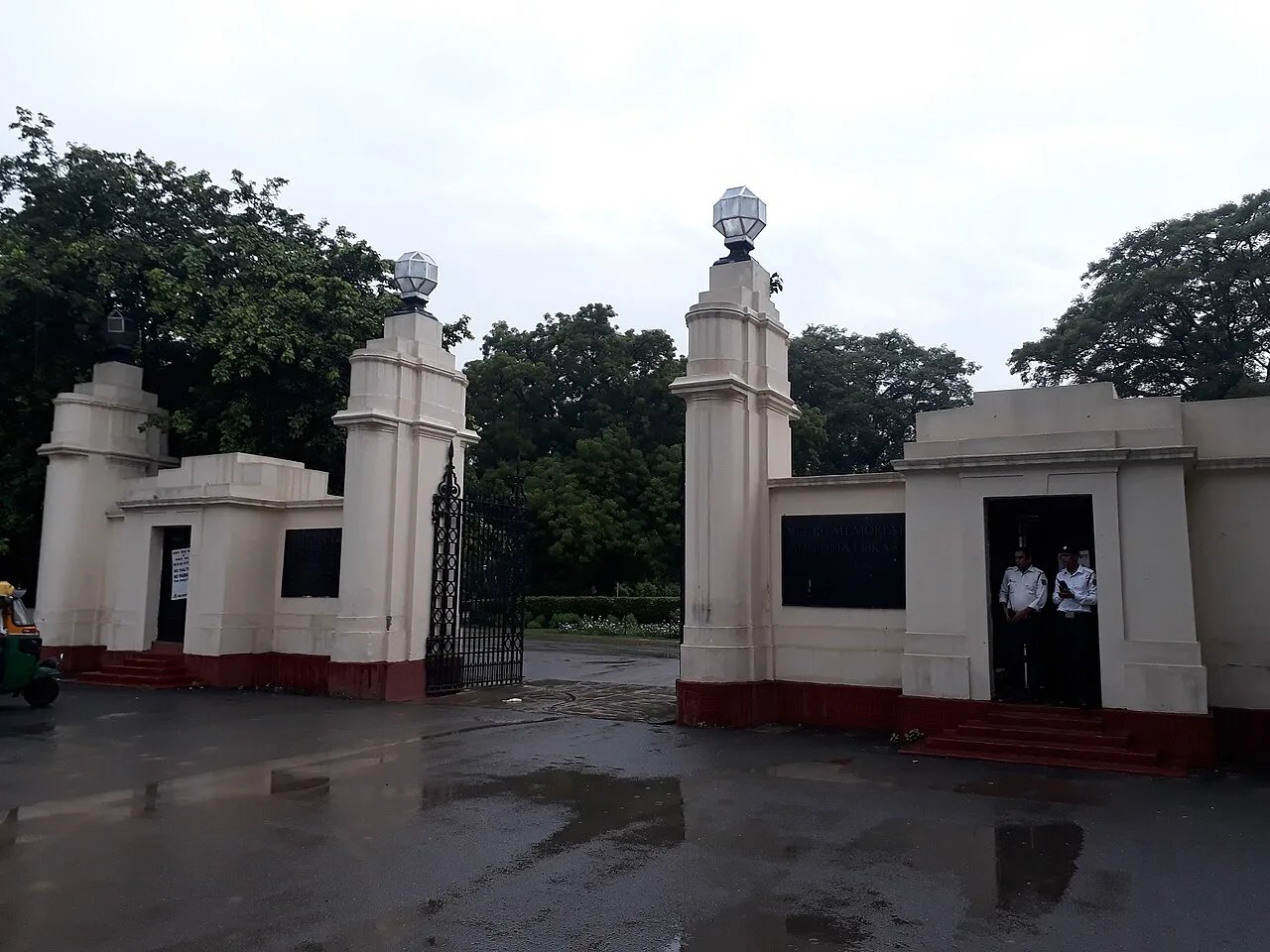
Set within New Delhi’s Teen Murti Bhavan complex, this institution explores the lives and legacies of India’s prime ministers, drawing visitors interested in the country’s political history.

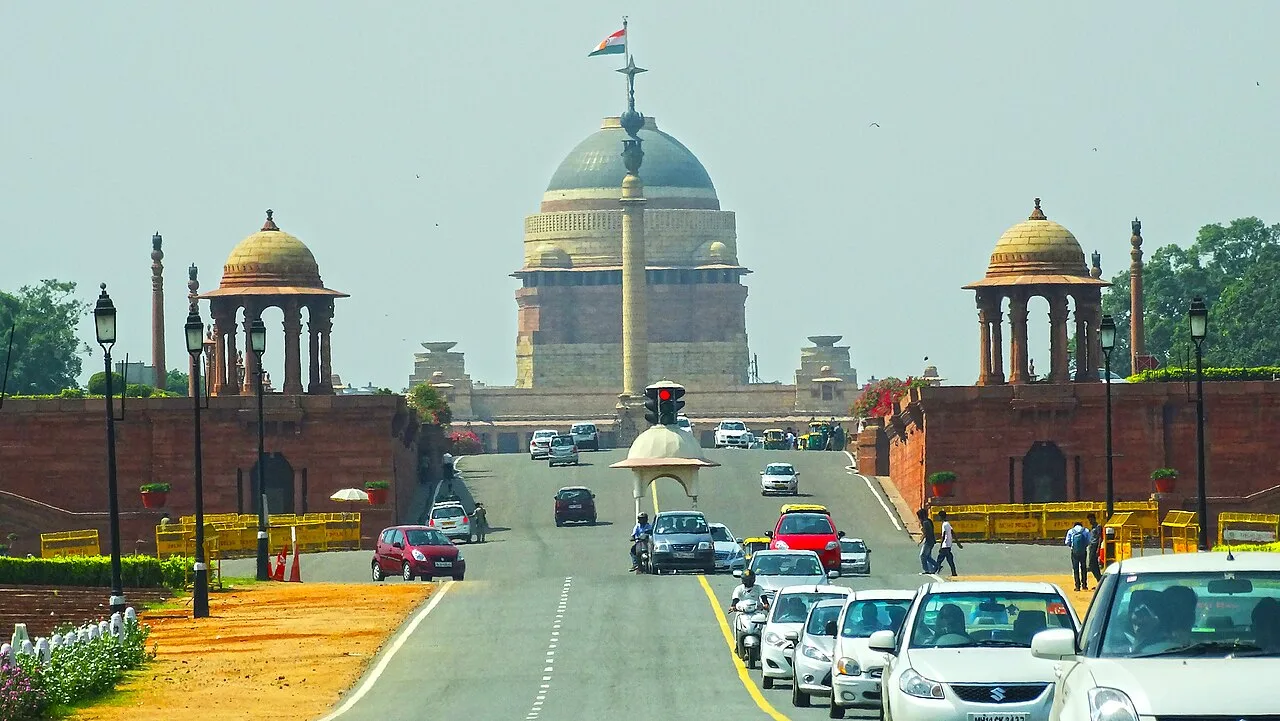
Rashtrapati Bhavan

21 km away · New Delhi district

Rashtrapati Bhavan

Rashtrapati Bhavan is the President of India’s residence in New Delhi. Visitors come to see its architecture and grounds, and to explore its role in the country’s government.

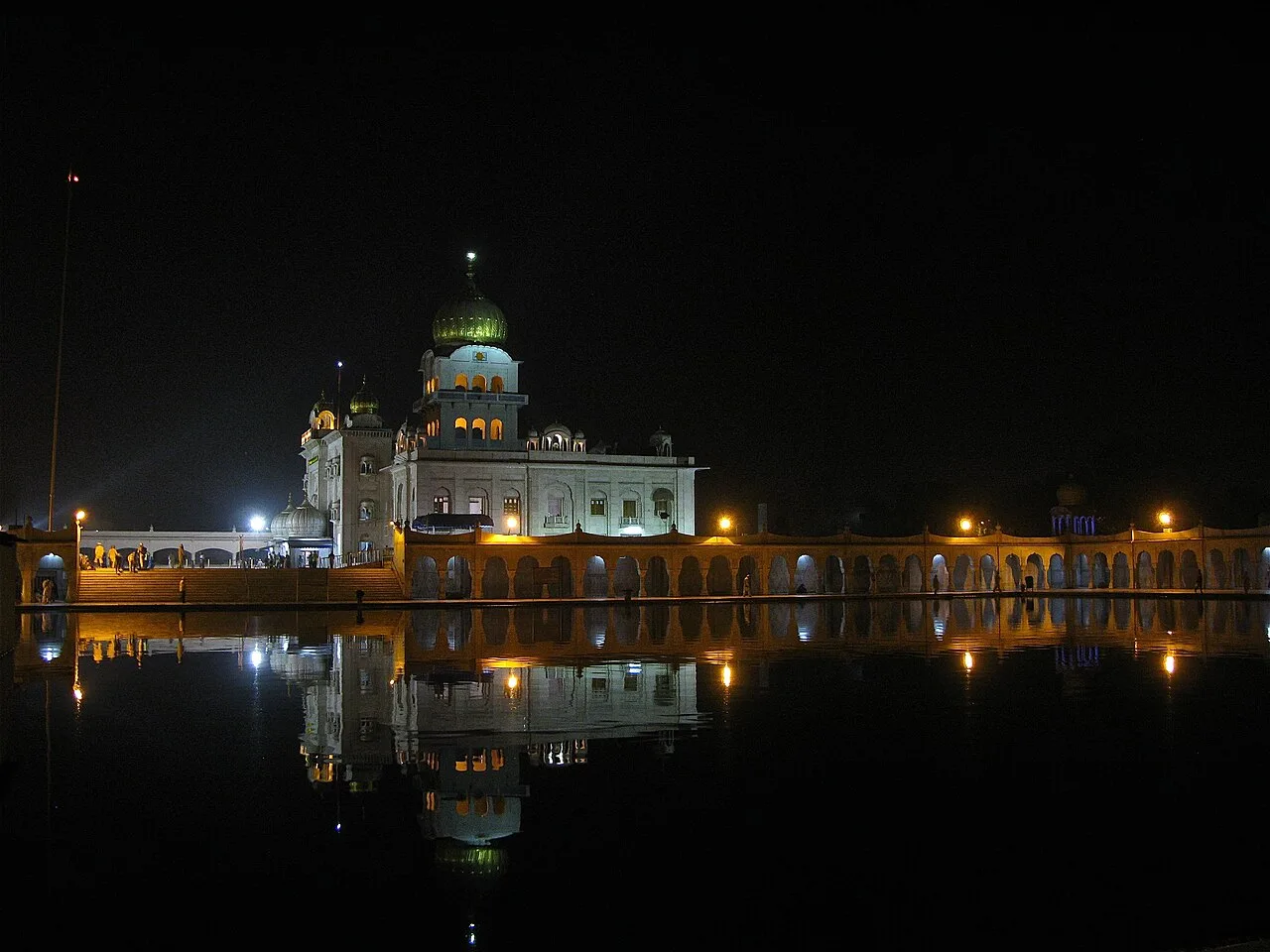
Gurdwara Bangla Sahib

22 km away · New Delhi district

Gurdwara Bangla Sahib

This Sikh place of worship in Delhi draws visitors for its connection to Guru Har Krishan and the Sarovar, a sacred pond within the complex.

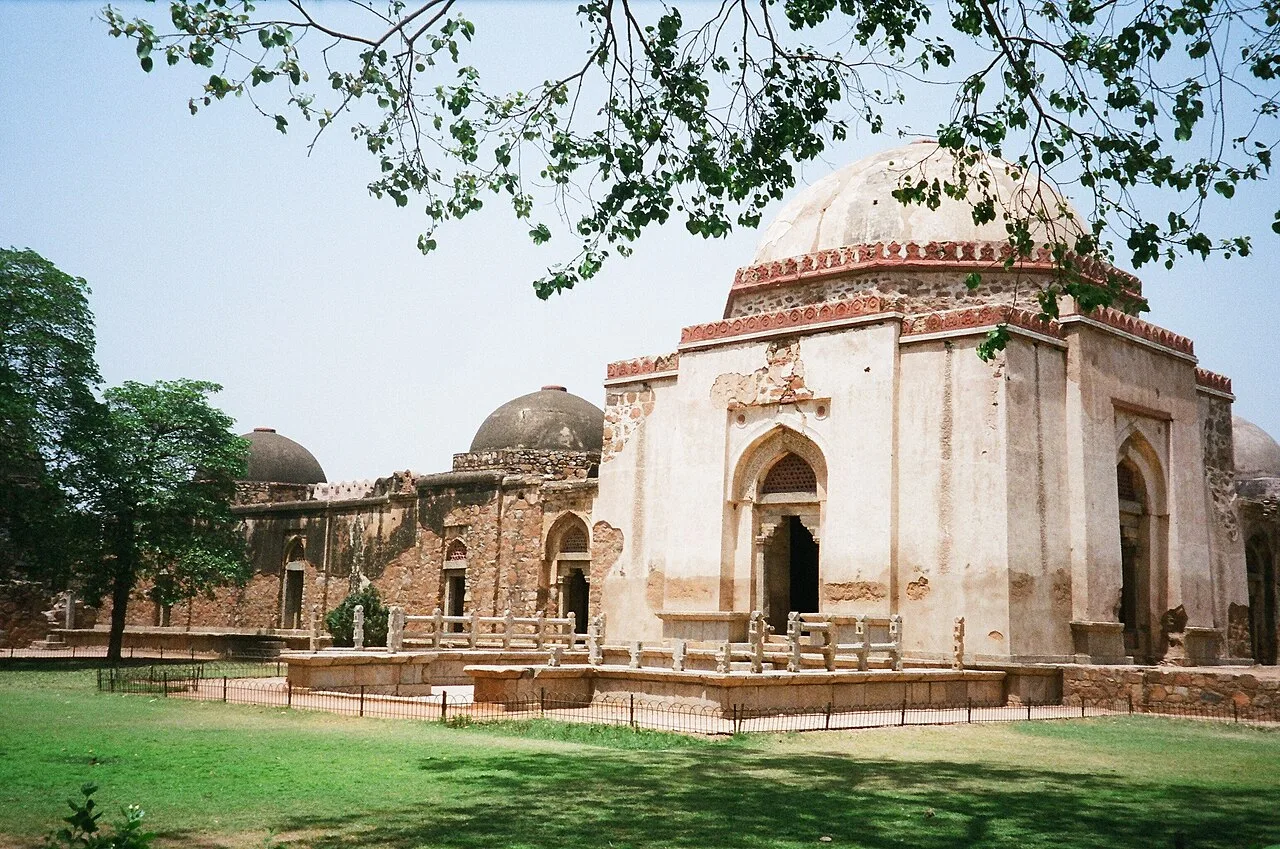
Hauz Khas Complex

22 km away · South Delhi district

Hauz Khas Complex

Hauz Khas Complex is a medieval ensemble in South Delhi, centred on a historic reservoir and adjoining religious and funerary buildings. Visitors come to see its Sultanate-era architecture and surrounding village.

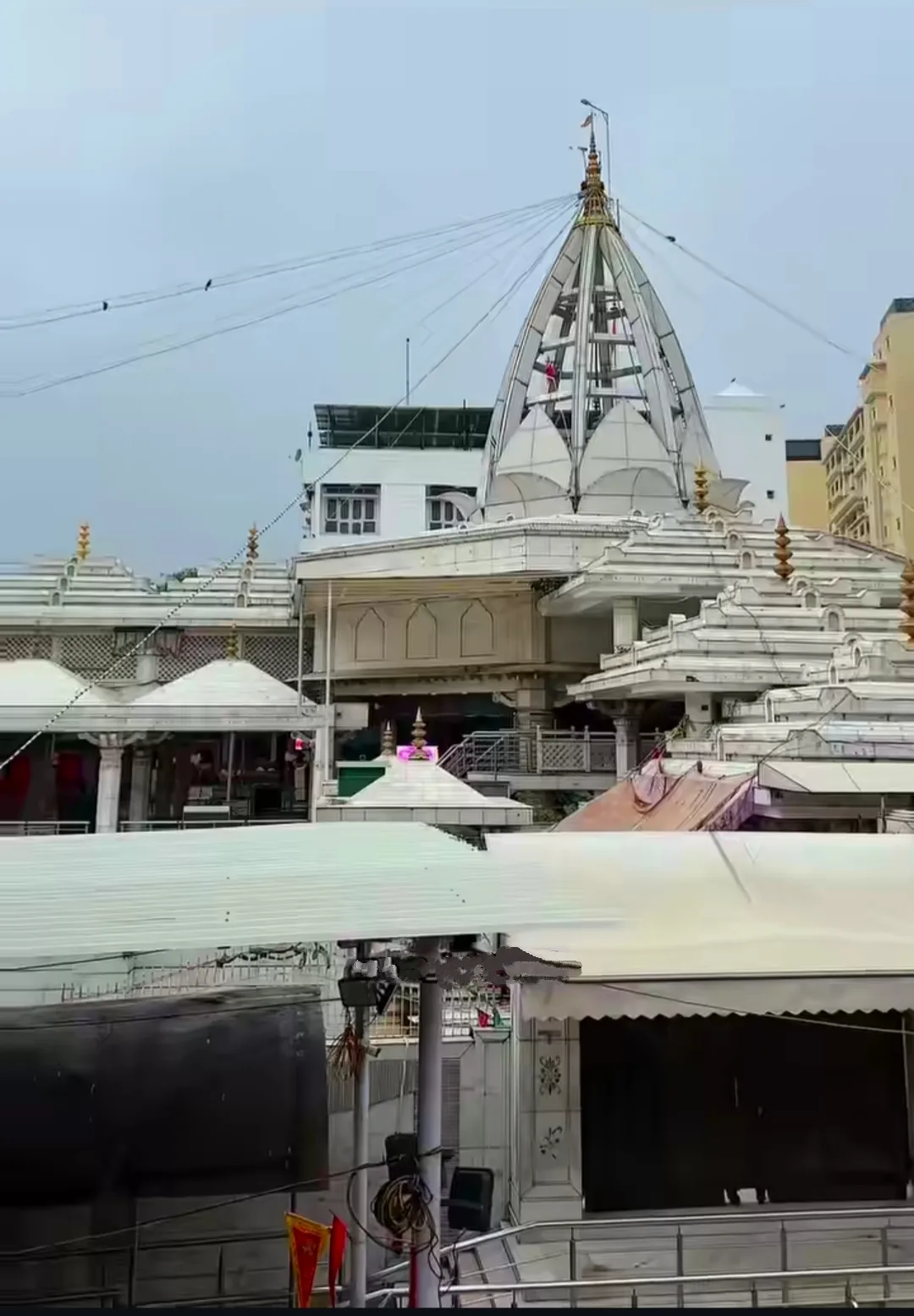
Jhandewalan Temple

22 km away · Central Delhi district

Jhandewalan Temple

A Hindu shrine in Delhi dedicated to Vaishno Devi, Jhandewalan Temple is an important place of worship, particularly during Navratras.

Mehrauli Archaeological Park

22 km away · South Delhi district

Mehrauli Archaeological Park

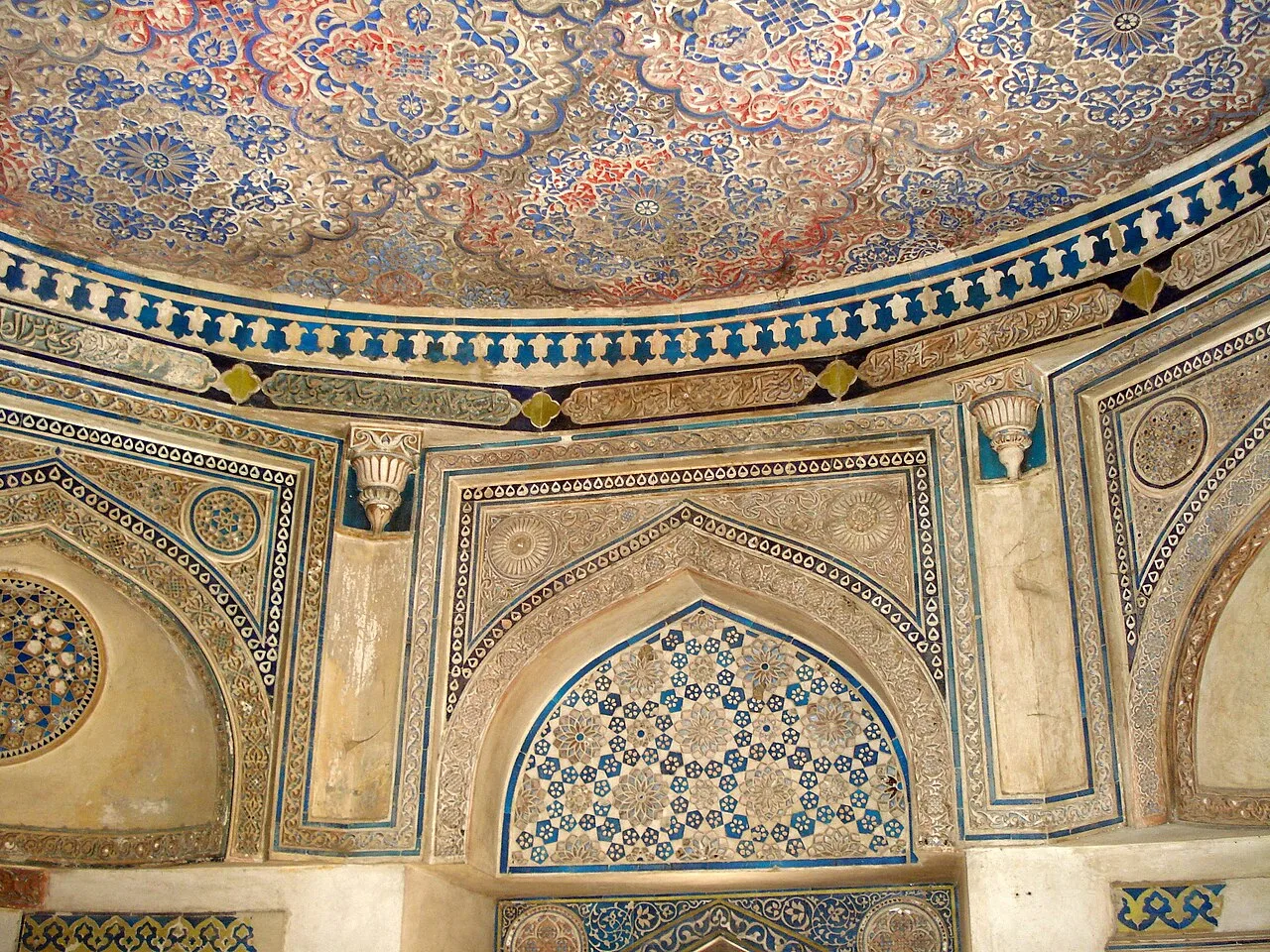
Mehrauli Archaeological Park is a historic landscape beside the Qutb complex, where visitors explore monuments and remains spanning Delhi’s dynasties and architectural traditions.

Map

Najafgarh on the map

  1. 1Delhi Ridge
  2. 2National Rail Museum
  3. 3Prime Ministers' Museum and Library
  4. 4Rashtrapati Bhavan
  5. 5Gurdwara Bangla Sahib
  6. 6Hauz Khas Complex
  7. 7Jhandewalan Temple
  8. 8Mehrauli Archaeological Park

Delhi

Other cities to explore