
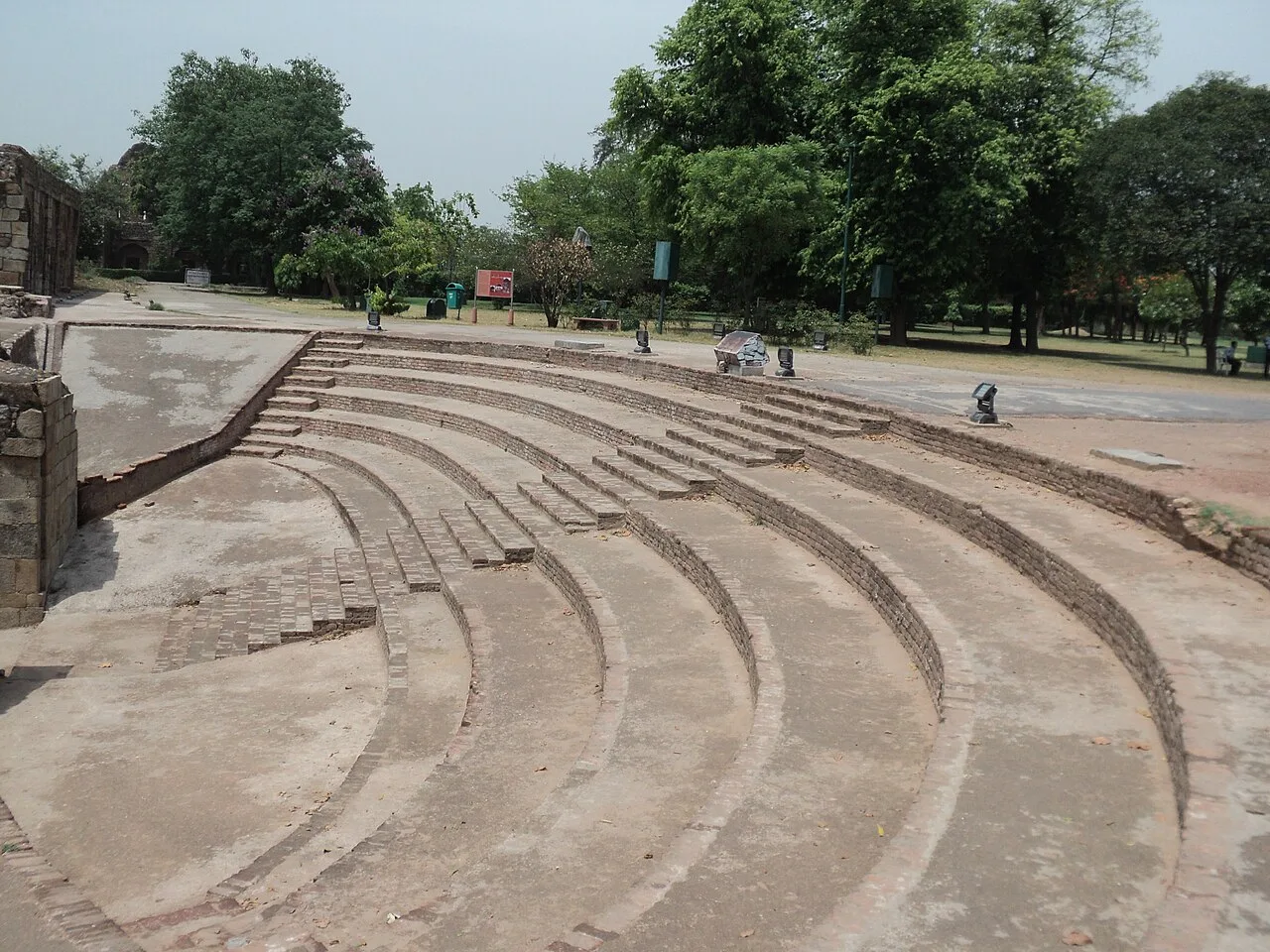
Purana Qila
Purana Qila is a historic Delhi fort associated with Indraprastha and the rulers Humayun and Sher Shah Suri. Visitors come to explore its ancient and later history.
Key facts · verified by Ghumoopedia editors
- Type of place
- Heritage monument
- Best time to visit
- October to March (check air quality from November to January)
- Verified
- 21 Nov 2026
Plan a trip from Purana Qila — a day-by-day route through places nearby.
Purana Qila stands in New Delhi district, within Delhi, India’s capital territory. Its name means Old Fort. India’s Ministry of Culture identifies the site with the ancient city of Indraprastha. The fort that stands today was built under Humayun, the second Mughal emperor, and Sher Shah Suri of the Surid dynasty. It served as the inner citadel of Dinpanah. The fort is close to the extensive Pragati Maidan exhibition ground. Mathura Road lies between it and Dhyanchand Stadium, placing the site amid these New Delhi landmarks. Delhi layers many historic cities — from the Delhi Sultanate and the Mughal capital to Lutyens' New Delhi — with Sufi shrines, gurdwaras, temples, busy markets and India's national monuments. Delhi has very hot summers from April to June, a humid monsoon from July to September and cold, foggy winters in December and January. Air quality is often very poor from late October to January. The usual best time to visit is October to March (check air quality from November to January). Timings, fees and access arrangements must be confirmed locally. For official information, see Delhi Tourism at https://delhitourism.gov.in.
Why it matters
Purana Qila, meaning “Old Fort,” is a major heritage site in New Delhi and one of the city’s oldest surviving fortified complexes. It is significant for its association with the 16th-century rulers Humayun and Sher Shah Suri, and for its place in the history of Dinpanah, Humayun’s planned city. India’s Ministry of Culture identifies the site with ancient Indraprastha; this is an official association, not proof that the surviving fort dates to the Mahabharata period. The Archaeological Survey of India protects and maintains the monument. Its location near Pragati Maidan and other central Delhi institutions also makes it an accessible point from which to explore the capital’s layered history.
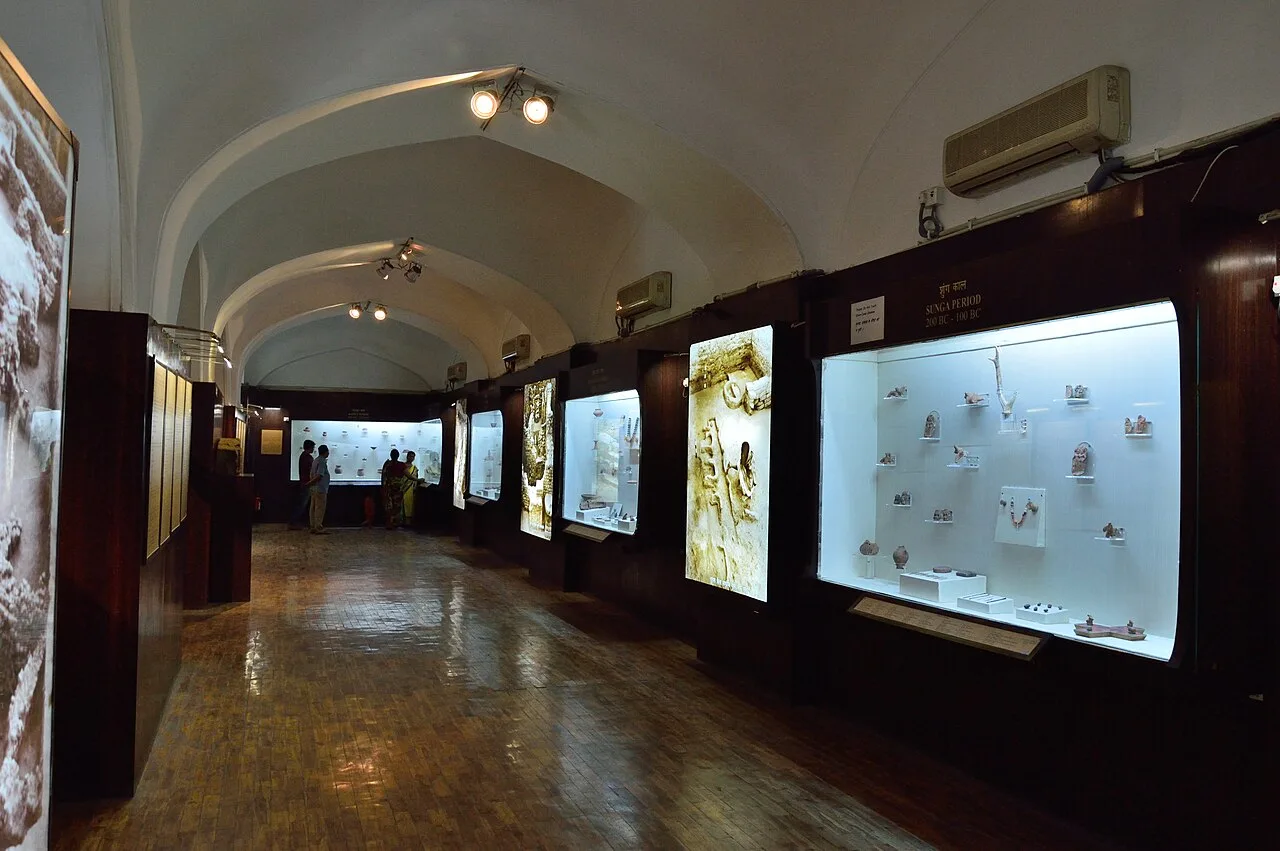
The present fort took shape during the political contest between the Mughal emperor Humayun and the Sur ruler Sher Shah Suri in the 16th century. Humayun founded Dinpanah, a new city whose inner citadel is associated with Purana Qila. After defeating Humayun, Sher Shah continued building and strengthening the complex; Humayun later regained the throne. The surviving walls and principal buildings largely reflect this period of Mughal and Sur rule, although the site has undergone changes and repairs over subsequent centuries. The fort is often linked with much earlier settlement at Indraprastha, the city named in the Mahabharata. Archaeological work has found evidence of occupation from different periods, but the identification of particular remains with the epic city is not conclusive. During British rule, parts of the site were used for administrative and military purposes, and the fort also became a refuge for people displaced during Partition. The Archaeological Survey of India has undertaken conservation and archaeological work here. Visitors can follow the visible structures and interpretation boards while bearing in mind that the site’s long history is still studied and debated.
Origin stories & folklore
According to local and popular tradition, Purana Qila stands on the site of Indraprastha, the capital of the Pandavas in the Mahabharata. This association has contributed to the fort’s place in Delhi’s cultural memory, but it should be understood as a traditional identification rather than a proven dating of the surviving walls. Archaeological evidence indicates that the area was occupied in earlier periods, without establishing that the fort itself belonged to the epic era. Another story associates Humayun’s death with the Sher Mandal pavilion within the fort: accounts say he fell on its steps after hearing the call to prayer. The episode is widely repeated, though visitors should treat the precise details as historical tradition rather than as a feature demonstrated by the building alone.
Architecture & design
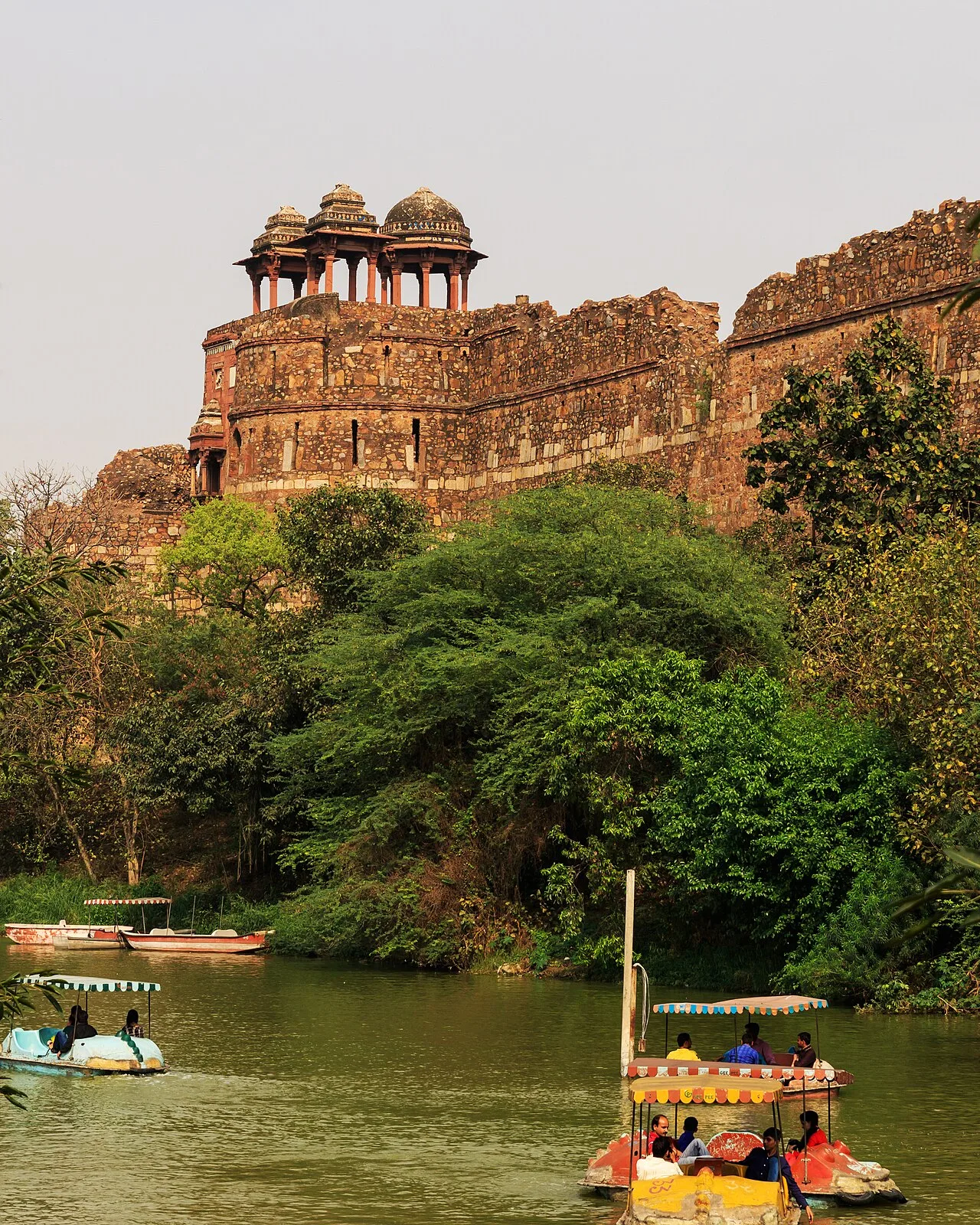
Purana Qila is a fortified complex of thick stone walls, bastions and monumental gateways, with a broad, irregular enclosure that follows the ground. Its surviving buildings show features associated with the Mughal and Sur periods, including red sandstone and other masonry, carved stonework, arches, domes and decorative tile traces. The three principal gates are commonly known as the Bara Darwaza, Humayun Darwaza and Talaqi Darwaza; their names and histories are discussed in site interpretation. Within the walls, the Qila-i-Kuhna Mosque is a notable example of early Mughal-period architecture under Sher Shah, with a prominent prayer hall and richly detailed façade. The Sher Mandal is a distinctive two-storey octagonal pavilion, traditionally associated with Humayun. The site’s combination of defensive works and ceremonial or religious buildings reflects its role as a citadel, not simply a standalone palace. Surfaces and access routes vary, and some areas may be closed for conservation.
Important objects & sculptures
Look closely at the Qila-i-Kuhna Mosque for its carved stone details, decorative panels and calligraphic elements around the prayer space. The mihrab, which indicates the direction of prayer, is a key feature of the interior. At the gates and along the fort walls, visitors can notice changes in masonry, surviving ornament and marks of repair that reveal different building and conservation phases. The Sher Mandal’s form and stone detailing are also worth observing from the permitted visitor areas. Interpretation boards help explain the structures and archaeological findings. Displays or collections, if open during a visit, may vary; check locally rather than expecting particular objects to be on view.
Explore Purana Qila slowly and read the interpretation boards, use the official audio guide where available or hire an authorised guide to understand its history. Check opening days, ticket counters and camera rules in advance; many monuments and museums close on one weekday and on some public holidays. Early morning gives softer light, cooler air and smaller crowds. A comfortable itinerary is one main visit in the morning, a local meal at midday and a short nearby stop before an afternoon return. Use the district list on this site to find other places in New Delhi, but check the route and its condition before combining stops. If a festival or fair is on, roads and stays can be busy — and the experience can be unforgettable. Leave no litter: many sites are protected by the communities around them.
Suggested itineraries
Half day: Allow about 2–3 hours to walk the fort, read the interpretation boards, see the main gates, Qila-i-Kuhna Mosque and Sher Mandal, then take a rest nearby. Full day: Spend about 2–3 hours at Purana Qila, have a midday meal, then allow 1–2 hours for the National Zoological Park or National Science Centre; finish with a relaxed stop near India Gate if energy and traffic permit. Gentler option: Focus on the main gate and the most accessible open paths, pause often, and skip sections with uneven ground or steps; check on-site access before visiting.
Purana Qila is primarily a protected heritage site rather than an active centre for a particular religious community. Today, visitors include Delhi residents, school groups, heritage enthusiasts and tourists, and authorised guides may offer historical interpretation. Hindi and English are commonly used in visitor information and tours; Delhi’s wider linguistic mix includes Urdu, Punjabi and many other Indian languages. The setting is part of a busy modern city, so heritage visits often sit alongside museum, park or exhibition outings. Respect conservation barriers, keep voices and behaviour considerate around other visitors, and do not climb on walls or disturb stonework.
Festivals & events
Purana Qila is not known as a regular venue for a major annual religious festival. Cultural programmes and heritage events may be organised at the fort from time to time, so check current local listings before planning around one. Nearby Pragati Maidan, now associated with Bharat Mandapam, hosts exhibitions, trade fairs and public events during different parts of the year; these can increase traffic and demand for local transport. Delhi’s wider festival calendar includes celebrations such as Diwali, Holi and Eid, but they are observed across the city rather than being specific to the fort. Event schedules and access arrangements can change.
Local food in Delhi includes chaat, stuffed parathas and jalebi in Chandni Chowk, chole bhature, kebabs and Mughlai dishes around Jama Masjid, butter chicken, momos and kulfi. Ask what is fresh that day; many small eateries cook a limited daily menu. Vegetarian travellers eat very well across this region, and most towns also have non-vegetarian options. Street food is part of the Delhi experience: pick busy stalls with fast turnover, prefer freshly cooked items and drink sealed or filtered water. Try a home-cooked or dhaba meal when you can — it is often the best food on the route. Choose busy, clean places and carry your packaging back with you.
Shopping & local experiences
There is no need to expect a large shopping area inside the fort. Look for small heritage publications or souvenirs if a visitor counter is operating, and check whether sales are permitted at the time of your visit. Nearby event venues may have stalls during exhibitions and fairs, while central Delhi offers broader shopping choices in markets and commercial districts. For food, choose a nearby café or restaurant after the visit; Delhi’s range includes North Indian dishes and regional cuisines from across the country. Avoid buying or removing anything presented as an antiquity from the monument area.
October to March (check air quality from November to January)
Within Delhi, the Delhi Metro is usually the quickest and cheapest way to reach Purana Qila; find the nearest station on the official DMRC website or app, and use an app-based auto, e-rickshaw or cab for the last stretch. Road traffic is heavy at peak hours, so allow extra time and avoid driving yourself in Old Delhi lanes. Long-distance trains use New Delhi, Old Delhi, Hazrat Nizamuddin and Anand Vihar terminals, and flights use Indira Gandhi International Airport. The nearest of these railway terminals is Hazrat Nizamuddin, roughly 5 km away in a straight line. Indira Gandhi International Airport, Delhi is roughly 15 km away in a straight line. When comparing train, bus and flight, count the complete door-to-door time: a flight saves the most time only if the onward road transfer is short, while an overnight train can save a hotel night. Book your return before you leave, because seats fill quickly on weekends, festivals and holidays. Current train numbers, timings, return services and fares are not listed here; check IRCTC and NTES for trains and the airline's own schedule for flights. No permit is needed to visit Delhi. Many monuments are protected by the Archaeological Survey of India and need an entry ticket, often cheaper when bought online; the Red Fort and several museums close on Mondays. Security checks are routine at metro stations and major sites.
Confirm onward and return timings on IRCTC / NTES, the state bus operator or your airline before travel. A dash means current timings or fares have not been verified.
Getting around
Delhi Metro is generally a practical way to reach the area; check the Delhi Metro Rail Corporation map or app for a suitable station, then use an app-based taxi, auto-rickshaw or e-rickshaw for the last stretch. Local buses also serve major roads in the wider area, but routes and stops should be checked on the day. Mathura Road and nearby junctions can be congested, so allow extra time if travelling by cab or private vehicle. Parking availability can vary, especially during events at Pragati Maidan. Inside the fort, expect to explore mainly on foot.
Hours, tickets & permissions
Entry is subject to the monument’s current visitor rules, ticketing arrangements and any temporary closures. Camera use, professional filming, tripods and commercial photography may have separate restrictions or permissions; ask before bringing specialist equipment. Visitors should follow posted instructions, stay out of cordoned areas and avoid touching historic surfaces. Dress should be comfortable for walking and suitable for a public heritage site. Confirm current opening days, hours, fees, permitted items and access conditions with the Archaeological Survey of India or the site before setting out.
Facilities
Facilities within the complex can vary, so check locally for toilets, drinking-water points, seating and visitor information. Food options inside the monument may be limited; plan a meal at a nearby café or restaurant rather than relying on refreshments being available on site. Authorised guides or audio interpretation may be available, but confirm arrangements before your visit. Parking and facilities at nearby institutions can be affected by events. ATMs, shops and a wider choice of food are available in the surrounding city, though they may require a short vehicle ride.
Accessibility
The fort involves substantial outdoor walking over uneven historic surfaces, and some buildings or routes include steps. Shade and seating may be limited along parts of the circuit, so carry water and plan rests, especially in warm weather. Wheelchair access across the full site should not be assumed; ask the Archaeological Survey of India about current accessible routes before visiting. Strollers may be difficult to manoeuvre on rough paths and at steps. Older visitors or anyone with limited mobility may prefer a shorter route, a companion and a visit in cooler conditions.
No permit is needed to visit Delhi. Many monuments are protected by the Archaeological Survey of India and need an entry ticket, often cheaper when bought online; the Red Fort and several museums close on Mondays. Security checks are routine at metro stations and major sites. Carry a photo ID at all times and save the emergency number 112 and your accommodation's contact offline. Summer heat and winter smog are the main health risks: drink plenty of water, check the air-quality index and wear a good mask on poor-air days. Watch your belongings in crowded markets and metro coaches. Respect community rules, private property and posted instructions. Follow local guidance if access changes.
Photography
Early morning or late afternoon often gives softer light on the walls and gateways, while views from inside the complex can show the contrast between the fort and modern Delhi. Handheld personal photography is commonly permitted, but rules can differ by area and equipment; confirm restrictions on cameras, tripods and commercial shoots at the entrance. Do not fly a drone without all required permissions and current site approval. Avoid blocking paths, climbing structures or photographing people closely without consent, and be especially considerate if any event or ceremony is taking place.
Choose a stay by the full journey to Purana Qila, not just the district name. Central areas such as Connaught Place, Paharganj and Karol Bagh, or areas near your metro line, save time; check the exact location and how far the hotel is from the nearest metro station. In summer, check air-conditioning or coolers; in December and January, check heating and hot water. Book in advance for weekends, festivals and the peak season (October to March (check air quality from November to January)). Confirm the exact location, meals included, check-in time and cancellation terms in writing. Avoid sending money to unverified contacts or touts at stations. Carry some cash, as card and digital payments can be unreliable in remote areas.
Nearby places that can complement a visit include the National Zoological Park and the National Science Centre, both in the wider Purana Qila area. Pragati Maidan and Bharat Mandapam host exhibitions and events, though access and traffic depend on the calendar. India Gate and the National Gallery of Modern Art are other central Delhi stops. Humayun’s Tomb is another major heritage site in the city and can be combined with Purana Qila if you allow for travel time and traffic. Check opening arrangements and routes before planning several stops in one day.
For couples, Purana Qila rewards a slow pace: arrive early for soft light and fewer crowds, share a local meal and keep the evening free. Evenings at a garden, heritage site or a rooftop café near the monuments make a good end to the day. Public displays of affection can be frowned upon in conservative communities and at religious sites, so be discreet. Keep a buffer in your itinerary, because weather and traffic can delay plans.
Q: How much time should I allow for Purana Qila? A: Allow about two to three hours for a measured visit, longer if you want to read the interpretation and take frequent rests. Q: When is a good season to visit? A: October to March is generally more comfortable. Check air quality, especially from November to January, and avoid the hottest part of the day in warmer months. Q: Is entry ticketed, and what are the current rules? A: Entry arrangements and fees can change. Confirm current details, opening days and camera rules with the Archaeological Survey of India before travelling. Q: Is it suitable for children and elderly visitors? A: Children can enjoy the open-air setting, but supervision is important near walls and steps. Uneven paths and walking distances may challenge some older visitors; choose a shorter route and take rests. Q: Where can I stay nearby? A: New Delhi has accommodation across a wide range of budgets. Choose based on your transport needs and check the route to the fort, since traffic can affect travel time.
Be the first to share photos, stories, advice or a helpful contact for Purana Qila.
Loading…