
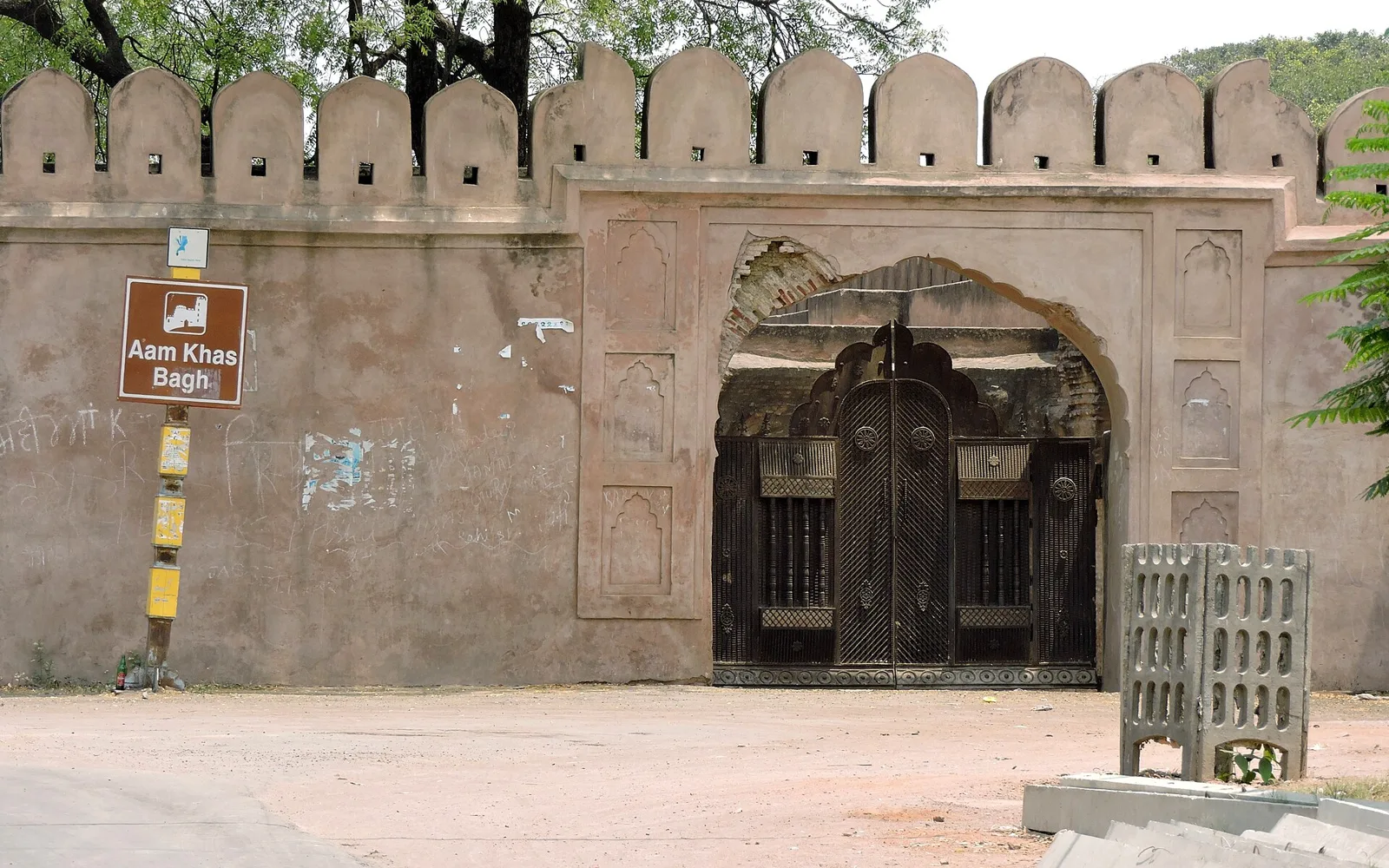
Aam Khas Bagh
Aam Khas Bagh is a surviving Mughal-era roadside inn complex in Punjab’s Fatehgarh Sahib district, visited for its history as accommodation on the Delhi–Lahore route.
Key facts · verified by Ghumoopedia editors
- Type of place
- Destination
- Best time to visit
- October to March
- Nearest railway station
- Patiala · about 35 km (straight line)
- Verified
- 21 Nov 2026
Plan a trip from Aam Khas Bagh — a day-by-day route through places nearby.
In Fatehgarh Sahib district, Punjab, Aam Khas Bagh comprises the remains of a roadside inn. Its two sections served different groups: Aam was open to the public, while Khas was reserved for royal use. This division separated ordinary accommodation from spaces intended for the royal household. Akbar first had the inn built, following a plan by Mughal architect Hafiz Rakhna. Shah Jahan later reconstructed it beside the Mughal military route connecting Delhi and Lahore. The royal couple lodged in the earlier complex during journeys to Lahore and on their return. Jahangir also made additions to the structure at a later stage. The surviving remains reflect the site’s successive phases of construction and its use by both public travellers and royalty. Punjab's identity is shaped by Sikh heritage, gurdwara traditions of seva and langar, Bhangra and Giddha, and a strong farming culture. Punjab has hot summers from April to June, a monsoon from July to September, and cold, foggy winters from December to February. Winter fog can delay trains and flights. The usual best time to visit is October to March. Timings, fees and access arrangements must be confirmed locally. For official information, see Punjab Tourism at https://punjabtourism.gov.in.
Why it matters
Aam Khas Bagh is a historic Mughal-era roadside complex in Fatehgarh Sahib district, associated with the old route between Delhi and Lahore. Its name reflects its traditional division into an Aam section for public use and a Khas section reserved for royalty. The public encyclopaedia account identifies it as a highway-inn and links it to imperial travel, including journeys to and from Lahore. Its importance is therefore local and regional: the surviving buildings help illustrate how travel, accommodation and royal movement were organised in Mughal Punjab. The available guide does not establish a specific UNESCO or Archaeological Survey of India designation, so visitors should check with the relevant heritage authority rather than assume a protection status.
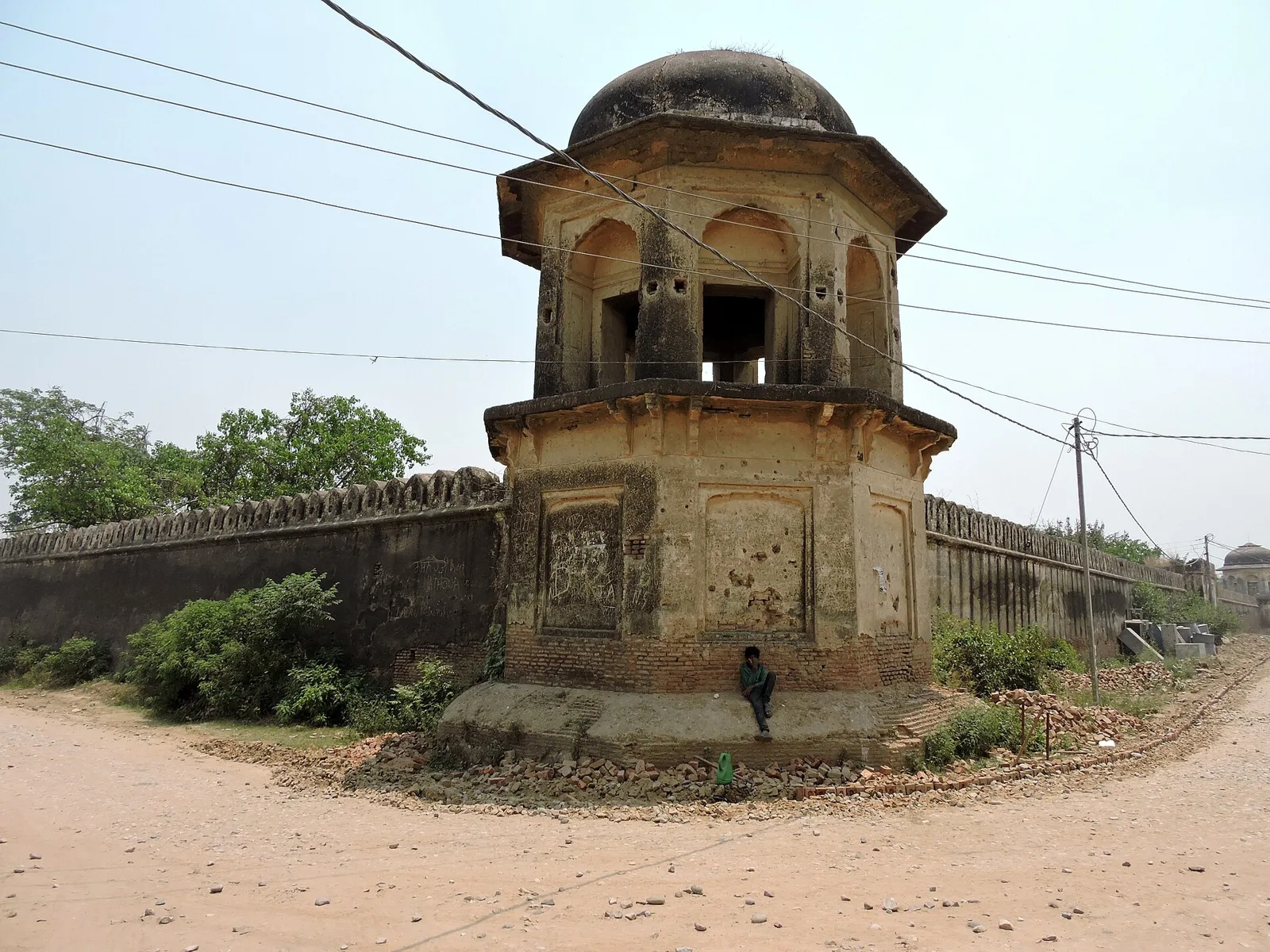
The public encyclopaedia summary describes Aam Khas Bagh as a Mughal highway-inn in what is now Fatehgarh Sahib district. It attributes the initial construction to Emperor Akbar and says the complex was planned by the Mughal architect Hafiz Rakhna. The site was divided into two parts: Aam, intended for public use, and Khas, reserved for royalty. This arrangement reflects the different needs of ordinary travellers and members of the court along an important north Indian route. Emperor Shah Jahan is credited with rebuilding the inn beside the Mughal military road linking Delhi and Lahore. The royal couple reportedly stayed in the older complex while travelling to and returning from Lahore. The source also attributes additions to Jahangir; because this attribution does not fit neatly with the stated sequence of emperors, details of the building phases are best treated cautiously unless confirmed by an on-site interpretation board or heritage authority. The buildings now survive as remains of the larger complex. The available summary does not give a documented restoration chronology, so visitors should consult current local information for details of conservation work.
Explore Aam Khas Bagh slowly and read the interpretation boards or hire an authorised guide to understand its history. Check opening days and ticket counters in advance, as many monuments and museums close on one weekday and on public holidays. A comfortable itinerary is one main visit in the morning, a local meal at midday and a short nearby stop before an afternoon return. Use the district list on this site to find other places in Fatehgarh Sahib, but check the actual road route and its condition before combining stops. If a festival or fair is on, local roads and stays can be busy — and the experience can be unforgettable. Leave no litter: many sites are protected by the communities around them.
Suggested itineraries
Half day: Spend about 1–2 hours exploring Aam Khas Bagh, reading interpretation boards or joining an authorised guide if available; allow time for a relaxed meal nearby before returning. Full day: Allow 1–2 hours at Aam Khas Bagh, have a midday meal, then visit Rauza Sharif and Gurudwara Fatehgarh Sahib; keep time for road transfers and local conditions. Gentler option: Focus on the most accessible areas of Aam Khas Bagh, take seated breaks and arrange a vehicle between stops rather than adding several walking-heavy visits.
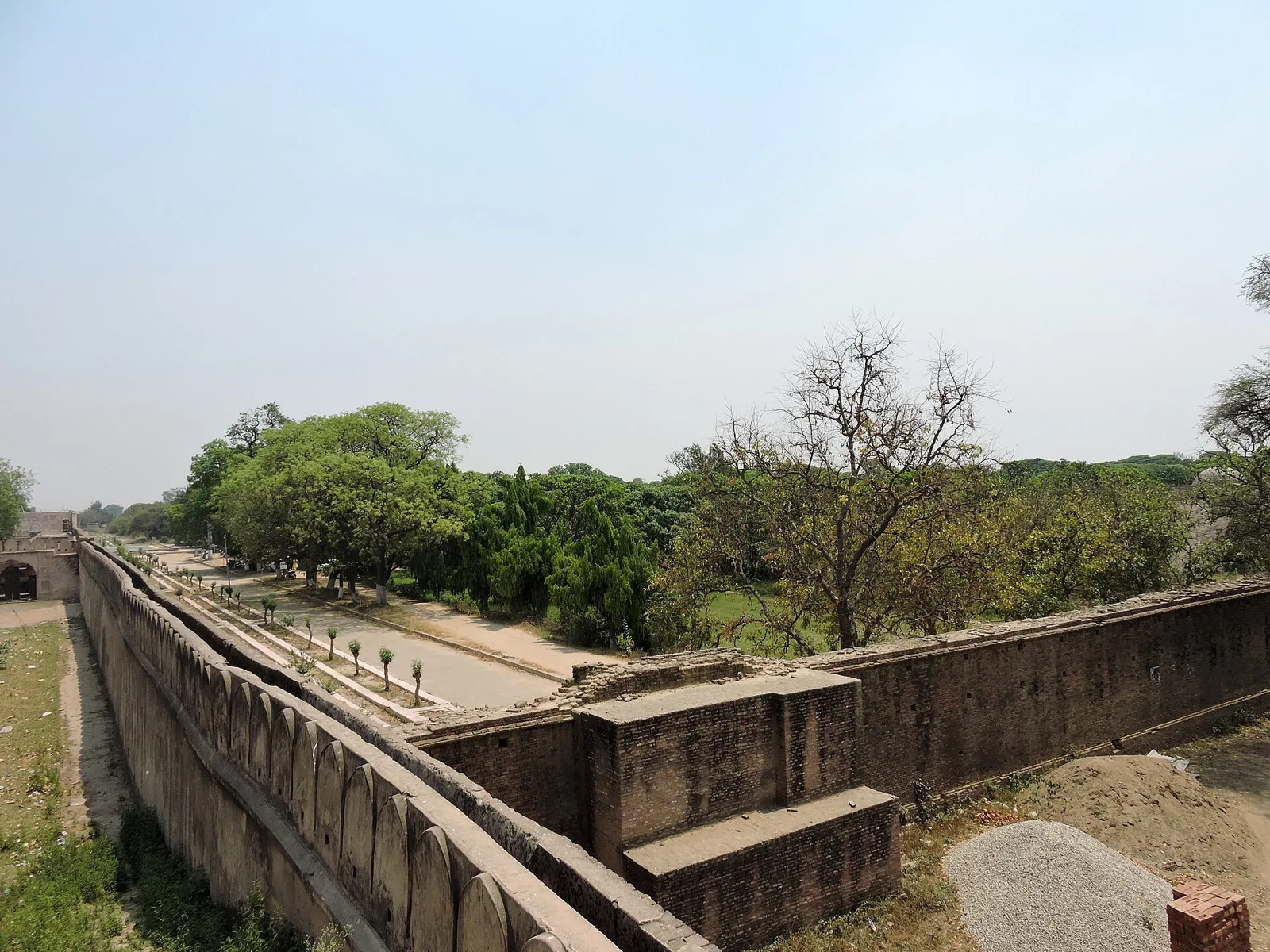
Aam Khas Bagh is a heritage site rather than a centre for a particular living performance tradition. Its setting is part of Punjab, where Punjabi is widely spoken and Sikh heritage, gurdwara traditions of seva and langar, farming life, and folk forms such as Bhangra and Giddha remain important. Visitors may encounter Punjabi and Hindi in everyday interactions. Customs around nearby gurdwaras include covering the head, removing shoes and behaving respectfully; these practices apply at religious sites, not automatically to the garden complex. Ask before photographing people, worship or community events, and follow any instructions displayed at the site.
Festivals & events
The best-known major gathering in the district is the Shaheedi Jor Mela at Fatehgarh Sahib, held around December in remembrance of the younger sons of Guru Gobind Singh. It can bring large crowds, busy roads and high demand for local accommodation. Sikh Gurpurabs and Baisakhi, usually observed in spring, are marked at gurdwaras across Punjab and may draw visitors to the wider area. These are not necessarily events at Aam Khas Bagh itself. Check local notices before travelling, as festival traffic or religious observances may affect access and the pace of a visit.
Local food in Punjab includes sarson da saag with makki di roti, Amritsari kulcha, chole bhature, lassi, tandoori dishes, pinni and jalebi; langar at gurdwaras serves a free vegetarian meal to all. Ask what is fresh that day; many small eateries cook a limited daily menu. Vegetarian travellers eat very well across this region, and most towns also have simple non-vegetarian dhabas. Remote sites may have no restaurant at all. Carry water and snacks, eat a proper breakfast before long drives, and ask your accommodation for a packed lunch if you are heading out early. Try a home-cooked or dhaba meal when you can — it is often the best food on the route. Choose busy, clean places and carry your packaging back to town.
Shopping & local experiences
For everyday purchases, browse local markets in the Sirhind area for Punjabi snacks, seasonal produce, sweets and practical travel supplies. Small shops may stock devotional items for visitors heading to nearby gurdwaras, but these are not souvenirs specific to Aam Khas Bagh. If you are looking for Punjabi crafts, textiles or phulkari embroidery, ask locally whether a reputable seller is available rather than assuming the monument has a shop. Buying food from established vendors and carrying reusable water bottles can make a short visit easier. Avoid removing bricks, fragments or other material from the historic site.
October to March
The nearest principal railway station by straight-line distance is Patiala, roughly 35 km away. The nearest operating airport by straight-line distance is Shaheed Bhagat Singh International Airport, Chandigarh, roughly 40 km away. These figures are calculated from map coordinates — actual road distance may differ. Delhi, Chandigarh and Amritsar are the main rail and air hubs, and most long-distance journeys connect through them. For the final leg, Punjab Roadways, PEPSU Road Transport (PRTC) and private Volvo coaches link district towns; shared taxis usually leave early in the morning. A private taxi gives more flexibility for remote sites. When comparing train, bus and flight, count the complete door-to-door time: a flight saves the most time only if the onward road transfer is short, while an overnight train plus a road journey can save a hotel night. Book your return before you leave, because seats fill quickly on weekends and holidays. Current train numbers, timings, return services and fares are not listed here; check IRCTC and NTES for trains and the airline's own schedule for flights. No permit is needed to visit Punjab. The Wagah–Attari border ceremony needs a same-day security check, and the Kartarpur Corridor to Pakistan requires advance online registration and a passport.
Confirm onward and return timings on IRCTC / NTES, the state bus operator or your airline before travel. A dash means current timings or fares have not been verified.
Getting around
The complex is in the Sirhind area of Fatehgarh Sahib district. On arrival, local buses, auto-rickshaws and taxis may be useful for getting between the railway or bus area, the site and nearby attractions; availability can vary, so agree on the destination before travelling. A hired taxi offers more flexibility for combining stops around the district. Walking may be practical within the complex, but assess the ground and weather on arrival. Check locally whether visitor parking is available and where vehicles may be left; do not block entrances or neighbouring streets.
Hours, tickets & permissions
Entry arrangements can vary according to the part of the complex open to visitors and the authority managing it. A ticket, entry register, restrictions on certain areas or a separate camera rule may apply; do not assume that every section is accessible. There is no general dress requirement for the historic site, though modest clothing is considerate and nearby religious places may have their own rules. Confirm current opening days, hours, entry requirements and fees with the managing authority or Punjab Tourism before setting out.
Facilities
Facilities within the historic complex may be limited. Toilets, drinking water, seating, shade, a ticket counter or visitor information may be available, but provision and upkeep can change; check locally and carry water, especially in warm weather. Food choices and shops are more likely to be found in the surrounding town than inside the monument. Parking arrangements should be confirmed on arrival. An authorised guide may be available, but this is not guaranteed. ATMs and other services are generally easier to find in the town centre than at the site itself.
Accessibility
Expect some outdoor walking across a historic complex, where surfaces may be uneven and paths or thresholds may not suit every visitor. The amount of walking depends on which sections are open. Shade and places to sit may be limited, so plan rests and avoid the hottest part of the day in summer. Do not assume there are ramps, lifts or step-free access; visitors using wheelchairs or strollers should confirm conditions with the managing authority before travelling. Older visitors may find a shorter visit, supportive footwear and a vehicle close to the entrance helpful.
No permit is needed to visit Punjab. The Wagah–Attari border ceremony needs a same-day security check, and the Kartarpur Corridor to Pakistan requires advance online registration and a passport. Carry a photo ID at all times and save the emergency number 112 and your accommodation's contact offline. Heat in summer and dense fog in winter are the main weather risks; carry water and allow extra travel time on foggy December–January mornings. Respect community rules, private property and posted instructions. Check official advisories for the region before travel, and follow local guidance if access changes.
Photography
Soft morning or late-afternoon light can bring out the brickwork and architectural details while making outdoor walking more comfortable. Look for viewpoints that show the relationship between the surviving structures, but stay on visitor paths and do not climb on ruins. General photography may be allowed, though restricted areas, indoor spaces or special events can have separate rules; check signs or ask staff. Drone use may require permissions and can be restricted, so do not fly without confirmation from the relevant authorities. Photograph local people only with their consent, and be especially respectful around worship or ceremonies.
Choose a stay by the full journey to Aam Khas Bagh, not just the district name. Main towns in Fatehgarh Sahib usually offer hotels, state tourism lodges and guesthouses with better transport, meals and medical access, while village homestays offer a closer connection to local life. In the plains, check fans or air-conditioning in summer and heating in the December–January cold wave. Book in advance for weekends, festival dates and the peak season (October to March). Confirm the exact location, meals included, check-in time and cancellation terms in writing. Many homestays accept payment on arrival; avoid sending money to unverified contacts. Mobile network and digital payments can be unreliable in remote areas, so carry some cash.
In the wider Sirhind–Fatehgarh Sahib area, visitors can consider Rauza Sharif, associated with Sheikh Ahmad al-Faruqi al-Sirhindi, and the important Sikh sites Gurudwara Fatehgarh Sahib and Gurudwara Jyoti Swarup. These offer different historical and religious contexts from the Mughal-era remains at Aam Khas Bagh. Check opening arrangements and local etiquette separately for each site, particularly at gurdwaras, where visitors should follow instructions about head coverings and footwear. Before combining stops, check the actual road route and allow for traffic, event-related crowds and time spent at each location.
For couples, Aam Khas Bagh rewards a slow pace: arrive early for soft light and fewer crowds, share a local meal and keep the evening free. Public displays of affection can be frowned upon in conservative communities and at religious sites, so be discreet. A homestay or a small heritage hotel can make the trip memorable — confirm privacy, hot water and transport back. Keep a buffer in your itinerary, because weather and traffic can delay plans in Punjab.
Q: How much time should I allow for Aam Khas Bagh? A: Around one to two hours is a reasonable starting point for exploring the remains; allow more time if using a guide or combining nearby sites. Q: When is the best season to visit? A: October to March is generally more comfortable. Summers can be very hot, while winter fog may affect road and rail journeys. Q: Is there an entry ticket, and what are the opening hours? A: Entry rules and hours can change. Confirm current details, including any fees or camera restrictions, with the managing authority before travelling. Q: Is the site suitable for children and elderly visitors? A: It can be a worthwhile visit, but outdoor walking and uneven historic surfaces may be tiring. Keep the route short, take breaks and check accessibility in advance. Q: Where can I stay nearby? A: Look for accommodation in Sirhind or Fatehgarh Sahib and confirm availability and facilities directly, especially during the Shaheedi Jor Mela.
Be the first to share photos, stories, advice or a helpful contact for Aam Khas Bagh.
Loading…