
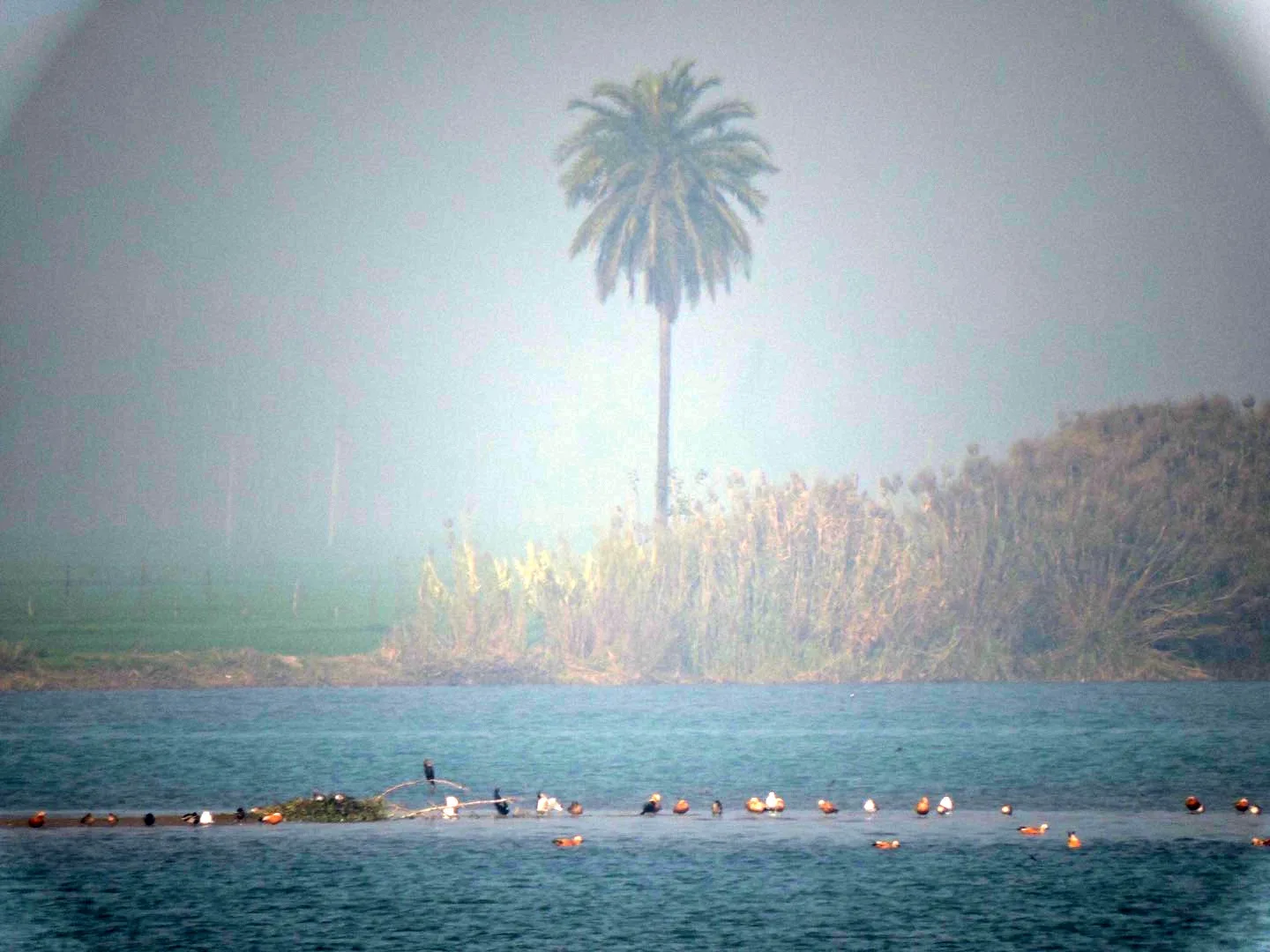
Ropar Wetland
Ropar Wetland, in Punjab’s Rupnagar district, is a freshwater habitat formed by a river and lake. Visitors have come for birdwatching and boating, while its wildlife and Ramsar status are also notable.
Key facts · verified by Ghumoopedia editors
- Type of place
- Natural attraction
- Best time to visit
- October to March
- Nearest railway station
- Rupnagar (Ropar) · about 5 km (straight line)
- Verified
- 21 Nov 2026
Plan a trip from Ropar Wetland — a day-by-day route through places nearby.
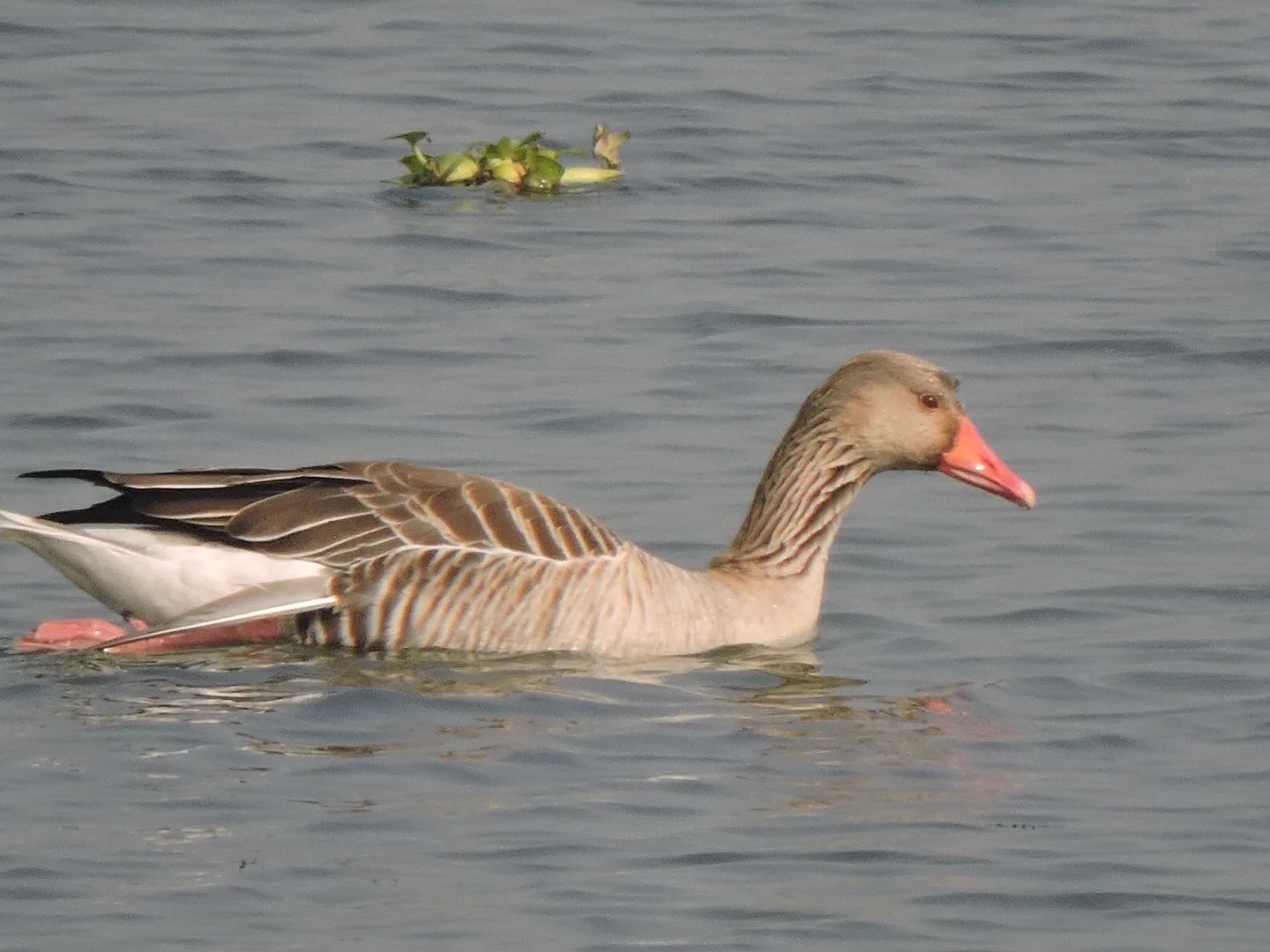
Known also as Ropar Lake, this wetland lies in the Shivalik foothills of the Lower Himalayas. It took shape in 1952, when a head regulator was built on the Sutlej to hold and redirect water. The resulting freshwater area serves irrigation, drinking-water and industrial supply needs. The recorded wildlife includes at least 9 mammal species, 154 resident and migratory birds, 35 fish, 9 arthropods, 11 rotifers, 9 crustaceans and 10 protozoans. The endangered turtle Chitra indica and the threatened Python molurus, described as being at lower risk, have been reported here. In recognition of its biodiversity, the Ramsar Convention lists the site as Ropar Lake. It is among the 42 Ramsar sites listed for India, designated for conserving global biological diversity and supporting human life through ecological and hydrological functions. Birdwatching and boating once drew visitors to the wetland. The Punjab Tourism Development Corporation operated a tourism complex called Pinccasia within its boundary, and a boat club was also active. The tourist bungalow is now a derelict building; the boating bay has been damaged, and the garden is neglected. In the early 1990s, vegetation along the road to Katli fish farm showed a sequence of plant growth. Marsilea grew beside the lake, while Equisetum, or horsetails, appeared among large rocks on the bank. Farther from the water, Typha spread across the narrow road, followed by ferns and then shrubs. The area is now described as having only shrubs and trees. Punjab's identity is shaped by Sikh heritage, gurdwara traditions of seva and langar, Bhangra and Giddha, and a strong farming culture. Punjab has hot summers from April to June, a monsoon from July to September, and cold, foggy winters from December to February. Winter fog can delay trains and flights. The usual best time to visit is October to March. Timings, fees and access arrangements must be confirmed locally. For official information, see Punjab Tourism at https://punjabtourism.gov.in.
Why it matters
Ropar Wetland, also known as Ropar Lake, is a man-made freshwater wetland on the Sutlej River in Rupnagar district, Punjab. Created to store and divert water for irrigation and drinking and industrial supply, it also supports a varied wetland ecosystem. The Ramsar Convention lists the site as “Ropar Lake” among India’s Ramsar wetlands, recognising its importance for biodiversity and the ecological and hydrological functions wetlands provide. The wetland is also significant locally as part of the region’s river landscape and water infrastructure. Its condition and visitor facilities have changed over time, so conservation value should not be confused with a guarantee of developed tourism amenities.
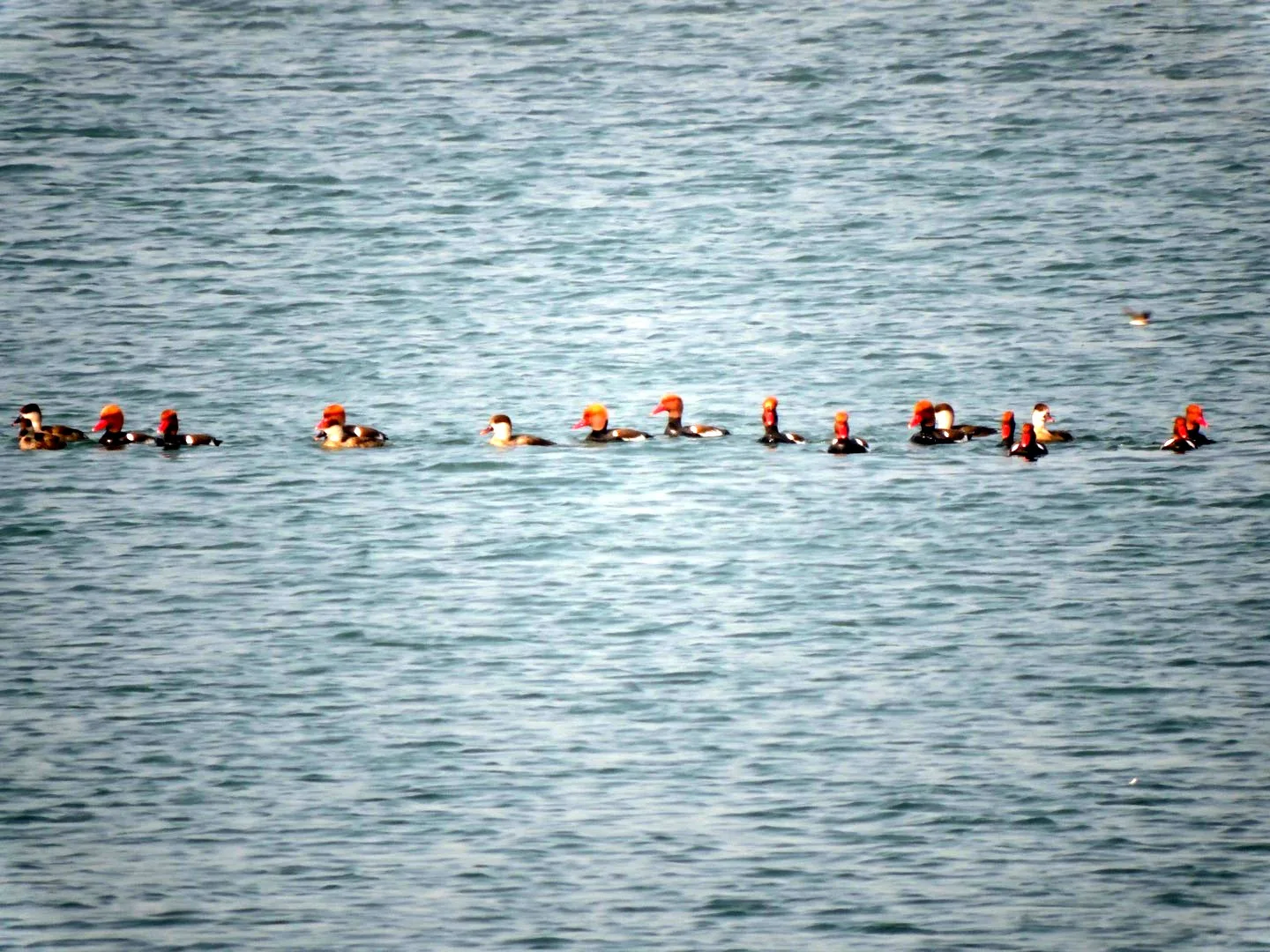
Ropar Wetland was formed in 1952 when a head regulator was built on the Sutlej River in the Shivalik foothills of the Lower Himalayas. The structure enabled water to be stored and diverted for irrigation and for drinking and industrial supply. The resulting water body developed as a linked riverine and lacustrine wetland, with habitats shaped by water levels, river flow and surrounding land use. Its biodiversity later became central to its conservation importance; the Ramsar Convention lists the site under the name Ropar Lake. The wetland’s history also includes a period when it was promoted as a visitor destination. A tourism complex called Pinccasia, run by the Punjab Tourism Development Corporation, and a boat club operated within the wetland boundary. Published accounts describe the tourist bungalow as dilapidated, the boating bay as damaged and the garden as poorly maintained. It also records changes in vegetation along the road to Katli fish farm: a succession of wetland plants and ferns observed in the early 1990s had, according to the guide, given way largely to shrubs and trees. Current restoration plans or works should be checked with the relevant authorities.
Origin stories & folklore
Its known origin is practical rather than mythical: the wetland formed after a regulator was built on the Sutlej in 1952. As elsewhere in Punjab, people may tell stories connected with rivers, changing water levels, fishing or the landscape, but such accounts can vary between families and villages. Visitors should treat any locally shared story as oral tradition, not as a verified account of the wetland’s creation. If speaking with residents, ask permission before recording or publishing personal stories, and avoid presenting community beliefs as fact.
Spend unhurried time at Ropar Wetland: walk the marked paths, use official viewpoints and ask locally whether a guide, entry ticket or permit is needed. Admire the water from safe points rather than climbing wet rocks or entering unknown currents. Wildlife sightings are never guaranteed — patience and quiet improve your chances. A comfortable itinerary is one main visit in the morning, a local meal at midday and a short nearby stop before an afternoon return. Use the district list on this site to find other places in Rupnagar, but check the actual road route and its condition before combining stops. If a festival or fair is on, local roads and stays can be busy — and the experience can be unforgettable. Leave no litter: many sites are protected by the communities around them.
Suggested itineraries
Half day: Arrive in the morning; check access and conditions locally; spend 1–2 hours at permitted viewpoints and paths; take a quiet break in Rupnagar before returning. Full day: Begin with a morning wetland visit; pause for a meal in Rupnagar; spend the afternoon at Anandpur Sahib or another confirmed nearby attraction, allowing time for road travel. Gentler option: Arrange a vehicle drop-off near an accessible, open viewpoint, enjoy a short seated visit, and return to town without attempting longer or uneven paths.
The wetland sits within Punjab’s living cultural landscape, where Punjabi is widely spoken and Sikh heritage is expressed through gurdwara traditions, seva and langar. Agriculture remains an important part of regional identity. Bhangra and Giddha are well-known Punjabi dance traditions, though they are not performances visitors should expect at the wetland itself. Everyday customs, food and dress reflect the wider Rupnagar area and can vary between communities and occasions. The site is primarily a water and wildlife destination, so visitors should keep noise low and avoid treating nearby religious or community spaces as tourist spectacles.
Local communities
People connected with the wider wetland landscape include farmers and other water users, as well as residents of Rupnagar and nearby settlements. The Sutlej regulator serves water-management purposes, while local livelihoods may also involve agriculture, fishing and services in nearby towns; specific activities and access arrangements can change. The former tourism complex and boat club indicate that local tourism has also been part of the site’s history, although facilities are now described as deteriorated. Visitors should follow local guidance around working areas, respect private land and avoid disturbing people carrying out their daily work.
Festivals & events
Punjab’s major seasonal celebrations include Lohri in winter and Baisakhi in spring; local observances may be held in towns and villages around Rupnagar, rather than at the wetland itself. Hola Mohalla is celebrated at Anandpur Sahib in the wider district and can draw substantial crowds, increasing pressure on roads and accommodation in the area. Festival dates vary from year to year, so check local announcements before travelling. The wetland is a nature site, not a festival venue; do not assume that organised events, food stalls or performances will be available on its grounds.
Local food in Punjab includes sarson da saag with makki di roti, Amritsari kulcha, chole bhature, lassi, tandoori dishes, pinni and jalebi; langar at gurdwaras serves a free vegetarian meal to all. Ask what is fresh that day; many small eateries cook a limited daily menu. Vegetarian travellers eat very well across this region, and most towns also have simple non-vegetarian dhabas. Remote sites may have no restaurant at all. Carry water and snacks, eat a proper breakfast before long drives, and ask your accommodation for a packed lunch if you are heading out early. Try a home-cooked or dhaba meal when you can — it is often the best food on the route. Choose busy, clean places and carry your packaging back to town.
Shopping & local experiences
Rupnagar town is the most practical place to look for everyday supplies and locally available Punjabi snacks or prepared food. Markets in the wider area may offer regional produce, household goods and seasonal items, though the wetland itself should not be assumed to have shops or souvenir stalls. Visitors interested in crafts can look for locally made Punjabi goods in town or at established cultural venues, checking their origin rather than assuming every item is locally produced. Choose reusable containers where possible and avoid buying wildlife, feathers, shells or plants.
Ropar Wetland is a freshwater riverine and lacustrine landscape formed along the Sutlej, near the Shivalik foothills. Its habitats include open water and wetland margins, with vegetation influenced by water levels and seasonal conditions. It also identifies the endangered turtle Chitra indica and the threatened Indian python, Python molurus, as residents, citing IUCN classifications. Birdlife varies with season and conditions; sightings are never guaranteed. Keep to safe, permitted areas, do not enter unknown currents or disturb wildlife, and leave plants and animals undisturbed.
October to March
The nearest principal railway station by straight-line distance is Rupnagar (Ropar), roughly 5 km away. The nearest operating airport by straight-line distance is Shaheed Bhagat Singh International Airport, Chandigarh, roughly 45 km away. These figures are calculated from map coordinates — actual road distance may differ. Delhi, Chandigarh and Amritsar are the main rail and air hubs, and most long-distance journeys connect through them. For the final leg, Punjab Roadways, PEPSU Road Transport (PRTC) and private Volvo coaches link district towns; shared taxis usually leave early in the morning. A private taxi gives more flexibility for remote sites. When comparing train, bus and flight, count the complete door-to-door time: a flight saves the most time only if the onward road transfer is short, while an overnight train plus a road journey can save a hotel night. Book your return before you leave, because seats fill quickly on weekends and holidays. Current train numbers, timings, return services and fares are not listed here; check IRCTC and NTES for trains and the airline's own schedule for flights. No permit is needed to visit Punjab. The Wagah–Attari border ceremony needs a same-day security check, and the Kartarpur Corridor to Pakistan requires advance online registration and a passport.
Confirm onward and return timings on IRCTC / NTES, the state bus operator or your airline before travel. A dash means current timings or fares have not been verified.
Getting around
Rupnagar (Ropar) is the nearest principal town for arranging a local taxi or auto-rickshaw to the wetland; confirm the drop-off point and return pickup before travelling. Local buses may serve towns in the area, but do not assume they stop at the wetland entrance. Walking is practical only for visitors prepared for the actual route and conditions. The former boating bay is described as damaged, so do not count on boat services being available. Check locally whether parking, vehicle access, guides or visitor entry points are operating, and avoid leaving a vehicle where it blocks local or service access.
Hours, tickets & permissions
Entry arrangements can depend on which parts of the wetland are open and who manages them. Tickets, permits, camera rules or identification requirements may apply, particularly for protected or restricted areas, but visitors should not assume that any specific rule is in force. Confirm current access, opening hours and fees with the managing authority or locally before setting out. The former tourism facilities described in the guide are not a reliable indication of what is currently operating. Follow signs and staff instructions, and do not enter closed or unsafe areas.
Facilities
Facilities within the wetland may be limited: the guide describes the former tourist bungalow as dilapidated, the boating bay as damaged and the garden as unkept. Do not rely on toilets, drinking-water points, food stalls, working visitor information or guides being available on site. Rupnagar town usually offers more options for meals, shops and cash services, but check locally for current availability. Ask about parking and access before arrival, carry drinking water and take rubbish back with you. Use only facilities that are open and clearly intended for visitors.
Accessibility
Wet or uneven ground, exposed banks and possible changes in water level may make some areas difficult for wheelchair users, people using strollers and visitors with limited mobility. Shade may be limited along open stretches. Elderly visitors may prefer a short visit from a confirmed safe viewpoint rather than attempting a longer walk. Check the surface, vehicle drop-off and seating options locally, and do not climb wet rocks or approach unstable edges.
No permit is needed to visit Punjab. The Wagah–Attari border ceremony needs a same-day security check, and the Kartarpur Corridor to Pakistan requires advance online registration and a passport. Carry a photo ID at all times and save the emergency number 112 and your accommodation's contact offline. Heat in summer and dense fog in winter are the main weather risks; carry water and allow extra travel time on foggy December–January mornings. Stay on marked paths, keep away from cliff edges and fast water, and never approach wild animals. Check official advisories for the region before travel, and follow local guidance if access changes.
Photography
Soft morning or late-afternoon light can suit photographs of the water and landscape, subject to access and weather. Use official or clearly safe viewpoints; do not climb rocks, cross barriers or approach wildlife for a closer image. Ask locally whether photography restrictions or camera permissions apply, especially in managed areas. Drone use may be restricted by aviation rules, site management or nearby security considerations, so do not fly without confirming permission. Seek consent before photographing residents, workers or religious activity, and avoid disturbing birds for a picture.
Choose a stay by the full journey to Ropar Wetland, not just the district name. Main towns in Rupnagar usually offer hotels, state tourism lodges and guesthouses with better transport, meals and medical access, while village homestays offer a closer connection to local life. In the plains, check fans or air-conditioning in summer and heating in the December–January cold wave. Book in advance for weekends, festival dates and the peak season (October to March). Confirm the exact location, meals included, check-in time and cancellation terms in writing. Many homestays accept payment on arrival; avoid sending money to unverified contacts. Mobile network and digital payments can be unreliable in remote areas, so carry some cash.
Rupnagar town is the practical nearby stop for local services and a meal. Anandpur Sahib, also within Rupnagar district, is known for its Sikh heritage and the Virasat-e-Khalsa museum; it can make a separate cultural visit if road conditions and available time allow. Kiratpur Sahib is another recognised religious town in the district. These places have their own visitor customs and access arrangements, so check locally before combining them with a wetland visit. Do not plan multiple stops solely from map distance: confirm actual road routes, travel conditions and time needed.
For couples, Ropar Wetland rewards a slow pace: arrive early for soft light and fewer crowds, share a local meal and keep the evening free. Public displays of affection can be frowned upon in conservative communities and at religious sites, so be discreet. A homestay or a small heritage hotel can make the trip memorable — confirm privacy, hot water and transport back. Keep a buffer in your itinerary, because weather and traffic can delay plans in Punjab.
Q: How much time should I allow for Ropar Wetland? A: A short, unhurried visit can fit into half a day; allow longer if combining it with another confirmed stop. Q: When is a good season to visit? A: October to March is the usual recommended travel season for Punjab. Bird activity and site conditions vary, so sightings are not guaranteed. Q: Is there an entry ticket or permit? A: Rules may change and can depend on the area. Confirm current entry, fees and permissions with the managing authority before travelling. Q: Is the wetland suitable for children or elderly visitors? A: It can be a pleasant outdoor visit, but paths and banks may be uneven. Keep children close to adults and choose a short, safe viewpoint if mobility is limited. Q: Where can I stay nearby? A: Rupnagar town is the practical base to check first. Confirm accommodation availability and transport arrangements before your trip.
Be the first to share photos, stories, advice or a helpful contact for Ropar Wetland.
Loading…