
Why Rupnagar matters
Rupnagar, also known as Ropar, is a district and divisional headquarters in Punjab, set beside the Sutlej River where the plains meet the Shivalik foothills. It serves Rupnagar, Mohali and adjoining districts, and lies about 47 kilometres northwest of Chandigarh. Its regional importance combines administration, transport and a deep archaeological past.
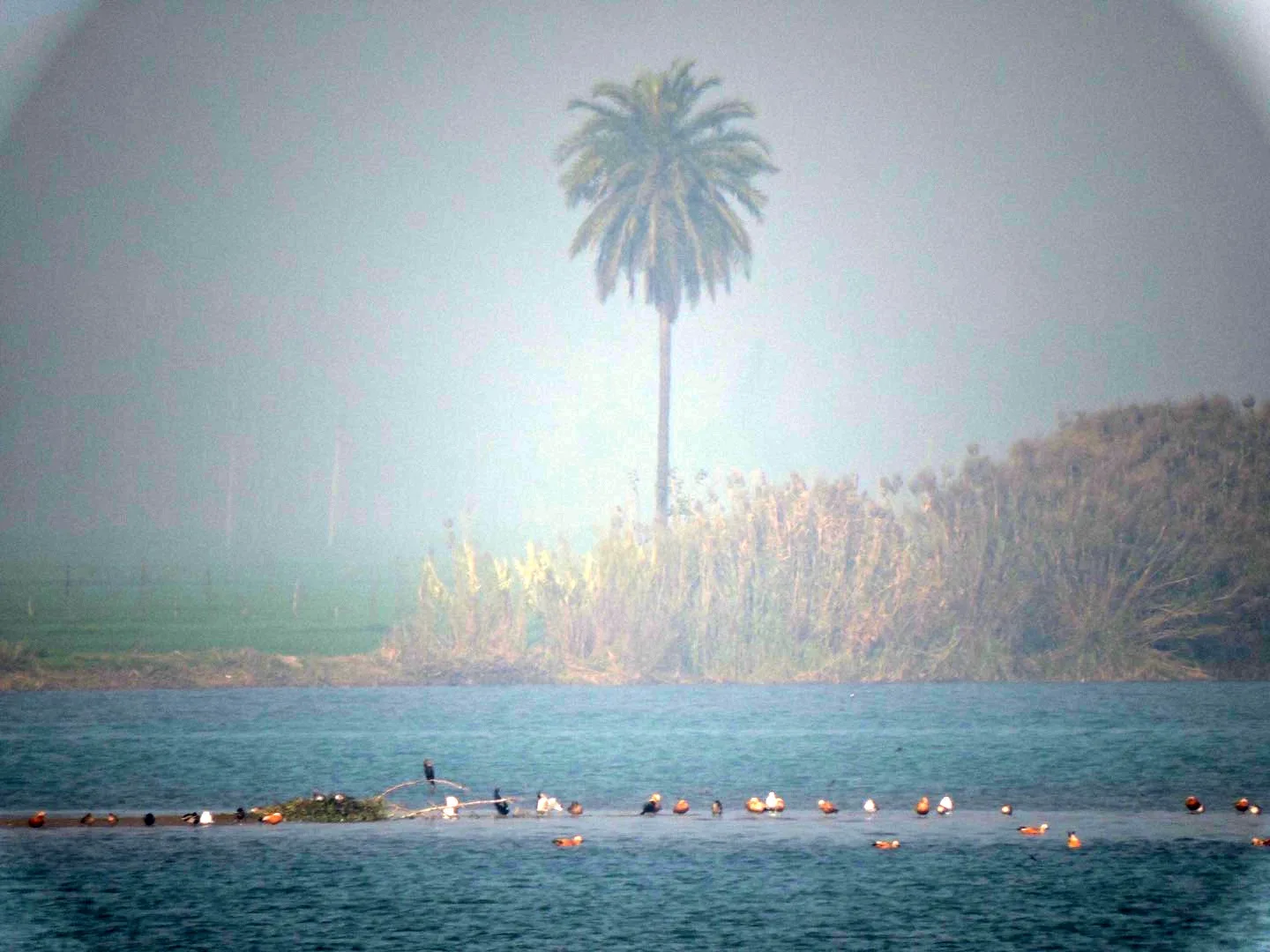
Visitors come for two distinct landscapes of history and nature. The Harappan site is among the important Indus Valley civilisation locations in Punjab; finds from its excavations can be seen at the Rupnagar Archaeological Museum. Nearby, the Rupnagar Wetland—also called Ropar Wetland—is a freshwater habitat formed after a regulator was built on the Sutlej. It was designated a Ramsar site in 2002 and attracts interest for its birdlife and setting against the hills. The town is also a base for visiting Sikh places of worship, nearby settlements and routes towards the Shivaliks. Rupnagar’s appeal is less about a single urban spectacle than the way archaeology, river country and living religious traditions meet in a compact regional centre.