Ghumoopedia — Explore, Discover, Experience
Sign in
Takht Sri Damdama Sahib, near Bhikhi

City guide · Punjab

Bhikhi

Bhikhi is a small municipal town in Mansa district, in Punjab’s Malwa region. Its importance is chiefly local: it serves nearby villages with everyday shops, services and connections to larger centres in the district.

Famous for

  • Mansa district market town
  • Malwa region setting
  • Agricultural hinterland
  • Punjabi rural culture

Why Bhikhi matters

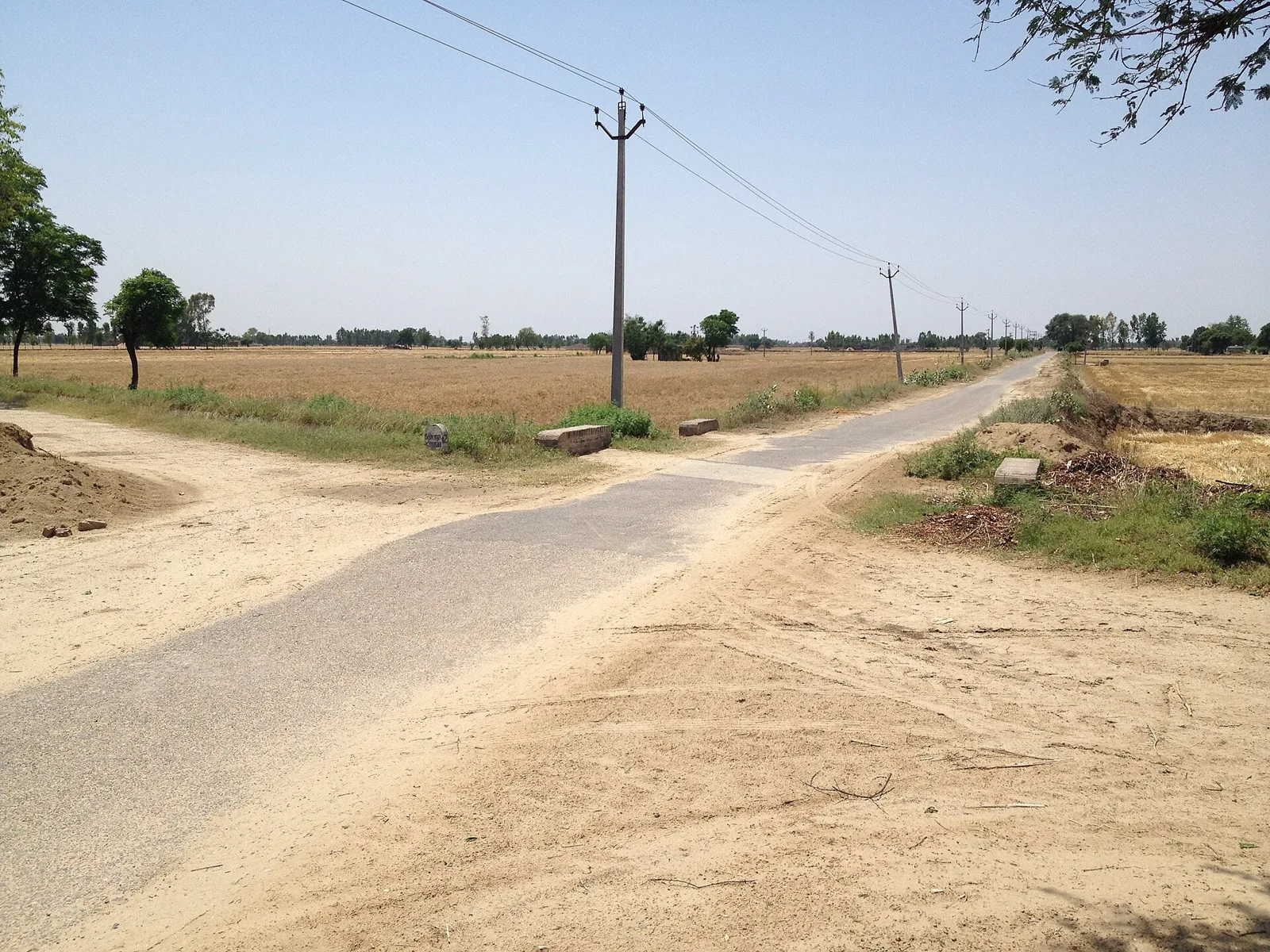
Bhikhi is a small municipal town in Mansa district, in Punjab’s Malwa region. Its importance is chiefly local: it serves nearby villages with everyday shops, services and connections to larger centres in the district. The surrounding countryside is agricultural, and the town’s market life reflects the needs of farming households as well as local residents.

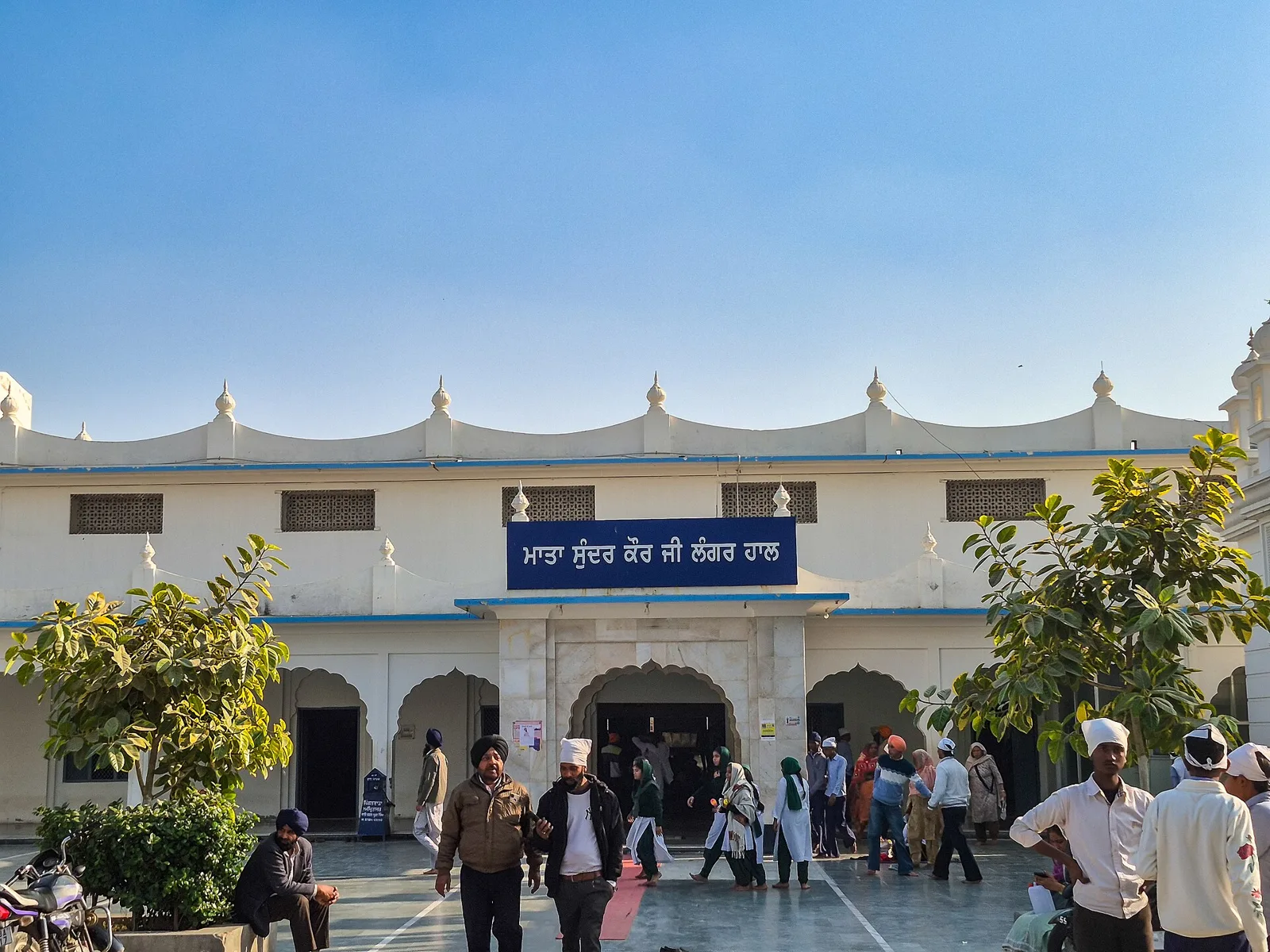
Bhikhi is not widely known as a major sightseeing destination, and it has no broadly established signature craft, GI-tagged product or landmark attraction. Visitors are more likely to come for family and community connections, local business or a glimpse of everyday life in rural Punjab. Its appeal lies in the contrast between the working bazaar and the open agricultural landscape around it. For a wider range of services and attractions, travellers can continue to Mansa or other towns in the region. Punjabi language, seasonal celebrations and familiar regional food are part of the town’s everyday character, rather than a distinct tourist offering.
Famous for: crafts, trade & products

Bhikhi is best understood as a local market town, not as a recognised centre for a particular textile, handicraft or manufactured product. The wider Mansa district has an agricultural economy, and Bhikhi’s shops and bazaar serve residents and nearby villages with everyday provisions, clothing, household goods and supplies used by farming families.

For a visitor, the most practical place to browse is the central bazaar and its surrounding commercial streets. These are suited to observing ordinary shopping and picking up daily necessities, rather than searching for specialist souvenirs or a dedicated craft market. Local shops may stock regional snacks and familiar Punjabi goods, but availability varies and should not be confused with a formally recognised local speciality. Those looking for a broader choice of branded goods or specialist markets can explore Mansa. Bhikhi’s principal distinction is its role in the local economy and community life, rather than a product industry or tourist-shopping scene.

History

Bhikhi’s development is best viewed in the context of the agrarian settlements and market towns of the Malwa region. Its position as a municipal town reflects the growth of local administration and the need for services and trade for surrounding villages. A precise founding date, or a well-established account linking the town to a particular ruler or royal centre, is not generally associated with Bhikhi.

The wider region passed through changing political arrangements, including Sikh rule and British colonial administration, followed by the reorganisation of Punjab after independence. These broader transitions shaped administration and transport across the area, though they should not be mistaken for a documented town-specific event. In modern administrative history, Mansa became a separate district in 1992, placing Bhikhi within the district’s present framework. Its subsequent identity has remained that of a local service and market centre, rather than a major industrial or historic capital. Farming in the surrounding countryside continues to influence the town’s daily economy and pattern of growth.

Food, festivals & culture

Punjabi is the main language of everyday life in Bhikhi; Hindi is also understood in many ordinary exchanges. Food follows the broader habits of Punjab’s Malwa region rather than a widely recognised Bhikhi-specific cuisine. Meals commonly draw on wheat-based breads, lentils, seasonal vegetables and dairy, while sweets and savoury snacks are part of family visits and festive gatherings. Local shops and eateries are the most straightforward places to try everyday fare, though particular dishes and availability vary.

Baisakhi in spring, Lohri in midwinter, and Diwali in autumn are among the festivals observed across the region. Sikh religious occasions, including Gurpurab, are also marked by local communities. Celebrations may bring devotional singing, Punjabi folk music and social gatherings; bhangra and giddha are familiar regional dance traditions, especially at festive events. Sikh gurdwaras and Hindu temples serve as places of worship and community life, though visitors should ask locally about specific venues and observances. Customs are community-based, and dates for religious events may shift from year to year.

Visiting the city

Spring and autumn are generally comfortable seasons for visiting Bhikhi. Summers can be very hot, while winter mornings and evenings may be cold; monsoon weather can affect road journeys. Bathinda Airport is a nearby airport option, but scheduled services may be limited, so check current connections before planning around it. Chandigarh International Airport is a larger alternative farther away. Mansa railway station is the nearest practical main rail connection for most visitors; confirm onward road transport locally.

Within Bhikhi, the central bazaar and surrounding streets are easiest to explore on foot. Local road transport and taxis can help with longer trips, while a hired vehicle is useful for visiting nearby villages. Bhikhi is best treated as a short local stop or a base for regional connections rather than a town with distinct tourist neighbourhoods. Mansa offers a wider range of services nearby.

Trips from the city

Nearest places to visit from Bhikhi

Our closest destination guides, by straight-line distance.

Takht Sri Damdama Sahib

45 km away · Bathinda district

Takht Sri Damdama Sahib

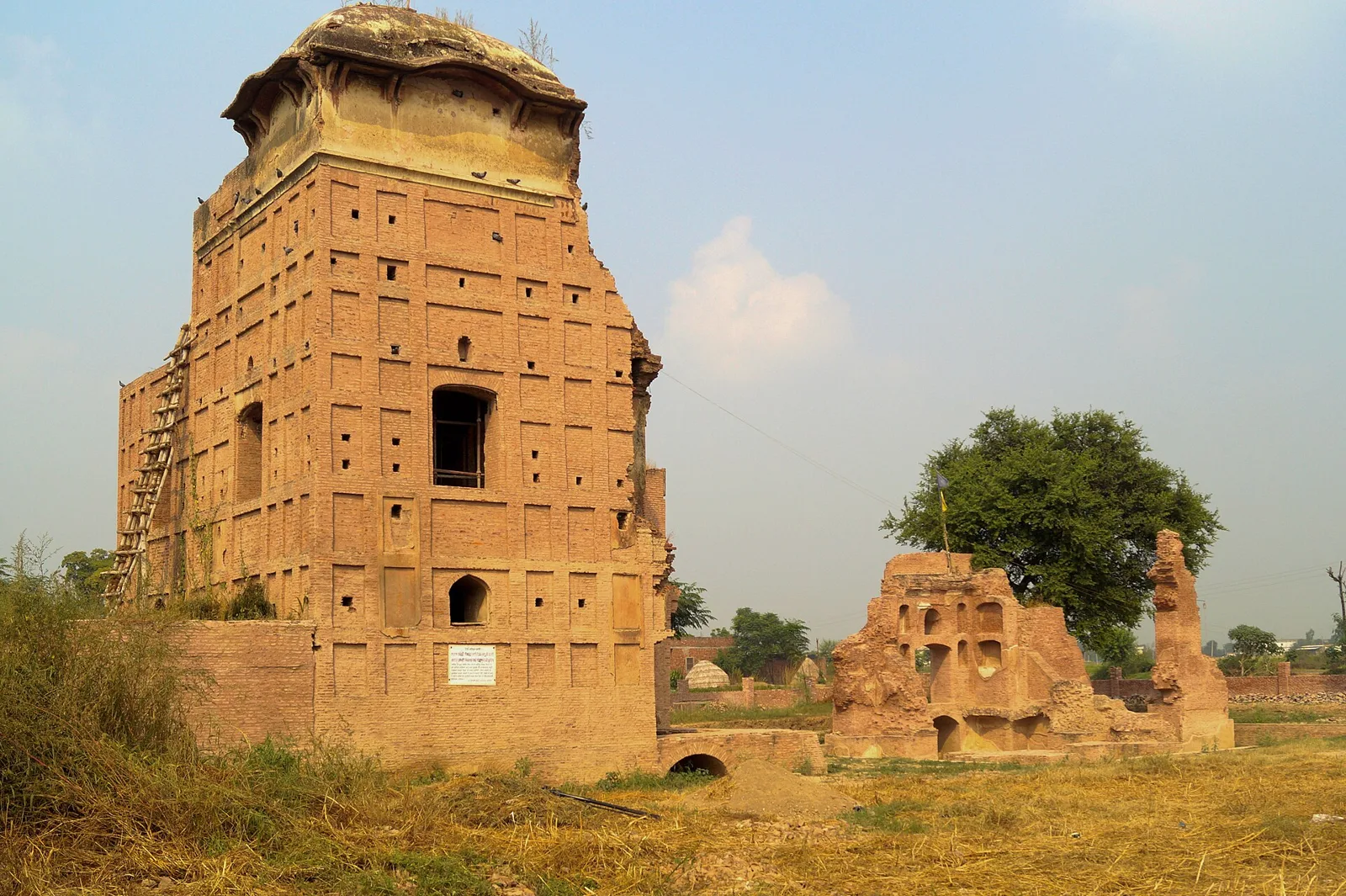
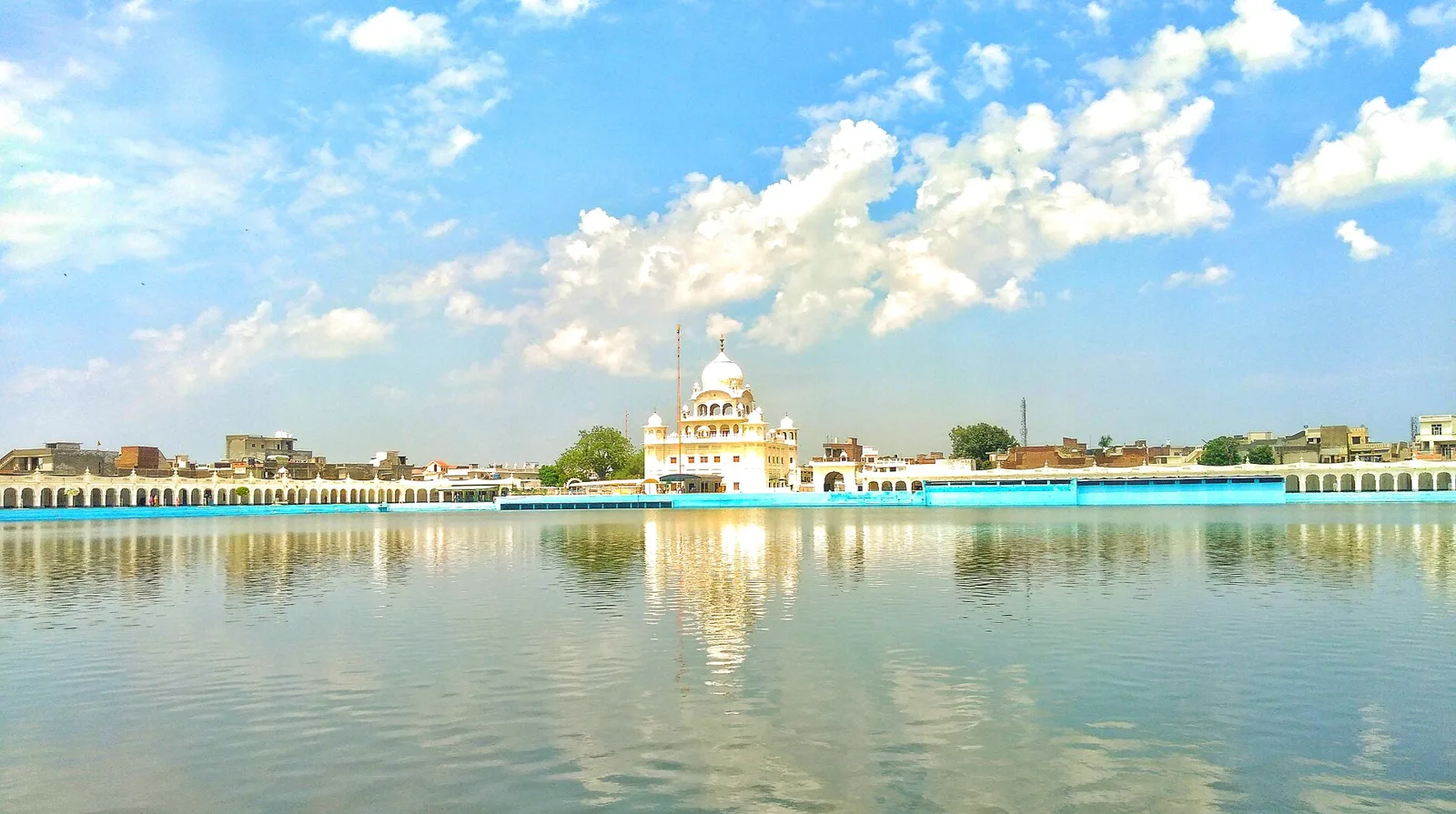
Takht Sri Damdama Sahib is a Sikh centre of temporal authority in Talwandi Sabo, visited for its connection with Guru Gobind Singh’s preparation of Sri Guru Granth Sahib.

Bathinda

59 km away · Bathinda district

Bathinda

Bathinda is a city in Punjab’s Malwa region and the administrative centre of its district. Visitors can explore the historic Qila Mubarak fort, and the city also has a zoo and major educational institutions.

Qila Mubarak

60 km away · Bathinda district

Qila Mubarak

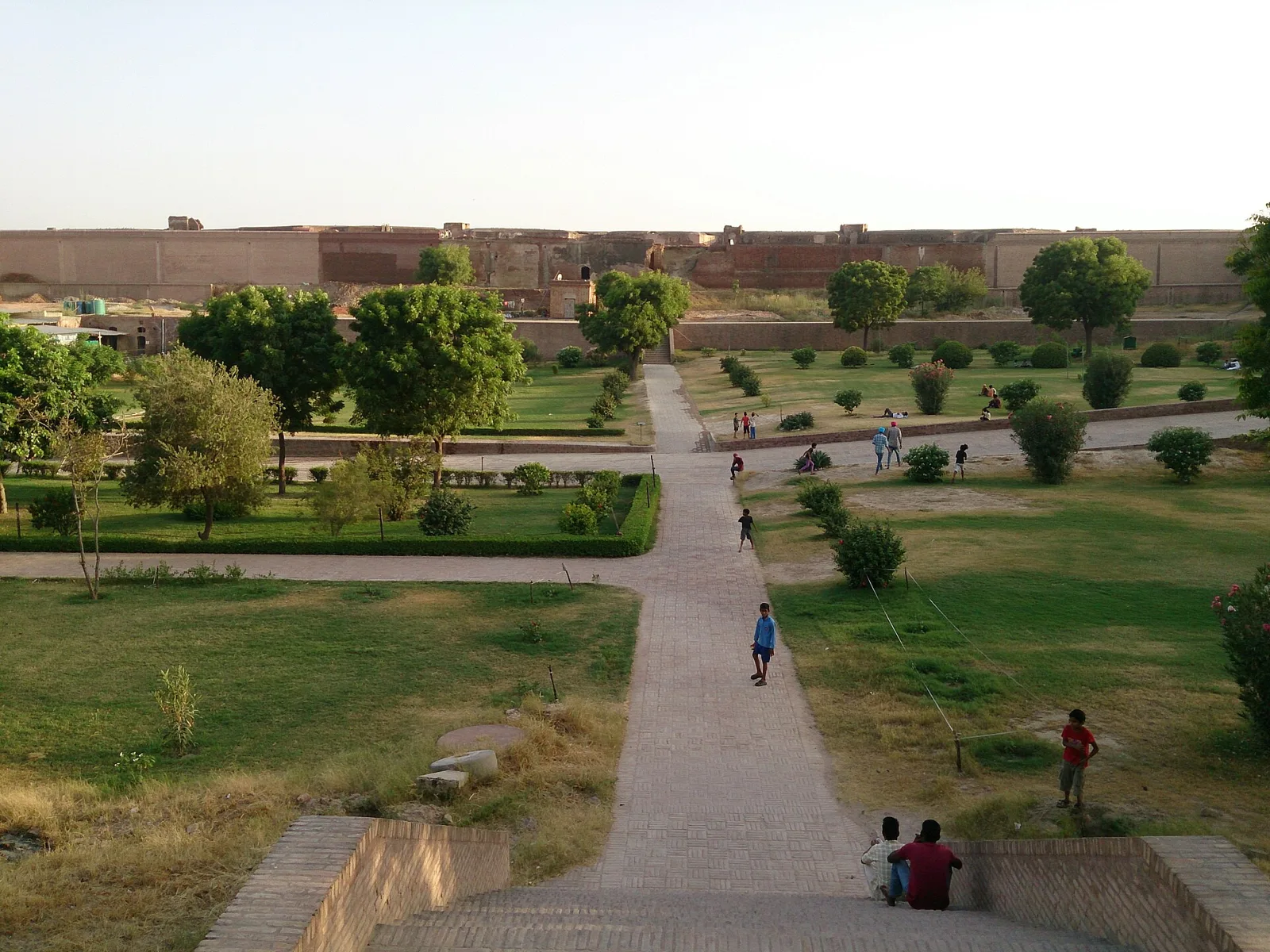
Qila Mubarak is a historic fortress in Bathinda, known for its long past and its association with Razia Sultan. Visitors can see its lawns and gurdwaras, while much of the fort is closed to the public.

Patiala

89 km away · Patiala district

Patiala

Patiala is a city in southeastern Punjab and the administrative centre of its district. People visit for its royal history, Qila Mubarak and distinctive clothing, footwear and cultural traditions.

Ludhiana

99 km away · Ludhiana district

Ludhiana

Ludhiana is Punjab’s most populous city and a major manufacturing and trading centre in northern India; visitors come for its industrial and commercial activity.

Aam Khas Bagh

105 km away · Fatehgarh Sahib district

Aam Khas Bagh

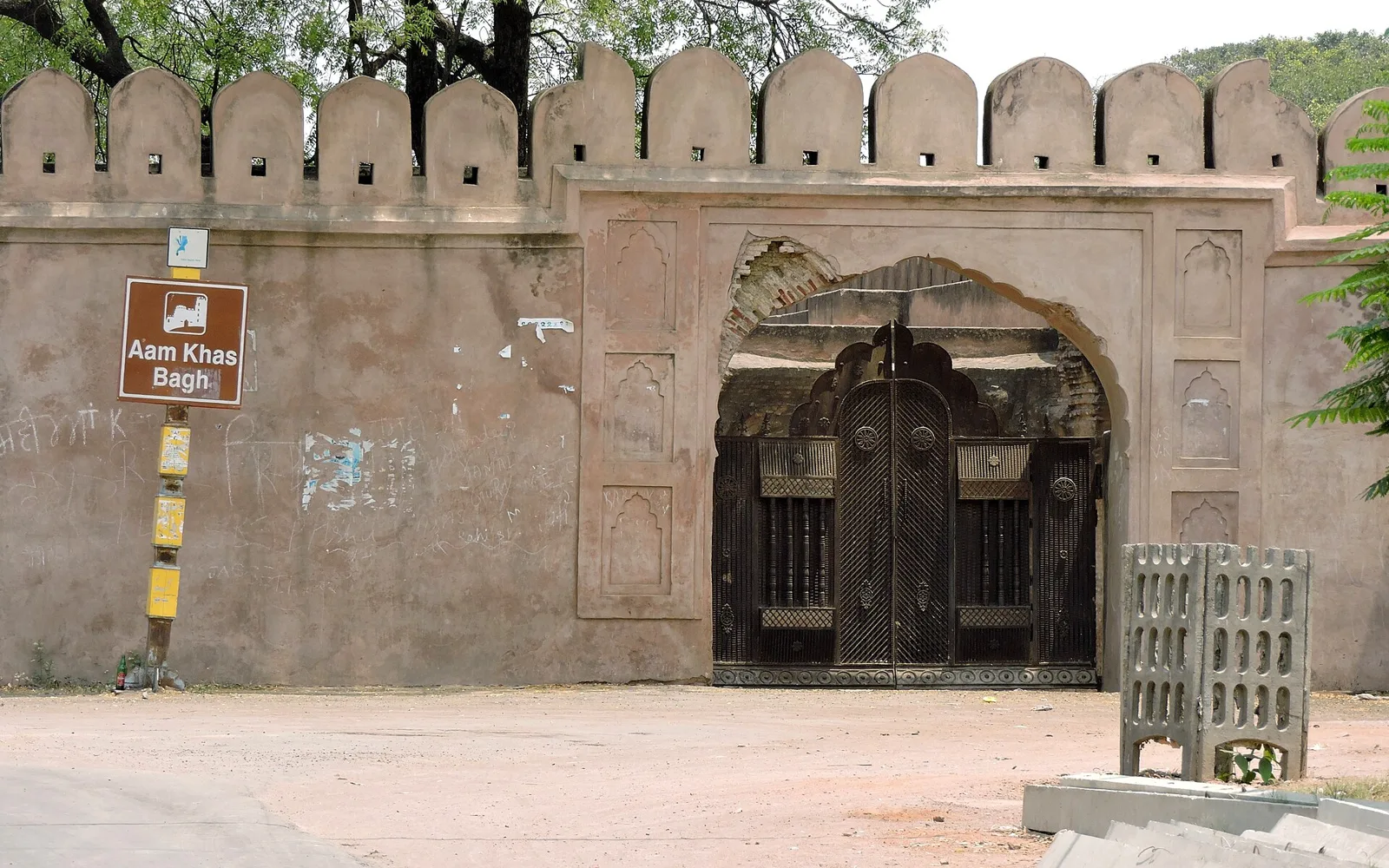
Aam Khas Bagh is a surviving Mughal-era roadside inn complex in Punjab’s Fatehgarh Sahib district, visited for its history as accommodation on the Delhi–Lahore route.

Fatehgarh Sahib

105 km away · Fatehgarh Sahib district

Fatehgarh Sahib

Fatehgarh Sahib is a city in Punjab and a Sikh pilgrimage centre, visited for its historic gurdwaras and its connection with the martyrdom of Guru Gobind Singh’s young sons.

Sri Muktsar Sahib

108 km away · Sri Muktsar Sahib district

Sri Muktsar Sahib

Sri Muktsar Sahib, a city in Punjab, draws interest for its Sikh history and connection to the 1705 Battle of Muktsar; it also serves as a district centre.

Map

Bhikhi on the map

  1. 1Takht Sri Damdama Sahib
  2. 2Bathinda
  3. 3Qila Mubarak
  4. 4Patiala
  5. 5Ludhiana
  6. 6Aam Khas Bagh
  7. 7Fatehgarh Sahib
  8. 8Sri Muktsar Sahib

Punjab

Other cities to explore