
Ghumoopedia — Explore, Discover, Experience
Sign in
Fateh Burj, near Mohali

City guide · Punjab

Mohali

Mohali, officially Sahibzada Ajit Singh Nagar, is a planned city in Punjab and the administrative headquarters of its district. It lies beside Chandigarh and, with Chandigarh and Panchkula, forms the urban region known as the Tricity.

Famous for

  • Chandigarh satellite city
  • Punjab IT hub
  • Punjab Cricket Association stadium
  • Gurudwara Amb Sahib
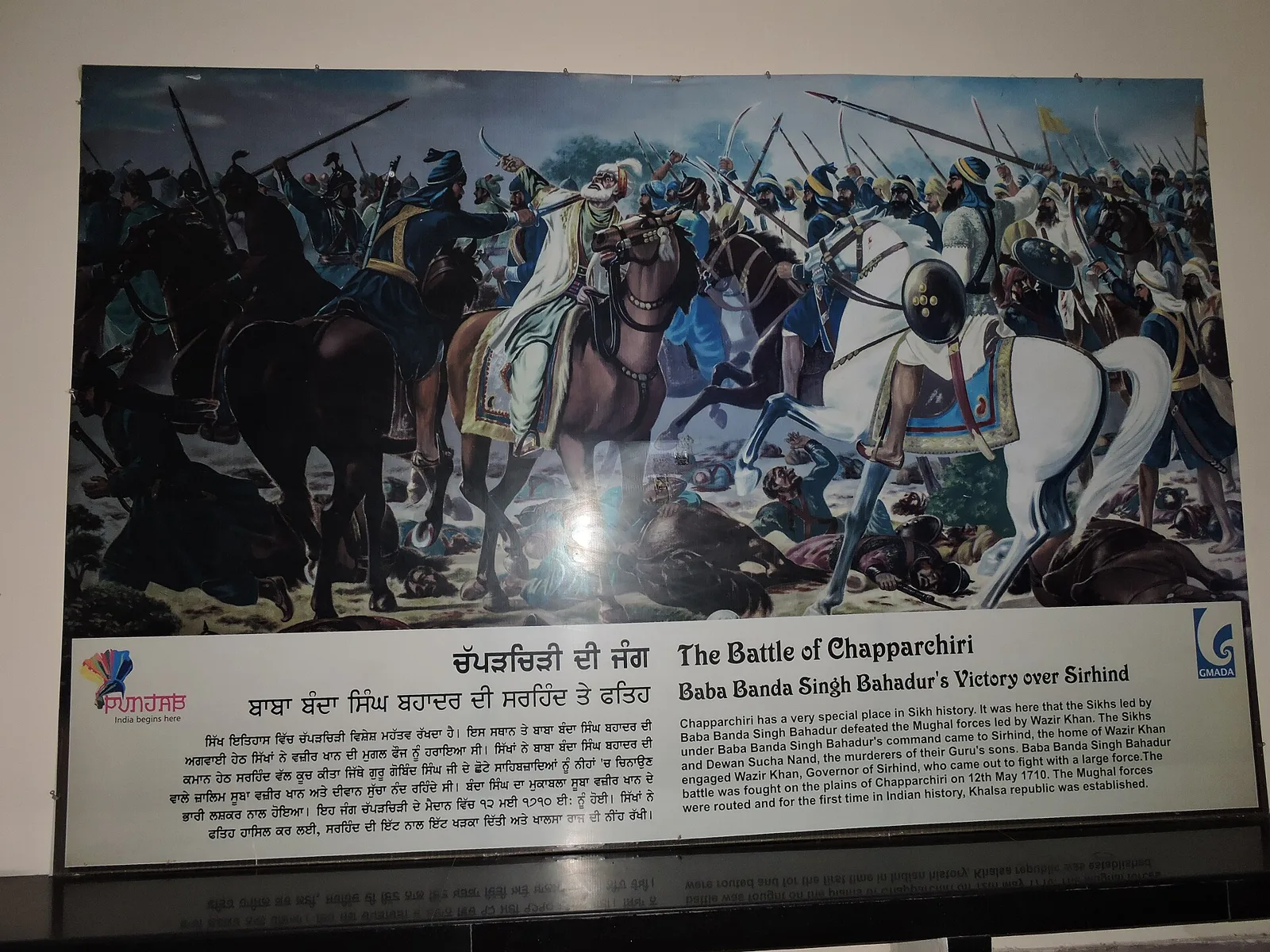
  • Fateh Burj at Chappar Chiri
  • NIPER and research campuses
In the city
1
District
Mohali

Why Mohali matters

Mohali, officially Sahibzada Ajit Singh Nagar, is a planned city in Punjab and the administrative headquarters of its district. It lies beside Chandigarh and, with Chandigarh and Panchkula, forms the urban region known as the Tricity. Mohali’s position makes it an important commercial and residential centre, as well as a base for travel across the region. Its growth in information technology and related industries has brought offices, education and research campuses, and new residential districts to the city.

Visitors come for cricket at the Punjab Cricket Association stadium, Punjabi food and shopping, and places of Sikh heritage such as Gurudwara Amb Sahib. Nearby Chappar Chiri is associated with the historic Sikh victory memorial, Fateh Burj. Mohali is also a convenient starting point for exploring Chandigarh’s gardens, museums and planned sectors. Its appeal lies less in a traditional old-city centre than in its modern institutions, Punjabi culture and close links with the wider capital region.

Famous for: crafts, trade & products

Mohali is better known for technology, education and sport than for a signature textile or handicraft industry. Its IT businesses and offices form a major part of the city’s modern economy, with GMADA’s IT City development among the newer planned employment areas. Research and professional education are represented by institutions including the National Institute of Pharmaceutical Education and Research, IISER Mohali and the Indian School of Business. The Punjab Cricket Association stadium is a prominent sporting venue and a familiar landmark for cricket followers.

The city is not especially associated with a distinct GI-tagged product or traditional craft. Shoppers can find Punjabi clothing, phulkari embroidery, footwear and handicrafts in general retail stores, but these are regional goods rather than products unique to Mohali. Phase 3B2 is a well-known area for everyday shopping and food, while commercial strips and malls along major roads offer national brands, restaurants and services. Airport Road and the newer Aerocity and IT City districts reflect the city’s expanding business and retail landscape. For a more traditional craft selection, visitors may need to look beyond Mohali to specialist retailers elsewhere in Punjab.

History

The settlement of Mohali grew from a village in the Malwa region of Punjab. Local tradition and historical accounts connect the surrounding area with Sikh history: Guru Har Rai is said to have visited Lambian, and a battle between British forces and Sikh fighters under Akali Hanuman Singh took place nearby. The colonial period and the Partition of 1947 reshaped the region. After Lahore became part of Pakistan, Chandigarh was developed as the capital of Indian Punjab.

Mohali was planned as a neighbouring extension to Chandigarh after Chandigarh became a Union Territory. Development began around the village in the late 1960s, first with an industrial estate and then with residential sectors laid out on a planned grid. Punjab Chief Minister Giani Zail Singh laid the township’s foundation stone in 1975, giving it the name Sahibzada Ajit Singh Nagar. The city expanded in phases, with later growth reaching surrounding villages. Mohali became part of a separate district in 2006 and has since developed as an administrative, commercial and technology centre.

Food, festivals & culture

Mohali shares the food traditions of Punjab. Restaurant menus and family kitchens commonly feature makki di roti with sarson da saag, tandoori dishes, chole, parathas and lassi. Sweets such as pinni, jalebi and gajar halwa are enjoyed at celebrations and in local sweet shops. The city’s food scene also includes cafes and restaurants shaped by its growing student, business and residential communities.

Punjabi is the main language of local life, while Hindi and English are widely used. Bhangra and giddha are familiar parts of celebrations, alongside Punjabi folk music and contemporary performances. Lohri is celebrated in winter, Vaisakhi in spring, and Gurpurabs according to the Sikh calendar; Diwali is also widely observed. Gurudwara Amb Sahib is an important place of worship and a site of Sikh heritage. The wider area has gurdwaras, temples and other places of worship serving its diverse neighbourhoods.

Visiting the city

October to March is generally the most comfortable time to visit, with cooler weather than the hot summer months. The nearest airport is Shaheed Bhagat Singh International Airport, serving the Chandigarh region. Sahibzada Ajit Singh Nagar railway station is in Mohali; Chandigarh railway station is another major option nearby. Taxis, app-based cabs, auto-rickshaws and local buses are useful for getting around, though distances between newer districts can be considerable.

Phase 3B2 is a convenient area for shops and restaurants. Visitors interested in cricket can head to the Punjab Cricket Association stadium, while Gurudwara Amb Sahib offers a quieter heritage visit. Chappar Chiri, with its Fateh Burj memorial, is another worthwhile nearby excursion. Aerocity and the IT City districts show the newer side of Mohali; Chandigarh’s central sectors and gardens are also easy to include in a regional visit.

Attractions

Places to visit in Mohali

Sights within about 12 km of each other, even when they fall in different districts.

Map

Mohali on the map

  1. 1Fateh Burj

Punjab

Other cities to explore