Ghumoopedia — Explore, Discover, Experience
Sign in
Patiala, near Bhawanigarh

City guide · Punjab

Bhawanigarh

Bhawanigarh is a small town in Sangrur district, set on the Patiala–Sangrur road about 19 kilometres east of Sangrur. It serves as the headquarters of Bhawanigarh tehsil and as a local service and trading centre for nearby villages.

Famous for

  • Bhawani Mata temple
  • Ala Singh’s 18th-century fort
  • Formerly known as Dhode
  • Bhawanigarh tehsil headquarters
  • Patiala–Sangrur road

Why Bhawanigarh matters

Bhawanigarh is a small town in Sangrur district, set on the Patiala–Sangrur road about 19 kilometres east of Sangrur. It serves as the headquarters of Bhawanigarh tehsil and as a local service and trading centre for nearby villages. The surrounding sub-division includes 66 villages, giving the town an important everyday role in the region’s administration and commerce.

Visitors interested in local history can look for the town’s links to the Patiala princely state and its former name, Dhode. Bhawanigarh is also associated with a temple to Bhawani Mata, from whom its present name is said to derive, and with a fort built here by Ala Singh in the eighteenth century. It is best approached as a lived-in Punjabi town rather than a large sightseeing destination: a visit offers a glimpse of district-town life, local worship and the agricultural hinterland. Sangrur lies to the west and Patiala to the east, making Bhawanigarh a convenient stop on journeys between them.
Famous for: crafts, trade & products

Bhawanigarh is not widely identified with a particular textile, handicraft, GI-tagged product or specialist manufacturing industry. Its local economy is more closely tied to serving the surrounding villages, with everyday commerce, agricultural activity and public services shaping the town. Visitors should not expect a dedicated craft quarter or a nationally known product market.

For a sense of local trade, explore the town’s central bazaar and shops along its main roads. These are places for ordinary household goods, clothing, snacks and daily needs; availability varies between businesses. The town also functions as an administrative centre, with municipal and tehsil services serving residents of Bhawanigarh and nearby villages. Bhawani Mata temple is a local point of religious interest, rather than a place to shop for crafts. For a wider choice of specialist goods or larger markets, visitors can look to Sangrur or Patiala. Buying locally is most useful for everyday Punjabi products and provisions, not for a distinctive Bhawanigarh-made souvenir.

History

Bhawanigarh was formerly known as Dhode, a name associated with the Dhodan Jat clan. It was part of the Karamgarh nizamat of the Patiala princely state. The town’s present name is linked to Bhawani Mata, whose temple is located here.

In 1749, Ala Singh, ruler of Patiala, built a fort at Bhawanigarh. The construction was opposed by Farid Khan, a Rajput chief, but Ala Singh prevailed. The town later figured in regional power struggles: in 1799, George Thomas took possession of Bhawanigarh and other places after breaking an agreement with the Phulkian states. In 1834, chiefs of Patiala, Nabha, Jind and Kaithal signed an agreement here. Bhawanigarh served as Karamgarh’s headquarters until 1919, when the headquarters moved to Sunam.

The town became a municipal committee in 1945. In 2016, its civic status was upgraded to a Class-II municipal council, and Bhawanigarh was made a tehsil headquarters, strengthening its modern administrative role within Sangrur district.

Food, festivals & culture

Everyday food in Bhawanigarh reflects the wider Punjabi tradition: expect wheat-based staples such as roti and paratha, lentils, seasonal vegetables and dairy dishes. Sweets and savoury snacks are commonly found in local shops, though the town is not especially known for a signature dish. Punjabi is the principal language of daily life; Hindi is also understood by many residents.

The cultural calendar follows festivals celebrated across Punjab and northern India. Lohri, in midwinter, brings bonfires, music and seasonal gatherings; Vaisakhi, in spring, is associated with the harvest and community celebrations. Diwali and Gurpurabs are also observed, with dates varying by year. Folk music, dhol rhythms, bhangra and giddha are part of the region’s wider cultural heritage and feature at celebrations and family events.

Bhawani Mata temple is a notable local place of worship. Gurdwaras also serve the town’s Sikh community. Visitors should dress respectfully at religious sites and follow local customs.

Visiting the city

October to March is generally the most comfortable time to visit, with milder weather than the hot summer months. Bhawanigarh is on the Patiala–Sangrur road and can be reached by road from both cities. The nearest major airport is Chandigarh International Airport. Sangrur Railway Station is the main nearby rail connection; onward travel to Bhawanigarh is by road. Check current transport connections before setting out.

Within town, auto-rickshaws and local taxis are practical options, while the bazaar and central streets can be explored on foot. Spend time around the central market and Bhawani Mata temple, and allow for a short visit to the town’s historic sites. Bhawanigarh is compact, so most visitors use it as a brief stop or a base for nearby villages rather than as a long-stay destination.

Trips from the city

Nearest places to visit from Bhawanigarh

Our closest destination guides, by straight-line distance.

Patiala

36 km away · Patiala district

Patiala

Patiala is a city in southeastern Punjab and the administrative centre of its district. People visit for its royal history, Qila Mubarak and distinctive clothing, footwear and cultural traditions.

Aam Khas Bagh

54 km away · Fatehgarh Sahib district

Aam Khas Bagh

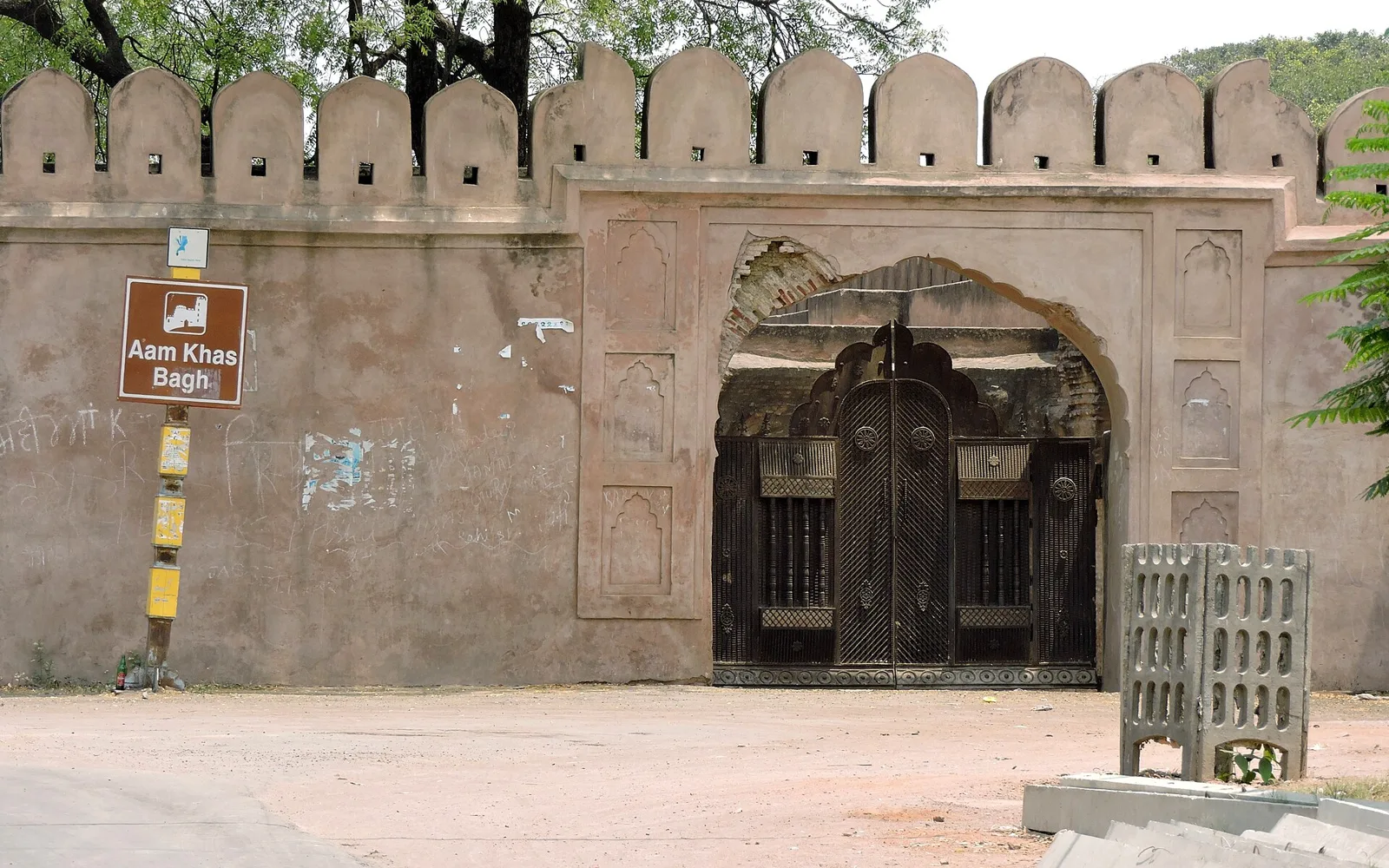
Aam Khas Bagh is a surviving Mughal-era roadside inn complex in Punjab’s Fatehgarh Sahib district, visited for its history as accommodation on the Delhi–Lahore route.

Fatehgarh Sahib

54 km away · Fatehgarh Sahib district

Fatehgarh Sahib

Fatehgarh Sahib is a city in Punjab and a Sikh pilgrimage centre, visited for its historic gurdwaras and its connection with the martyrdom of Guru Gobind Singh’s young sons.

Sanghol

67 km away · Fatehgarh Sahib district

Sanghol

Sanghol, also called Uchha Pind Sanghol, is a village in Punjab’s Fatehgarh Sahib district with roots in the Harappan civilisation. Visitors come to see its excavated Buddhist and Kushan remains and the museum collections.

Ludhiana

74 km away · Ludhiana district

Ludhiana

Ludhiana is Punjab’s most populous city and a major manufacturing and trading centre in northern India; visitors come for its industrial and commercial activity.

Fateh Burj

77 km away · Mohali district

Fateh Burj

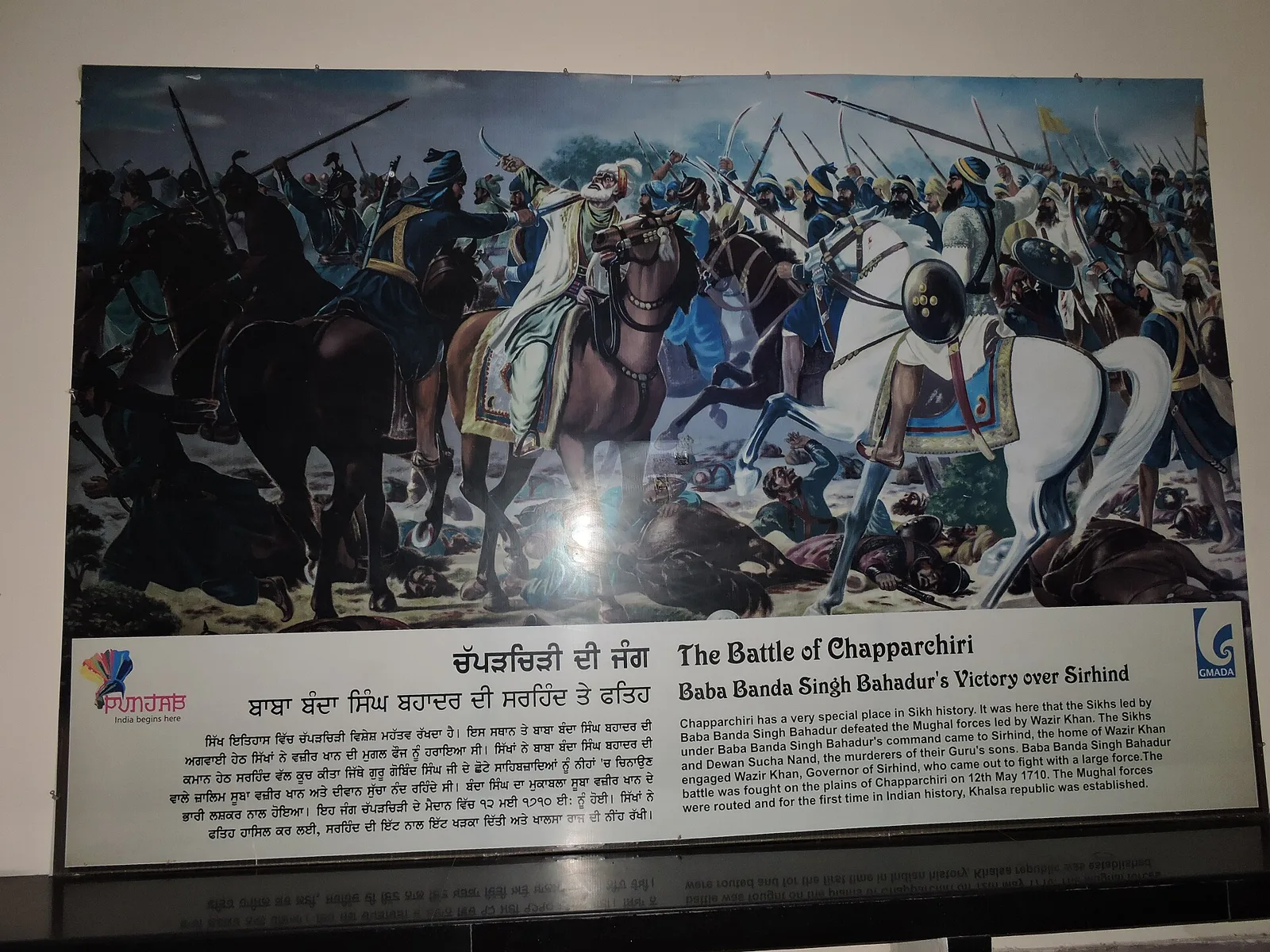
Fateh Burj is a 100-metre victory monument at Chappar Chiri in Punjab’s Mohali district. People visit to see a tower commemorating the Sikh Misls and Banda Singh Bahadur’s decisive battle.

Phillaur Fort

86 km away · Ludhiana district

Phillaur Fort

Known also as Maharaja Ranjit Singh Fort, Phillaur Fort is a fort in Punjab that visitors can see on the Grand Trunk Road at Phillaur.

Ropar Wetland

95 km away · Rupnagar district

Ropar Wetland

Ropar Wetland, in Punjab’s Rupnagar district, is a freshwater habitat formed by a river and lake. Visitors have come for birdwatching and boating, while its wildlife and Ramsar status are also notable.

Map

Bhawanigarh on the map

  1. 1Patiala
  2. 2Aam Khas Bagh
  3. 3Fatehgarh Sahib
  4. 4Sanghol
  5. 5Ludhiana
  6. 6Fateh Burj
  7. 7Phillaur Fort
  8. 8Ropar Wetland

Punjab

Other cities to explore