Ghumoopedia — Explore, Discover, Experience
Sign in

City guide · Punjab

Bareta

Bareta is a small municipal town in the southern part of Punjab’s Mansa district. It serves nearby villages with everyday shops, services and connections to larger centres in the region.

Famous for

  • Chauhan Rajput heritage
  • Bareta railway station
  • Aggarwal Dharamshala
  • Nand Singh’s wartime legacy
  • Mansa district market town

Why Bareta matters

Bareta is a small municipal town in the southern part of Punjab’s Mansa district. It serves nearby villages with everyday shops, services and connections to larger centres in the region. Its position on the Delhi–Firozpur railway route via Bathinda gives it a useful link for local travel and trade, while roads connect it with places such as Budhlada and Bathinda.

Bareta’s appeal lies more in its local character than in major tourist attractions. The old village and the developing town sit alongside the agricultural landscape of rural Punjab, and local tradition connects the area with Chauhan Rajput settlers. The old Aggarwal Dharamshala is among the town’s notable historic buildings. Bareta is also associated with Nand Singh, a soldier who served in the Second World War. Visitors passing through can get a sense of a small Punjabi market town and its surrounding communities; those seeking major monuments or specialist tourist facilities will find more options in larger nearby cities.
Famous for: crafts, trade & products

Bareta is not widely known for a distinctive textile, handicraft, food product or GI-tagged good. Its role is chiefly that of a small service and trading centre for the surrounding countryside. The town’s shops and general market cater to everyday needs, while local commerce is connected to the agricultural villages nearby. Visitors looking for a particular craft or regional speciality should not expect a dedicated artisan quarter or a recognised shopping district.

The old Aggarwal Dharamshala is a local landmark rather than a retail destination. Bareta’s residential development includes areas such as Mulazam Colony, Aggarwal Colony and Astha Colony; these are neighbourhoods, not visitor markets. Schools, health services and municipal facilities reflect the town’s role as a local centre. For a broader range of specialist goods, visitors can look to larger regional towns. In Bareta, the most representative way to explore local commerce is to walk through the central market area and observe the everyday shops serving residents and nearby villages.

History

Local accounts trace Bareta’s origins to Chauhan Rajputs who are believed to have settled here around six centuries ago, arriving from the Ganganagar region of present-day Rajasthan. Tradition links the town’s name to a warrior remembered as Bad-beta, said to have established a local territory. Descendants are also associated with the nearby settlements of Dyalpura, Bahadarpur and Kulrian. Over generations, families in these communities adopted Sikhism.

Bareta developed from an older village into a small town, with the railway connection and local roads helping link it to the wider region. An old Aggarwal Dharamshala remains a reminder of its earlier built environment. The town is now administered as a municipal council within Mansa district and continues to grow through residential development and local services. Although modest in infrastructure, Bareta has residents who have pursued higher education and careers in fields including health, engineering and public administration.

Food, festivals & culture

Punjabi is the main language of daily life in Bareta, and Hindi is also understood. The town shares the food traditions of the wider Punjab region: home-style meals commonly include roti, dal, seasonal vegetables and dairy, while sweets are enjoyed at family gatherings and festivals. These are regional favourites rather than specialities unique to Bareta.

The annual calendar reflects both Sikh and Hindu traditions. Vaisakhi in spring is an important harvest-season celebration, while Gurpurabs are observed by Sikh communities. Lohri brings winter gatherings, and Diwali is marked in autumn. Bhangra and giddha are familiar forms of Punjabi music and dance at celebrations, alongside devotional singing at places of worship. Bareta’s religious life is centred on local gurdwaras and temples, which serve residents and nearby villages; visitors should follow customary practices and dress respectfully when entering.

Visiting the city

The cooler months, roughly October to March, are generally the most comfortable time to visit; summers can be very hot. Bareta railway station is the town’s main rail stop on the Delhi–Firozpur route via Bathinda. Bathinda Airport is the closest named airport, though flight availability may be limited; Chandigarh International Airport is a larger alternative farther away.

Auto-rickshaws, local buses and taxis are practical ways to get around, with walking useful in the central area. Explore the old village and main market for a feel of everyday town life, and look for the Aggarwal Dharamshala as a local historic landmark. Mulazam Colony, Aggarwal Colony and the Dyalpura Road area show the town’s newer residential growth. Bareta is a compact base for visiting nearby rural communities rather than a destination with a concentrated tourist district.

Trips from the city

Nearest places to visit from Bareta

Our closest destination guides, by straight-line distance.

Takht Sri Damdama Sahib

61 km away · Bathinda district

Takht Sri Damdama Sahib

Takht Sri Damdama Sahib is a Sikh centre of temporal authority in Talwandi Sabo, visited for its connection with Guru Gobind Singh’s preparation of Sri Guru Granth Sahib.

Bathinda

82 km away · Bathinda district

Bathinda

Bathinda is a city in Punjab’s Malwa region and the administrative centre of its district. Visitors can explore the historic Qila Mubarak fort, and the city also has a zoo and major educational institutions.

Qila Mubarak

82 km away · Bathinda district

Qila Mubarak

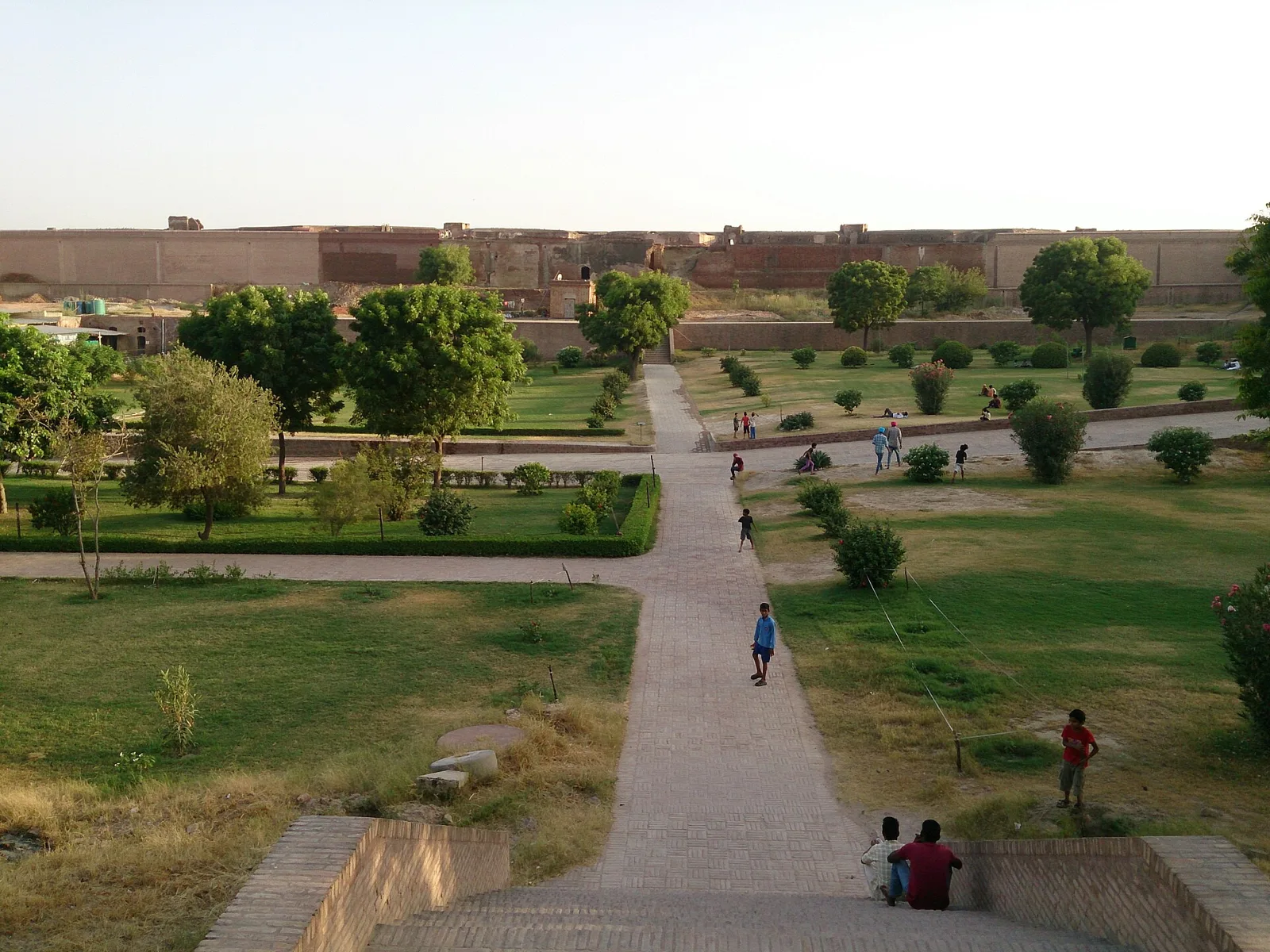
Qila Mubarak is a historic fortress in Bathinda, known for its long past and its association with Razia Sultan. Visitors can see its lawns and gurdwaras, while much of the fort is closed to the public.

Patiala

86 km away · Patiala district

Patiala

Patiala is a city in southeastern Punjab and the administrative centre of its district. People visit for its royal history, Qila Mubarak and distinctive clothing, footwear and cultural traditions.

Aam Khas Bagh

109 km away · Fatehgarh Sahib district

Aam Khas Bagh

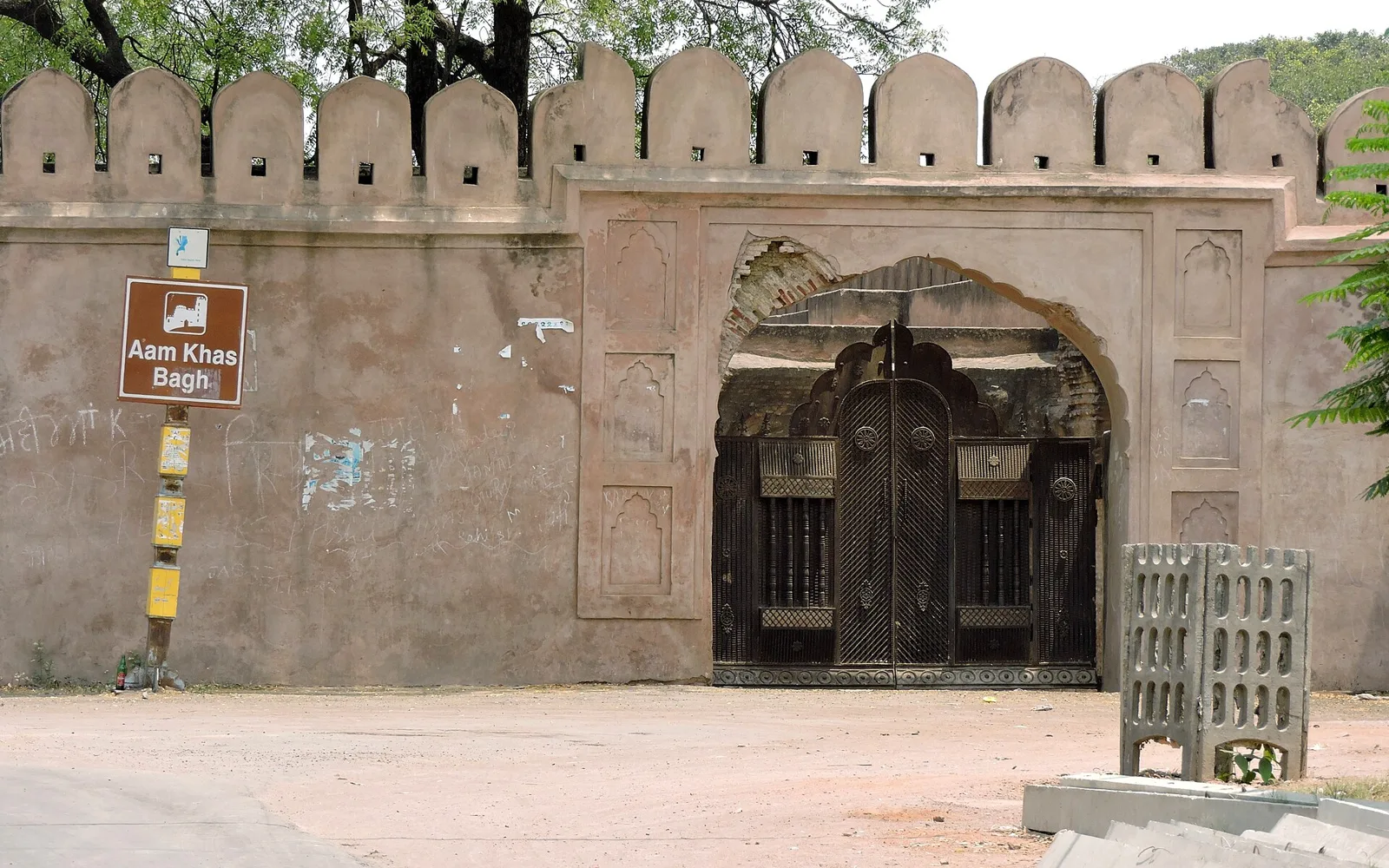
Aam Khas Bagh is a surviving Mughal-era roadside inn complex in Punjab’s Fatehgarh Sahib district, visited for its history as accommodation on the Delhi–Lahore route.

Fatehgarh Sahib

110 km away · Fatehgarh Sahib district

Fatehgarh Sahib

Fatehgarh Sahib is a city in Punjab and a Sikh pilgrimage centre, visited for its historic gurdwaras and its connection with the martyrdom of Guru Gobind Singh’s young sons.

Ludhiana

117 km away · Ludhiana district

Ludhiana

Ludhiana is Punjab’s most populous city and a major manufacturing and trading centre in northern India; visitors come for its industrial and commercial activity.

Sanghol

122 km away · Fatehgarh Sahib district

Sanghol

Sanghol, also called Uchha Pind Sanghol, is a village in Punjab’s Fatehgarh Sahib district with roots in the Harappan civilisation. Visitors come to see its excavated Buddhist and Kushan remains and the museum collections.

Map

Bareta on the map

  1. 1Takht Sri Damdama Sahib
  2. 2Bathinda
  3. 3Qila Mubarak
  4. 4Patiala
  5. 5Aam Khas Bagh
  6. 6Fatehgarh Sahib
  7. 7Ludhiana
  8. 8Sanghol

Punjab

Other cities to explore