Ghumoopedia — Explore, Discover, Experience
Sign in
Aam Khas Bagh, near Amloh

City guide · Punjab

Amloh

Amloh is a small municipal town and administrative centre in Fatehgarh Sahib district, in the agricultural heartland of Punjab. It serves as a tehsil and sub-divisional headquarters, with government offices and a judicial court complex forming part of everyday town life.

Famous for

  • Nabha-era fort
  • Historic Sirhind connection
  • Sub-divisional administration
  • Wheat and paddy farming
  • Nearby sugar industry
  • Mandi Gobindgarh proximity

Why Amloh matters

Amloh is a small municipal town and administrative centre in Fatehgarh Sahib district, in the agricultural heartland of Punjab. It serves as a tehsil and sub-divisional headquarters, with government offices and a judicial court complex forming part of everyday town life. Its location near Mandi Gobindgarh also connects it with one of the region’s important centres of metal-industry trade and employment.

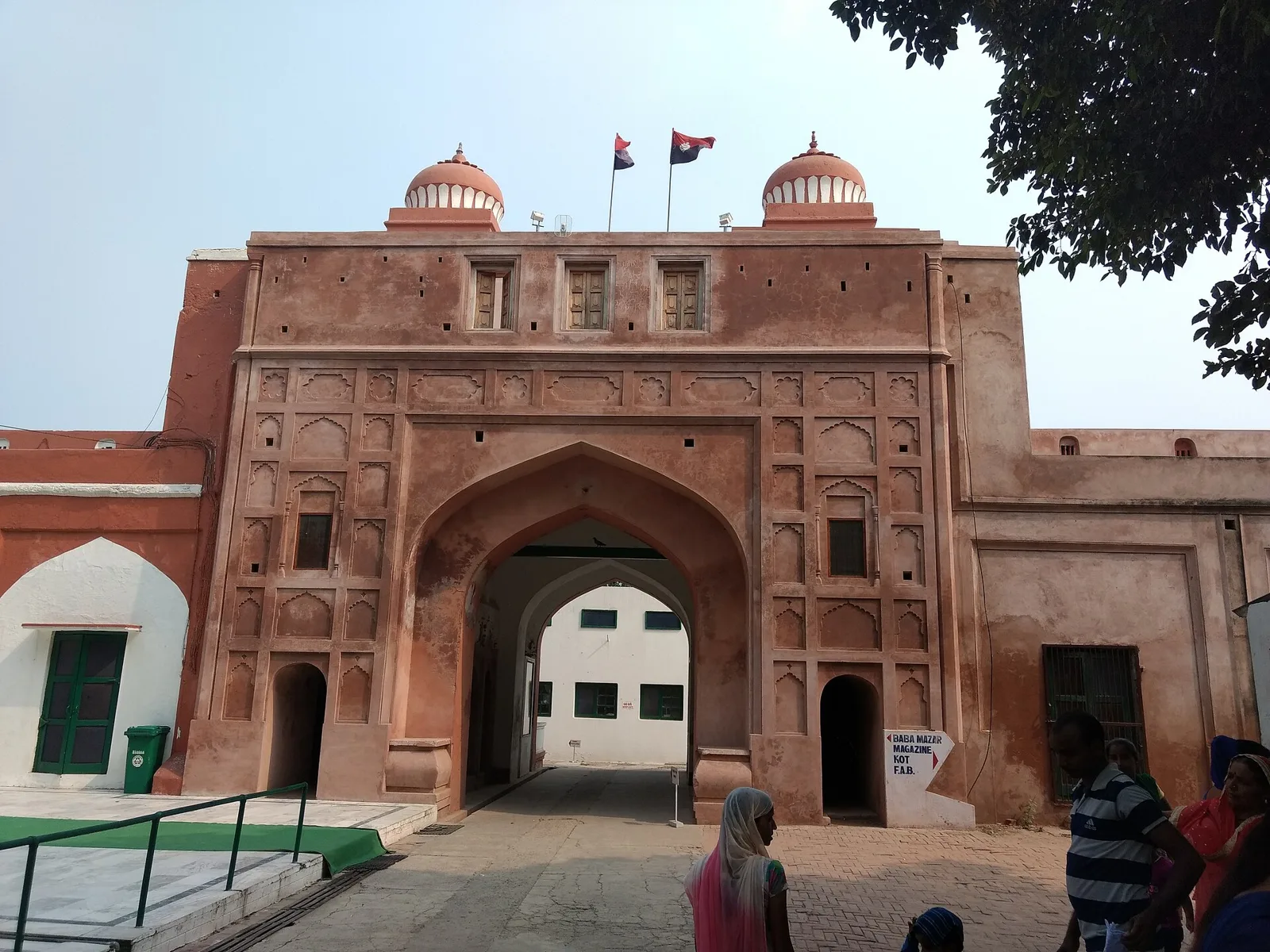
For visitors, Amloh’s main point of interest is its historic fort, associated with the rulers of Nabha State. Parts of the old building now house government offices, while much of the structure is in poor condition; it is best approached as a reminder of the town’s past rather than a restored heritage attraction. The surrounding block is predominantly agricultural, with wheat, paddy, potatoes and sunflower among its crops. A sugar mill at Khumna, near the Khanna–Amloh road, is another feature of the local economy. Amloh is suited to a short stop for its history and regional setting, or as a base for exploring nearby towns and countryside.
Famous for: crafts, trade & products

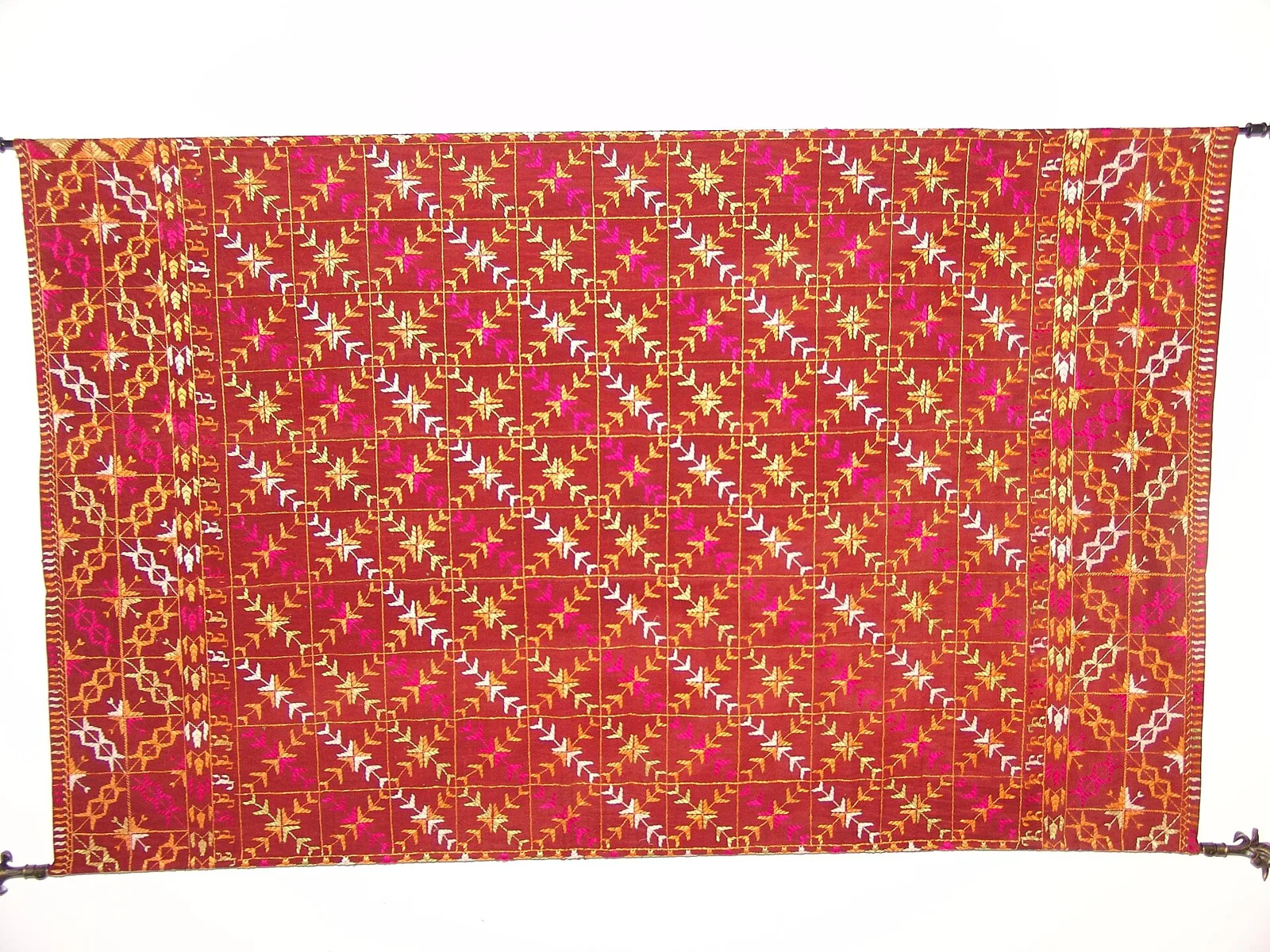
Amloh is better known for its history, administration and farming hinterland than for a distinctive textile, handicraft or GI-tagged product. The old fort is its most recognisable historic landmark, and the town’s tehsil and sub-divisional offices and court complex reflect its continuing role as a local service centre. Visitors interested in the fort should bear in mind that much of it is dilapidated and that government offices occupy part of the building.

The surrounding agricultural area produces paddy, wheat, potatoes and sunflower. A sugar mill at Khumna, near the Khanna–Amloh road, is part of the wider local economy and has influenced cropping in the area. Amloh’s everyday shops and market serve local residents and nearby villages, with ordinary household and farming needs rather than a nationally known speciality market. For a broader view of regional commerce, nearby Mandi Gobindgarh is known for its metal and steel-related trade and industry; it is a separate town, not an Amloh craft quarter. No particular Amloh-made textile or souvenir is widely established as a signature product, so visitors should not expect a dedicated craft-buying district.

History

Amloh was founded by Faiz Baksh, the Governor of Sirhind. After Sirhind fell in 1763, Raja Hamir Singh of Nabha annexed the town, and it was subsequently developed under the rulers of Nabha State. Raja Hira Singh of Nabha commissioned Amloh’s fort. The town later served as a Nizamat, or district-level administrative headquarters, giving it a role beyond that of a market settlement. During the colonial period, its history remained tied to the administration of the princely state of Nabha.

After the formation of Fatehgarh Sahib district in 1992, Amloh became a sub-divisional headquarters. It also functions as a tehsil and block centre for surrounding villages. The fort’s later use changed: some rooms became government offices, while much of the building fell into disrepair. Agriculture has remained central to the surrounding area, though the sugar mill at Khumna has contributed to changes in local cropping. Today, administration, courts, farming and links with nearby Mandi Gobindgarh shape the town’s regional importance.

Food, festivals & culture

Amloh shares the food traditions of central Punjab. Everyday meals commonly draw on wheat breads, lentils, seasonal vegetables and dairy; makki di roti with sarson da saag is especially associated with winter, while lassi and sweets such as jalebi or pinni are familiar across the region. These are regional Punjabi favourites rather than dishes unique to Amloh, and local eateries and sweet shops are the most natural places to encounter them.

Punjabi is the principal language of daily life, and Hindi is also understood. The calendar of celebrations follows wider Punjabi practice: Lohri is marked in midwinter, Vaisakhi in spring, and Sikh Gurpurabs according to the lunar calendar. Bhangra, giddha and dhol-led folk music are part of the region’s celebratory culture. Residents worship at local gurdwaras and temples, which serve as community gathering places as well as places of prayer. Festival observances and performances are community occasions, so visitors should be respectful of worship practices and ask before photographing people or ceremonies.

Visiting the city

October to March is generally the most comfortable period to visit, with cooler weather than the hot summer months; monsoon rain can affect travel in summer. Amloh does not have a major airport or railway station of its own. Chandigarh International Airport is a practical major-airport option, while Khanna railway station and Sirhind Junction are nearby rail gateways; check onward connections before travelling. Taxis or other road transport can be arranged from these hubs, and local journeys are generally made by road.

In town, explore the old fort area and the civic centre around the court and administrative offices. The fort is partly occupied and largely dilapidated, so access to its interior may be limited. The central market offers a glimpse of everyday local commerce. With more time, visit the surrounding agricultural countryside or make a separate trip to nearby Mandi Gobindgarh for its industrial and trading character. Amloh is most rewarding as a short heritage and regional-life stop rather than a destination with a large cluster of visitor attractions.

Trips from the city

Nearest places to visit from Amloh

Our closest destination guides, by straight-line distance.

Aam Khas Bagh

16 km away · Fatehgarh Sahib district

Aam Khas Bagh

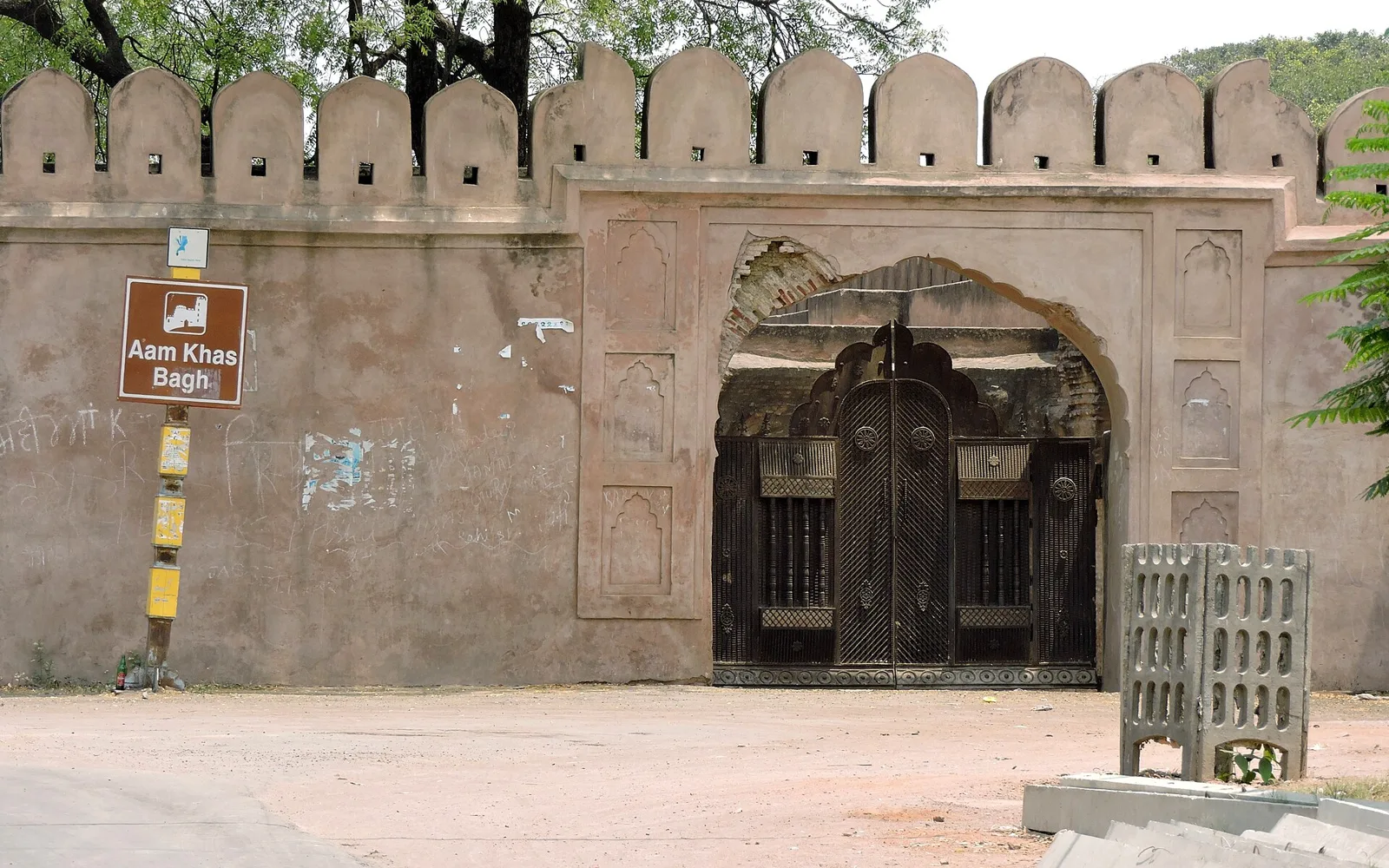
Aam Khas Bagh is a surviving Mughal-era roadside inn complex in Punjab’s Fatehgarh Sahib district, visited for its history as accommodation on the Delhi–Lahore route.

Fatehgarh Sahib

16 km away · Fatehgarh Sahib district

Fatehgarh Sahib

Fatehgarh Sahib is a city in Punjab and a Sikh pilgrimage centre, visited for its historic gurdwaras and its connection with the martyrdom of Guru Gobind Singh’s young sons.

Sanghol

25 km away · Fatehgarh Sahib district

Sanghol

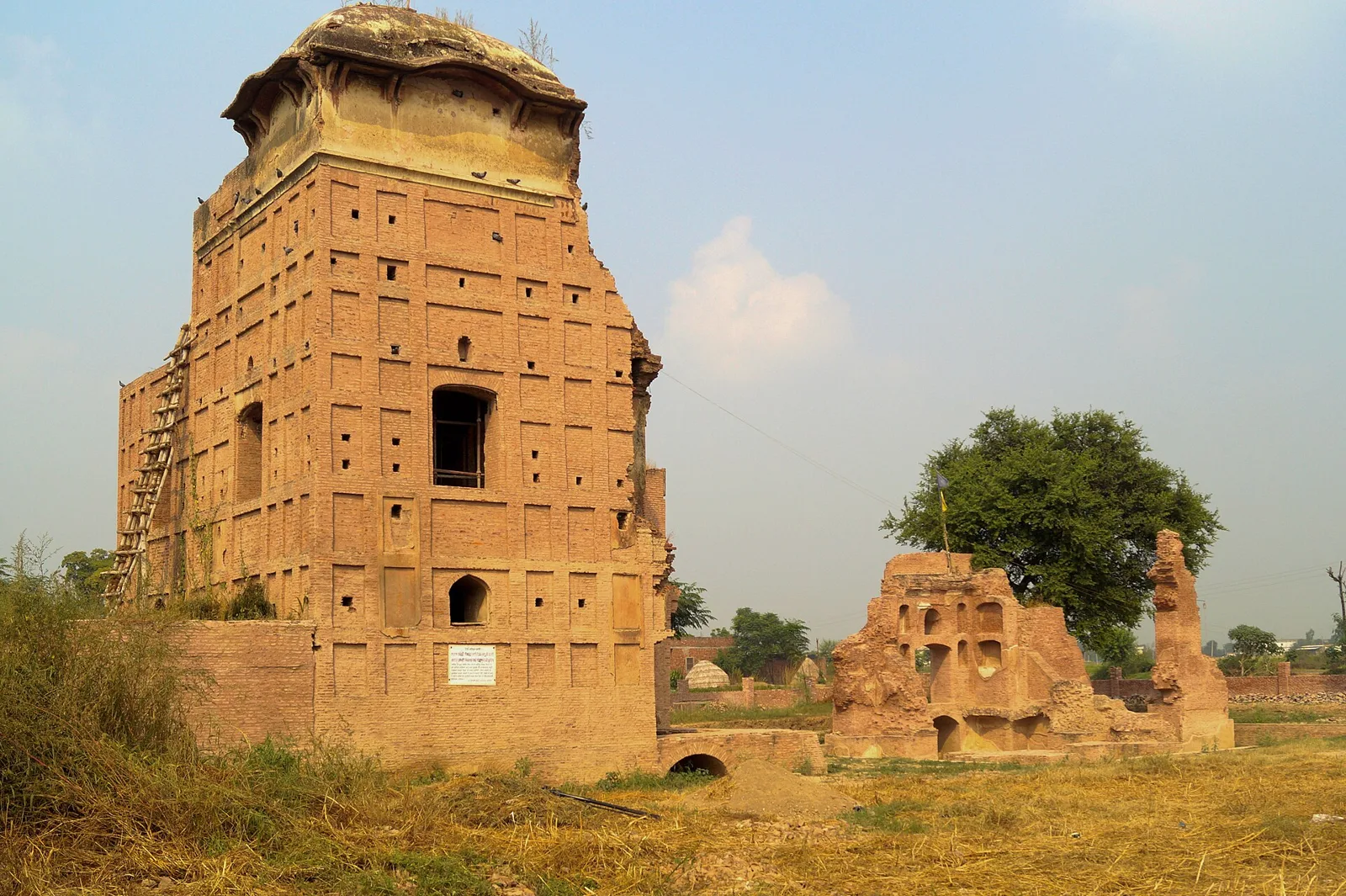
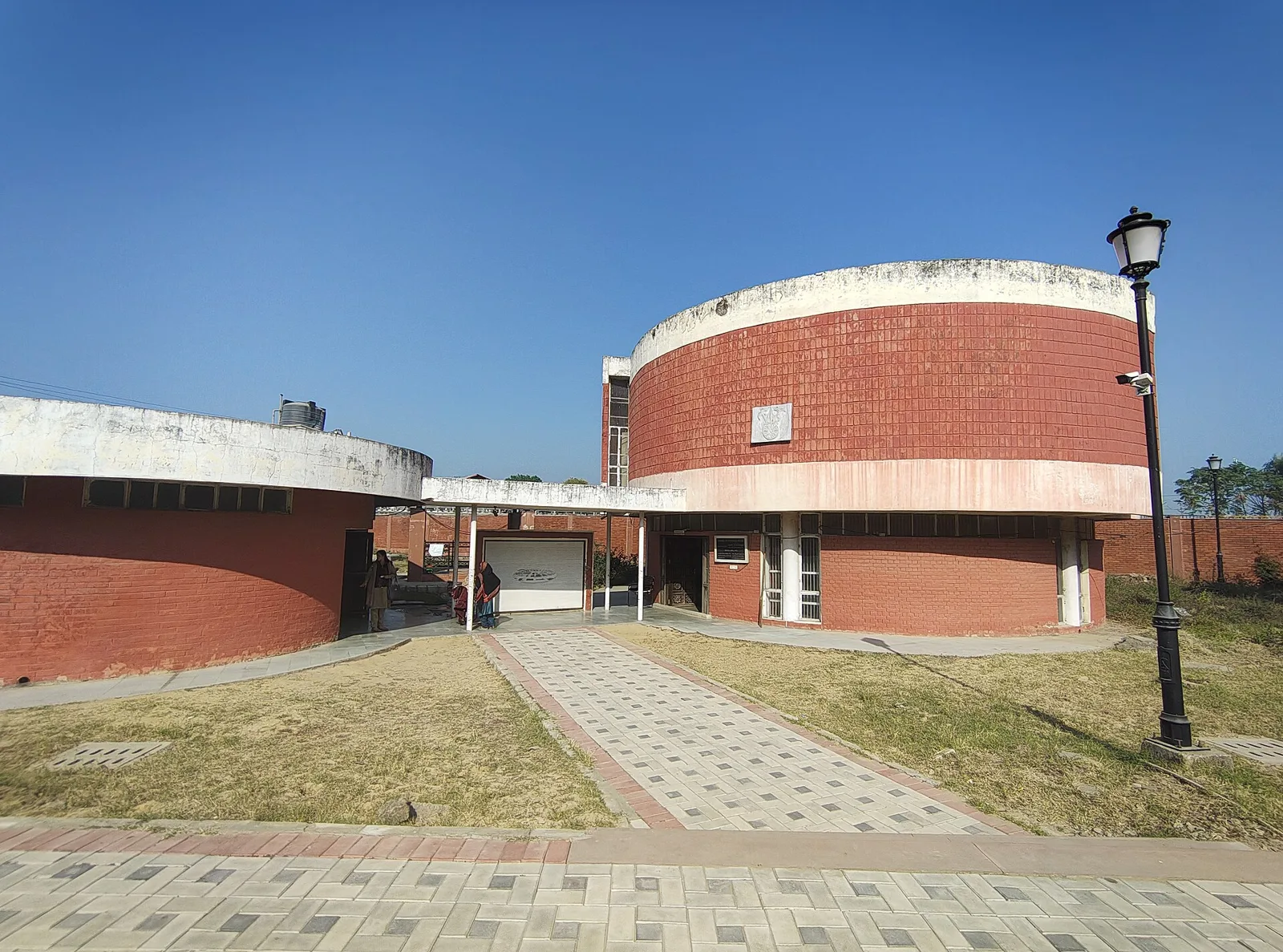
Sanghol, also called Uchha Pind Sanghol, is a village in Punjab’s Fatehgarh Sahib district with roots in the Harappan civilisation. Visitors come to see its excavated Buddhist and Kushan remains and the museum collections.

Patiala

34 km away · Patiala district

Patiala

Patiala is a city in southeastern Punjab and the administrative centre of its district. People visit for its royal history, Qila Mubarak and distinctive clothing, footwear and cultural traditions.

Fateh Burj

43 km away · Mohali district

Fateh Burj

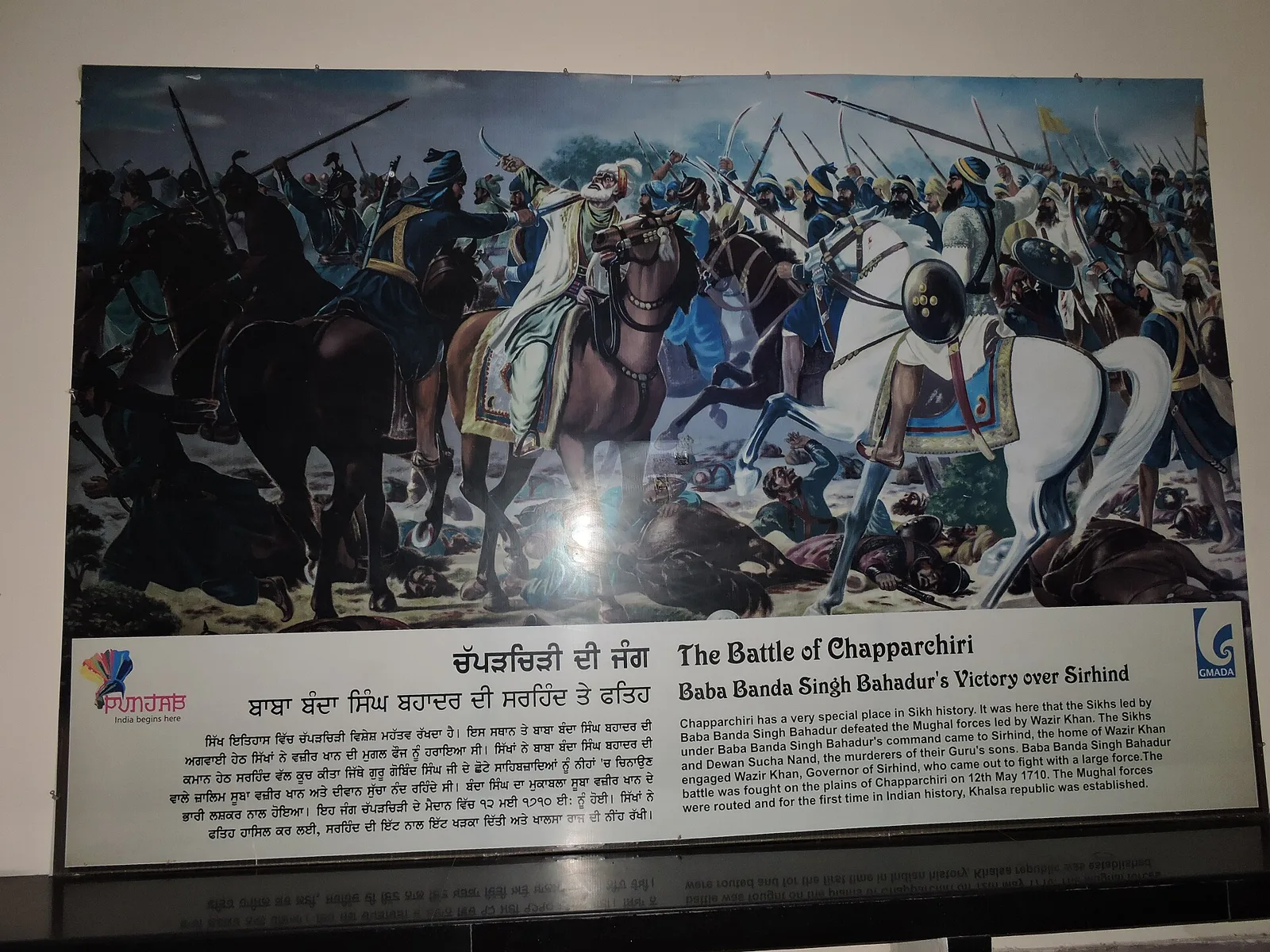
Fateh Burj is a 100-metre victory monument at Chappar Chiri in Punjab’s Mohali district. People visit to see a tower commemorating the Sikh Misls and Banda Singh Bahadur’s decisive battle.

Ludhiana

49 km away · Ludhiana district

Ludhiana

Ludhiana is Punjab’s most populous city and a major manufacturing and trading centre in northern India; visitors come for its industrial and commercial activity.

Ropar Wetland

52 km away · Rupnagar district

Ropar Wetland

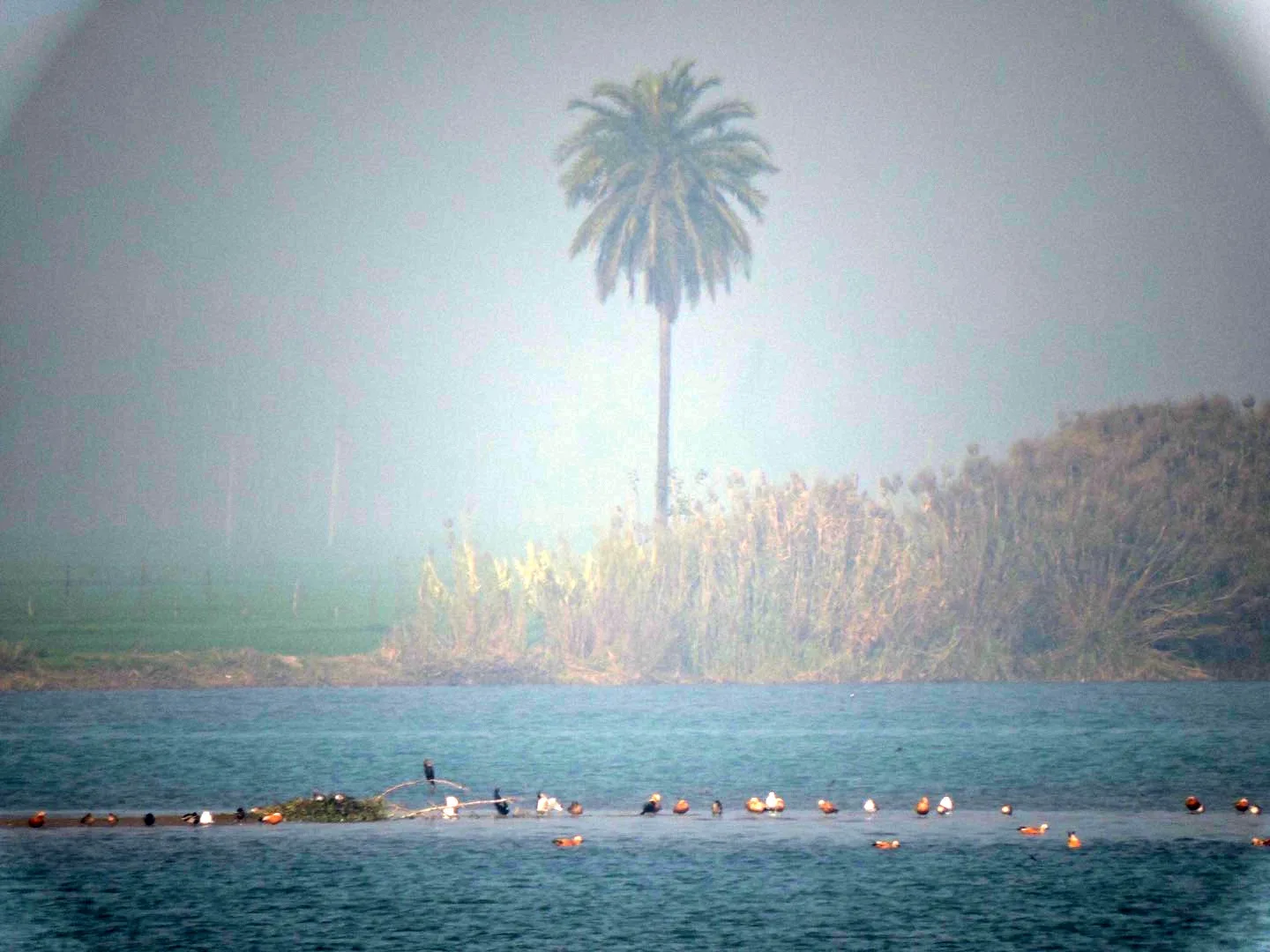
Ropar Wetland, in Punjab’s Rupnagar district, is a freshwater habitat formed by a river and lake. Visitors have come for birdwatching and boating, while its wildlife and Ramsar status are also notable.

Phillaur Fort

62 km away · Ludhiana district

Phillaur Fort

Known also as Maharaja Ranjit Singh Fort, Phillaur Fort is a fort in Punjab that visitors can see on the Grand Trunk Road at Phillaur.

Map

Amloh on the map

  1. 1Aam Khas Bagh
  2. 2Fatehgarh Sahib
  3. 3Sanghol
  4. 4Patiala
  5. 5Fateh Burj
  6. 6Ludhiana
  7. 7Ropar Wetland
  8. 8Phillaur Fort

Punjab

Other cities to explore